
Couple Clashes Over Thanksgiving Potluck When Boyfriend Demands Special Meals for His Mom
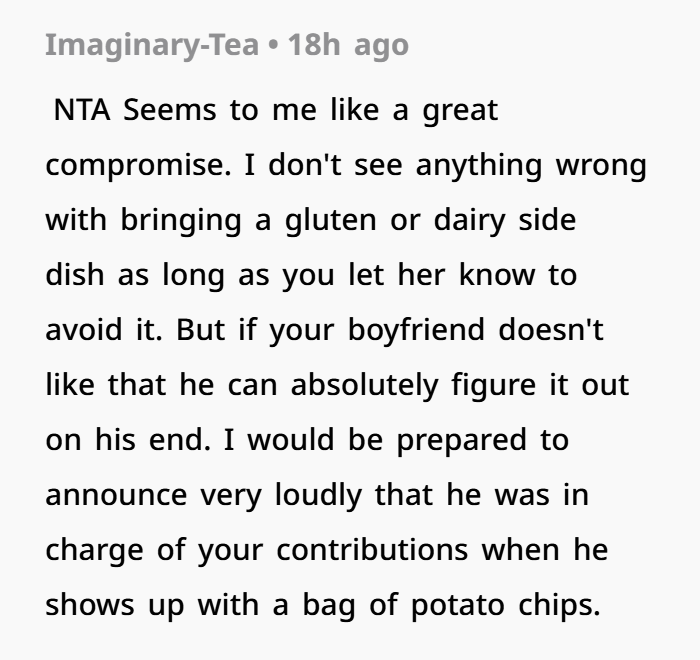
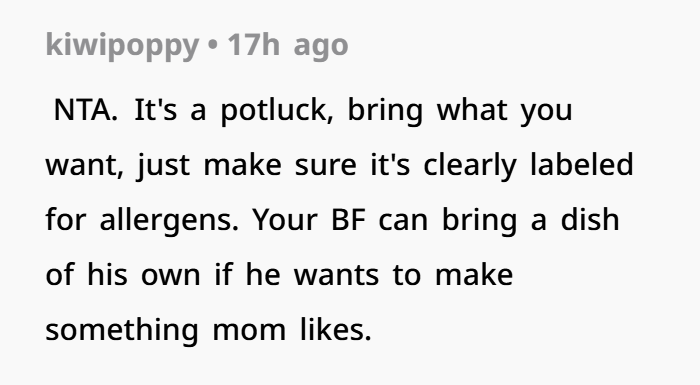
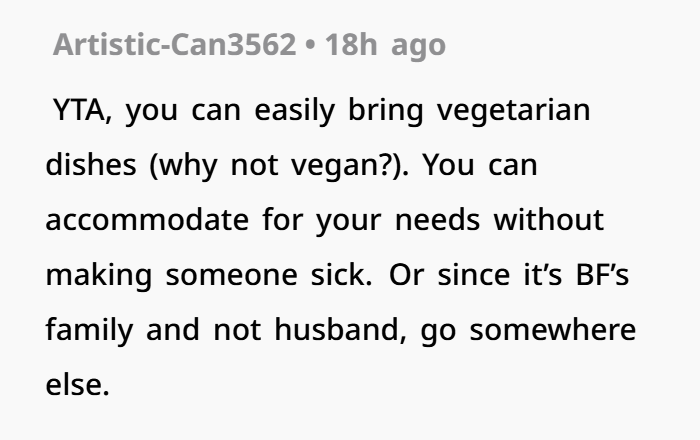
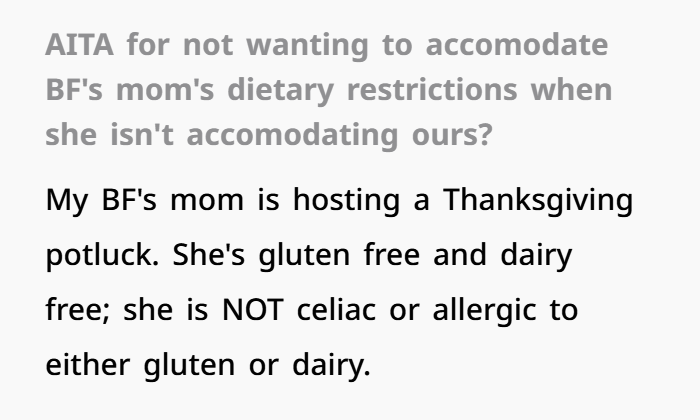
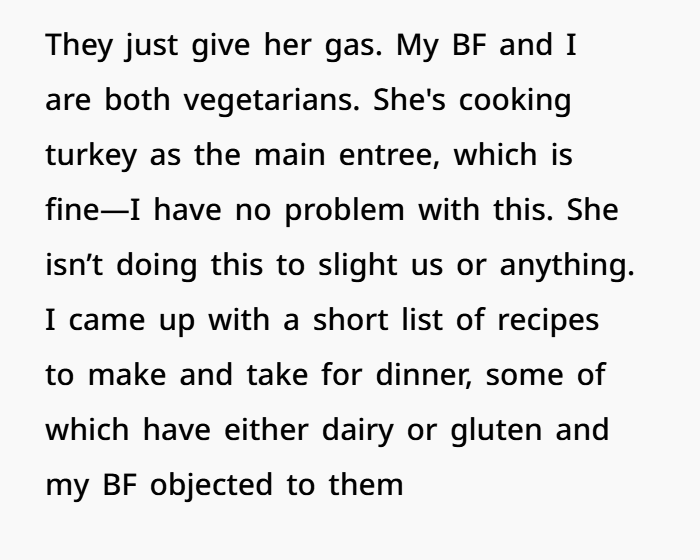
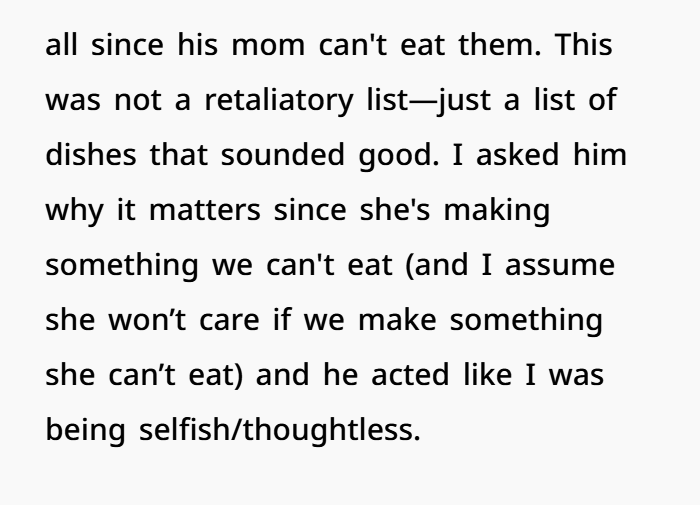
A woman is facing an awkward situation after her boyfriend’s mother invited them to a family Thanksgiving dinner. The mother is gluten-free and dairy-free because these foods upset her stomach. However, the woman and her boyfriend are both vegetarians. The mother plans to serve turkey as the main dish, which the couple understands. They simply want to bring a vegetarian side dish that they can both enjoy. But when the woman suggests a few recipes that contain dairy or gluten, her boyfriend turns down every idea. He says they should make sure his mother can eat whatever they bring.
The woman finds this a little unfair because the mother is preparing a meal that the vegetarian couple cannot eat. She also does not seem to expect other family members to follow her food choices. The woman feels that everyone should be able to enjoy something at the family dinner. She is happy to prepare a dish that suits her and her boyfriend, but she does not understand why their food preferences seem less important.
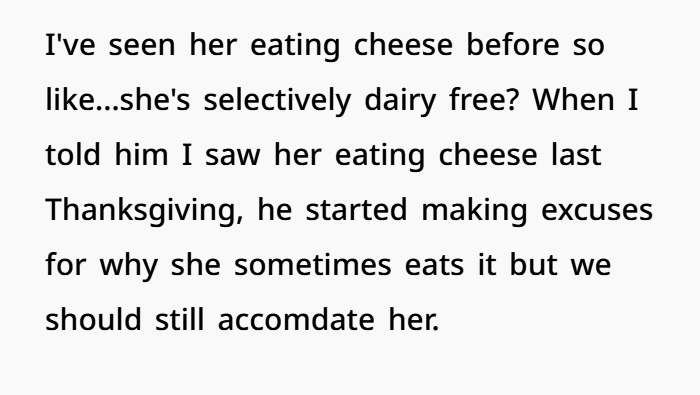
The situation becomes more confusing when she remembers seeing her boyfriend’s mother eating cheese on previous occasions. When she mentions this, her boyfriend explains that his mother sometimes makes exceptions but still wants everyone to respect her dietary needs. The woman feels that she is being asked to do all the extra work while her own preferences are being overlooked.
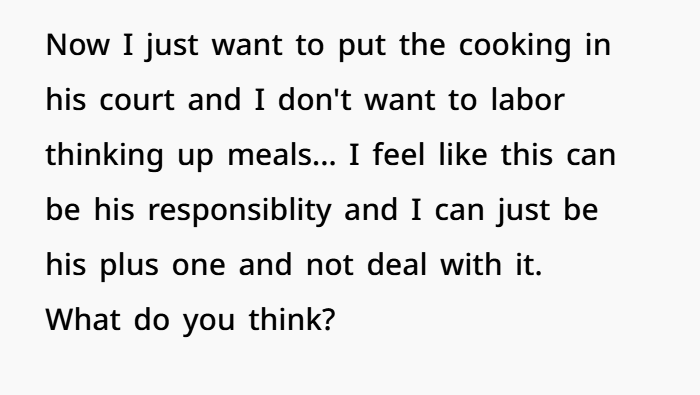
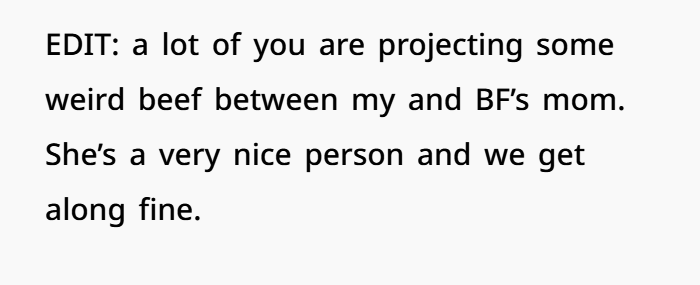
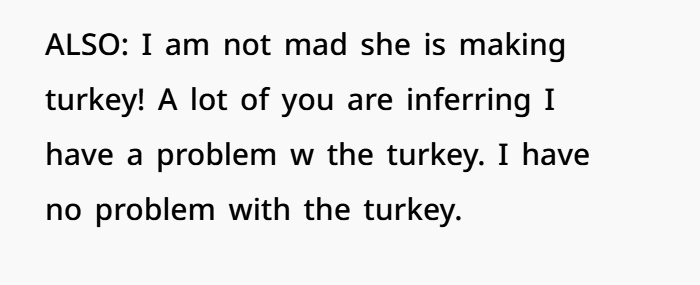
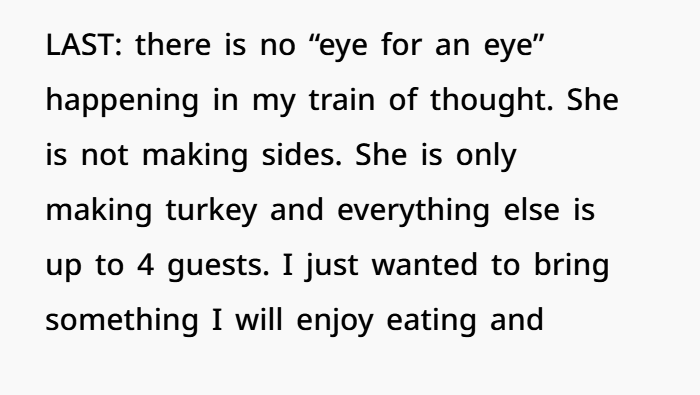
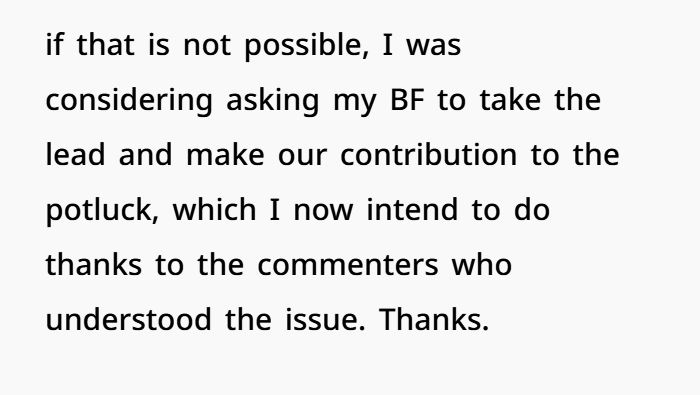
Now, she is thinking about letting her boyfriend prepare their Thanksgiving dish himself. She explains that she has nothing against his mother and does not want to create any family problems. She simply believes that both partners’ dietary preferences deserve equal consideration. She is wondering if she is being unreasonable or if it is fair to expect the same understanding from everyone.

When Dietary Restrictions Become a Question of Fairness at Family Gatherings
Holiday meals are a great time for families to get together, enjoy good food, and spend time with each other. But planning a family dinner can sometimes become difficult when guests have different food needs.
Thanksgiving is a good example. Many traditional holiday dishes contain meat, dairy products, bread, and other ingredients that some people avoid.
Things can become more complicated when one guest follows a special diet and expects others to consider their food choices.
In this situation, a woman and her boyfriend were planning to attend a Thanksgiving potluck at his mother’s house. The couple was vegetarian, while his mother followed a gluten-free and dairy-free diet.
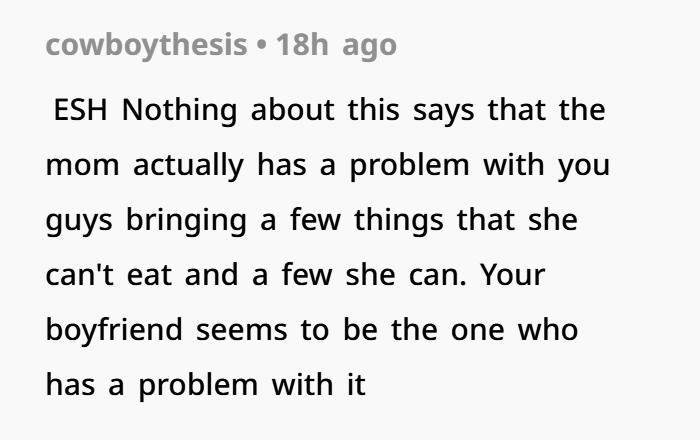
The disagreement started when the boyfriend expected his girlfriend to prepare food that met his mother’s dietary needs, even though the couple also had their own food preferences.
The main issue was not about which diet was better. It was about fairness, communication, and sharing the responsibility of preparing food for a family gathering.
Why Dietary Restrictions Can Make Holiday Meals Difficult
Planning a holiday meal is not always easy when everyone eats differently.
Some guests may avoid meat, while others cannot eat gluten or dairy products. Some people have food allergies, and others avoid certain ingredients because they cause digestive problems.
This means the host may need to think carefully about the food being served.
For example, a traditional Thanksgiving menu may include turkey, mashed potatoes with butter, creamy sauces, bread rolls, and desserts made with milk or cream.
These dishes may not work for everyone.
However, having different dietary needs does not mean a family cannot enjoy the same meal.
A little planning can help make sure everyone has something suitable to eat.
Understanding the Difference Between Food Allergies and Dietary Preferences
Before discussing food choices, it is helpful to understand that not all dietary restrictions are the same.
Some people avoid certain foods because of medical conditions, while others make personal choices based on their lifestyle.
Here are a few common examples.
Food Allergies
Food allergies happen when the body’s immune system reacts to a particular food. Some reactions can be serious, so people with food allergies need to avoid the ingredients that cause them.
Celiac Disease
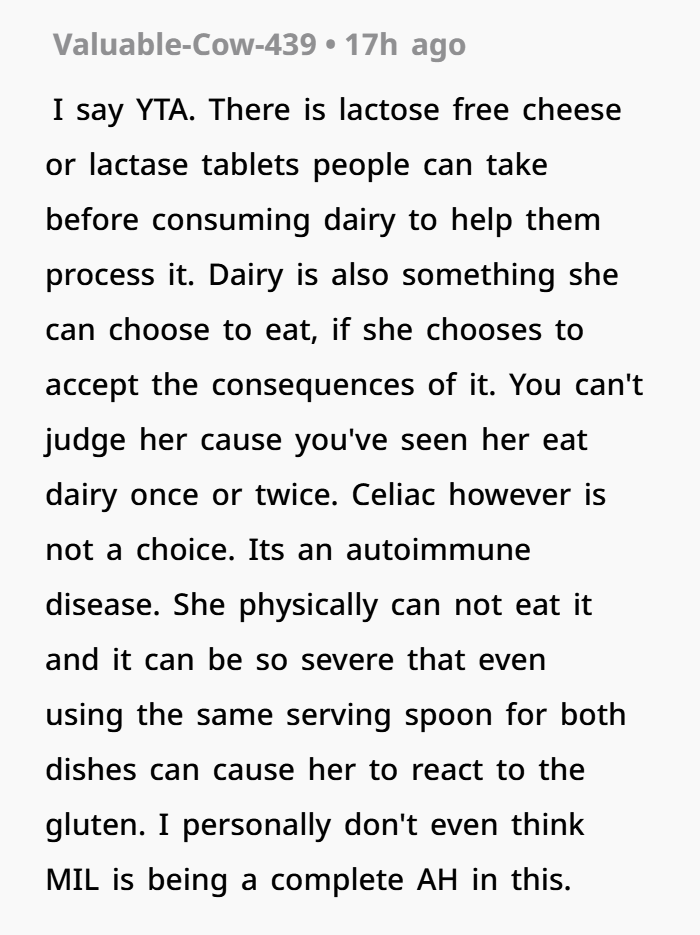
People with celiac disease need to avoid gluten. Gluten is found in foods such as wheat, barley, and rye. Eating gluten can damage the small intestine in people with this condition.
Lactose Intolerance
Lactose intolerance happens when the body has trouble digesting lactose, which is a natural sugar found in milk and dairy products.
Some people experience bloating, gas, or stomach discomfort after consuming dairy.
Vegetarian Diet
People who follow a vegetarian diet do not eat meat, poultry, or fish. However, some vegetarians still eat dairy products and eggs.
Understanding these differences can help families plan meals without making anyone feel uncomfortable.
It is also important to remember that someone does not need to have a diagnosed medical condition for their food preferences to deserve respect.
Should Everyone Follow One Person’s Dietary Restrictions?
This is one of the biggest questions in this situation.
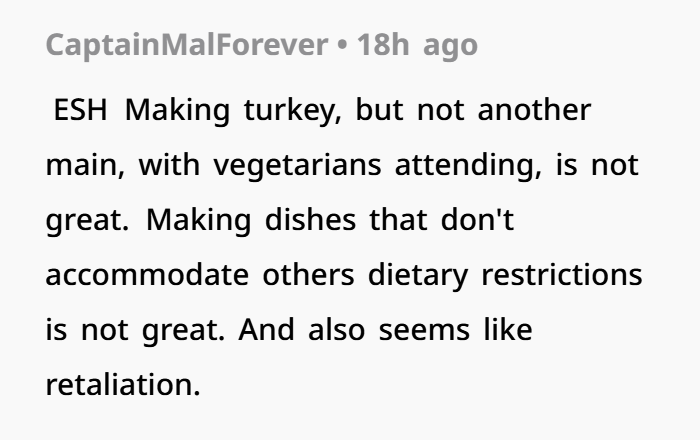
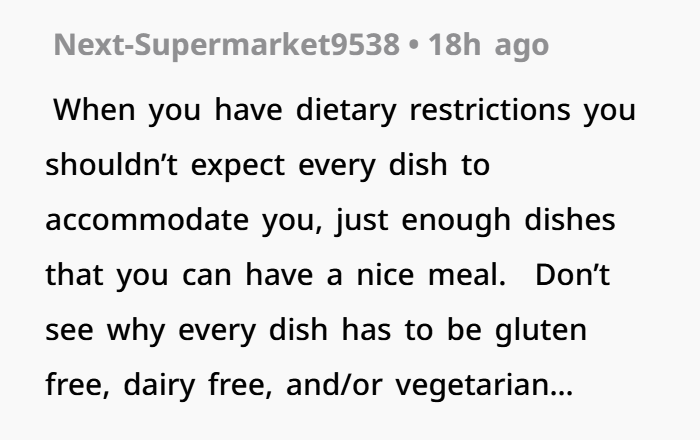
The boyfriend’s mother was hosting the Thanksgiving potluck and preparing the turkey. She followed a gluten-free and dairy-free diet, so it was understandable that she wanted some dishes she could enjoy.
At the same time, the couple was vegetarian.
They also wanted to bring something they could eat and enjoy during the family dinner.
A potluck is usually meant to include different dishes. Guests bring food they enjoy, and everyone can choose what works for them.
It does not always mean every dish must follow the same dietary rules.
For example, one guest could bring a gluten-free side dish, while another could prepare a vegetarian dish that contains dairy.
As long as everyone knows what ingredients are included, guests can make their own choices.
The goal should be to offer enough variety so that everyone has something suitable to enjoy.
Why the Boyfriend Should Share the Responsibility
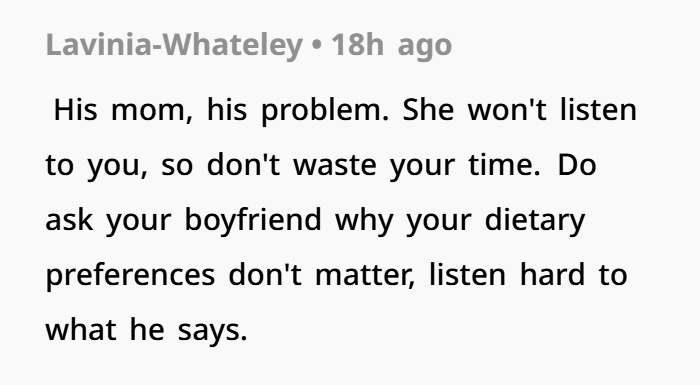
Another important part of this disagreement is the boyfriend’s role.
Since it was his mother hosting the Thanksgiving meal, he already understood her dietary needs.
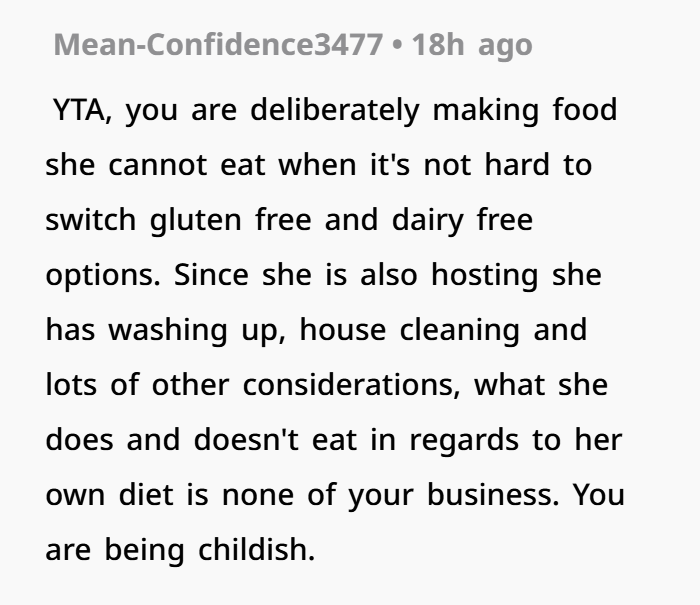
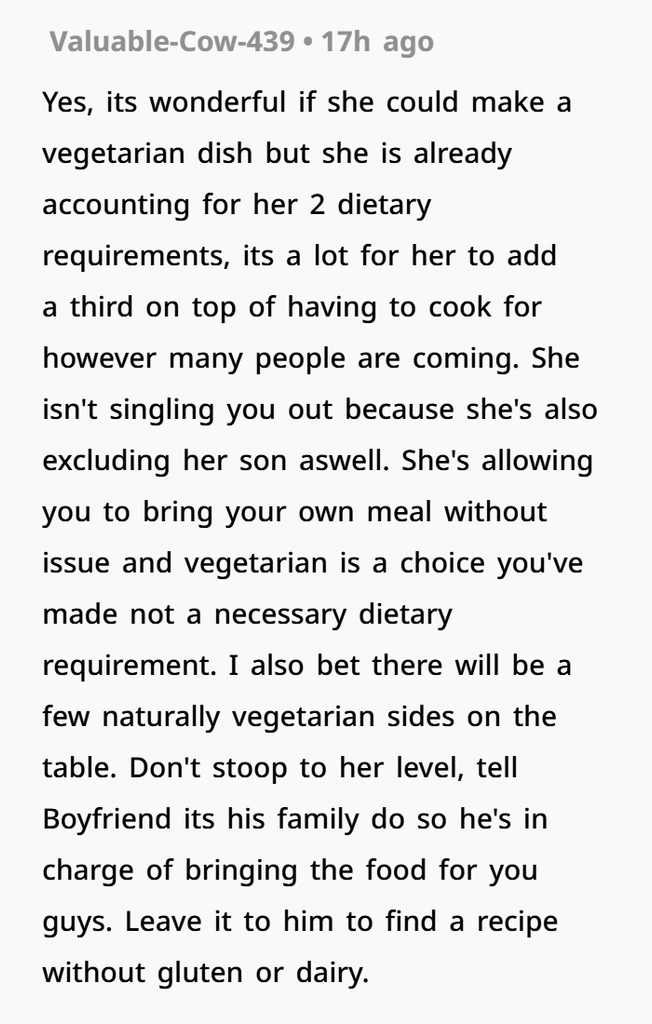
If he wanted to make sure his mother had something suitable to eat, he could have helped find a recipe that was vegetarian, gluten-free, and dairy-free.
Instead, he expected his girlfriend to handle the recipe planning while also criticizing her suggestions.
This can make a shared family responsibility feel like one person’s job.
Preparing food for a holiday gathering takes time. Someone needs to choose the recipe, buy the ingredients, prepare the dish, and sometimes transport it to the host’s home.
These tasks should not automatically fall on one partner.
If both people are attending the family gathering, both can help with the preparation.
Sharing the work can make holiday planning much easier and prevent unnecessary disagreements.
Does Eating Cheese Sometimes Make a Dairy-Free Diet Less Important?
The woman’s observation that her boyfriend’s mother occasionally eats cheese also raised another question.
She wondered why everyone was expected to avoid dairy if the mother sometimes ate it herself.
However, food restrictions are not always that simple.
Some people can tolerate small amounts of certain foods. Others may avoid ingredients most of the time but occasionally make exceptions.
A person may also choose to eat something even when they know it could cause discomfort later.
This does not automatically mean their dietary needs are not real.
Instead of making assumptions, it is better to ask the person which ingredients they actually avoid.
For example, the couple could ask whether the mother is comfortable with dishes containing small amounts of dairy or whether she prefers completely dairy-free meals.
Clear communication can prevent confusion and make food planning easier for everyone.
Easy Ways to Plan a Thanksgiving Potluck for Different Diets
A family potluck does not have to be stressful. With a little preparation, everyone can enjoy the meal without feeling that their food choices are being ignored.
Here are some simple ways to make holiday meal planning easier.
1. Ask About Dietary Needs in Advance
Before choosing recipes, ask the host which ingredients need to be avoided. This is especially important when someone has a food allergy or a medical dietary restriction.
2. Choose Recipes Everyone Can Enjoy
Look for simple vegetarian, gluten-free, and dairy-free recipes when possible. Vegetable dishes, certain rice dishes, and salads can offer useful options when prepared with suitable ingredients.
3. Bring More Than One Dish
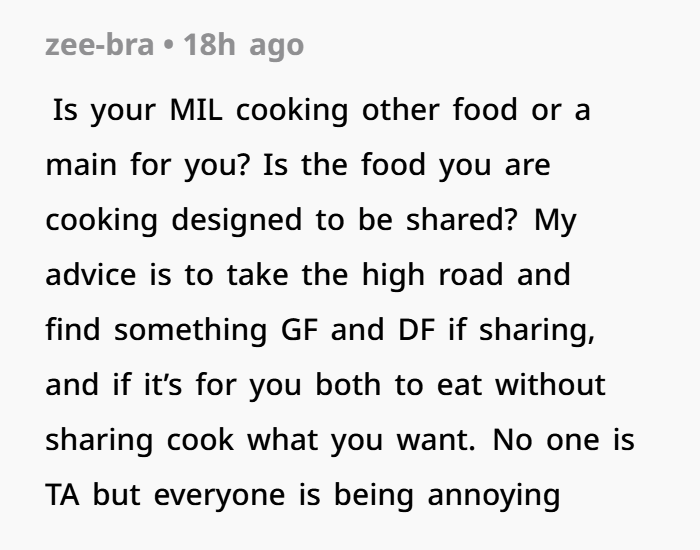
The couple could bring two different dishes. One could meet the mother’s dietary needs, while the other could reflect their own food preferences.
4. Share the Cooking Work
Both partners should take part in choosing recipes, shopping for groceries, and preparing the food.
5. Label Food Ingredients Clearly
If a dish contains dairy, wheat, nuts, or other common allergens, make sure guests know about it. This helps people make safer food choices.
6. Talk to the Host Before the Event
A quick conversation with the host can help everyone understand what food will be available and what additional dishes are needed.
These small steps can make a big difference during family gatherings.
How to Keep Family Gatherings Fair for Everyone
Food is often an important part of family traditions. However, people do not always have the same tastes, dietary needs, or eating habits.
One person may follow a vegetarian lifestyle, while another may need gluten-free meals. Someone else may prefer traditional holiday dishes.
There is no reason everyone must eat exactly the same food.
What matters is making sure nobody feels ignored or pressured.
The boyfriend’s mother deserves consideration for her dietary needs. The couple also deserves the freedom to follow their vegetarian diet.
Neither side should be expected to handle all the cooking or planning alone.
Family meals are more enjoyable when people communicate openly and make reasonable efforts to include each other.
Final Thoughts
Planning a Thanksgiving meal can become challenging when family members have different dietary needs.
In this situation, the boyfriend’s mother wanted gluten-free and dairy-free food, while the couple wanted vegetarian options.
Both preferences deserved consideration.
There was no need for one person to take full responsibility for finding and preparing every dish.
The boyfriend could have helped choose a recipe that worked for his mother, or the couple could have brought two dishes that suited their different needs.
At the end of the day, a successful family gathering is not about making everyone follow one diet.
It is about understanding each other, sharing responsibilities, and making sure everyone has something they can enjoy.
A little planning and mutual respect can make holiday meals much more pleasant for the whole family.
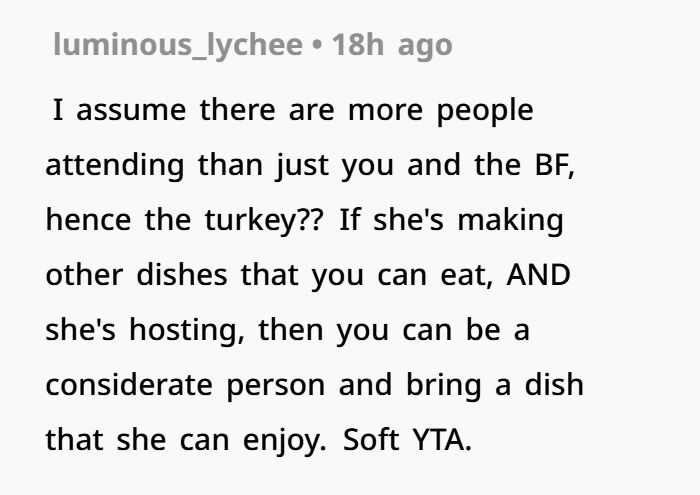
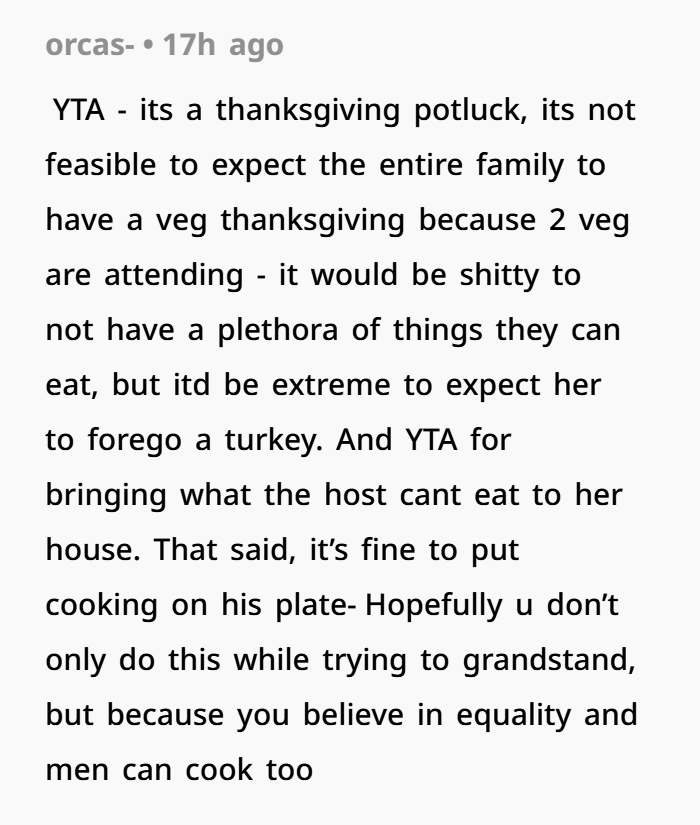
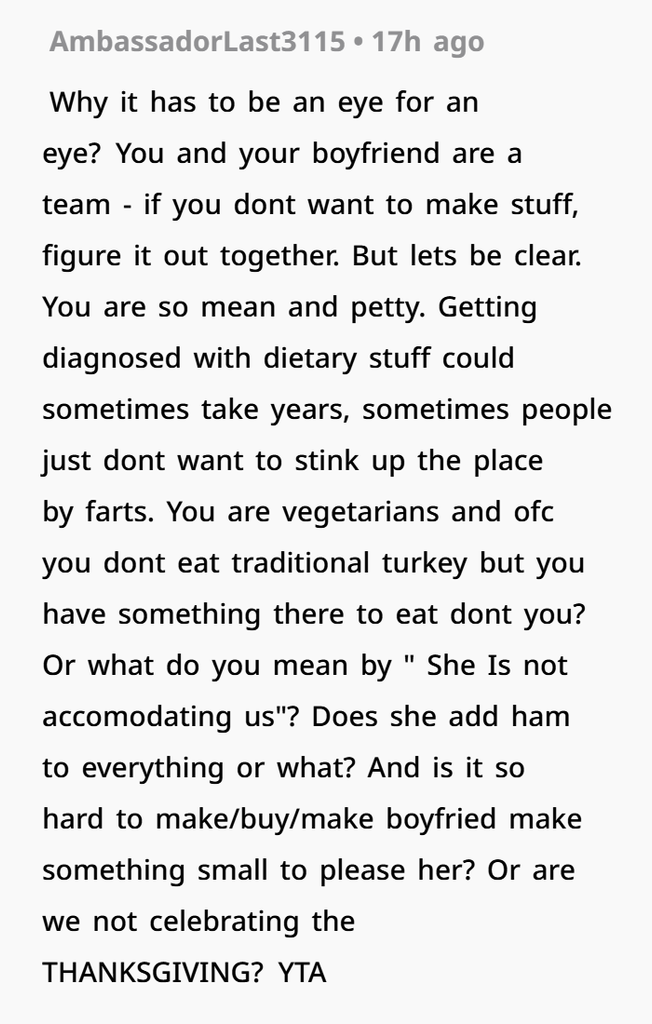
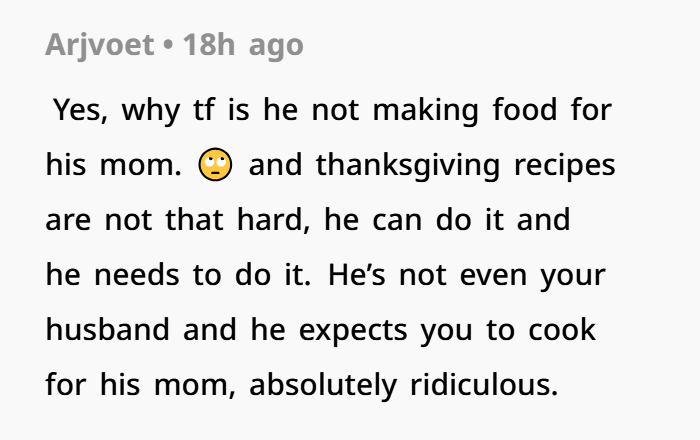
See The Comments Below