
I Told My BF I Won’t Have Kids With Him Because He Said He’d Only Truly Love a Son
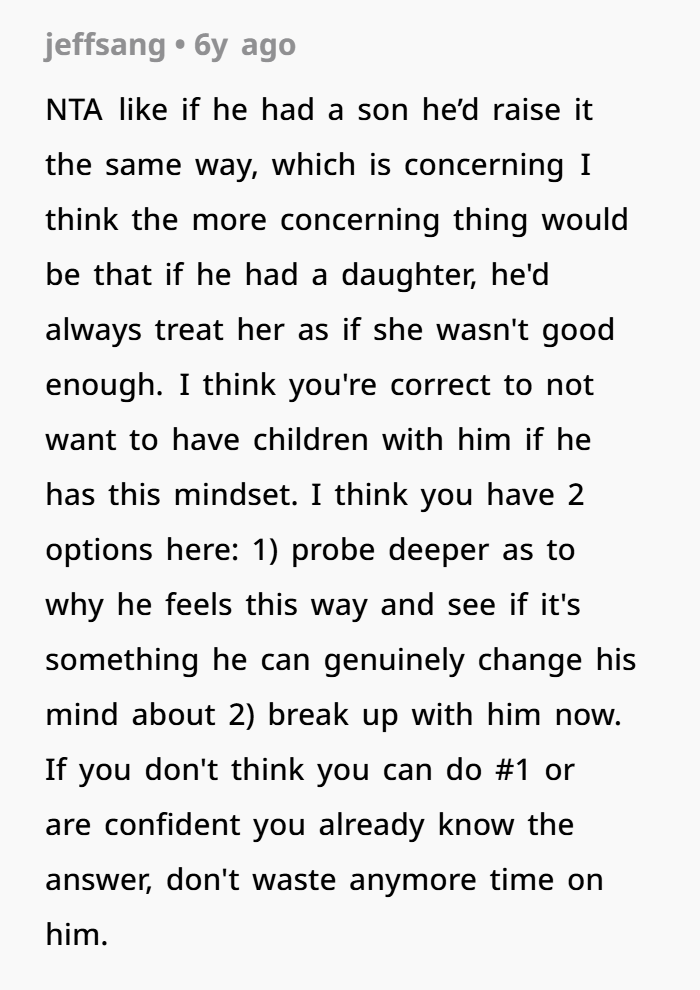
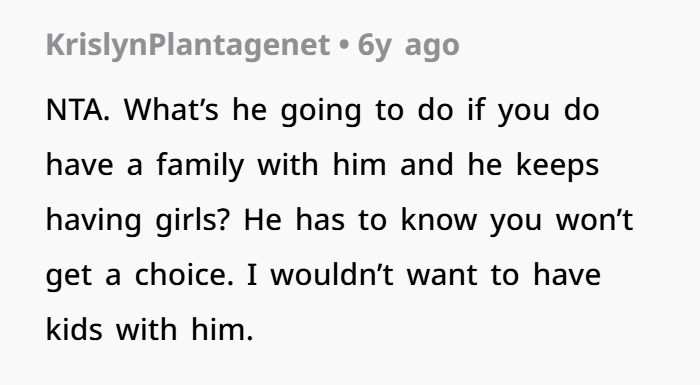
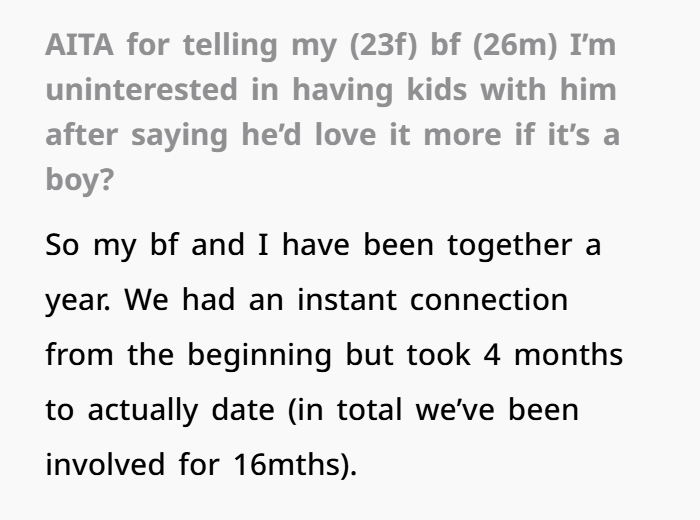
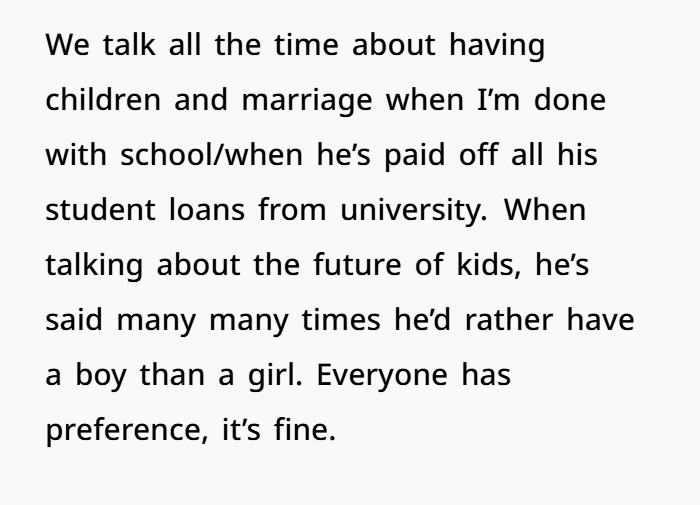
A 23-year-old woman shared a story about her relationship and future plans with her 26-year-old boyfriend. They were in a serious relationship and often talked about getting married and having children one day. They planned their future carefully, including finishing school, paying off loans, and then starting a family together. They even talked about baby names and joked about parenting.
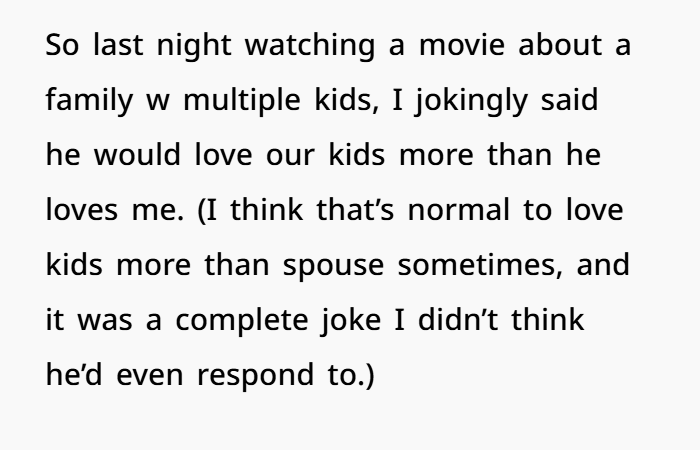
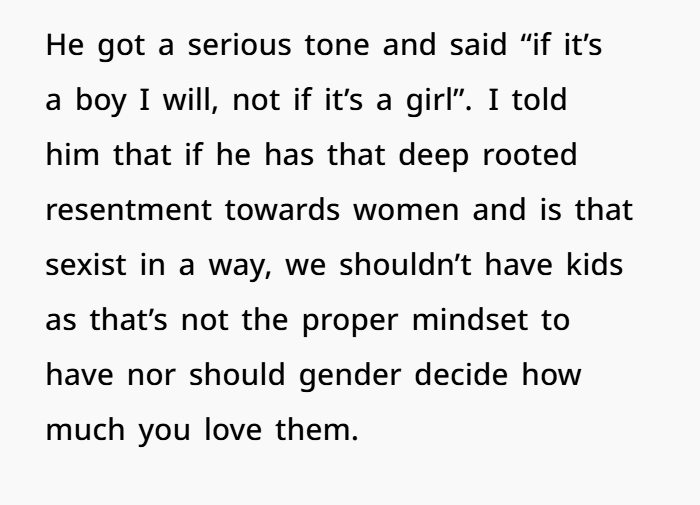
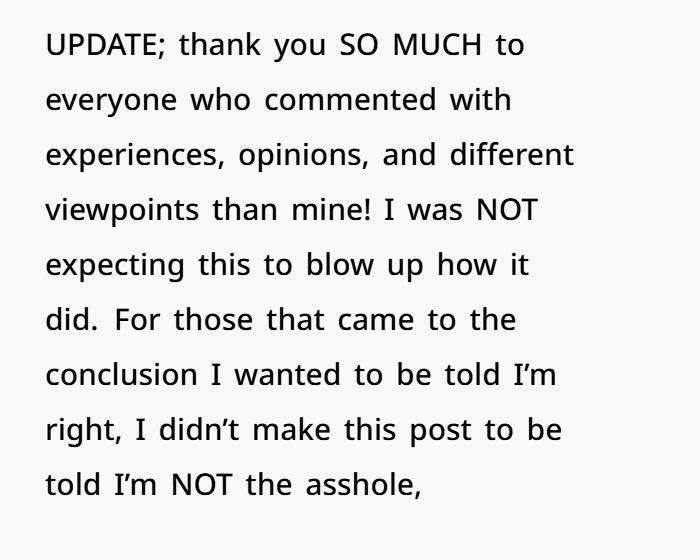
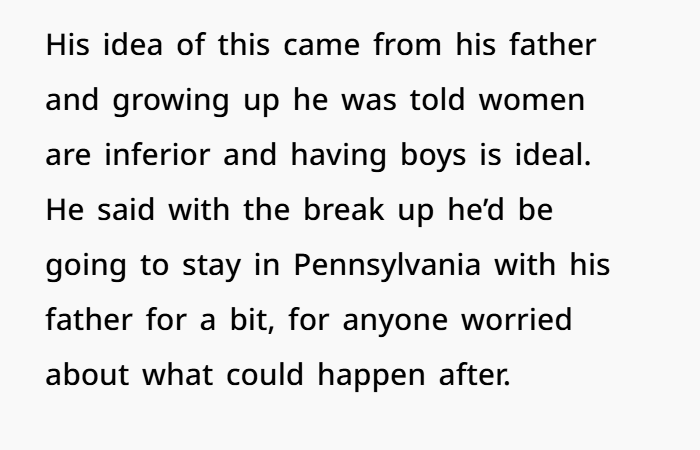
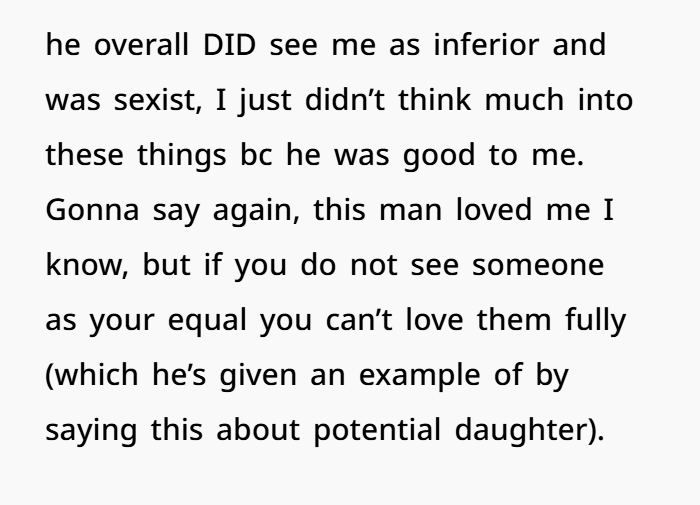
But things changed when the boyfriend made a very upsetting comment. He said that if they had children, he would love their sons more than their daughters. At first, she thought it might be a strange joke, but when she asked him again, he repeated it and said that fathers naturally prefer sons and that this is just how things are.
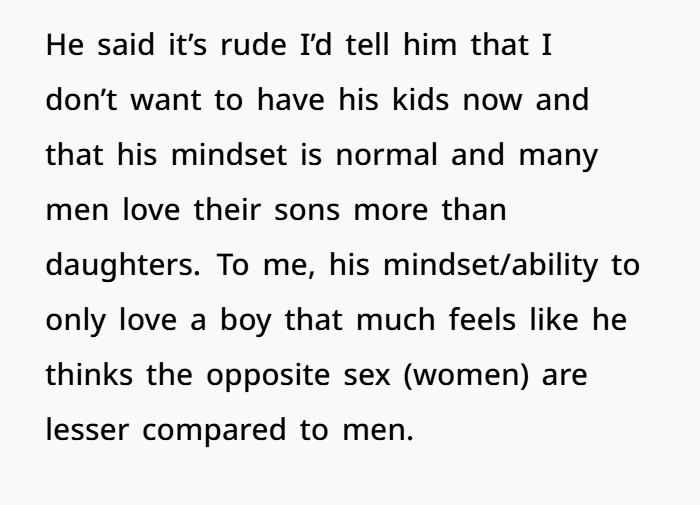
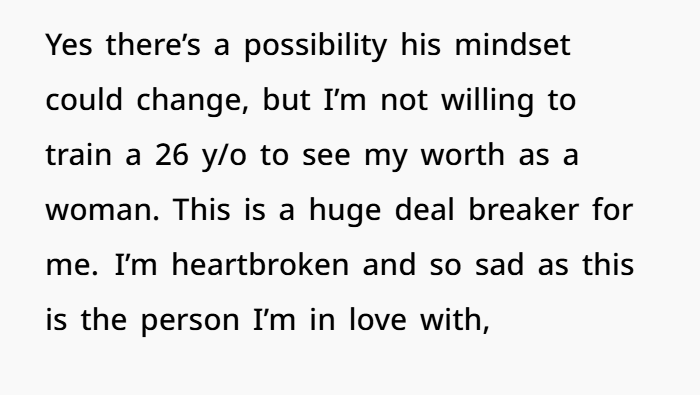
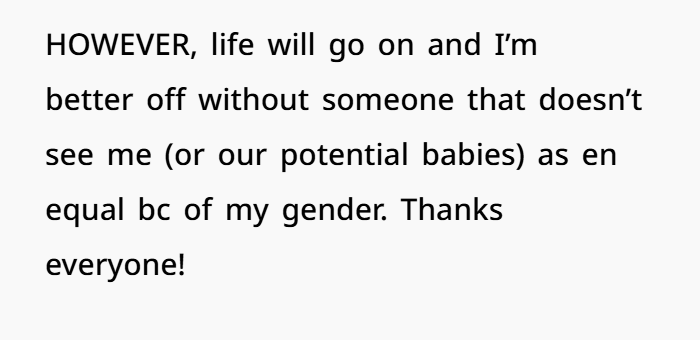
This belief shocked her and made her feel uncomfortable. She felt it was unfair and showed a serious problem in his mindset about gender equality and parenting values. She believed that children, whether boys or girls, should be loved equally and treated with the same care and respect.
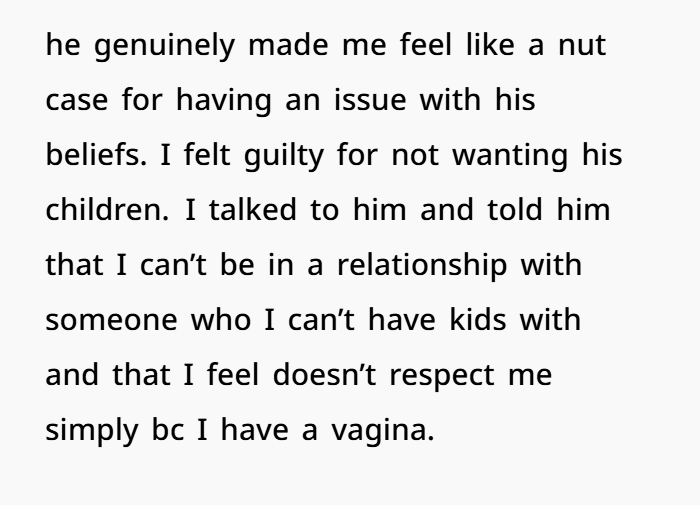
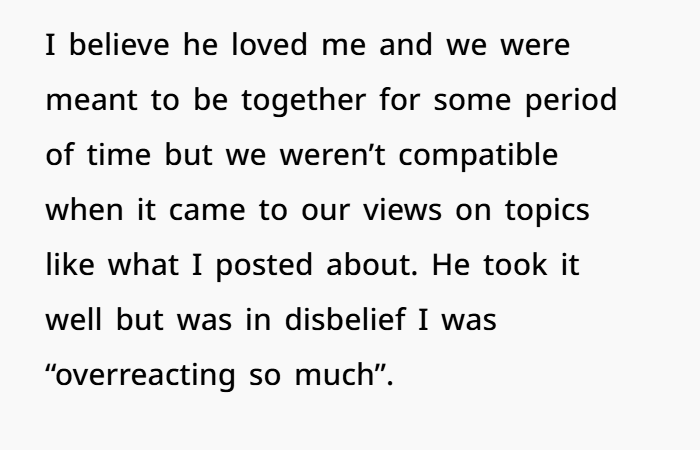
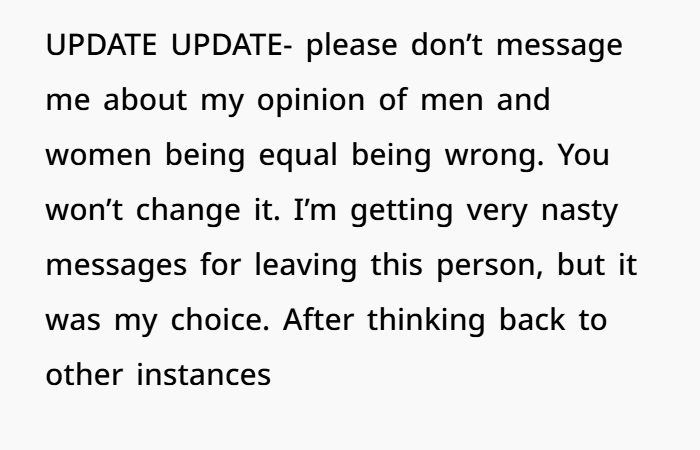
Because of this difference in values, she told him she could not continue the relationship or have children with someone who thought this way. The situation led to arguments and emotional stress, and they eventually broke up. Even though it was painful, she felt it was important to protect her self-respect, her future children, and her expectations for healthy family planning and equal parenting.
While joking about future kids, a woman’s boyfriend made a deeply sexist comment
Let’s say it clearly: if a boyfriend says he would love a son more than a daughter, that is a serious red flag in a relationship. This is not just a small “bad joke.” It shows a mindset that can affect future family life, parenting, and even child mental health. This kind of thinking is linked with gender bias, unhealthy relationship patterns, and toxic beliefs about masculinity and femininity. So let’s understand it in a simple way.
1. Gender Bias in Parenting Is Real — And It Can Hurt Children
The idea that boys are more important than girls is not new. In many cultures, this belief still exists today. Some people think sons are stronger, more valuable, or better for carrying on the family name. Girls are often seen as emotional or less important, which is unfair and outdated.
These old beliefs come from generations of patriarchy and can lead to serious problems in family life. When parents show favoritism based on gender, it can harm child development, damage self-esteem, and create long-term emotional issues like anxiety, low confidence, and insecurity in relationships.
Research, including surveys like Pew Research studies, shows that some people still unconsciously prefer sons because of social expectations about strength, legacy, and support. This is a clear example of gender bias in parenting and unhealthy family dynamics.
2. “I Was Joking” Is Often Used to Avoid Responsibility
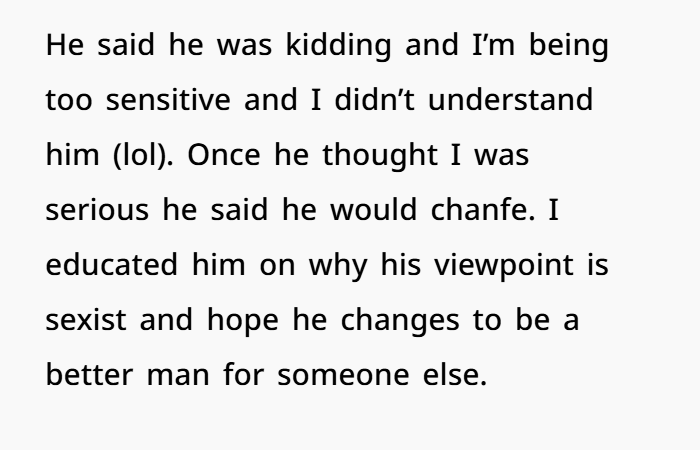
Now let’s talk about what happens when someone is called out for a sexist comment. Instead of accepting responsibility, they often say, “I was just joking” or “you are too sensitive.” This is very common in toxic relationship patterns.
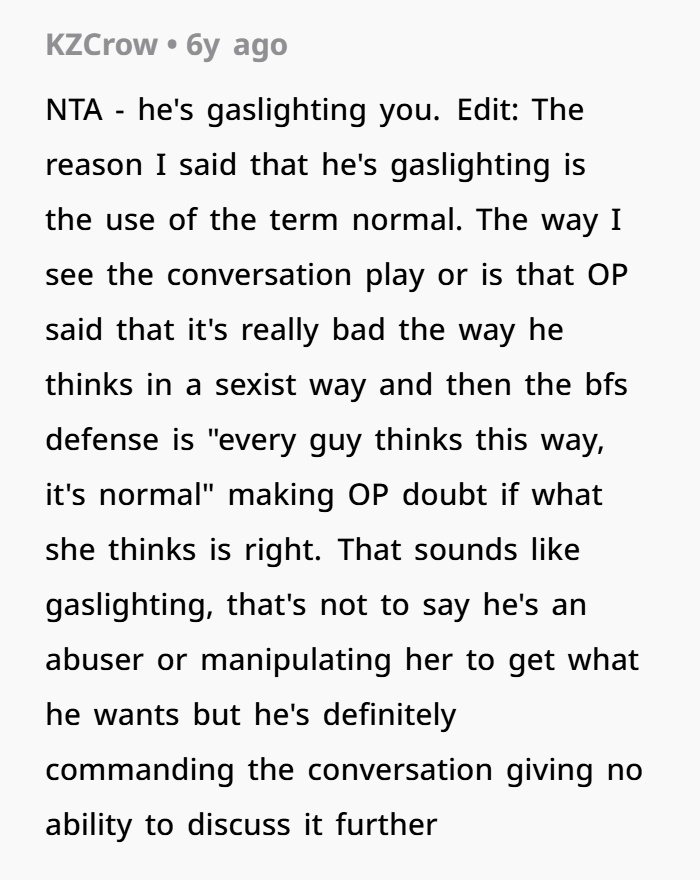
This behavior can be a form of emotional manipulation or gaslighting. It makes the other person doubt their feelings and question if they are overreacting. In healthy relationships, both partners should feel safe expressing concerns without being blamed for their emotions.
Not every joke is a big issue, but when a joke reflects real beliefs about gender roles or parenting, it becomes more serious. It shows underlying values that should not be ignored.
3. This Is Not Just One Comment — It Shows Deeper Sexist Beliefs
The main issue is not only one statement. It is the thinking behind it. Comments that say boys are better than girls, or that daughters are less valuable, come from deep-rooted sexism.
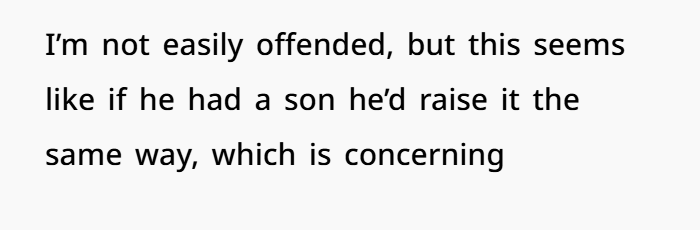
These beliefs can quietly shape how someone behaves in a relationship and later in parenting. They can lead to control, unfair treatment, and emotional harm. When these ideas appear before children are even born, it raises concerns about future co-parenting and emotional safety in the home.
This is why gender bias is not just a small opinion. It can directly affect family stability and children’s emotional well-being.
4. Choosing a Parenting Partner Matters for Future Children
If a couple stays together and has children, these beliefs can become a real problem. For example, if the first child is a daughter, will she be treated with the same love and respect as a son? Or will there be disappointment?
These small attitudes can grow into bigger issues like emotional distance, over-controlling parenting, or strict gender expectations. This can affect how a child sees themselves and their place in the family.
Choosing a partner who respects equality is very important for healthy co-parenting, positive child development, and a safe emotional environment at home. Children learn self-worth from how they are treated by their parents.
5. Breakups Often Happen Because of Patterns, Not One Moment
In many relationship advice cases, people think a breakup is caused by one incident. But usually, it is a pattern. Small sexist comments, disrespectful behavior, and emotional neglect build up over time.
At first, people often ignore these signs because they care about their partner. But later, they realize that love without respect is not healthy. Conditional love based on gender or expectations is not real emotional security.
Family values and beliefs passed from one generation can also play a big role in shaping these attitudes. If someone is not willing to question those beliefs, change becomes very difficult.
6. Walking Away Can Be a Healthy and Strong Decision
She chose to end the relationship, and that decision shows emotional strength. It is not easy to walk away from someone you care about, but sometimes it is necessary for mental health and future stability.
Many people stay in relationships hoping their partner will change. But changing deep beliefs about gender roles and sexism takes real effort and awareness. It is not something one partner can fix alone.
When someone chooses to leave a toxic relationship pattern, it is often because they understand their own value and want a healthier future. This is an important step in breaking cycles of emotional abuse and unhealthy family behavior.
Final Thoughts on Respect and Healthy Relationships
This situation is not just about a breakup story. It is about understanding respect, equality, and emotional safety in relationships. Toxic relationship signs like sexism, gaslighting, and gender bias should never be ignored.
Healthy relationships are built on mutual respect, shared values, and emotional support. When someone shows clear signs of seeing one gender as less valuable, it is a serious concern for future family life.
Choosing yourself and your future children’s well-being is not weakness. It is a strong decision that supports better mental health, stronger co-parenting, and healthier family relationships.
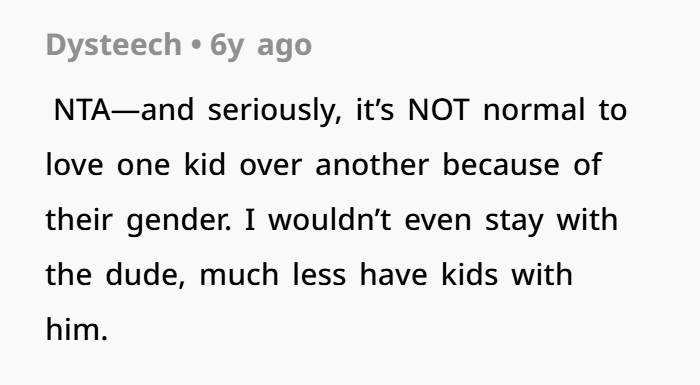
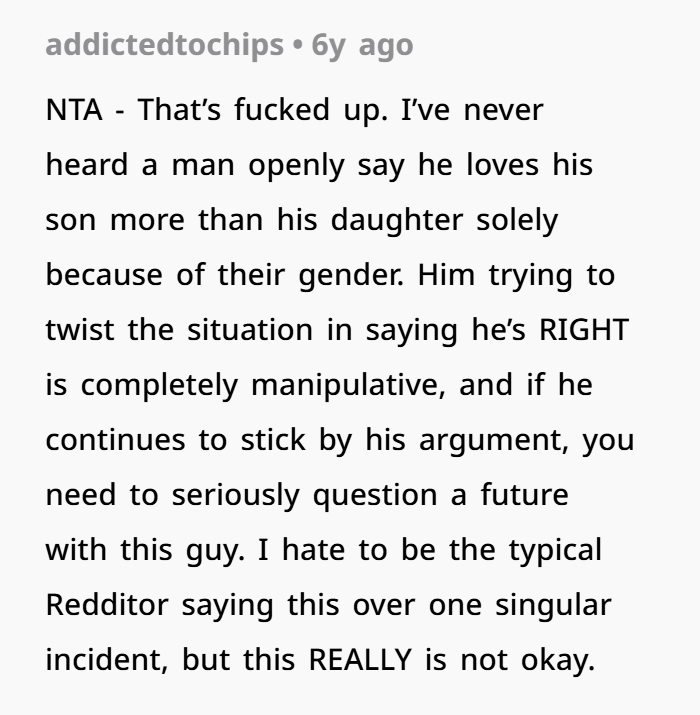
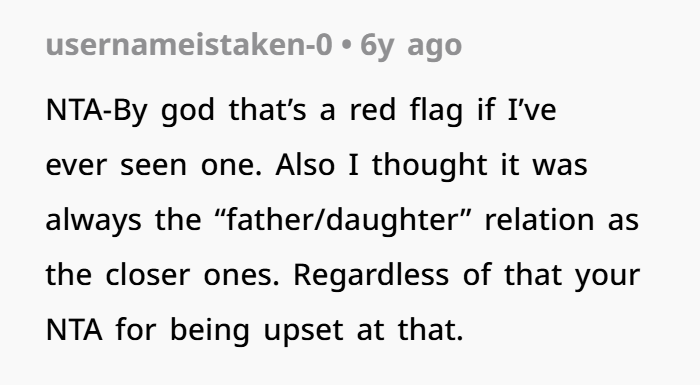
The internet praised her for refusing to train a 26-year-old to see her worth