
He Said “It’s Just a Dress” – And I Can’t Unhear It
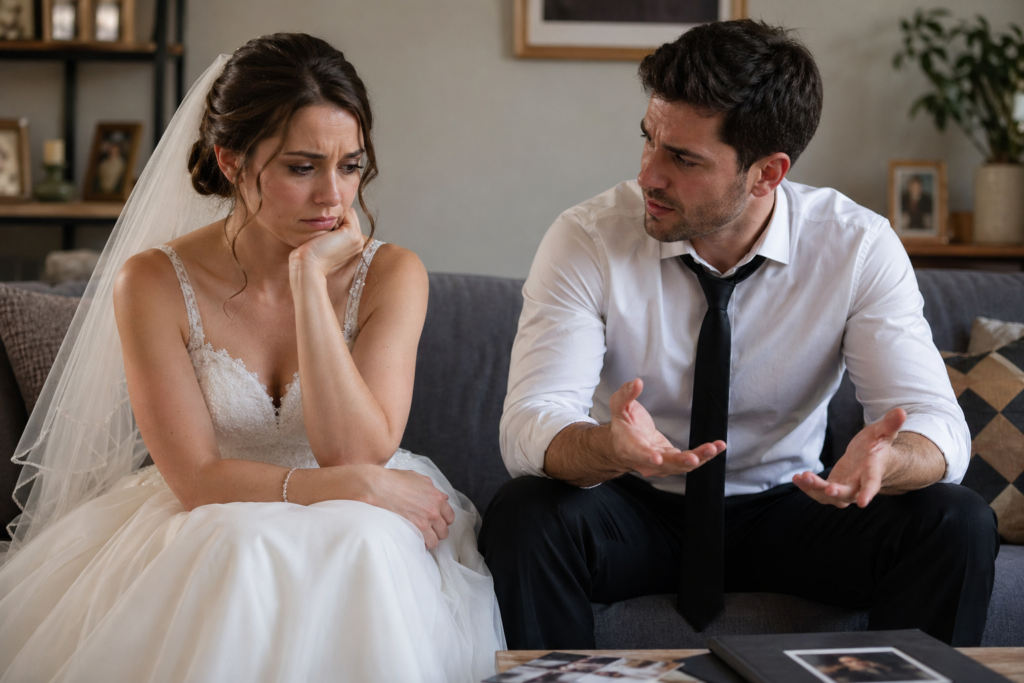
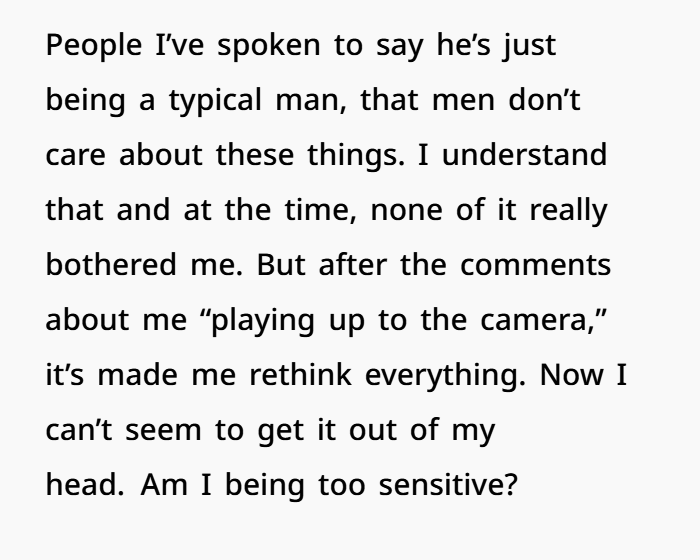
She waited for months to receive her wedding photography collection. Like many brides, she felt both excited and nervous about seeing the pictures. The wedding day itself had been a little uncomfortable for her because she does not enjoy being the center of attention. Posing for photos was outside her comfort zone, and she worried about how she would look. However, with support from the photographer, she ended up feeling happy with many of the images. That was unusual for her because she is often very critical of herself. When she finally sat down with her husband to look through the photos and relive their special day, she expected a warm and positive experience. Instead, he quickly skipped over the photos of her getting ready and commented that there were “so many” pictures of her and that she seemed to be enjoying the camera too much. His reaction left her feeling disappointed and confused.
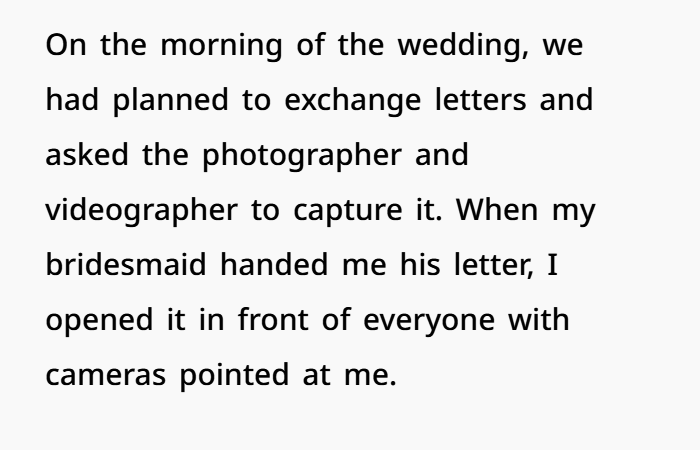
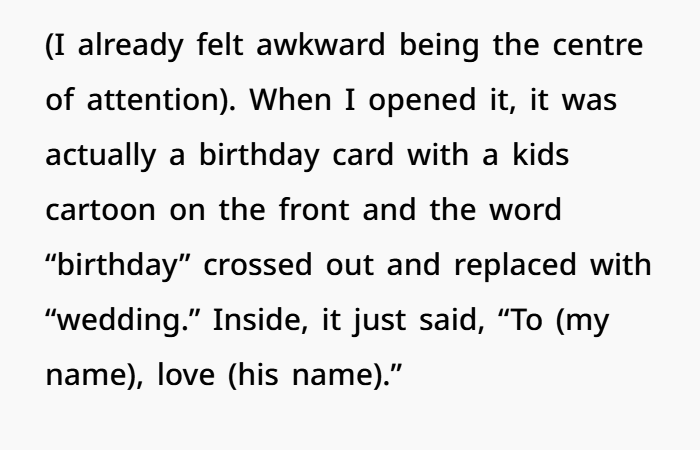
Looking back, she also started thinking about other moments during the wedding planning process. Before the wedding, he often joked that the day would be focused only on her. He mentioned being unhappy that there was no special groom’s suite available. The night before the wedding, he stayed up very late with friends instead of getting rest. On the wedding morning, rather than giving her a personal letter, he handed her a card that had originally been used for another occasion with the wording changed. Later, when someone asked what he felt when he saw her walking down the aisle, his response was simple and brief. Months after the wedding, she is wondering whether these moments were signs of poor relationship communication or differences in expectations. She is asking herself an important question: Is she being too sensitive, or could these experiences point to a deeper issue that may benefit from open conversations, marriage advice, or even couples counseling to help build a healthier relationship?
Many people are quick to say, “That’s just how men are,” but relationships are usually more complicated than that. In healthy relationships, feeling understood and supported is important. Small comments may not seem like a big deal at first, but they can affect trust and emotional connection over time.
Looking through wedding photos together is often a special moment for newly married couples. It gives them a chance to relive happy memories from their wedding day. In this situation, the bride was excited to see the photos because she normally feels uncomfortable in front of a camera. After working with the wedding photographer, she actually felt good about the pictures. That made her husband’s comment stand out even more. Instead of sharing her excitement, he suggested that she enjoyed the attention too much. Even if he meant it as a joke, comments like that can feel hurtful during an emotional moment.
It is also important to remember that wedding photography usually includes many photos of the bride. Wedding photography packages often focus on the dress, hair, makeup, flowers, and preparation before the ceremony. Couples spend a lot of time and money on wedding planning and bridal styling, so these photos are a normal part of the experience. Seeing many pictures of the bride is common and does not mean anyone was seeking extra attention.
Another possibility is that emotions and stress played a role. Weddings can be exciting, but they can also create pressure. Family expectations, event planning, budgets, and large gatherings can sometimes leave people feeling overwhelmed. Some people openly talk about their feelings, while others use humor, sarcasm, or distance to deal with stress.
The wedding letter is another detail that may have affected her feelings. Many couples exchange personal notes before the ceremony as a meaningful part of the day. These small gestures often become lasting memories. When one partner puts a lot of emotional value on these moments, a simple or rushed gesture can feel disappointing, even if it was not intended that way.
The night before the wedding may also be worth considering. Staying up very late before a major life event can sometimes suggest that a person is avoiding stress or dealing with nervous feelings in their own way. By itself, this may not mean much. However, when several similar situations happen together, people naturally start looking at the bigger picture.
That is why patterns are often more important than one single comment. Almost everyone says the wrong thing occasionally. The real question is whether there is a consistent pattern of dismissive behavior, lack of support, or poor communication. If similar situations happen repeatedly, they may point to a deeper issue within the relationship.
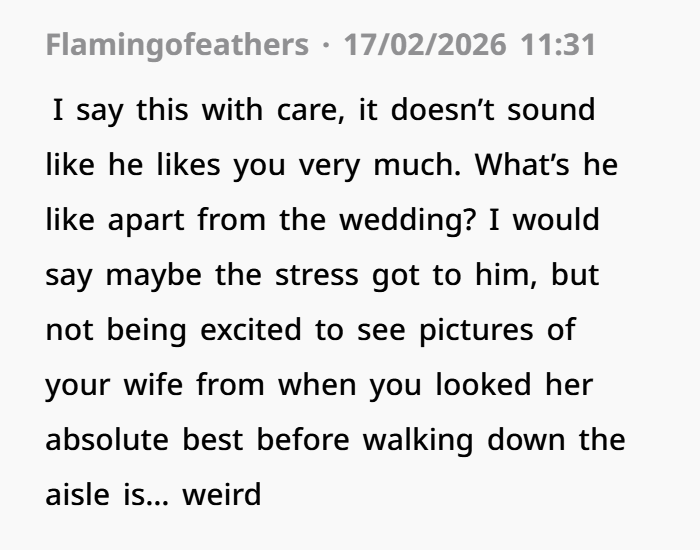
Another moment that stood out was his response when asked how he felt seeing her walk down the aisle. His answer seemed brief and unemotional. While everyone expresses feelings differently, many relationship experts believe that showing appreciation and admiration helps strengthen long-term relationships. Simple words of encouragement can make a partner feel valued and loved.
It is also important not to rely on stereotypes. Not all men feel the same way about weddings, and not all women have the same expectations. Healthy relationships depend on communication skills, emotional intelligence, and understanding each other’s needs rather than following common assumptions.
Months after a major event like a wedding, it is normal to look back and think about moments that felt uncomfortable. During exciting events, people are often focused on the celebration itself. Later, when life becomes calmer, they have more time to reflect on how certain experiences made them feel.
The key question may not be whether her husband intended to be hurtful. Instead, it may be whether he struggles with expressing emotions, understanding her feelings, or providing reassurance when she needs it. These are common challenges that many couples face.
In situations like this, open communication can be very helpful. Talking honestly about expectations, feelings, and concerns can often improve understanding between partners. Some couples also benefit from marriage counseling or couples therapy, where they can learn stronger communication skills and build a healthier emotional connection.
At the heart of this situation is a simple need: feeling appreciated, understood, and valued by the person you love. When both partners are willing to listen and communicate openly, it becomes much easier to strengthen trust and create a healthy relationship for the future.
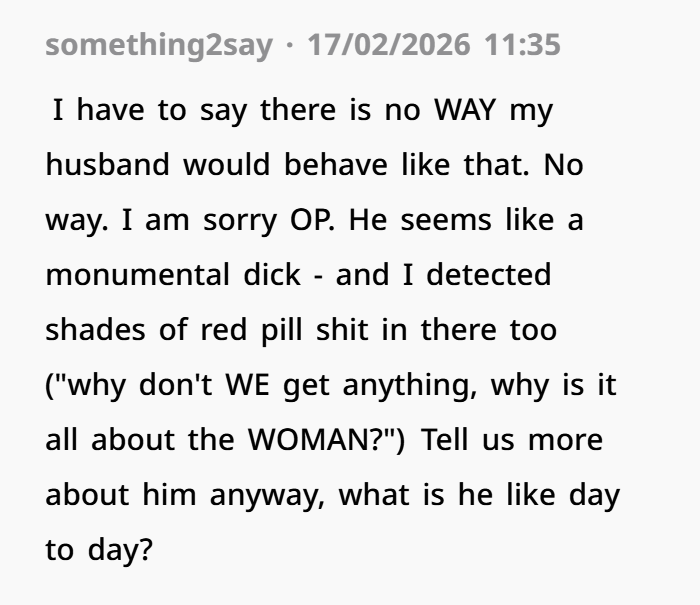
Netizens reassured her that she wasn’t too sensitive and pointed out that the man seems to simply not like his wife too much
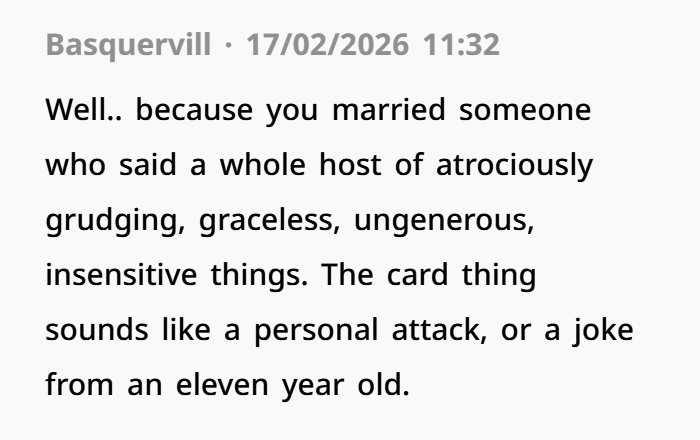
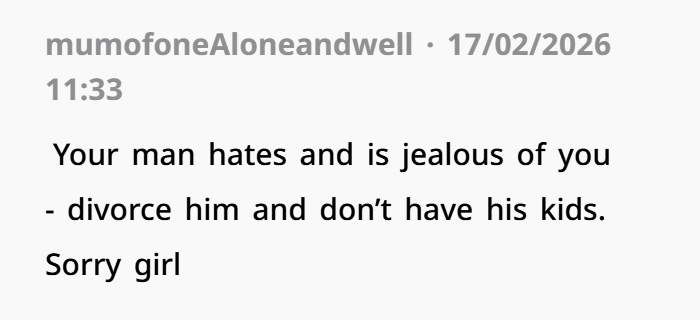
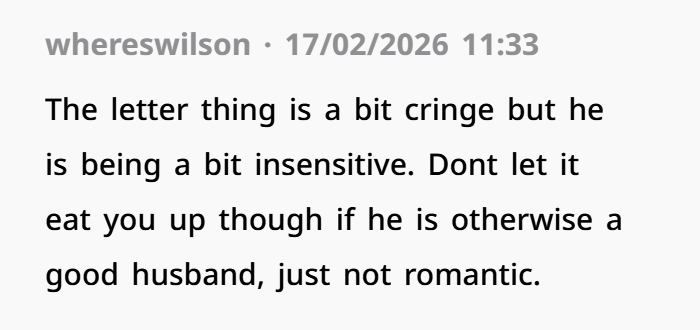
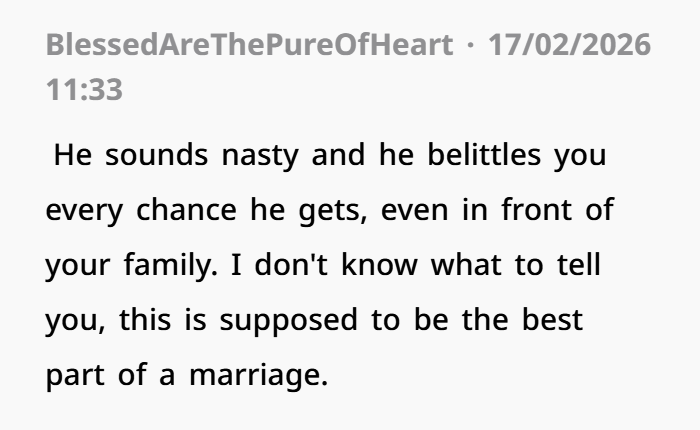
From a marriage advice perspective, the healthiest next step isn’t stewing silently. It’s a calm, specific conversation. Not “you ruined my wedding.” But: “When you said I was playing up to the camera, it made me feel embarrassed. I was already uncomfortable that morning.”
Use “I” statements. Avoid blame. Stay on one issue at a time.
If he responds with empathy? That’s repair.
If he doubles down or mocks the concern? That’s information too.
Every long-term relationship has moments that look different in hindsight. What determines marital satisfaction isn’t perfection. It’s repair attempts. It’s whether both partners can validate each other’s internal world.
So no. She’s not crazy for feeling this way. Emotional wounds don’t have to be dramatic to be real. Sometimes they’re quiet. A skipped photo. A flat comment. A crossed-out birthday card.
And sometimes those small things say more than we want them to.