
The 22-Year Gap That Echoed Through Generations
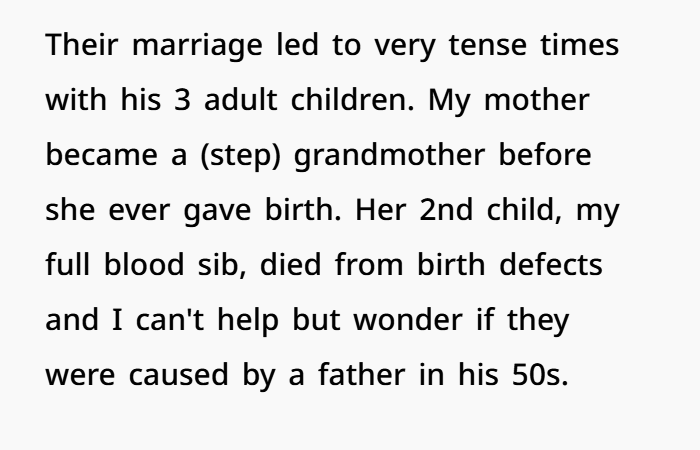
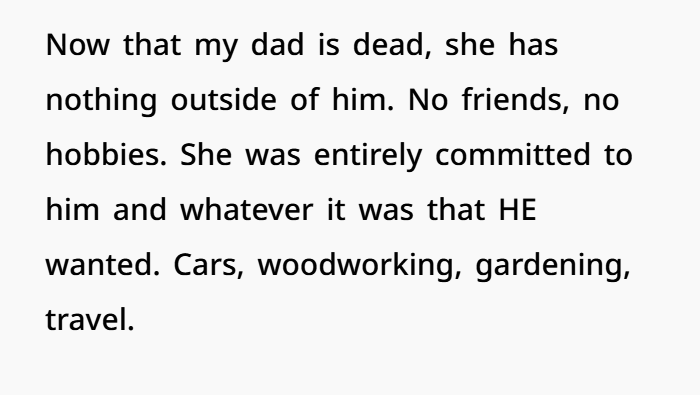
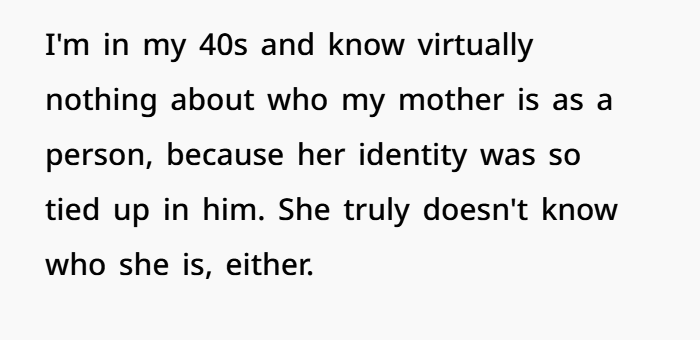
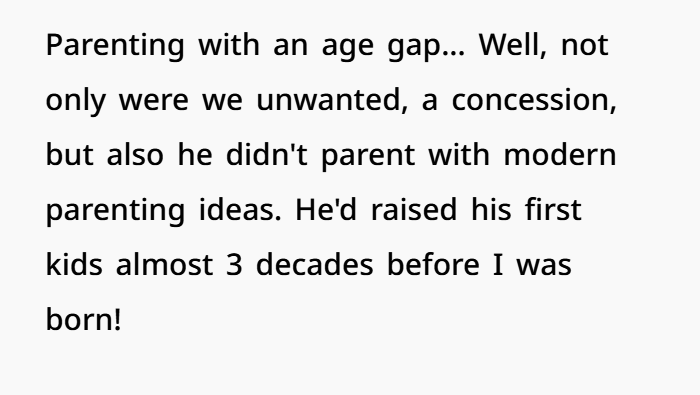
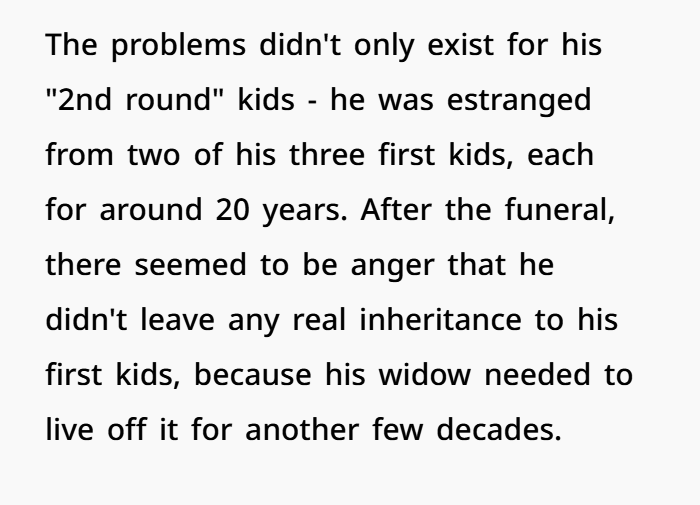
At first, this marriage seemed like a success story. A young woman who had recently finished college met an older man in his late 40s, and the two eventually got married. They stayed together for almost 40 years and built a life that appeared stable from the outside. However, over time, challenges began to appear. The 22-year age gap created differences in life experiences, interests, and expectations. As the years passed, those differences affected family relationships, communication, and overall family dynamics. While the marriage lasted for decades, emotional distance and misunderstandings slowly became more noticeable.
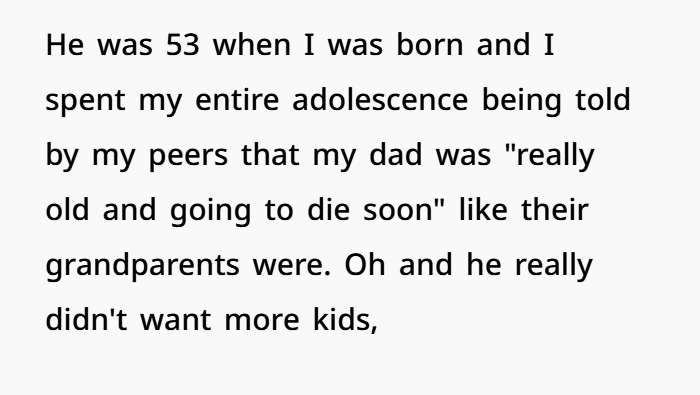
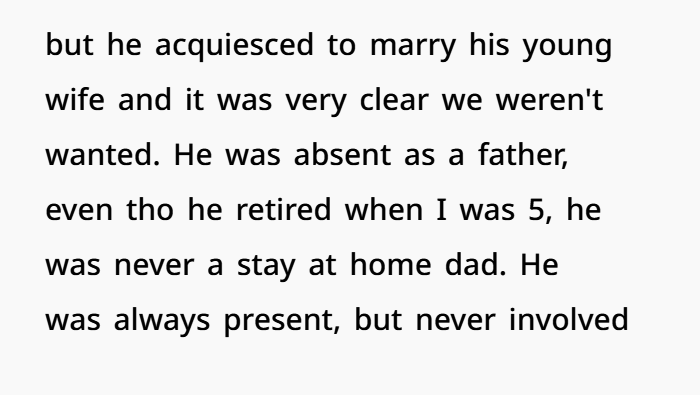
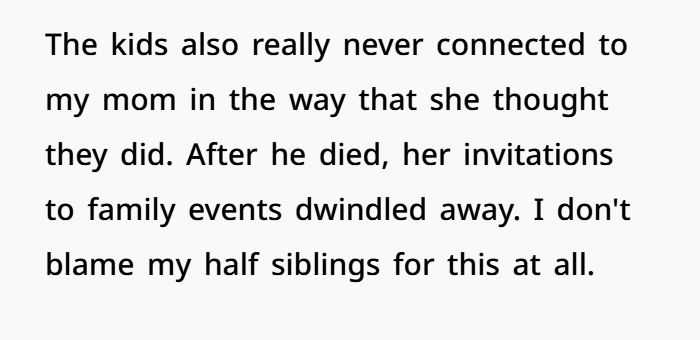
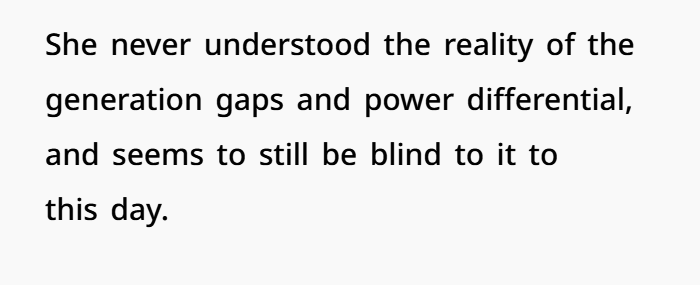
For their children, especially those born later in the marriage, these challenges had a lasting impact. Having a father who was much older than the parents of their friends sometimes made them feel different from their peers. Family estrangement, emotional struggles, and changes in the home environment also affected their experiences growing up. Watching their mother lose confidence and a sense of independence was difficult for them to understand. What appeared to be a long and successful marriage on the surface was much more complicated behind the scenes. The situation highlights how parenting styles, mental health, healthy relationships, and long-term family planning can shape the lives of children in ways that may not be obvious at first.

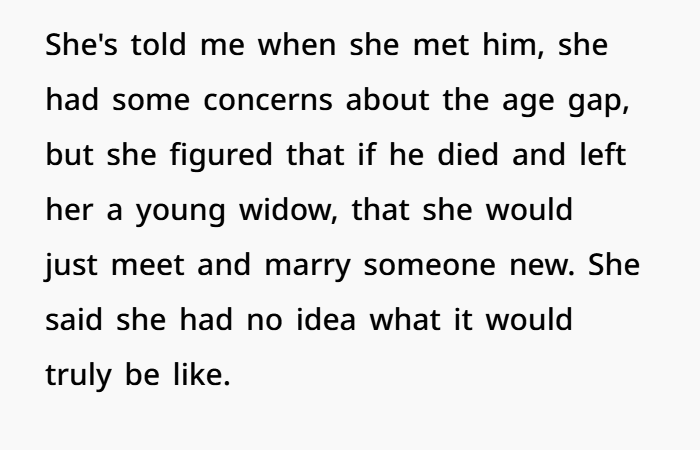
Age-gap relationships are not automatically unhealthy. Many couples with large age differences have strong and successful marriages. However, when there is a gap of 15, 20, or more years, it can create challenges that go beyond romance. These differences may affect family relationships, parenting styles, financial planning, and long-term life goals.
Different Life Stages Can Create Challenges
When two people are in very different stages of life, they may have different priorities and experiences. A younger partner may still be discovering personal goals and interests, while an older partner may already have an established lifestyle.
In some relationships, the younger partner gradually adopts the interests, routines, and habits of the older partner. Over many years, this can make it difficult to maintain a strong sense of personal identity. Family counselors often encourage both partners to keep their own interests, friendships, and goals while also building a life together.
Parenting Styles May Differ
Large age gaps can also affect parenting. Parents from different generations may have different views on discipline, communication, education, and family life.
When children are raised by older parents, they may notice that their family experience feels different from that of their friends. This does not mean the parenting is better or worse, but it can create unique challenges. Open communication and active involvement are important for helping children feel supported and understood.
Health and Long-Term Planning
One important consideration in any family is long-term planning. As parents age, health needs may change. This can affect retirement planning, healthcare decisions, and family responsibilities.
Families often benefit from discussing future goals, financial planning, insurance coverage, and estate planning early. Having these conversations can help reduce uncertainty and create greater stability for everyone involved.
Blended Family Relationships
Blended families can bring many positive experiences, but they can also require extra effort. Building strong relationships between parents, children, and stepfamily members often takes time.
When communication is limited or family members feel disconnected, misunderstandings can grow. Family counseling and open discussions can sometimes help improve relationships and strengthen family bonds over time.
Financial and Estate Planning Considerations
Financial planning is especially important in families with large age differences. Questions about retirement savings, estate planning, inheritance, and long-term care may arise earlier than expected.
Clear communication about financial goals can help prevent confusion and reduce future conflicts. Many financial advisors recommend creating a long-term plan that protects both spouses and supports the needs of the entire family.
The Importance of Social Connections
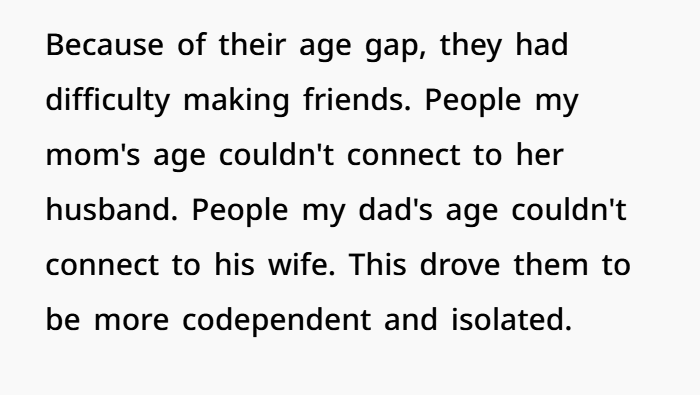
Strong friendships and support networks are valuable in every stage of life. Couples who maintain healthy social connections often have more resources for emotional support during difficult times.
Having individual friendships, family relationships, and community involvement can help both partners maintain balance and independence. These support systems can become especially important during major life changes.
How Children Experience Family Life
Children often see family relationships differently than adults do. While parents may focus on love and commitment, children usually pay attention to stability, emotional support, and daily experiences.
They notice how family members communicate, how conflicts are handled, and whether they feel valued and included. Positive family relationships are often built on trust, consistency, and emotional connection rather than age alone.
The Bigger Picture
Every family is unique, and no single factor determines whether a relationship will succeed or struggle. Age differences can create challenges, but strong communication, healthy relationships, financial planning, and mutual respect can help couples navigate those challenges successfully.
At the same time, it is important to recognize how family decisions affect children and other family members over the long term. When families focus on emotional well-being, mental health, and open communication, they are more likely to build strong and lasting connections for everyone involved.
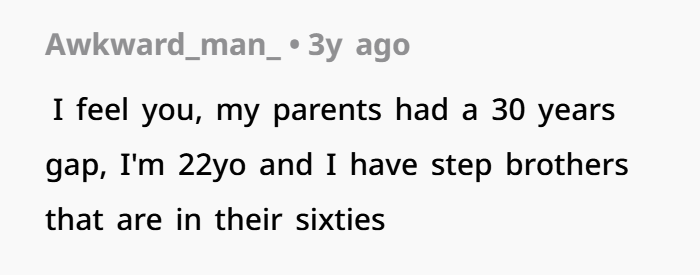
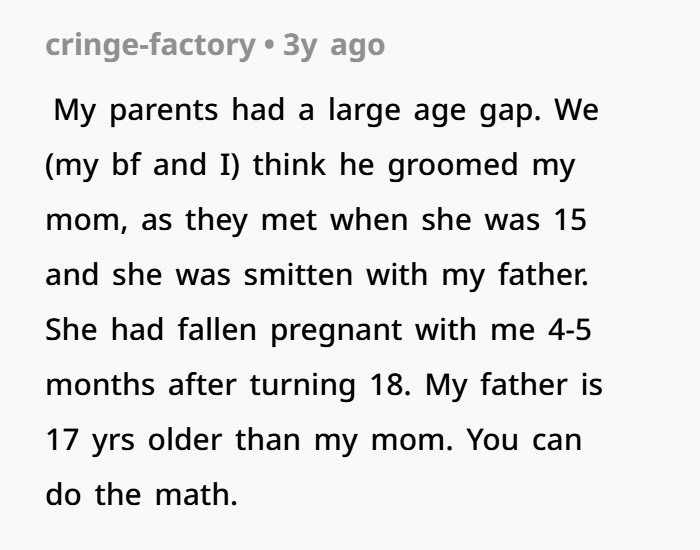
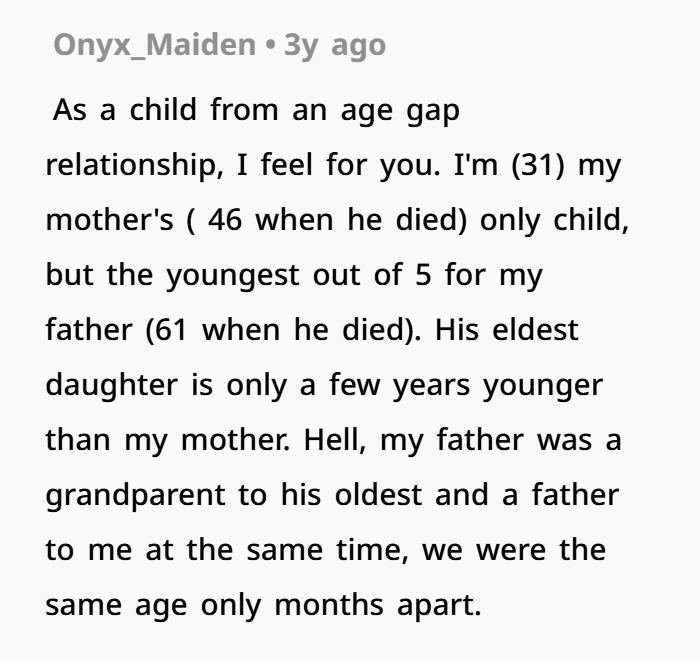
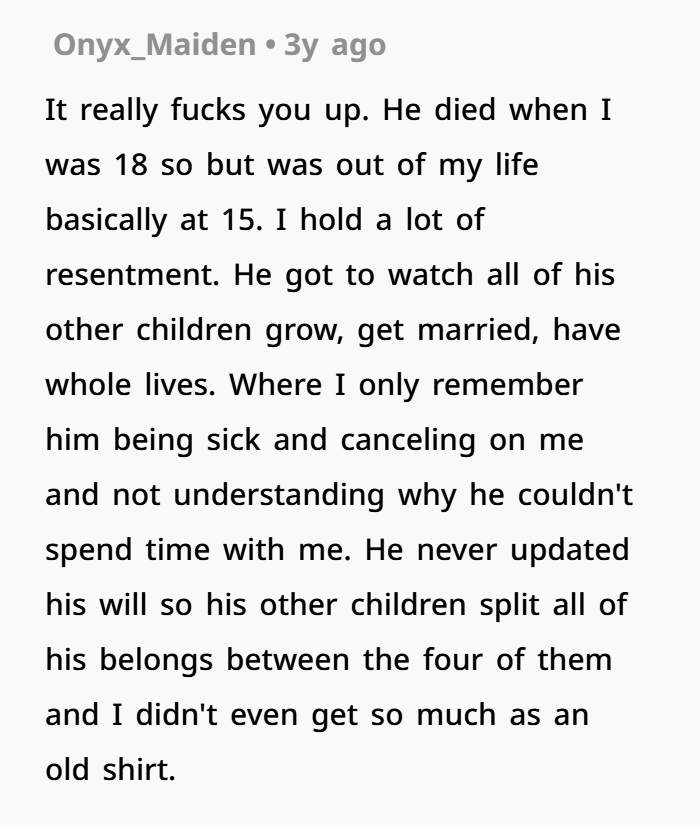
Many people in the comments actually expressed sympathy for both the author and her mom, and cited their own similar stories as well

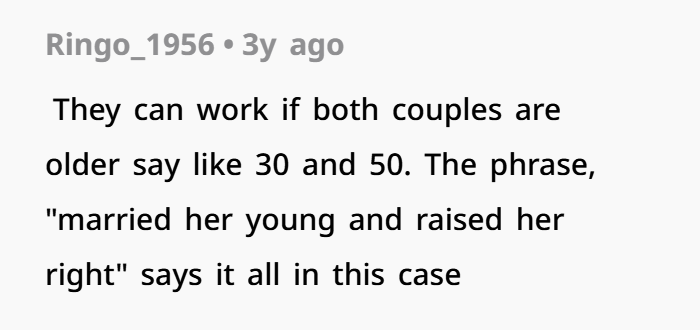
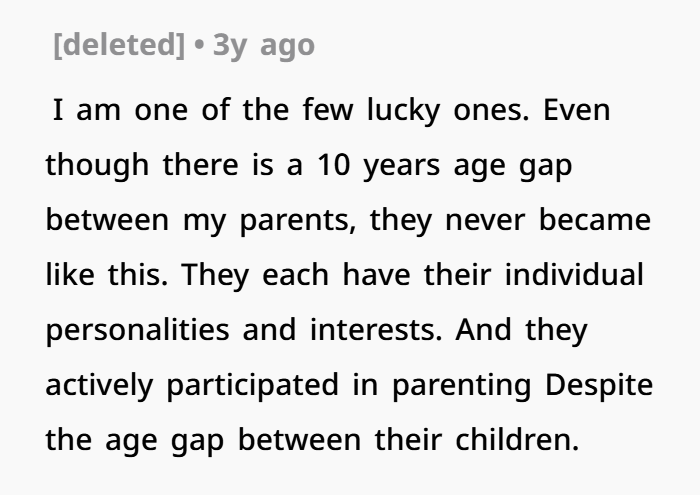
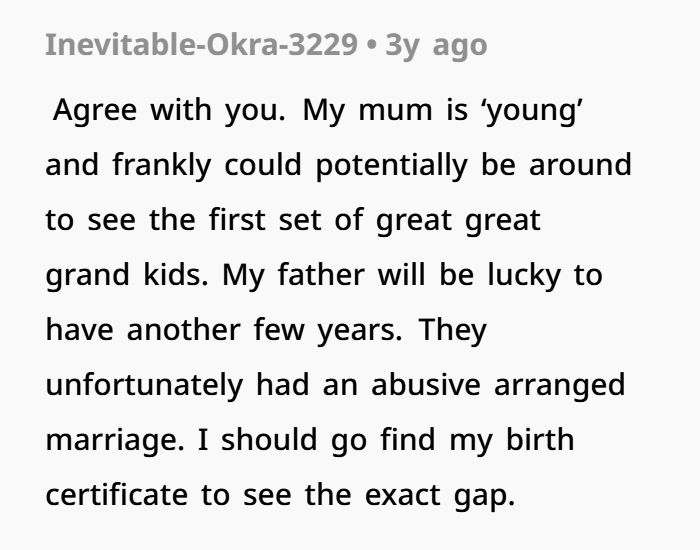
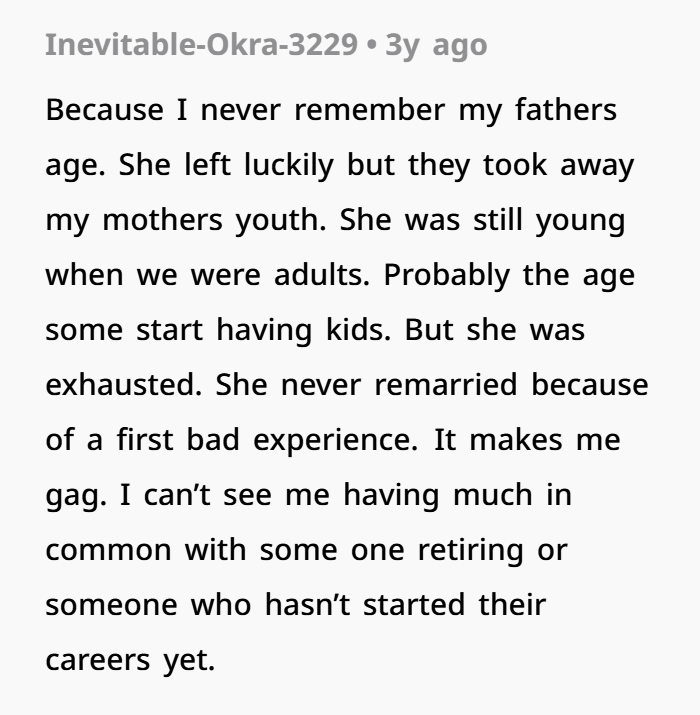
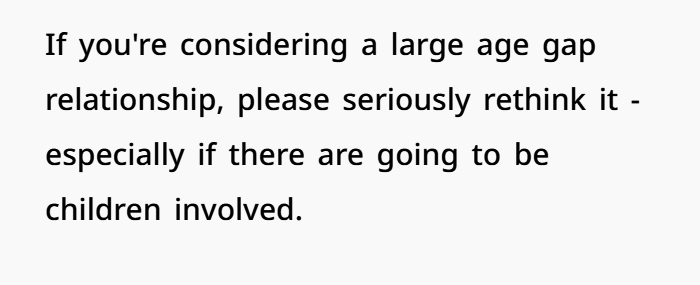
None of this means every age gap relationship will end like this. Some work. Some are healthy. But when the gap is large and kids are involved, the stakes are higher than people realize.
It’s not just about love or compatibility in the moment.
It’s about:
- Who raises the kids
- What kind of parent they’ll be
- What happens 20, 30, 40 years later
- And whether both people can still stand as individuals—not just as a couple
Because if one person disappears and the other doesn’t know who they are anymore… that’s not just a relationship story.
That’s a life shaped around someone else.
And sometimes, the kids carry the heaviest part of that.