“She Kept Reaching Across Me to Shut My Window Shade” A Plane Passenger’s Petty Revenge Is Dividing the Internet
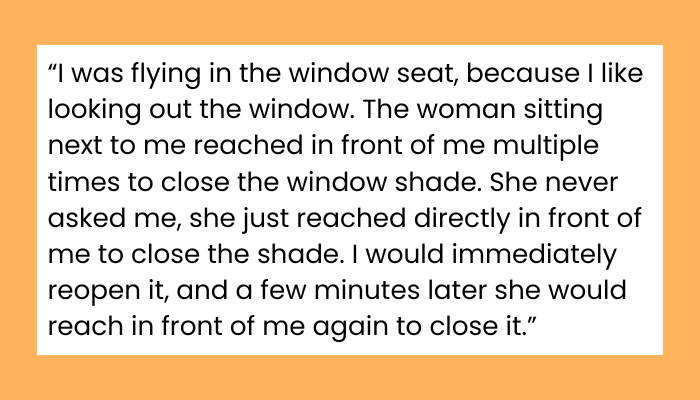
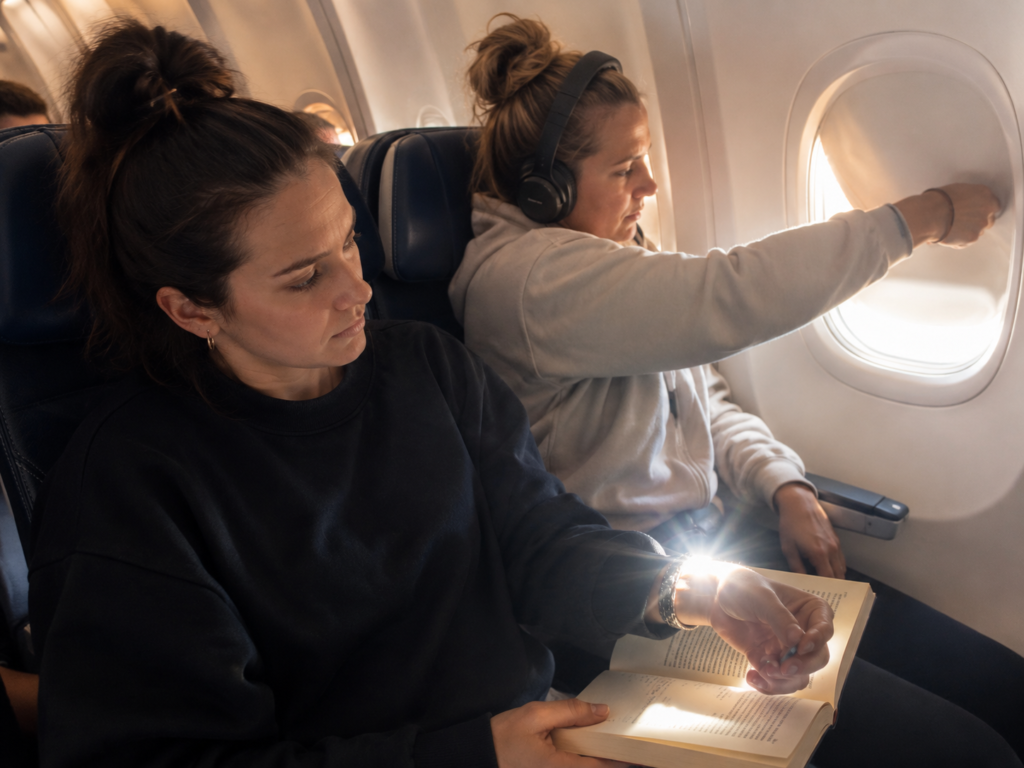
A traveler recently shared a frustrating experience during a domestic airline flight. While sitting in a window seat, they noticed that the passenger next to them repeatedly reached across their personal space to close the window shade. According to the traveler, the other passenger never asked permission or started a conversation about it. Each time the window shade was reopened, it was closed again a few minutes later. The biggest issue was not the window itself but the lack of courtesy and respect for personal space. The situation quickly became an example of how small disagreements during airline travel can create unnecessary stress for passengers.
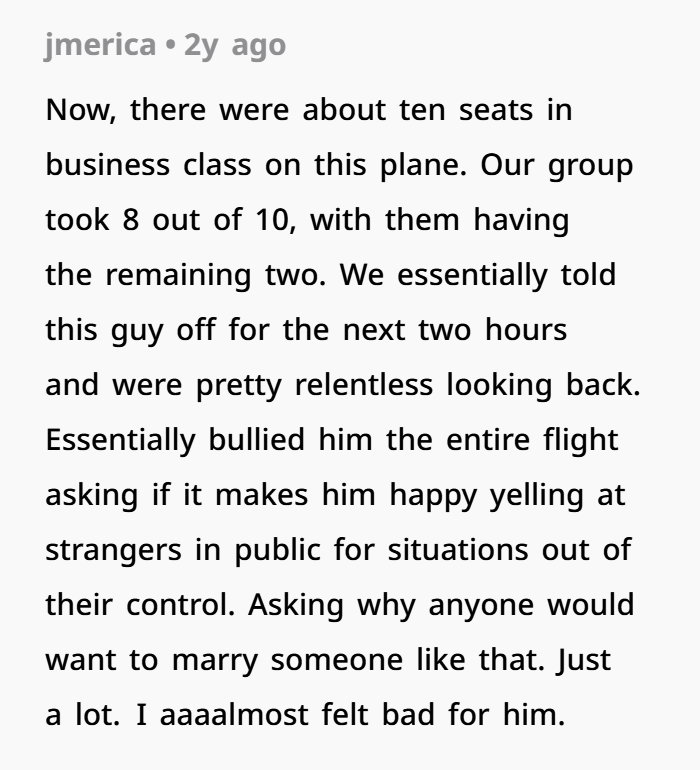
Instead of addressing the issue directly, the traveler chose a different approach. They turned on the overhead reading light, even though there was already plenty of sunlight in the cabin, and continued using it throughout most of the flight. After the plane landed, the interaction remained tense, with both passengers exchanging subtle signs of frustration while making their way through the airport. The story sparked a large online discussion about airplane etiquette, customer service expectations, travel stress, and how passengers should handle disagreements during flights. Many readers shared their own travel tips and opinions about whether the response was understandable or whether a direct conversation would have been the better solution.
This story caught a lot of attention because many travelers have experienced similar situations during airline travel. Airplanes bring strangers together in a small shared space where everyone is trying to stay comfortable. Because of that, even small actions can sometimes feel much bigger than they really are.
In this case, the disagreement was not really about the window shade itself.
The traveler explained that the biggest problem was the lack of communication. The passenger sitting next to them repeatedly reached across their personal space to close the window shade without asking first. She did not start a conversation or explain why she wanted it closed. For many readers, that was the part that felt rude.
Many frequent flyers believe there are unwritten rules when it comes to airplane etiquette.
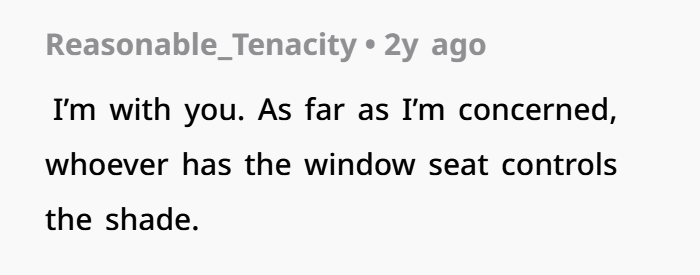
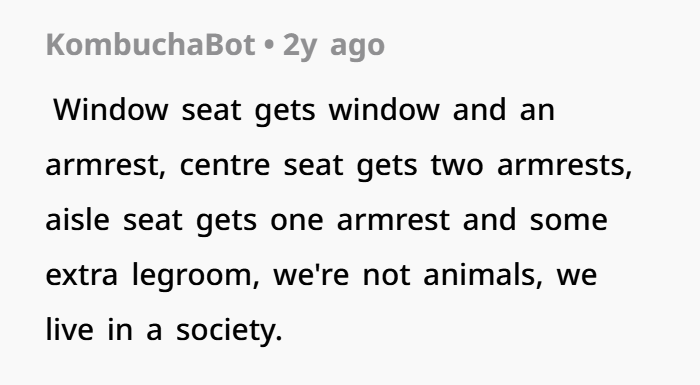
For example, the passenger in the window seat is often expected to control the window shade. The aisle seat offers easier access to walk around, while the middle seat usually comes with fewer advantages. These are not official airline policies, but they are common expectations among travelers.
When someone ignores those boundaries, frustration can build quickly.
What made this story interesting is that the traveler did not address the issue directly. Instead of politely asking the passenger to stop reaching across them, they chose a more indirect response.
They turned on the overhead reading light and kept it on during much of the flight, even though there was already plenty of natural light available.
Some readers found the response amusing, while others felt it was unnecessary.
That is why opinions online were divided.
Many people understood why the traveler felt annoyed. At the same time, some believed a simple conversation could have solved the problem much faster.
The situation continued after the plane landed.
Both passengers appeared frustrated, and the tension carried into the airport terminal. By that point, the disagreement had become much larger than the original issue involving the window shade.
This highlights something that happens often during travel.
Small misunderstandings can grow into bigger conflicts when neither person communicates clearly.
Travel experts frequently point out that customer service challenges, crowded airports, flight delays, and long travel days can increase stress levels. When people are tired or overwhelmed, they may react more strongly than they normally would.
That seems to be part of what happened here.
Another reason the story sparked discussion is because opinions about airplane window shades vary widely.
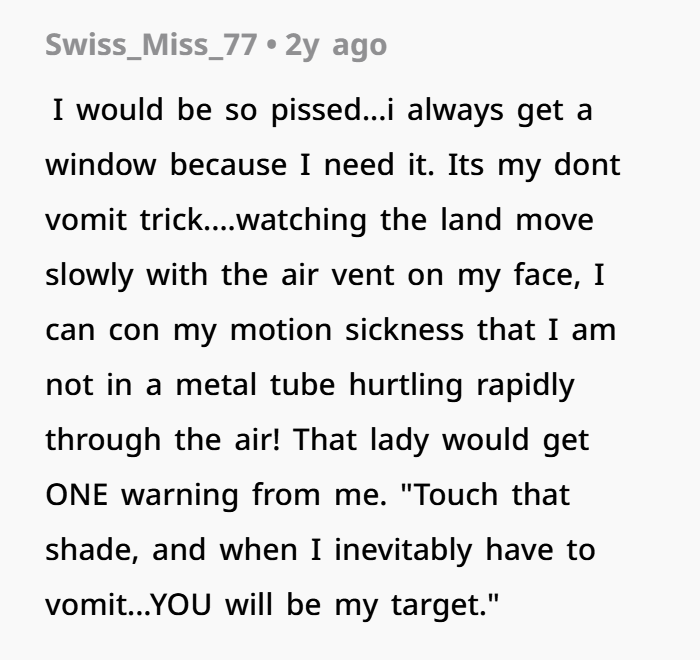
Some travelers prefer the shade open so they can enjoy the view and natural light.
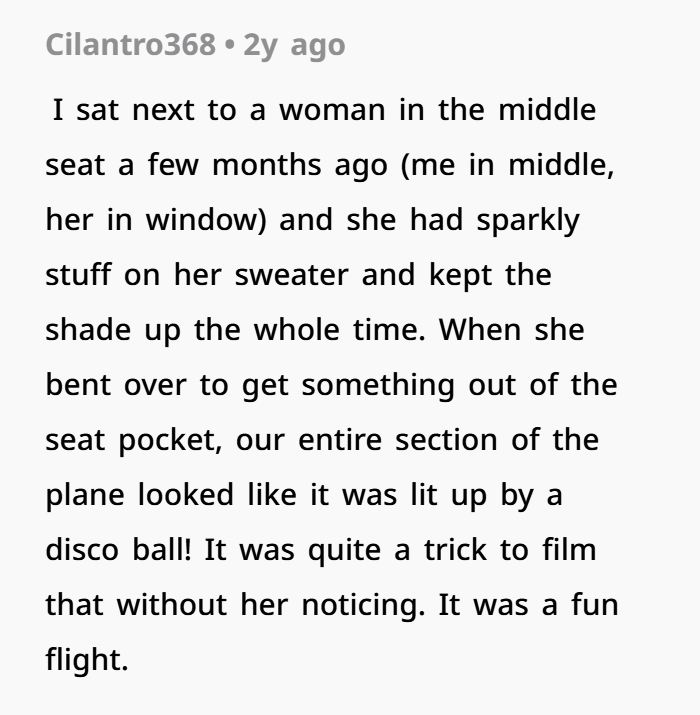
Others prefer it closed because of glare, screen visibility, or comfort.
There is no single rule that works for everyone.
That is why communication is usually the best solution.
Many readers felt the entire situation could have been avoided with one simple question.
Something as basic as:
“Would you mind closing the shade for a little while?”
or
“Would you mind leaving it open?”
A polite conversation often prevents unnecessary tension.
People are generally much more willing to cooperate when they feel respected and included in the decision.
The story also reflects a common challenge in modern life.
Many people avoid direct conversations because they do not want conflict. Instead of addressing a problem right away, they stay quiet and allow frustration to build.
Over time, that frustration can come out through passive-aggressive behavior rather than honest communication.
Travel situations can make this even more common because people are surrounded by strangers and may feel uncomfortable speaking up.
That is one reason airline travel often creates memorable stories about passenger behavior.
Another factor is travel stress.
Busy airports, security lines, flight schedules, delays, crowded terminals, and long travel days can leave people feeling tired and impatient.
When stress levels are already high, even a small disagreement can feel personal.
That does not mean either side is completely right or wrong.
The traveler felt their personal space was not respected.
The other passenger may have been bothered by the sunlight coming through the window.
Both likely became frustrated because neither side communicated clearly at the beginning.
In the end, this story was not really about a window shade.
It was about personal boundaries, travel etiquette, customer service expectations, and the importance of communication during airline travel.
Sometimes a simple conversation can solve a problem before it becomes a much bigger conflict.
And that is a lesson many travelers can probably relate to.
See The Comments Below