
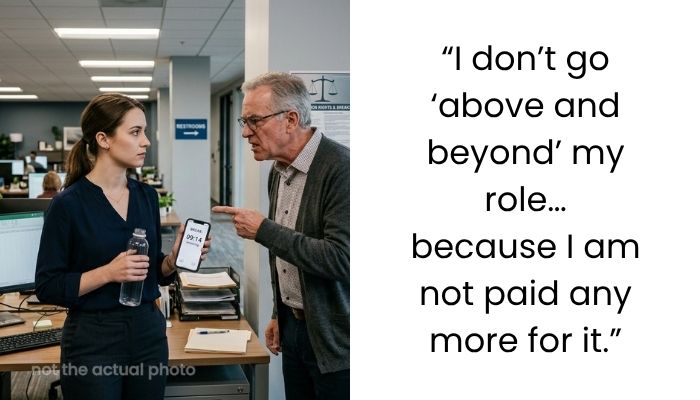
Was recently told by Karen that I am not a “particularly hard worker”…
A workplace disagreement started when a senior coworker, who was not a manager, told another employee that they were “not a hard worker.”
She based this on her own view, saying the employee:
- Leaves the desk several times during the day
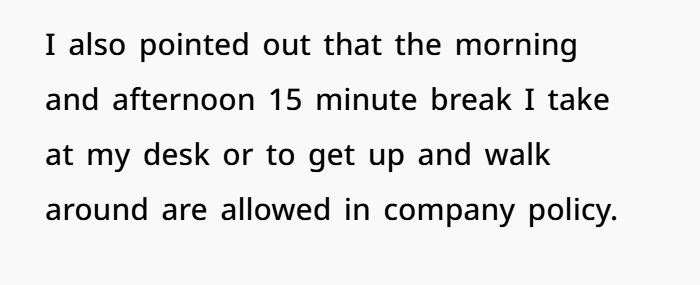
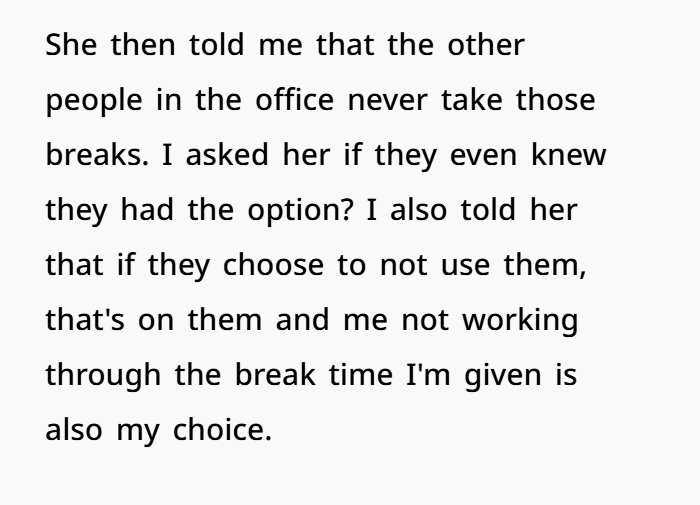
- Takes regular morning and afternoon breaks
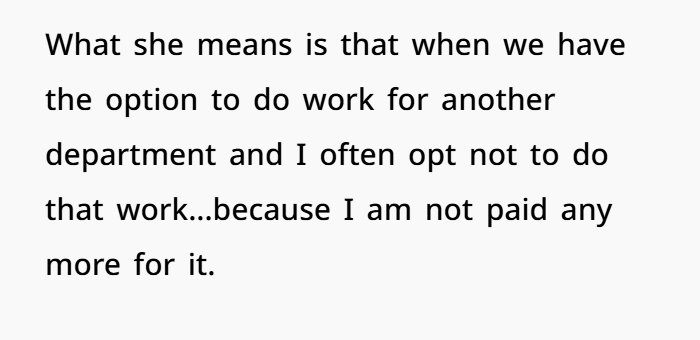
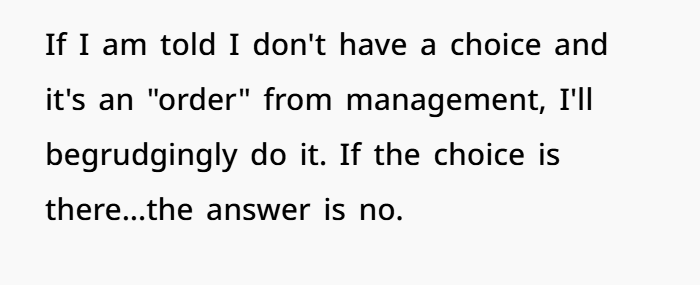
- Does not accept optional extra tasks from other departments
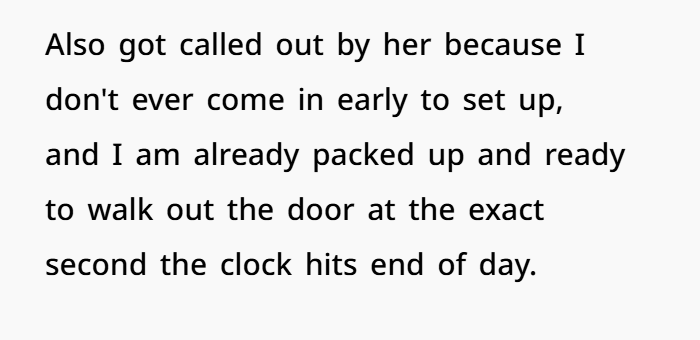
- Leaves work exactly on time
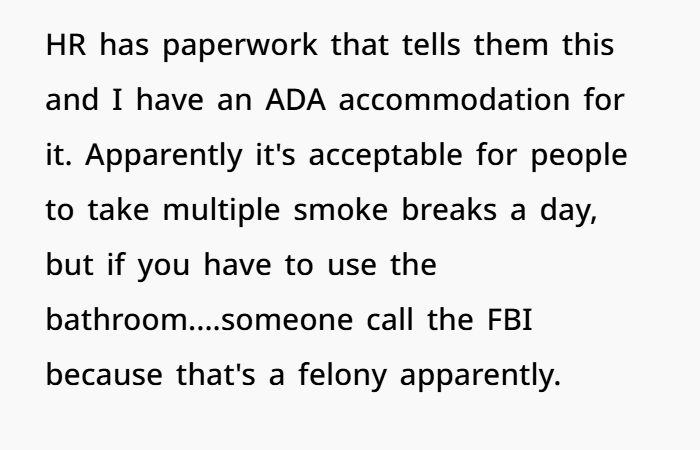
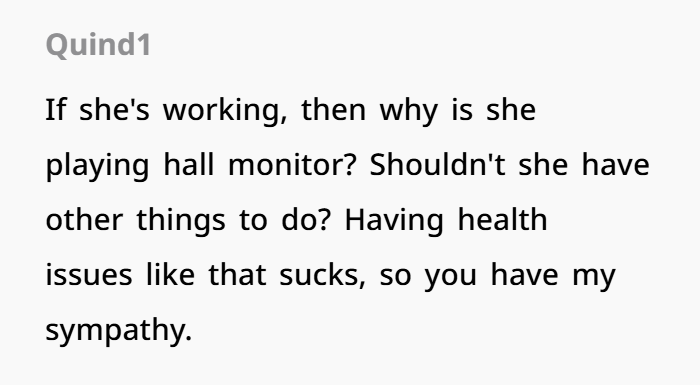
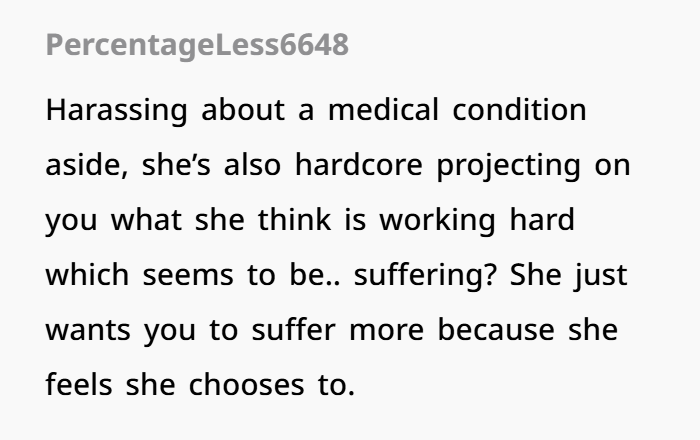
The employee explained that they have a medical condition called IBS (Irritable Bowel Syndrome) and also need to drink a lot of water. Because of this, they need frequent bathroom breaks. This condition is already officially recorded with HR under an ADA workplace accommodation, which protects medical needs at work.
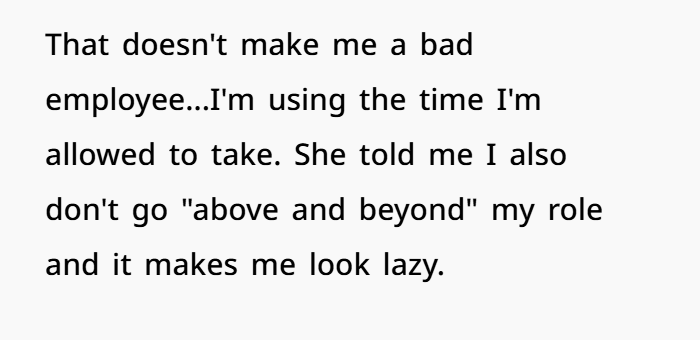
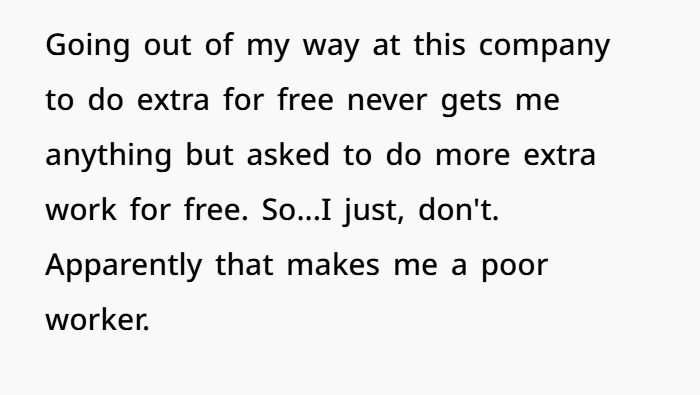
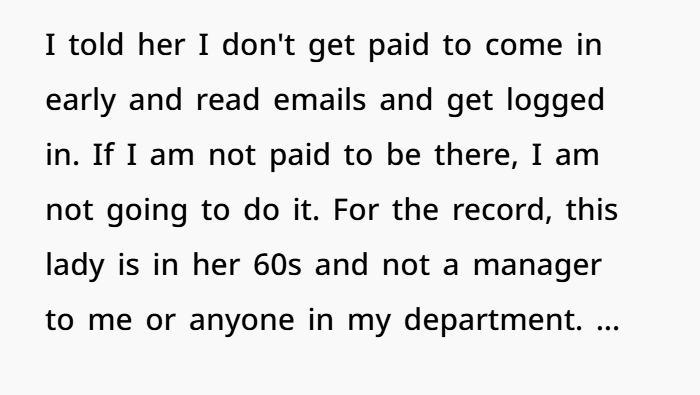
Even after this explanation, the coworker still believed the employee was avoiding work. She also criticized the employee for not doing unpaid extra tasks and for not staying late or coming early without pay.
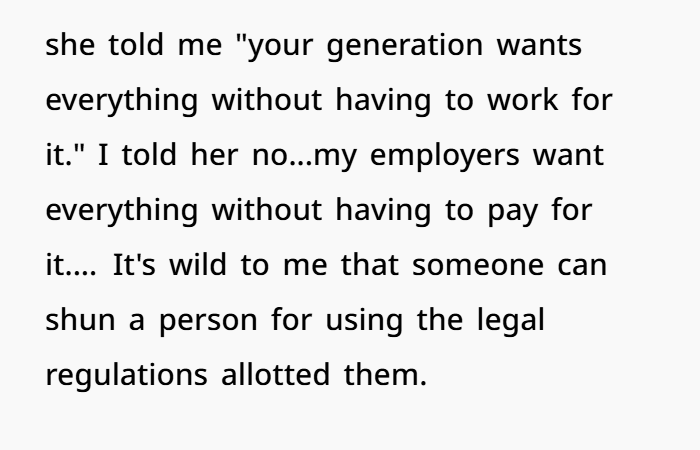
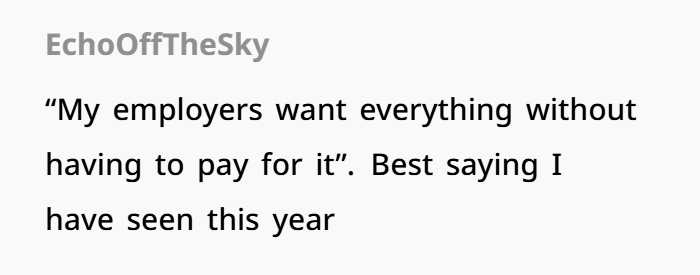
The conversation became more heated when the coworker made comments about younger workers, saying they “want everything without working for it.” The employee responded that expecting unpaid work and ignoring medical accommodations is not about work ethic, but about misunderstanding workplace rights and labor laws.
In the end, the issue shows a common workplace problem where people judge performance based on appearance, while employee rights, ADA protections, and fair labor practices are not fully understood.

This situation involves a workplace disagreement about medical accommodations, work expectations, and employee rights.
1. ADA and Medical Accommodation (IBS and Breaks)
In the U.S., the Americans with Disabilities Act (ADA) protects employees who have medical conditions.
Conditions like IBS (Irritable Bowel Syndrome) can be covered under the ADA if they affect daily life, such as digestion and bathroom needs.
Employers are required to provide reasonable accommodations, which may include:
- Extra restroom breaks
- Flexible timing for medical needs
- Allowing hydration and health-related breaks
Official guidance from the EEOC explains that digestive conditions can qualify for protection depending on severity.
If an employer knows about the condition, the employee should not be punished or treated unfairly for using approved accommodations.
2. Breaks, Productivity, and Work Rules (FLSA)
Under the Fair Labor Standards Act (FLSA):
- Short breaks (usually 5–20 minutes) are normally paid work time
- Employees are allowed to take breaks as part of normal work rules
- Taking breaks is not a performance issue if it follows company policy
This means productivity should not be judged only by how long someone sits at their desk.
3. Extra Work and Unpaid Labor
In many workplaces, employees are sometimes asked to do “extra” tasks.
However:
- Optional tasks must remain truly optional
- Employees cannot be forced to do unpaid work outside their job duties
- Staying late or coming early should be compensated if required
From an HR point of view, pressuring employees into unpaid extra work can create serious problems related to fair labor practices and workplace fairness.
4. Work Hours and Time Boundaries
Clocking in and out on time is normal and legally protected.
In most cases:
- Employees are only required to work their scheduled hours
- Working off the clock without pay can violate labor laws
- Employers cannot expect unpaid overtime unless properly authorized and paid
This is a common issue in workplace compliance and wage law enforcement.
5. Workplace Behavior and Harassment Risk
Comments like:
- “You are not a hard worker”
- “You are always away from your desk”
- Generational stereotypes about work ethic
can create tension in the workplace.
If such comments are repeated or linked to medical conditions, they may contribute to a hostile or uncomfortable work environment, especially if they ignore HR-approved accommodations.
6. HR and Legal Risk in Workplaces
This situation highlights a common workplace issue:
People sometimes confuse visibility with productivity.
An employee who takes medical breaks or follows structured schedules may still be fully productive in their job role.
Companies facing similar issues often rely on:
- ADA workplace accommodation policies
- HR compliance systems
- Workplace discrimination legal advice
- Employee rights and labor law guidance
These tools help prevent misunderstandings from turning into legal problems.
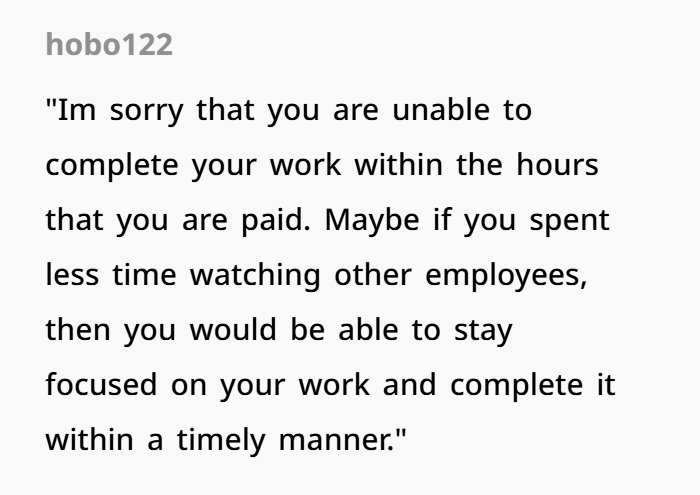
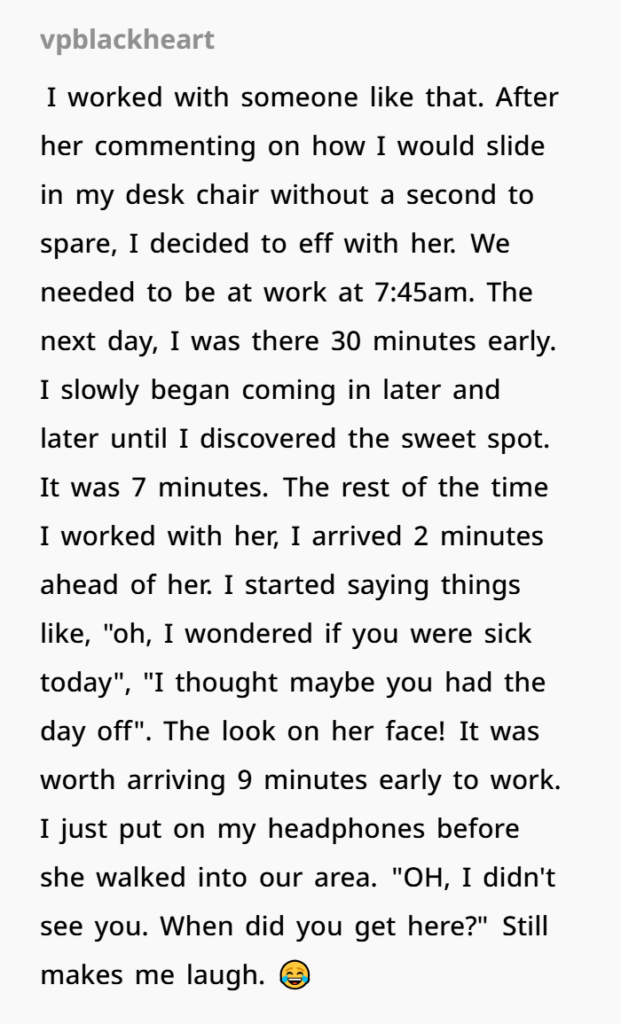
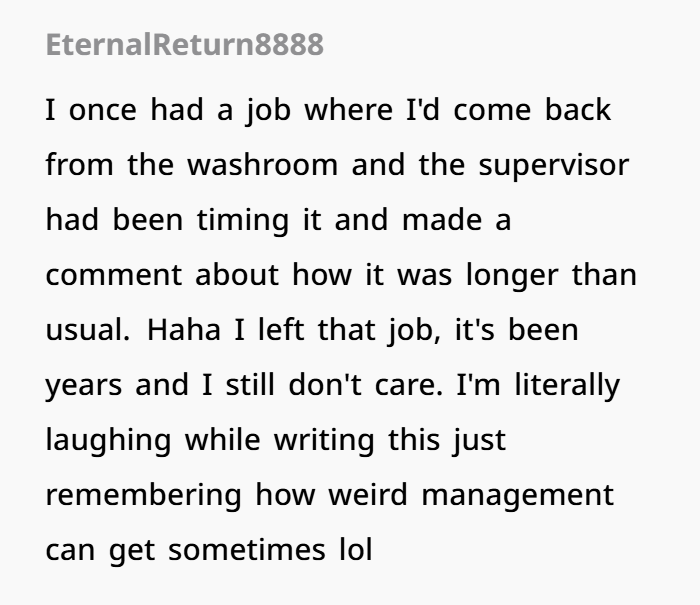
See the comments to know what people said
Final Thought
This story shows how workplace conflict can happen when medical rights, labor laws, and personal opinions about productivity are not clearly understood.
It highlights the importance of:
- Respecting ADA accommodations like IBS-related breaks
- Following fair labor and wage laws
- Avoiding judgment based only on appearance or desk time
- Maintaining professional and respectful workplace communication