

Ex-Worker Gives the Review His Boss Asked For, and the Company Regrets It
Some bad bosses know they are making the workplace difficult, but others do not realize how their actions affect their employees. They may not see the problems they create until workers finally speak up, leave the job, or stop putting up with the behavior.
When that happens, some managers are surprised because they never expected employees to react. They may only understand the situation after it is too late.
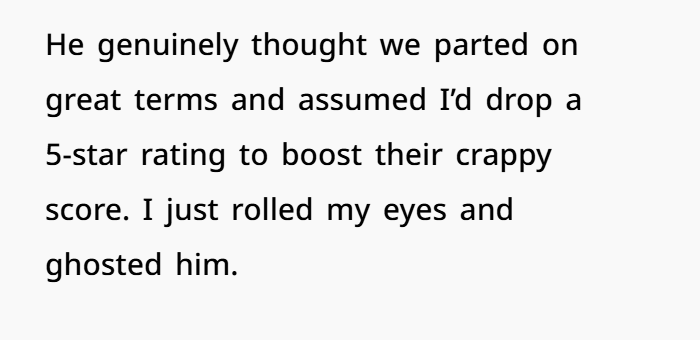
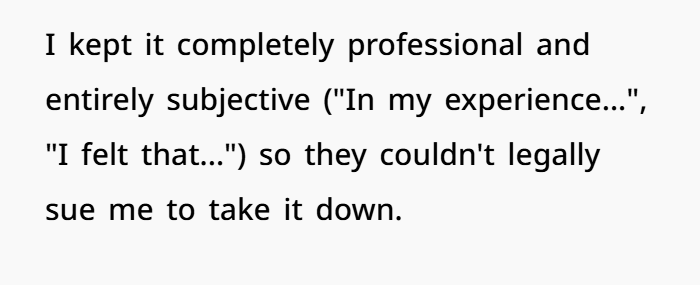
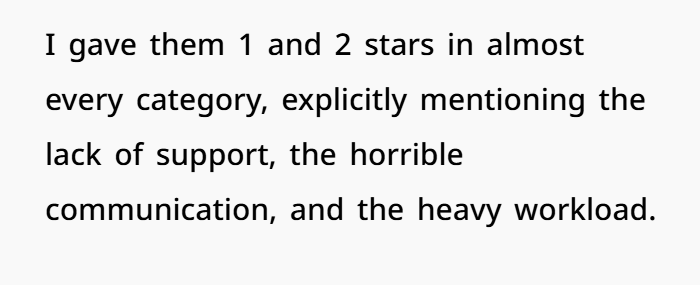
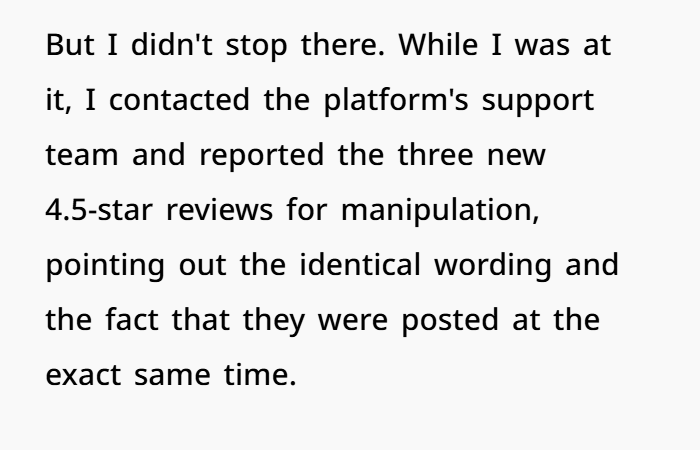
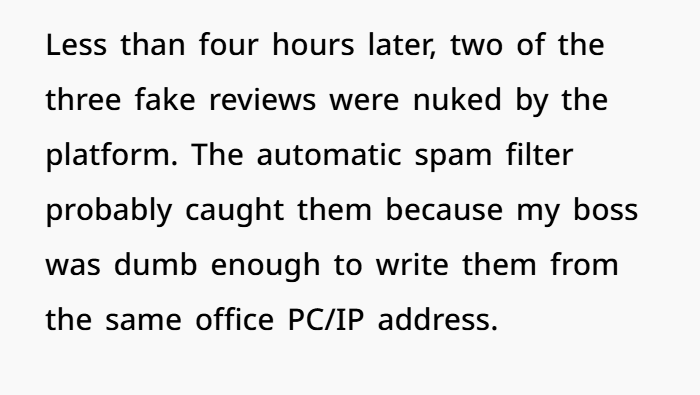
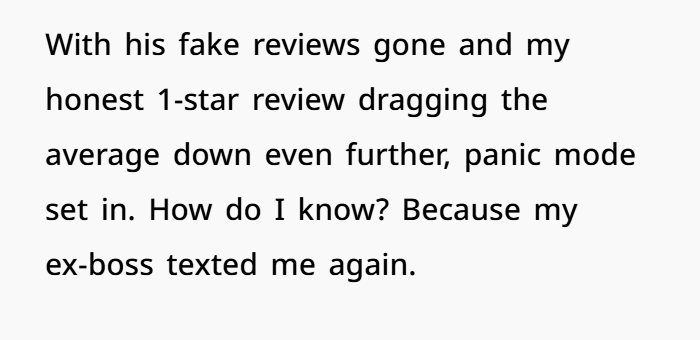
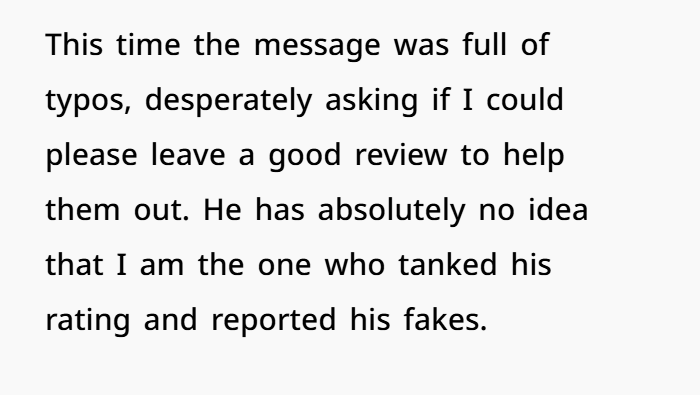
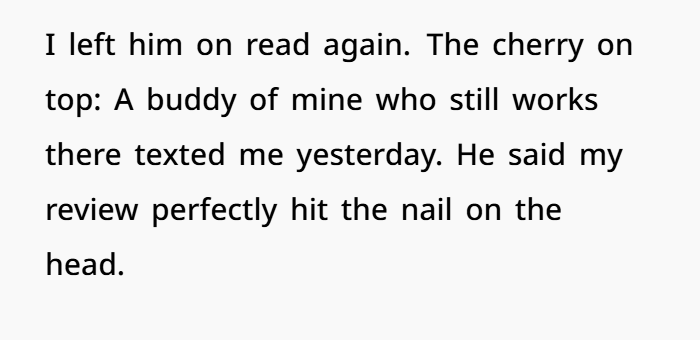
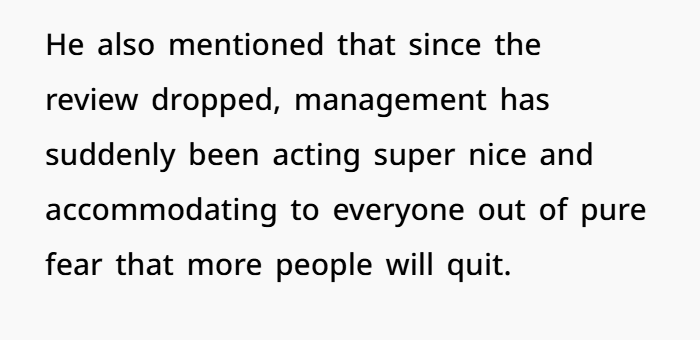
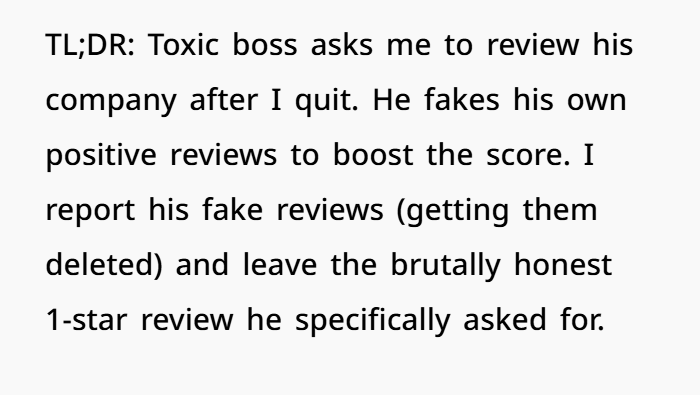
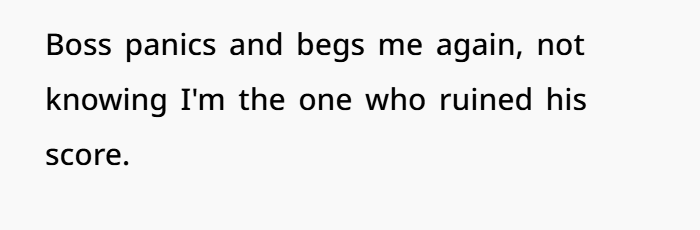
One man shared his story online about leaving a stressful workplace and dealing with his former boss afterward. After he quit, he received an unexpected text message from his old boss asking him to leave a positive review.
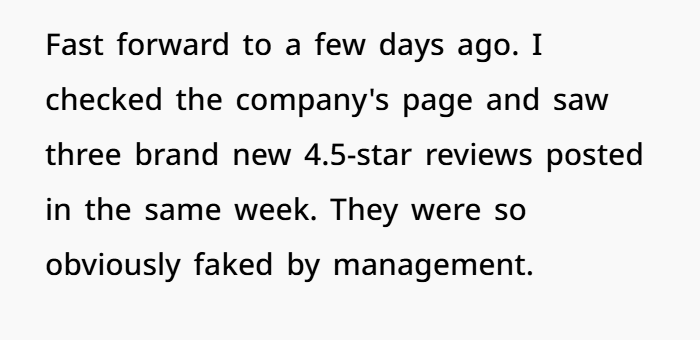
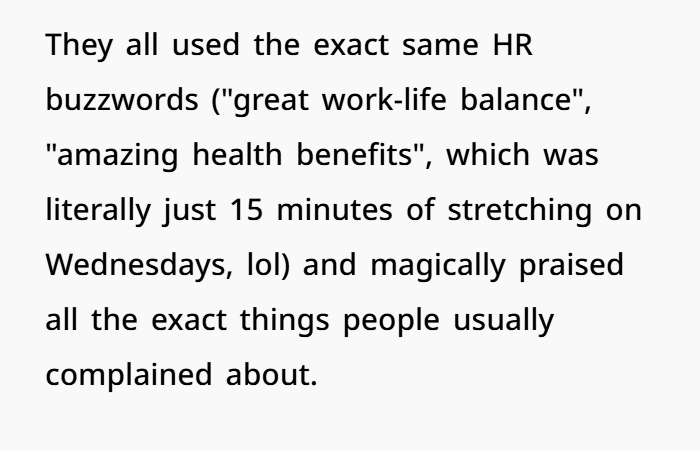
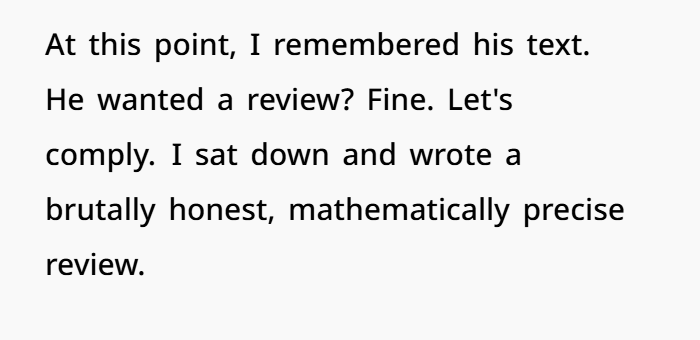
Instead of writing the review the boss hoped for, the man decided to share his honest experience. His story quickly caught people’s attention, and many readers shared their opinions in the comments. Some also talked about their own experiences with difficult managers and unhealthy work environments.
Stories like this show why a positive workplace culture, good leadership, and employee satisfaction matter. A respectful workplace can help companies keep talented employees, improve team performance, and build a better reputation.

Many people who are not good at something do not realize it. This is especially true for some managers who struggle with leadership but believe they are doing a great job.
Psychologists David Dunning and Justin Kruger studied this idea in 1999 and called it the Dunning-Kruger effect. It means that people with limited skills in a certain area may not have enough awareness to see their own mistakes. Because of this, they may think they are much better than they really are.
The strange part is that the same skills someone needs to manage people well are also needed to notice poor management. A person needs some understanding of good leadership to judge their own leadership abilities.
There is another reason some bad managers never realize there is a problem. They often do not get honest feedback from the people around them.
Most employees do not tell their boss directly that they are unhappy with their management style. Instead, they talk with coworkers, share their concerns with friends, and eventually leave the company. The manager may never hear the real reason behind the resignations and may think the problem is with the employees, not their own leadership.
This can also explain why some bosses ask for fake positive reviews. If they truly believe the workplace is good, they may think they are only fixing an unfair image instead of avoiding the real problems.
Poor leadership can lead to high employee turnover, low workplace morale, and unhappy teams. Studies on leadership show that some managers often rate their own performance higher than others do. Feeling confident does not always mean someone is an effective leader.
The difference between confidence and real management skills can have a big impact on employees and the entire workplace.
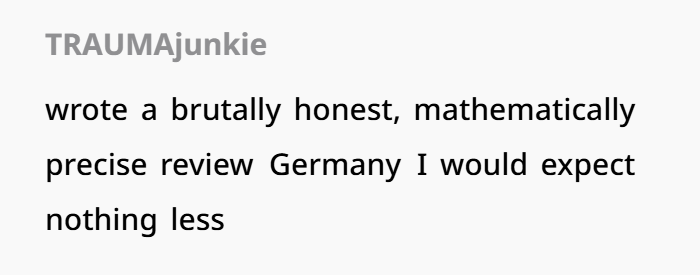
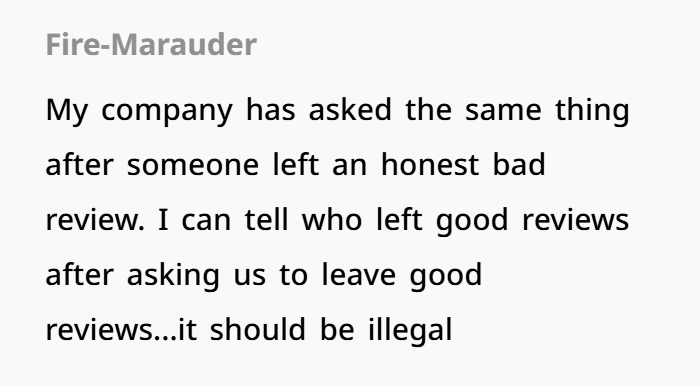
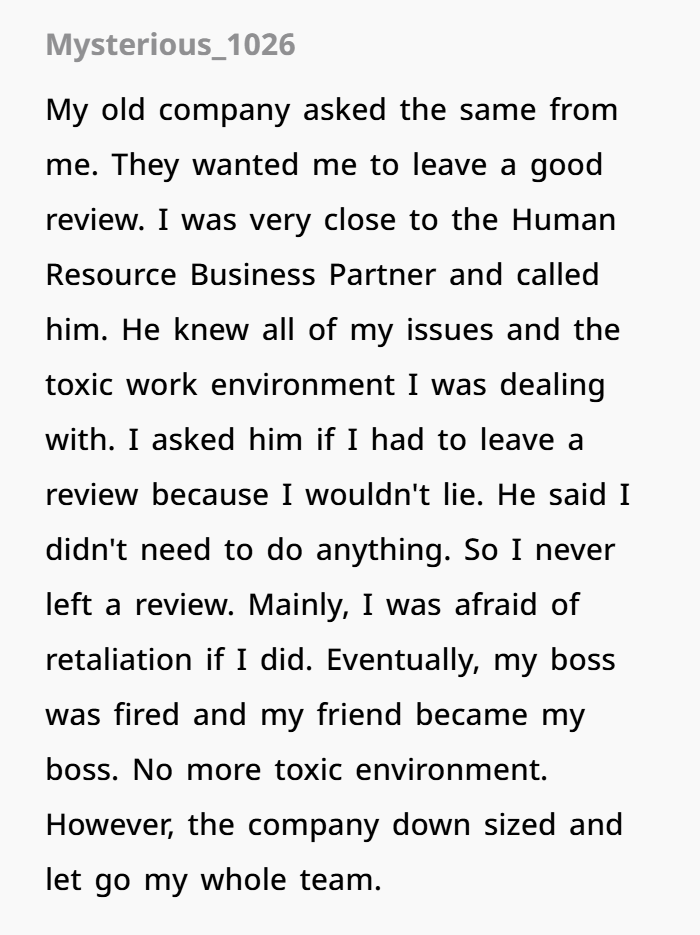
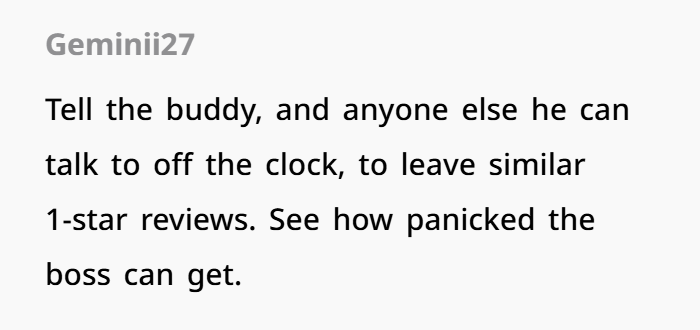
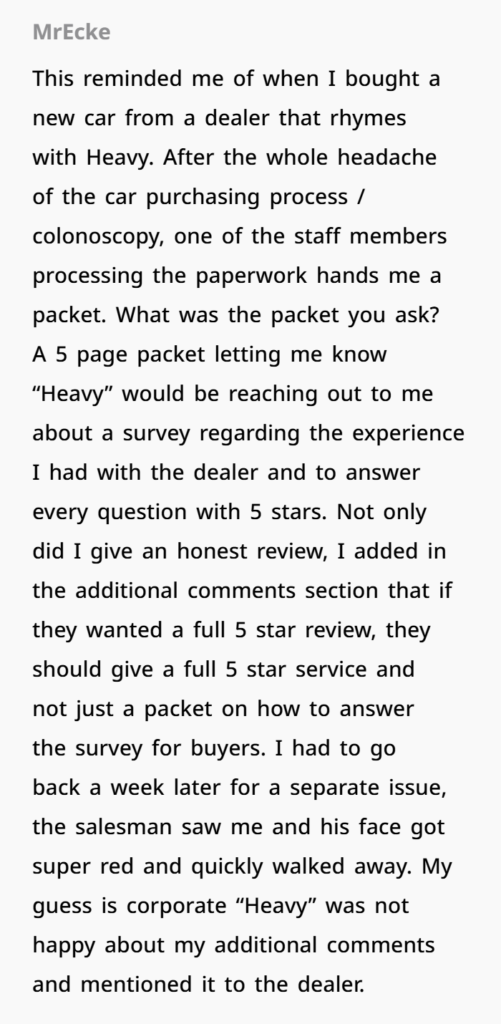
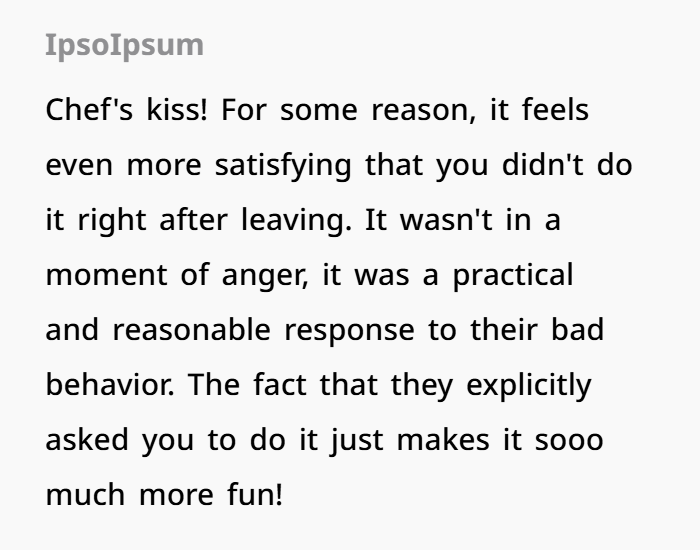
See the comments to know what people said
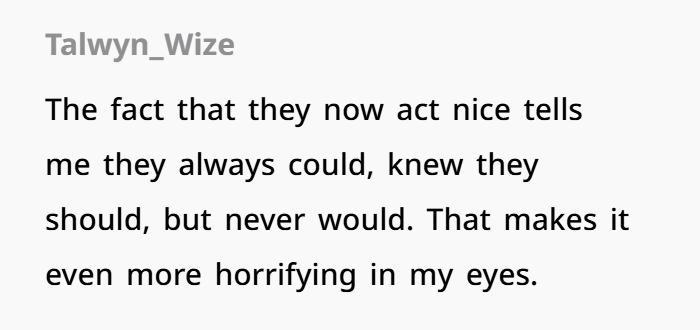
A toxic workplace often does not happen because a boss wants to fail. Sometimes, the biggest problem is that they do not see their own mistakes. When leaders ignore employee feedback and refuse to understand workplace issues, problems can continue to grow.
Good leadership means listening, learning, and being open to honest opinions. Companies that focus on a healthy work environment, employee well-being, and strong communication are more likely to keep their teams happy and successful. A little self-awareness can make a big difference in creating a workplace where people want to stay.