
Woman Challenges Male Coworkers Who Depend on Their Wives for Office Treats
Many workplaces have their own traditions and expectations, even when they are not official rules. Sometimes these expectations can create unnecessary pressure and make employees feel judged. A recent discussion online showed how small workplace situations can turn into bigger conversations about fairness and personal choices.
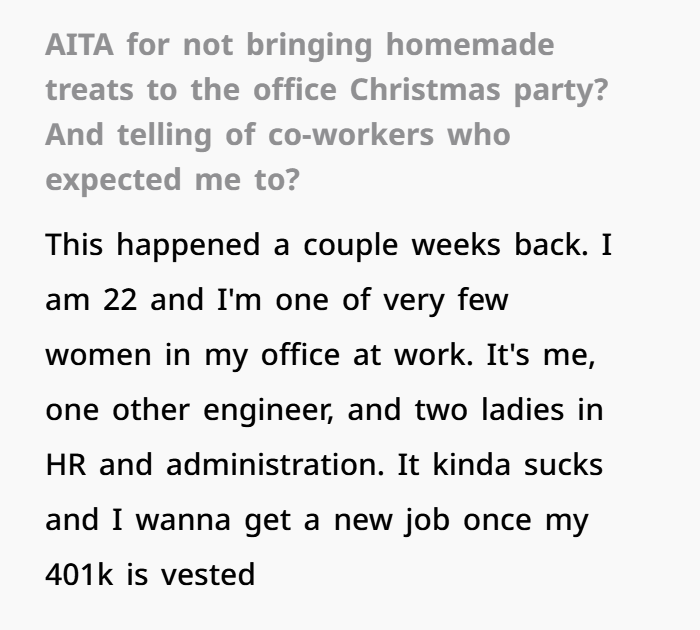
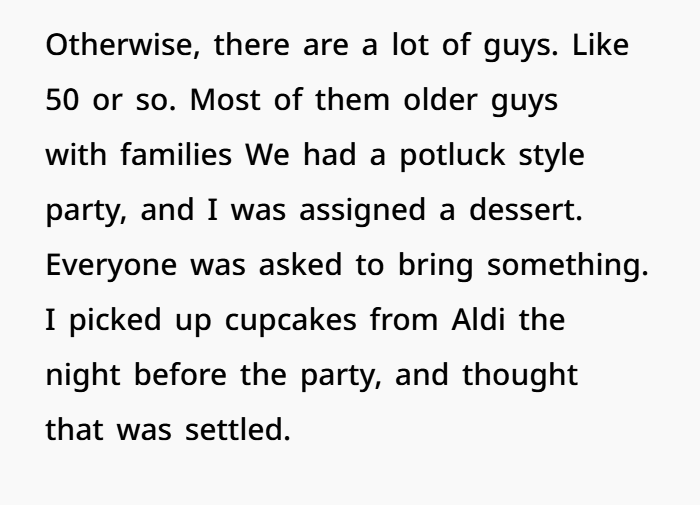
A woman shared that she brought store-bought treats to her company Christmas party instead of making homemade food. She noticed that many coworkers brought homemade dishes and questioned whether she had done something wrong.
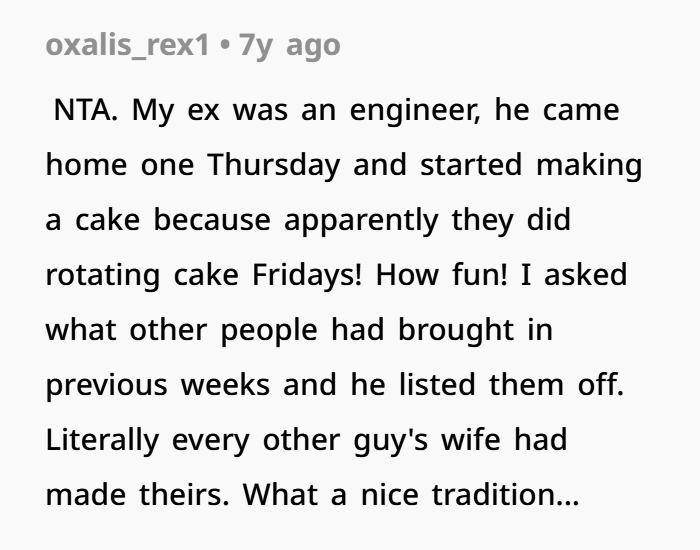
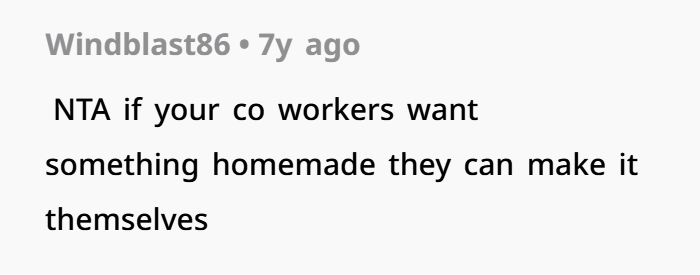
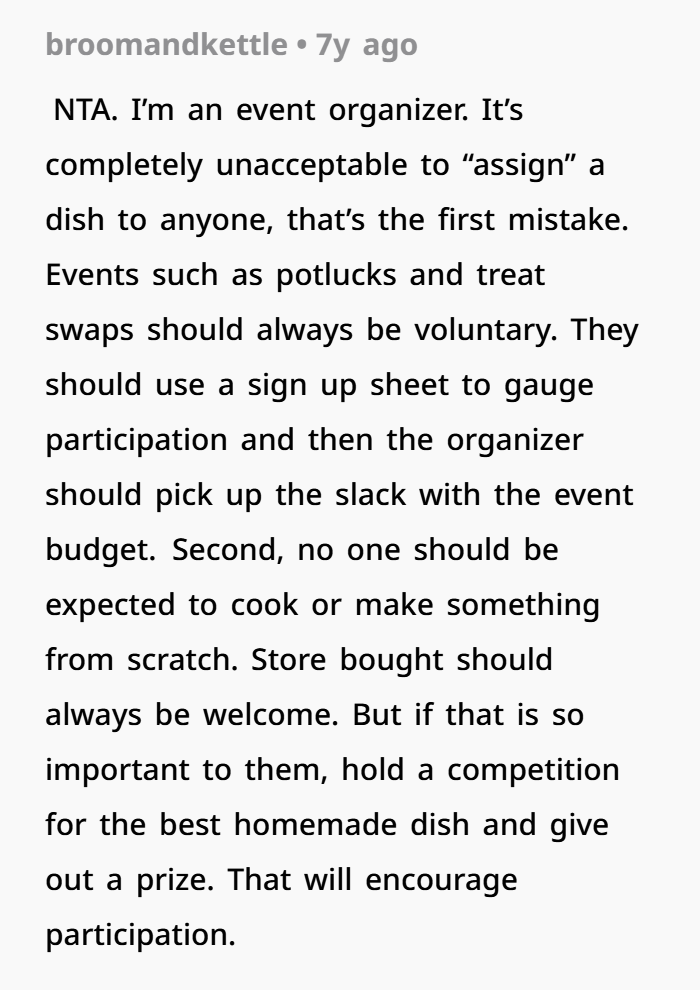
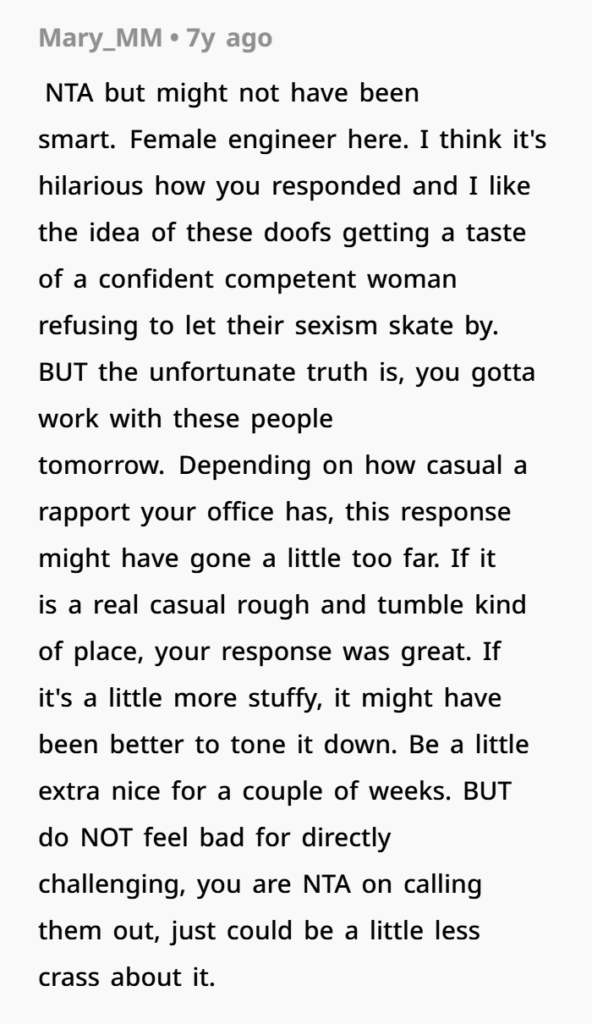
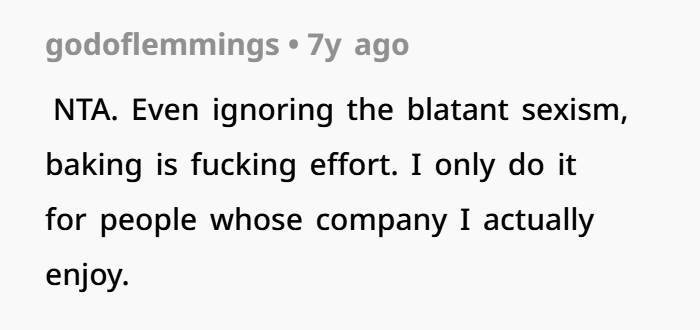
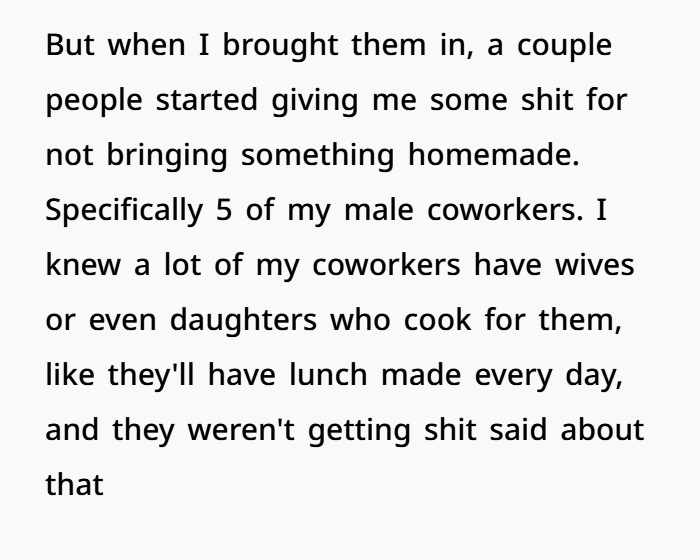
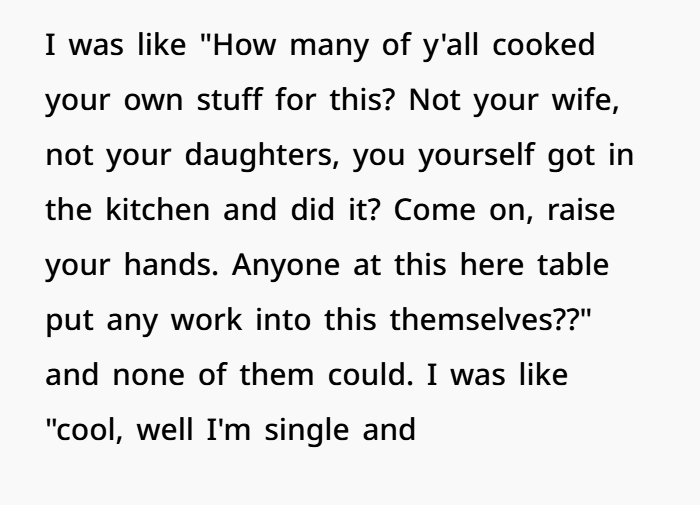
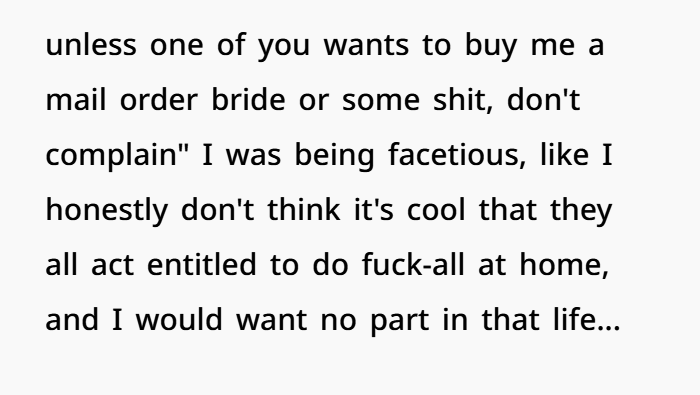
When some people criticized her choice, she explained that many employees had help from their wives or family members who prepared their food. She felt it was unfair to expect everyone to spend extra time cooking outside of work.
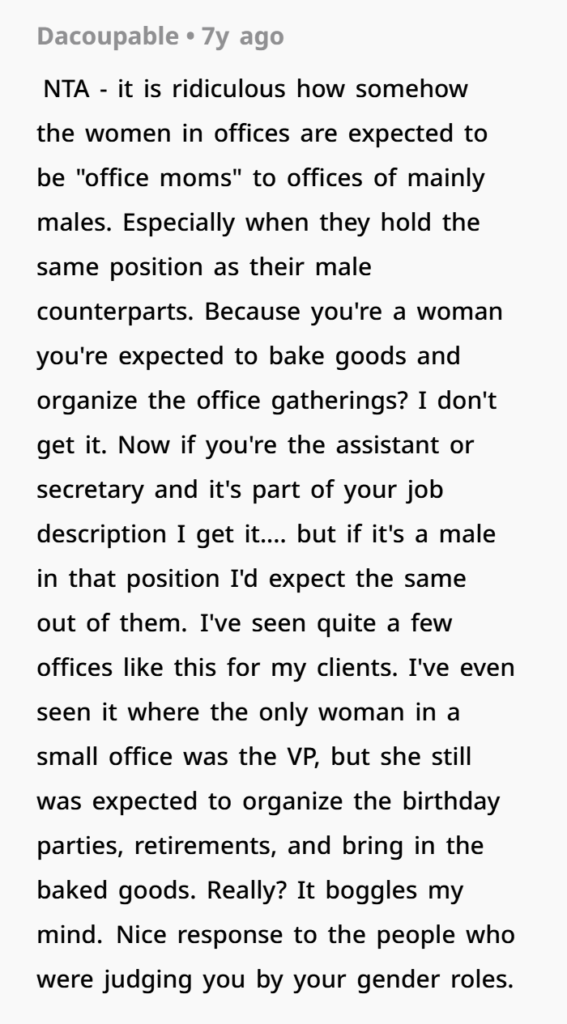
The conversation started a wider debate about workplace culture, employee expectations, and the importance of respecting different lifestyles. Many people agreed that professional environments should focus on inclusion and appreciate everyone’s effort, whether something is homemade or purchased.

Why Some Women Get Extra Workplace Tasks That Do Not Help Their Careers
A workplace should be a place where employees are recognized for their skills, hard work, and achievements. However, many workplaces still have hidden expectations that can create unfair situations for some employees.
One example is the way certain office tasks are often assigned. These tasks may seem small, but they can affect employee productivity, career growth, and professional opportunities over time.
A recent online discussion shared the story of a young female engineer who experienced this issue during an office potluck. She brought cupcakes from a grocery store for the event. Instead of simply thanking her for contributing, some coworkers questioned why she did not make the dessert herself.
The situation may sound simple, but it reflects a bigger conversation about workplace culture, gender expectations, and fair treatment at work.
What Are Non-Promotable Tasks At Work?
Not every workplace responsibility helps employees move forward in their careers.
Some tasks are necessary for a company to run smoothly but usually do not lead to promotions, salary growth, or professional recognition. These are often called non-promotable tasks.
Common examples include:
- Organizing office celebrations
- Planning team events
- Taking notes during meetings
- Arranging workplace activities
- Helping with social responsibilities
These tasks can improve teamwork and create a positive company culture. However, when the same people are repeatedly expected to handle them, it can become unfair.
Research on workplace equality shows that women are often asked to take on these responsibilities more frequently than men.
A Cupcake Story That Started A Bigger Conversation
The female engineer in the story worked in an office where most of her coworkers were older men.
For a team potluck, she decided to bring store-bought cupcakes. She had a full-time job and chose a practical option that allowed her to participate without spending extra hours preparing food.
Some coworkers criticized her choice because they expected homemade food.
The surprising part was that many of the people making these comments had not prepared their own dishes either. Some of their food was made with help from family members.
This raised an important question: Why was one employee expected to provide extra personal effort when others were not?
The Problem With Unfair Workplace Expectations
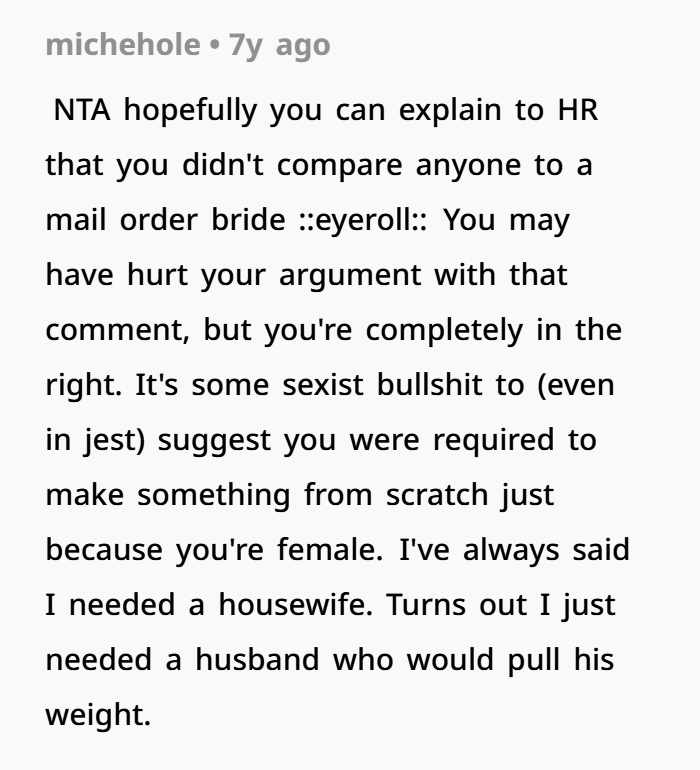
Many women are often viewed as naturally helpful, organized, and caring. These qualities are valuable, but they should not become automatic reasons for giving women extra responsibilities.
A female employee should be judged by her professional skills, work performance, and results—not by how much additional unpaid work she does for the office.
For example, an engineer’s main focus should be solving problems, improving systems, completing projects, and developing technical skills.
If an employee spends too much time arranging office events or managing team activities, they may have less time for important career development opportunities.
How Office Housework Can Affect Career Growth
Career advancement often depends on measurable achievements, leadership skills, and successful projects.
However, small workplace duties can quietly take time away from these important areas.
An employee who regularly organizes meetings, plans celebrations, or supports office activities may receive appreciation from coworkers, but those efforts may not always appear in performance reviews.
This is why many companies are focusing more on:
- Employee development
- Workplace fairness
- Equal career opportunities
- Better management practices
- Employee satisfaction
A strong company culture should support all employees in reaching their professional goals.
Creating A More Balanced Workplace
Companies can reduce unfair expectations by making workplace responsibilities more balanced.
Some helpful solutions include:
- Sharing office tasks among all employees
- Rotating responsibilities fairly
- Recognizing extra contributions
- Creating clear workplace policies
- Training managers about employee equality
When responsibilities are shared fairly, employees have more time to focus on their main roles and career growth.
A supportive workplace benefits everyone by improving teamwork, employee engagement, and long-term business success.
Employees Should Not Be Judged By Extra Duties
The young engineer who brought cupcakes still contributed to the workplace event. Buying dessert from a store does not mean someone cares less about their team.
People have different schedules, responsibilities, and priorities outside of work. A professional environment should respect those differences.
An employee’s value comes from their knowledge, creativity, teamwork, and achievements.
A cupcake should simply be a cupcake. It should not become a test of someone’s personality, dedication, or ability to succeed at work.
The bigger lesson is that workplaces should appreciate contributions while making sure expectations are fair for everyone.
Top Comments From Readers