

New Mom Faces Hurtful Accusations From MIL Moments After Giving Birth
When a baby is born, family members often start guessing who the newborn looks like. It is normal for relatives to compare the baby’s eyes, smile, hair, or other features with the parents.
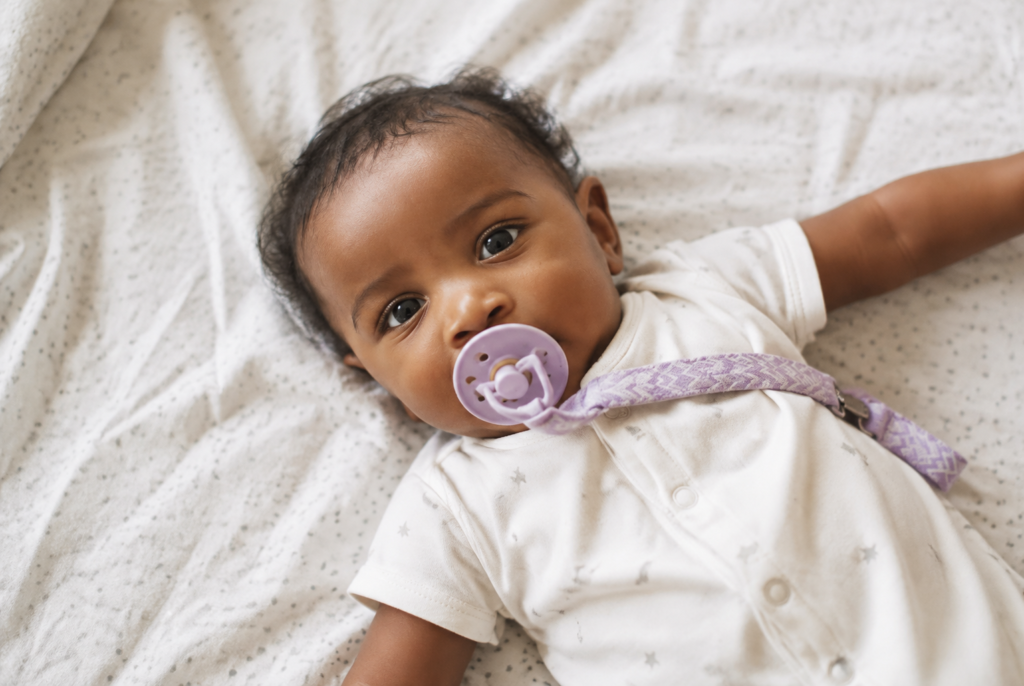
But one new mother faced a very painful moment when her baby was born with a skin tone that looked different from both parents.
Instead of showing kindness and support, the mother-in-law quickly made a hurtful accusation. She believed the baby’s appearance meant the mother had been unfaithful to her son.
The new mom was already tired and emotional after giving birth, and the accusation made the situation even more upsetting. Thankfully, her husband stood by her side and supported her during the difficult moment.
Hospital staff also helped protect the new mother and made sure she was treated with care and respect.
Later, the truth came out and the mother-in-law realized she had made a serious mistake. She had judged the situation without understanding how genetics work.
Family genetics can be surprising. Babies can inherit different traits from parents, grandparents, and even older generations. Features like skin tone, hair color, and eye color can come from many places in a family’s DNA.
This story, which was shared online by the mother, shows how important it is to avoid making quick judgments. A newborn baby deserves love and happiness, not unfair assumptions.
It also reminds us that learning about genetics and family health can help people better understand the amazing ways traits are passed from one generation to another.



The Science Behind Skin Tone and Hidden Genetic Traits
Having a mother-in-law make unfair comments or accusations about a baby’s skin tone can be deeply painful for a new mother. It can feel even worse when those comments come from a place of bias, colorism, or unfair doubts about the baby’s father.
But before judging a baby’s appearance, it helps to understand the science behind genetics.
Human skin color is a complex trait. It is not controlled by just one gene. Instead, many different genes work together to decide how much pigment a person has in their skin.
This is called a polygenic trait. Because many genes are involved, family traits can sometimes stay hidden for generations and appear unexpectedly in a child.
In this story, the mother was half-Native and had a lighter skin tone herself. However, she still carried genetic traits from her darker-skinned Native mother. Those hidden traits could appear in her baby.
Simply put, a child’s appearance is a mix of many family traits. A baby may look like a parent, a grandparent, or even someone from an older generation.
Skin tone can also change as a baby grows.
Research published in Skin Research and Technology in 2017 found that babies’ skin can change during the first months of life. Their skin may become less red and change in color as their bodies develop.
Different babies can experience different changes depending on their genetics and family background.
A baby gets half of their genes from each biological parent, but that does not mean they will look exactly like both parents. Some babies strongly resemble one parent, while others may look completely different.
Why Do People Focus So Much on Who a Baby Looks Like?
The mother-in-law’s reaction came from a common human habit: people often look for family resemblance in newborn babies.
Many people enjoy guessing whether a baby has the mother’s eyes, the father’s smile, or a grandparent’s features. For some fathers, seeing their own traits in a baby can create a stronger feeling of connection.
Research has looked at how physical resemblance may affect parenting behavior. Some studies suggest that fathers who notice their own features in their children may feel more connected and involved.
People even make guesses about baby resemblance before birth. In one study, researchers asked parents to look at ultrasound images and guess who the baby looked like. Many mothers said the baby looked more like the father, even though ultrasound pictures are not clear enough to show a baby’s actual features.
This shows how powerful the idea of family resemblance can be.
The Problem With Jumping to Conclusions
While curiosity about a baby’s appearance is normal, making serious accusations based only on looks can cause real emotional harm.
A newborn’s skin tone, hair color, or facial features cannot tell the full story of their family history. Genetics are much more complicated than many people realize.
Instead of making assumptions, families should welcome a new baby with love, support, and kindness.
Understanding Difficult In-Law Relationships
Sometimes problems with in-laws go beyond one comment. A person who repeatedly creates stress, ignores boundaries, or causes conflict may create a difficult family environment.
Toxic in-law behavior can include constant criticism, hurtful comments, manipulation, or attempts to create problems between couples.
Family experts often suggest setting clear boundaries when dealing with unhealthy family dynamics. This works best when partners support each other and handle problems as a team.
Responding with more anger usually makes the situation worse. Calm communication and strong boundaries can help protect a couple’s relationship.
This story shows how science, family emotions, and personal beliefs can come together in a very difficult moment.
Learning about genetics can help people understand why babies may look different from their parents. But showing kindness and respect should always come naturally.
See the comments to know what people said







A baby’s appearance can surprise people, but it should never become a reason for blame or hurtful accusations. Genetics are much more complex than simply saying a child must look like one parent or the other.
Family traits can appear in unexpected ways, and a newborn’s skin tone, hair, or features may come from generations of hidden genetic patterns.
This story is a reminder that patience, kindness, and understanding matter most during such an important moment. A new baby brings a family together, and the focus should always be on love and support instead of quick judgments.