Woman Gets A Reality Check After Repeatedly Trying To Shame Her “Immoral” Coworker
Everyone has opinions, but that does not mean every thought needs to be shared. Sometimes, it is better to think before speaking, especially when our words could make someone uncomfortable.
Personal challenges or a disability can make daily life more difficult. However, respectful communication, healthy boundaries, and personal responsibility are still important in everyday relationships.
In today’s story, a woman regularly shared strong opinions with the people around her. Because of her disability, others often avoided challenging her and tried to be understanding.
Over time, some of her comments became increasingly uncomfortable. Eventually, she crossed a personal boundary, and someone decided it was time to speak up.
The situation offers an important reminder about healthy relationships, emotional well-being, respectful behavior, and effective communication. Being understanding of someone’s circumstances does not mean accepting comments that negatively affect others.







Coworker Pushes Back After Being Judged for Moving In With Her Boyfriend
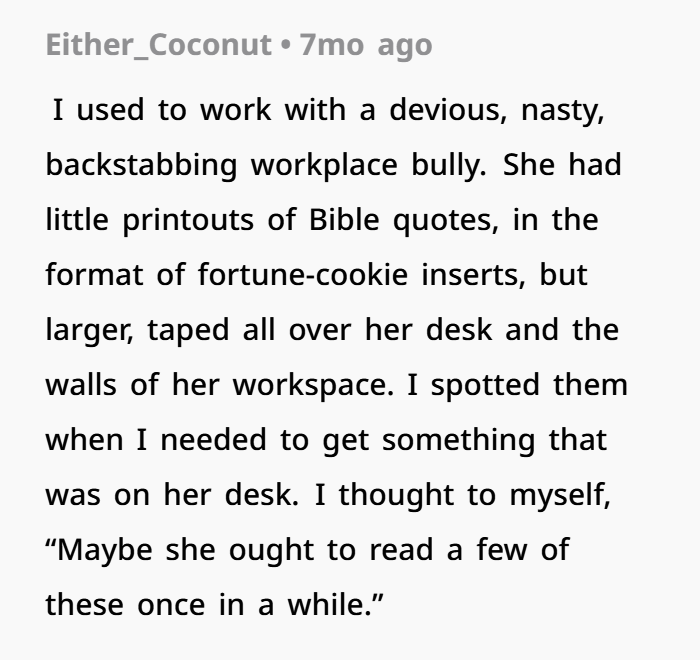
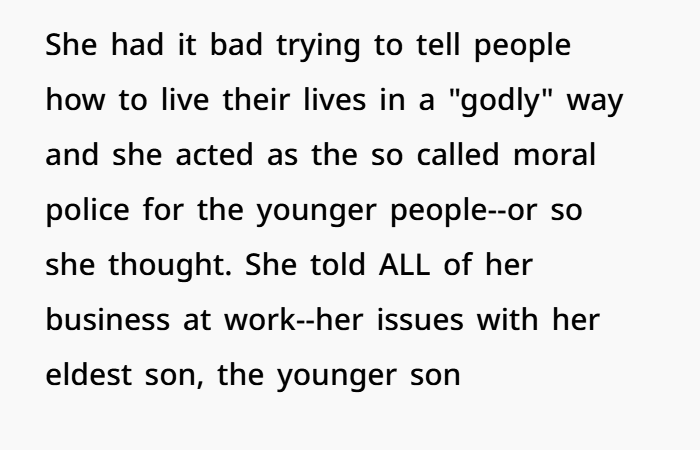
Years ago, the original poster (OP) worked at a hospital with a coworker who often shared strong opinions about other people’s personal choices.
According to the OP, many people at work avoided arguing with this coworker. As a result, she sometimes felt comfortable giving advice even when nobody had asked for it.
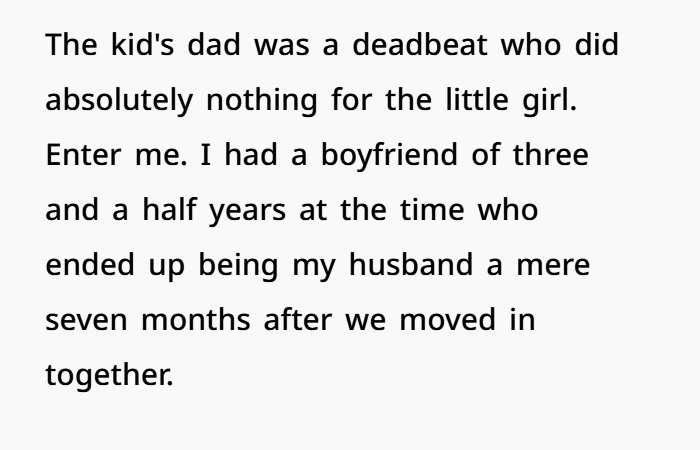
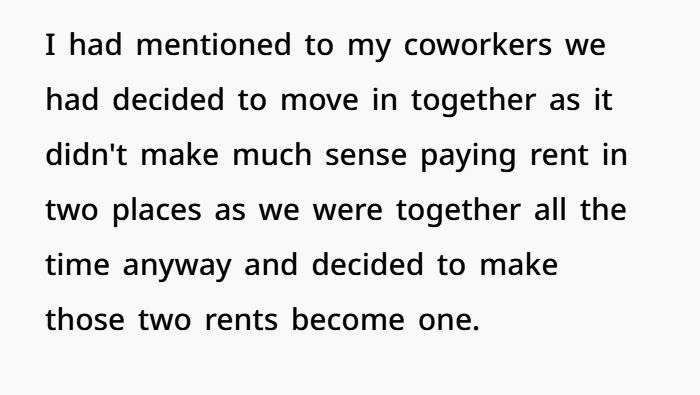
Things became personal when the OP told some coworkers that she planned to move in with her boyfriend of three years.
The couple had been together for a long time, and moving in together made sense for their relationship and their finances.
However, one coworker strongly disagreed.
Her Coworker Did Not Approve of the Decision
The coworker told the OP that she did not approve of couples living together before marriage.
Her opinion was connected to her personal religious beliefs. She believed couples should wait until marriage before sharing a home and becoming more serious in certain parts of their relationship.
The OP did not appreciate the comment.
She felt that a personal decision between two adults was not something a coworker needed to approve or reject.
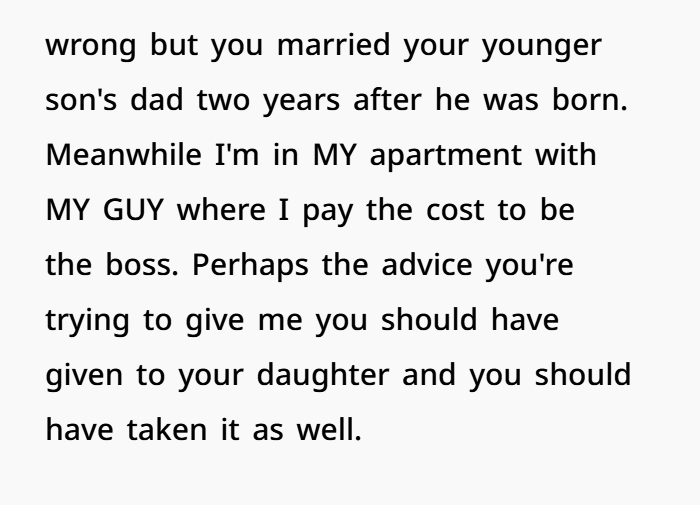
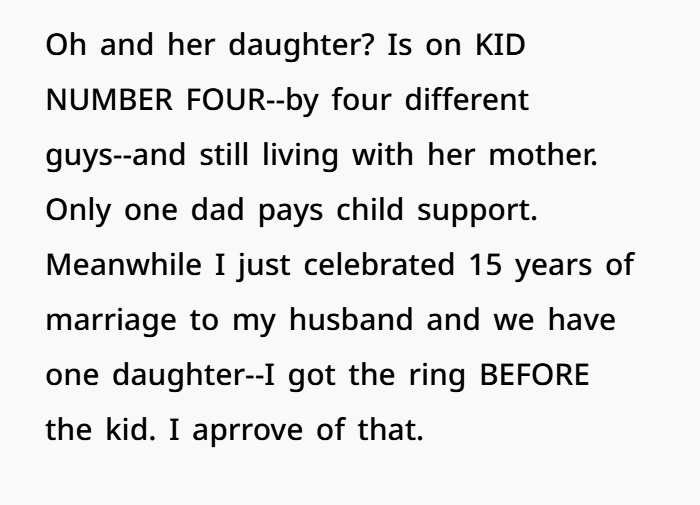
The conversation became more heated when the OP pointed out that her coworker’s own family had also made personal choices that did not always appear to match the standards she was promoting.
For the OP, that was the main issue.
It was less about religion and more about feeling judged by someone who seemed to apply different standards to different people.
Personal Choices Can Be Complicated
Religion and personal values can play an important role in decisions about dating, marriage, and living together.
People are free to follow their own beliefs. Problems can start, however, when those personal beliefs are used to judge coworkers or tell other adults how they should live.
In a professional workplace, healthy boundaries and respectful communication can help prevent these disagreements from becoming personal conflicts.
The OP had made a decision about her own relationship. She felt that her coworker should have respected that choice, even if she would have made a different decision herself.
Couples Move In Together for Many Reasons
Living together before marriage is a personal decision, and couples may choose it for many different reasons.
For some people, sharing a home is an opportunity to learn more about relationship compatibility.
Daily life can reveal things that regular dating may not. Couples learn how they handle chores, schedules, privacy, disagreements, and shared responsibilities.
It can also encourage important conversations about long-term goals.
For couples considering marriage, topics such as personal finance, household budgeting, debt, savings, insurance, and monthly expenses can become much more important once they share a home.
Sharing a Home Can Also Make Financial Sense
Money was an important part of the OP’s decision.
She and her boyfriend were already spending a lot of time together. Instead of paying separately for housing and other living costs, they believed sharing a home was a more practical choice.
For many couples, this can reduce certain household expenses, including rent, utilities, internet service, and groceries.
However, moving in together also requires careful financial planning.
Couples may need to decide how rent will be divided, who will pay certain bills, how shared purchases will work, and whether they will keep their bank accounts separate.
Having these conversations early can make household budgeting and money management easier.
Setting Boundaries at Work Can Help
The disagreement also highlights the importance of keeping appropriate boundaries with coworkers.
Friendly conversations about relationships and family life are common at work. But there is a difference between sharing an opinion and repeatedly judging another person’s private decisions.
When a conversation becomes uncomfortable, a simple boundary can sometimes be enough.
A person might explain that they respect different beliefs but prefer to make their own decisions about relationships, finances, and family life.
That allows both people to have different values without turning the workplace into a source of unnecessary conflict.
The Coworker Eventually Stopped Commenting
After the OP challenged her coworker’s comments, the issue apparently ended.
According to the story, the coworker stopped making remarks about the OP’s personal life.
For the OP, that was a positive outcome.
She did not need her coworker to agree with her decision. She simply wanted the freedom to make an adult choice about her relationship without receiving unwanted judgment.
Moving in with a long-term partner can involve relationship goals, financial planning, housing costs, and personal values. There is no single decision that works for every couple.
What matters is that both partners communicate openly, understand their financial responsibilities, and make a choice that fits their own circumstances.
Would you have responded to the coworker, or would you have ignored the comment and moved on?
What The Comments Reveal