
I Ate “Zero Calorie” Tic Tacs Every Day and Accidentally Added 800 Calories to My Diet
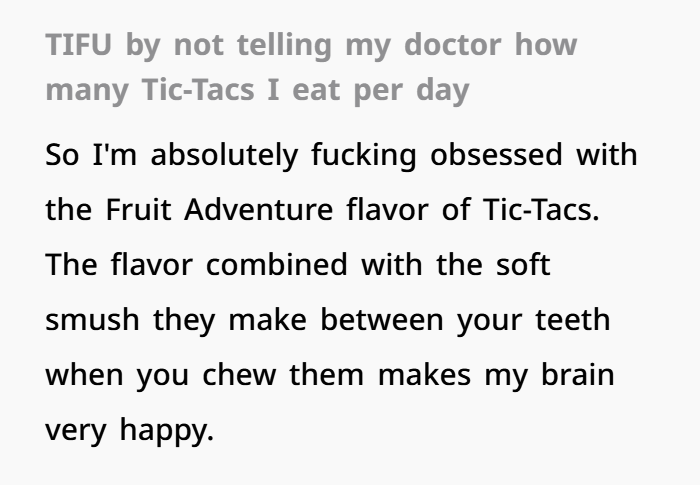
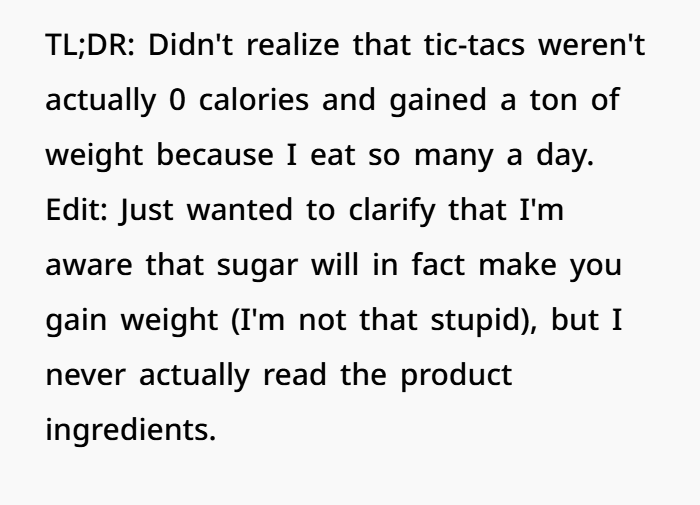
Small daily habits can sometimes have a bigger impact than we expect. One person shared how their strong love for Fruit Adventure Tic Tacs slowly became part of a weight gain challenge. They were not eating unhealthy meals every day or making major lifestyle changes. The main difference was their growing habit of eating Tic Tacs throughout the day.
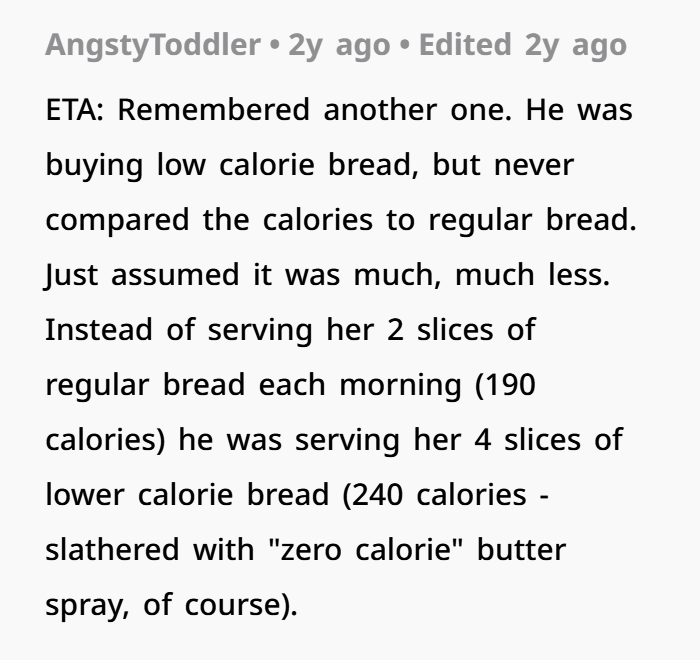
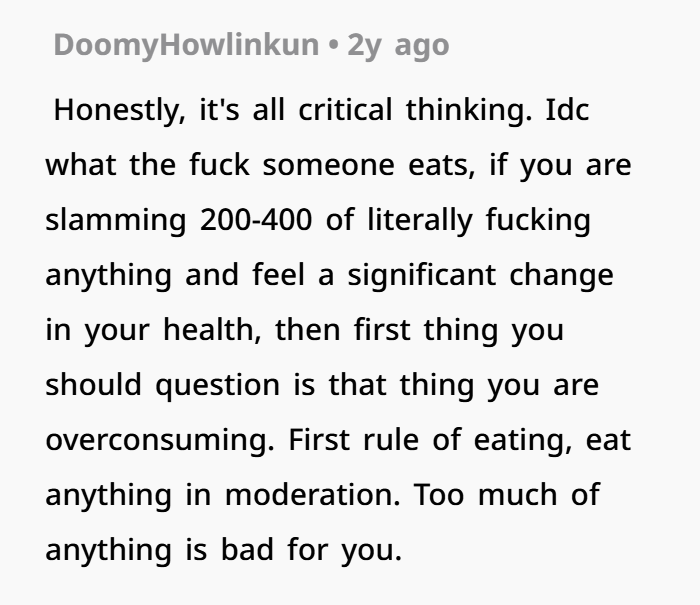
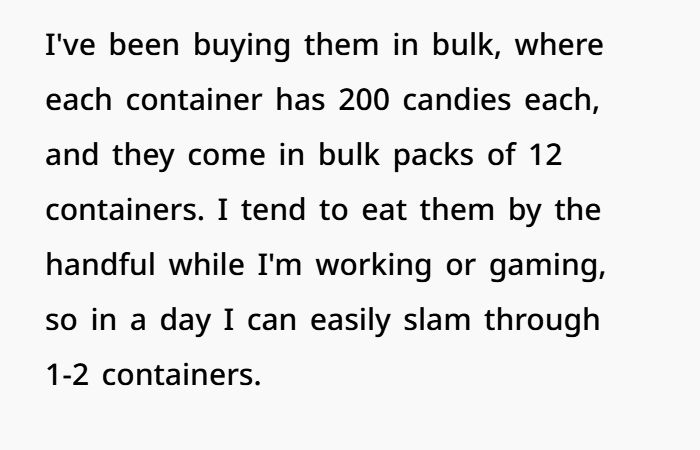
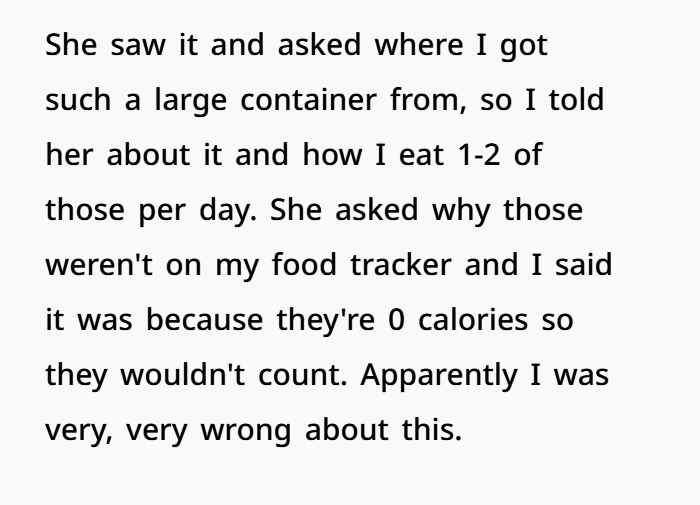
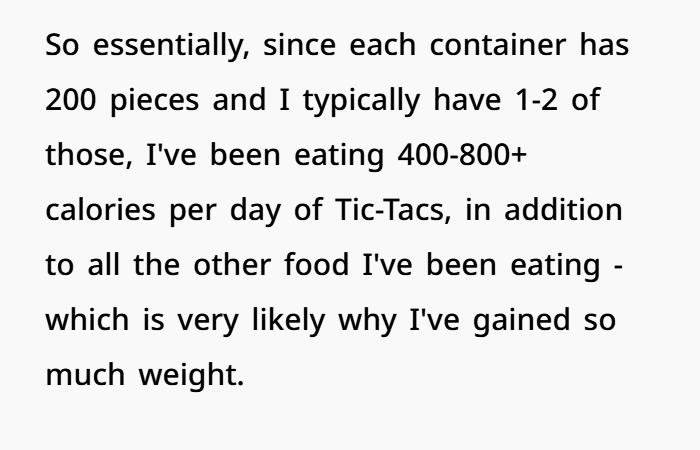
They enjoyed the sweet flavor and crunchy texture so much that they started buying Tic Tacs in large quantities. Each container had about 200 pieces, and they often finished one or two containers while working or playing games. Because the package showed “0 calories,” they believed it was a harmless snack choice.
Over the course of a year, they gained about 40 pounds and decided to speak with a healthcare professional. Their health tests were normal, so they started tracking their meals with help from a dietitian and a weight management specialist. During a review, the dietitian noticed empty Tic Tac containers and asked why this habit was missing from their food record.
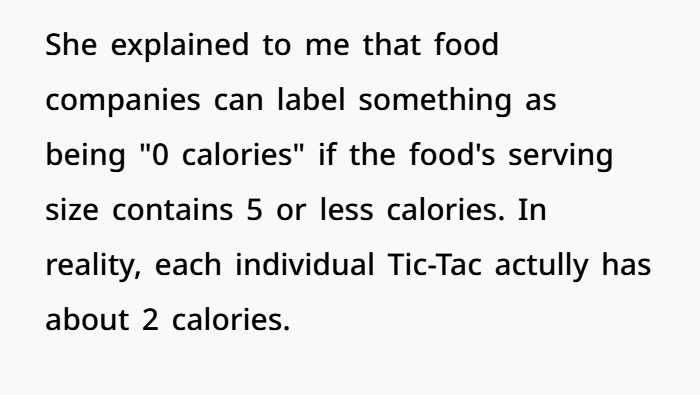
This helped uncover the hidden issue. The person learned that some products with very small calorie amounts can sometimes be listed as zero calories because of food labeling rules. Their daily candy habit was adding extra calories that they never counted. The experience showed how important mindful eating, nutrition awareness, and understanding food labels can be for maintaining a healthy lifestyle.


The “Zero Calorie” Mistake That Taught an Important Health Lesson
At first, this story sounds funny. Someone eating hundreds of Tic Tacs every day because they thought they had zero calories sounds like a surprising internet story.
Many people reacted by asking, “How could someone not know?”
But this story actually teaches an important lesson about food labels, nutrition, and healthy eating habits.
The truth is that food labels can sometimes be confusing.
What Does “Zero Calories” Really Mean?
Many people believe that a product with a “zero calorie” label has no calories at all.
However, that is not always true.
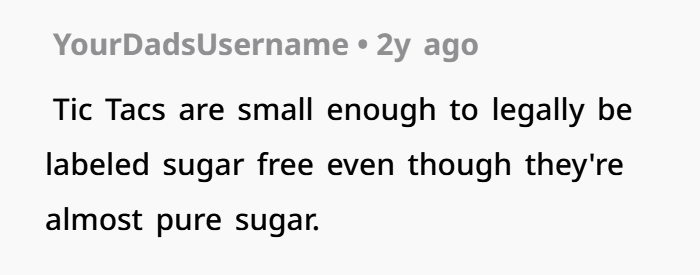
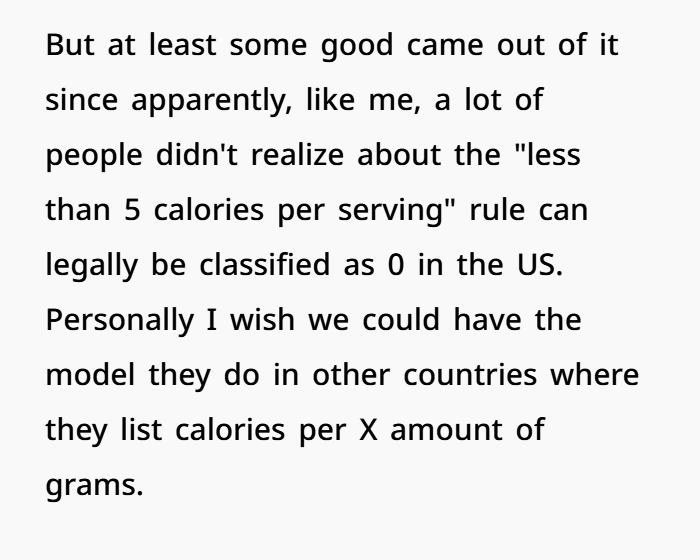
In the United States, the Food and Drug Administration (FDA) allows companies to use the term “zero calories” when a serving contains less than 5 calories.
For one small serving, this amount is very low and usually does not make a big difference.
The problem starts when someone eats many servings throughout the day.
A single Tic Tac may contain only a tiny amount of calories, but eating hundreds of them can add up to a much larger number.
This is why understanding nutrition labels is important for anyone trying to manage their weight or improve their health.
Small Calories Can Become Big Over Time
When people think about weight gain, they usually think about obvious foods like fast food, desserts, sugary drinks, or large meals.
But sometimes, small daily habits can also affect calorie intake.
Nutrition experts often call these hidden calories “calorie leaks.”
These are small amounts of extra calories that people may not notice.
For example:
- Adding extra sugar or cream to coffee every morning
- Eating snacks without checking portion sizes
- Drinking high-calorie beverages
- Tasting food while cooking
- Eating small treats throughout the day
Each habit may seem harmless, but over time, these extra calories can affect body weight.
This is why calorie awareness and healthy eating habits are important parts of weight management.
Weight Loss Is About More Than Willpower
Many people think losing weight is only about having more discipline.
But the human body is much more complex.
Weight changes can be affected by many factors, including:
- Daily calorie intake
- Physical activity
- Sleep quality
- Stress levels
- Hormones
- Medications
- Overall health conditions
When the body regularly receives more energy than it uses, the extra energy can be stored as body fat.
A consistent calorie surplus over time may lead to weight gain. However, every person’s body responds differently, and weight changes are not always simple.
The Health Issue Behind the Story
The most interesting part of this story is that the Tic Tacs may not have been the only thing happening.
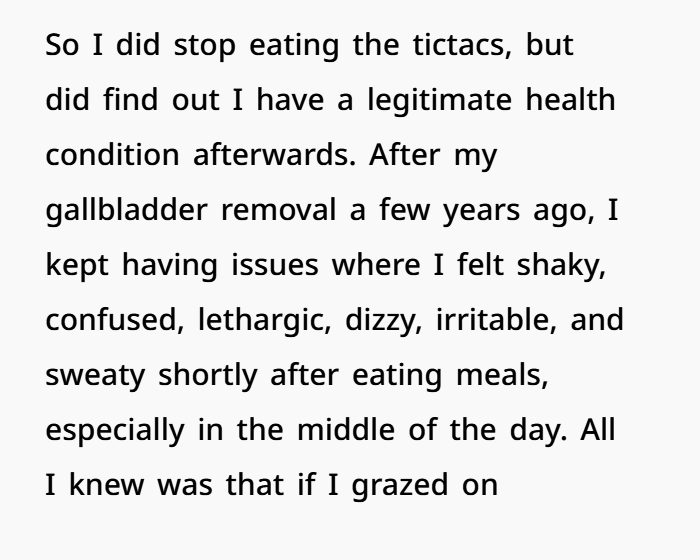
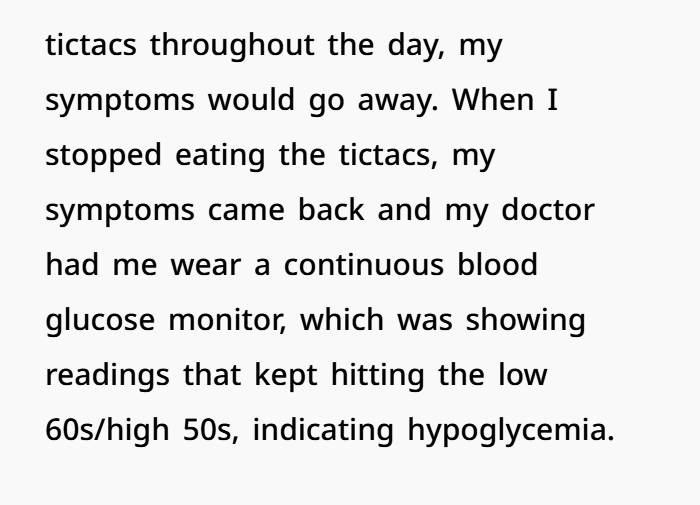
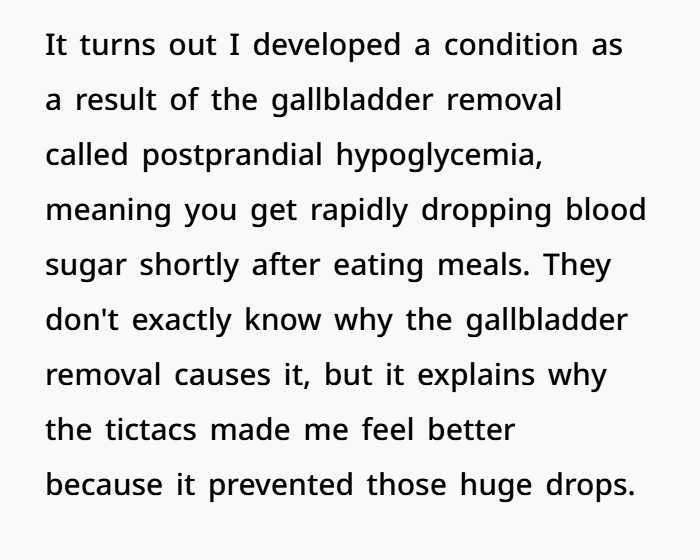
After stopping the habit, the person experienced symptoms such as feeling shaky, sweating, dizziness, and confusion after meals.
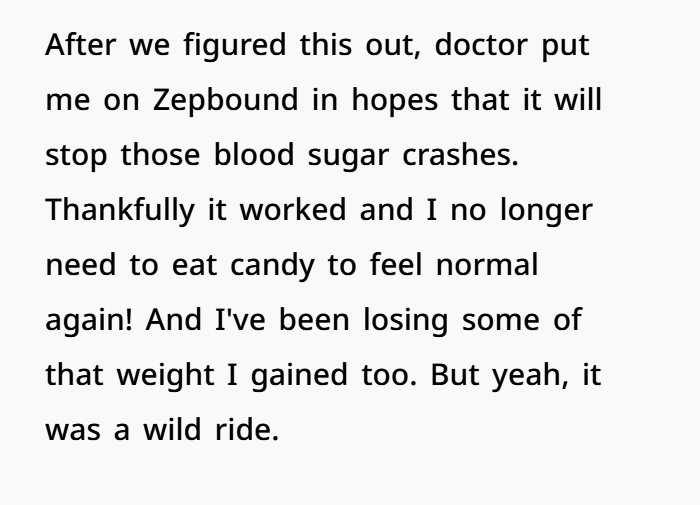
Doctors later discovered that these symptoms were linked to low blood sugar episodes, also known as hypoglycemia.
In some cases, people can experience blood sugar drops after eating. This is sometimes called postprandial hypoglycemia.
This shows why it is important to look at the bigger picture when it comes to health.
A habit that seems unusual may sometimes be connected to something else happening inside the body.
Why Medical Checkups Matter
Unexplained weight changes should not always be ignored.
If someone gains or loses a significant amount of weight without a clear reason, speaking with a healthcare professional can help find possible causes.
Doctors may look at different areas, including:
- Blood sugar levels
- Thyroid health
- Hormone balance
- Medication effects
- Sleep patterns
- Lifestyle factors
Health conditions such as thyroid problems, insulin resistance, and other medical issues can sometimes influence weight and metabolism.
This does not mean every weight change is caused by a medical problem. Lifestyle choices are still important. But sudden changes may need professional attention.
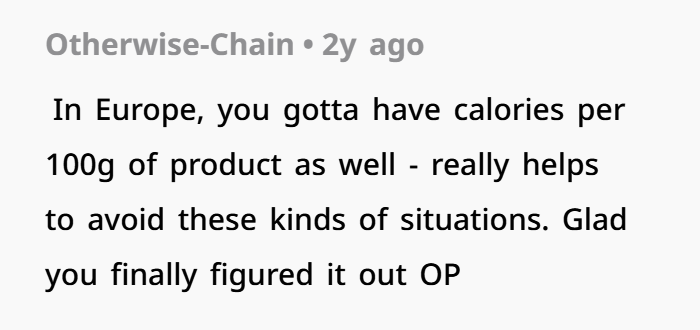
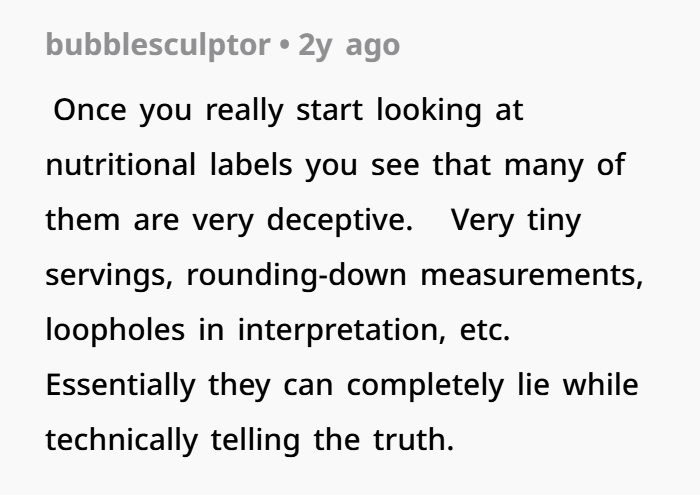
Food Labels Can Be Misleading
This story also shows why consumers should learn how to read nutrition labels correctly.
Words like:
- Zero calorie
- Sugar-free
- Low fat
- Natural
can create a certain impression, but they do not always explain the full nutritional value of a product.
For example, a sugar-free product may still contain calories. A low-fat product may contain added sugars. A natural product may still be high in calories.
Looking at the complete nutrition facts label gives a better understanding.
Important details to check include:
- Serving size
- Total calories
- Carbohydrates
- Added sugar
- Ingredients list
- Protein and fat content
This simple habit can help people make better food choices.
Tracking Food Can Help Find Hidden Habits
Food tracking does not have to mean counting every bite forever.
For many people, keeping a food diary for a short time can help them notice patterns.
They may discover things they forgot about, such as:
- Extra snacks during the day
- Large drink portions
- Late-night eating
- Frequent small treats
Awareness is often the first step toward healthier choices.
Small changes can create meaningful results over time.
The Real Lesson From the Tic Tac Story
The Tic Tac story became popular because it was surprising and funny.
But the bigger lesson is about understanding food, health, and the information on product labels.
“Zero calories” does not always mean there are absolutely no calories.
Small habits can add up.
And health is not always as simple as a number on a scale.
Good nutrition, regular health checkups, and understanding your body can all play an important role in long-term wellness.
The best approach is not perfection. It is learning, making better choices, and paying attention to what your body is telling you.
The Comments Are In