
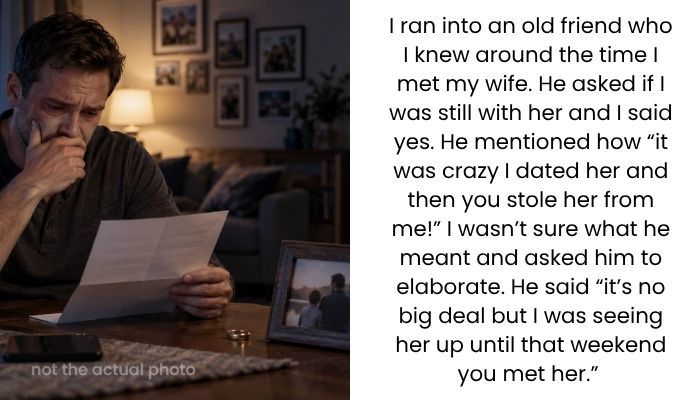
12 Years of Fatherhood Shaken After Secret DNA Test Reveals Son Is Not Biologically His
A 34-year-old father shared an emotional story after a private paternity test changed how he viewed his marriage and the beginning of his family. After raising his 12-year-old son since birth, he discovered through a home DNA test that he was not the child’s biological father.
The discovery brought back old doubts about his wife’s pregnancy timeline and left him struggling with feelings of betrayal, confusion, and heartbreak. However, he made one thing clear: biology would not change the bond he had built with his son.
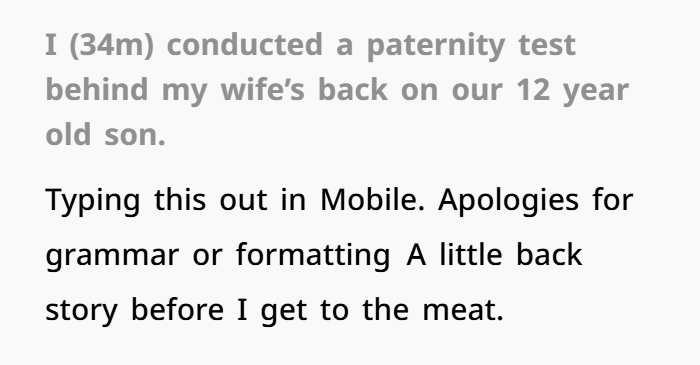



A father’s world was turned upside down after a secret paternity test revealed that the 12-year-old boy he had raised since birth was not his biological child.
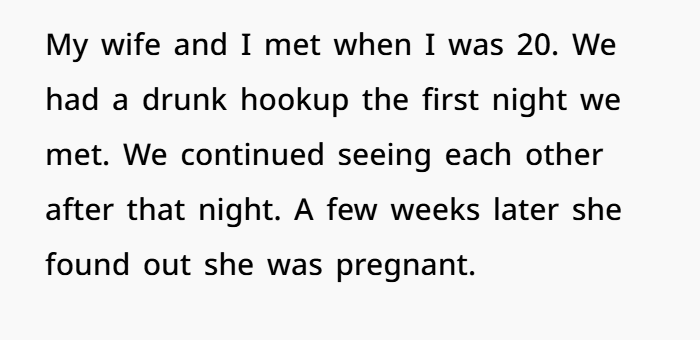
The man, who was 34 years old when he shared his story online, explained that he met his wife when he was 20. The two had a brief relationship that started after a night together, and only a few weeks later, she discovered she was pregnant.
At the time, he had some doubts about whether the pregnancy matched their timeline. But he never talked about those concerns.
He was also preparing for military deployment, and the idea of becoming a father had a huge impact on his choices. Growing up without his own father, he wanted to make sure his child would never experience the same pain.
He decided to stay, build a family, and later married the woman he believed was carrying his child.
A Marriage Held Together by Fatherhood
Twelve years later, the couple was still married, but their relationship had become difficult.
The man described their marriage as unstable and emotionally distant. He admitted that the main reason he stayed was because of his son.
For him, being a present father mattered more than anything else. He did not want his child to grow up feeling abandoned.
Even though the marriage was no longer happy, his relationship with his son remained strong.
That bond became the most important part of his life.
A Conversation That Brought Back Old Doubts
The situation changed after he unexpectedly met an old friend from the time he first met his wife.
During their conversation, the friend asked if he was still married. When he answered yes, the friend made a surprising comment.
The friend said it was strange because he had been dating the woman before the marriage began and joked that she had been “stolen” from him.
The comment immediately brought back memories of the doubts he had buried years earlier.
He started wondering if the timing of the pregnancy had been different from what he was told.
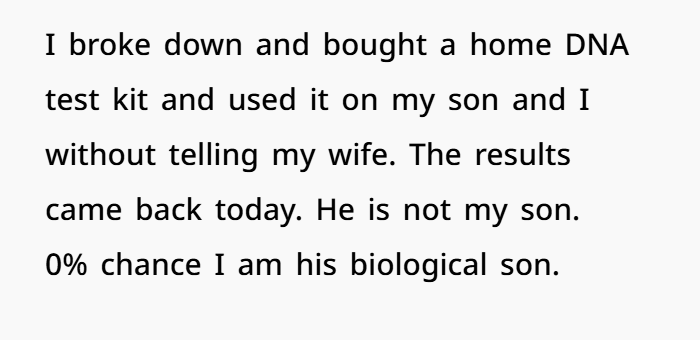
Unable to ignore those thoughts, he purchased a home DNA test kit and tested himself and his son without telling his wife.
According to his post, the results showed a 0% probability that he was the biological father.
The Emotional Impact of a Paternity Test Result
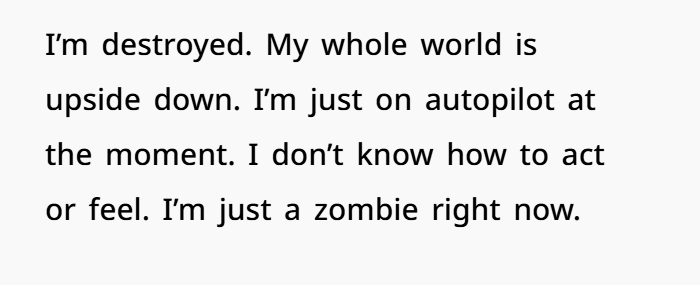
The result left him completely shocked.
After 12 years of raising his son, teaching him, supporting him, and being there through childhood, he suddenly faced a painful truth about his biological connection.
He described feeling numb and unable to process what had happened.
Questions started filling his mind.
Did his wife know? Had he spent more than a decade living a lie? Was their entire relationship built on something false?
These are common emotional struggles people experience after unexpected DNA testing results reveal surprising family information.
Experts often explain that genetic discoveries can create complicated feelings because family relationships are built on more than biology. Emotional attachment, shared memories, and years of care can be just as powerful.
Biology Did Not Change His Role as a Father
Despite the painful discovery, the man said one thing was certain.
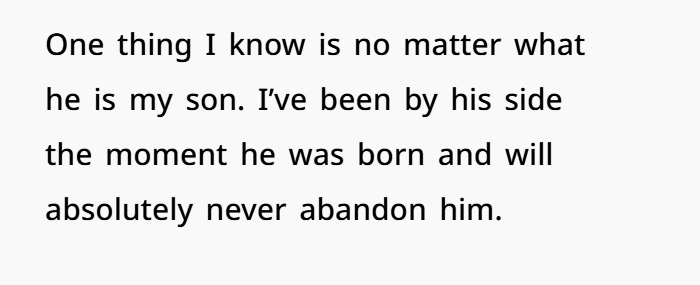
His son was still his child.
He explained that he had been there from the moment the boy was born and had no intention of walking away.
For him, fatherhood was not only about genetics. It was about showing up every day, providing love, and being a reliable parent.
Many family counselors point out that a child’s emotional security often comes from consistency, support, and a strong parent-child relationship rather than biology alone.
Organizations like the American Academy of Pediatrics have highlighted the importance of stable and supportive relationships in a child’s development.
The Difficult Question: Should He Tell His Wife?
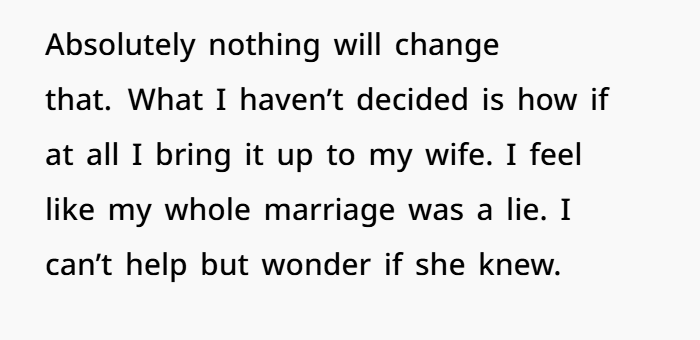
The biggest decision facing him was whether to confront his wife.
He admitted that he still cared about her, even though their marriage had been struggling for years.
At the same time, he felt deeply hurt and wondered if she had knowingly hidden the truth from him.
He decided not to make any sudden decisions while emotions were high.
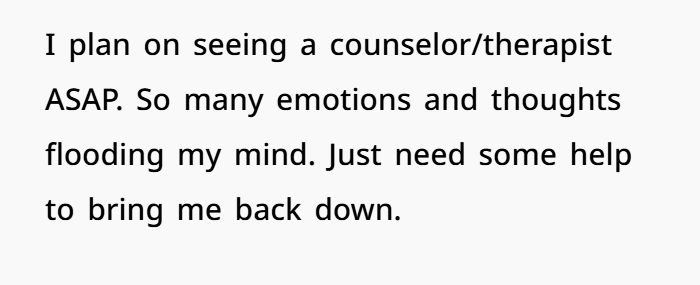
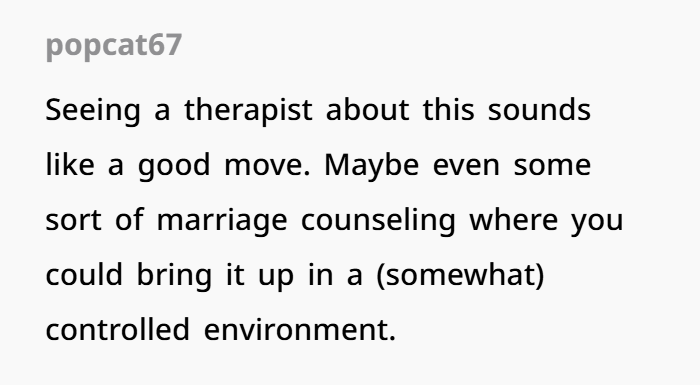
Instead, he planned to speak with a therapist or counselor before taking action.
Relationship experts often recommend seeking professional guidance during major family crises because strong emotions can make communication more difficult.
Services like Psychology Today’s therapist directory help people find licensed mental health professionals who specialize in relationship counseling, family issues, and emotional trauma.
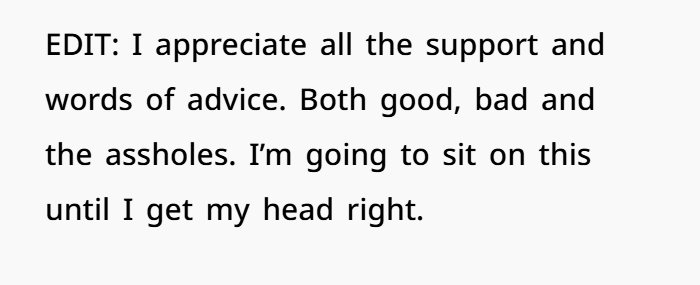
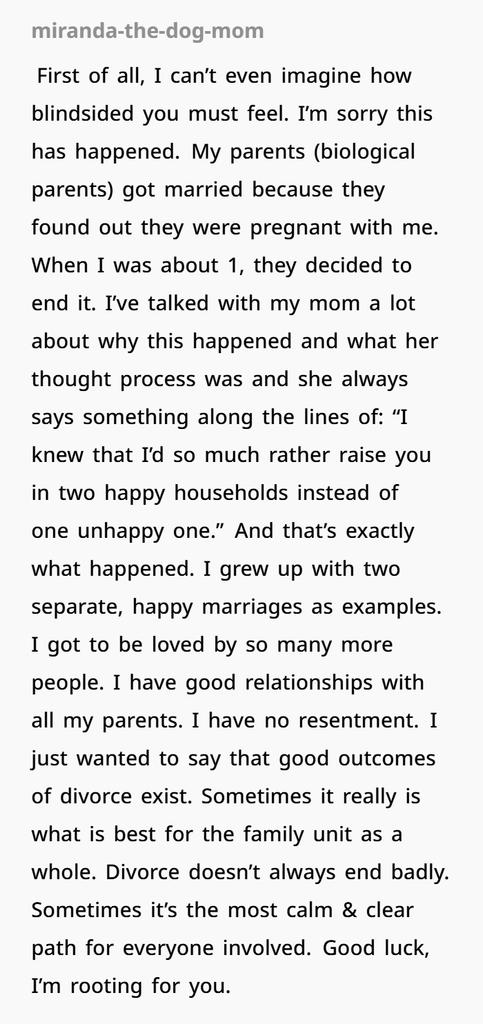
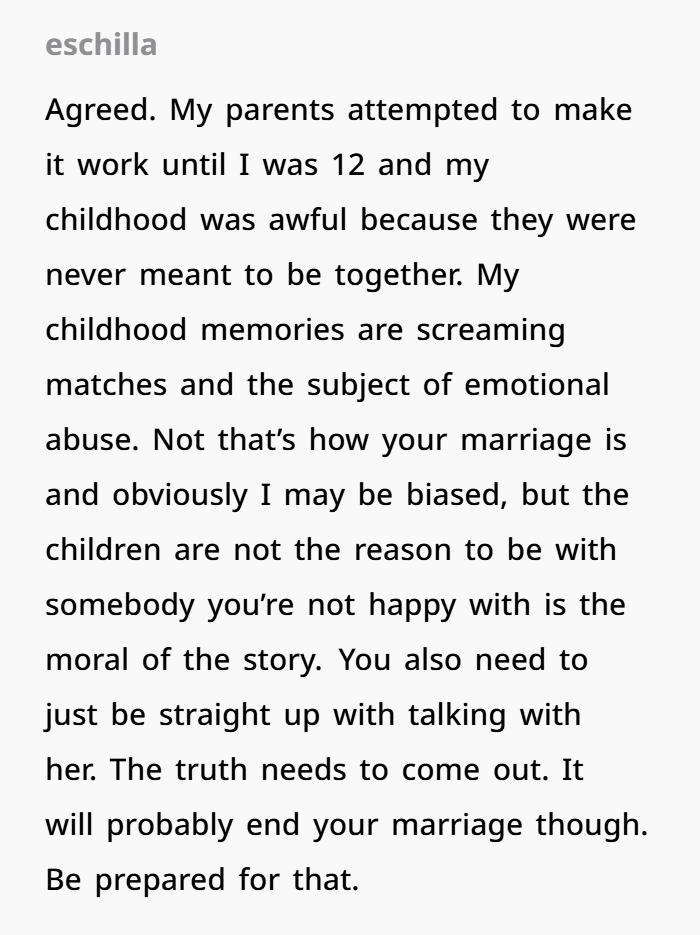
See the comments to know what people said



The story of this father shows how one unexpected DNA test can change a person’s entire view of their past. Learning that his son was not biologically related to him brought pain, anger, and confusion, but it did not erase the 12 years of love and care they shared.
For him, being a father was never only about genetics. It was about being there, raising his child, and creating a bond built on trust and love. While he still had to deal with questions about his marriage and whether the truth had been hidden from him, he chose not to make rushed decisions during one of the hardest moments of his life.
The situation highlights a difficult reality: family is built through both biology and the everyday actions that show love and commitment. As he searched for answers, his strongest decision was clear — no matter what the DNA test revealed, he would continue to be the father his son had always known.