

Christmas With His Sister-in-Law Sparked Affair Rumors During Two Divorces
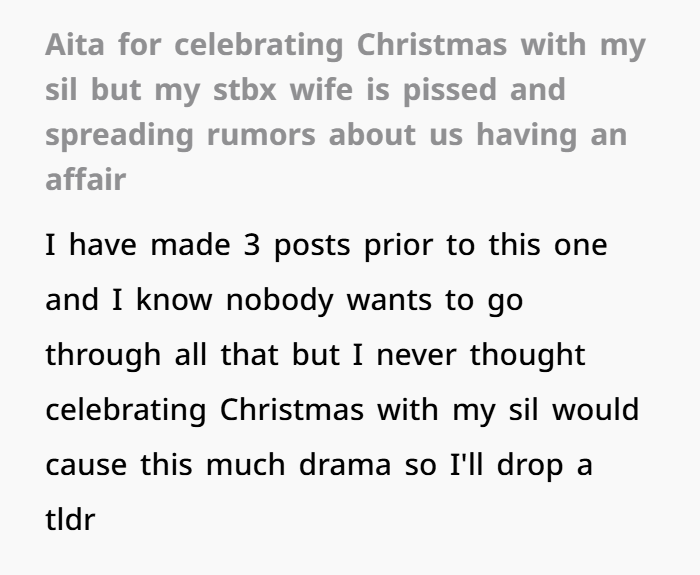
What started as a dispute over cheating turned into a messy family conflict. Now, two marriages are ending, relatives are choosing sides, and affair rumors are spreading.
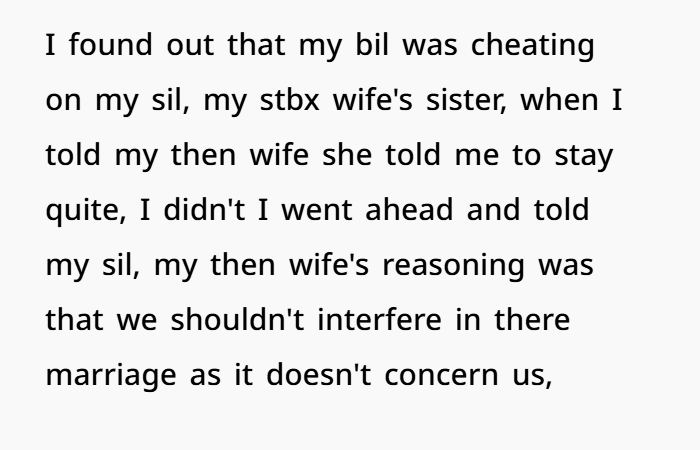
The husband says the trouble began after discovering his brother-in-law was cheating. Instead of staying silent, he told his sister-in-law about the alleged affair.
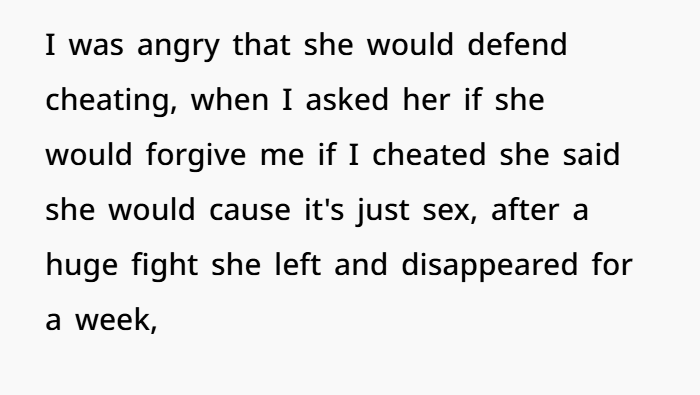
His wife had urged him not to get involved. She felt another couple’s marriage was their own concern. Her response bothered him even more when they discussed cheating within their own marriage.
According to his account, she said she could forgive sexual infidelity because it was “just sex.” Their disagreement became a major fight. She then left for about a week.
When she returned, he decided to pursue a divorce.
At roughly the same time, his sister-in-law began her own divorce proceedings. She was also seeking child support and alimony. Those are separate forms of support under family law. Child support generally benefits the child, while alimony supports a former spouse.
The two soon became close friends. Both felt betrayed by their spouses and were dealing with painful breakups.
That friendship eventually led to a shared Christmas celebration.
The gathering included children, nephews, nieces, and some of their friends. Gifts were exchanged, and the adults tried to give the children a happy holiday.
After the other guests left, the husband and sister-in-law remained together. They drank, discussed their futures, and vented about their partners.
His soon-to-be ex-wife later learned about the Christmas gathering. She then accused the pair of having an affair, according to his account. She also claimed he planned to marry her sister after the divorce.
He denies both claims.
Some relatives accepted his explanation. Others believed the situation looked improper and urged him to reconcile with his wife.


There are really three conflicts happening at once.
The first concerns infidelity and trust.
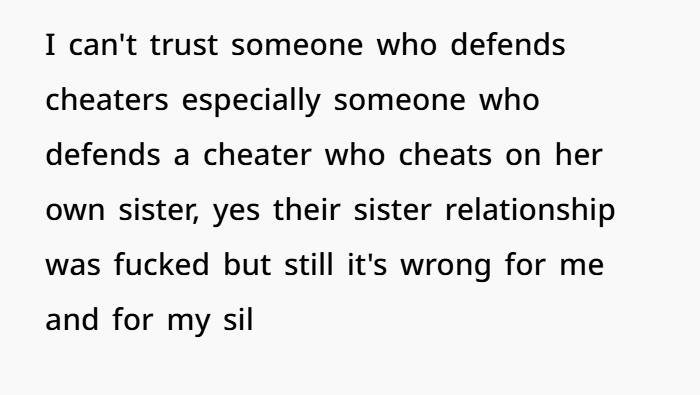
The original marriage did not end because the husband admitted cheating. Based on his account, it broke down over conflicting beliefs about cheating, loyalty, and trust.
Healthy relationships often depend on open talks about difficult issues. The American Psychological Association’s guidance on healthy relationships says keeping major concerns buried can fuel resentment. It also notes that destructive arguments can harm relationships.
That context matters here.
The husband viewed his wife’s defense of staying silent as a serious moral problem. His wife appears to have viewed his involvement differently. Their dispute then exposed a deeper divide over sexual fidelity.
Neither point, by itself, proves an affair involving the husband.
The second issue is the growing bond between the two people getting divorced.
People often depend on friends during a painful breakup. Mayo Clinic notes that friends can provide support during divorce and other difficult life events. Strong friendships can also reduce loneliness and stress.
That makes their friendship understandable.
Yet this friendship carries unusual baggage. She is his wife’s sister. Both divorces also grew from the same family cheating scandal.
Their private drinking and emotional talks do not establish a sexual relationship. Still, those circumstances can create room for suspicion and family gossip.
That distinction is important.
Emotional support is not proof of an affair. At the same time, close relationships during an active divorce can make already tense family ties harder to manage.
The third issue concerns the children.
The Christmas celebration involved children from the extended family. That raises a bigger concern than adult gossip: keeping children away from an escalating divorce fight.
Research-based guidance supports that goal.
The APA’s guidance on healthy divorce recommends keeping parental conflict away from children. It says ongoing conflict between parents can raise the risk of emotional and social problems for children.
High-conflict divorce can also continue long after separation. APA guidance on parenting coordination focuses on reducing damaging conflict and keeping decisions centered on children’s needs.
That means accusations about cheating, divorce, child custody, child support, alimony, family law, and marital conflict should remain adult matters.
There is another practical concern.
Both adults are involved in active legal proceedings. Heated messages, public accusations, financial arrangements, and family disputes can add more stress.
Divorce rules also differ by location. Questions about spousal support, child support, marital assets, custody, and divorce settlements depend on the law governing each case. Cornell Law School’s divorce overview explains that divorce can involve separate decisions about property, custody, child support, and alimony.
For that reason, neither person’s legal position can be judged from this account alone.
The affair accusation has the same problem.
The wife reportedly believes the Christmas gathering confirms something romantic was happening. The husband says there was no affair and describes the relationship as friendship and mutual support.
The available story contains no independent evidence proving either version.
What is clear is that both divorces have become tied together emotionally. The same cheating dispute damaged two marriages. The two betrayed or disillusioned family members then became close. Their closeness gave the other side fresh material for suspicion.
The Christmas gathering did not create the underlying conflict.
It exposed how little trust remained.
For the husband and sister-in-law, the holiday appears to have offered company during two painful separations. For suspicious relatives, the same gathering looked like evidence of an inappropriate relationship.
Those are interpretations, not established facts.
The safest path during an active divorce case would be clear boundaries and careful communication. It would also help to keep children away from accusations and adult disputes.
Professional support can be useful as well. Mayo Clinic notes that therapy can help people cope with divorce, major life changes, stress, and relationship conflict.
In the end, this story is no longer just about Christmas.
It is about broken trust, family loyalty, marriage problems, financial support, divorce proceedings, and a friendship formed during a shared crisis.
Whether that friendship later becomes romantic is unknown. Nothing in the account establishes that it already was.
What is established is that two divorces are now colliding inside one family, making almost every interaction easier to misread.
See the comments to know what people said



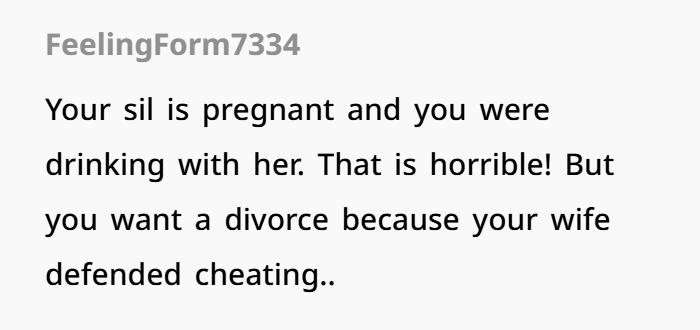

The Christmas gathering itself does not prove an affair. Based on the story provided, there is no clear evidence of cheating between the husband and his sister-in-law.
Their friendship grew during two painful divorce proceedings. Both were dealing with betrayal, family conflict, and uncertain futures. Spending Christmas together with children and relatives can reasonably fit that friendship.
Still, staying alone afterward to drink and discuss their relationships was bound to attract attention. With both marriages ending, even harmless emotional support could fuel suspicion and family gossip.
The bigger concern now is protecting everyone from more conflict. Arguments over infidelity, child support, alimony, child custody, spousal support, and divorce settlements can quickly become personal. The children should remain outside those disputes.
The husband and sister-in-law may also benefit from clearer boundaries while their divorces continue. That does not mean accepting the affair accusations. It means avoiding situations that could add more strain to already difficult family law matters.
From the facts presented, celebrating Christmas together was not evidence of cheating. The real problem appears to be broken trust, unresolved anger, and two divorces unfolding within the same family.