
My MIL Gave My 8-Year-Old a Smartwatch So They Could Talk “Privately”—Without Telling Us She Could Track Her Location
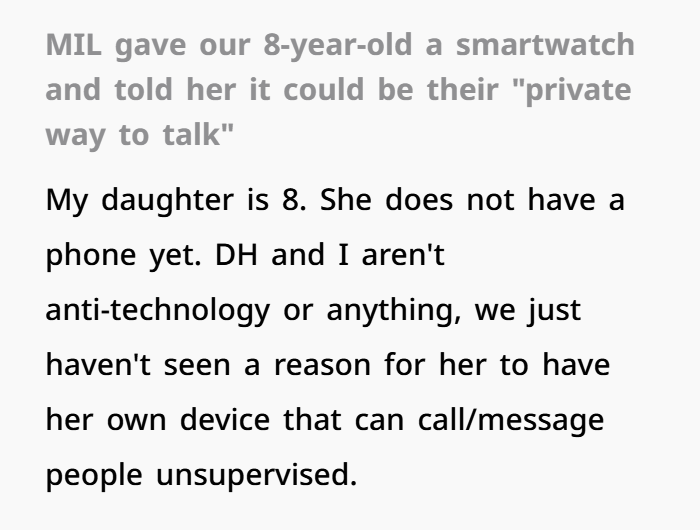
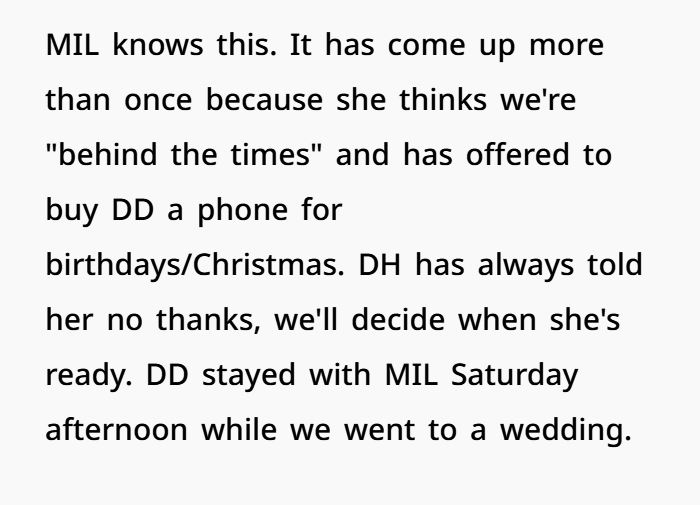
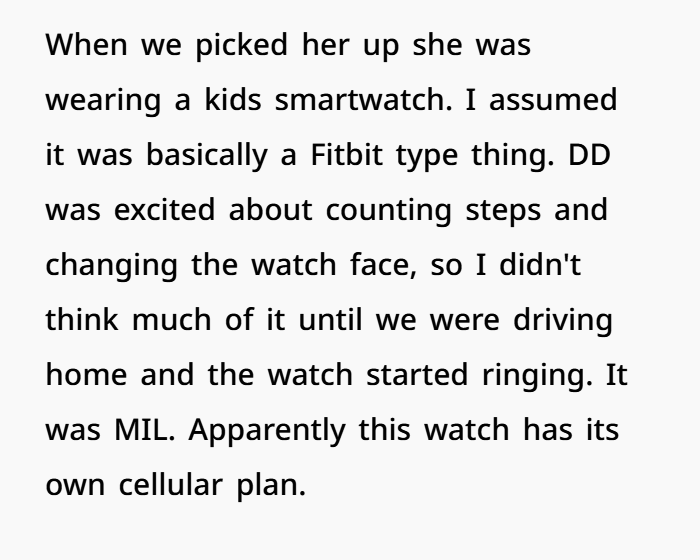
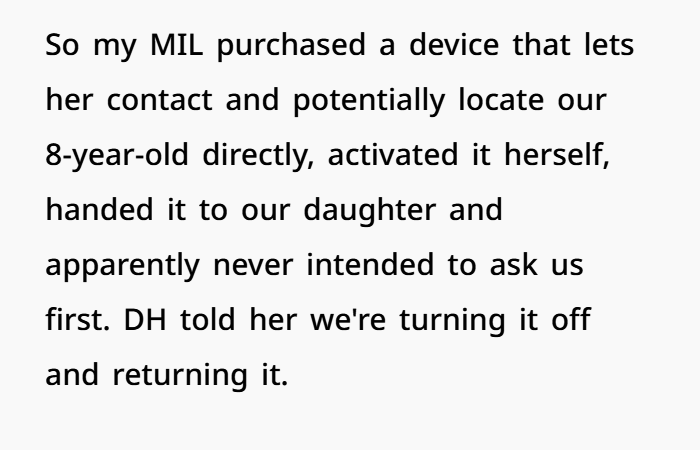
A mother and her husband had decided that their eight-year-old daughter was too young to have her own phone. They wanted to wait until she was older and could understand how to use technology safely. But the girl’s grandmother did not agree with their parenting decision. She often told them they were being too strict and offered to buy their daughter a phone for birthdays and holidays. The parents always said no. One afternoon, their daughter came home from visiting Grandma with a colorful new smartwatch. At first, her mother thought it was a simple fitness tracker that counted steps. Her daughter loved the gift and was excited to show it off. Everything seemed fine until the watch suddenly started ringing on their way home.
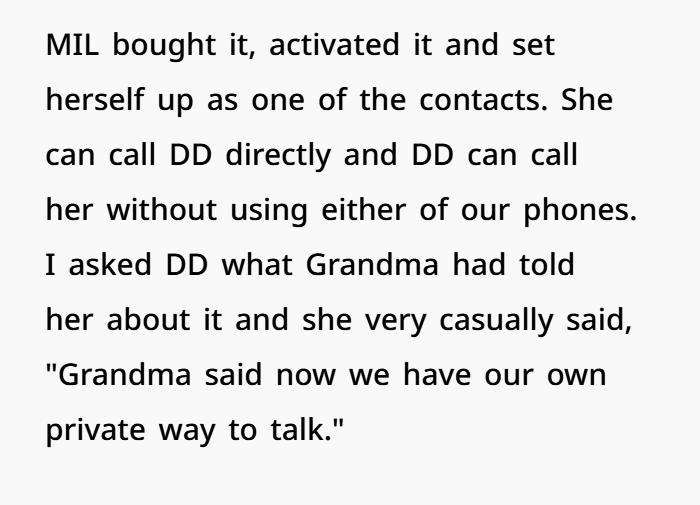
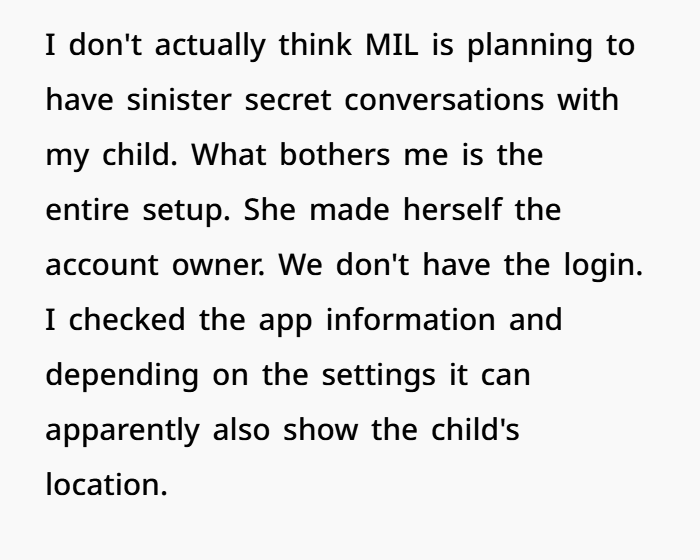
The call was from Grandma. That was when the parents learned that the kids’ smartwatch could make and receive phone calls without connecting to their phones. Grandma had already paid for a cellular plan and set up the device herself. She had also added her own number so she could contact her granddaughter directly. What worried the mother most was something her daughter said. Grandma had told her they now had their own private way to talk and that she no longer needed to ask Mom or Dad to make a call. The parents also discovered that Grandma controlled the smartwatch account. They did not have access to the parental controls, and the device might have GPS location tracking features.
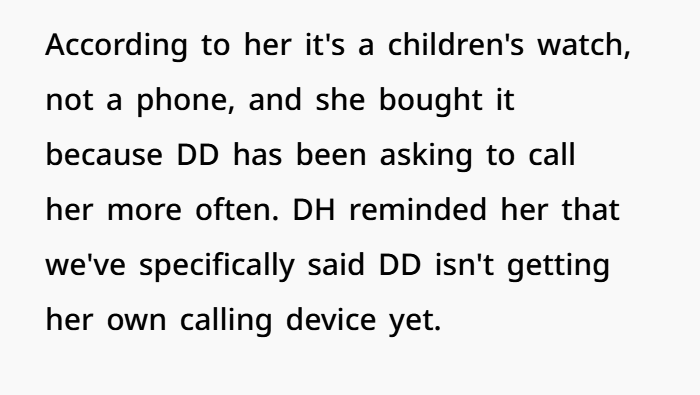
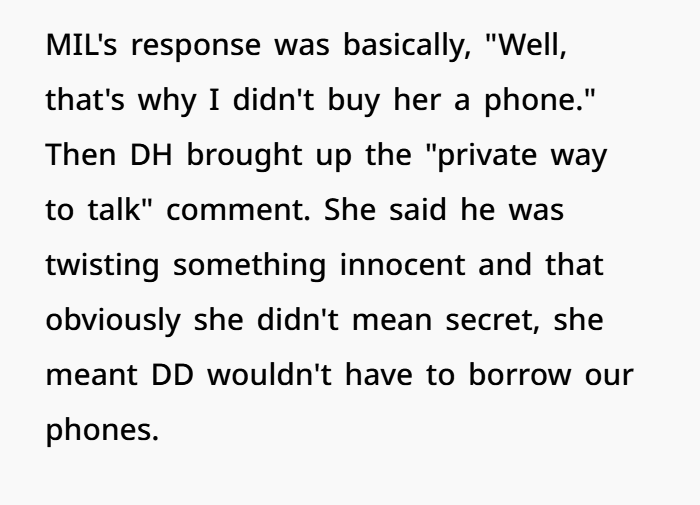
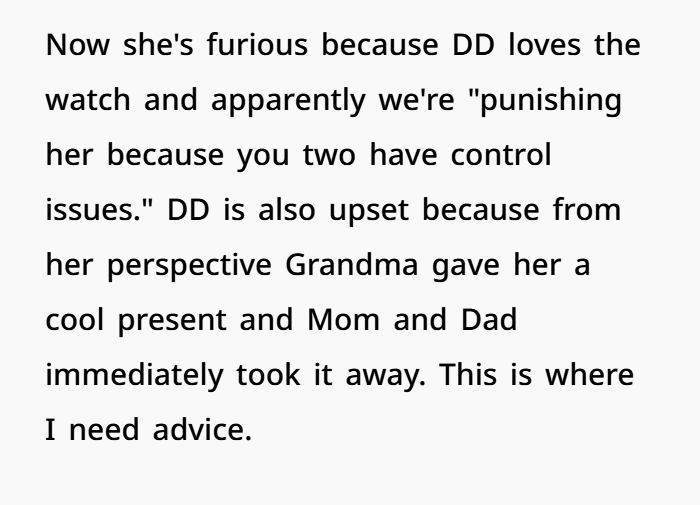
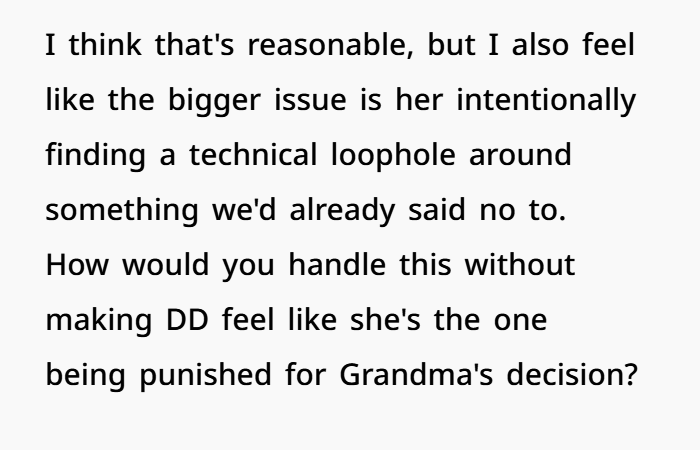
The girl’s father called his mother to ask why she had done this without permission. Grandma said she had done nothing wrong because a smartwatch was not the same as a phone. She explained that she only wanted an easier way to stay in touch with her granddaughter. But the parents felt she had ignored their wishes. They had already made their rules about children’s technology and online safety clear. After talking about it, they decided to turn off the watch’s service and return it. Grandma became upset and accused them of being too controlling. She also said they were being unfair to their daughter by taking away a gift she loved.
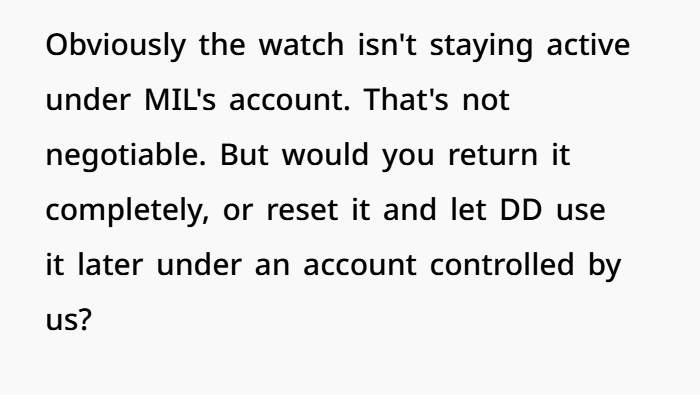
Now the mother feels caught in a difficult situation. Her daughter is happy with her new watch and does not understand why she cannot keep it. The mother is not against smartwatches for kids, but she believes parents should decide when their children are ready for them. She is also concerned about digital privacy and who can access her daughter’s location and personal information. She wonders whether they should return the watch for good or set up a different one with proper parental supervision. More than anything, she wants Grandma to respect their family boundaries and understand that parenting decisions belong to the parents.


Why a Child’s Smartwatch Can Become a Family Privacy and Safety Concern
A smartwatch might seem like a perfect gift for an eight-year-old. It can tell the time, make calls, and even help family members stay connected.
But what happens when a grandparent buys one without asking the child’s parents?
That is the problem in this family story.
The grandmother reportedly gave her eight-year-old granddaughter a smartwatch, even though the parents had already decided she was not ready for a device that allowed private calls.
To make things more complicated, the grandmother set up the watch using her own account.
The parents were left wondering who could contact their daughter, whether her location could be tracked, and why they had no control over the settings.
What started as a birthday gift quickly became a disagreement about child safety, digital privacy, and parenting boundaries.
Why Children’s Smartwatches Need Parental Supervision
Smartwatches designed for children can be useful.
Many models allow kids to call approved contacts, send short messages, or share their location with family members.
Some also include emergency calling features.
These tools can give parents peace of mind, especially when children are away from home.
However, connected devices also come with responsibilities.
Depending on the model, a smartwatch may collect information such as the child’s name, contact details, location, or activity.
That is why children’s smartwatch safety and parental controls are important.
Parents should know what information a device collects, who can access it, and how to change its privacy settings.
In this story, the grandmother reportedly controlled the smartwatch account.
The parents did not have access to the settings.
That created a reasonable concern, even if the grandmother had good intentions.
What Do Children’s Online Privacy Laws Say?
Children’s online privacy is an important issue, especially when devices collect personal information.
In the United States, the Children’s Online Privacy Protection Act, also known as COPPA, provides protections for children under 13.
The Federal Trade Commission (FTC) explains that covered online services generally must inform parents and obtain proper parental consent before collecting certain personal information from children.
This information can include precise location data.
For example, some smartwatches have GPS tracking features that allow an authorized adult to see where a child is.
This can be helpful during emergencies.
But parents should understand how that information is collected and shared.
The grandmother’s decision to register the watch under her own account does not automatically mean any privacy law was broken.
However, it does raise questions about online privacy protection, GPS tracking, and personal data security.
Parents need to know who controls a connected device used by their child.
Why Smartwatch Account Ownership Matters
Buying a smartwatch is only one part of setting it up.
Someone also needs to create an account, choose contacts, and manage privacy settings.
Depending on the device, the account holder may be able to approve phone numbers, manage communication features, or view location information.
That makes account ownership important.
In this case, the grandmother reportedly kept control of the account instead of giving it to the parents.
The mother had not confirmed whether location tracking was turned on.
So it would be unfair to claim that the grandmother was secretly watching the child’s movements.
Still, the parents had no clear way to check the settings themselves.
A safer approach would be for the parents to review the device, understand its features, and decide whether it fits their family’s needs.
Digital parenting tools and child device management can be helpful, but they work best when parents understand and control the settings.
What the FTC Says About Children’s Connected Devices
The Federal Trade Commission has taken action against companies over concerns involving children’s personal information.
In 2019, the FTC announced a settlement involving VTech Electronics over allegations related to children’s data security and privacy.
In 2023, the agency also took action involving Amazon and concerns about children’s voice recordings and data controls connected to Alexa.
These cases involved different products and circumstances.
However, they show why companies and families need to take children’s digital information seriously.
A smartwatch is not automatically unsafe because it connects to the internet.
The important questions are how the device works, what information it collects, and who can access that information.
For parents shopping for kids’ smartwatches with GPS tracking, privacy settings and account controls deserve as much attention as price and design.
Why the Grandmother’s Words Caused Concern
One of the most uncomfortable parts of the story involved what the grandmother reportedly told her granddaughter.
She described the smartwatch as a way for them to communicate privately without needing to involve the parents.
Wanting to speak with a grandchild is not wrong.
Grandparents often have close and loving relationships with their grandchildren.
But there is a difference between giving a child privacy and encouraging communication outside the rules set by their parents.
Children should feel comfortable talking openly with trusted caregivers.
The National Center for Missing & Exploited Children provides safety education through its KidSmartz program, which encourages communication between children and trusted adults.
In this story, there is no clear evidence that the grandmother told the child to hide the watch or keep their conversations secret.
That distinction matters.
Still, creating a separate way to communicate after the parents had already said no could weaken their family rules.
A Smartwatch Is More Than Just a Watch
The grandmother reportedly defended her decision by pointing out that she had bought a smartwatch, not a phone.
But that explanation misses the parents’ main concern.
They were not simply worried about what the device looked like.
They did not want their eight-year-old to have a personal device that allowed calls without their supervision.
A cellular smartwatch can offer many of the same communication features as a basic phone.
So even though the gift was technically a watch, it still allowed the type of communication the parents had decided to delay.
This is an example of why clear parenting boundaries matter.
Family members need to understand the reason behind a rule, not just its exact wording.
A grandparent may disagree with a parenting decision, but that does not mean they should ignore it.
Why Children Should Not Be Caught in Adult Disagreements
The most difficult part of this situation may be how it affected the little girl.
She received an exciting gift from her grandmother.
Then her parents had to take it away because it did not follow their family rules.
From the child’s point of view, that could feel confusing or disappointing.
She did not create the disagreement.
She also did not decide who should manage the smartwatch account.
The adults made those decisions.
Family systems theory, associated with psychiatrist Murray Bowen, explains how disagreements between adults can sometimes involve other family members.
In this case, the child ended up in the middle of a disagreement between her parents and grandmother.
That is why the adults’ response matters.
The goal should be to solve the problem without making the child feel responsible.
How Parents Can Explain the Decision to Their Child
Taking away a new gift can be difficult, especially when a child is excited about it.
But parents can still handle the situation with kindness.
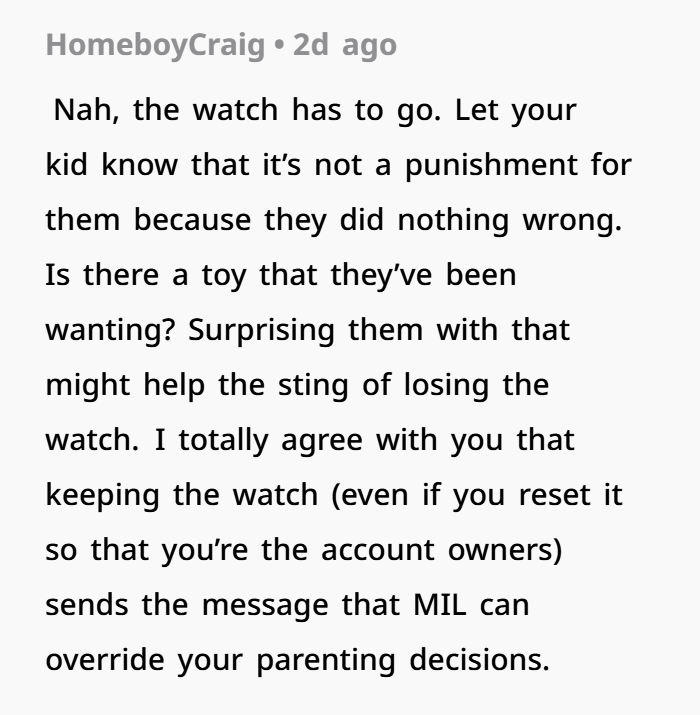
They might explain that the smartwatch has calling and internet-connected features that need adult supervision.
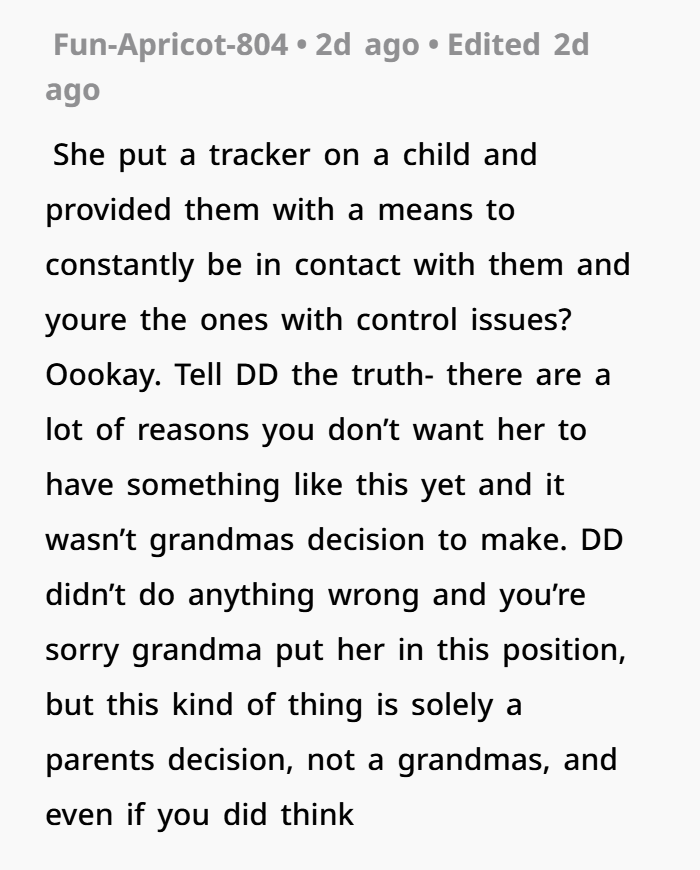
They can also make it clear that their daughter did nothing wrong.
The decision is about family rules and safety, not punishment.
The American Academy of Pediatrics encourages families to make thoughtful decisions about children’s media and technology use.
Its guidance supports creating family media plans based on children’s ages, needs, and daily routines.
For this family, that might mean waiting until their daughter is older before allowing a personal communication device.
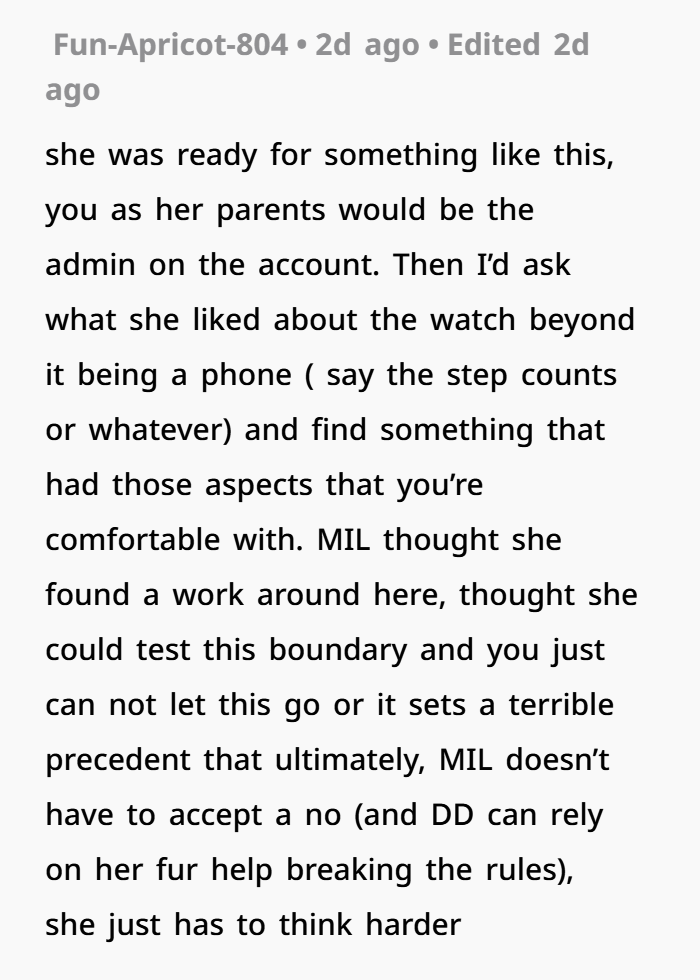
It could also mean choosing a smartwatch later with parental controls, approved contacts, and privacy settings managed by the parents.
Either choice can be reasonable.
Can Parents Choose a Different Smartwatch Later?
The parents do not have to reject smartwatches forever.
They may simply want to wait until they feel their daughter is ready.
If they decide to buy one later, they can compare different children’s smartwatch features.
Some models offer contact approval, location sharing, school modes, and emergency calling.
Before purchasing, parents can review the manufacturer’s privacy policy and check whether the device requires a monthly cellular plan.
They should also look at who can manage the account and whether location sharing can be turned off.
These are useful things to consider when comparing kids’ GPS watches, family mobile plans, and child safety devices.
A smartwatch that works well for one family may not be the right choice for another.
The important thing is that the parents make an informed decision.
Why Grandparents Should Respect Parenting Decisions
Grandparents often want to make their grandchildren happy.
Buying gifts, planning outings, and spending time together can create wonderful memories.
But parents are responsible for setting the rules for their children.
That includes decisions about technology, online communication, and personal safety.
In this story, the grandmother may have believed she was giving her granddaughter something useful.
However, the parents had already made their position clear.
Ignoring that decision created a trust problem.
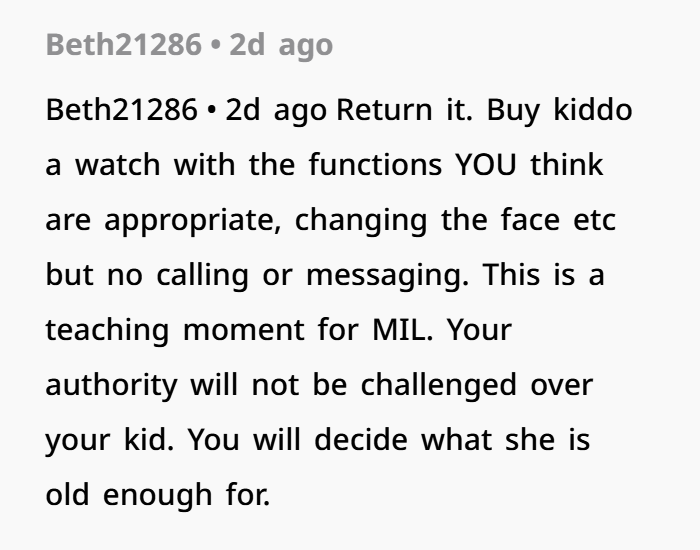
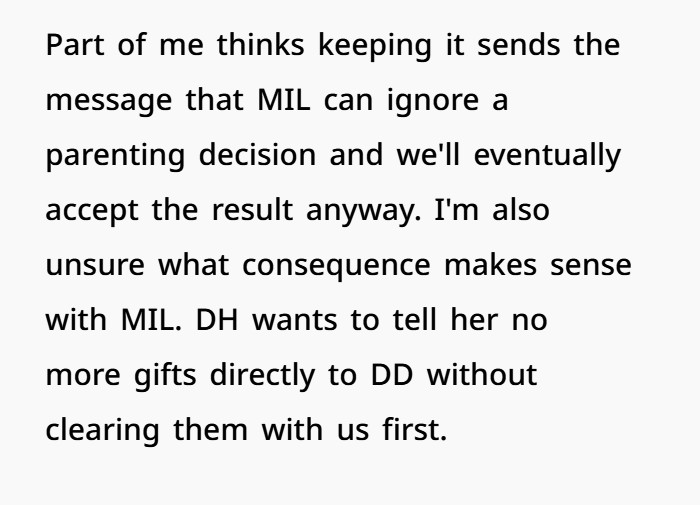
A reasonable solution would be to ask the grandmother to check with the parents before buying electronic devices in the future.
This does not mean she cannot give gifts.
It simply means connected devices need parental approval.
Healthy family communication can help grandparents and parents avoid similar disagreements.
How Families Can Move Forward After a Boundary Is Crossed
Family disagreements do not always need to turn into long-term arguments.
Sometimes, a calm conversation can help everyone understand what went wrong.
The parents could explain that their concern was not about the cost of the smartwatch or the grandmother’s wish to stay connected.
Their concern was that the device allowed communication they had not approved.
They could also explain why they need control over their child’s privacy settings.
The grandmother may not agree with every rule, but respecting those rules can help rebuild trust.
If she continues to ignore their decisions, the parents may need to set firmer limits on electronic gifts.
The goal should not be to keep the grandmother away from her granddaughter.
It should be to create a situation where everyone understands and respects their responsibilities.
Final Thoughts
This story shows how a simple gift can create a much bigger family disagreement.
A smartwatch may offer useful safety features, but it can also collect personal information and allow communication that parents need to manage.
The grandmother may have wanted to stay close to her granddaughter.
However, setting up a connected device without the parents’ approval crossed a boundary they had already established.
The child should not have to carry the stress of that disagreement.
Children’s online safety, digital privacy, and healthy family boundaries should come before the excitement of a new gadget.
A loving grandparent can still make a mistake.
And parents can appreciate a grandparent’s love while making it clear that important decisions about their child’s technology belong to them.
Readers’ Comments Speak Out