
AI-Obsessed Manager Learns the Hard Way Why Human Skills Still Matter
Artificial Intelligence (AI) has become one of the biggest topics in today’s workplace. Many people are wondering how AI tools will change jobs and whether technology will replace some tasks that were once done by humans.
In recent years, tools like ChatGPT, Claude, and Gemini have become popular in businesses around the world. Many companies are using AI software to improve productivity, save time, and support employees with everyday tasks.
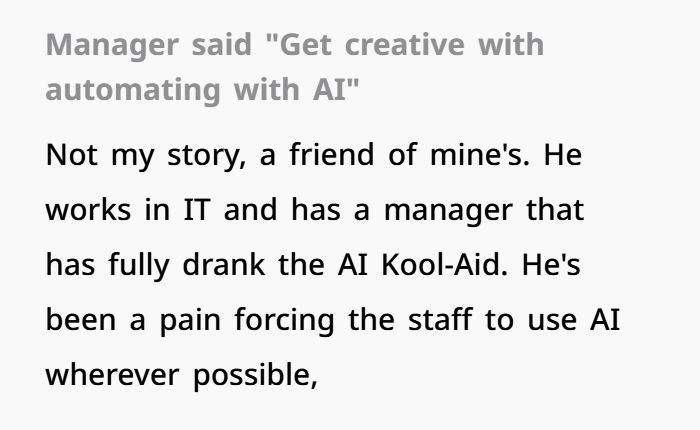
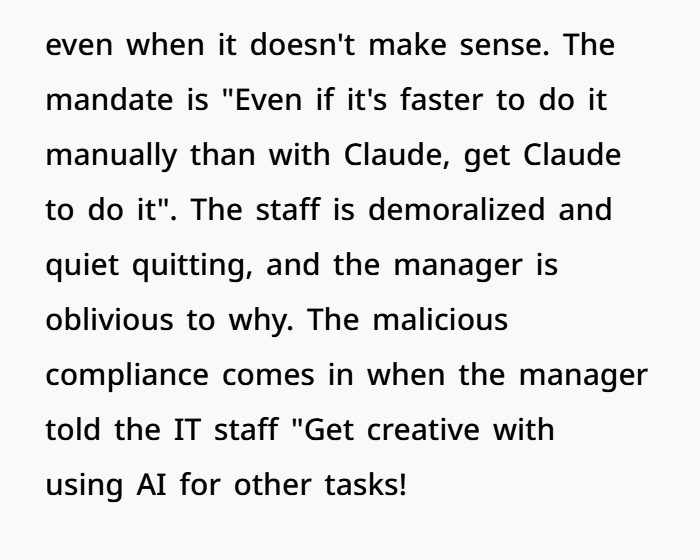
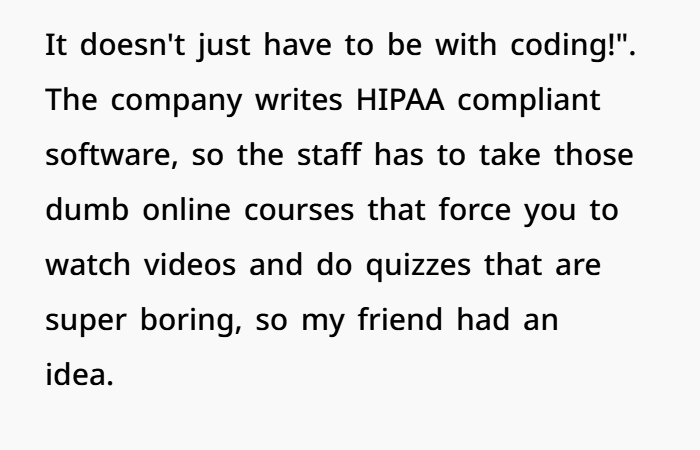
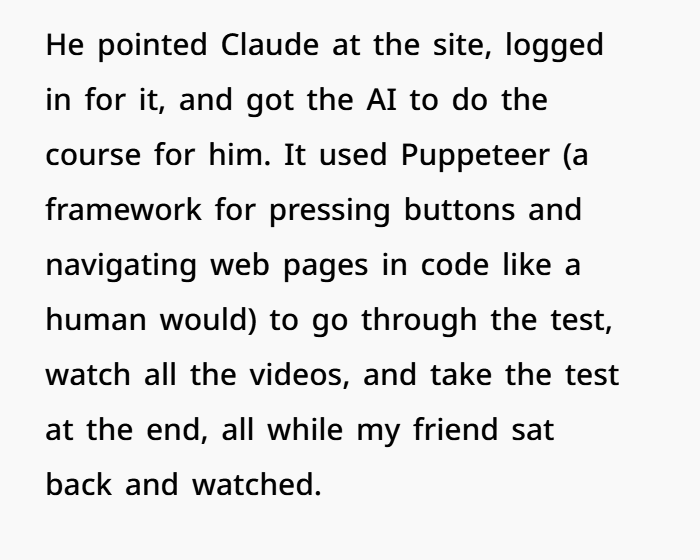
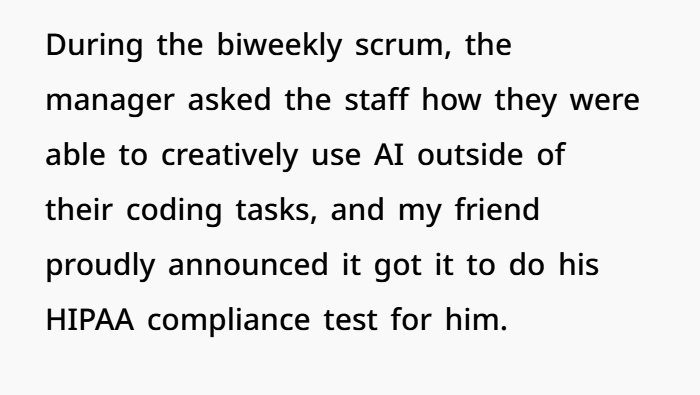
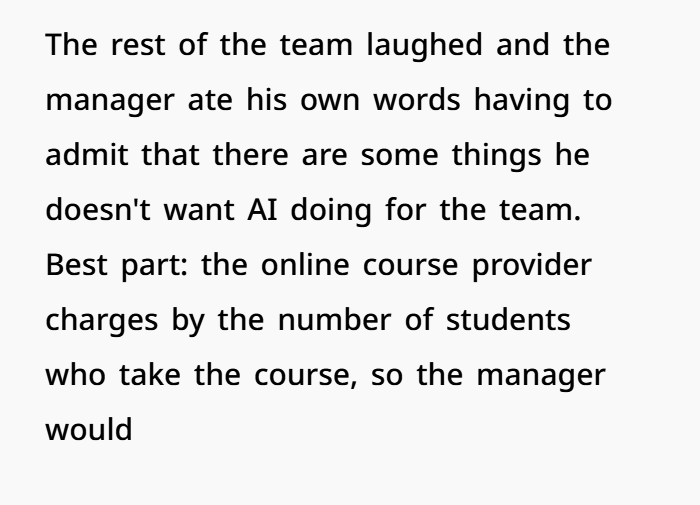
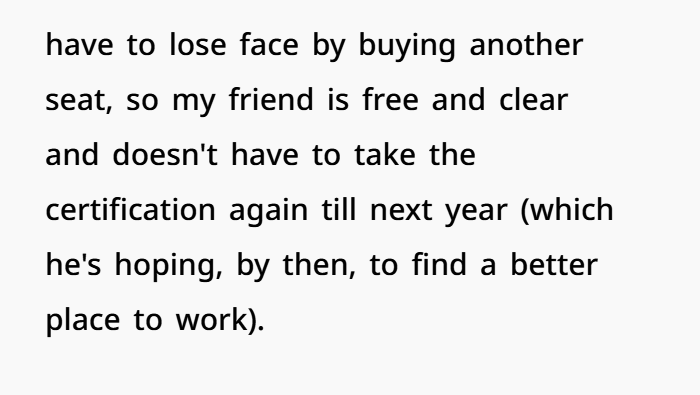
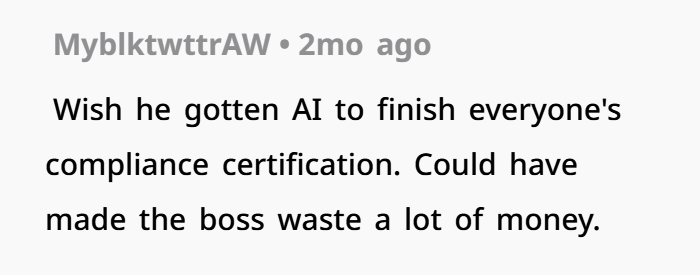
One employee experienced an unusual situation after their manager strongly encouraged the team to use AI for different types of work. The employee followed the advice and used an AI tool to complete a required workplace compliance test.
The situation became a reminder that while AI can be a helpful technology, some tasks still require human judgment, responsibility, and understanding.

AI Is Changing the Future of Work: These Jobs May Be More Protected
Artificial Intelligence (AI) is quickly changing the way people work. Many companies are using AI tools to improve productivity, complete tasks faster, and make daily work easier.
At the same time, many employees are worried about how AI could affect their careers. Questions about job security, workplace automation, and the future of employment are becoming more common.
Experts believe AI will reshape many jobs in the coming years. However, this does not mean that every job will disappear. In many cases, AI will change how people work instead of completely replacing them.
AI Is Creating Big Changes in the Workplace
Businesses across many industries are adopting AI technology. Companies are using AI for tasks like analyzing information, managing customer service, creating reports, and improving business operations.
Because of these changes, some companies have reduced certain positions connected to automation. This has made many workers concerned about their future.
However, experts say the biggest impact of AI will likely be job transformation.
Many employees may continue working in similar roles but will need to learn new tools, develop new skills, and adjust to different expectations.
Human Skills Are Still Extremely Important
While AI can perform many technical tasks, there are some skills that technology cannot easily copy.
Jobs that require human connection, emotional understanding, and personal relationships may be less likely to be replaced by automation.
Important human skills include:
- Communication
- Problem-solving
- Creativity
- Emotional intelligence
- Leadership
- Building relationships
These abilities are valuable because they involve understanding people and handling situations that are not always predictable.
Healthcare Jobs May Continue Growing
Healthcare careers are among the jobs that may remain strong in an AI-powered world.
Doctors, nurses, therapists, and counselors work in fields where human judgment and compassion are essential.
Every patient has different needs, and medical situations can change quickly. Healthcare professionals must make decisions, communicate clearly, and provide emotional support.
AI can assist medical workers by organizing information, helping with research, and improving efficiency. However, human healthcare providers remain an important part of patient care.
Education Careers Still Need Human Support
Teachers and education professionals are also expected to remain important.
Teaching is not only about sharing information. Teachers help students understand difficult topics, encourage learning, and provide guidance.
AI tools may help educators save time with planning and administrative tasks, but the human connection between teachers and students cannot easily be replaced.
Careers in education, training, and student support will likely continue to require human skills.
Creative Jobs May Be Safer From Automation
Creative careers may also have lower risks because they depend on imagination, personal experiences, and original ideas.
Examples of creative careers include:
- Writers
- Artists
- Musicians
- Designers
- Journalists
AI can help creative professionals work faster, but many people still value human storytelling, unique opinions, and personal style.
Creativity is one area where human experience remains very important.
Personal Service Jobs Depend on Human Interaction
Many jobs that involve direct contact with people may also remain valuable.
Examples include:
- Hairdressers
- Beauty professionals
- Personal trainers
- Coaches
These careers require trust and personal attention. Customers often want advice and support from someone who understands their individual needs.
Human interaction remains a major part of these industries.
AI Will Change Jobs More Than It Removes Them
One of the biggest misunderstandings about AI is the idea that robots will simply replace all workers.
Experts explain that many jobs will instead be redesigned.
Employees may keep their positions but use AI tools to complete tasks more efficiently. Workers who learn how to use new technology may have more opportunities in the changing job market.
This is why upskilling and reskilling are becoming important topics for both employees and companies.
Companies Need to Help Workers Adapt
Businesses also have an important role in the AI transition.
Companies that successfully use AI will likely focus on:
- Employee training
- Digital skills development
- Career growth opportunities
- Responsible technology adoption
Replacing workers too quickly can create problems because businesses may lose valuable experience and knowledge.
A balanced approach allows companies to combine AI technology with human talent.
How Workers Can Prepare for the Future
Workers do not need to fear AI. Instead, they can prepare by building skills that will remain valuable.
Some helpful steps include:
Learn New Technology
Understanding AI tools and digital platforms can help employees stay competitive.
Improve Communication Skills
Strong communication and teamwork skills are useful in almost every career.
Focus on Creativity
Creative thinking and problem-solving are skills that remain valuable even as technology improves.
Keep Learning
Professional training and continuing education can help workers adapt to changes in the job market.
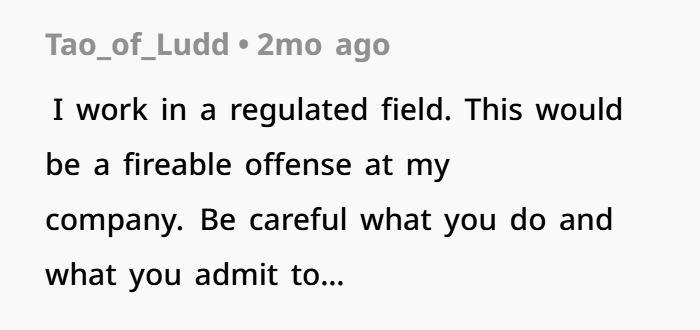
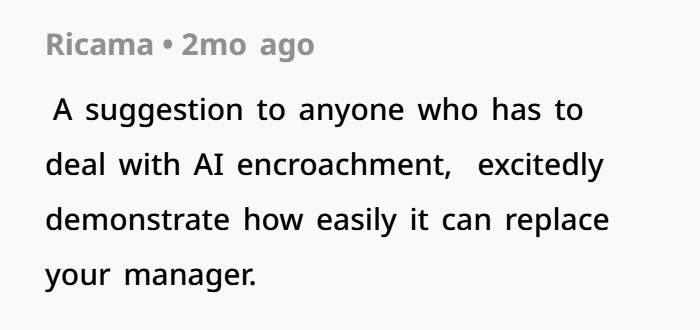
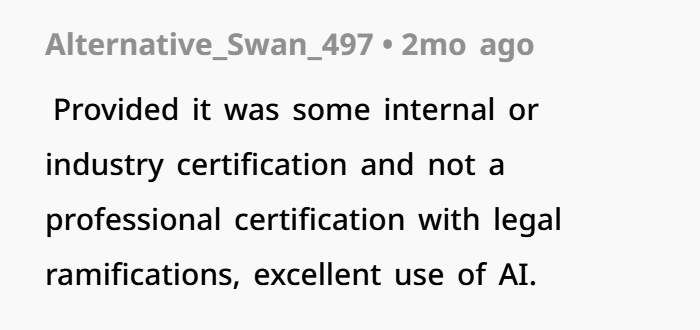
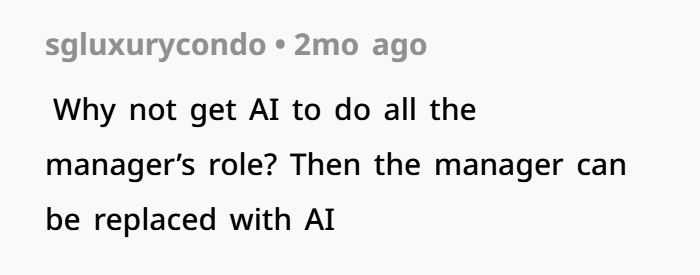
The Comments Are In
Artificial Intelligence will continue changing the workplace, but the future is not simply about humans competing against machines.
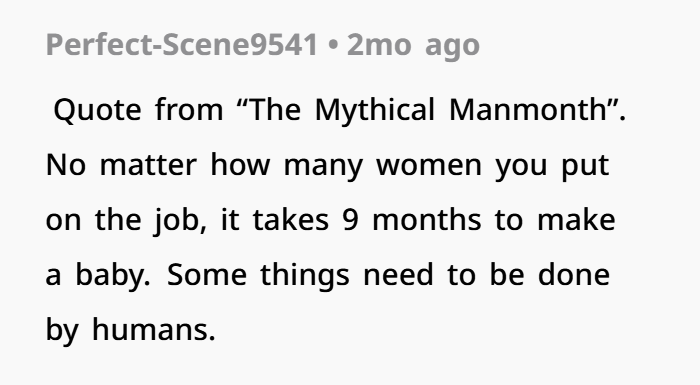
Jobs that require creativity, emotional intelligence, personal relationships, and decision-making may continue to have strong demand.
The workers who succeed in the future may be those who learn how to use AI while continuing to develop the human skills that technology cannot replace.
AI is changing the way we work, but human talent will always remain an important part of the workforce.