How AI Vision Systems Help Robots Understand Their Surroundings
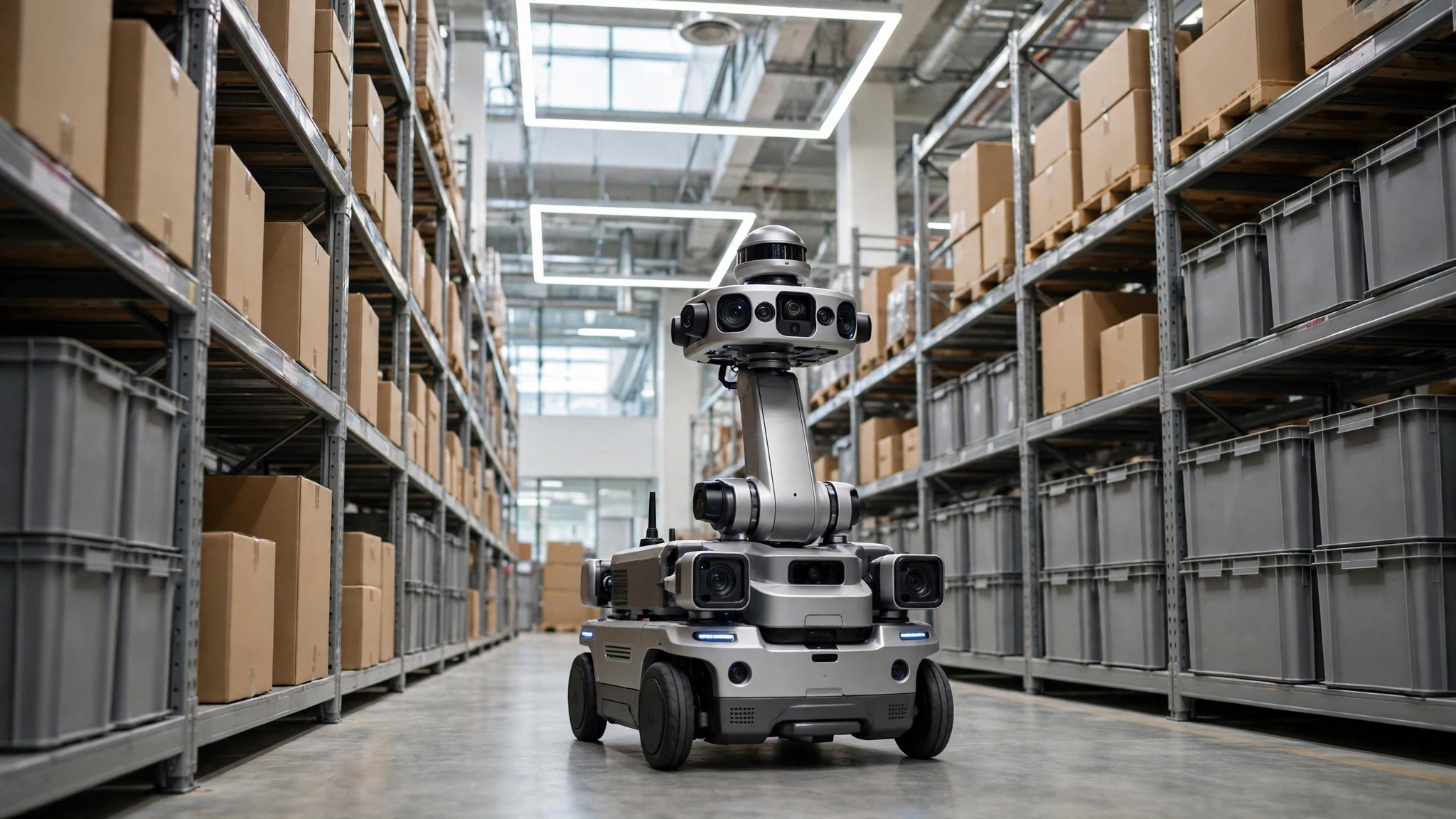
A robot without sight is a machine working blind. It can follow a fixed path or repeat a programmed motion, but it cannot cope with anything unexpected: a box in the wrong place, a person stepping into its path, a part that arrives slightly out of position. AI vision systems change that by giving robots something close to sight — cameras and sensors paired with software that can recognise objects, judge distances, and decide what to do next.
The change is already visible in warehouses, factories, farms, and hospitals, where robots now pick items, inspect products, and move through spaces shared with people. This article explains how AI vision systems work, what the hardware and software each contribute, where the technology is used in 2024, and what still limits it.
What an AI Vision System Actually Is
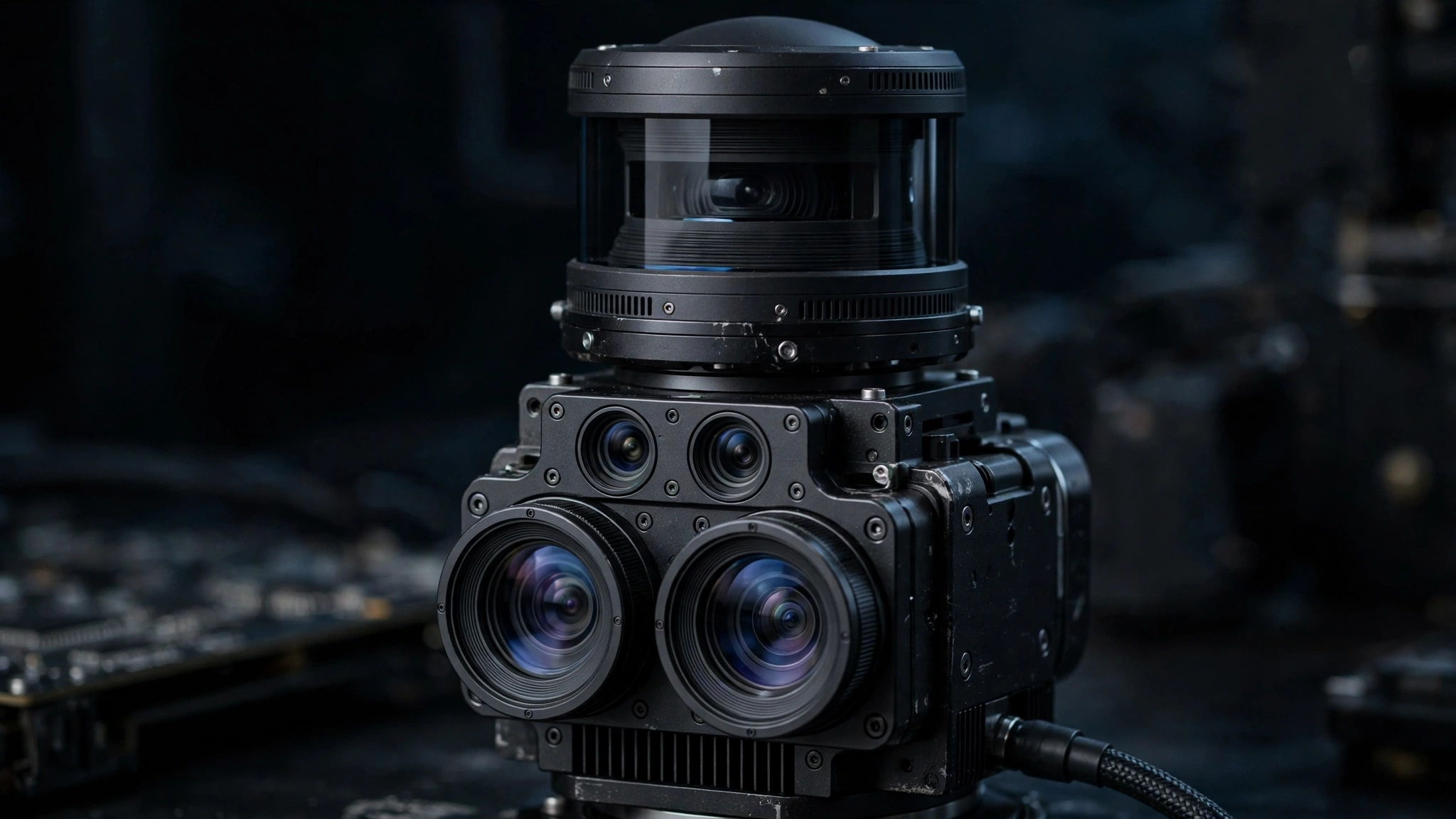
An AI vision system is a combination of hardware and software. The hardware gathers light and distance information: ordinary colour cameras, depth cameras that measure how far away each point is, and sometimes LiDAR, which builds a three-dimensional map using laser pulses. The software then turns that raw input into understanding — this is a box, that is a person, the floor is clear for the next two metres.
The key difference from a simple camera is interpretation. A camera records pixels; an AI vision system labels them. Modern systems use deep learning models trained on large sets of labelled images, so they can recognise thousands of object types and pick out details a rule-based program would miss. A warehouse robot can tell a damaged box from an intact one. A farm robot can tell a weed from a crop plant.
Cameras, Depth Sensors, and LiDAR
Most robots use more than one kind of sensor because each has a weakness. Colour cameras give rich detail but struggle in darkness and cannot measure distance directly. Depth cameras solve the distance problem by projecting a pattern of infrared light and measuring how it deforms, which works well indoors at short range. LiDAR gives accurate distance over longer ranges and works outdoors, but it is more expensive and gives less detail about what an object is.
Combining sensors, a practice called sensor fusion, lets the system cross-check. If the camera is blinded by glare, the depth sensor still reports the obstacle. If the depth sensor is confused by a reflective surface, the camera can help. The result is a robot that keeps working in conditions where any single sensor would fail.
The Software That Makes Sense of It All
The software side has changed quickly in recent years. Object detection models such as YOLO can find and label many objects in a single image in real time, while vision transformers — models adapted from the transformer design used in language AI — handle more complex scenes and relationships between objects. Both run on the robot itself or on a nearby computer, because sending video to a distant server would add delay a moving robot cannot afford.
Training is where the effort goes. A model needs thousands of labelled examples of each thing it must recognise, and those labels are usually made by people. Once trained, the model is tested in the robot’s real environment, where lighting, dust, and clutter are often worse than in the training data. The gap between lab performance and field performance is one of the main reasons vision systems are tuned on site after installation.
How Robots Turn Sight Into Action
Seeing is only useful if it changes what the robot does. The usual chain has four steps: perceive, understand, plan, and act. The cameras and sensors perceive the scene. The models understand it by labelling objects and estimating positions. A planning module decides the next move — which item to pick, which path to take, when to stop. The motors and grippers then act.
Speed matters at every step. A robot arm picking items from a moving conveyor has a fraction of a second to locate the next item and adjust its grip. A delivery robot crossing a pavement must spot a pedestrian and slow down before the person is close. This is why much of the processing happens on the device itself, a trend covered in our guide to edge AI. Keeping the vision pipeline local removes network delay and keeps the robot working even when connectivity drops.
Where AI Vision Is Used in 2024
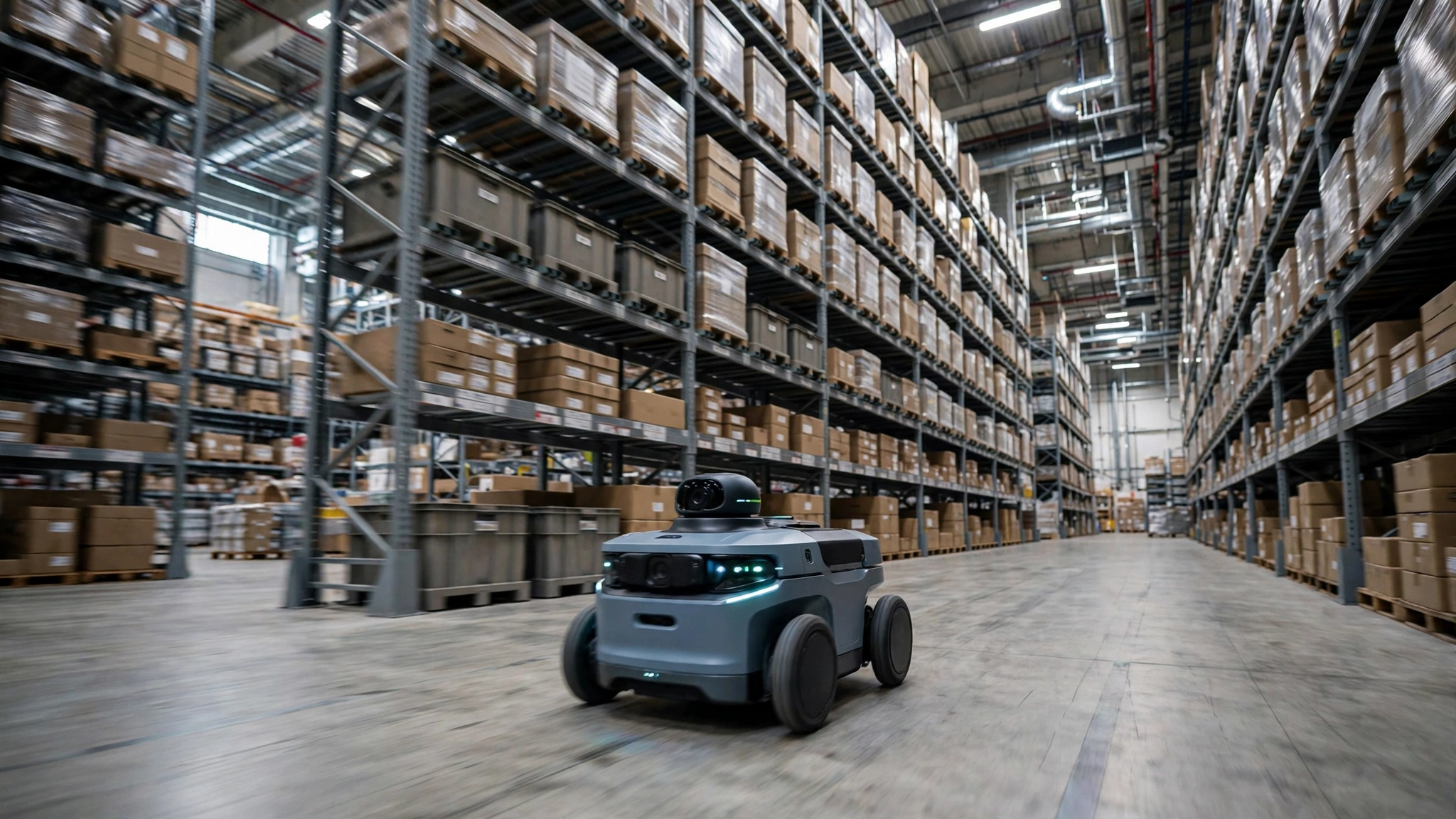
Warehouses are the most visible setting. Robots from companies such as Amazon move shelves and totes through fulfilment centres, using cameras and depth sensors to navigate aisles and avoid workers. Picking robots use vision to identify individual items in a bin, even when products are jumbled together, and to choose a grip that will not damage them.
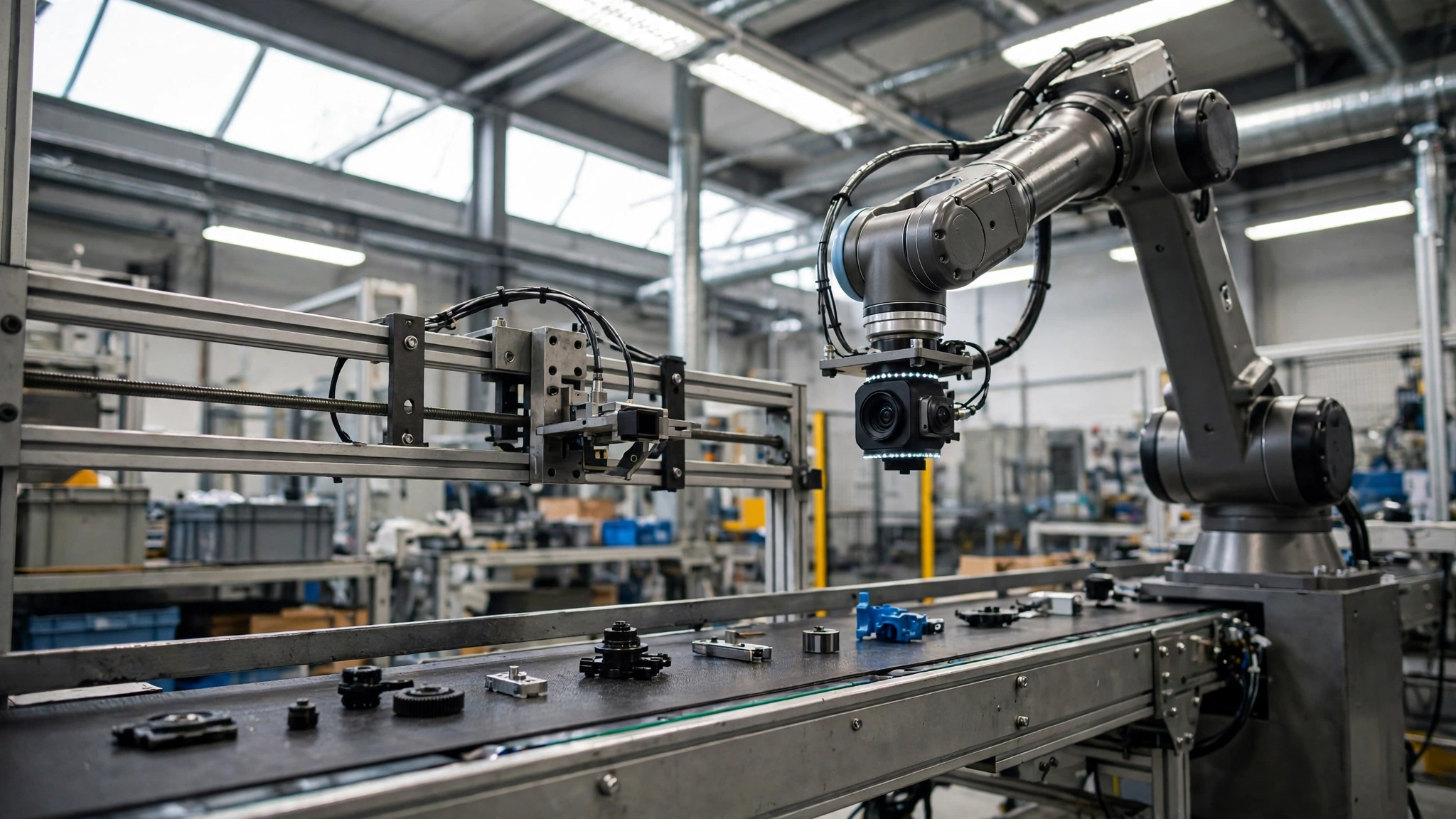
Factories use vision for inspection and assembly. A camera mounted above a production line can spot scratches, missing parts, or misaligned components far faster than a person, and it never gets tired. On assembly lines, robots use vision to locate parts that arrive in slightly different positions each time, adjusting their movements instead of failing when a part is a few millimetres off.
Agriculture is a growing area. Weeding robots drive through fields, identify weeds among crops, and remove them mechanically or with a small burst of spray, cutting chemical use. Harvesting robots are further behind, because fruit varies in size, colour, and position, but vision-guided picking is already working for some crops in controlled greenhouse settings.
Roads and pavements host another group of seeing robots. Self-driving vehicles rely heavily on cameras, radar, and LiDAR working together to read lane markings, traffic lights, and other road users. Small delivery robots, the kind now seen on some university campuses and in a few neighbourhood trials, use similar vision systems at walking speed to navigate pavements and cross roads safely.
What Still Limits Robot Vision
Lighting is the oldest problem. A system trained in bright, even light can fail in a dim warehouse corner or in direct sunlight. Engineers handle this with extra lighting, infrared sensors, and training data that covers many lighting conditions, but the problem never fully goes away.
Occlusion is another limit. When one object hides part of another, the model must guess what is behind it. People do this easily from experience, but robots still struggle, especially with cluttered scenes such as a mixed bin of products. Better depth sensing helps, yet some guesses will always be wrong, so safety systems treat uncertain detections cautiously.
Then there is the cost of getting it right. Training data, on-site tuning, and the computing hardware all add up, and a vision system that works in one warehouse may need retraining for the next one because the products, lighting, and layout differ. The energy cost of running powerful vision models is also a real constraint for battery-powered robots, which is one reason researchers are exploring brain-inspired chips that process sensor data more efficiently, as described in our guide to neuromorphic computing. Data volume adds another pressure: robots that see all day generate huge amounts of video, and keeping the useful parts of it is becoming a storage question in its own right, which is why long-term options such as DNA data storage are being studied for archiving sensor data.
Practical Tips / Examples / Things to Know
- Start with the problem, not the camera. The most successful vision projects begin with a clear task — find defects, pick this item, avoid people — and choose sensors and models to fit it, rather than buying hardware first.
- Budget for labelled data. A vision model is only as good as its training examples. Collect images from the real working environment, not just a clean test setup, and label the cases that actually occur.
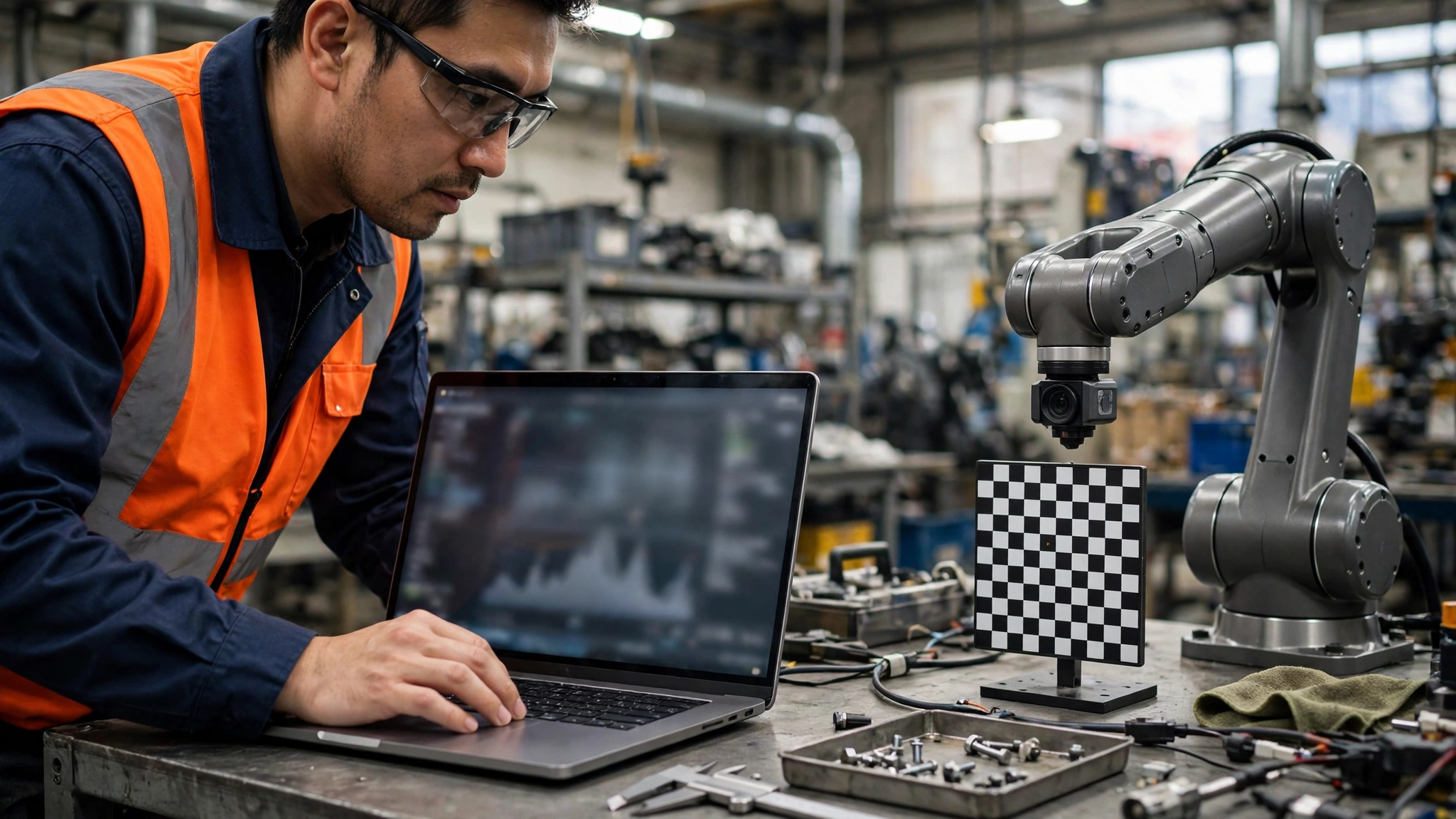
- Test in the real location. Lighting, dust, reflections, and clutter differ from site to site. A system that scores well in a demo can fail on a real factory floor, so plan for on-site tuning.
- Combine sensors where safety matters. A single camera is a single point of failure. Depth sensors or LiDAR alongside cameras give the system a second way to see an obstacle.
- Keep processing close to the robot. Running vision models on the device or nearby avoids network delays and keeps the robot working when connectivity is poor.
- Plan for maintenance. Lenses get dirty, sensors drift out of alignment, and lighting changes with the seasons. A vision system needs regular checks just like any other part of the machine.
Common Mistakes / Considerations / What to Avoid
- Expecting human-level vision. Robots are good at specific, trained tasks. They are not good at general understanding, and they will fail on objects or situations they have never seen. Design around that limit.
- Underestimating the data work. Buying a camera and a model is the easy part. Collecting, labelling, and maintaining training data is where most projects spend their time.
- Ignoring lighting. The cheapest fix for many vision failures is better light, yet it is often the last thing considered. Check lighting before blaming the model.
- Treating a demo as proof. A controlled demonstration with clean objects and good light says little about a cluttered warehouse. Always test with real products in the real environment.
- Forgetting the human side. Workers need to know what the robot can and cannot see. A robot that stops unexpectedly, or one that workers assume sees more than it does, creates safety risks.
- Overlooking privacy. Cameras in shared spaces record people as well as products. Clear rules about what is recorded, how long it is kept, and who can see it should be settled before installation.
Final Thoughts
AI vision has moved robots from blind repetition to something closer to awareness. They can now find objects in clutter, avoid people, inspect products, and navigate spaces that change from hour to hour. The systems are far from perfect — lighting, occlusion, and the cost of training data still limit them — but the direction is clear, and each year the gap between lab demos and reliable field performance narrows.
For anyone working with robots, the practical lesson is simple: vision is no longer a luxury add-on. It is the sense that decides whether a robot can leave its cage and work in the real world. The robots that matter most in the coming years will be the ones that see well, and seeing well starts with honest testing in the place where the robot will actually work.