
AITA for Cutting Off My Cheating Dad… and Refusing to Accept His New Baby?
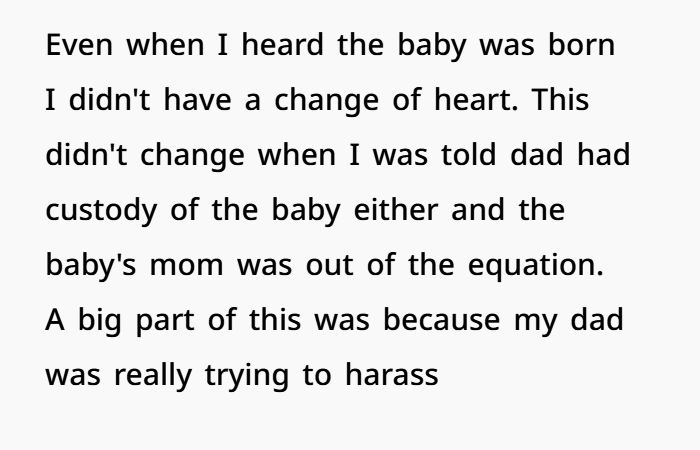
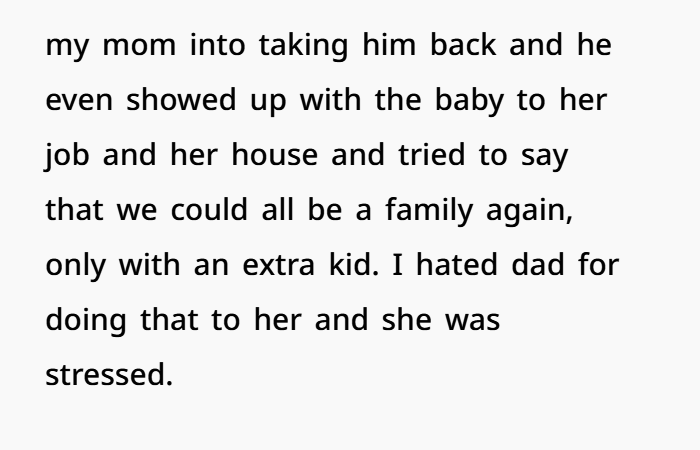
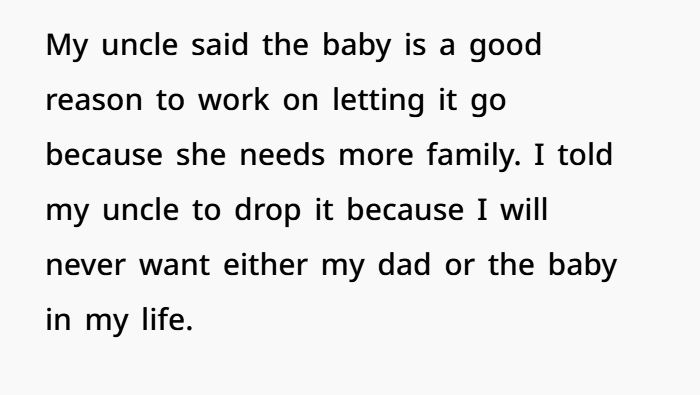
This situation is difficult because it is about much more than a family conflict. A 20-year-old college student learns that his father had a relationship outside of his marriage and now has another child. By the time he finds out, his mother has already asked his father to leave the family home and started the divorce process. Instead of giving the family space to heal, the father continues trying to reconnect in ways that make the situation more stressful. He repeatedly contacts the mother and tries to bring the new baby into family interactions, hoping things can return to normal. For the son, this makes an already painful situation even harder to accept. The trust that once existed in the family has been deeply affected, making it difficult for everyone to move forward.
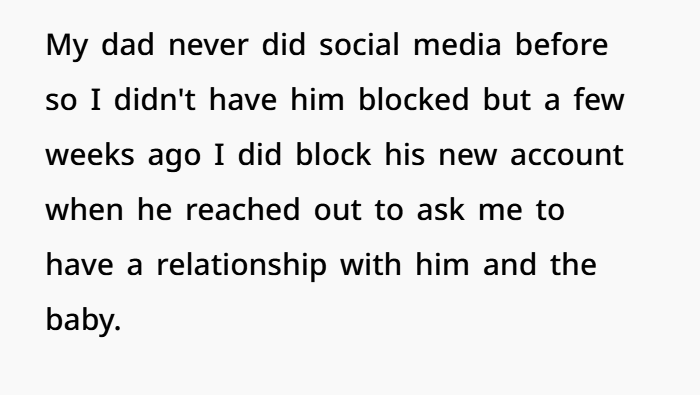
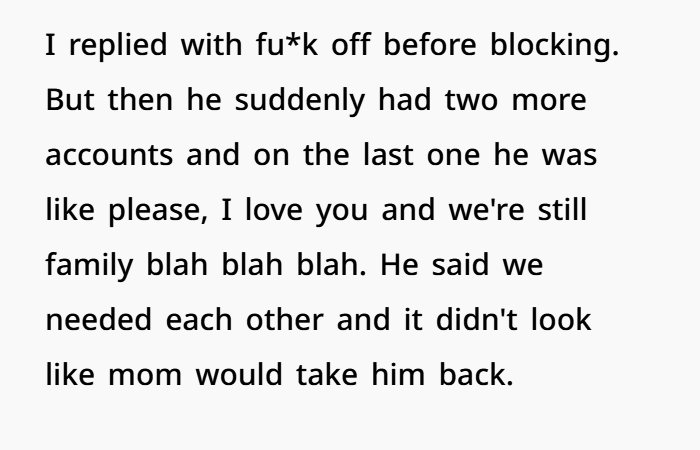
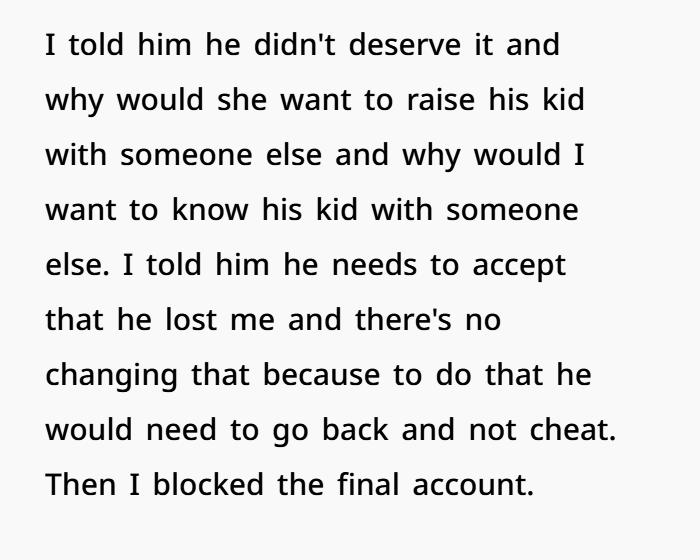
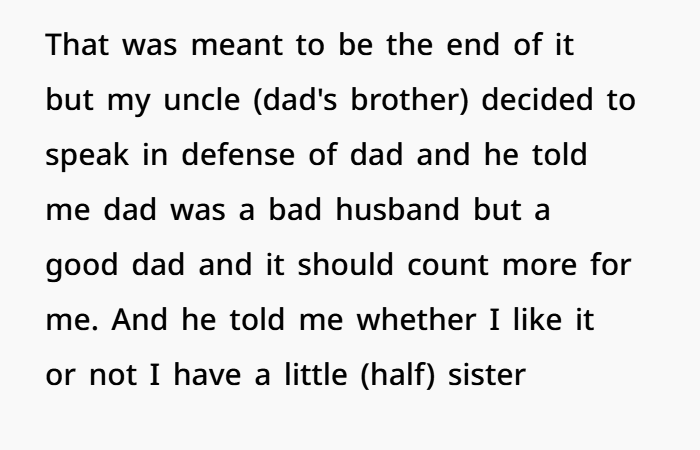
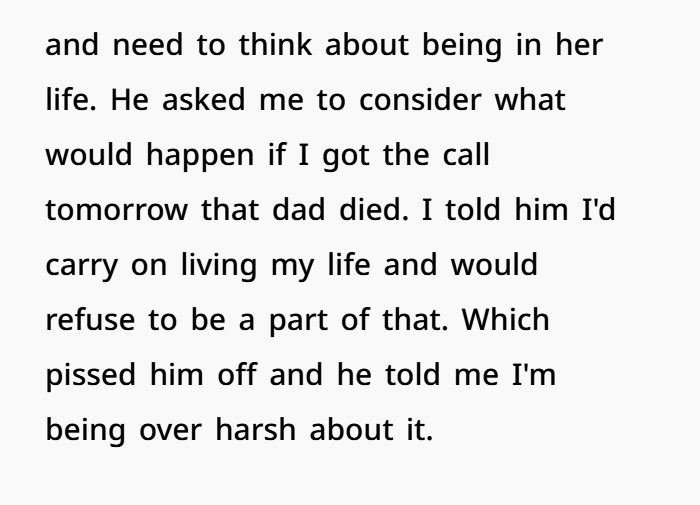
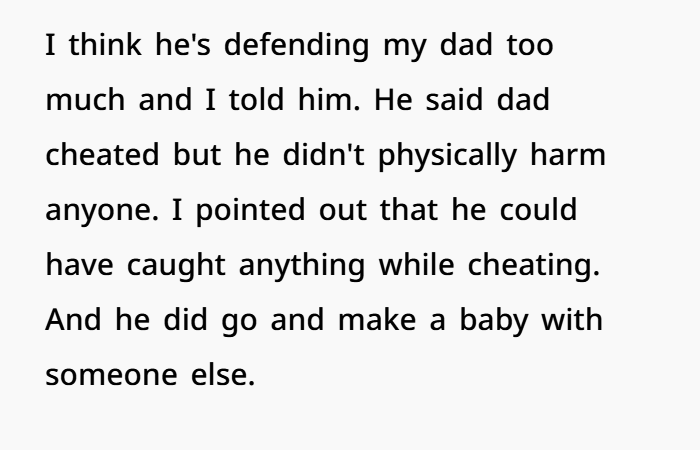
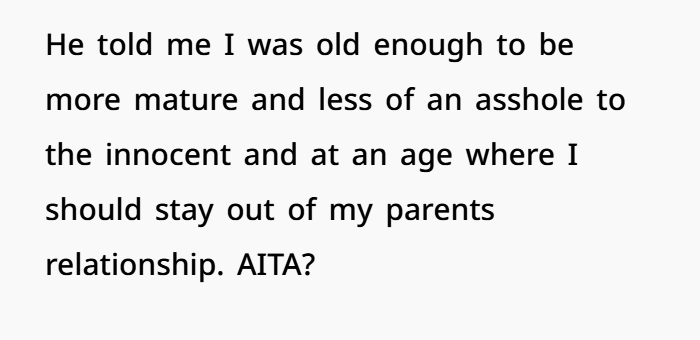
For the college student, this becomes a turning point. He decides to stop communicating with his father, blocks his contact information, and focuses on his own emotional well-being and personal growth. The fact that he now has a half-sister does not change how he feels about the situation. When his father continues trying to reach out, he makes it clear that he does not want contact. However, the disagreement grows when other family members become involved. One uncle believes that mistakes made in a marriage should not automatically end the relationship between a father and his child. As a result, the student is criticized by some relatives and described as being too harsh. Now he finds himself in the middle of a difficult debate about family relationships, trust, divorce, mental health, and the right to set personal boundaries in order to protect his peace of mind.

Family Conflict, Trust Issues, and Setting Healthy Boundaries
This situation is not just a simple family disagreement. It is about broken trust, emotional pain, and how people respond when a family relationship changes in a serious way.
When trust is broken inside a family, the effects are often long-lasting. It can impact not only a marriage but also children and overall family relationships.
Why This Is More Than “Just Between Parents”
Some people try to separate roles and say someone can be a “bad partner but still a good parent.”
In real life, it is not that simple.
When a parent cheats, hides important parts of their life, or creates a second family, it affects the whole household. Children often feel shocked, confused, and emotionally hurt. It changes how they see trust and family stability.
So, it is not just a private issue between two adults. It affects family relationships and emotional well-being for everyone involved.
Why Accountability Matters in Family Problems
After the truth came out, the most important step should have been accountability.
Healthy repair in relationships usually requires:
- Accepting responsibility
- Respecting boundaries
- Giving space for emotions
- Rebuilding trust slowly over time
But instead, the father continued to push for contact and acted in ways that caused more stress. This made the situation more difficult and increased emotional strain within the family.
In family counseling and psychology, this type of behavior is often seen as a lack of emotional awareness and poor boundary respect.
Why the Decision to Cut Contact Happens
Cutting off a parent is never an easy decision.
However, in modern mental health and family therapy, there is growing understanding that sometimes no contact boundaries are necessary for emotional protection.
In this case, the decision was based on a clear pattern:
- Infidelity and betrayal
- No real accountability
- Disrespect for boundaries
- Emotional pressure on family members
- Ongoing conflict and stress
When behavior continues over time, people may choose distance to protect their mental health and emotional stability.
What About the Half-Sibling?
One of the most difficult parts of this situation is the child involved.
It is important to say clearly: the child is innocent and did nothing wrong.
However, relationships cannot be forced.
Even though the child is not at fault, the situation itself may be a reminder of painful events like betrayal and family breakdown. Because of that, the emotional connection may not be immediate or easy.
In psychology, this is linked to emotional readiness. People need time to process hurt before they can build new relationships.
Emotional Pressure From Family Members
Sometimes other relatives try to pressure reconciliation by saying things like “family is family” or “what if something happens later.”
While this may come from concern, it can also create emotional pressure instead of real healing.
Healthy relationships should not be based on guilt or fear. They should be based on trust, respect, and emotional safety.
Understanding Emotional Pain vs Physical Harm
Not all harm is physical.
Emotional harm can include:
- Stress and anxiety
- Broken trust
- Family instability
- Long-term emotional pain
- Loss of security in relationships
Just because there is no physical harm does not mean the impact is small. Emotional well-being is just as important as physical safety.
Forgiveness vs Reconciliation
It is important to understand the difference:
- Forgiveness means letting go of anger for your own peace
- Reconciliation means rebuilding a relationship
A person can forgive someone without restoring a relationship.
Forgiveness is a personal choice. It cannot be forced.
Why Boundaries Are Important
Setting boundaries in family relationships is a healthy step, especially after betrayal or repeated hurt.
Boundaries help protect:
- Mental health
- Emotional stability
- Personal peace
- Long-term well-being
Choosing distance does not always mean hatred. Sometimes it means self-protection.
Final Thoughts
This situation is about more than family conflict. It is about trust, emotional healing, and personal boundaries.
The father’s actions changed the family structure and created emotional damage that cannot be ignored. The response from the son is based on repeated behavior, not a single event.
In situations like this, there is no simple solution. Healing takes time, and relationships may or may not improve in the future.
But one thing is clear: no one is obligated to maintain a relationship that repeatedly causes emotional harm, even within family relationships.
Healthy family dynamics are built on respect, accountability, and emotional safety—not pressure or guilt.
Readers’ Comments Speak Out
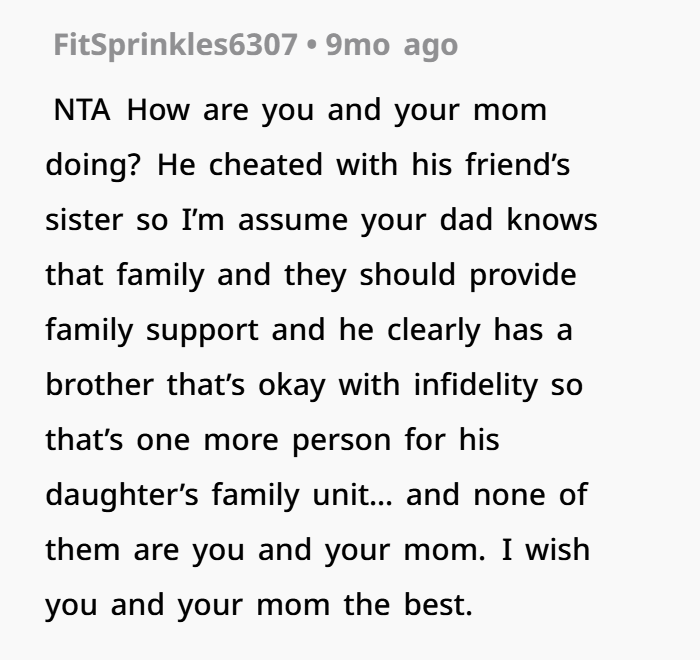
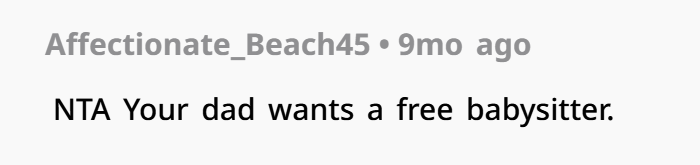
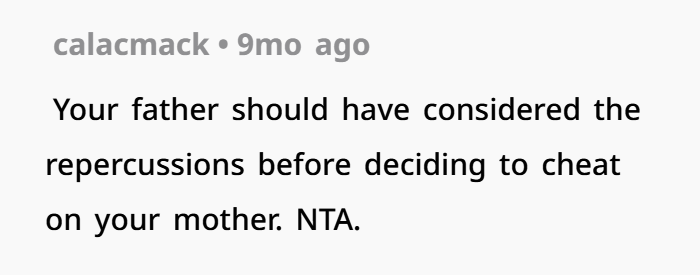
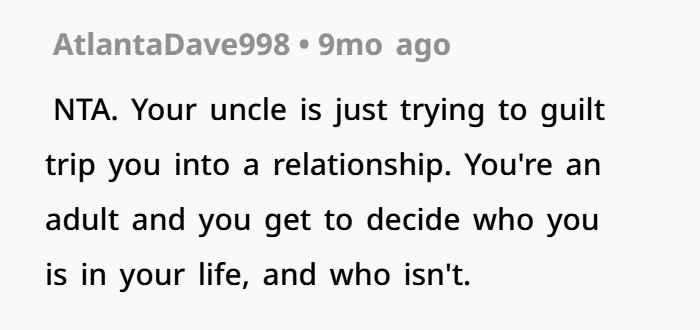
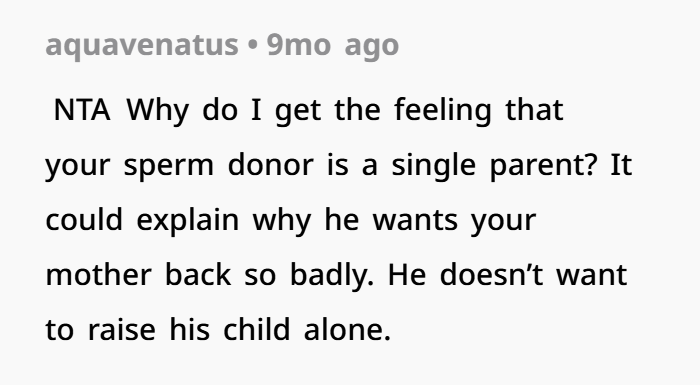

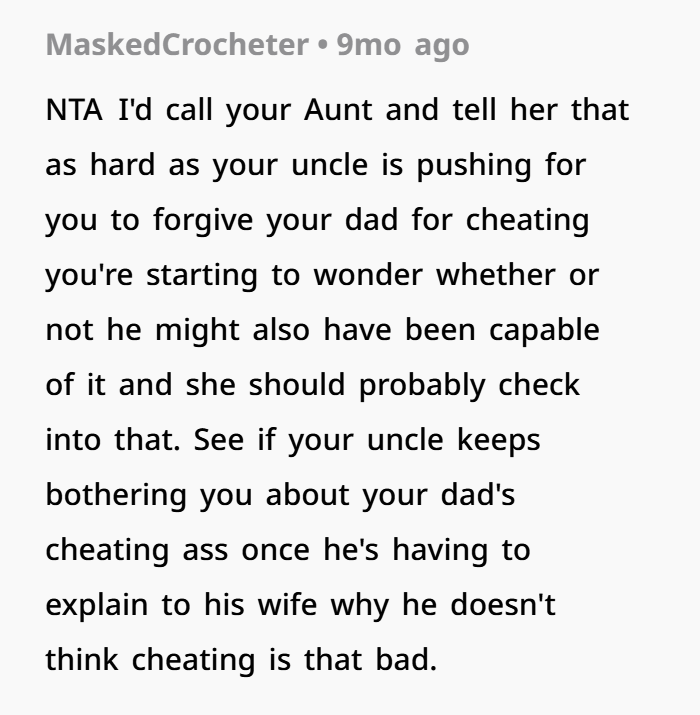

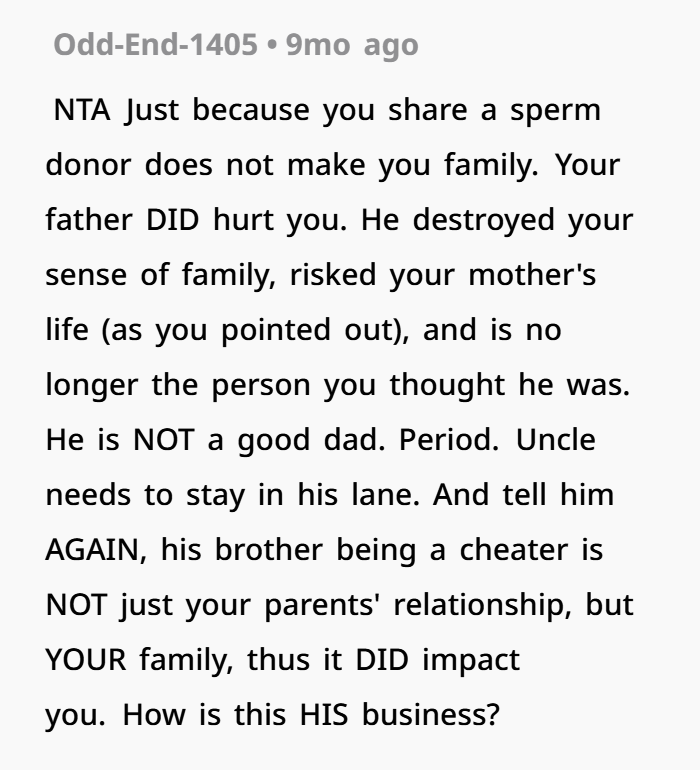
This leans strongly toward Not the A-hole.
You’re not punishing your dad—you’re responding to his choices. And you’re not rejecting the baby out of cruelty—you’re protecting yourself from what that situation represents right now.
People love to preach forgiveness when they’re not the ones dealing with the fallout. But boundaries? Those are yours to set.