Woman Only Texts Friend For Money, She Finally Snaps Back
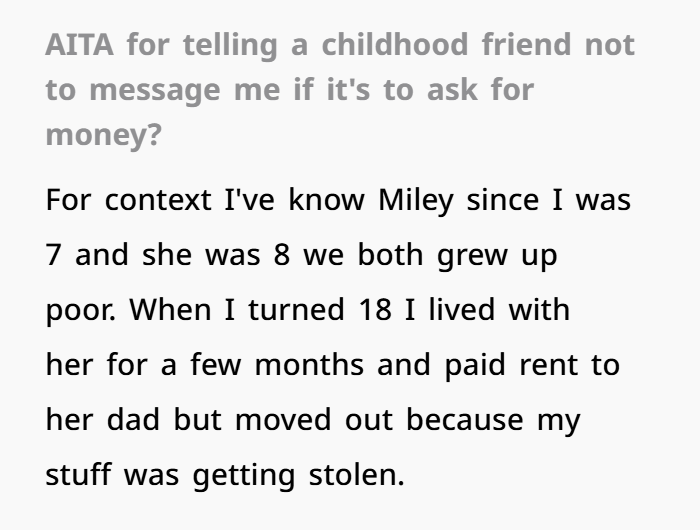
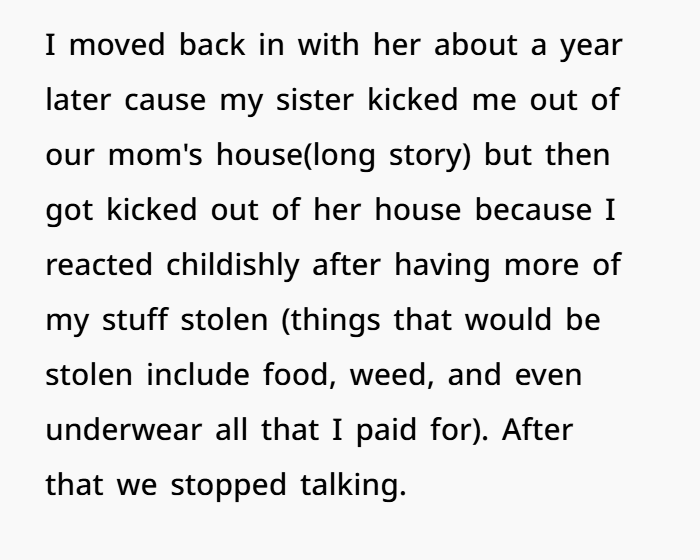
A person shared a story about a long-time friend named Miley, whom they have known since childhood. They both grew up in a difficult financial situation and even lived together at different times. However, their friendship became strained years ago because of trust issues, including theft and immaturity on both sides. After a long break, they recently started talking again, but the friendship did not feel the same as before.
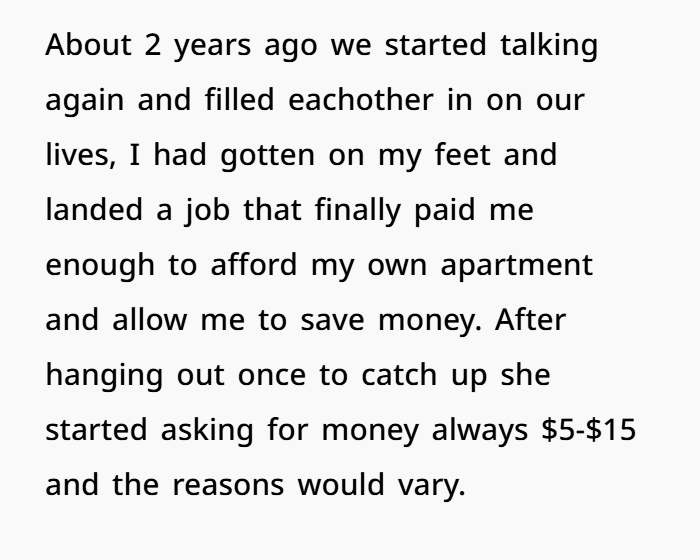
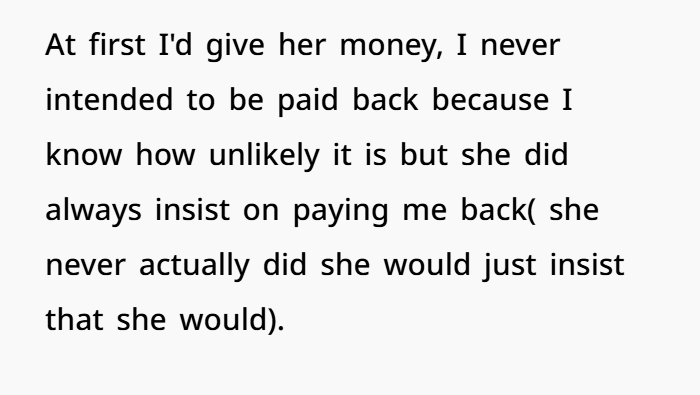
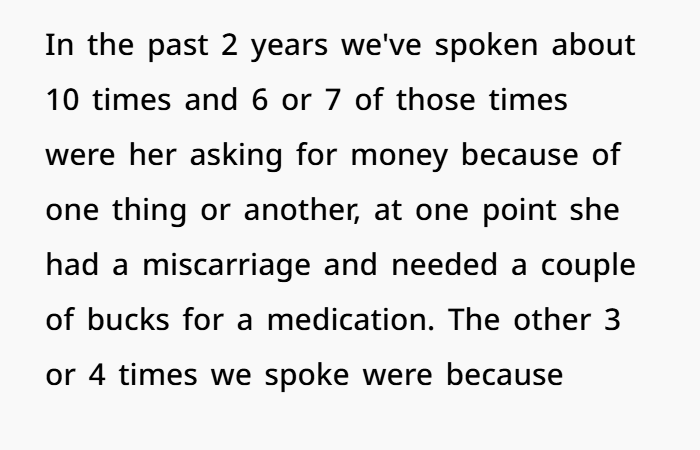
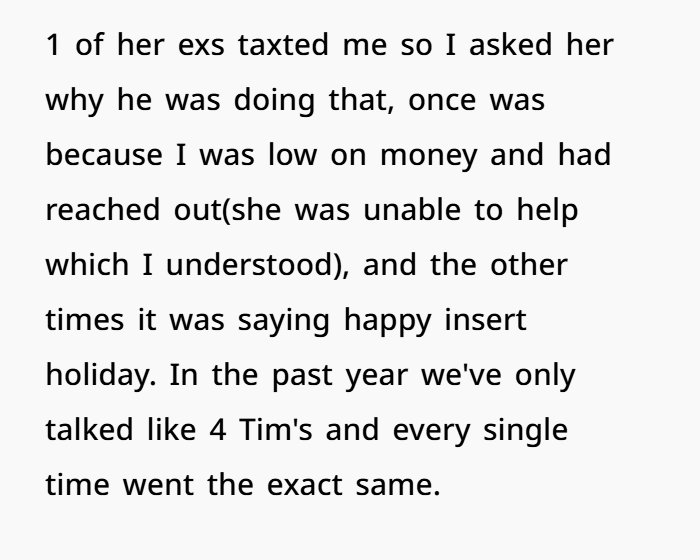
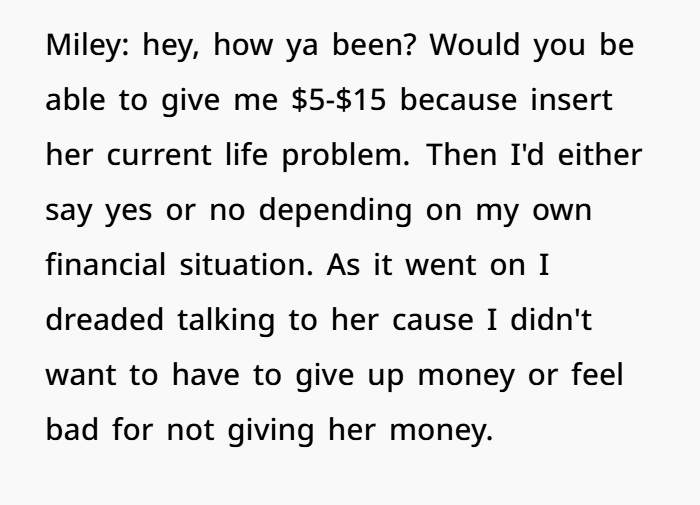
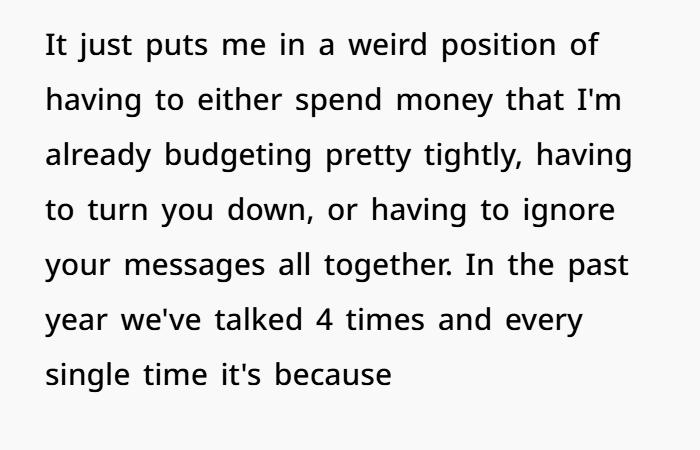
In the last two years, they only had around ten conversations. Most of these messages were not casual check-ins, but requests from Miley asking for small amounts of money, usually between $5 and $15. The person helped at first without expecting repayment, but Miley never returned any of the money. Over time, this pattern made the friendship feel one-sided and uncomfortable, and the person started avoiding her messages.
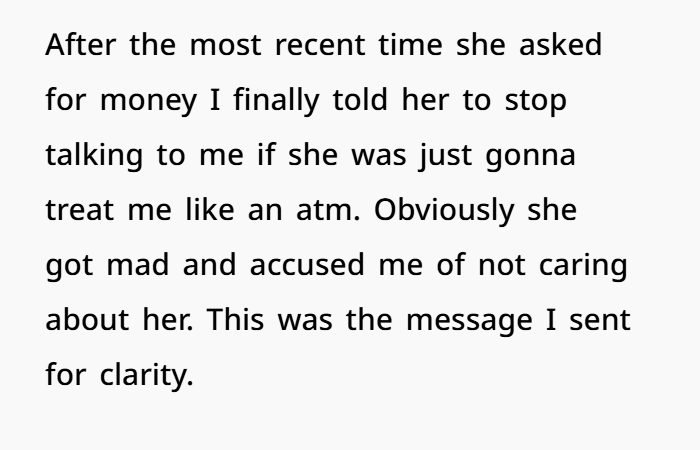
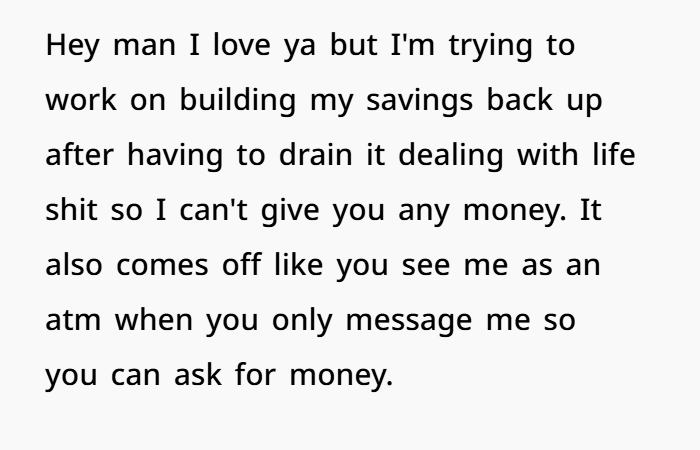
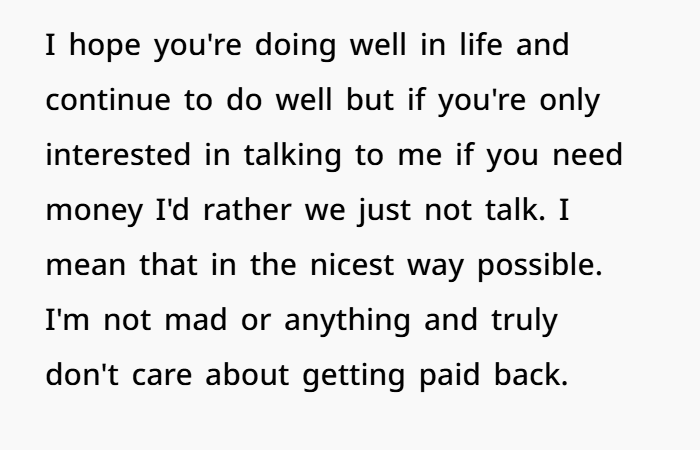
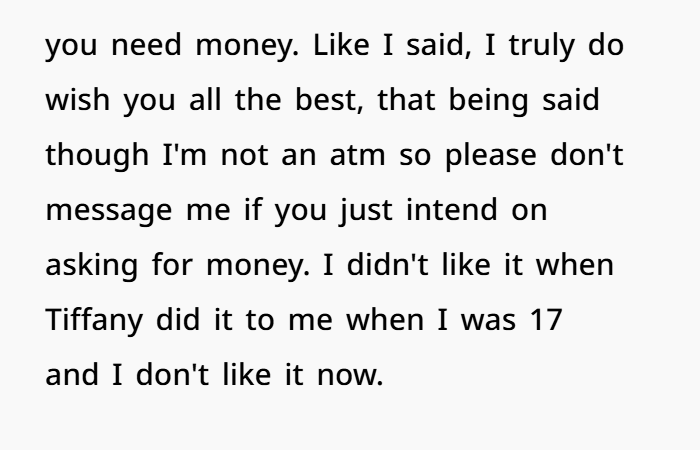
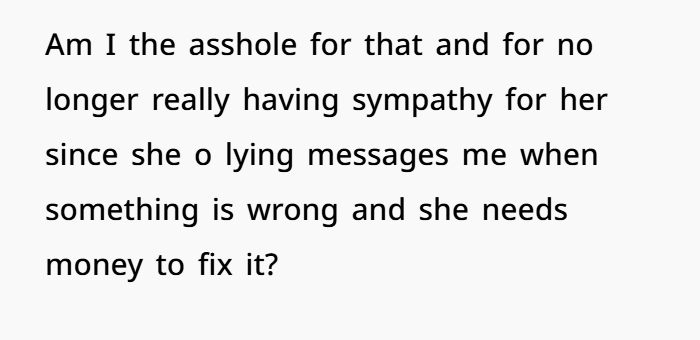
After another request for money, the person finally set a clear boundary. They told Miley not to contact them only for financial help and said they were not an “ATM,” while still wishing her well. Miley reacted badly and felt hurt, saying the message was unfair and that they did not care about her anymore. Now the situation has caused tension, and the person is unsure if setting this boundary was too harsh or simply necessary for healthy friendship boundaries and financial responsibility.
The poster shared that she had known her childhood friend, Miley, for years and that they had both come from poor families
Money and friendship often don’t mix well, and it can easily damage relationships. When money enters a friendship, things can start to feel unbalanced. One person may feel used, and the other may feel uncomfortable or guilty. Studies in personal finance show that many people lose friendships because of lending money or repeated borrowing. This is very common and is part of why financial boundaries are so important for healthy relationships.
Even small amounts of money can become a big problem when it happens again and again. Ten dollars or fifteen dollars may not seem like much at first, but when it is asked many times, it adds up. More than the money, it creates stress and emotional pressure. This is called financial burnout, where a person starts feeling tired and anxious about constant money requests. It can make a friendship feel more like a money problem than a real connection.
It is also normal to feel guilty when a friend asks for help, especially if they are struggling. You may want to support them because you care, but that does not always mean giving money. In personal finance and emotional wellbeing, experts often say you can support someone without becoming their financial backup. Saying no does not mean you don’t care — it just means you are protecting your own budgeting and financial stability.
Sometimes the situation is not black and white. A friend asking for small amounts may truly be in financial hardship or dealing with personal problems like job loss or family issues. On the other hand, if someone only contacts you when they need money, it can feel like financial exploitation. Healthy friendships need balance, where both people show care and interest, not just financial support from one side.
Setting financial boundaries is very important in adulthood. Boundaries are not rude — they are a key part of financial wellness and emotional health. You can still be kind and supportive while also protecting your income and savings. Many people struggle with saying no, but clear boundaries help avoid long-term resentment and stress in relationships.
It is also common for the other person to react emotionally when you set limits. They may feel hurt or say things like you don’t care about them. This often happens because they connect money with love or support. In reality, your decision is about personal finance responsibility, not about ending the friendship. Their reaction is more about emotions and insecurity than the actual money request.
Many real-life examples show the same pattern. People often lose friendships over repeated money lending, especially when repayment never happens. Some feel relief after finally setting boundaries, even if the friendship ends. Advice from financial experts and relationship studies often shows that unclear money habits are one of the top causes of friendship breakdowns.
In the long run, you have to think about what kind of friendship you want. A healthy friendship should not feel like you are being used for financial help. If every interaction is linked to money, it creates emotional stress and damages trust. Strong relationships are built on respect, care, and balance — not constant financial dependency.
Overall, managing money in friendships is about protecting both your finances and your mental health. Good financial boundaries help you avoid debt, reduce stress, and maintain healthier relationships. Learning to say no kindly is a part of personal growth, financial independence, and emotional wellbeing.
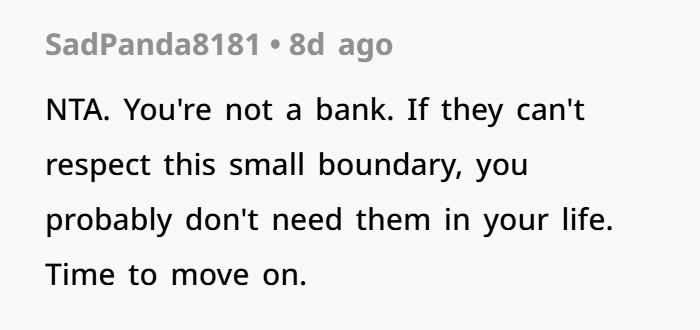
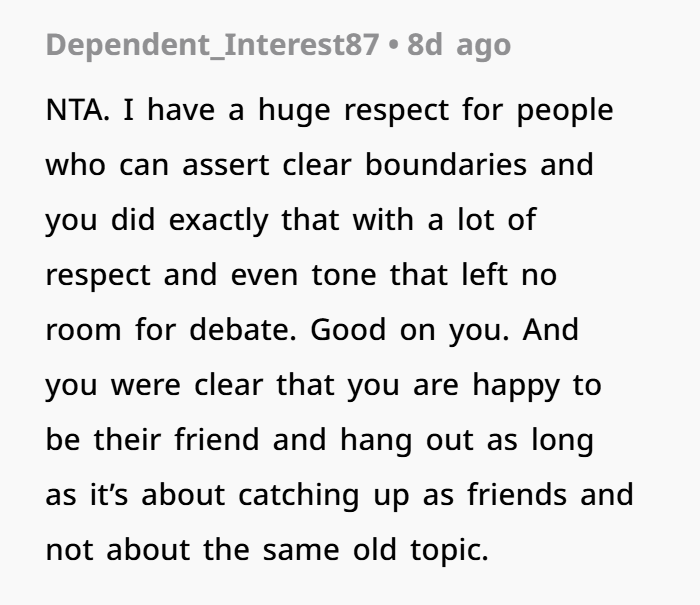
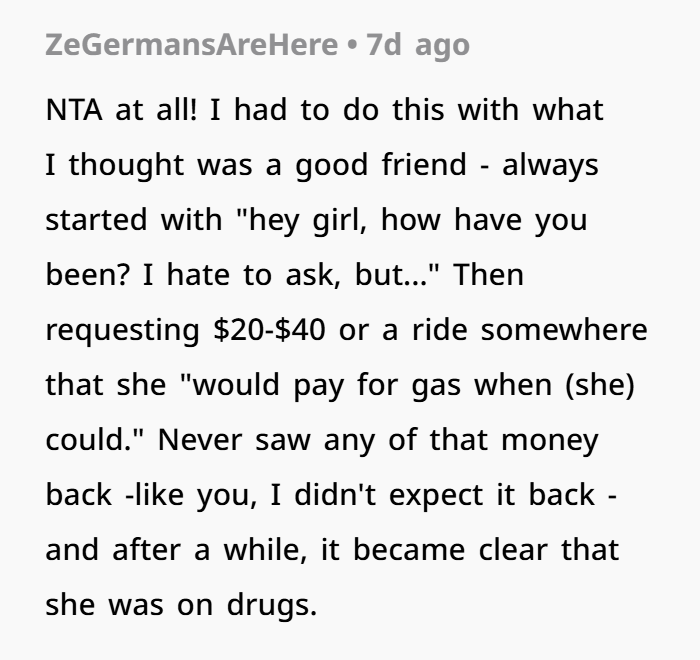
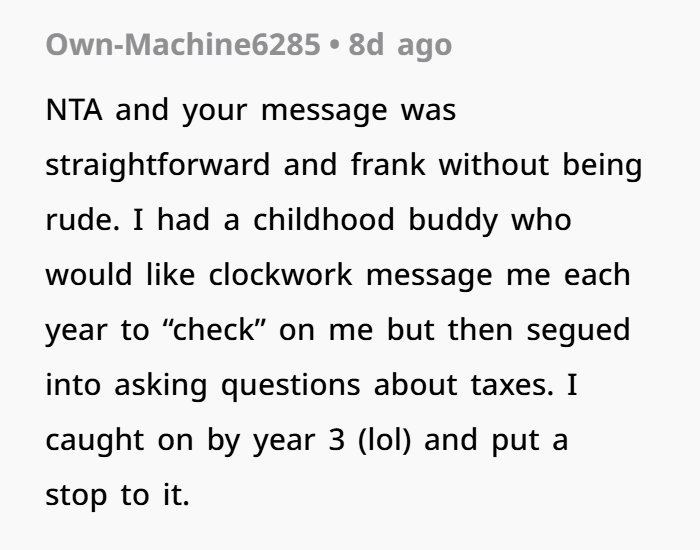
People were glad that the poster stood her ground and felt that Miley was just treating their relationship as something transactional