
Her Boss Tried to Kiss Her-Was I Wrong to Ask My Wife to Quit Her Job?
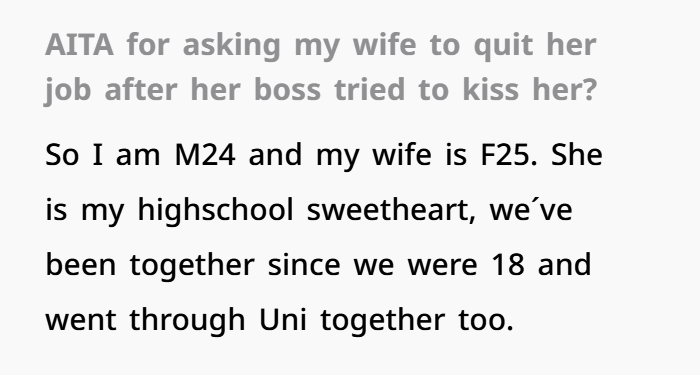
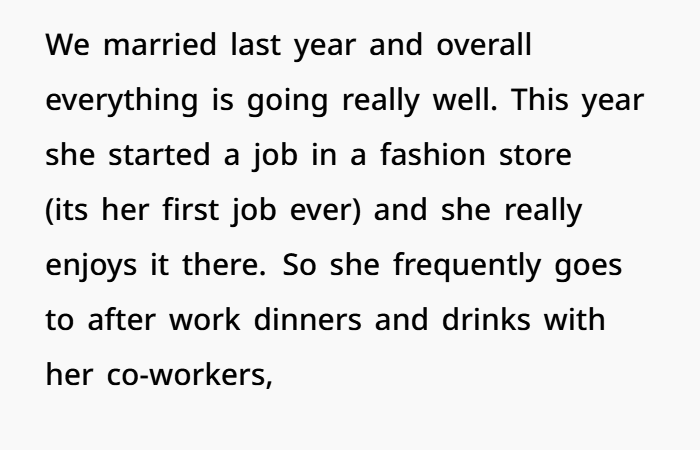
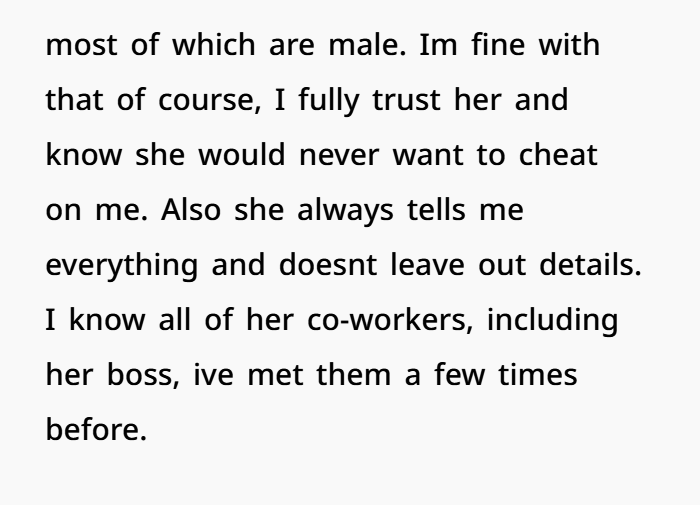
This story is about a young married couple dealing with a difficult situation related to workplace boundaries and trust. The husband, 24, and his wife, 25, have been together since high school and recently got married. Their relationship has been strong, built on many years of trust and shared life experiences. The wife recently started her first job at a fashion retail store, which she enjoys. It gives her financial independence, new friendships, and a daily routine she is happy with.
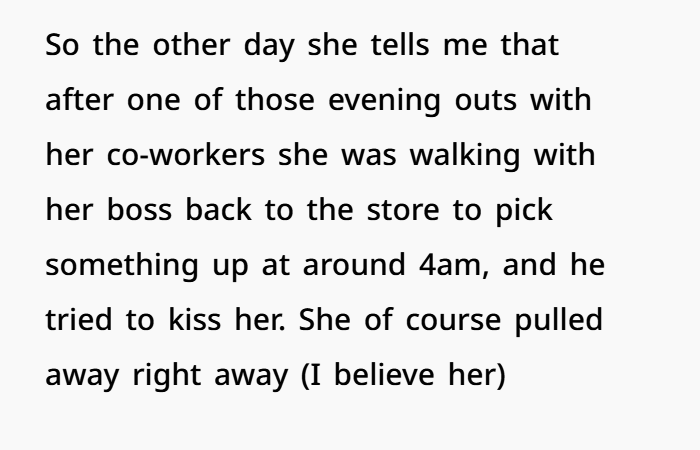
Everything seemed normal until one night after a work outing. After drinking with coworkers, she walked back to the store around 4 a.m. with her boss to pick something up. During that moment, her boss tried to kiss her. She immediately rejected the advance and went home to tell her husband what happened. She was honest and open about the situation, which made the issue clear between them.
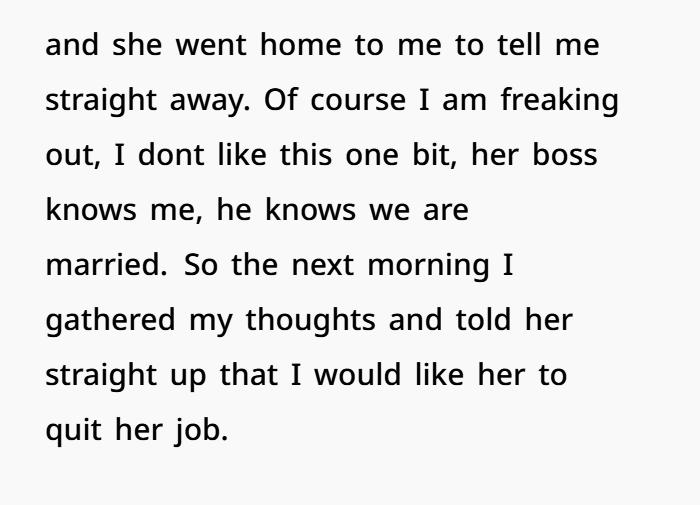
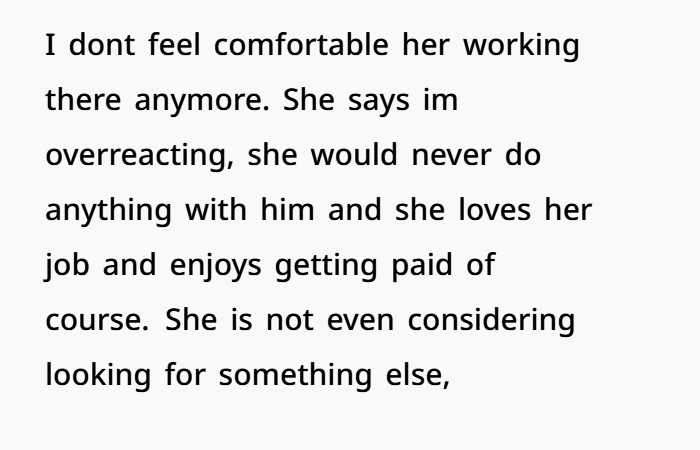
However, the husband felt very uncomfortable knowing she still works under someone who crossed an important boundary. The next morning, he asked her to quit her job completely. She refused because she enjoys her work and feels the situation can be managed by avoiding being alone with her boss in the future. Now the couple is facing a serious disagreement about trust, workplace safety, emotional boundaries, and whether continuing the job is safe for their relationship or if the husband’s concern is becoming controlling.
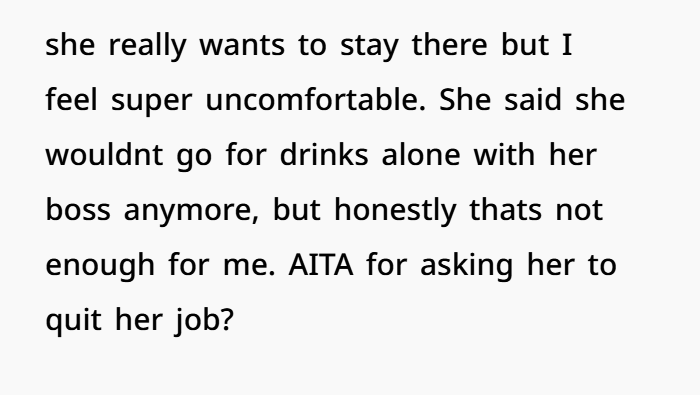
Situations like this are not just simple relationship problems. They often mix emotions, work life stress, trust issues, and personal boundaries. That is why they are commonly discussed in relationship advice forums, workplace harassment cases, and legal awareness content. It sits in a sensitive area between job safety and marriage trust.
First, let’s look at the workplace issue. If a boss tries to kiss an employee, this is usually considered workplace harassment in many countries. It is especially serious because of the power difference between a manager and an employee. The employee may feel scared, uncomfortable, or worried about losing their job if they reject the boss.
In human resources (HR) terms, this situation can fall into two categories: quid pro quo harassment or hostile work environment. Quid pro quo means a boss tries to trade job benefits for personal or romantic attention. A hostile work environment means the behavior makes the workplace feel unsafe or uncomfortable. Even a single incident can be serious depending on company policy and labor laws.
Many workplace harassment studies show that a large number of cases involve managers or supervisors. One reason these cases are underreported is fear. Employees often worry about retaliation, job loss, or being treated differently after reporting the issue. This is especially common in small businesses where HR systems are weak.
Now, let’s look at the relationship side.
The husband’s reaction is emotional and understandable. When someone crosses a boundary with a partner, it can cause anger, jealousy, and fear. These are normal emotions in marriage and relationship trust situations. People often feel protective when they think their relationship is being threatened.
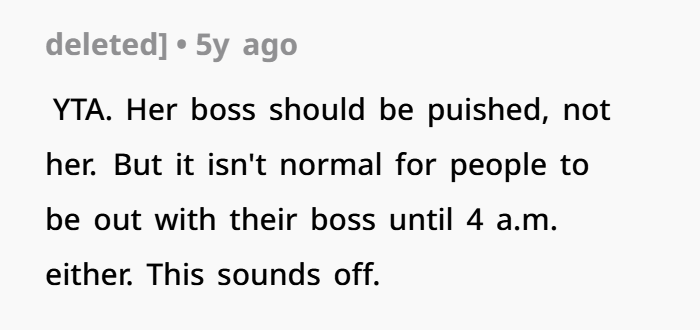
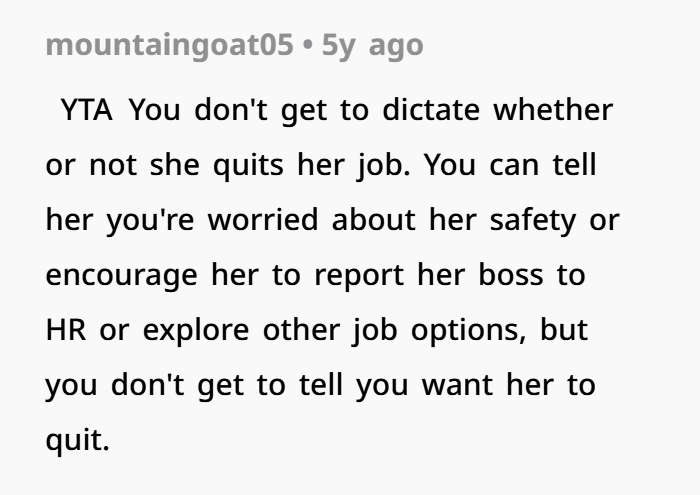
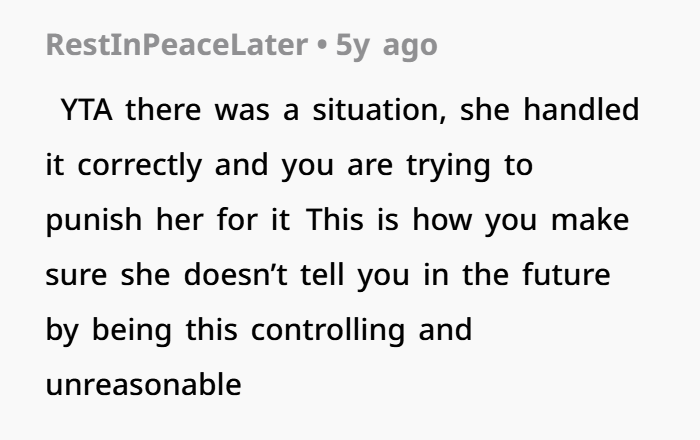
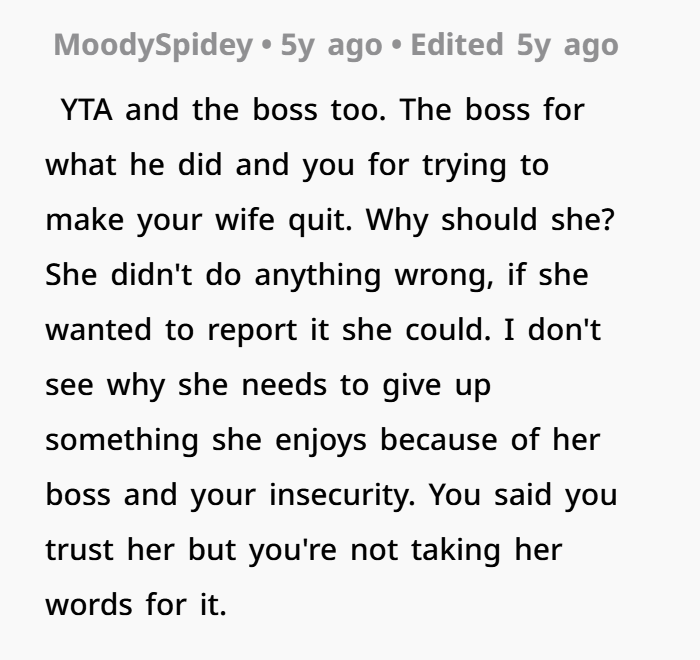
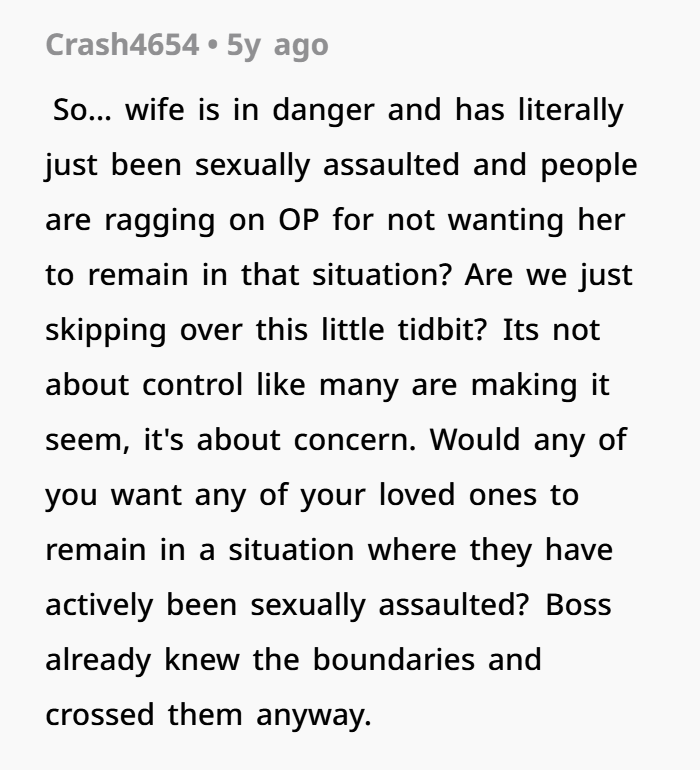
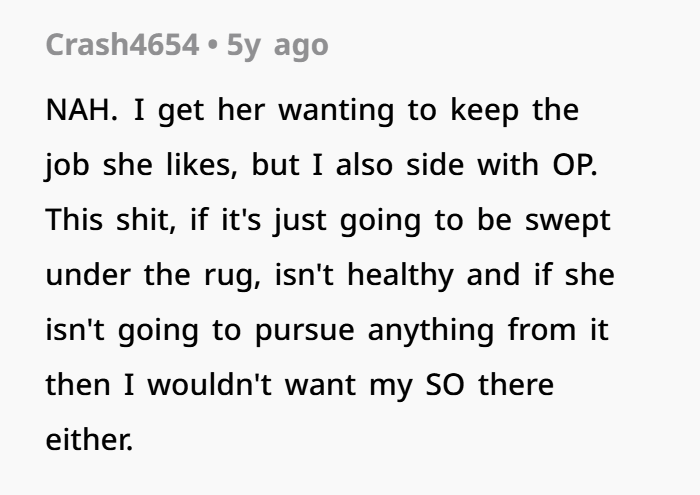
But the problem starts in how the husband responds. Instead of focusing on the boss who caused the issue, he asks his wife to quit her job. This is where opinions often split in relationship discussions. Some people feel he is being protective. Others feel it puts unfair pressure on the wife’s career.
This creates a common relationship conflict between safety and independence.
Healthy relationships usually need two things:
- Emotional safety and trust
- Personal freedom and independence
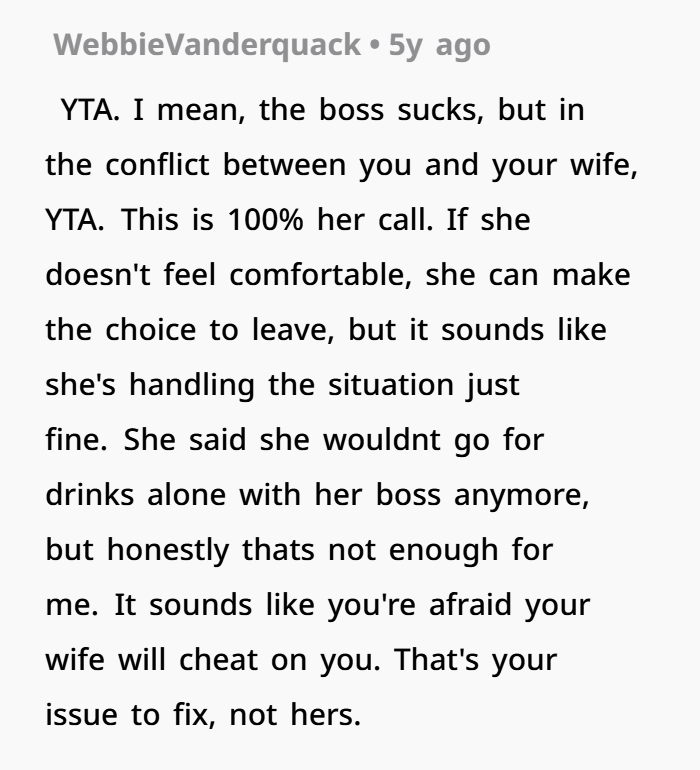
If one partner starts making big career decisions for the other, it can create stress. But at the same time, ignoring a partner’s fear can also hurt trust in the relationship. This is often called the “security vs independence” problem in relationship counseling.
There is also the career side of this situation. This is the wife’s first job. First jobs are very important because they help build confidence, financial independence, and long-term career growth. Quitting a first job can feel like losing a big step forward in personal development and workplace experience.
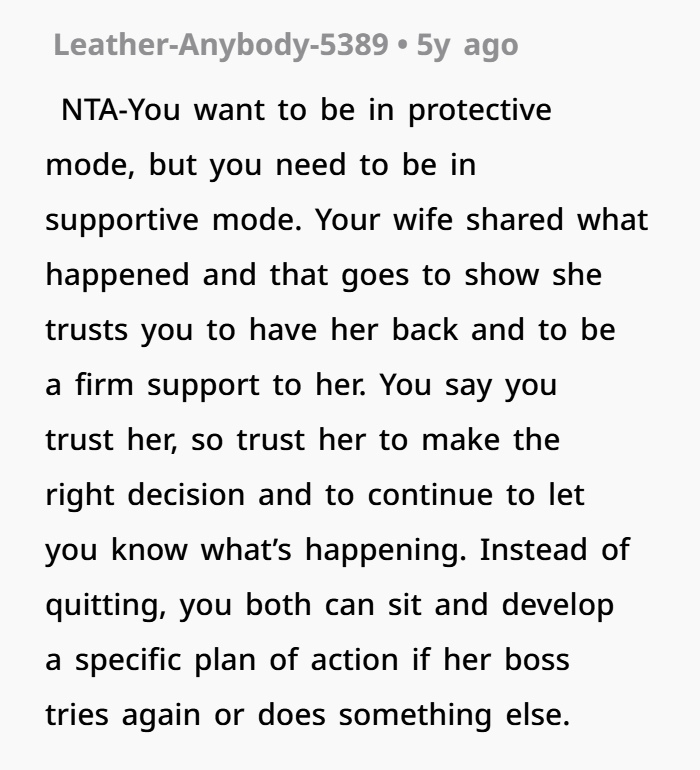
Instead of quitting, there are usually safer and more balanced options in workplace safety and employee protection:
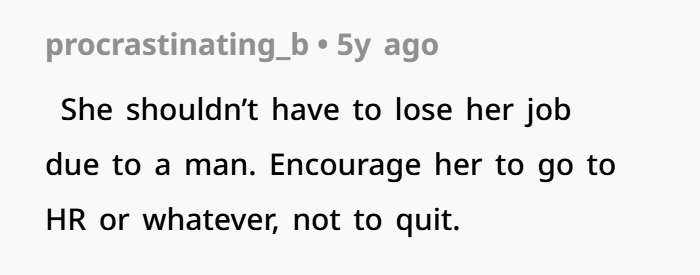
- Reporting to HR or management
Most companies have workplace harassment reporting systems. This can help create a record of the incident and protect the employee. - Setting clear boundaries
The wife can avoid being alone with the boss and keep all communication professional. This is a common workplace safety step. - Changing shifts or work location
In retail or similar jobs, employees are sometimes moved to different schedules or teams to reduce contact with a problematic supervisor. - Talking openly as a couple
Couples counseling or calm communication can help both partners understand each other’s feelings and find a solution without pressure or blame.
Another important idea here is intent vs impact. The husband may want to protect his wife, but his suggestion may feel controlling. The wife may want independence, but her choice may feel unsafe to the husband. Understanding both sides helps reduce conflict in marriage communication.
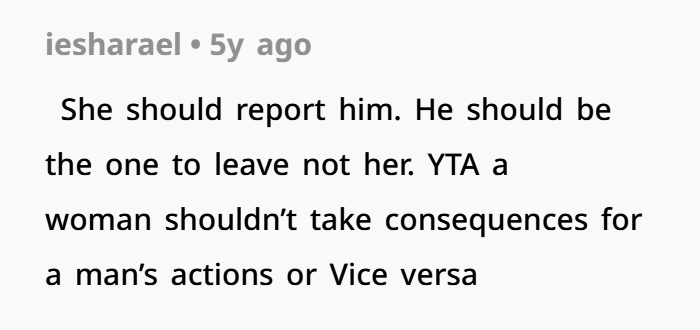
There is also a bigger social issue. In many workplace harassment situations, women are often expected to change jobs or adjust their behavior after someone else crosses a boundary. Many experts in workplace equality and employee rights say the focus should stay on the person who did the wrong action, not the victim.
At the same time, real relationships are emotional, not just logical. Even if the wife handled the situation correctly by rejecting the advance and telling her husband, the husband may still feel worried because the boss has already shown inappropriate behavior.
So the real issue is not just who is right or wrong. It is about how couples deal with trust issues, workplace harassment concerns, and emotional security while still respecting personal freedom and career growth.
That is why this type of situation is often debated in relationship advice discussions, AITA posts, and legal awareness conversations. People see it differently depending on whether they value relationship protection or personal independence more.
In the end, the best solution is usually not pressure or ultimatums. It is honest communication, clear boundaries, and a shared plan that protects both the relationship and the wife’s career stability.
Top Comments From Readers