After Catching My Daughter Cheating, I Taught Her a Tough Lesson—AITA?
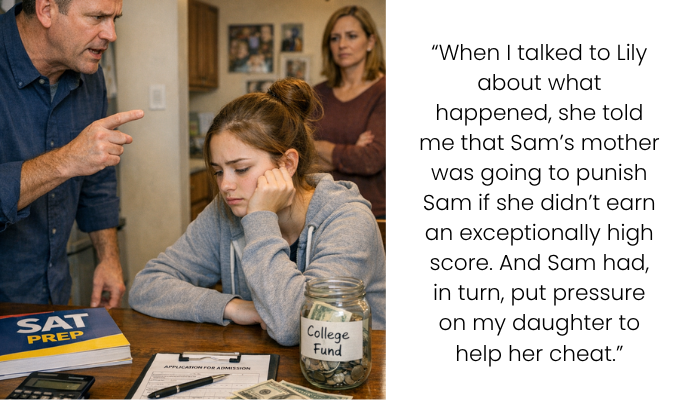
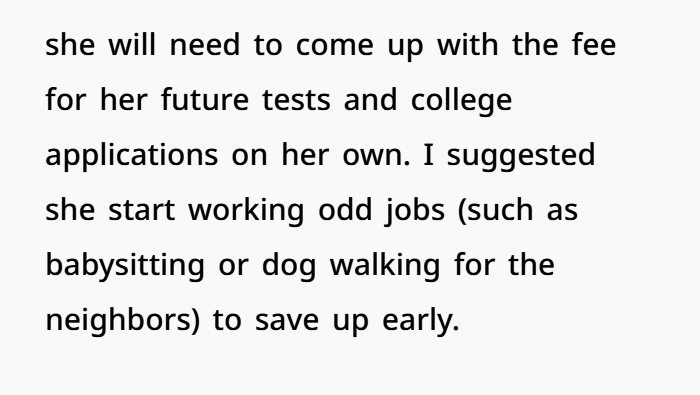
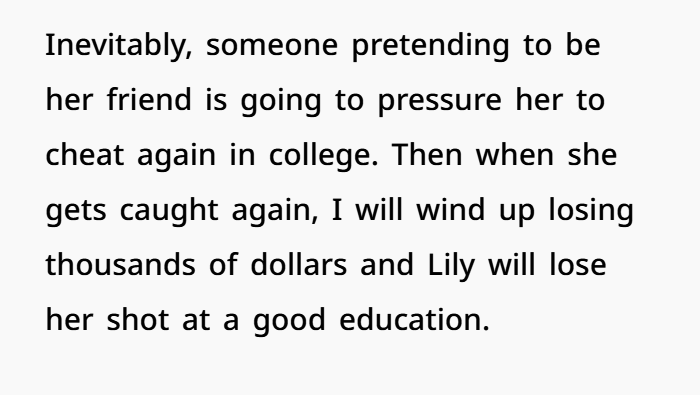
A parent is trying to teach responsibility after their daughter, Lily, was caught cheating on a practice SAT test. The school gave her a light consequence. Her test score was canceled, but nothing was added to her school record. Even so, the parent felt this was a serious warning sign. Lily admitted that she knew cheating was wrong. The parent had also talked to her before about the influence of her friend, Sam. Instead of grounding her or taking away privileges, the parent chose a different lesson. Lily was told that she would need to pay for her own SAT exam fees and college application costs in the future. The parent believed that earning the money herself through part-time work would help her understand the value of education, college planning, and personal responsibility.
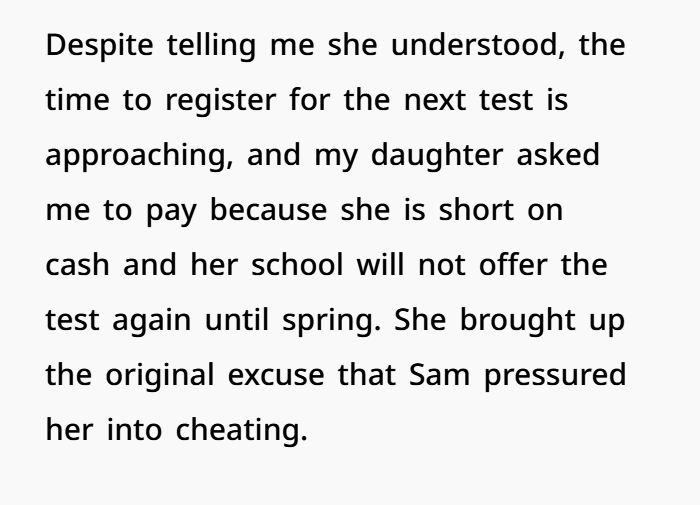
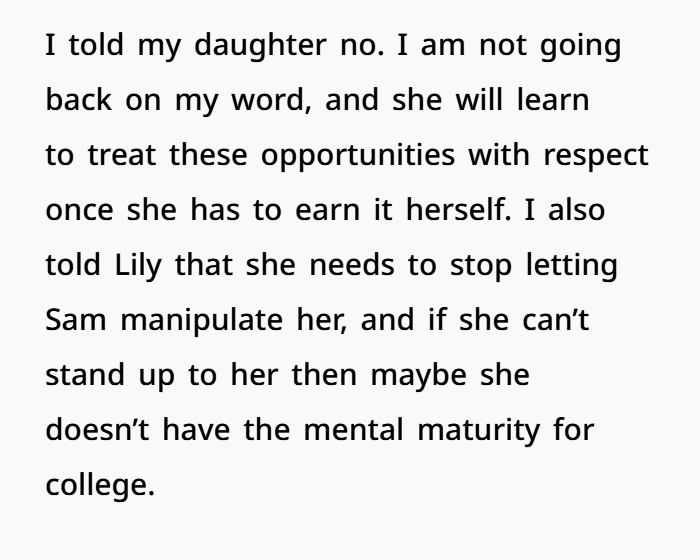
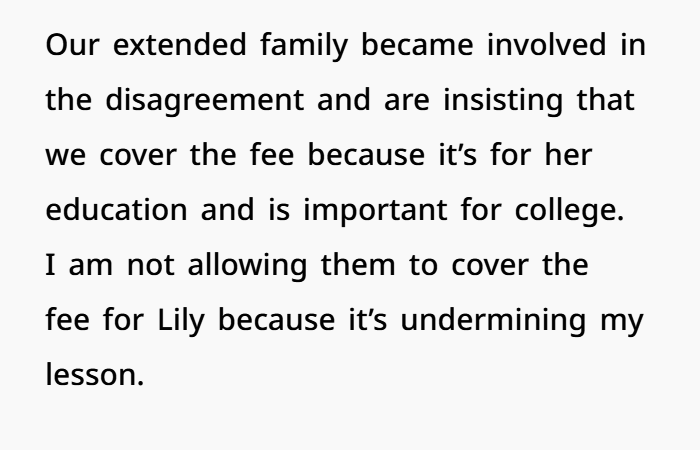
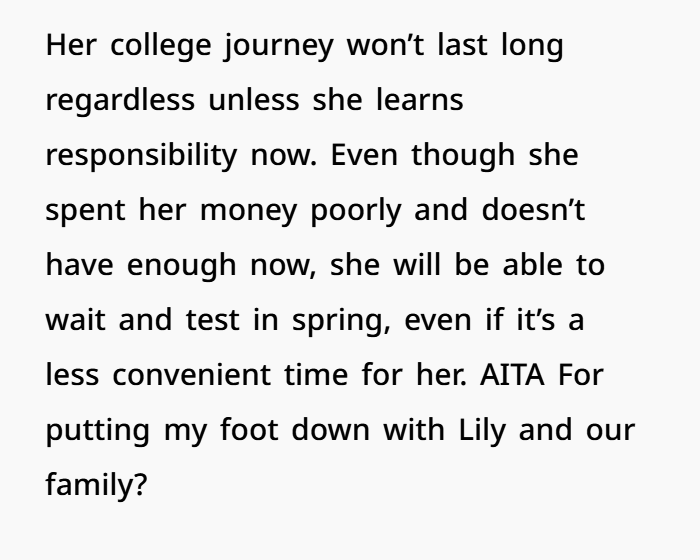
Now the situation has become more difficult. The next SAT test date is coming soon, but Lily has not saved enough money to pay the fee. She is asking her parent for financial help, but the parent is refusing because they want to stay consistent with the lesson. At the same time, other family members believe that college admissions and academic opportunities are too important to risk. Some relatives have even offered to pay the testing fees themselves. However, the parent does not want anyone else to cover the costs because they feel it would weaken the lesson about accountability and decision-making. The bigger issue is no longer just about money. It is about learning from mistakes, handling peer pressure, building strong character, and deciding whether one poor choice should lead to consequences that could affect college admissions, scholarship opportunities, and future education plans. The question many people are asking is simple: is this a reasonable way to teach responsibility, or has the parent taken the punishment too far?

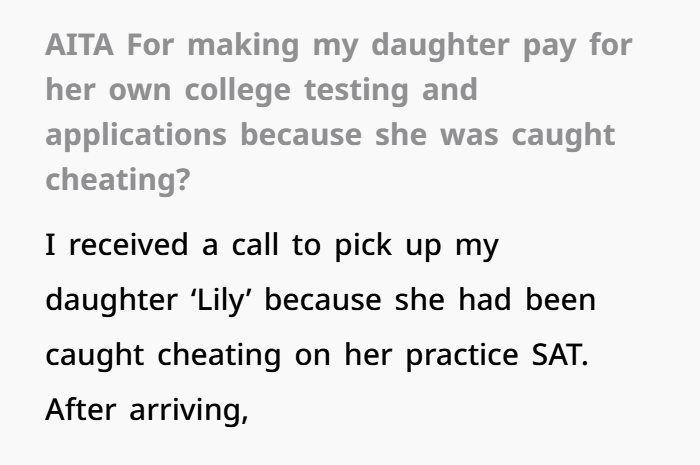
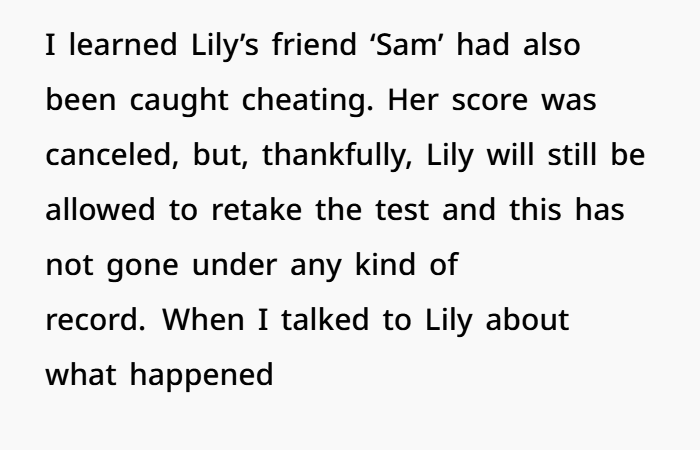
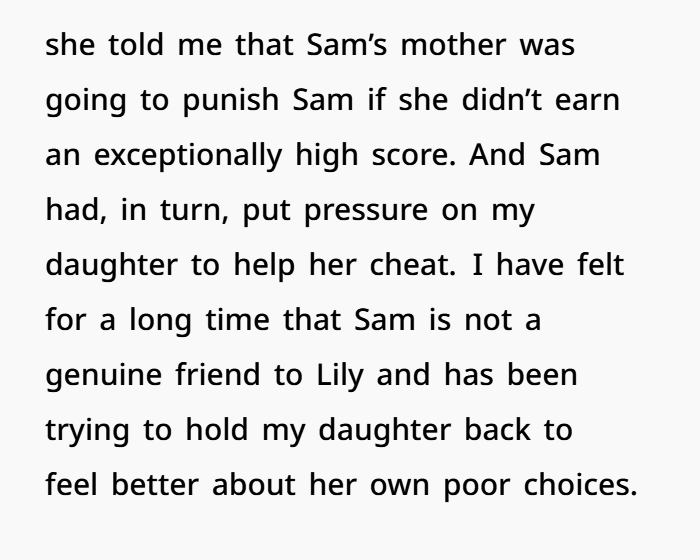
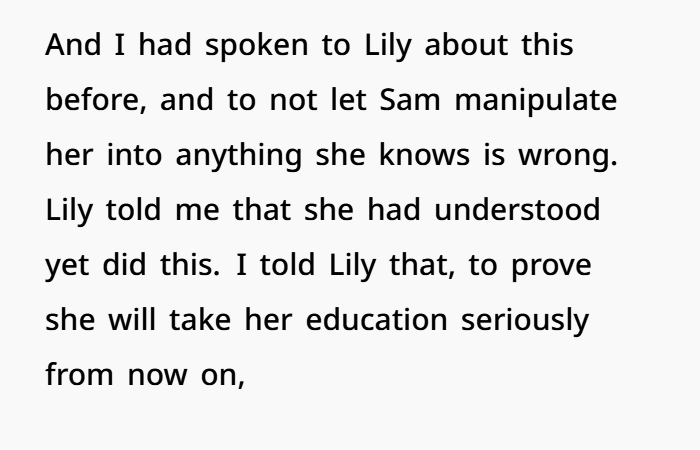
This story brings up several important parenting topics, including teen responsibility, academic honesty, college admissions, and financial responsibility. It is not a simple case of right or wrong. There are valid points on both sides, which is why so many people have different opinions about it.
First, let’s look at the cheating incident. In today’s education system, honesty matters a lot. Cheating on tests, especially important exams like the SAT, can create serious problems in the future. Many colleges and universities value academic integrity. Students who repeatedly break these rules may face challenges during the college admissions process. In some situations, schools have even withdrawn admissions offers because of dishonesty. Because of this, the parent’s concern about Lily’s behavior is understandable. They are worried about her future education and long-term success.
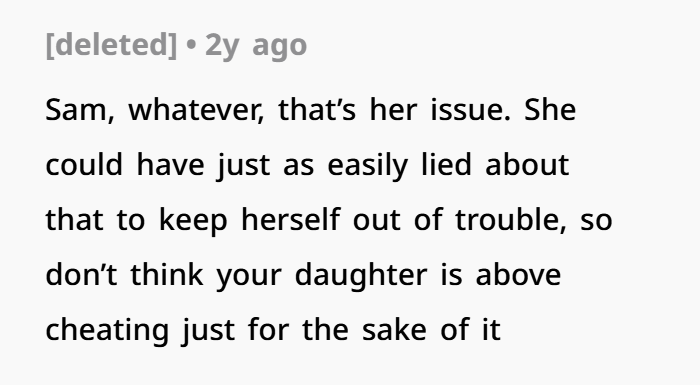
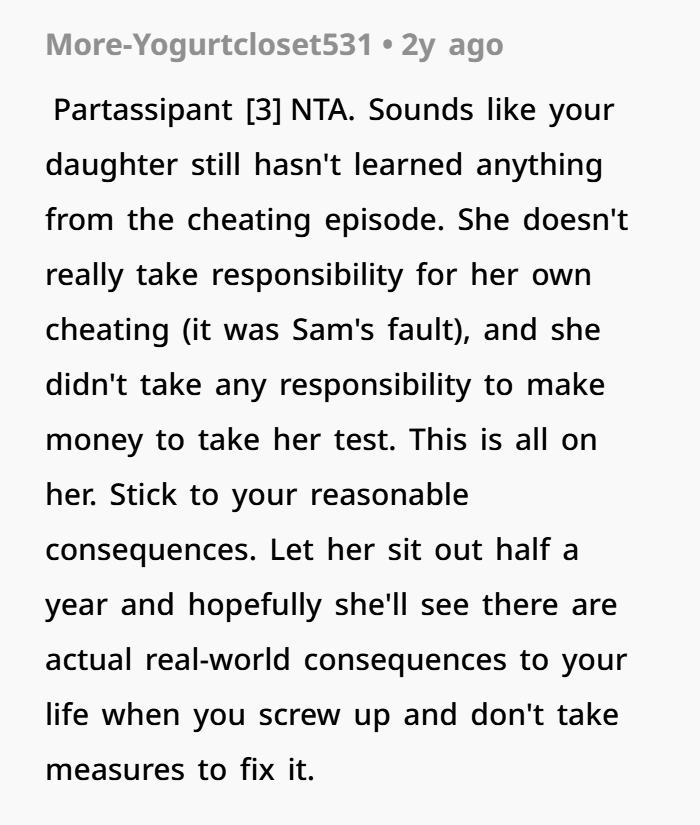
There is also the issue of peer pressure. Lily explained that her friend Sam influenced her decision. Sam was dealing with pressure from home, and that stress may have affected both girls. This type of situation is common among teenagers. Young people sometimes make poor decisions when they are trying to fit in with friends. While this does not excuse cheating, it helps explain why Lily made a choice she already knew was wrong.
An important detail is that Lily had been warned before. Her parent had already talked to her about making good choices and being careful about negative influences. Because of that, some people may feel Lily had enough information to avoid the situation. The parent may see this as a lesson about judgment and personal responsibility.
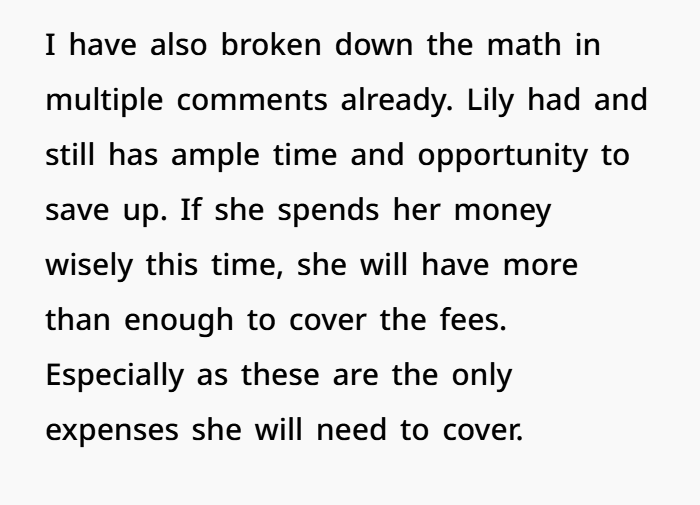
The consequence chosen by the parent is also interesting. Instead of grounding Lily or taking away privileges, the parent decided that Lily should pay for her own SAT fees and college application costs. This approach is based on the idea that people often value things more when they work and save for them. If Lily earns the money herself through a part-time job, babysitting, or other work, she may take her education and future goals more seriously.
From a personal finance perspective, this lesson has value. Learning about budgeting, saving money, and managing expenses can help teenagers prepare for adulthood. Financial literacy is an important life skill, especially with the rising costs of higher education, college tuition, and student expenses. Many financial experts encourage parents to teach these skills before children leave home.
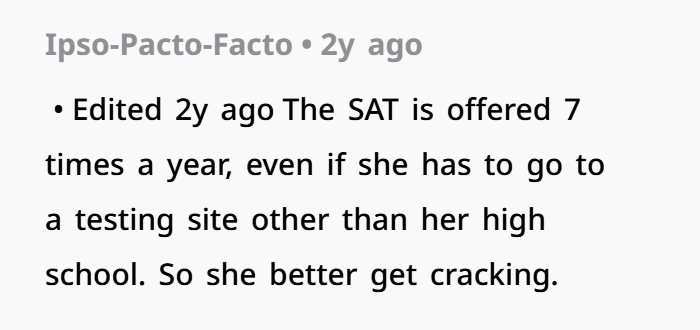
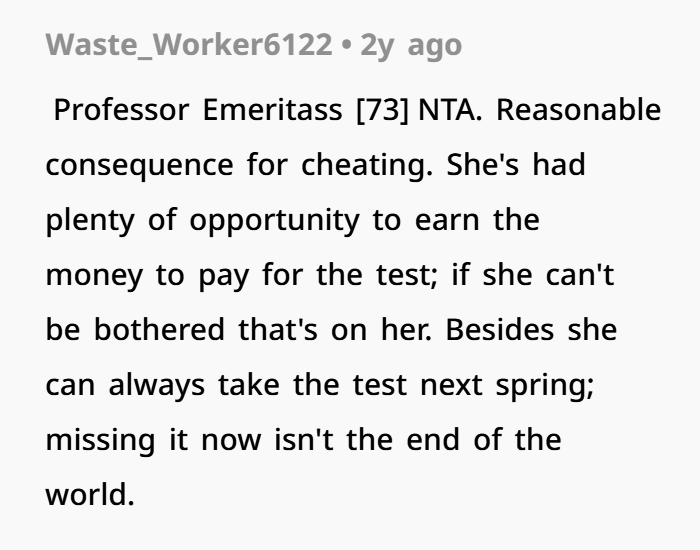
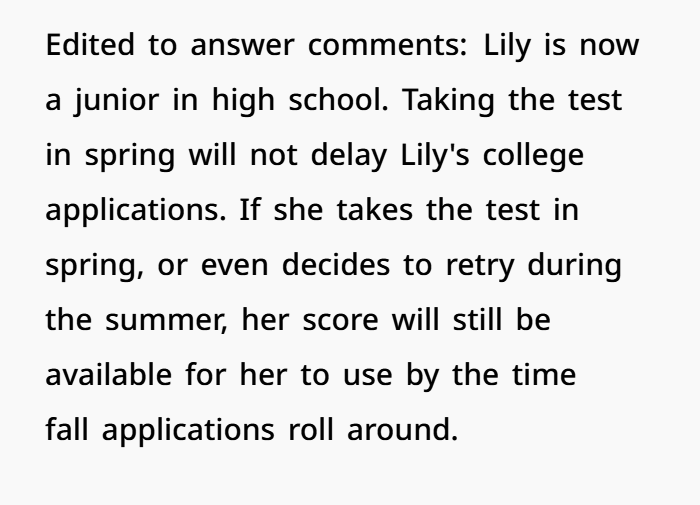
However, the timing creates a challenge. SAT testing dates and college application deadlines follow strict schedules. Missing an exam date could reduce opportunities later. Even if Lily can take the SAT at a future date, she may lose the chance to test multiple times and improve her score. In a competitive college admissions environment, every opportunity can matter.
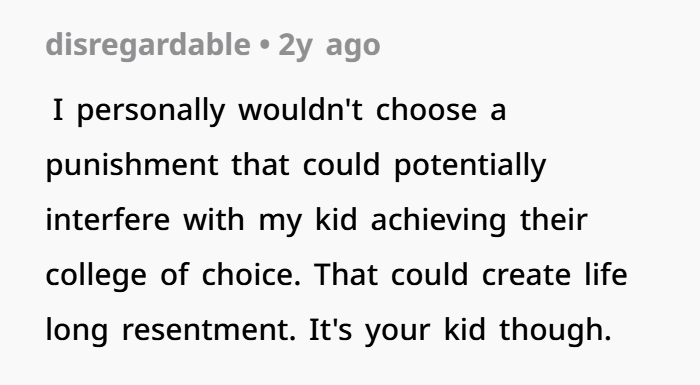
This creates a difficult question. Should a lesson about accountability potentially affect educational opportunities? Some people believe the lesson is worth it, while others think protecting future opportunities should be the higher priority.
Another point people discuss is whether the punishment matches the mistake. The school did not suspend Lily or place anything on her permanent record. The incident involved a practice test rather than an official exam. Because of this, some may feel the parent’s consequence is more serious than the school’s response.
Others see it differently. They believe schools can only do so much and that parents have a responsibility to teach values at home. From this perspective, the parent is trying to make sure Lily understands that honesty and integrity are important in every area of life.
The involvement of extended family adds another layer to the situation. Some relatives want to help by paying the testing fees. They believe Lily’s education should not be affected by a temporary financial problem. The parent disagrees because they feel outside help would remove the consequence and weaken the lesson.
Supporters of the parent’s decision say consistency is important. If someone else pays the fees, Lily may learn that consequences can always be avoided. On the other hand, critics believe refusing available help may place too much focus on punishment rather than the final goal of supporting education and future success.
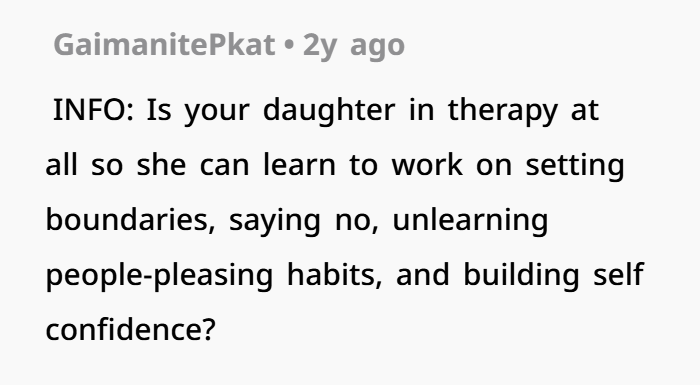
There is also an emotional side to consider. Lily admitted what happened and did not try to hide the truth. That shows some level of honesty and accountability. When teenagers take responsibility for their actions, many experts recommend balancing consequences with support and guidance.
Parenting experts often discuss different parenting styles. Some parents focus on strict rules and firm consequences, while others combine rules with flexibility and understanding. Research generally shows that children respond best when parents set clear expectations while also offering support and open communication.
In this situation, the parent is taking a firm approach. That does not automatically make the decision wrong. However, the effectiveness of the lesson may depend on how Lily responds and what she learns from the experience.
The parent also raised a concern about college readiness. They believe that if Lily struggles with peer pressure now, she may face bigger challenges later in college. This concern is reasonable because college life often requires students to make independent decisions without constant supervision.
At the same time, maturity develops over time. Young people learn through experience, guidance, mistakes, and support. Building responsibility is usually a gradual process rather than something that happens all at once.
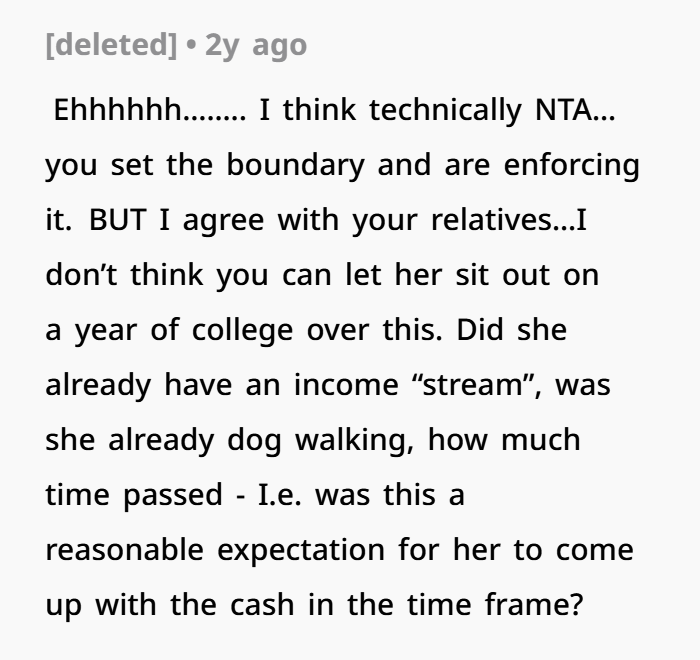
Some people might suggest a middle-ground solution. For example, Lily could pay part of the SAT fee while the parent covers the remaining amount. This approach keeps the lesson about responsibility while reducing the risk of missing important educational opportunities. Similar cost-sharing strategies are often used in personal finance and family budgeting because they balance accountability with support.
In the end, this situation is about much more than a test fee. It is about preparing a teenager for adulthood, teaching financial responsibility, encouraging good decision-making, and supporting long-term educational success.
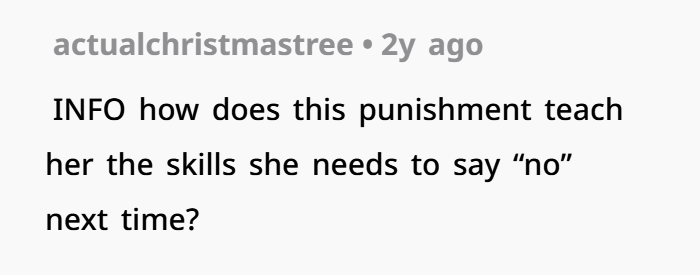
The parent is correct that actions have consequences. At the same time, the way those consequences are applied can shape how a lesson is learned. If the response is too lenient, the lesson may not be effective. If it is too strict, it could create frustration instead of growth.
Whether the parent is right or wrong depends on personal values and parenting beliefs. What is clear is that they are trying to teach an important lesson about responsibility, integrity, education, and future success. The challenge is finding the right balance between accountability and opportunity.
Comments From The Community