

Co-Parent Threatened Child Protection Over Ice Cream… Then Lost $1,500 on a Fake Diagnosis
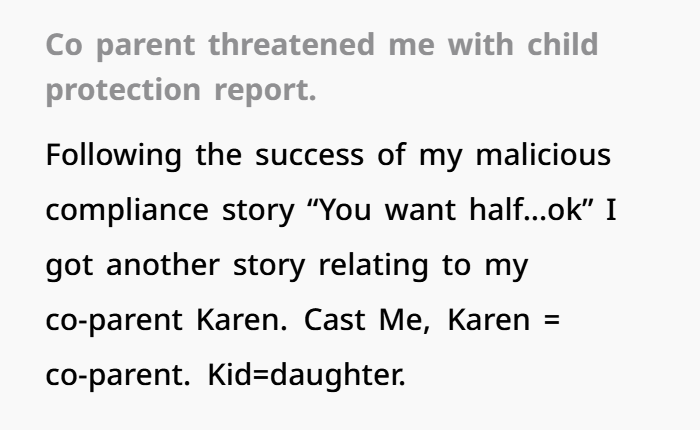
Co-parenting after a separation can be challenging, especially when parents disagree about important decisions involving their child. In this story, a father who shares 50/50 custody with his ex-partner found himself dealing with an unexpected disagreement about his daughter’s health. After the child recovered from a stomach illness, she became sick after eating ice cream one evening. Based on that single incident, the co-parent became convinced that the child had lactose intolerance. However, the opinion did not come from a doctor or healthcare provider. Instead, it was based on advice from someone outside the medical field.
The situation quickly became more serious when the co-parent insisted that the father follow a specific plan and even mentioned contacting child welfare authorities if he disagreed. Rather than arguing, the father suggested a simple solution. He proposed getting proper medical testing from qualified healthcare professionals. He agreed that if the tests confirmed lactose intolerance, he would pay all related costs, including medical expenses and treatment. If the results showed that the child did not have the condition, he would not be responsible for those costs. What happened next became a clear example of why healthcare decisions should be based on professional medical advice, accurate diagnosis, and evidence-based testing rather than assumptions or unofficial opinions. The situation also highlights the importance of communication, co-parenting cooperation, child health, and making informed healthcare decisions for the well-being of a child.






Stories about co-parenting often get a lot of attention because many separated parents face similar challenges. Small disagreements can sometimes grow into larger conflicts, especially when parents have different opinions about what is best for their child. This story attracted attention because it involved co-parenting, child health concerns, medical testing, and an unusual disagreement about a possible food intolerance.
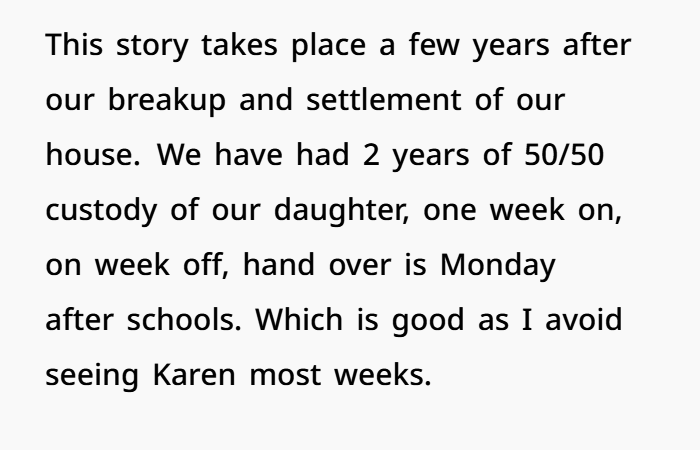
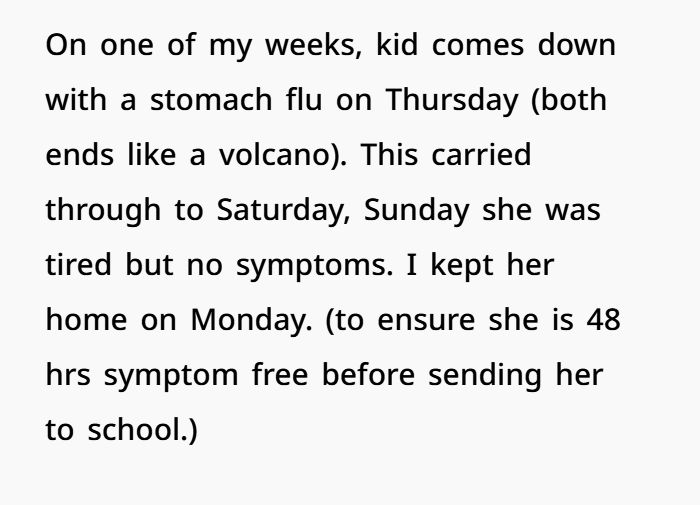
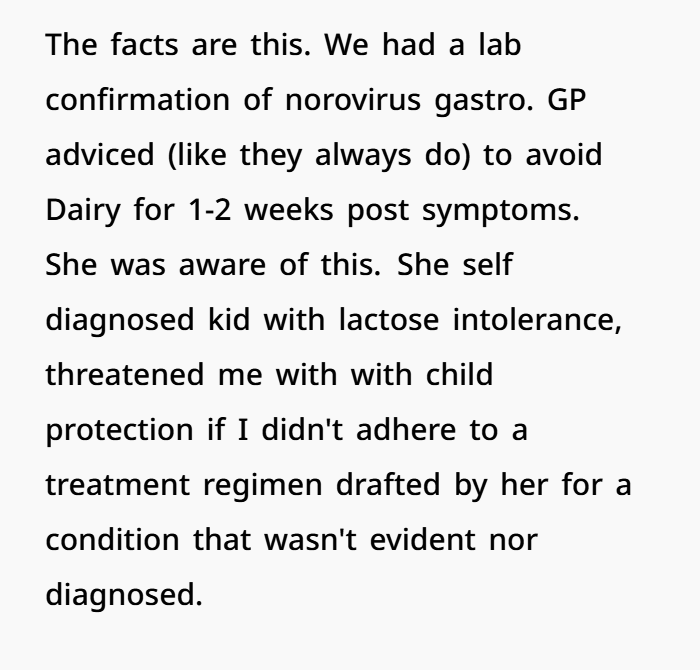
The situation started when a young girl became sick with a stomach virus during her father’s custody week. Like many children, she experienced several days of stomach-related symptoms before gradually getting better. Her father kept her home for an extra day to make sure she had fully recovered before returning to her normal routine. At that point, everything seemed fairly typical for a child recovering from an illness.
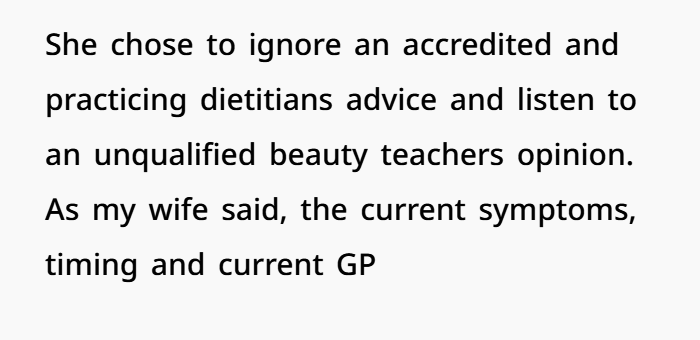
A few days later, while staying with her mother, the child ate ice cream and became sick afterward. Based on that one event, the mother became concerned that her daughter might have lactose intolerance. However, the concern was not based on a medical diagnosis or professional testing at that time. Instead, it was based on advice she had received from someone outside the healthcare field.
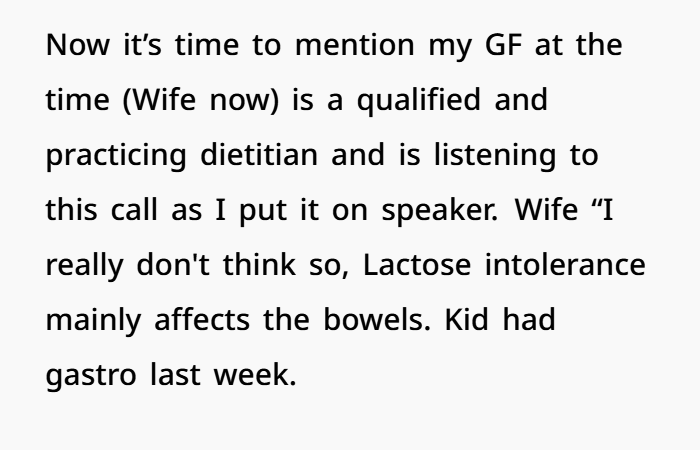
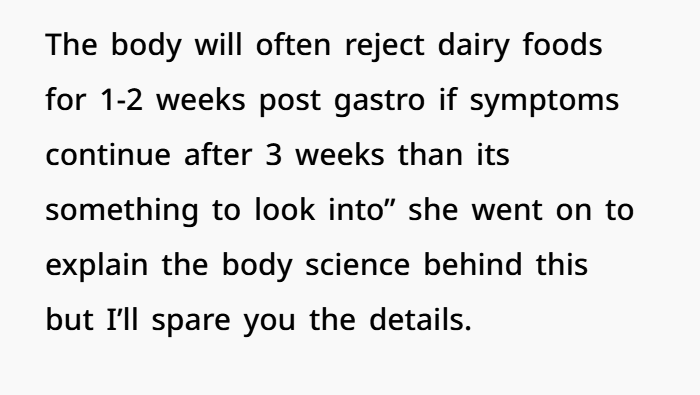
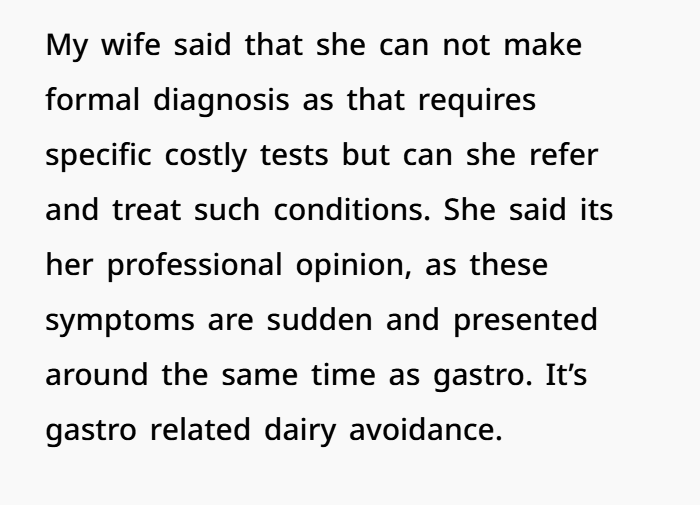
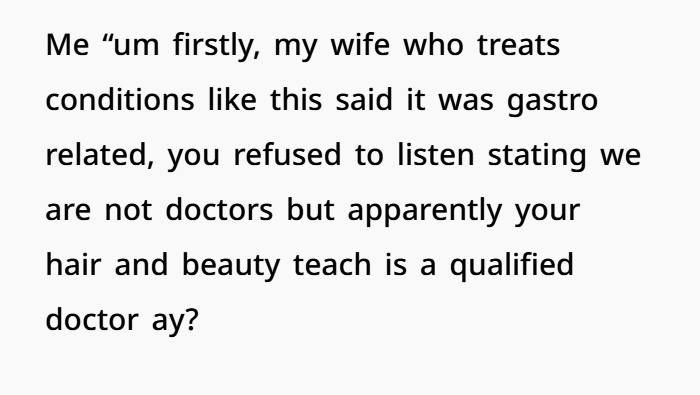
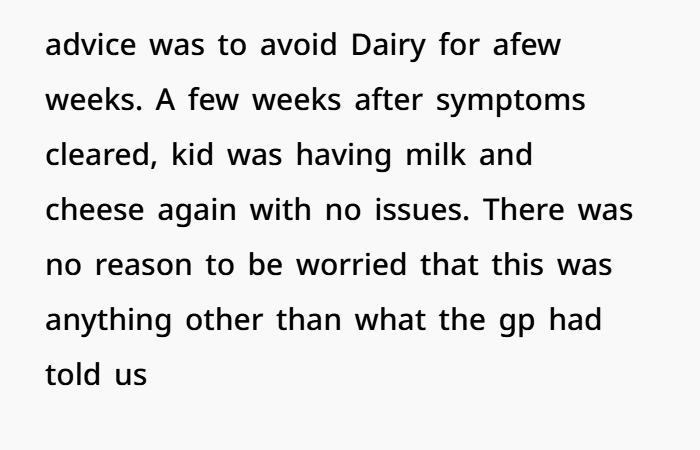
The father and his wife believed there could be another explanation. His wife, who had professional training in nutrition and child health, explained that some children can temporarily have difficulty digesting dairy products after recovering from a stomach illness. This is not uncommon and often improves as the digestive system heals.
Unfortunately, the parents could not agree on the situation.
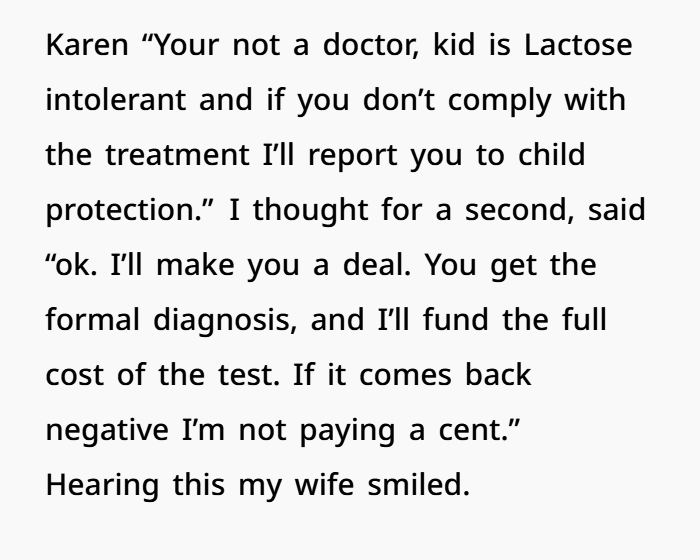
As the discussion continued, the disagreement became more serious. The mother insisted that further action was needed and discussed involving outside authorities if her concerns were not addressed. Rather than continuing the argument, the father suggested a simple solution based on professional medical advice.
He proposed that their daughter undergo proper medical testing with qualified healthcare providers.
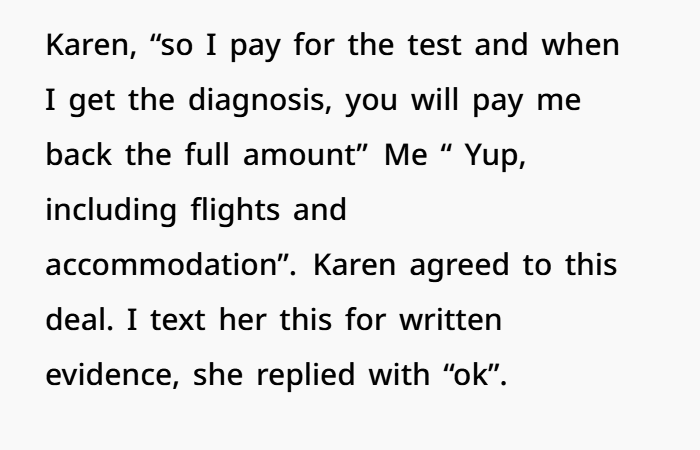
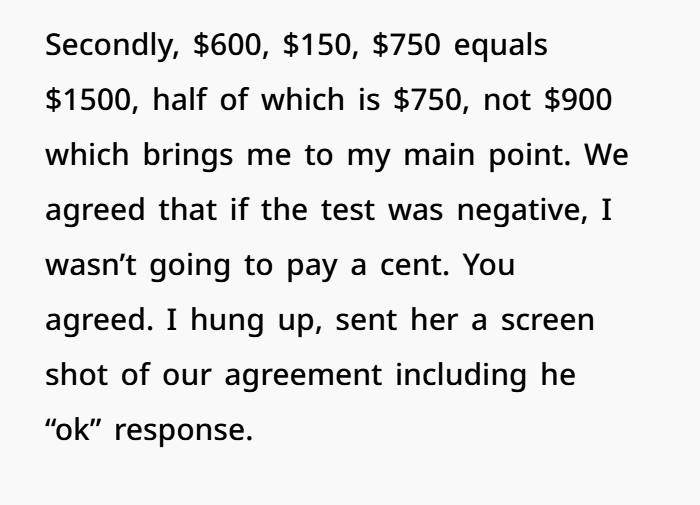
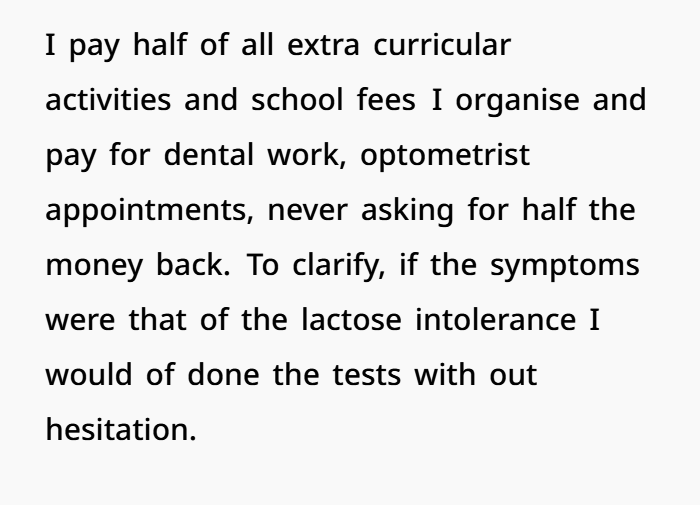
To show that he was confident in the process, he offered an agreement. If the medical tests confirmed lactose intolerance, he would cover all related expenses, including travel, testing costs, and healthcare expenses. If the results showed that the child did not have the condition, he would not be responsible for those costs.
The agreement was accepted.
The mother then arranged specialist appointments and medical testing. The process included travel, accommodations, and healthcare expenses. While waiting for the results, the child gradually returned to eating normal foods, including dairy products, without any noticeable problems.
When the test results finally arrived, they showed that the child did not have lactose intolerance.
According to the medical specialists, the earlier symptoms were likely connected to her recent stomach illness rather than a long-term digestive condition. The temporary reaction had improved naturally as she recovered.
At that point, the medical question had been answered by qualified professionals.
However, another disagreement followed when the mother requested financial reimbursement for the testing expenses. The father reminded her of their written agreement, which clearly stated that he would only pay if the diagnosis was confirmed.
Because the test results were negative, the agreement meant he was not responsible for the costs.
One reason many readers found the story interesting is because it highlights the value of written communication in co-parenting situations. Family law professionals often recommend keeping important discussions documented through text messages, emails, or written agreements. Clear records can help prevent misunderstandings and reduce future conflict.
The story also demonstrates the importance of relying on qualified healthcare professionals when making medical decisions for children. While friends, family members, and online advice can sometimes be helpful, healthcare decisions are best guided by doctors, dietitians, and medical specialists who have the training to evaluate symptoms properly.
Another reason the story resonated with readers is that many co-parents face similar challenges. Differences in parenting styles, communication issues, and disagreements about child health can create stress even when both parents want what is best for their child.
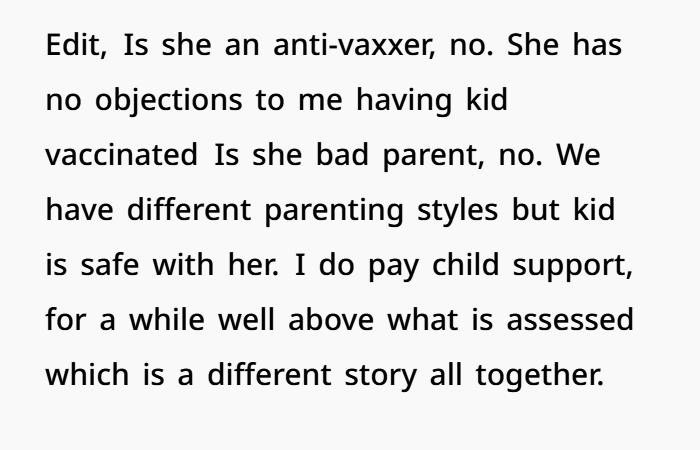
Importantly, the father later clarified that he did not believe his co-parent was a bad parent. He explained that they simply had different views and sometimes struggled with communication. That detail helped many people see the situation as a disagreement between two concerned parents rather than a larger family conflict.
In the end, the story was not really about lactose intolerance. It was about communication, co-parenting, healthcare decisions, and the importance of following professional medical advice. The medical testing provided a clear answer, and the written agreement helped resolve the financial disagreement.
Sometimes the simplest solution is to let qualified experts provide the facts and allow those facts to guide the decision. In this case, that approach helped bring clarity to a situation that had become much more complicated than it needed to be.
See The Comments Below