
She Allegedly Ruined His College Life. Three Years Later, Her Own Academic Record Caught Up With Her
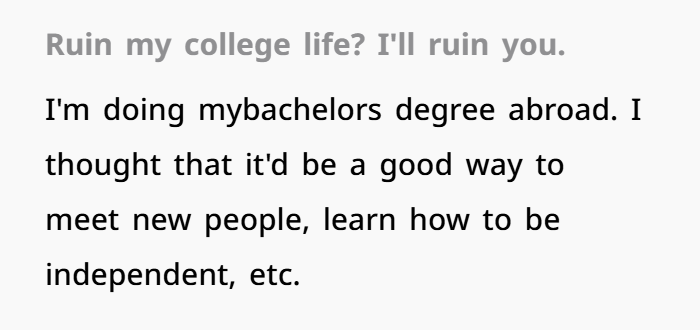
Studying for a bachelor’s degree abroad was supposed to be a fresh start for one international student. The plan was simple: meet new people, become more independent, and enjoy college life in another country.
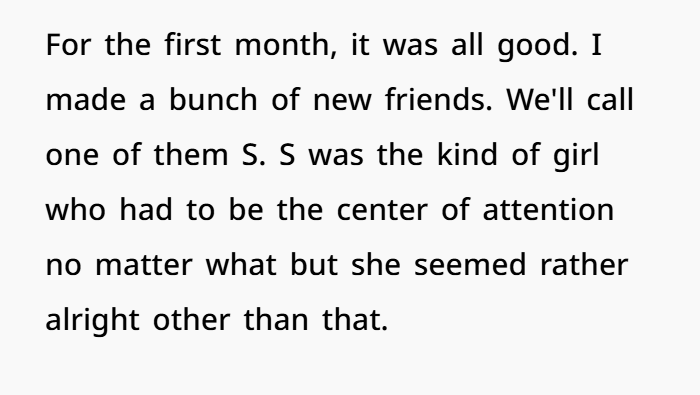
For the first month, things seemed to be going well. The student found a large group of friends, around 15 people in total. One of them was a woman referred to as “S.”
At first, S seemed fine, though she apparently loved being the center of attention. Nobody expected that their friendship would eventually turn into a bitter three-year conflict involving lost money, broken friendships, plagiarism allegations, and serious academic consequences.
By the final semester, S was reportedly removed from the university after evidence of alleged academic misconduct was sent to professors and administrators.
But the story started with something much smaller: a trip home and a box of homemade food.
S told the student that she planned to visit the student’s home country during a holiday. She offered to bring back anything the student needed.
It sounded like a kind favor between friends.
The student accepted and gave S about half of the money they had saved. The money was supposed to cover transportation and other costs connected with bringing the items back.
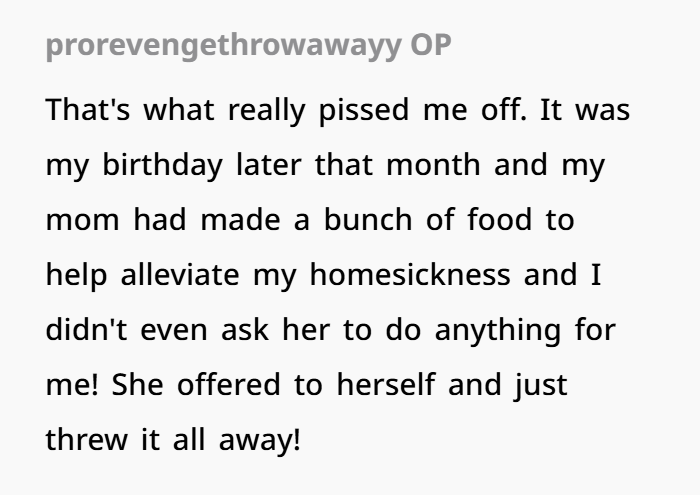
The student’s mother also prepared a carton filled with homemade food. Some was for S to enjoy, while the rest was meant to come back with her.
According to the student’s account, that never happened.
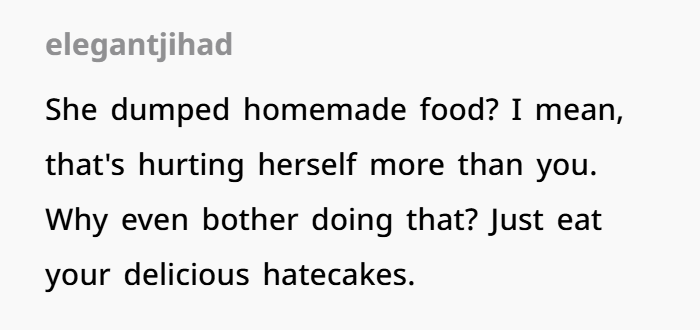
S allegedly kept the money and threw away the food.
For a student living abroad, losing half of their savings was already painful. What happened afterward made the situation even worse.
When confronted, S reportedly told their mutual friends that no agreement had ever existed. She claimed the student was imagining the whole thing.
Suddenly, the argument was no longer just about money. It became a fight over who the friend group believed.
The Social Circle Started Falling Apart
The student claimed S then began spending more time with their mutual friends while spreading rumors about them.
Trying to escape the situation did not seem to help.
Whenever the student joined another social group, S allegedly followed and became friendly with those people too. According to the story, those new friendships would then begin disappearing.
By the end of the first year of college, a social circle of around 15 people had shrunk to fewer than three close friends.
Those remaining friends reportedly had their own bad experiences with S.
Being pushed out of a social group can be more serious than a simple disagreement between friends. Universities often have formal rules covering harassment and other student misconduct. For example, Oxford University’s student conduct guidance separates academic misconduct from other behavior such as harassment and offensive conduct.
Of course, this story only gives one person’s version of what happened. The claims about S’s behavior cannot be independently confirmed from the original account alone.
Still, the student did not forget what happened.
Instead, they started collecting evidence.
Three Years of Screenshots, Recordings, and Statements
According to the account, S had another major problem: her academic work.
The student claimed S had repeatedly plagiarized work connected with exams and assignments.
For the next three years, evidence was quietly collected. That reportedly included screenshots, voice recordings, and statements from the few friends who remained in contact with the student.
Academic plagiarism can carry serious consequences at universities.
The Tertiary Education Quality and Standards Agency’s academic integrity guidance defines plagiarism as submitting material that is not your own without properly acknowledging the original source. Academic misconduct penalties can range from warnings and reduced grades to suspension or permanent expulsion, depending on the circumstances.
Those consequences are not unique to one education system. Oxford University’s plagiarism guidance also treats plagiarism as a disciplinary matter, with possible penalties ranging from lost marks to expulsion in serious cases.
That makes academic integrity especially important for international students. Depending on the country and visa system involved, losing university enrollment can sometimes create immigration or student visa problems as well. For example, Australian higher education guidance warns that suspension or exclusion connected with academic misconduct can trigger a review of an international student’s visa status.
The Evidence Became Personal Too
The student did not limit the documentation to academic misconduct.
S reportedly came from a conservative family, while her private life was very different from what her family apparently expected. According to the account, she regularly met men and stayed with them in hotel rooms.
The student decided to document that behavior too.
This part of the story is different from collecting evidence of plagiarism. Academic cheating can fall directly under a university’s disciplinary policies, while a student’s lawful private relationships are generally a separate issue unless specific institutional rules apply.
Still, the information would later be sent to S’s parents.
One Rule Made the Timing Much More Serious
There was another detail that changed everything.
According to the storyteller, the country where they were studying had an age restriction for entering certain undergraduate programs. Once someone passed the cutoff, they could no longer enroll in a new bachelor’s degree in certain fields.
By the final semester, S had reportedly passed that age limit.
That meant losing her current degree could have consequences beyond simply starting again at another university.
The student had waited almost three years.
Then the evidence was sent out.
Copies reportedly went to university administrators, every professor who had taught S, the academic dean, and S’s parents.
According to the original account, S was formally rusticated — removed from the institution — the following day.
Her parents reportedly cut ties with her after receiving the information as well.
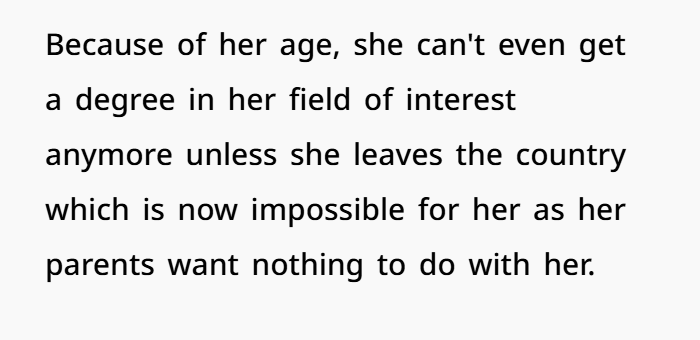
Because she had already crossed the stated age cutoff, the storyteller claimed S could no longer begin another undergraduate degree in the same field within that country. Studying overseas was apparently another possible path, but the student said that option was no longer realistic without support from her family.
Three years after the friendship first fell apart, the consequences arrived all at once.
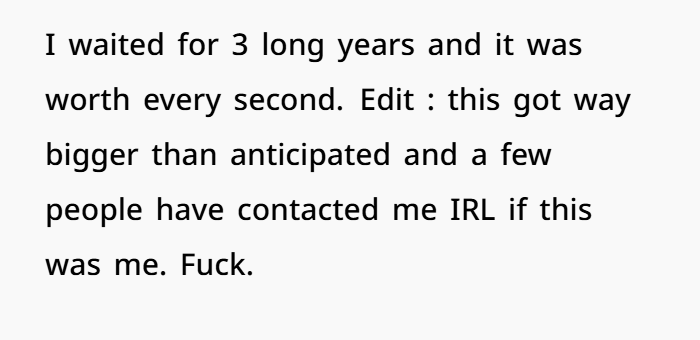
The storyteller believed the wait had been worth it.
Academic Misconduct Can Have Lasting Consequences
The most verifiable part of this story is the broader issue behind the alleged plagiarism.
Universities can take academic misconduct very seriously, especially when there is evidence of repeated or deliberate cheating.
Current academic misconduct guidance from TEQSA explains that possible outcomes include warnings, lower grades, failing an assessment or course, suspension, and expulsion. The punishment normally depends on the seriousness of the case and the available evidence.
That is why students accused of plagiarism normally go through an academic misconduct investigation rather than being punished simply because another student makes an accusation. Evidence matters, and students should have access to the institution’s disciplinary and appeal procedures.
For international students, academic integrity can also affect more than grades. Depending on local immigration laws and university policies, suspension or expulsion may affect enrollment and student visa status.
What began here as a dispute between two college friends allegedly grew into years of social conflict, evidence gathering, and finally an academic misconduct case with major consequences.
There was one final surprise.
After the story was posted online, it attracted far more attention than the writer expected. People who knew the storyteller in real life reportedly began reaching out and asking whether the viral story was theirs.
After keeping the conflict alive quietly for three years, staying anonymous online suddenly became another problem.
See the comments to know what people said

What started as a simple friendship during college abroad turned into a three-year conflict filled with broken trust, lost friendships, and serious academic misconduct claims.
The student did not forget what happened. Instead, they spent years collecting screenshots, recordings, and statements before finally sending the evidence to university officials. According to the story, S was removed from college just before finishing her degree.
The situation also shows how quickly college friendships can fall apart when money, rumors, and trust get mixed together. For international students especially, losing a degree can affect years of education and future plans.
In the end, the storyteller felt the three-year wait was worth it. But there was one unexpected problem: the story became so popular online that people in real life started recognizing the details.
After years of waiting for the final moment, staying anonymous may have become the hardest part.