
Man Apologizes to His Childhood Bully Victim, Then Dating Her Sister Changes Everything
Everyone makes mistakes in life. No one is perfect, and even good people can make poor choices. The important thing is to learn from those experiences and become a better person.
The person in today’s story understands this lesson. As a teenager, he admitted that he bullied other students at school. As he grew older, he realized his behavior was wrong and wanted to make things right.
Years later, he found out that one of the people he had hurt in the past was now dating his sister. Instead of ignoring the situation, he decided to offer a sincere apology and take responsibility for his actions.
His story shows how personal growth, family relationships, education, and good communication can help people move forward. Keep reading to see what happened next.




He Tried to Say Sorry for Bullying Someone Years Later, But Things Didn’t Go as Planned
People often look back at their teenage years and wish they had made better choices. As we grow older, we learn from our mistakes and try to become better people. But saying sorry does not always fix the past.
That is exactly what happened in this story.
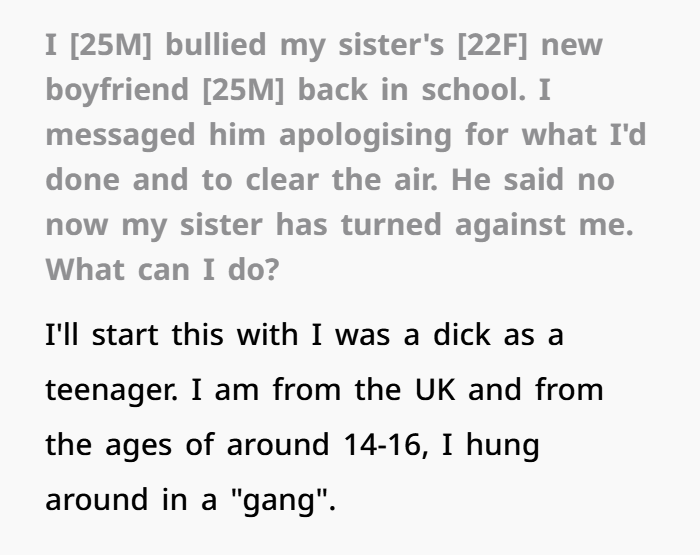
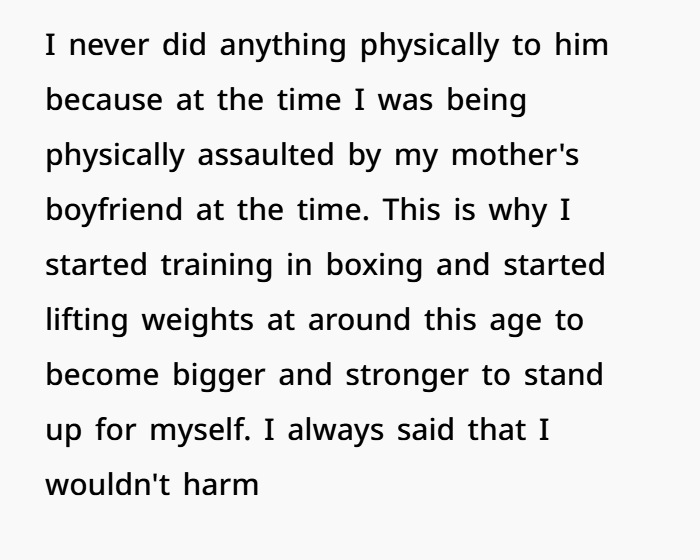
The man who shared the story is now 25 years old. He said his childhood was not easy because he lived with a stepfather who treated him poorly. To deal with the stress, he spent time at the gym and started boxing.
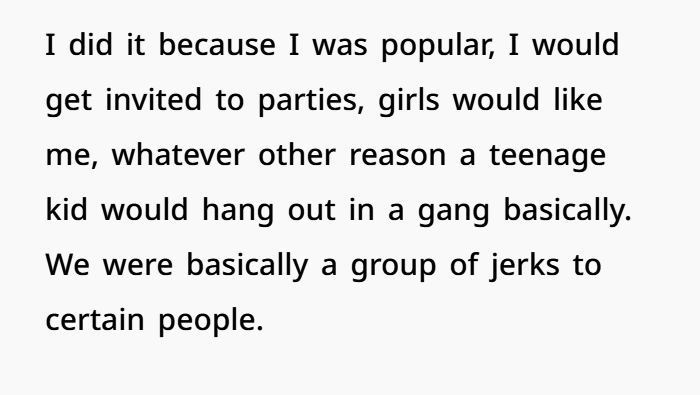
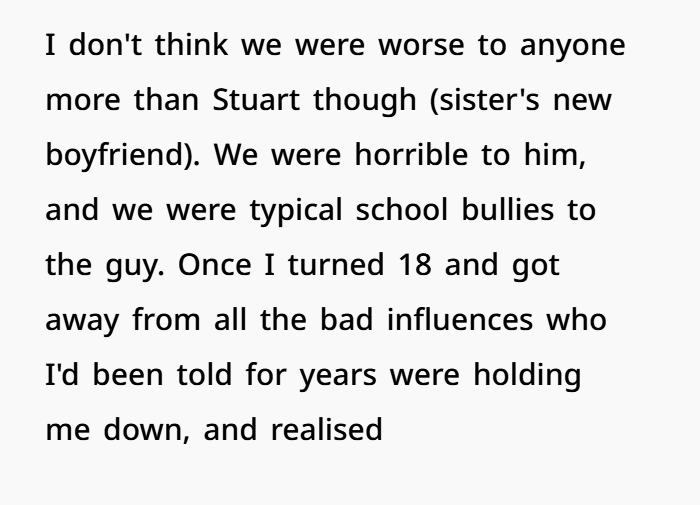
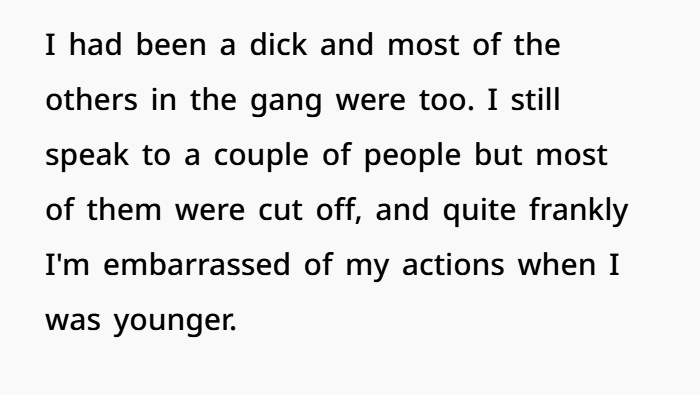
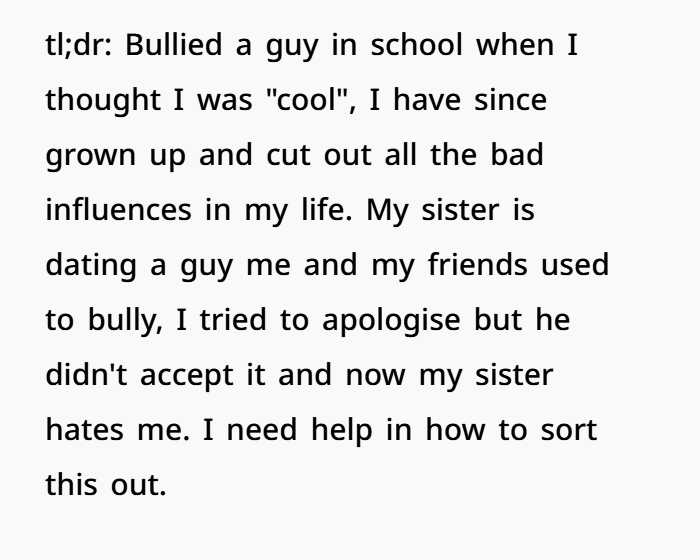
As a teenager, he also became friends with a group that often got into trouble. Looking back now, he admits those choices were wrong. As he grew older, he changed his life, left that lifestyle behind, and worked on becoming a better person.
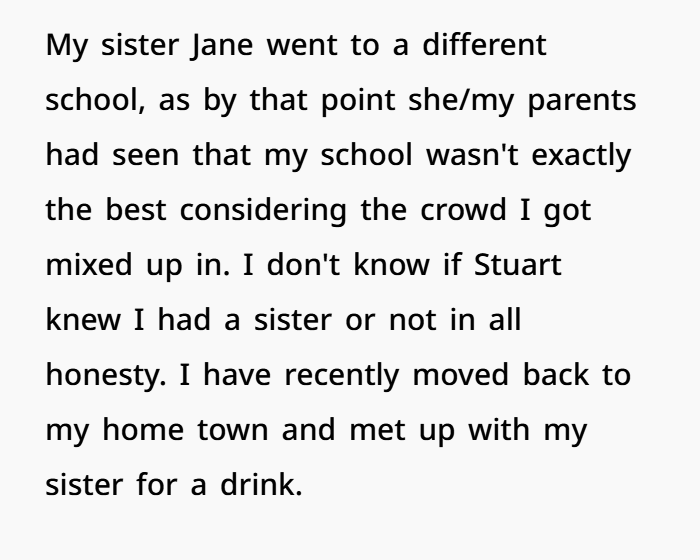
Years later, he moved back to his hometown. That is when he found out his sister was dating Stuart, a former classmate he had bullied in school.
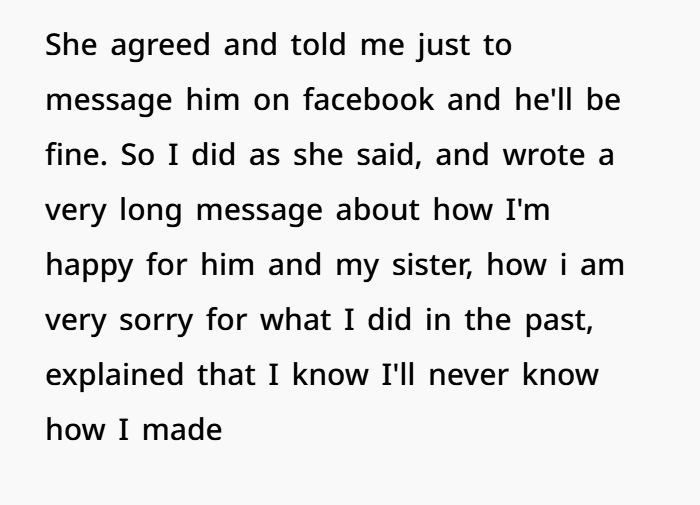
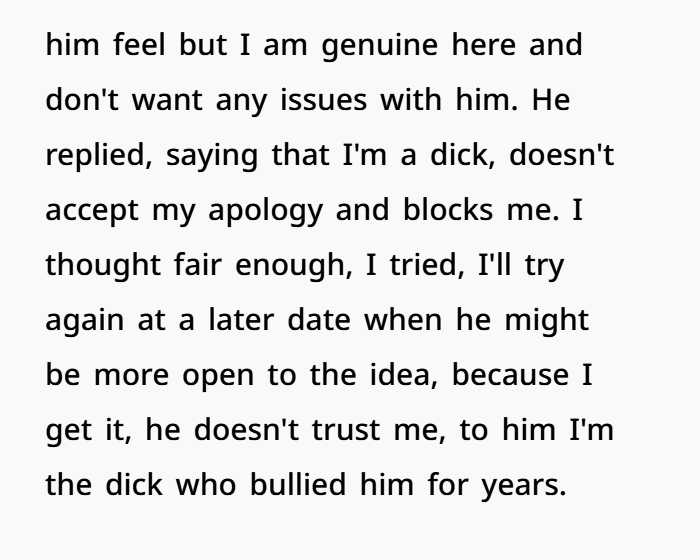
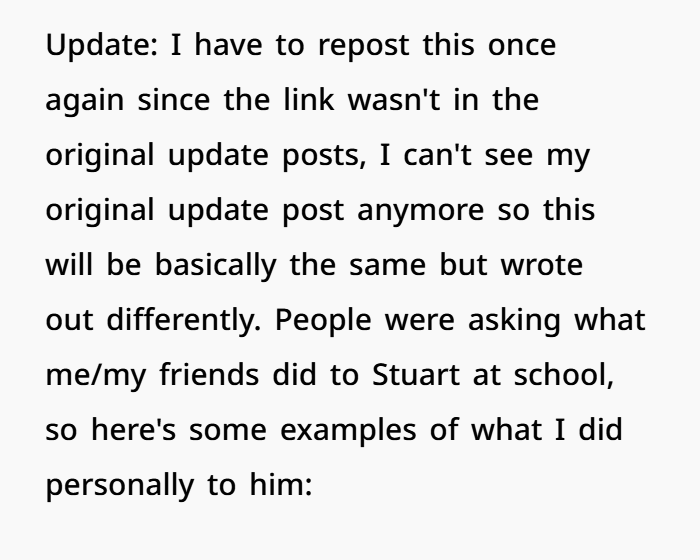
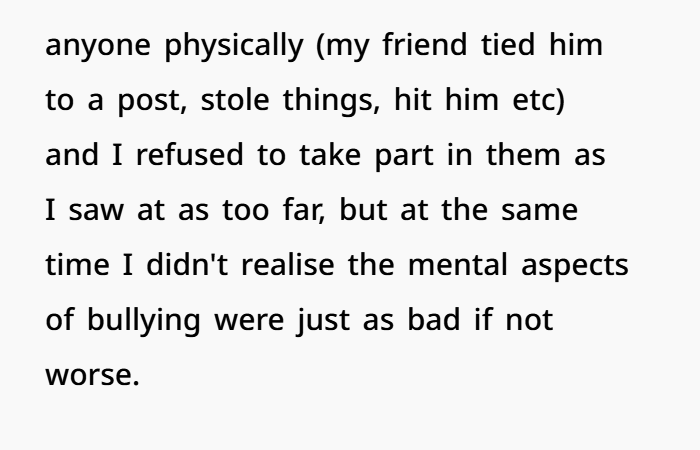
He explained that he never physically harmed Stuart, but he often played mean jokes on him and made school more difficult. He felt guilty about his behavior and decided to apologize.
Stuart listened to the apology but said he could not forgive him. He then blocked all contact.
The man accepted Stuart’s decision. He believed he had no right to expect forgiveness and decided to respect Stuart’s choice.
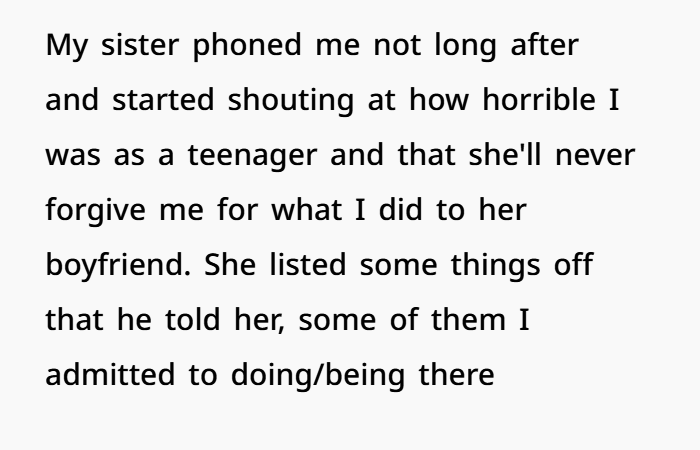
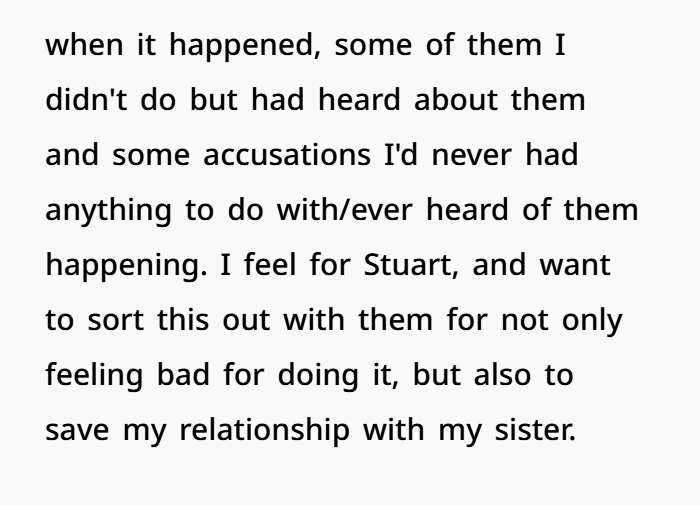
Later, Stuart told his girlfriend about what had happened during their school years. After hearing the story, the man’s sister became upset with her brother because of the way he had treated Stuart in the past.
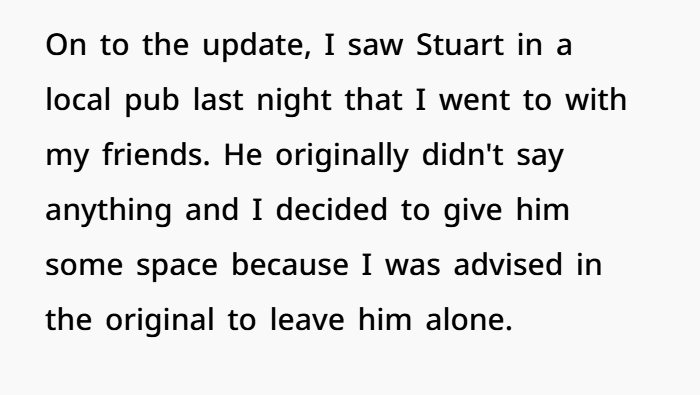
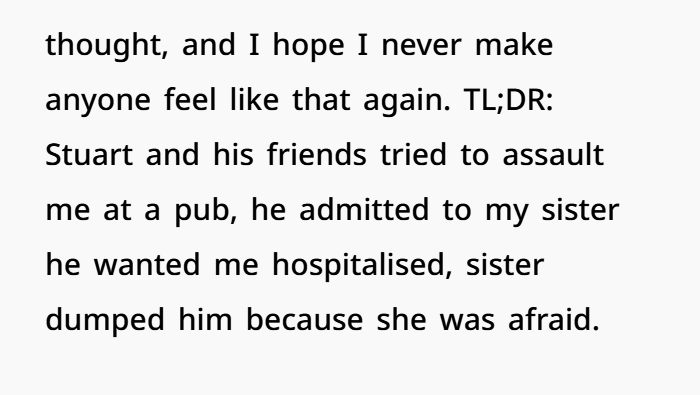
Some time later, both men happened to meet at a local pub while they were with friends. The conversation became heated, and an argument started. Several people became involved before friends stepped in and ended the situation.
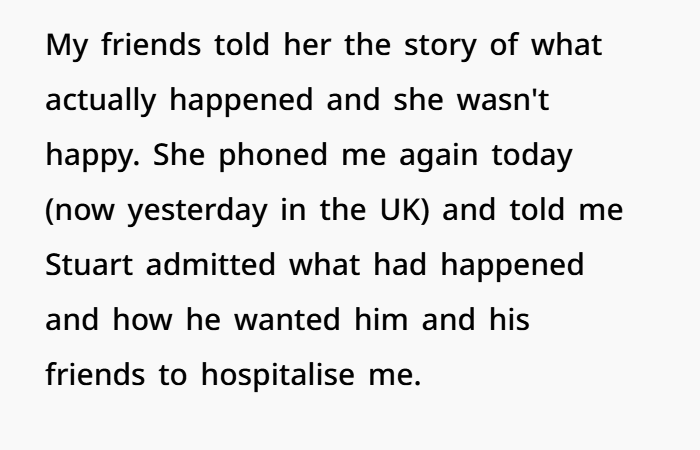
Afterward, Stuart told his girlfriend that her brother had started the incident. She believed him at first and called her brother to ask what had happened.
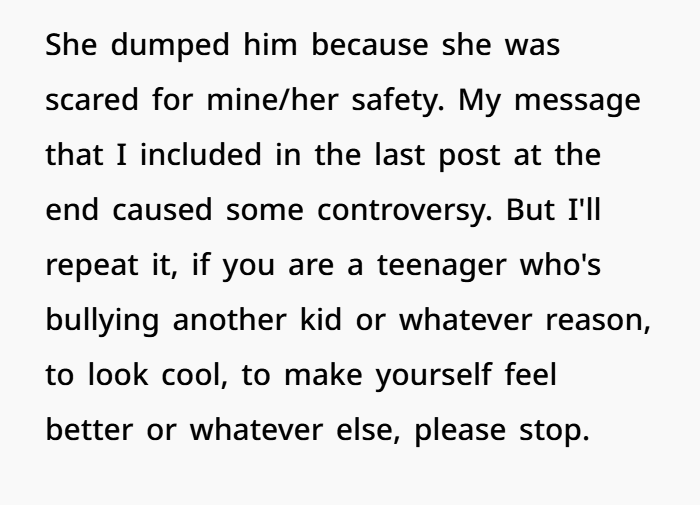
Later, she spoke with her brother, his friends, and other people who had seen the situation. She also learned that Stuart had not been completely honest about what happened. After hearing different sides of the story, she decided to end the relationship because trust and honesty were very important to her.
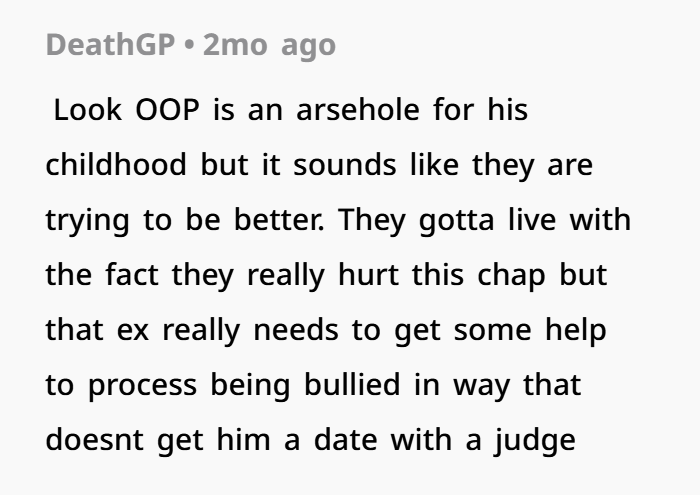
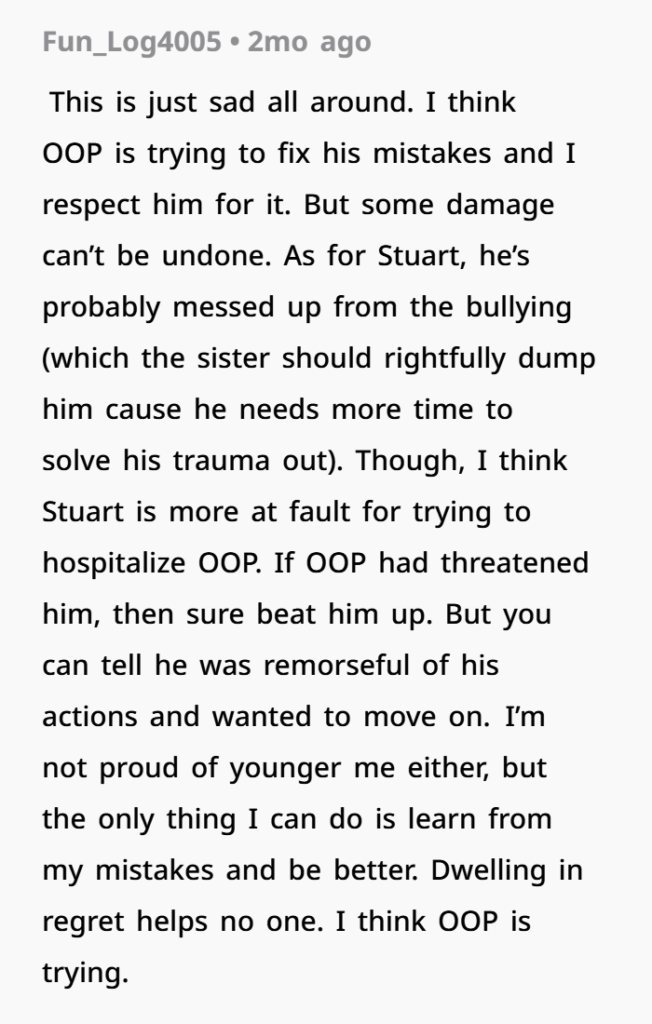
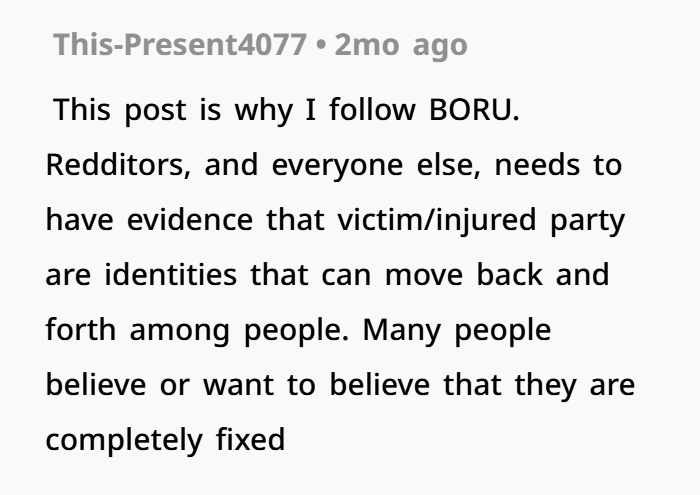
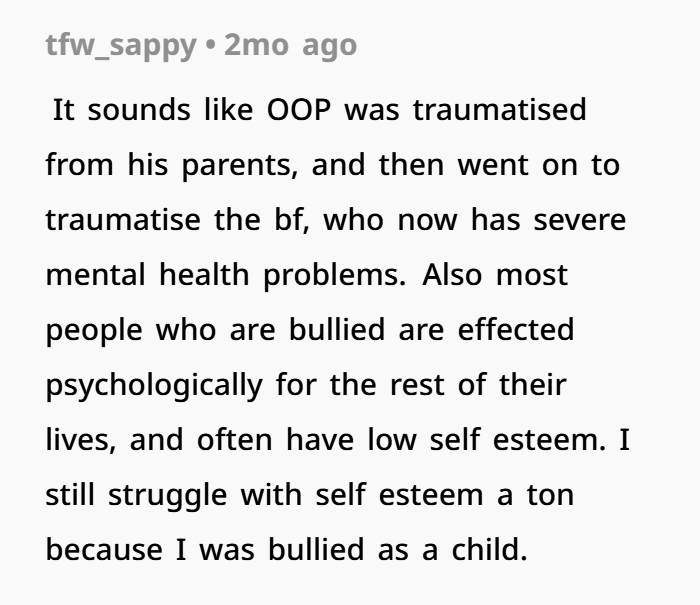
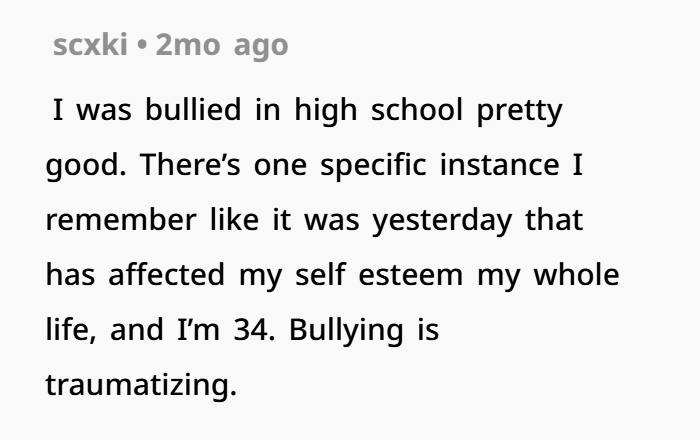
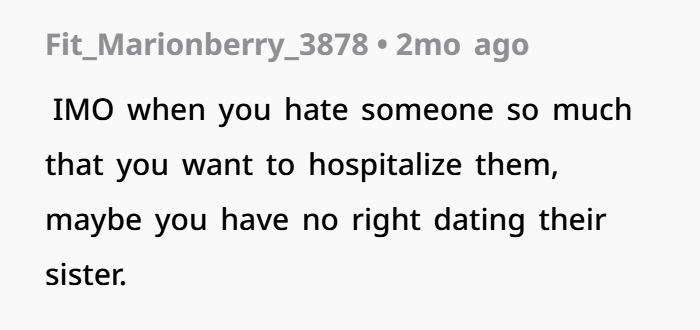
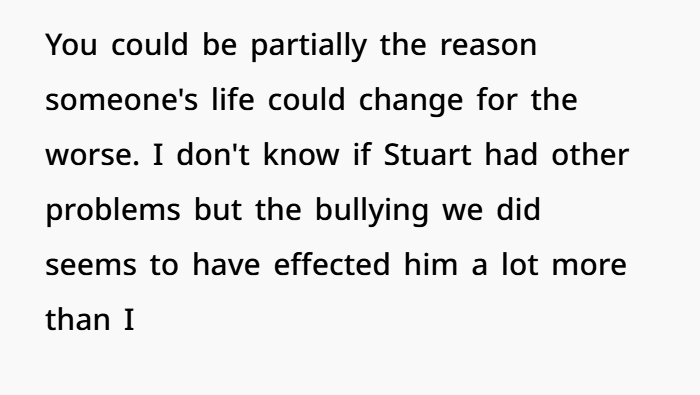
The story has started a lot of discussion online. Some people believe the man truly changed and deserved the chance to apologize. Others believe Stuart had every right to refuse forgiveness because the pain from bullying can last for many years.
Experts agree that bullying can affect mental health and emotional well-being long after school ends. Some people continue to struggle with anxiety, low self-esteem, or stress because of their past experiences. For this reason, an apology may not always bring comfort, even when it is sincere.
At the same time, personal growth is important. Taking responsibility for past mistakes, learning from them, and treating others with respect are positive steps. However, forgiveness is always a personal decision and should never be expected.
This story also highlights the importance of healthy family relationships, honest communication, emotional intelligence, and conflict resolution. Whether at school, in the workplace, or at home, respect and trust help build stronger relationships.
Professionals in education, counseling, mental health, legal guidance, workplace communication, and personal development often encourage people to solve disagreements through honest conversations instead of anger.
In the end, both people handled the situation in their own way. One wanted to apologize for past mistakes, while the other was not ready to forgive. Their story is a reminder that rebuilding trust takes time and that every person has the right to decide what feels best for them.
What do you think? If someone apologized to you years after treating you badly, would you accept the apology, or would you choose to move on without forgiving them? Share your thoughts in the comments.