When a Friendship at Work Feels Too Close: A Marriage Dilemma
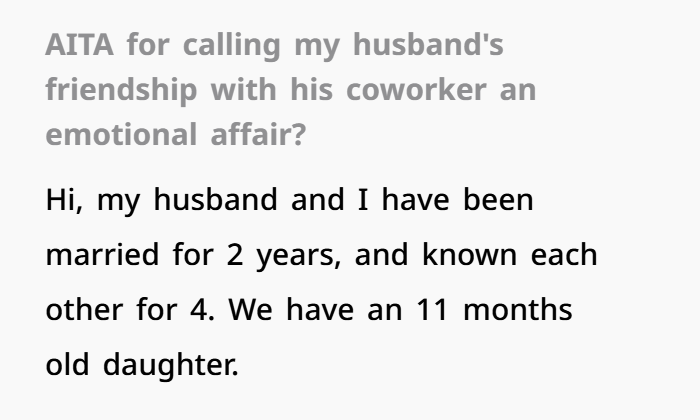
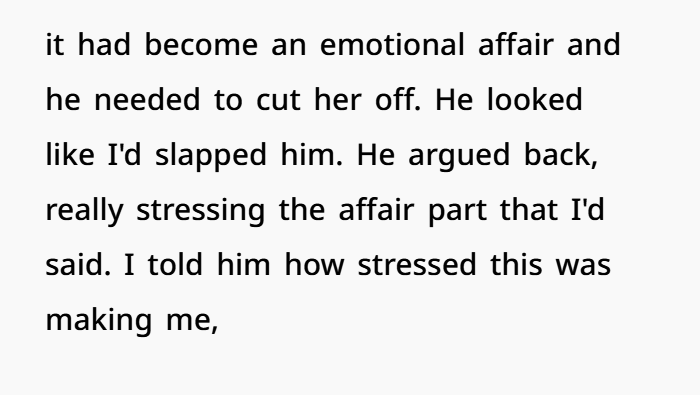
I am a 28-year-old woman who has been married for two years, and my husband and I have an 11-month-old daughter. Until recently, our marriage has been happy and stable. However, I started feeling uncomfortable about his close friendship with a female coworker he has known since college. At first, their friendship seemed completely normal. Over time, though, the frequent texting, regular lunch meetings, and personal conversations began to make me feel uneasy. From my perspective, the relationship appeared to be becoming more emotionally connected than a typical workplace friendship.
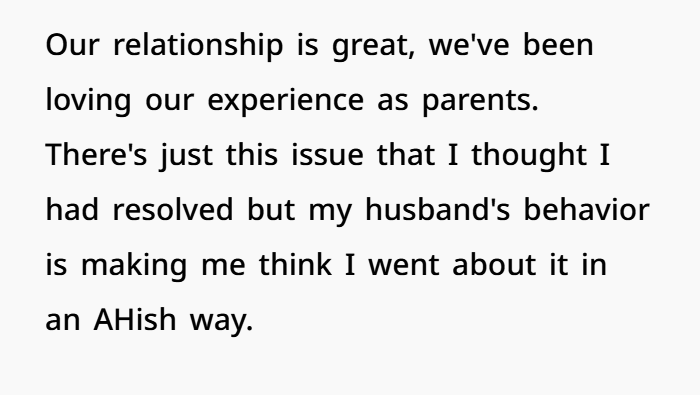
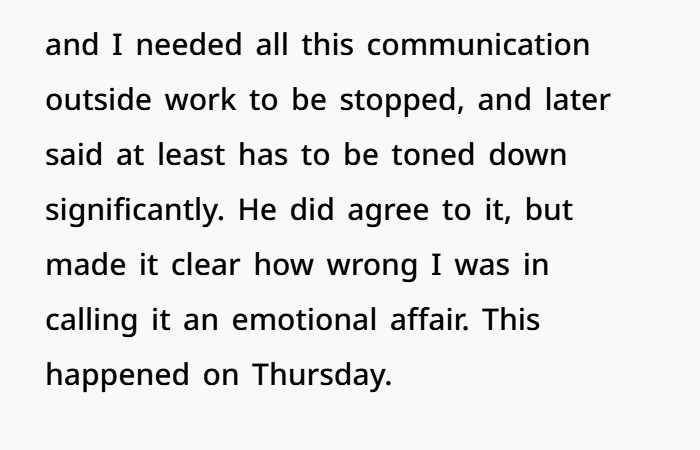
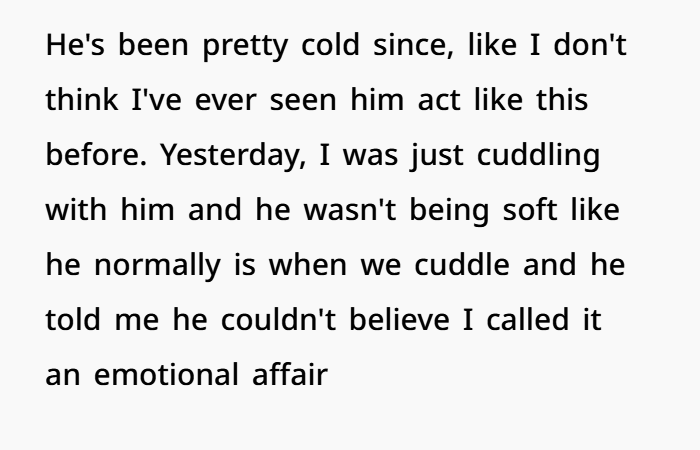
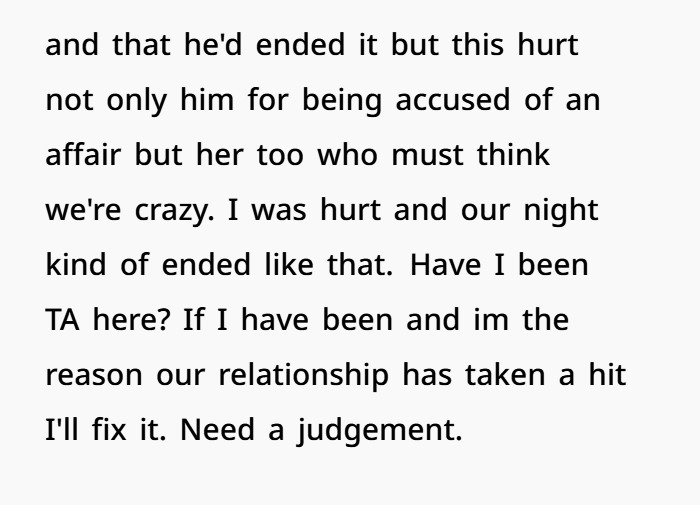
Eventually, I told my husband that I felt their friendship was crossing a boundary and starting to look like an emotional affair. I asked him to reduce communication with her and focus more on protecting our marriage and family relationship. He agreed to limit contact, but he was clearly hurt by the term “emotional affair” and felt upset by my concerns. Since then, things have felt different between us. He has become more distant, our communication has been strained, and our emotional and physical intimacy have suffered. Now I am left wondering whether I overreacted or whether my concerns about relationship boundaries, marriage trust, emotional intimacy, and healthy communication were reasonable. The situation has created tension in our relationship, and I am struggling to know if I handled it the right way.

When it comes to marriage, trust, communication, and relationship boundaries can sometimes be difficult topics to navigate. One issue that often causes confusion is emotional intimacy with someone outside the relationship. An emotional affair is generally described as a connection that becomes so emotionally important that it starts affecting the marriage. This can include frequent texting, personal conversations, sharing private thoughts, or spending significant emotional energy on someone other than a spouse. Physical involvement is not necessary for a partner to feel hurt or concerned.
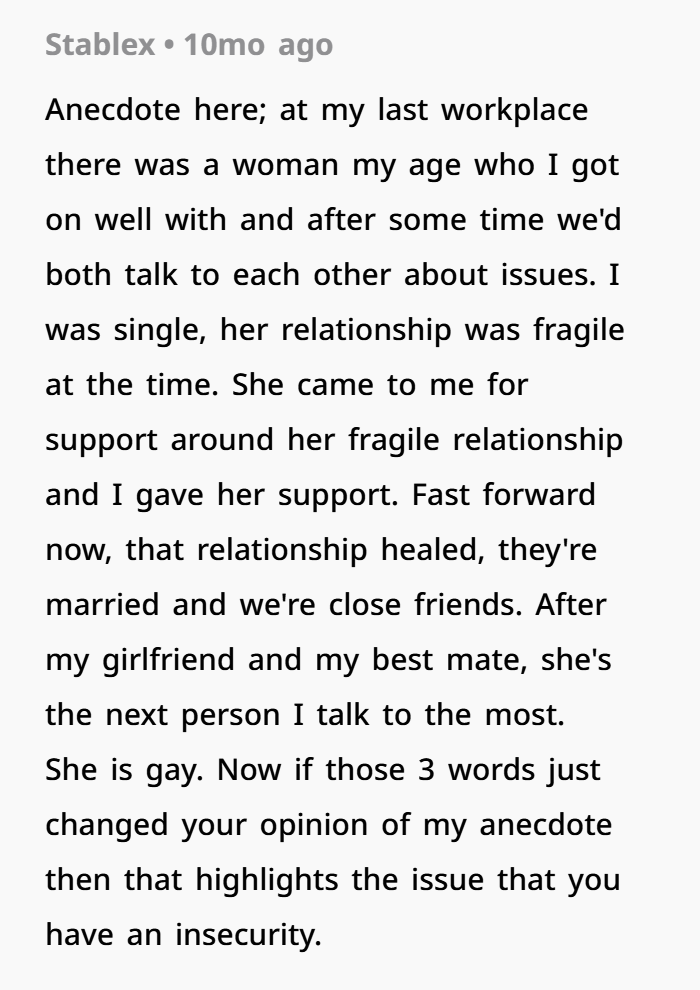
In your situation, your husband’s friendship with his coworker included regular messages, lunch meetings, and personal conversations. Those are some of the reasons you began feeling uncomfortable. It is understandable to feel concerned when a friendship starts to take up a large amount of attention or emotional connection. Many people experience feelings of insecurity, jealousy, or worry when they believe someone outside the marriage is becoming emotionally important to their partner. Your feelings are valid, even if your husband viewed the friendship differently.
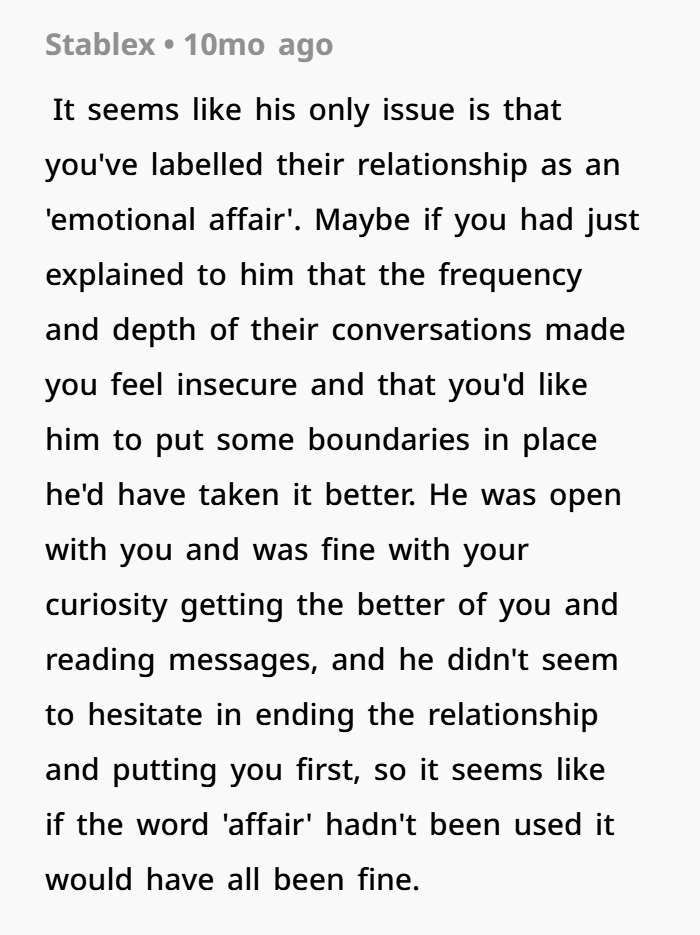
Another important factor is how concerns are communicated. The phrase “emotional affair” is a strong term and can feel upsetting to the person hearing it. Even when concerns are genuine, certain words can make a partner feel accused or misunderstood. This may explain why your husband felt hurt and became more distant afterward. Relationship experts often explain that communication style can have a major impact on how a discussion is received, especially when talking about trust, marriage counseling, or relationship problems.
At the same time, your intention appears to have been protecting your marriage rather than attacking your husband. In healthy relationships, it is normal to discuss concerns when something feels uncomfortable. Open communication about emotional boundaries, workplace friendships, and marriage expectations can help prevent larger issues from developing later. Addressing concerns early is often healthier than ignoring them and allowing resentment to build.
One positive sign is that your husband listened to your concerns and agreed to reduce communication with his coworker. This shows that he values your feelings and wants to protect the relationship. However, the conversation may have also left him feeling misunderstood or unfairly judged. When this happens, relationship counselors often recommend focusing on rebuilding emotional connection and trust after the disagreement.
It is also important to consider the stage of life you are currently in. Raising an 11-month-old child can be exhausting and stressful. Parenting responsibilities, lack of sleep, and busy schedules can make both partners more sensitive to issues involving attention, affection, and emotional support. Something that might seem harmless in another situation can feel much more significant when both partners are already under pressure.
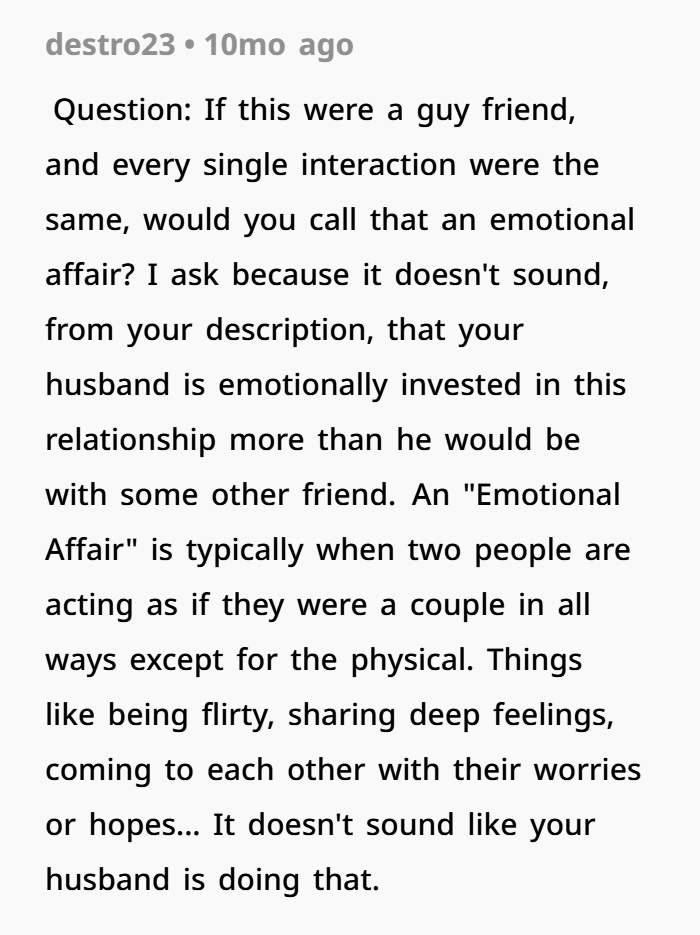
Many relationship experts note that men and women sometimes view emotional connections differently. One partner may see a friendship as completely harmless, while the other may see signs of emotional closeness that feel concerning. Neither perspective is necessarily wrong. The key is understanding how those actions affect the relationship and discussing them openly.
Moving forward, rebuilding closeness will likely require empathy from both sides. It may help to explain that your concern was about protecting the marriage rather than questioning his loyalty. Reassuring him that you trust him while also discussing your need for emotional security can help reduce tension. Marriage counseling, couples therapy, and healthy communication strategies often focus on separating a person’s intentions from the impact of their actions.
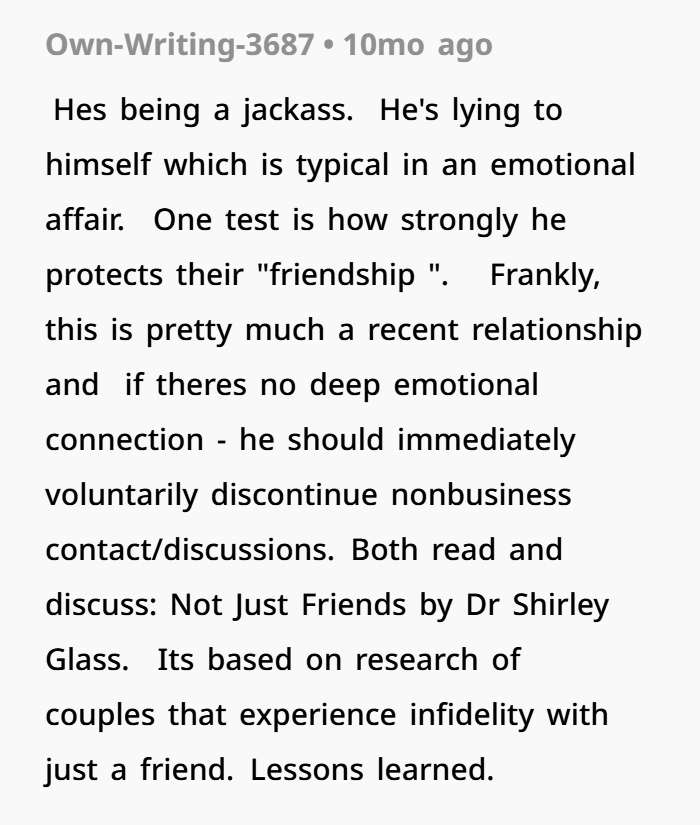
Workplace friendships can also create unique challenges. Spending time together at work naturally leads to conversations, shared experiences, and friendships. However, relationship experts often recommend clear boundaries when friendships begin affecting emotional intimacy at home. Couples sometimes benefit from discussing what level of communication, personal sharing, and one-on-one interaction feels appropriate for their relationship.
Looking at the bigger picture, addressing concerns early can actually strengthen a marriage. Ignoring uncomfortable feelings may allow emotional distance, resentment, or misunderstandings to grow over time. While the conversation may have been difficult, it opened the door to discussing relationship boundaries, emotional trust, family priorities, and long-term marriage health.
The current distance between you and your husband is likely the result of hurt feelings rather than a lack of love. Rebuilding emotional safety may take time. Simple actions such as spending quality time together, expressing appreciation, improving communication, and focusing on your connection as a couple can help repair the relationship.
In the end, your concerns about emotional closeness, frequent communication, and relationship boundaries were understandable. While the phrase “emotional affair” may have been difficult for your husband to hear, your goal was to protect your marriage and family. With patience, empathy, honest communication, and a focus on emotional wellbeing, this situation can become an opportunity to strengthen trust and create even healthier relationship boundaries moving forward.
The Comments Are In