My Roommate’s Boyfriend Ate My $20 Nachos and Somehow Thought I Was the Problem
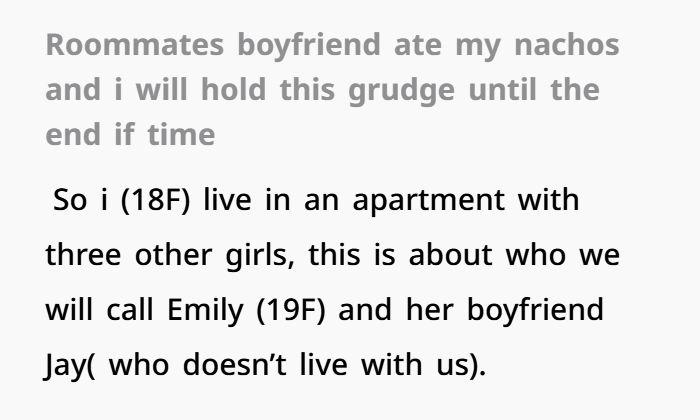
Sharing a home with roommates can be a good experience, but it also requires respect, communication, and understanding. One 18-year-old woman shared a story about a roommate situation that became stressful after her personal food was taken without permission.
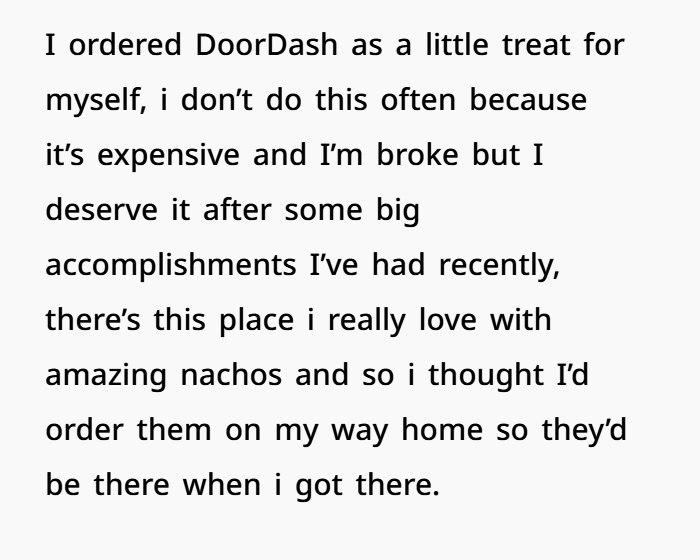
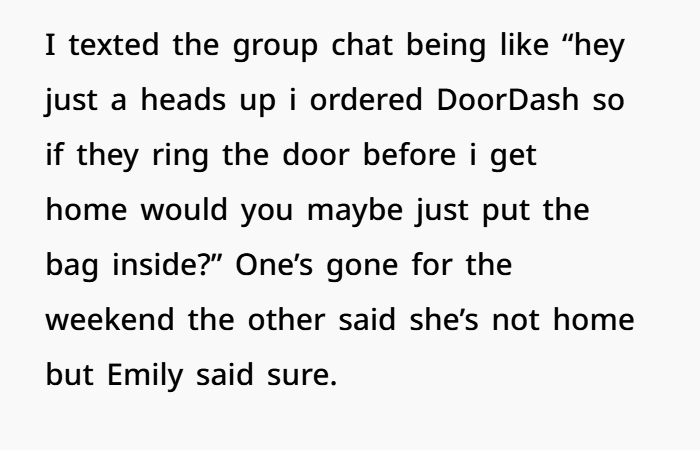
After reaching some personal goals, she decided to celebrate by ordering her favorite nachos from a local restaurant. Since ordering food was a special treat and not something she did often, she was excited about enjoying her meal. She arranged a DoorDash delivery and asked her roommates to bring the order inside if it arrived before she came home.
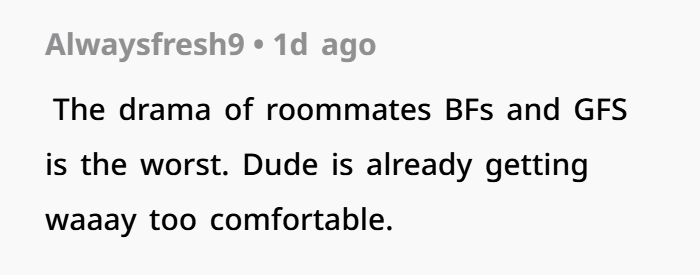
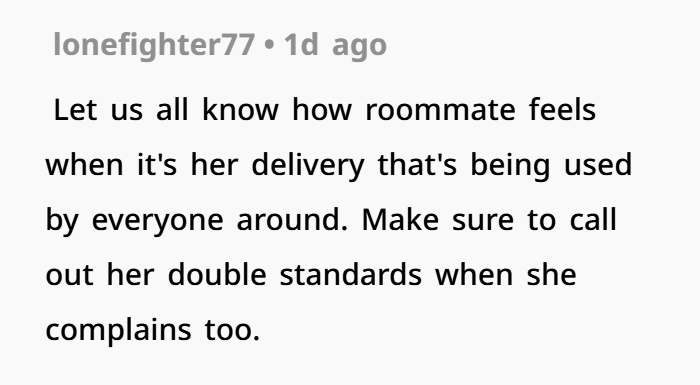
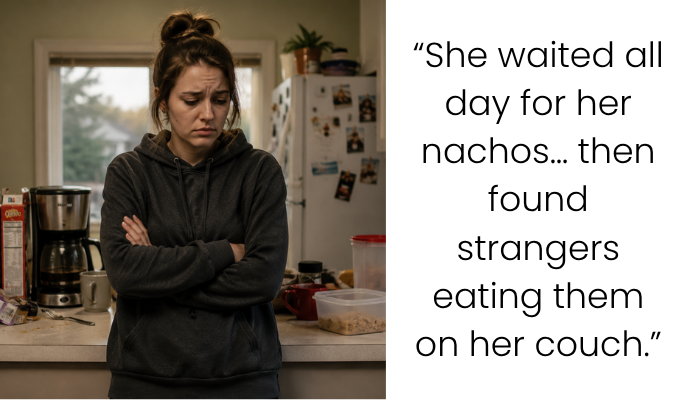
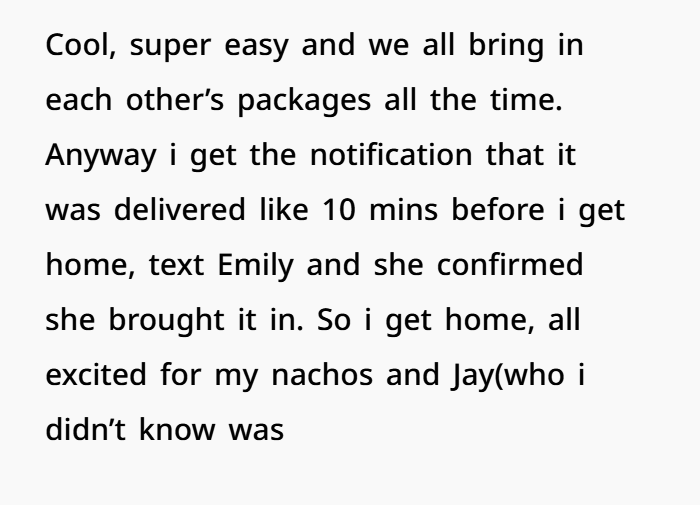
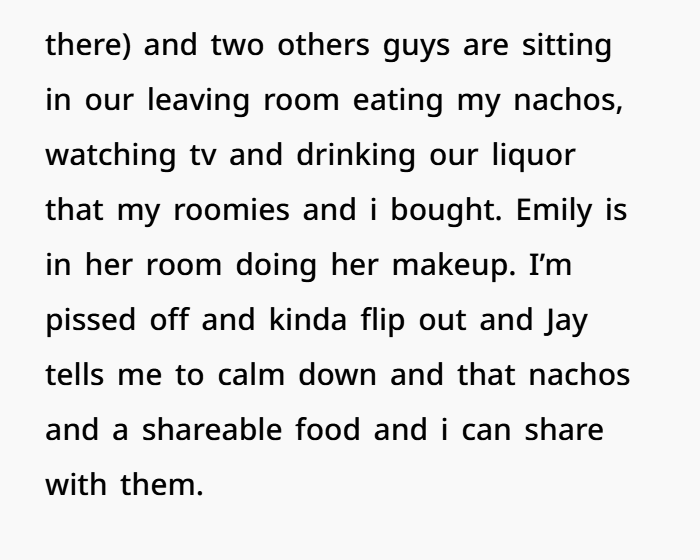
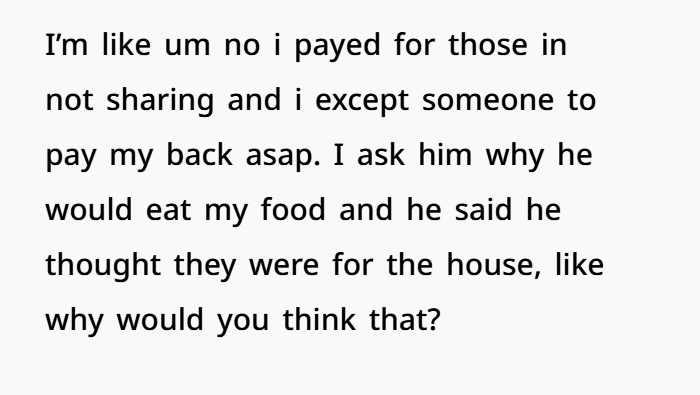
Her roommate Emily said she received the delivery and placed it inside. However, when the woman arrived home, she was shocked to see her nachos being eaten by Emily’s boyfriend Jay and his friends. They were also spending time together and using items that belonged to the roommates.
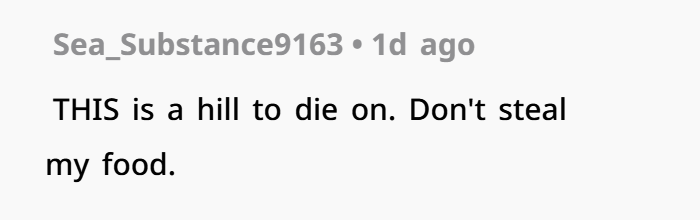
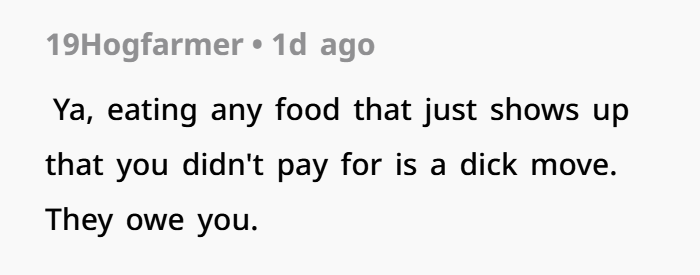
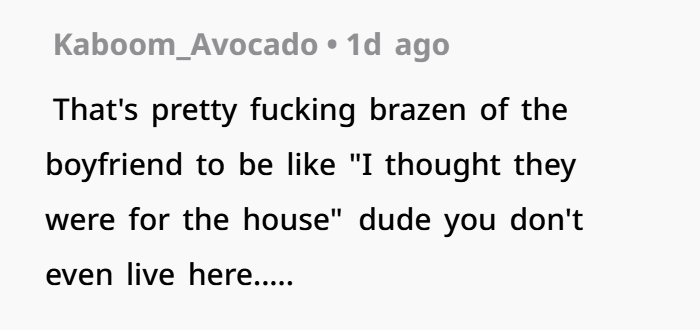
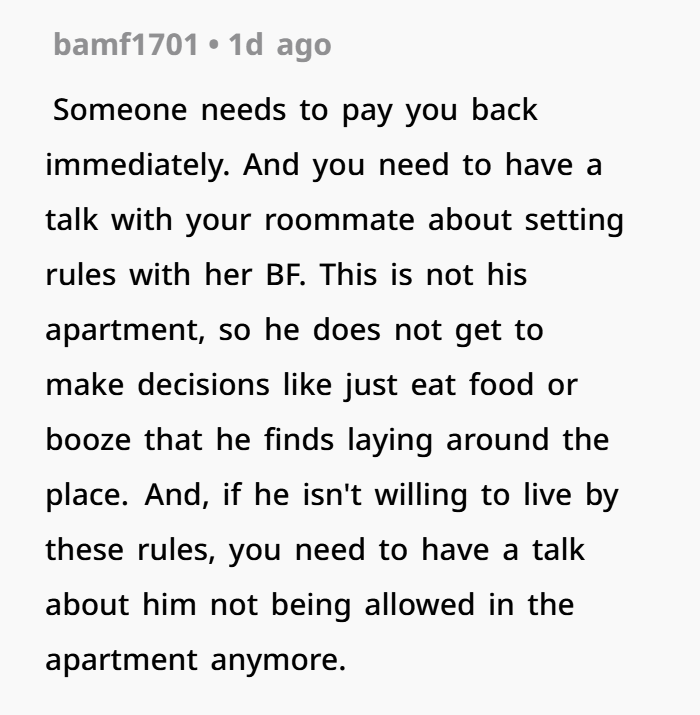
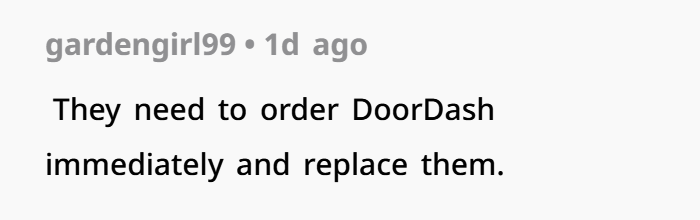
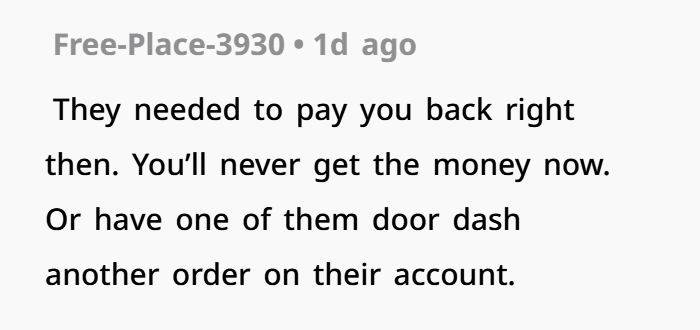
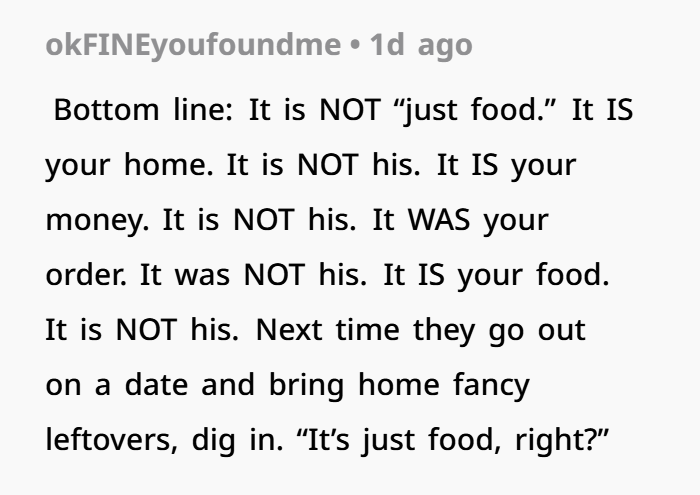
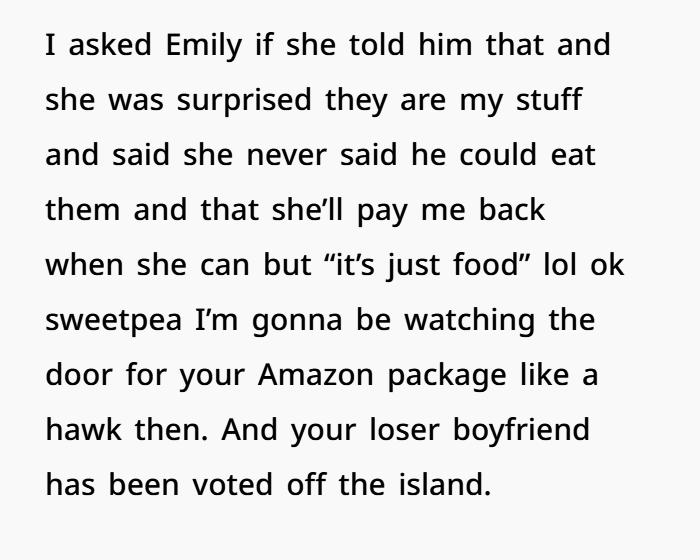
When she asked what happened, Jay said he thought the food was for everyone. Instead of giving a clear apology, he acted like the situation was not serious. Emily said she would pay her back later, but the woman felt the bigger problem was the lack of respect for her personal belongings.
The experience showed how important clear boundaries and honest communication are when living with others. Roommates may share a space, but personal items, food, and privacy should always be respected.

Why a Small Food Problem Can Become a Big Roommate Issue
At first, this story looks like it is only about nachos.
Someone ate food that did not belong to them.
The owner became upset.
The person who ate it thought it was not a serious problem.
It sounds simple.
But many roommate problems are not really about the item itself.
They are often about respect, communication, trust, and personal boundaries.
For many young adults, living with roommates is a new experience. College students, young professionals, and people moving away from home for the first time often learn that sharing a home requires understanding and patience.
Everyone has their own belongings, habits, and expectations.
Why Food Creates Roommate Conflicts
Food is one of the most common causes of roommate disagreements.
Many conflicts happen because people have different ideas about sharing.
Some people grow up in homes where everyone shares food. If something is in the kitchen, they may think anyone can have it.
Other people believe that if they buy something, it belongs only to them unless they offer to share.
Both views can exist.
The important thing is that everyone living in the home understands the rules.
Problems usually start when people assume everyone thinks the same way.
A Shared Home Does Not Mean Everything Is Shared
Living with roommates means sharing a space.
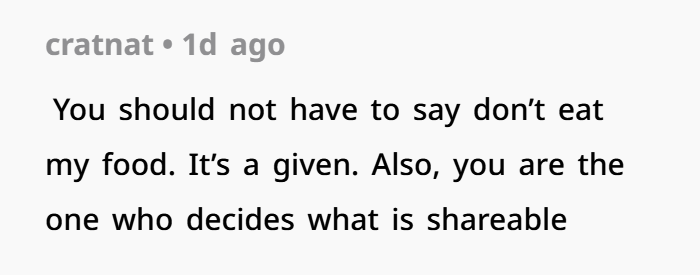
It does not mean sharing everything.
People still have personal belongings, including:
- Food
- Clothes
- Electronics
- Personal care items
- Money
- Purchased items
If someone orders a meal for themselves, they usually expect to eat that meal later.
A small purchase can still have meaning.
For many people, a food delivery order is not just food. It may be a small reward after a stressful day or something they were excited to enjoy.
When someone takes it without asking, the problem becomes bigger than the meal.
The person may feel that their belongings were not respected.
Guests Should Follow Home Rules
Another important part of roommate situations is guest behavior.
When someone visits a friend’s apartment, they are entering someone else’s home.
Guests should not assume that everything around them is available.
Before taking something, it is better to ask.
This includes:
- Food
- Drinks
- Personal items
- Other people’s belongings
A simple question like, “Is this yours, or can I have some?” can prevent many problems.
Asking first is a small action that shows respect.
What Are Healthy Boundaries?
Boundaries are simple rules that help people understand what behavior is acceptable.
Healthy boundaries do not mean people are selfish.
They help create trust and make shared living easier.
Examples of good roommate boundaries include:
- Asking before eating someone else’s food
- Replacing things you use
- Respecting private spaces
- Cleaning shared areas
- Talking about problems openly
When boundaries are ignored, frustration can grow.
One person may think:
“It was only a snack.”
The other person may think:
“My things were taken without asking.”
The disagreement is not always about the object.
It is about how the person feels.
Why “It’s Just Food” Can Feel Dismissive
The phrase “it’s just food” may seem harmless.
But it can hurt because it ignores the other person’s feelings.
People are often not upset only because of what they lost.
They may feel:
- Ignored
- Disrespected
- Unimportant
- Not considered
This happens with many roommate problems.
Someone may use expensive shampoo without asking.
Someone may borrow clothes and not return them.
Someone may invite friends over without checking.
Each problem may seem small, but repeated issues can damage trust.
Money and Personal Value Matter
For many students and young adults, money can be limited.
A restaurant meal or delivery order may be something special.
It may be a treat they planned for themselves.
When someone takes it, they lose more than food.
They may lose:
- Money they spent
- A meal they were looking forward to
- A small moment of comfort
- The feeling that their belongings matter
Understanding this helps people become more thoughtful roommates.
Taking Responsibility Makes Things Easier
Mistakes can happen.
Someone may take something without realizing it belonged to someone else.
The best response is usually simple:
Apologize and replace it.
A message like:
“I’m sorry. I did not know it was yours. I will replace it.”
can quickly solve the problem.
The situation often becomes worse when someone refuses to accept responsibility or says the issue is not important.
Taking responsibility shows maturity.
Why Communication Matters in Shared Housing
Good communication is one of the most important parts of a healthy roommate relationship.
Many disagreements happen because people assume others have the same rules they do.
But everyone comes from different backgrounds.
Some people grow up sharing everything.
Others grow up learning to always ask before taking something.
Because of these differences, roommates should talk about expectations.
Simple roommate agreements can prevent many problems.
Helpful rules include:
- Ask before eating someone else’s food
- Replace items you use
- Respect personal belongings
- Keep shared spaces clean
- Tell roommates when something goes wrong
These rules may seem basic, but they can make daily life much easier.
Respect Is Shown Through Small Actions
The nacho problem was never really about chips, cheese, or a food delivery order.
It was about wanting to feel respected at home.
Small actions can make a big difference.
Bringing someone’s delivery inside is thoughtful.
Asking before taking food is respectful.
Replacing something you accidentally used shows responsibility.
Living with roommates is not only about sharing a home.
It is about understanding other people, respecting boundaries, and creating a comfortable living environment for everyone.
Sometimes a small food problem can teach a much bigger lesson about kindness, communication, and respect.
Opinions Flooded In