
Am I the AH for being honest with my wife about her plastic‑surgery plans?
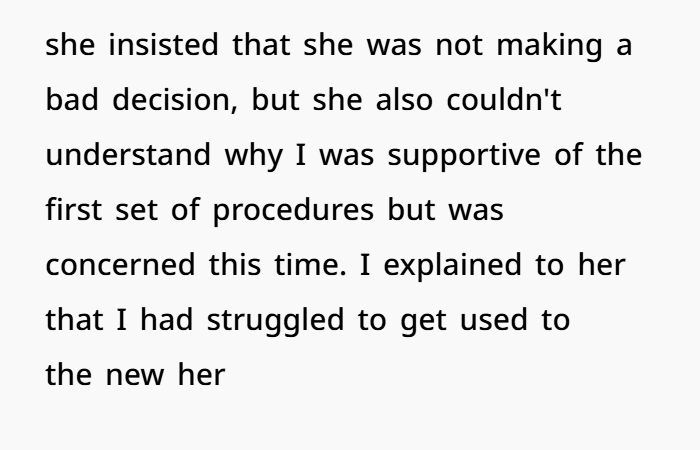
The original post is about a married couple who have always tried to be honest and supportive with each other. The wife has long felt insecure about her body, especially about her appearance. In the past, she chose to have cosmetic surgery, including breast augmentation and lip fillers. The husband supported her decision and accepted her choices because he loves her and respects her feelings.
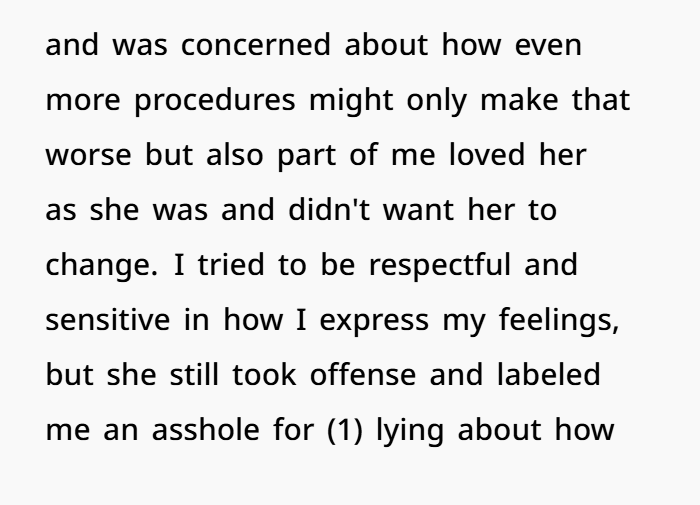
Now, the wife is thinking about having more cosmetic procedures, such as larger breast implants, a nose job, and other body changes. The husband is starting to feel unsure about this. He is worried that she may keep changing her appearance over time, and he is also finding it difficult to adjust after the previous surgeries.
He decided to be honest with her and shared how he feels. He told her that he loves her the way she is and that he is worried about more changes. The wife felt hurt by this conversation and said that he was not truly supportive, even though he believed he was being honest and caring.
Now the husband is confused and questioning himself. He is wondering if he was wrong for speaking openly about his concerns, or if it is okay to set emotional boundaries in a marriage when it comes to repeated cosmetic surgery decisions and long-term relationship expectations.
But she says he’s not being supportive



Cosmetic surgery, body image, and relationships
This situation is not just about cosmetic surgery. It is also about body image, self-esteem, communication in relationships, and how couples handle change together.
Many people choose cosmetic or aesthetic procedures to improve how they feel about their appearance. Studies in cosmetic surgery and body image show that some people feel more confident after surgery. It can sometimes improve self-esteem and even relationship satisfaction.
However, research also shows that surgery is not a complete solution for deeper emotional issues. If someone has long-term body image concerns or low self-esteem, those feelings may still remain even after the procedure. This is important because appearance changes do not always fix emotional stress or insecurity.
How cosmetic surgery can affect relationships
When one partner changes their appearance through cosmetic surgery, it can affect the relationship as well.
Some couples report positive changes, but others experience challenges such as:
- Communication problems
- Emotional insecurity
- Adjusting to physical changes
- Differences in expectations
In marriage and relationship dynamics, even positive changes can take time to adjust to. One partner may need time to emotionally accept the new look or understand the motivation behind the change.
In this situation, you are also thinking about future changes and how they might affect your relationship long-term. These concerns are normal in healthy relationship communication.
Body autonomy vs relationship balance
Your wife has full control over her own body. Decisions about cosmetic procedures are personal and hers to make.
At the same time, relationships are shared spaces. Big physical changes can affect both partners emotionally, financially, and socially. That is why open communication in marriage is very important.
Even when one partner has the final decision, it still helps to talk about:
- Expectations before surgery
- Emotional reasons for change
- How both partners feel about it
- Possible impact on the relationship
Good communication helps reduce misunderstandings and builds trust.
Why your wife may feel hurt
Your wife may feel hurt for a few reasons:
- She may feel you changed your opinion after saying you were fully supportive
- She may feel like you want her to stay the same
- She may feel unsure if your love depends on her appearance
- She may feel emotional pressure or insecurity
In topics like body image and self-esteem in relationships, this is very common. Even small comments can feel very personal when someone is already sensitive about their appearance.
Your concerns are also valid
Your feelings also matter.
You may be thinking:
- You struggled to adjust after the first procedure
- You are worried about more changes in the future
- You want stability in your relationship
- You care about her but also feel emotionally unsure
These are normal thoughts in long-term relationship communication and marriage counseling topics. Being honest about your feelings does not mean you are controlling. It means you are trying to understand the situation better.
The key is how you express it.
How to communicate better
A better way to handle this situation is through calm and honest communication:
- Start with love and support
“I love you and care about you.” - Share your feelings gently
“I had some mixed feelings after the first procedure, but I didn’t say it because I wanted to support you.” - Ask about her reasons
“Can you help me understand how this will make you feel better?” - Talk about expectations
“What do you hope will change for you after this?” - Focus on teamwork
“I want us both to feel happy, safe, and secure in our relationship.”
This type of healthy relationship communication helps reduce conflict and builds understanding.
As his story went viral, the husband revealed a bit more information about the problems he’s having with his wife
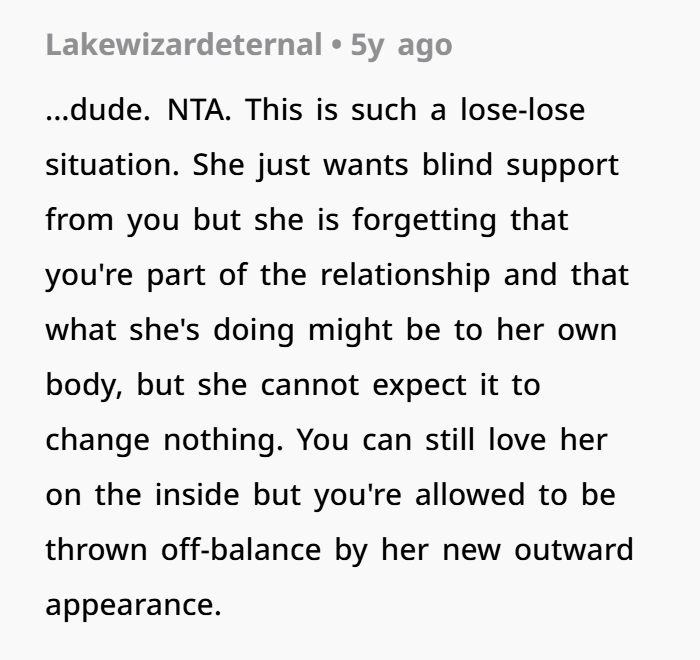
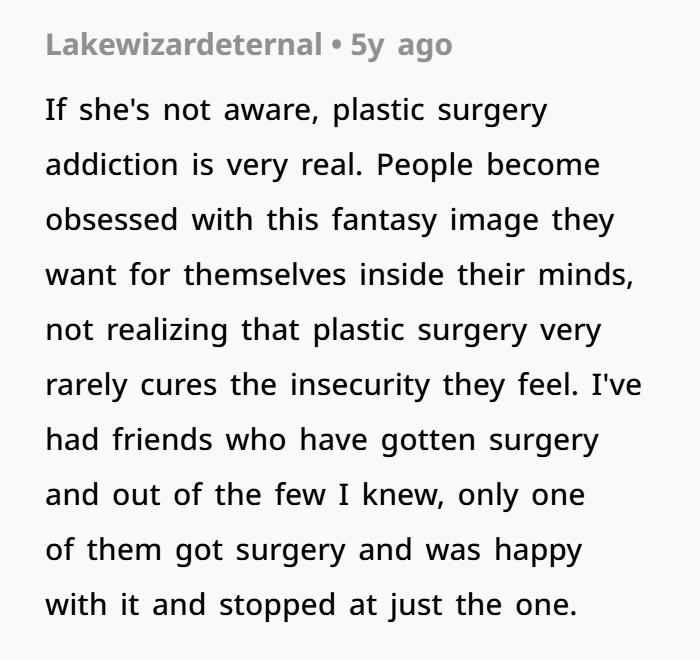
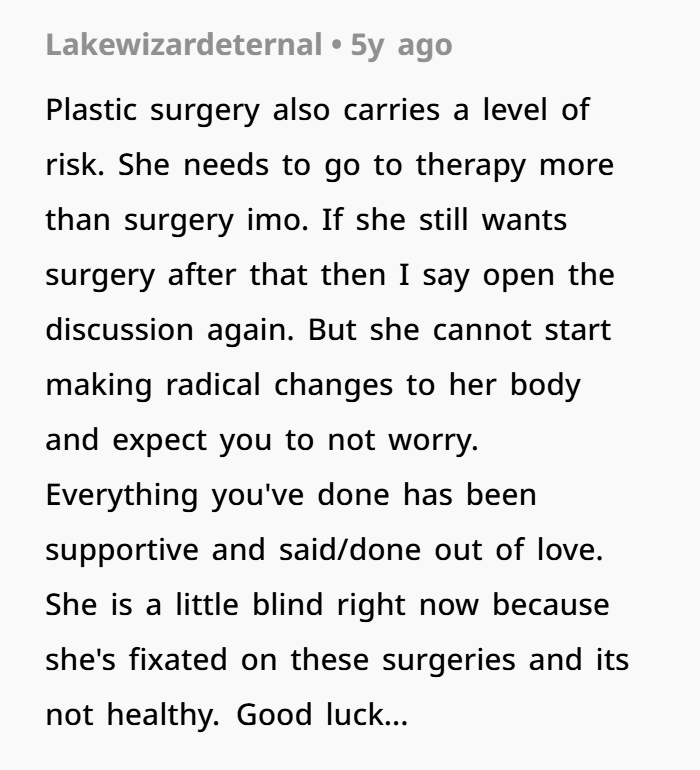
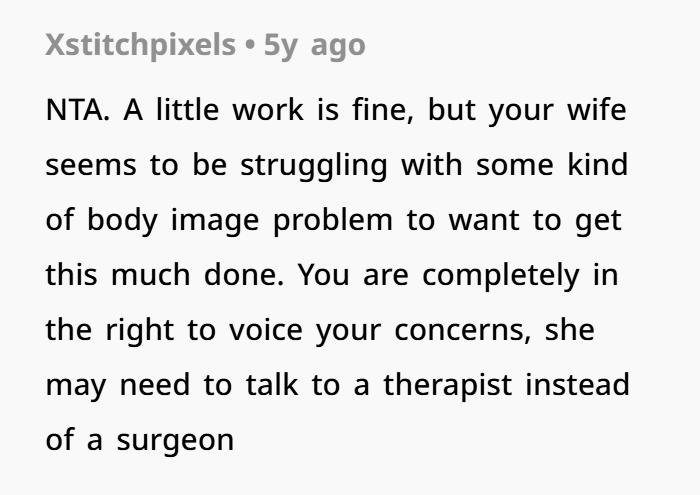
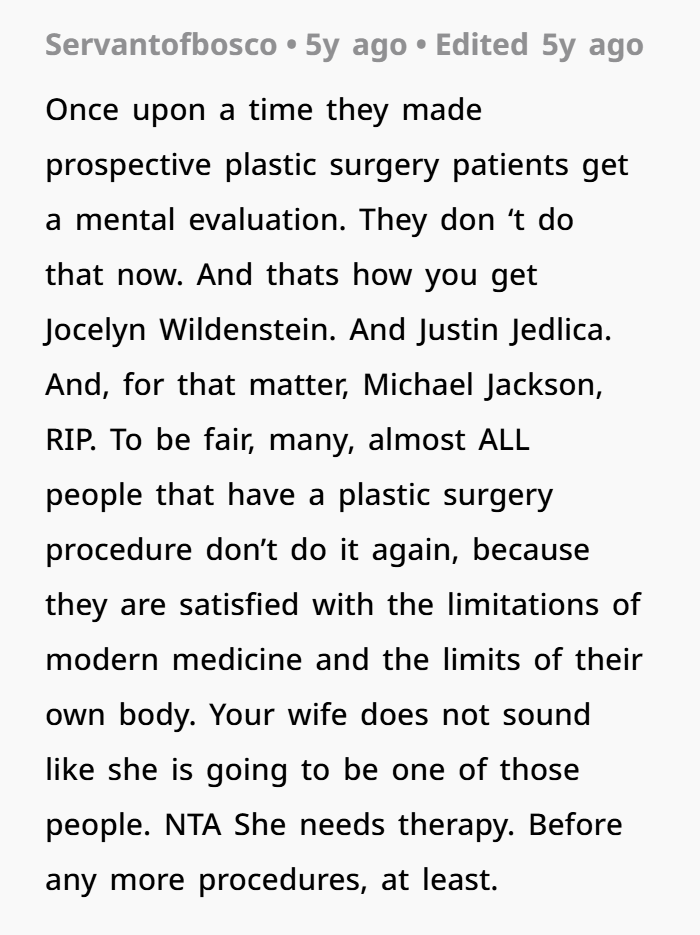
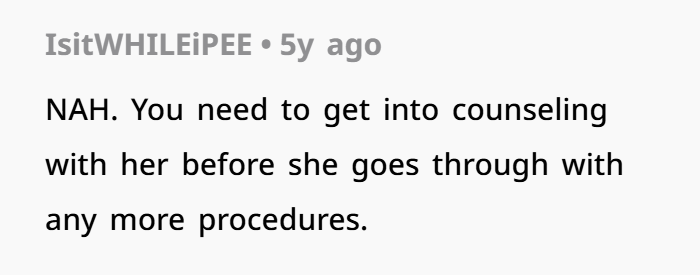

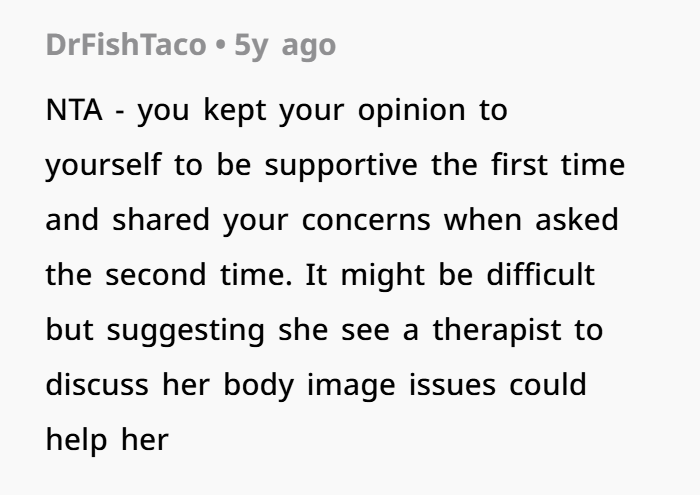
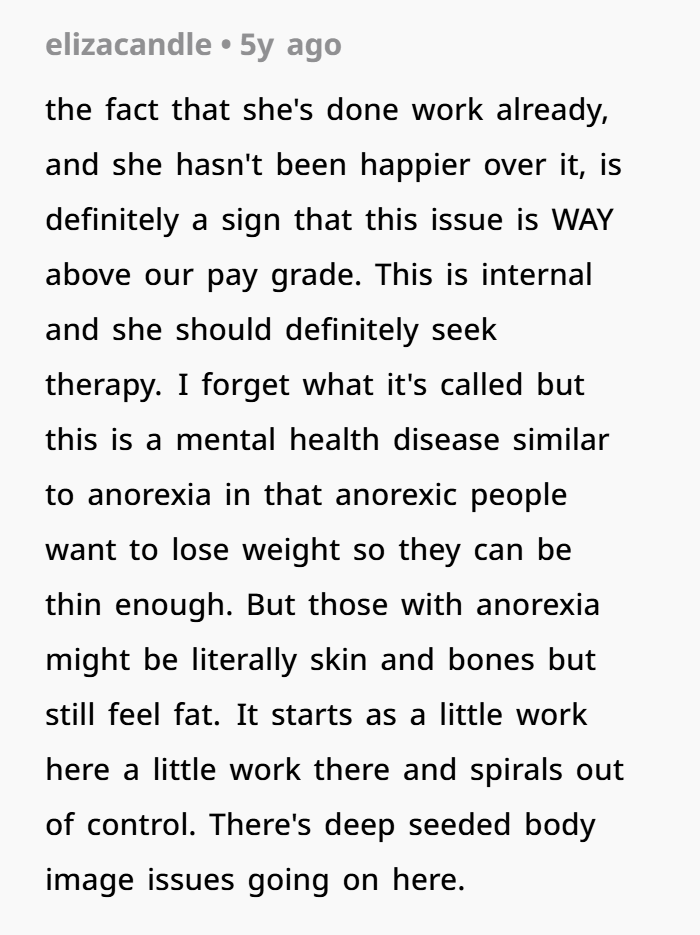
Cosmetic surgery can sometimes improve confidence and body image satisfaction, but it does not always fix deeper emotional or self-esteem issues.
In relationships, the most important thing is balance:
- Respect for personal choices and body autonomy
- Honest communication between partners
- Understanding each other’s emotional needs
You are not wrong for having concerns. Your wife is also not wrong for wanting changes to her body.
The goal is not agreement on everything — it is understanding, respect, and working together as a team in your relationship.