
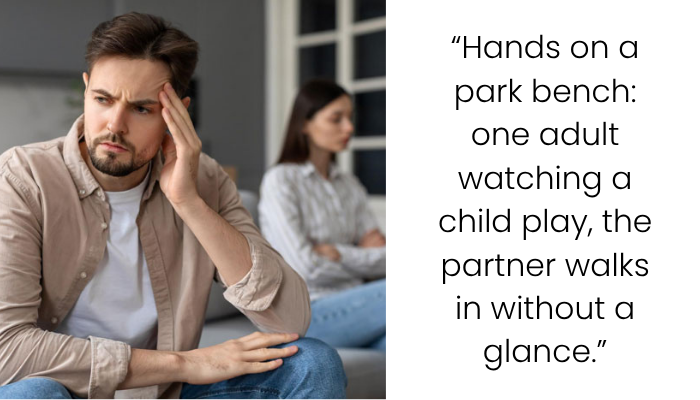
Man Dumps All Parenting on His Fiancée, Leaving Her Questioning What Stepparenting Even Is
You are in a committed relationship and getting ready for marriage. Your partner has a young son, and you are actively involved in his care. You help with morning routines, plan activities, and put in a lot of effort to make the day smooth and happy for the child.
But when your partner comes home, you feel something is missing. There is no greeting, no thank you, and no acknowledgment of what you did. Instead, the mood feels cold and distant. This leaves you feeling confused and unappreciated, and you start wondering if it is wrong to expect basic gratitude.
This situation is common in blended families and stepparenting roles. Being a stepparent often comes with unclear expectations. You are caring and involved, but you are not the biological parent, so your role is not always fully recognized. This can create emotional stress and feelings of being “in between” different family roles.
Your feelings are valid, but it may also help to understand that step-family dynamics can be complicated. Many families face challenges with communication, emotional support, and parenting roles in blended households. Learning about stepparenting challenges, emotional boundaries, and family relationship balance can help you better understand the situation and decide what expectations are realistic going forward.
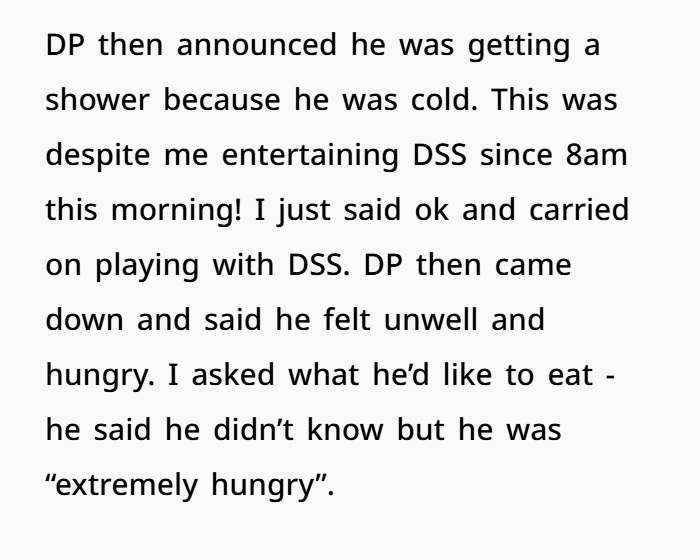
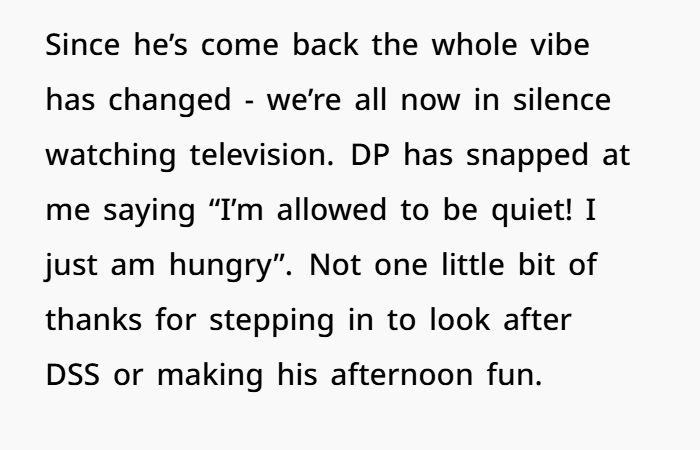
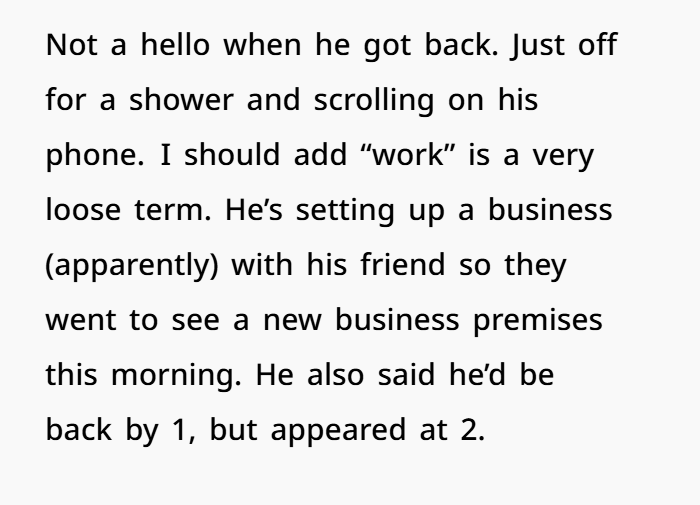
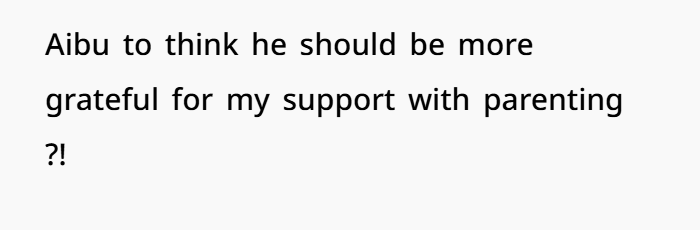
The poster explained that she’s going to get married to her fiancé soon and that even though they have no children together, she enjoys spending time with his kid
1. Role confusion in stepfamilies
In stepfamilies, one of the biggest problems is unclear roles for a stepparent. Unlike biological parents, there are no clear rules for what a stepparent should always do.
Research shows that society does not have a fixed “job description” for stepparents. This creates role confusion in blended families.
Studies also show that during “transition days” (when children move between homes), stepparents often feel unsure about their role, authority, and responsibilities.
This means your situation—helping with the child, spending time, and expecting appreciation—is very common. But because there is no clear system, stepparents often feel unseen or not valued in step-parenting relationships.
2. Emotional labor and invisible work
Stepparents often do a lot of work that is not noticed. This includes planning activities, caring for children, and being emotionally present.
This is called invisible emotional labor in stepfamilies.
Research shows that strong stepparent–child relationships are very important for a healthy blended family. But building this relationship takes time, effort, and patience.
Many stepparents feel like they are giving a lot but getting little recognition. This can lead to stress, tiredness, and emotional burnout.
In your situation, you may feel like you handled the morning routine, but when your partner returned, your effort was not acknowledged. This is a common issue in blended family dynamics.
3. Recognition and appreciation in blended families
Stepparents do not always receive clear appreciation, but recognition is still very important for family balance.
Studies show that positive actions—like spending quality time and showing care—help build stronger stepparent-child bonding.
However, this appreciation is not always automatic. Sometimes it must be clearly communicated in the household.
If you feel unappreciated, it may be because your expectations and your partner’s expectations are not aligned in your stepfamily communication.
The key question is whether this lack of recognition can be improved or will continue to feel unfair over time.
4. Boundaries, communication, and self-care
Stepparenting works best when there is clear communication between partners. Both adults should agree on roles, responsibilities, and appreciation.
Experts suggest that open communication is key in healthy blended family relationships.
Helpful steps include:
- Talk with your partner about expectations
- Ask for simple appreciation or acknowledgment
- Share responsibilities clearly
- Take care of your own emotional health
It is also important to notice early signs of resentment. In blended families, unresolved resentment can damage relationships over time.
You are allowed to speak up about your needs and not feel ignored in your own home.
5. Feeling invisible is common but should be addressed
Many stepparents feel “invisible” at times. This is a well-known part of step-parenting challenges.
Research shows that stepparents often work hard to build relationships, but the role can still feel unclear or unrecognized.
This does not mean your feelings are wrong. It simply means the system is not always structured for recognition or feedback.
If you often feel unnoticed, it is a sign that your family communication patterns may need adjustment.
6. What this means for your situation
From what you describe, you are doing a lot of positive work with the child and helping the household run smoothly.
This is a strong part of stepfamily support and parenting involvement.
However, if your partner does not acknowledge your effort, it can create emotional imbalance.
This is a good time to speak openly and say how you feel. Even a simple “thank you” or moment of recognition can improve relationship satisfaction in blended families.
It may also help to create a small routine when your partner returns, so everyone reconnects as a family.
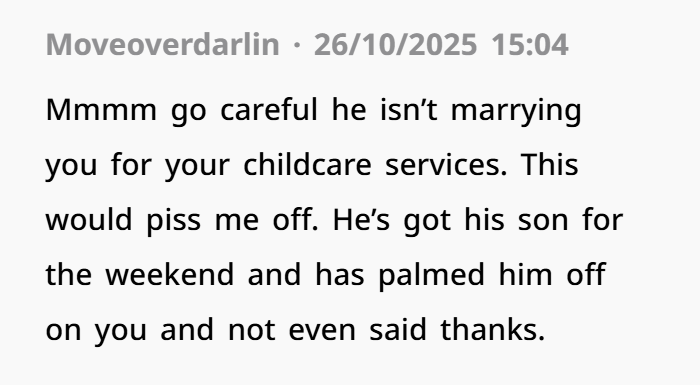
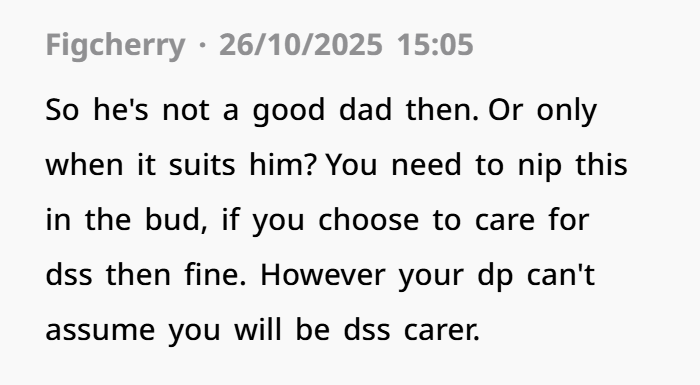
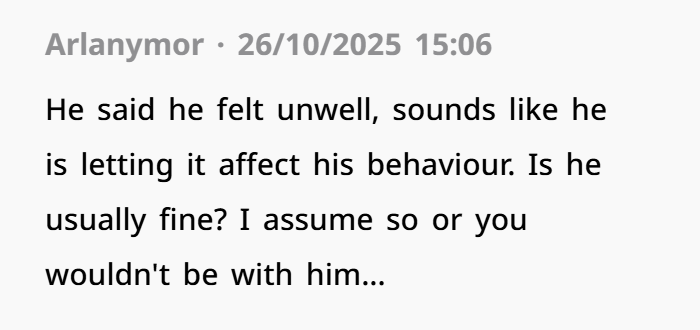
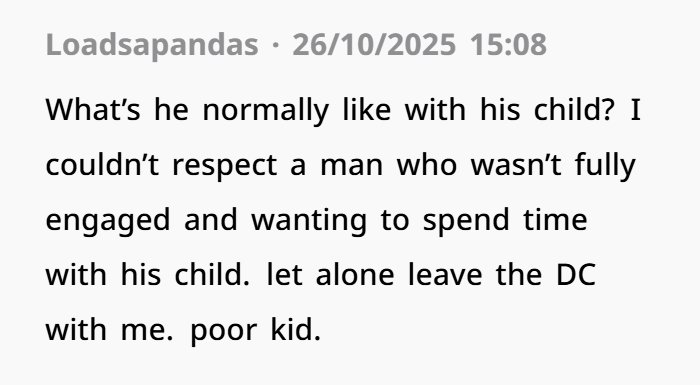
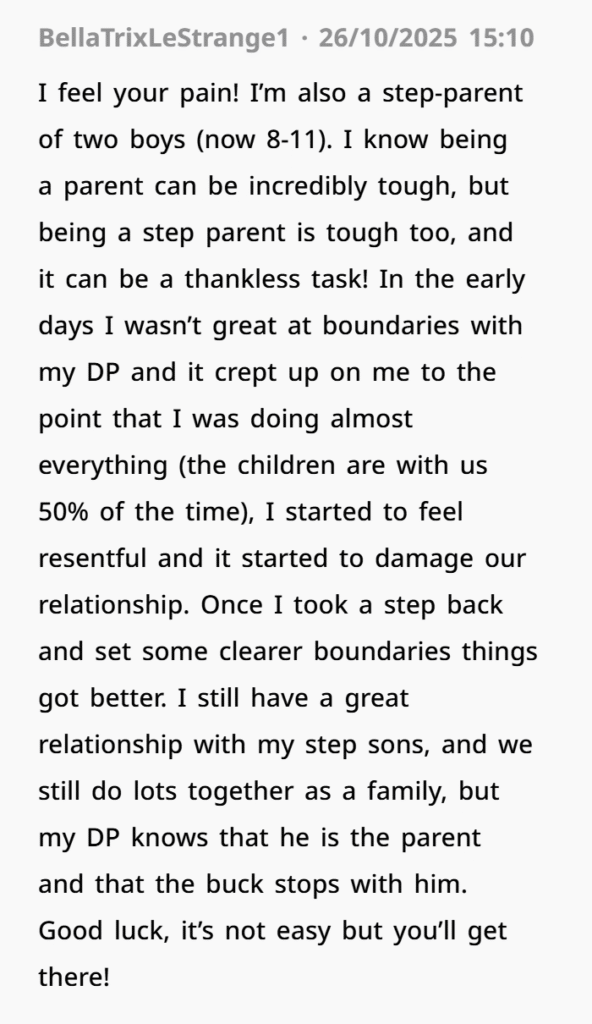
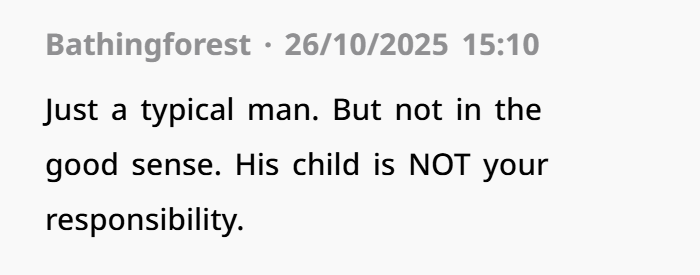
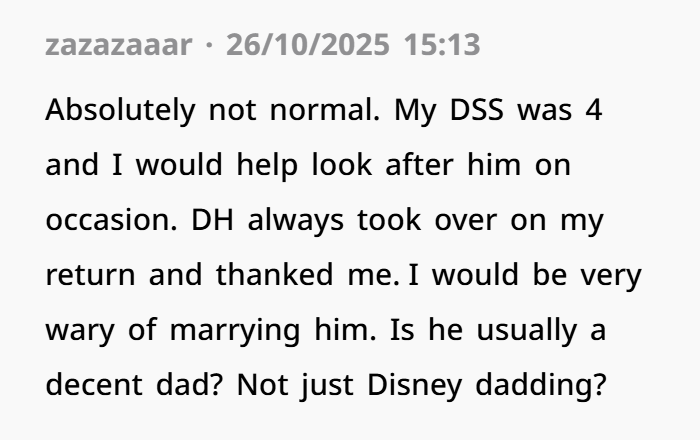
Most people felt that the man was taking advantage of his fiancée and that she shouldn’t just do all the childcare for him

7. Final thoughts on stepparent life
Stepparenting is often complex because there are no fixed rules or expectations. This creates challenges like unclear roles, emotional fatigue, and lack of recognition.
At the same time, your feelings are completely valid. Wanting respect, appreciation, and balance is normal in any relationship.
With better communication, clear roles, and emotional support, blended family relationships can become more stable and healthy.
The most important thing is to make sure your efforts are seen, your voice is heard, and your emotional well-being is protected.