
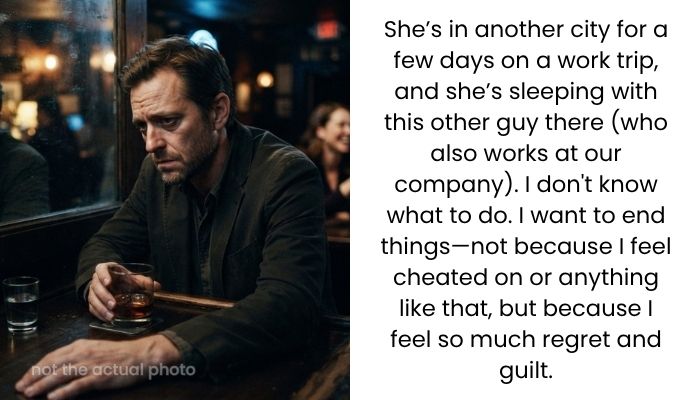
He Started a Secret Affair With His Married Coworker. Two Years Later, Regret Hit Hard
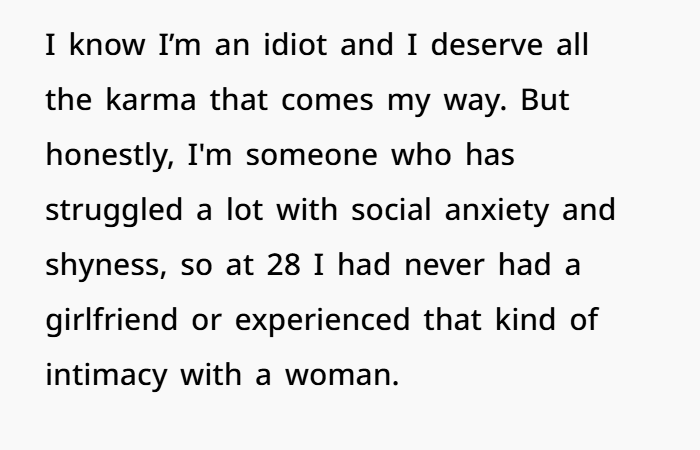
A 28-year-old man became involved with his 41-year-old married coworker about two years ago. She had a husband and an older child. At first, the two coworkers believed they could keep things simple. They connected easily, enjoyed being around each other, and agreed to keep the relationship casual and secret.
For about six months, they continued seeing each other privately while also working together every day.
There was one big problem from the beginning. She was still married.
Her marriage had reportedly been struggling for about a year. She had asked her husband for a divorce, but the couple never actually went through with it. The younger coworker had even met her husband once and came away thinking he seemed like a good person.
That made the guilt harder to ignore. Things became even more painful when he learned that the married coworker was also seeing another man during a work trip. That man worked for the same company too.
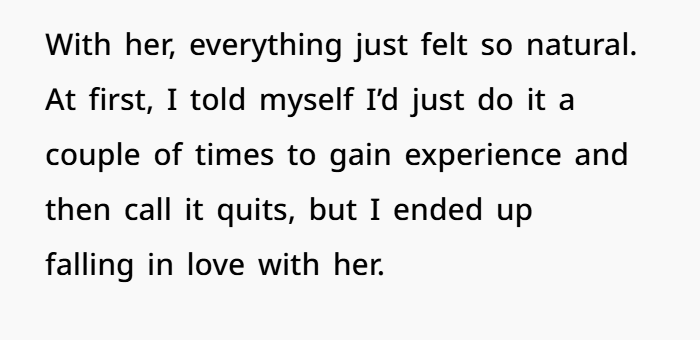
Technically, they had never agreed to be an exclusive couple. He knew he was already part of a secret relationship. Still, his feelings had changed. What began as a casual affair had turned into love.
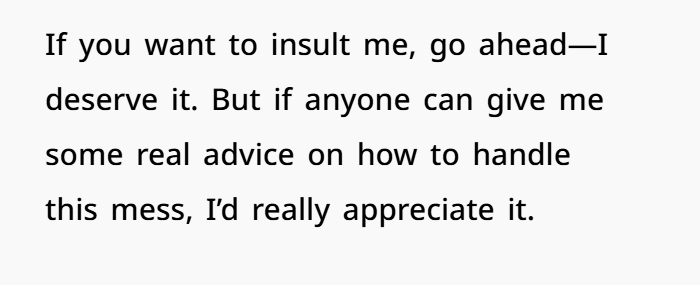
Now he wants out, not because he believes she cheated on him, but because the guilt, regret, jealousy, and emotional stress have become too much.

The story is messy, but one part of it is surprisingly common: relationships between coworkers.
Research from the Society for Human Resource Management shows that workplace romance is far from rare. In its research on U.S. workers and HR professionals, SHRM found that romantic relationships at work remain a regular part of modern workplaces.
Of course, a normal office romance and a secret affair with a married coworker are very different situations. Still, both can create serious problems when personal feelings begin affecting professional life.
SHRM warns that even consensual workplace relationships can bring concerns involving company policy, favoritism, retaliation, conflicts of interest, and the working environment.
That risk becomes especially clear when a relationship ends badly.
In this case, the two people still have to work around each other. The other man is reportedly connected to the same company as well. So ending the affair may stop the romantic relationship, but it may not remove the people involved from each other’s professional lives.
That is what makes an office affair especially difficult. A painful breakup can follow someone straight back to work the next morning.
He Never Expected to Fall in Love
There is another important part of the story.
The 28-year-old says he had struggled with social anxiety and shyness for years. Before meeting his coworker, he had never had a girlfriend or experienced this kind of intimacy with a woman.
That helps explain why the relationship may have carried so much emotional weight for him.
Research available through the National Library of Medicine has examined the connection between social anxiety and romantic relationships. Studies have found links involving intimacy, communication, trust, closeness, relationship satisfaction, and self-disclosure.
Another study on social anxiety and intimacy found that higher social anxiety was connected with greater fear of intimacy and difficulties with open communication in the couples studied.
That does not mean social anxiety caused this affair or made his decisions unavoidable. He was still responsible for choosing to become involved with someone who was married.
But it does give useful context.
For someone who had spent years struggling to form romantic relationships, suddenly finding a person with whom everything felt easy could have been powerful.
At first, he tried to put limits around it.
He told himself he would have a few experiences, gain some confidence, and then walk away. Instead, six months of secret meetings and daily contact at work created something much deeper.
He fell in love.
Then Another Coworker Entered the Picture
The situation became even worse when the woman left town for a work trip.
According to him, she began sleeping with another man there, who also works for their company.
On paper, he knows he has little reason to call it cheating. Their original arrangement was casual, and she remained married throughout the affair.
Emotion does not always follow those rules, though.
He had become attached. So learning about another man forced him to face something he had managed to avoid for a long time: this was never the secure romantic relationship he had started hoping it could become.
The discovery also seems to have triggered a much bigger realization.
His strongest feeling was no longer jealousy. It was regret.
He began thinking about her husband, whom he had met. He thought about the fact that the relationship had been hidden for years. He also realized how risky it was to become emotionally involved with a married coworker in the first place.
The regret hit hard.
The Workplace Problem Cannot Be Ignored
Ending a workplace relationship requires more care than ending a relationship with someone who disappears from everyday life.
SHRM advises employees involved in office relationships to check their employer’s workplace relationship policy, since disclosure rules vary between companies. Some employers have policies designed to address conflicts of interest, harassment concerns, retaliation, and favoritism.
That matters here because the relationship involves coworkers and apparently another employee from the same company.
The safest professional path after ending the personal relationship would be to keep future contact focused on work and avoid turning the breakup into an office battle.
There is also no benefit in trying to compete with the other coworker for her attention. Doing that would only keep the emotional triangle alive.
If company rules require employees to disclose certain workplace relationships, those rules should be followed. If harassment, retaliation, threats, or professional pressure ever become part of the situation, that becomes a separate workplace issue that may need to be handled through the proper company channels.
Social Anxiety Makes the Next Chapter Important
The end of this affair does not have to mean going back to complete isolation.
That may actually be one of the biggest fears underneath the situation.
He spent years believing romantic intimacy was difficult or unavailable to him. Then he finally experienced closeness with someone, even though the circumstances were deeply complicated.
Research has repeatedly found connections between social anxiety and difficulties in romantic relationships. Another study found that people with social phobia in its sample reported less emotional expression, self-disclosure, and intimacy than control participants. The findings are available through PubMed.
So simply ending the affair may not solve everything that led him into it.
Working on social anxiety, confidence, communication, and healthy dating could help him build future relationships where secrecy is not part of the deal.
Professional mental health support may also be worth considering if the guilt, anxiety, or emotional distress continues to interfere with daily life.
The Hard Part Is Accepting What Happened
There is no way to undo the last two years.
The marriage, the secret affair, the feelings, and the decisions already happened. Constantly insulting himself will not change any of them.
What can change is what happens next.
Ending the affair clearly would remove the biggest source of the current emotional conflict. Keeping communication professional at work could reduce the chance of the breakup creating another problem. And instead of waiting for the married coworker to choose him, he could finally begin building a dating life outside this situation.
That may hurt at first.
After all, this was his first real experience of romantic and physical closeness. Losing that connection could feel much bigger than an ordinary casual breakup.
But continuing a relationship that now brings guilt, jealousy, anxiety, and regret is unlikely to make those feelings disappear.
The affair started because the connection felt natural and exciting. Two years later, the situation looks very different.
Now the real challenge is not figuring out how to win her back.
It is figuring out how to walk away, behave professionally at work, deal with the guilt without becoming trapped by it, and eventually build a healthy relationship that does not have to stay secret.
See the comments to know what people said
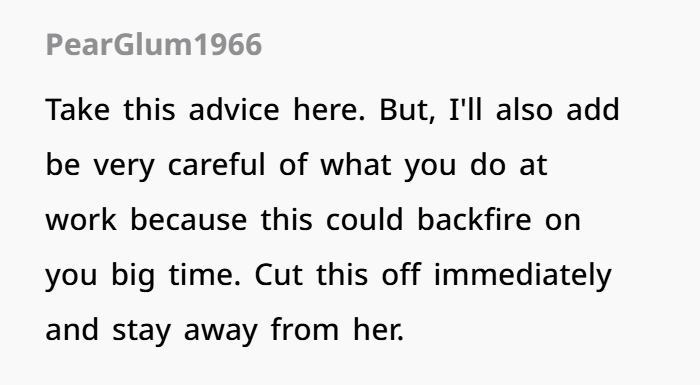


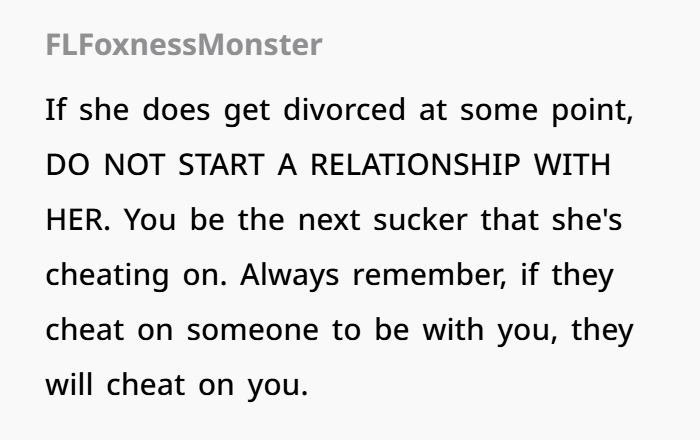

This story started with what seemed like a simple, casual affair. But feelings rarely stay as simple as people expect.
The younger coworker entered the relationship thinking he could enjoy the experience and walk away. Instead, he became emotionally attached to a married woman he had to see at work. When another coworker entered the picture, the reality of the situation became impossible for him to ignore.
Now, the biggest issue is not who she chooses or what happens with her marriage. It is what he chooses to do next.
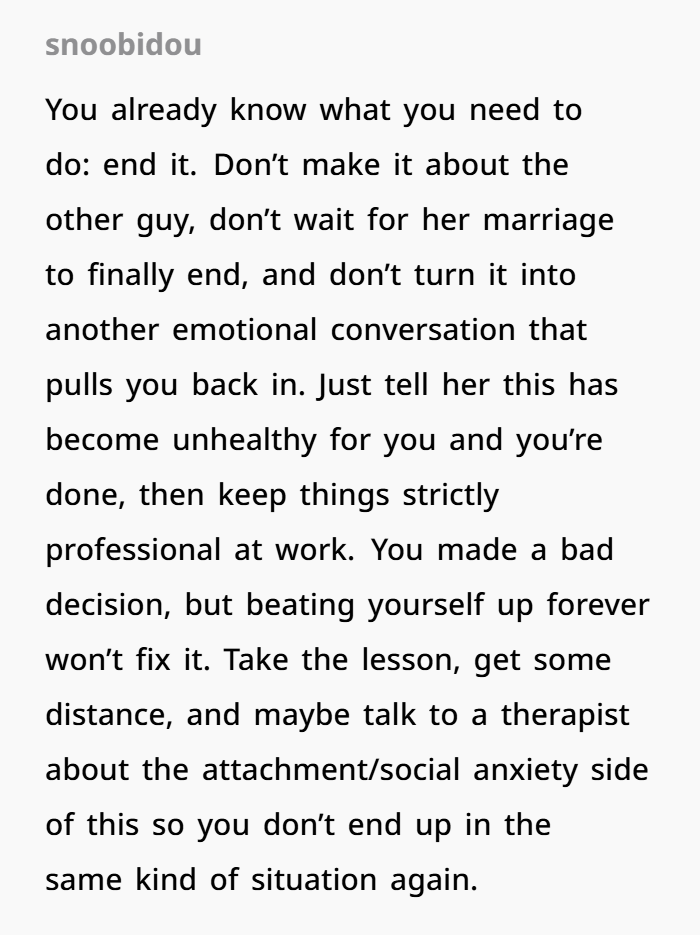
Ending the affair, keeping things professional at work, and creating some emotional distance may be painful, especially because this was his first experience with real intimacy. But staying involved could keep the guilt, jealousy, and emotional stress going.
He also has something important to take from this experience. His struggles with social anxiety did not mean he was incapable of connecting with someone. He did connect. The problem was that it happened in a relationship built around secrecy and complicated boundaries.
The next step is learning how to build that same kind of connection in a healthier situation.
He cannot change the choices he already made. He can only decide what kind of choices he makes from here. And sometimes, walking away from something that once felt special is the first step toward building something better.