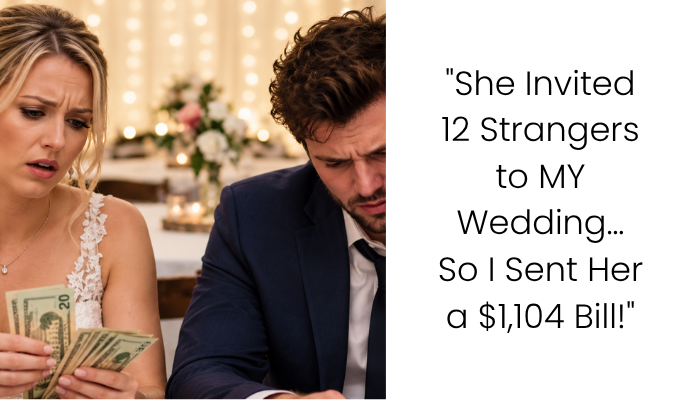
My Future MIL Secretly Invited 12 People to Our Wedding—Then Paid for Only ONE!
A bride thought she had everything under control for her upcoming wedding. She and her fiancé had chosen their wedding venue, sent out invitations, and planned their guest list. But then RSVP cards started arriving from names she did not recognize. She asked her fiancé about them, and he knew some of the people, including his parents’ old neighbors. After checking what had happened, they discovered that his mother had secretly sent out more wedding invitations. The couple had never agreed to invite these people, and the unexpected guests were about to create a serious problem with their wedding budget.
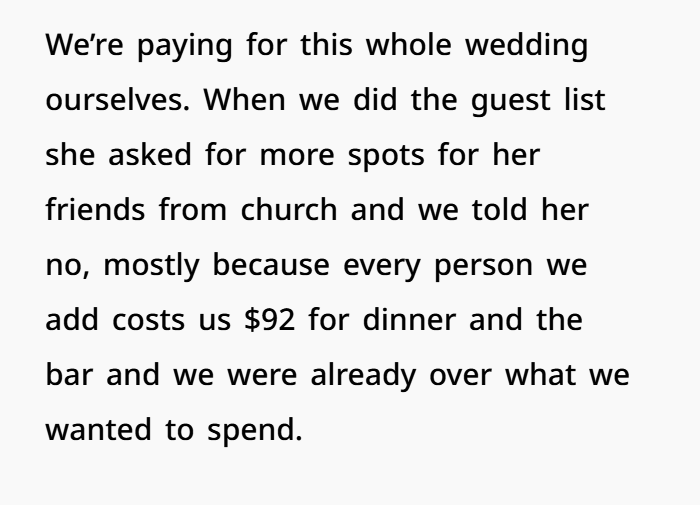
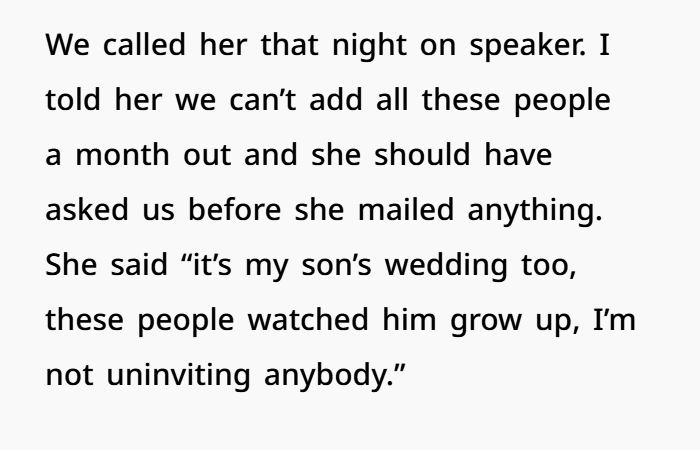
The couple was covering all their wedding costs without financial help from their families. They were already spending more than they originally planned, and the venue charged $92 for each guest’s meal and drinks. That was why they had said no when the groom’s mother asked to invite more friends from church. But she found another way to get what she wanted. She contacted the printing company where the couple had ordered their invitations. Since the staff remembered her from an earlier visit, they allowed her to buy extra copies with her credit card. When the couple confronted her, she refused to take back the invitations. She believed the guests should attend because they had known her son since he was young.
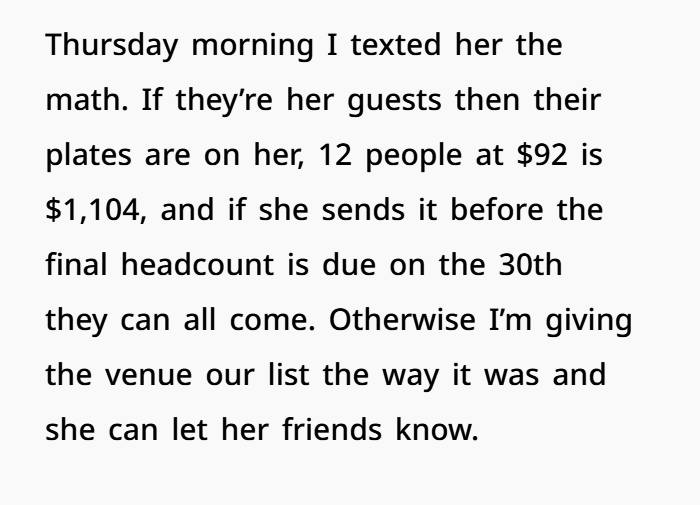
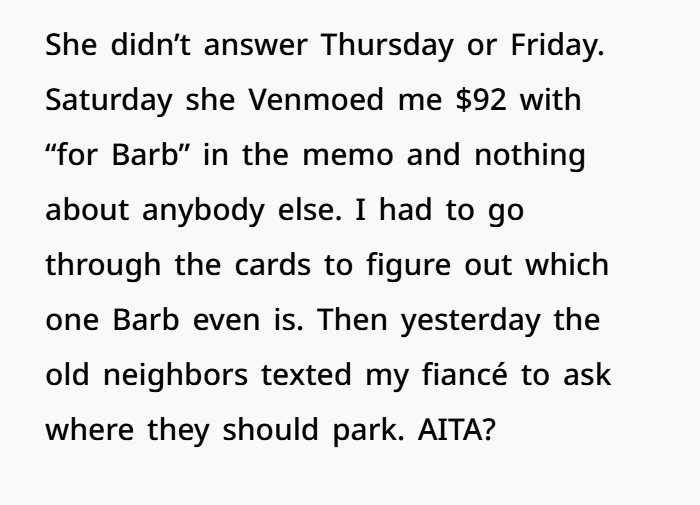
The bride decided to handle the extra wedding expenses in a simple way. She counted the 12 additional guests and calculated that their meals and drinks would cost $1,104. She sent that amount as a bill to her future mother-in-law. The bride explained that she would include the guests in the final wedding catering order if the money arrived before the venue’s deadline. If the payment did not arrive, the guest list would remain as planned. The mother-in-law did not respond for two days. Then she sent $92 through Venmo and added a note saying it was for Barb. That payment covered only one of the extra guests.
Meanwhile, the people who received the invitations had no idea there was a problem. They believed they had been invited by the couple and were already making plans for the wedding. Some even contacted the groom to ask about parking arrangements. The bride now feels stuck between two difficult choices. She could pay the extra wedding costs and allow everyone to attend, or she could keep her original guest list and ask her future mother-in-law to explain what happened. She wants to enjoy her wedding without more financial stress, but she also does not want innocent guests to feel embarrassed.


Mother-in-Law Invites 12 Extra Wedding Guests Without Asking, Leaving Couple With a $1,104 Problem
Planning a wedding is exciting, but it can also be expensive. Every guest adds to the cost, especially when the couple is paying for everything themselves.
For one bride and groom, a disagreement over their wedding guest list turned into a much bigger family problem.
The couple had already decided they couldn’t afford to invite more people. They had explained this to the groom’s mother, but she didn’t accept their decision.
Instead, she ordered matching wedding invitations and secretly mailed them to 12 additional guests.
Now the couple is facing an unexpected $1,104 wedding expense, and the bride is wondering who should pay for it.
But the problem isn’t only about money. It’s also about respecting boundaries and allowing a couple to make decisions about their own wedding.
Why the Couple Didn’t Want More Wedding Guests
The bride and groom were paying for their wedding without financial help from family members.
Like many couples, they had created a wedding budget to manage their expenses.
They also knew how much each guest would cost.
Their wedding venue charged $92 per person, which meant even a few extra guests could make a big difference.
The groom’s mother had already asked them to invite more people.
The couple explained that they couldn’t afford it.
That should have settled the matter.
But the mother-in-law decided to handle things her own way.
She ordered invitations that matched the couple’s official wedding stationery and sent them to people she wanted at the celebration.
The bride and groom hadn’t approved these invitations.
And they hadn’t agreed to pay for the extra guests.
How 12 Extra Guests Became a $1,104 Wedding Expense
Wedding costs can add up quickly, especially when catering and venue charges are based on the number of guests.
In this case, the additional cost was easy to calculate.
| Wedding expense | Cost |
|---|---|
| Cost per guest | $92 |
| Extra guests invited | 12 |
| Total additional cost | $1,104 |
That’s $1,104 the couple hadn’t planned to spend.
And depending on their wedding venue contract, there could be other expenses.
More guests may require extra meals, chairs, table settings, or changes to the seating chart.
Some wedding packages also include separate charges for drinks and other services.
For couples trying to stick to a wedding budget, unexpected expenses can create real financial stress.
The bride wasn’t simply upset about having more people at the wedding.
She was upset because someone else had made a decision that could cost her and her fiancé more than $1,000.
Why the Mother-in-Law Thought She Should Have a Say
The groom’s mother reportedly argued that it was her son’s wedding too.
She may have wanted longtime family friends and former neighbors to share the special day.
It’s understandable that parents can feel emotionally connected to their children’s weddings.
They may have known some guests for many years and want those people included in an important family celebration.
But there is a difference between making a suggestion and making a decision without permission.
The couple had already discussed the guest list and explained their financial limits.
The mother-in-law knew they didn’t want to add more people.
Sending invitations anyway went against their wishes.
Family relationships can become difficult when parents and adult children have different expectations.
As children grow older, get married, and build their own households, they begin making more decisions independently.
Parents may need time to adjust to those changes.
Still, being excited about a wedding doesn’t mean someone can take control of the planning.
Why Respecting Family Boundaries Matters
Healthy family relationships need clear communication and mutual respect.
A boundary is simply a limit someone sets to protect their time, money, or personal choices.
In this situation, the couple’s boundary was clear.
They couldn’t afford more wedding guests.
They weren’t asking the mother-in-law to stop celebrating or enjoying the wedding.
They were asking her to respect their guest list.
Family therapist Murray Bowen developed ideas about how family members influence one another, especially during major life changes.
Marriage is one of those changes.
A couple begins building a life together, making shared decisions, and managing their own responsibilities.
That includes financial planning, family events, and household priorities.
When relatives ignore those decisions, even small disagreements can become serious.
The issue here wasn’t that the mother-in-law wanted more guests.
It was that she acted without the couple’s approval.
Should the Mother-in-Law Pay for the Extra Guests?
The bride believes the mother-in-law should cover the cost of the people she invited.
Her reasoning is simple.
If someone invites 12 extra guests without permission, they should be responsible for the additional expense.
That seems like a fair solution to consider.
It would allow the guests to attend without forcing the couple to go over their wedding budget.
However, asking someone to pay is different from being legally able to require payment.
Under general U.S. contract principles, one person usually cannot create a financial obligation for another person without permission or legal authority.
That means the mother-in-law sending invitations doesn’t automatically make the couple responsible for the added costs.
But it also doesn’t automatically mean the mother-in-law legally owes the couple $1,104.
Any legal responsibility would depend on the facts, agreements, and applicable state laws.
For now, the couple may have a more practical option.
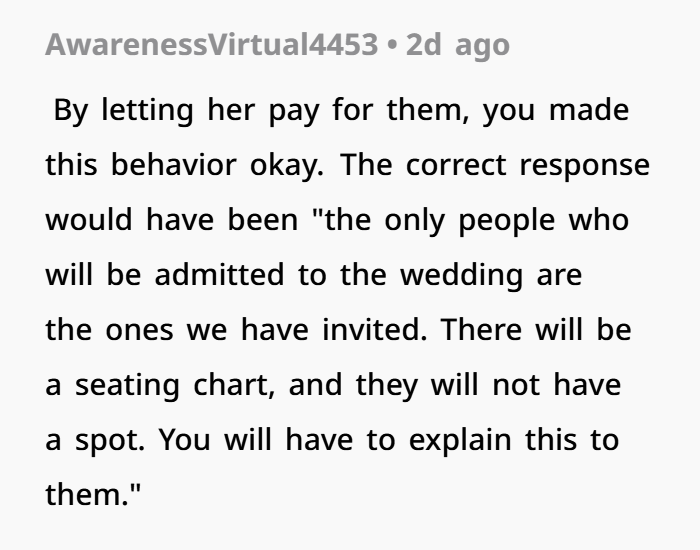
They can tell the mother-in-law that the extra guests cannot be added to the final wedding headcount unless the additional costs are covered and the venue can accommodate them.
This would help protect the couple’s finances while giving the family a chance to resolve the problem.
The $92 Venmo Payment Made Things More Confusing
The situation became even more unusual when the mother-in-law sent the bride $92 through Venmo.
She labeled the payment “for Barb.”
That amount covered the cost of one guest.
But what about the other 11 people?
The payment could mean she was willing to pay for Barb but not everyone else.
It could also have been her way of responding to the bride’s request without agreeing to cover the full amount.
There’s no way to know exactly what she intended from the payment alone.
Still, it created another problem.
Should Barb be allowed to attend because her meal was paid for?
And what happens to the other guests who received invitations?
The couple now has to make decisions they never expected to face.
What About the Guests Who Received Invitations?
This may be the hardest part of the situation.
The 12 extra guests may have no idea that anything is wrong.
They received invitations that looked official.
Naturally, they may believe the bride and groom want them at the wedding.
Some may have already made travel arrangements or bought clothes for the event.
A few might even have booked hotel rooms or planned time away from work.
The story mentions former neighbors asking about wedding parking.
That suggests at least some guests are already preparing to attend.
Imagine arriving at a wedding after making all those plans, only to discover that your name isn’t on the guest list.
It would be uncomfortable for everyone.
And the guests wouldn’t necessarily have done anything wrong.
They were invited by someone they believed had permission to invite them.
That’s why the couple needs to handle the situation carefully.
How the Couple Could Handle the Extra Invitations
There are a few ways the bride and groom could deal with this problem.
One option is to ask the mother-in-law to pay the full additional cost before the venue’s final payment deadline.
If she agrees, and the venue has enough space, the extra guests may be able to attend.
Another option is to keep the original guest list.
If the couple cannot afford more guests, they shouldn’t feel pressured to spend money they don’t have.
But they would need to contact the additional guests before the wedding.
A polite explanation could prevent people from making unnecessary travel plans.
The couple could explain that the invitations were sent without their approval and that their wedding guest list is already final.
It would be an awkward conversation, but it would be better than surprising guests at the venue.
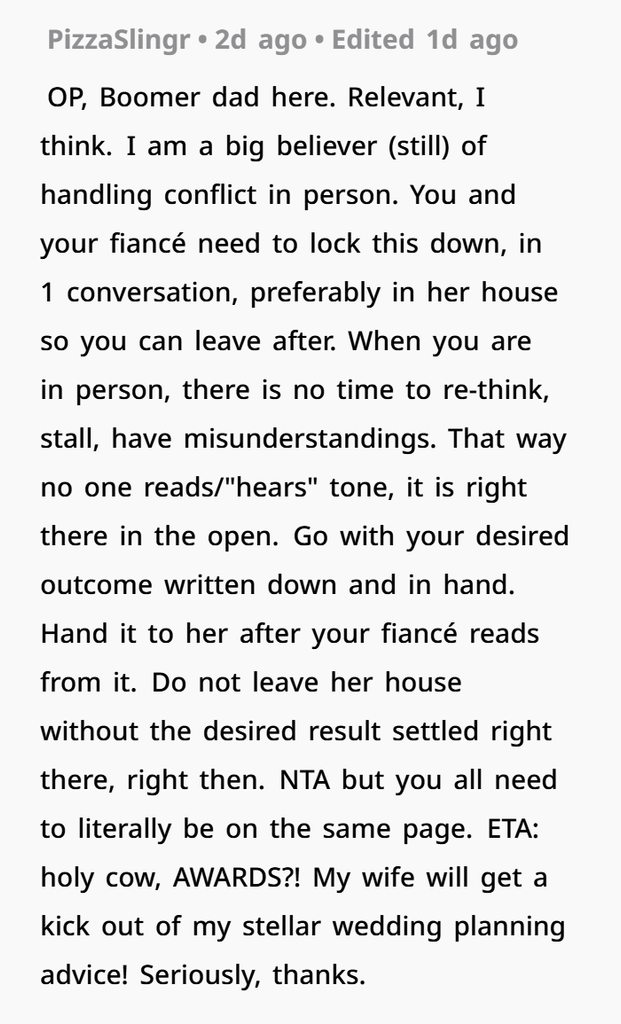
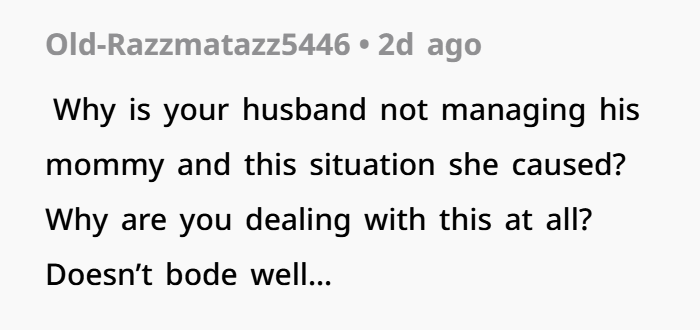
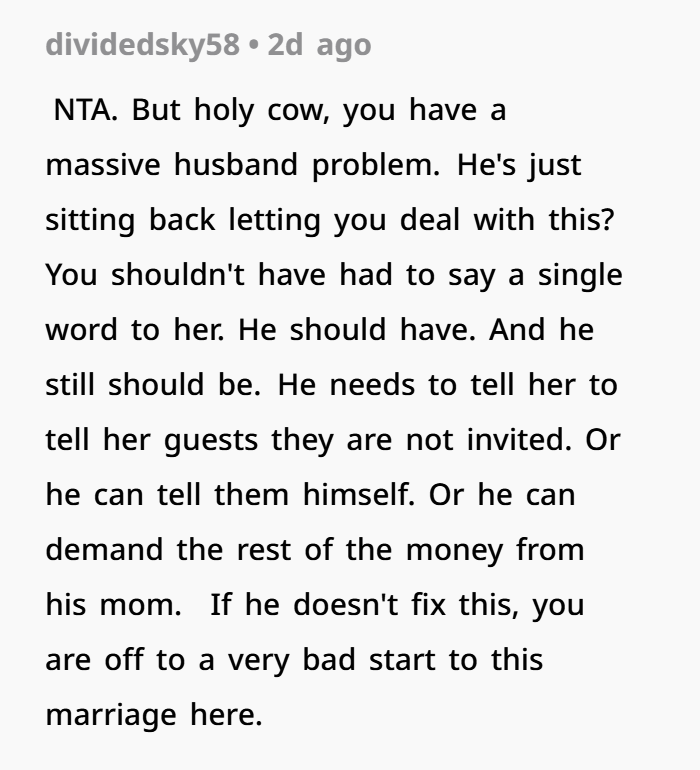
The groom should also be involved.
Since the disagreement involves his mother, it makes sense for him to help explain the situation.
The bride shouldn’t have to manage the entire problem alone.
Why Wedding Contracts and Payment Deadlines Matter
This situation is also a reminder of why couples should understand their wedding venue contracts.
Many venues require a final guest count before the wedding.
Once that number is confirmed, couples may have limited options for making changes.
Catering companies often prepare meals based on the final headcount.
Adding guests after the deadline may not be possible, even if someone offers to pay.
That’s why it’s important to check the venue’s rules before promising extra seats.
Couples planning a wedding should also keep track of deposits, final payments, and any charges for additional guests.
A clear wedding budget can help prevent surprise expenses.
In this case, the bride and groom had already made a financial decision.
The problem started when someone else ignored it.
Is the Bride Wrong for Refusing to Pay?
Based on the details shared, the bride’s frustration makes sense.
She and her fiancé were paying for the wedding themselves.
They had already explained why they couldn’t invite more people.
The mother-in-law knew about the budget limits but sent the invitations anyway.
The bride isn’t being unreasonable simply because she wants to protect her wedding budget.
An extra $1,104 is a meaningful amount of money.
For some couples, that money could go toward household savings, moving expenses, or other costs after the wedding.
However, the bride and groom also need to think about the guests who received invitations.
Those people may have accepted in good faith.
Leaving them without an explanation could create even more confusion.
The best solution may be to address the problem quickly, before anyone spends more money preparing to attend.
Could This Affect Their Family Relationship After the Wedding?
The wedding will eventually be over, but the family relationship will continue.
That’s why this disagreement matters beyond the guest list.
If the mother-in-law refuses to respect the couple’s decisions now, similar problems could happen later.
Future disagreements might involve holiday plans, family visits, household decisions, or other personal matters.
This doesn’t mean the family relationship is beyond repair.
People can apologize, learn from mistakes, and make changes.
But rebuilding trust usually requires more than simply paying a bill.
The mother-in-law would need to understand why sending invitations without permission was a problem.
And the couple would need to communicate their expectations clearly.
A respectful conversation could help everyone move forward.
Final Thoughts
What started as a disagreement about wedding invitations has become a much bigger issue.
The bride and groom wanted to celebrate their wedding without spending more than they could afford.
The mother-in-law wanted additional people to attend.
Instead of accepting the couple’s decision, she sent invitations herself.
Now 12 guests believe they are invited, and the couple faces a possible $1,104 expense.
The bride has a reasonable reason to ask the mother-in-law to cover the cost.
But the couple also needs to make sure the guests aren’t left confused or embarrassed.
At the heart of this story is a simple lesson.
Family members can share their opinions about a wedding, but the couple should have the final say over their guest list and budget.
A wedding should be a happy beginning to married life, not a reason for lasting family tension.
And it raises one important question:
If your future mother-in-law secretly invited 12 extra guests to your wedding, would you ask her to pay, or would you remove those guests from the list?
See The Comments Below