
Mom Upset After Community Program Refuses Unregistered Child
People who work with children have an important job. Teachers, childcare workers, and school staff help children learn, stay safe, and develop important skills. Their work requires patience, care, and responsibility because they support children during important stages of growth.
Teachers and educators help students with learning, behavior, and personal development during school hours. However, they cannot replace the role of parents. Families play the biggest part in teaching values, providing care, and supporting their children’s needs at home.
Sometimes, misunderstandings can happen between parents and school staff when expectations are not clear. In some cases, parents may look to teachers or other childcare professionals to handle responsibilities that should remain with the family. This can create stress and make communication more difficult.
Good communication between parents, schools, and childcare providers is important for a child’s success. When everyone understands their role and works together, children can have a better learning experience. Teachers provide education and guidance, while parents and guardians continue to provide support, care, and a strong foundation at home.


Parent Mistakes Free Community Program for Childcare Service
People who work with children understand how important it is to create a safe and organized environment. Whether it is a school, childcare program, or community activity, every child needs proper registration, supervision, and care.
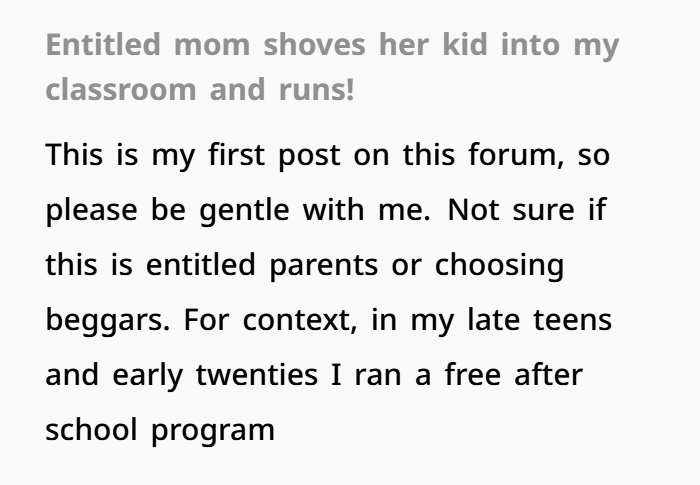
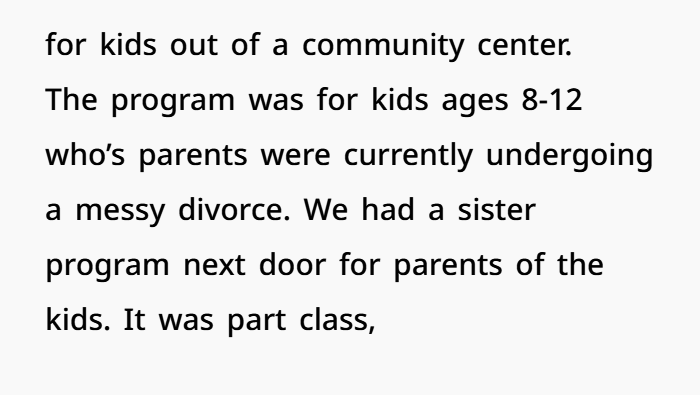
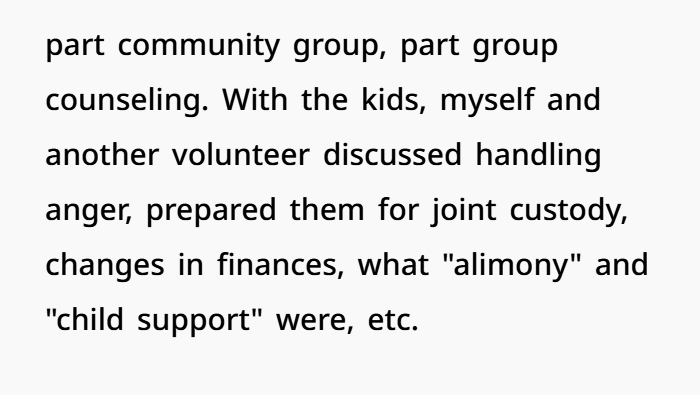
One woman learned this lesson while running a free after-school program at a local community center. The program was designed to support children whose families were dealing with divorce. It also helped children understand family changes and learn about the legal process in an age-appropriate way.
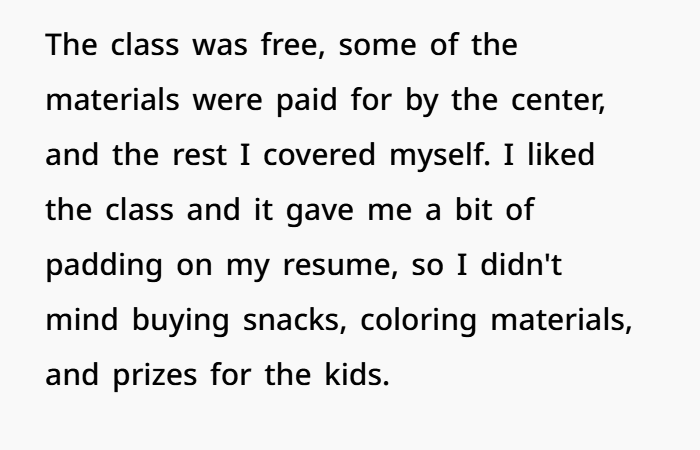
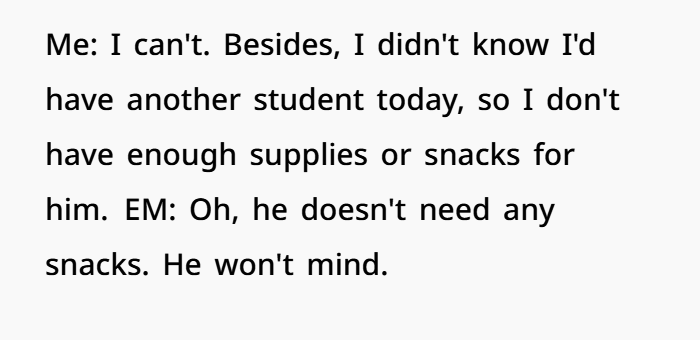
The program was free for families, but it still required planning and resources. The organizer paid for many supplies, including snacks, coloring materials, and other learning items. The program only had enough resources for the eight children who were officially registered.
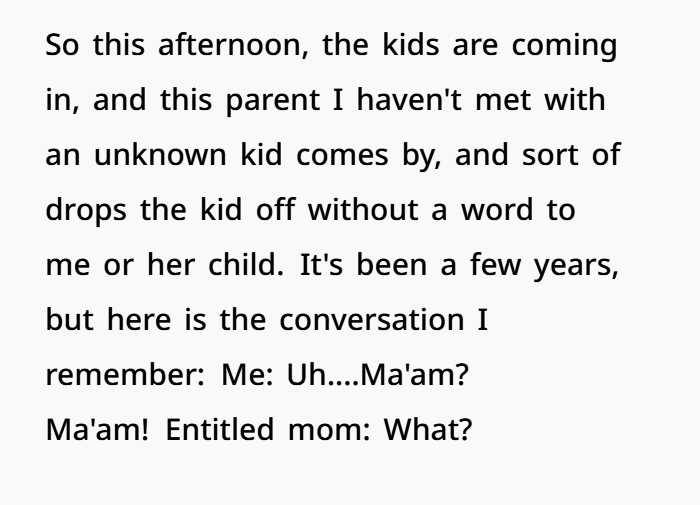
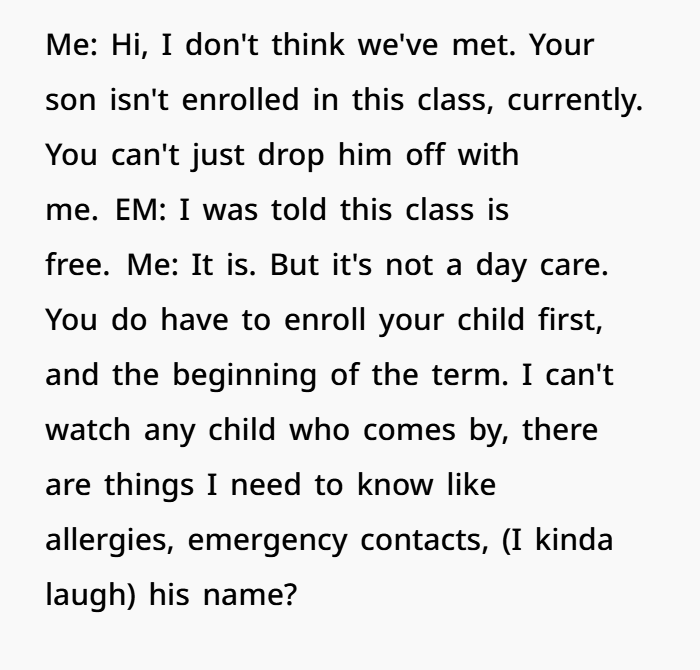
That is why she was surprised when a child she did not recognize walked into the room.
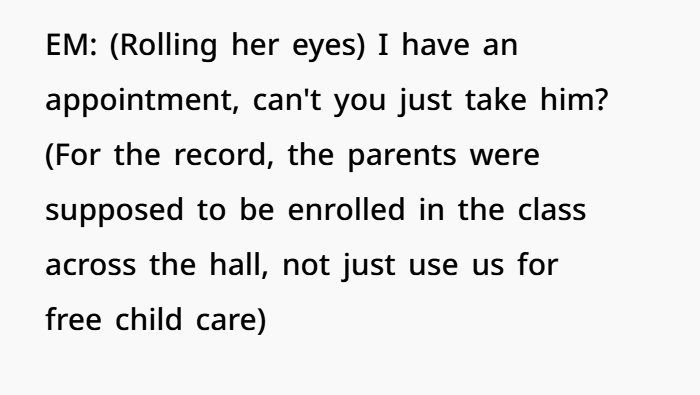
The child’s mother had heard that the program was free and appeared to believe it could also work as free childcare. She brought her son to the center without completing the registration process or asking for permission.
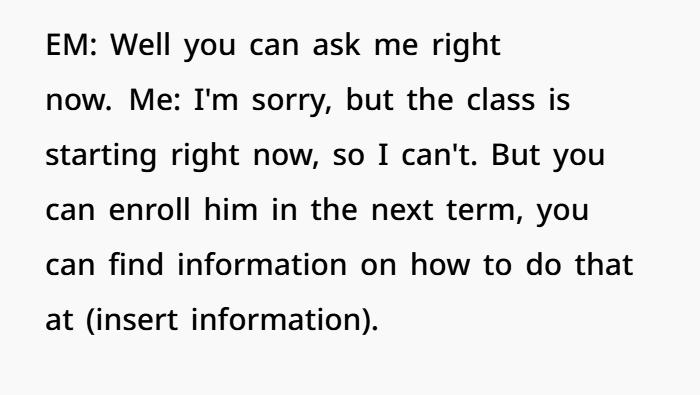
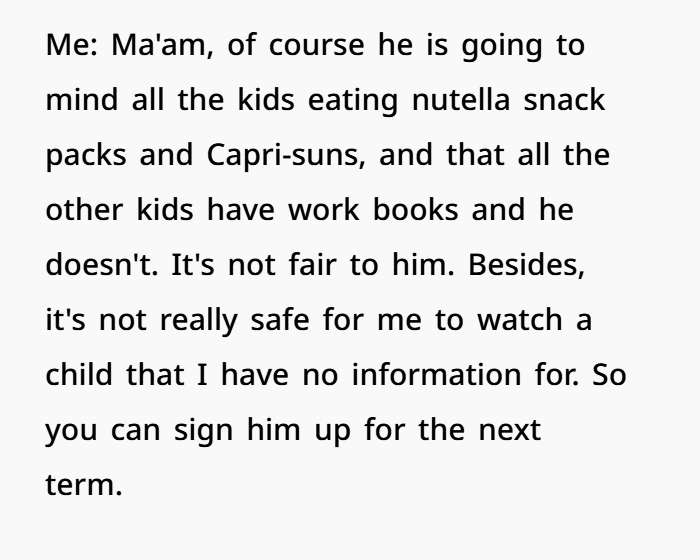
The organizer explained that she could not take responsibility for the child because there were no extra supplies, food, or paperwork available. She also explained that the program had rules in place to keep every child safe.
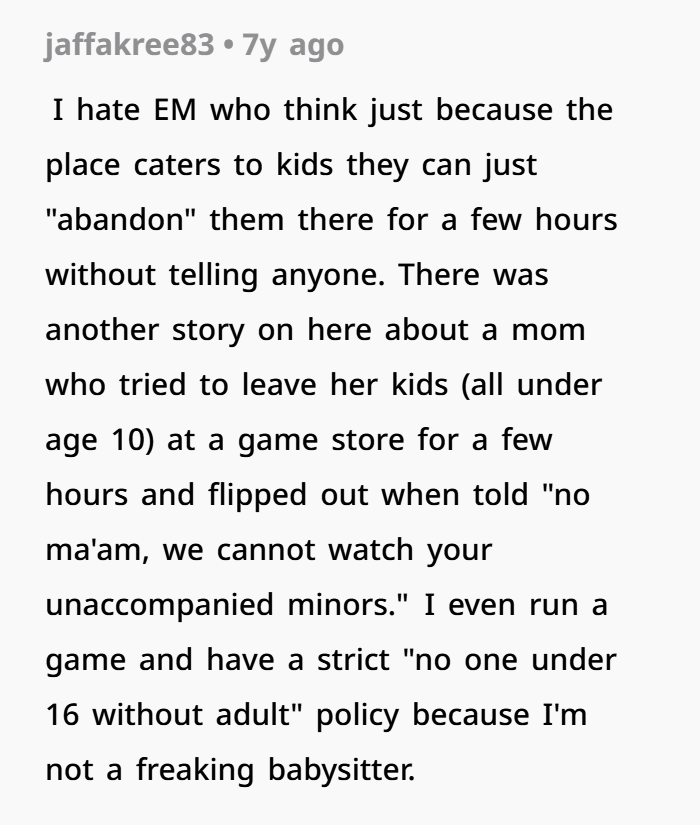
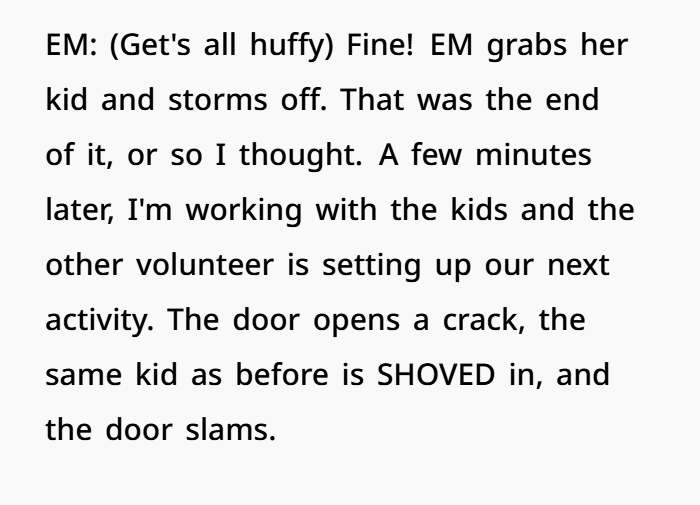
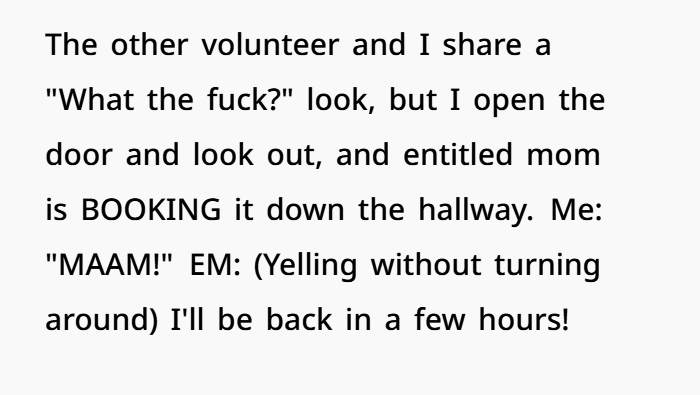
However, the mother did not accept the answer. She left her son in the room and started walking away.
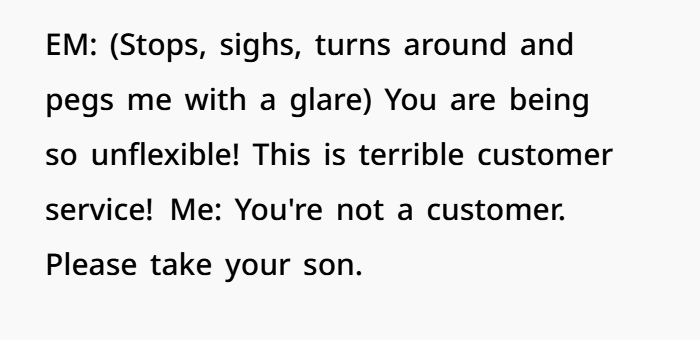
The organizer continued to explain that she was not able to supervise a child who was not registered. She reminded the mother that she could not simply leave her child without proper arrangements.
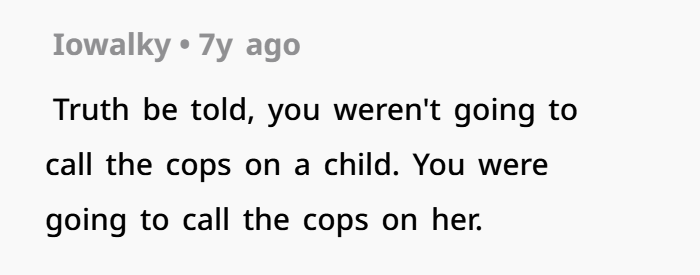
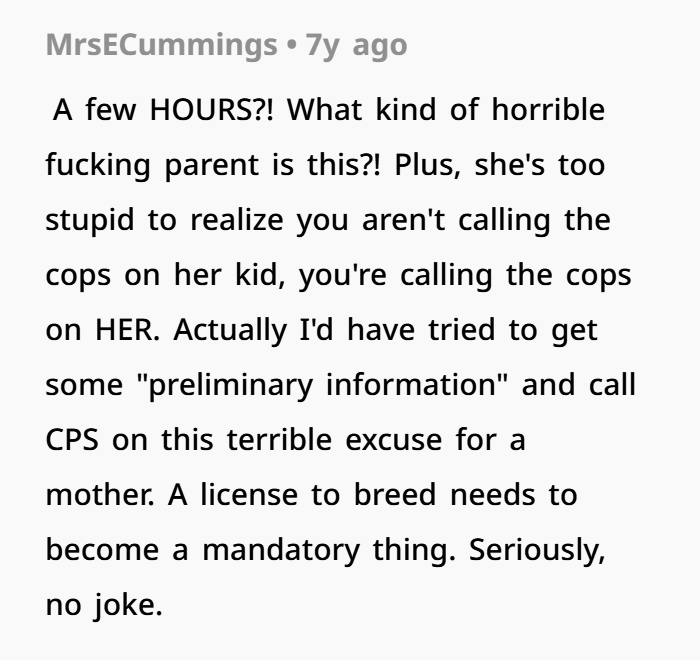
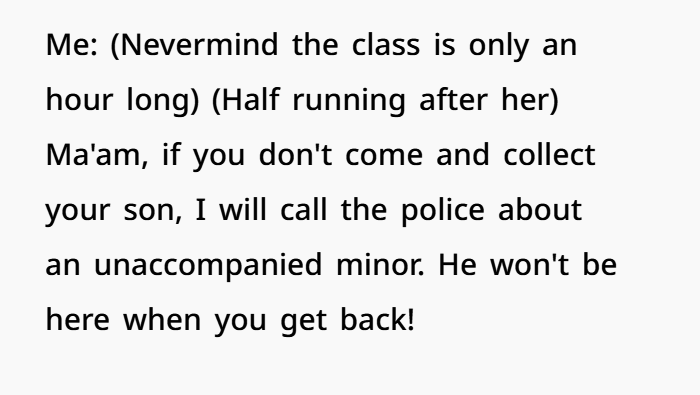
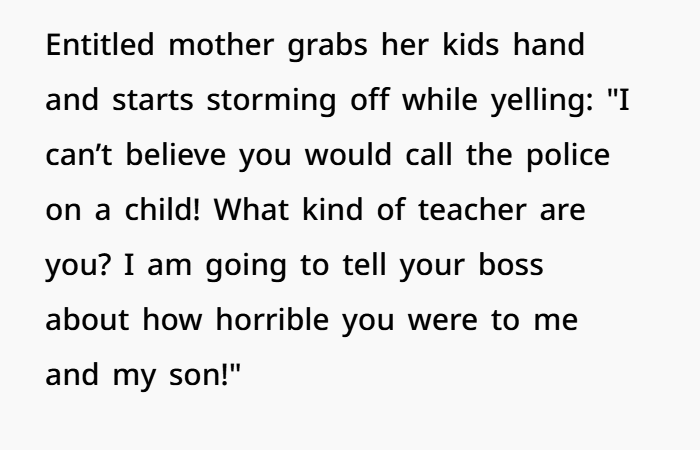
When the mother refused to take responsibility, the organizer said she would need to contact authorities for help. After hearing this, the mother returned and took her son with her.
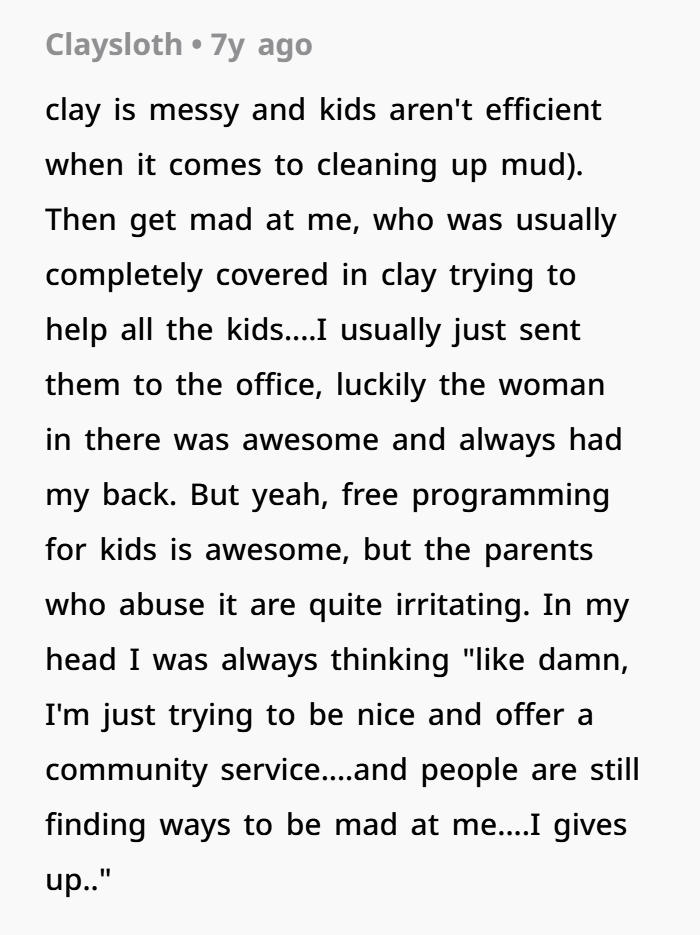
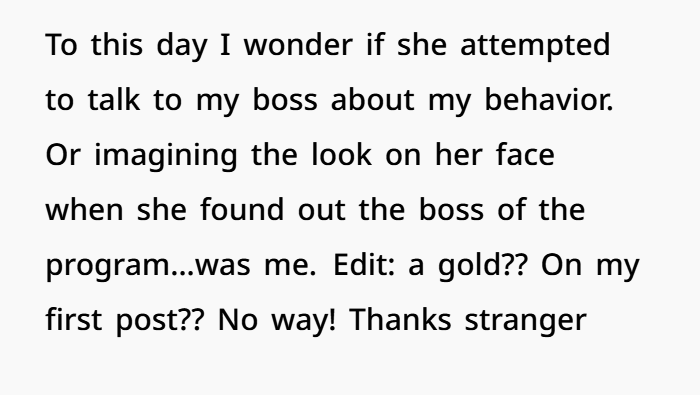
The situation became uncomfortable when the mother complained about the organizer’s response and accused her of providing poor service. She also threatened to report the organizer, even though the person she planned to contact was not actually involved with the program.
Why Setting Boundaries Is Important
Experts say that some people may struggle with respecting rules when they believe they deserve special treatment. This type of behavior is sometimes described as a sense of entitlement, where a person expects exceptions to be made for them.
In situations involving children, clear boundaries are especially important. Schools, childcare programs, and community organizations need rules to protect children and make sure they receive proper supervision.
A program cannot safely care for children without knowing important information, such as emergency contacts, health details, and permission forms. These steps are designed to protect both children and caregivers.
The Importance of Responsible Parenting
Parents play the most important role in a child’s care and development. Community programs, teachers, and childcare workers can provide support, education, and guidance, but they cannot replace a parent’s responsibilities.
When parents and caregivers communicate clearly and respect each other’s roles, children benefit the most.
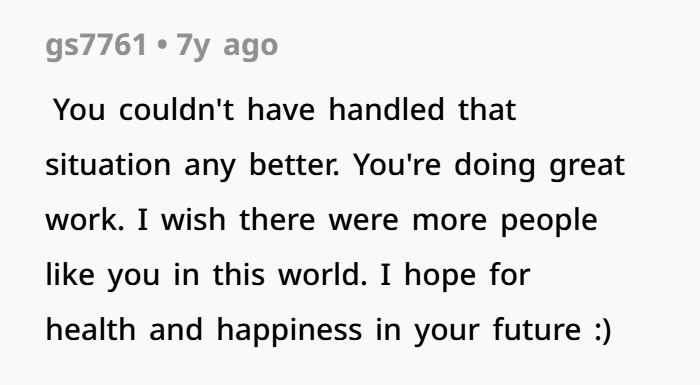
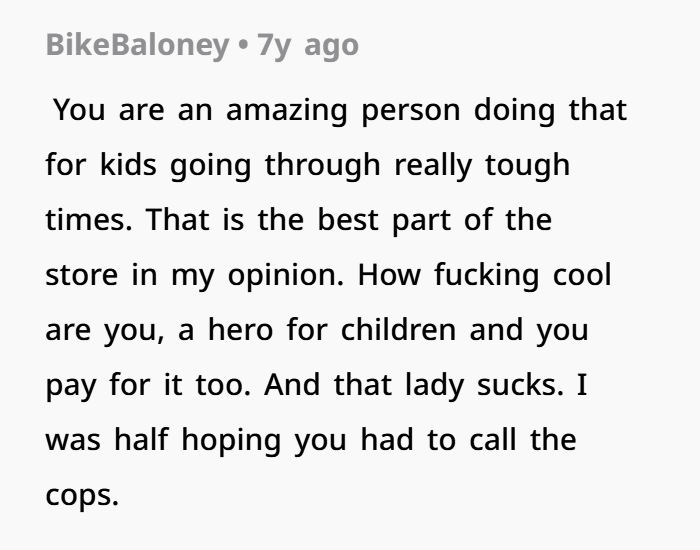
In this situation, the organizer chose to follow the program’s safety rules instead of making an unsafe exception. Many people supported her decision because she protected the children already enrolled and maintained the standards of the program.
The story is a reminder that free programs still require planning, responsibility, and respect. Rules are not meant to create problems — they are there to keep children safe and ensure everyone receives proper care.
Comments From The Community