Mom Fights Back After Autistic Child Is Humiliated In Class And Excluded From Field Trip
School can already be challenging for children with special needs. They deserve the same kindness, respect, and opportunities as every other student.
Unfortunately, some children may still feel left out or face unfair treatment at school. This is why inclusive education, student support, and clear school policies are so important.
One mother recently shared her experience with an online community after her autistic child was told he might not be able to attend an end-of-year school trip.
She felt the reason was unfair and wanted answers.
Instead of simply accepting the decision, the mother contacted the school and spoke with the principal. She wanted to understand the policy and make sure her child was being treated fairly.
The situation highlights important questions about special education, parent advocacy, educational resources, and equal opportunities for students. For families, having open communication with teachers and school leaders can make a meaningful difference.

Mom Takes Action After Her Son Is Left Out of a School Trip
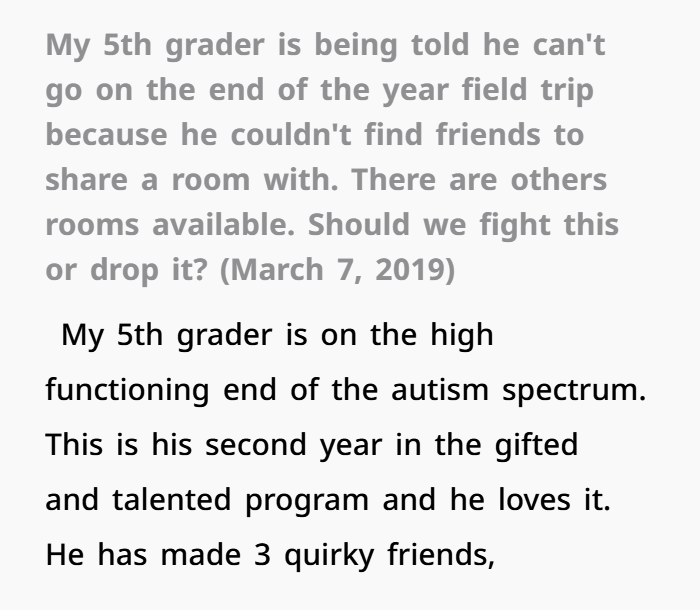
The original poster (OP) was happy to see her fifth-grade son finally enjoying school.
Her son is autistic and attends a gifted program. Making friends had been difficult for him in the past, but things were starting to change.
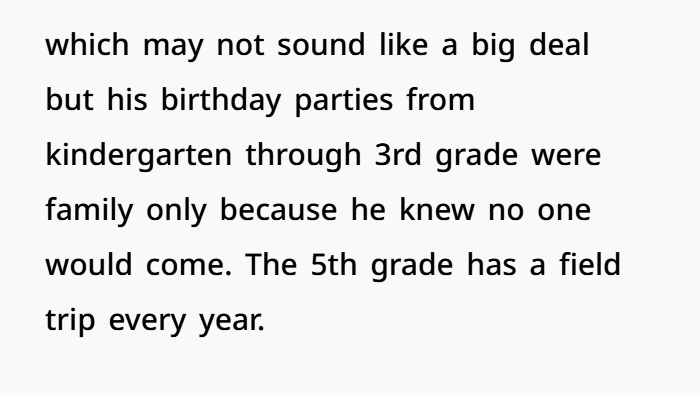
He found three friends he felt comfortable around. They spent time together, and his birthday parties finally felt like the happy events he had hoped for.
So when the school announced a popular fifth-grade adventure trip, he was very excited.
He did not want to miss it.
His Friends Could Not Go on the Trip
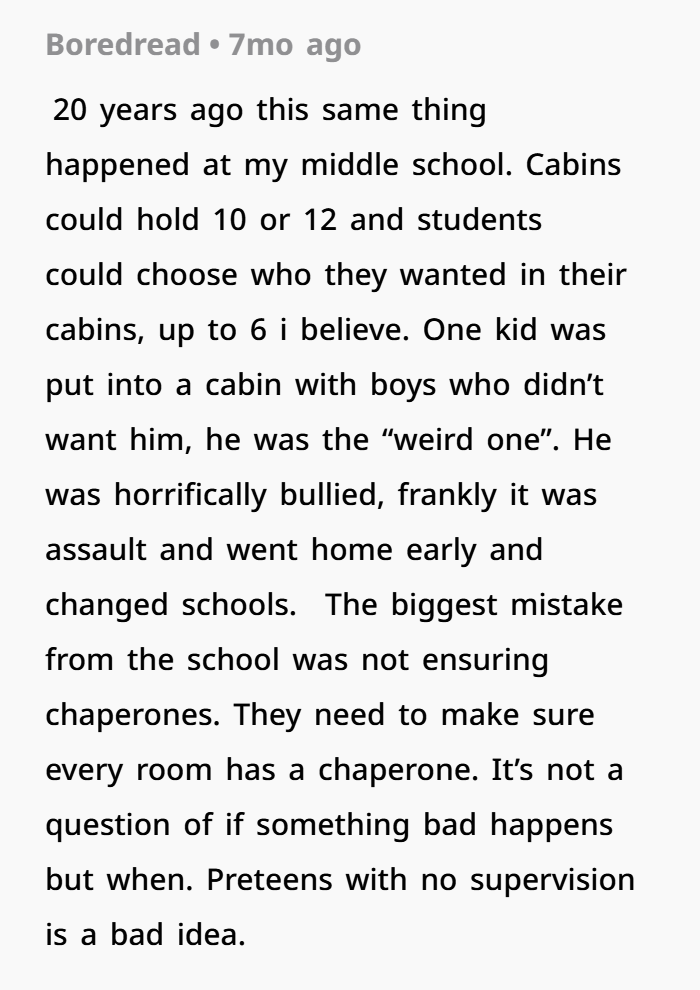
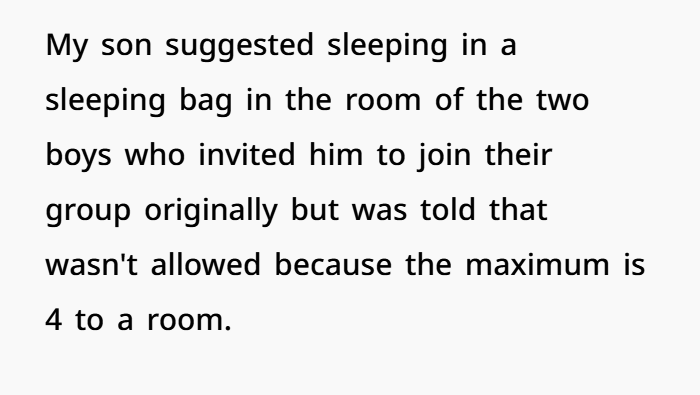
Students had to form groups of four boys for each cabin.
Unfortunately, his three close friends could not attend. Their families had different reasons for keeping them home, including sensory needs and other personal concerns.
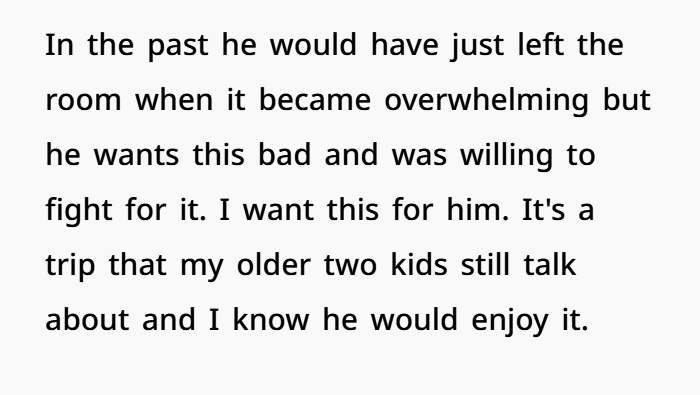
The OP’s son still wanted to go.
He eventually found another group through boys who knew his older brother.
It was not his first choice, but he now had a cabin group and could look forward to the trip.
Then the plan changed.
He Suddenly Lost His Place
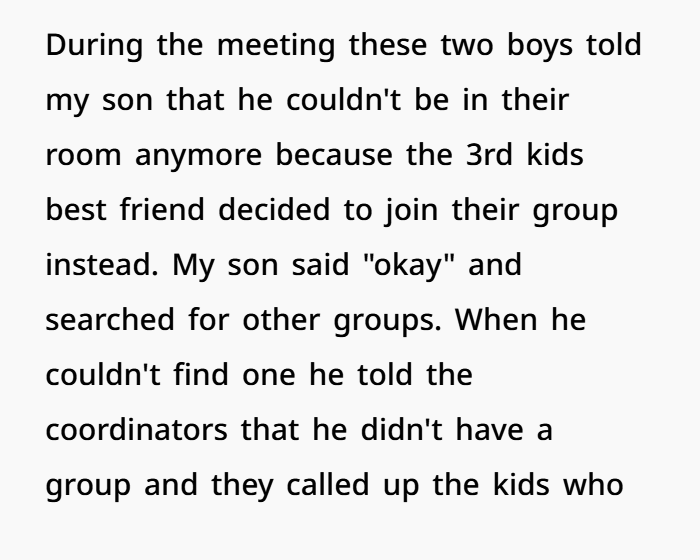
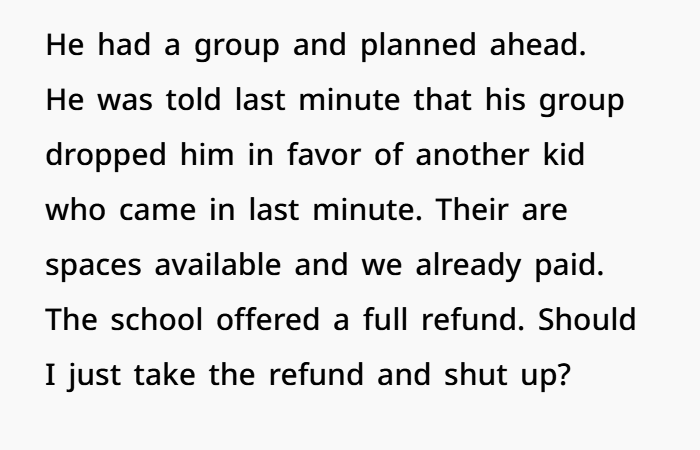
At a meeting before the trip, another student became available.
According to the OP, the other boys decided they wanted this student in their cabin instead.
Her son was removed from the group.
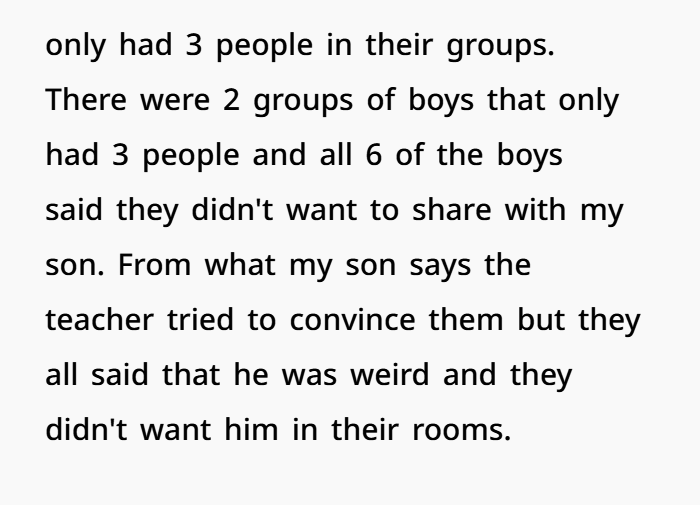
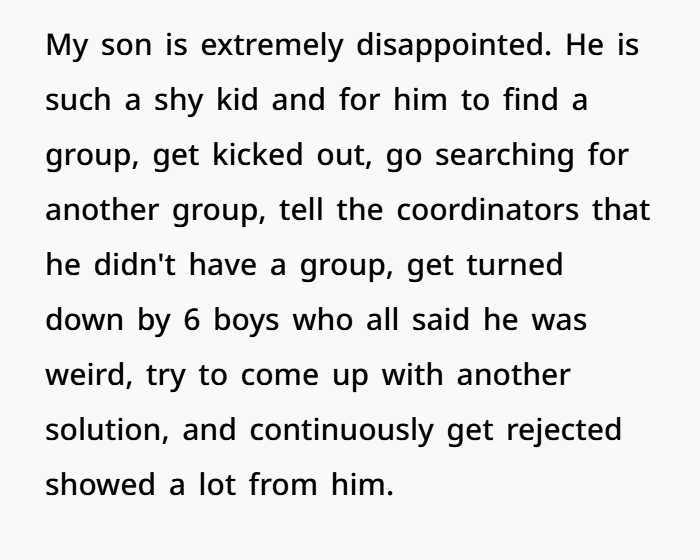
He tried to find another cabin and also told the trip coordinators what had happened.
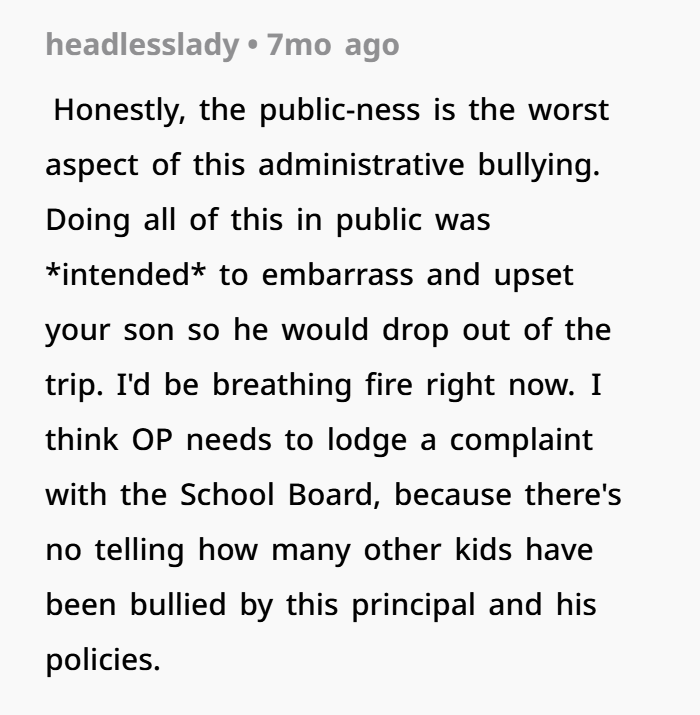
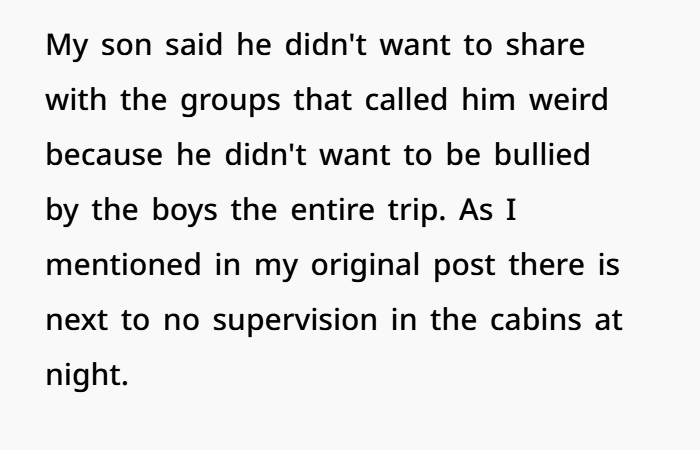
The situation became even more upsetting when several students refused to include him. Some reportedly called him “weird.”
For a child who had already struggled to make friends, this was a difficult experience.
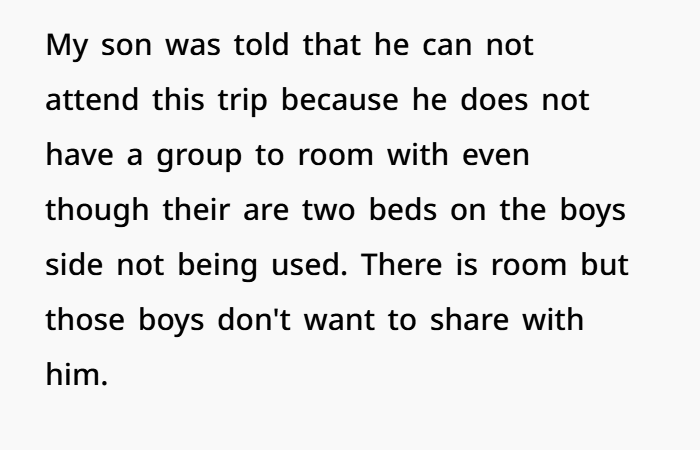
Eventually, the school told him he could not attend the trip because he did not have the required cabin group.
His mom was not happy with how the situation had been handled.
His Mom Went to the Principal
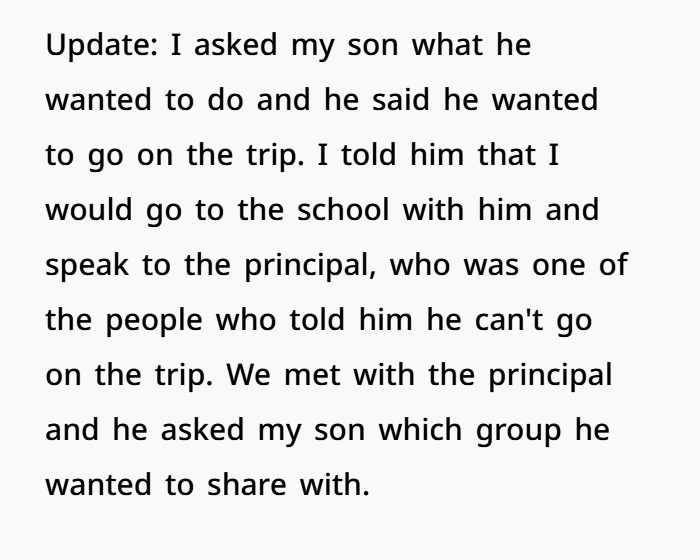
The OP arranged a meeting with the school principal.
She wanted to understand why her son had lost his place and why there had not been a better solution.
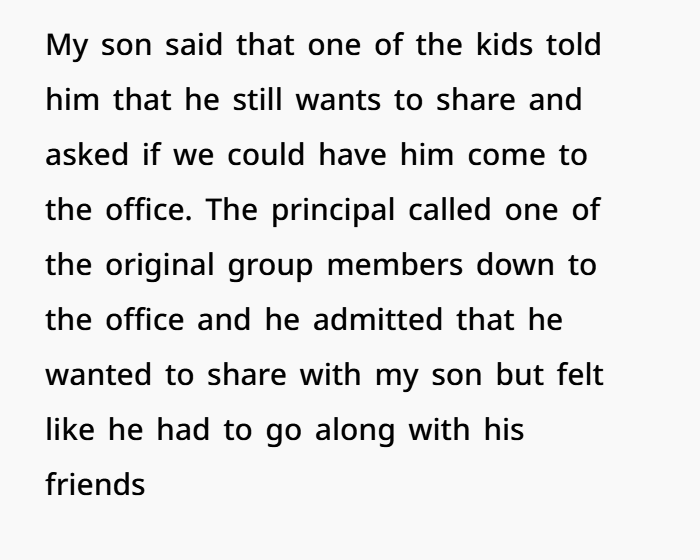
During the discussion, the students involved were able to explain what had happened.
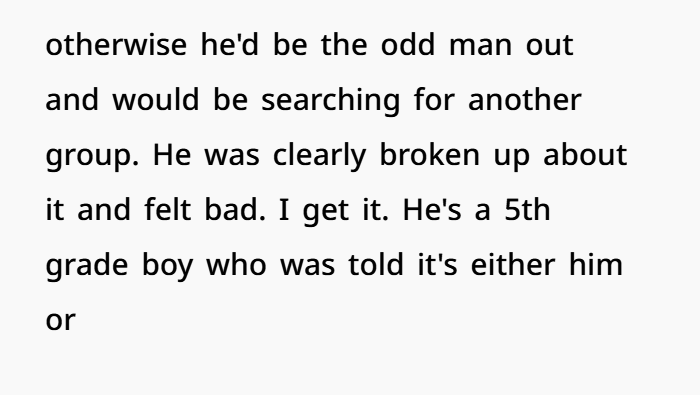
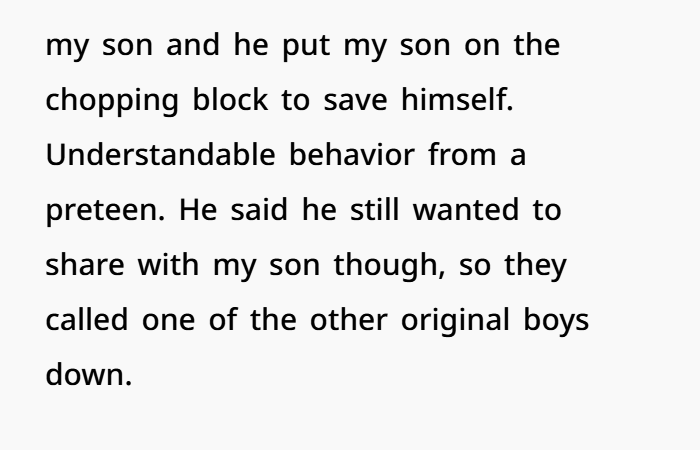
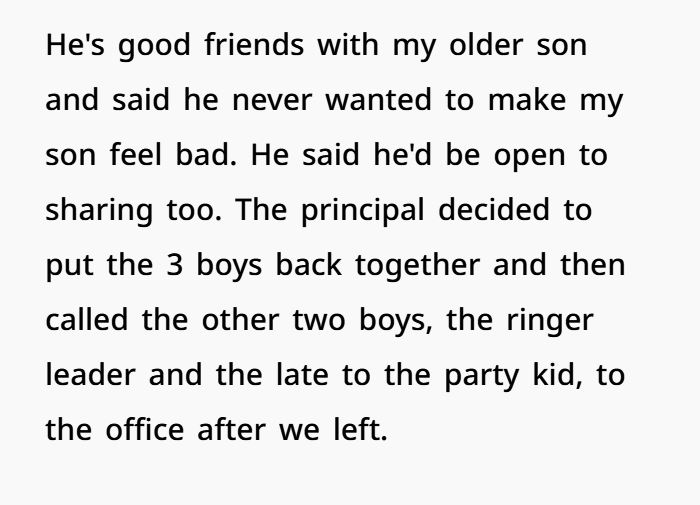
According to the mother, one child admitted that the situation had not been handled fairly. Another child was willing to support her son instead of following the group.
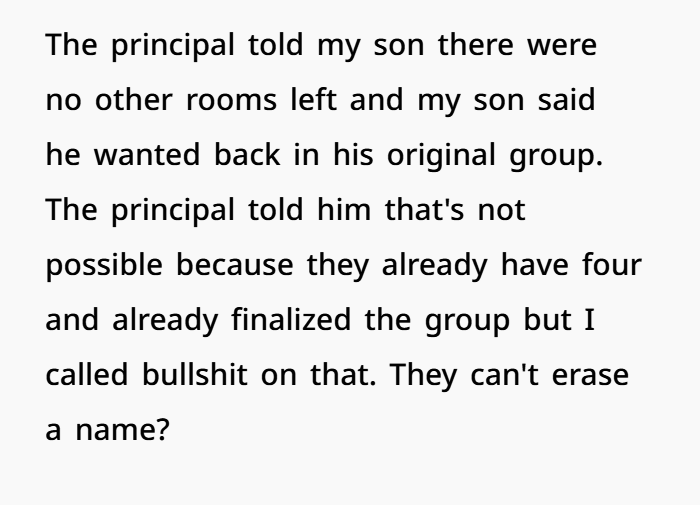
In the end, the school restored her son’s original cabin arrangement.
The student who had pushed for the change had to find another group.
Most importantly, the OP’s son could go on the trip again.
His Mom Wants More Than a Quick Fix
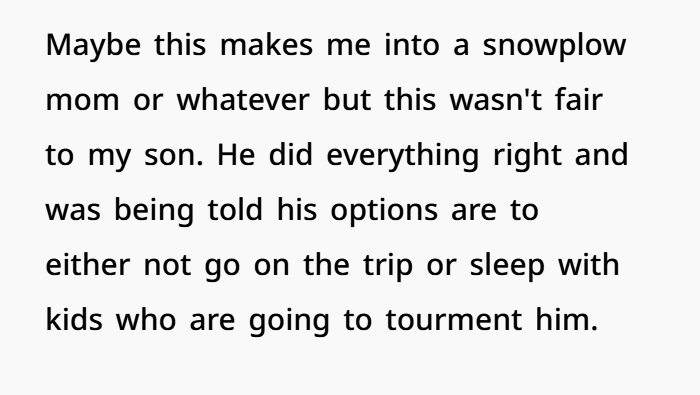
The immediate problem was solved, but the mother still had concerns.
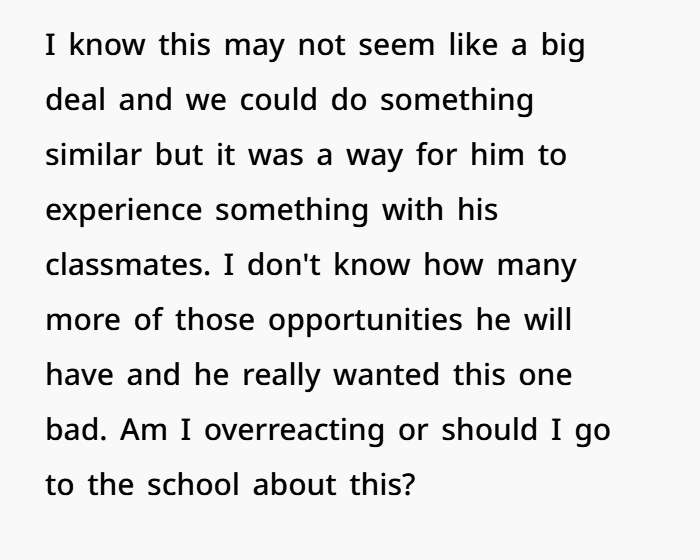
She did not want another child to be publicly left out in the future.
School trips are supposed to give children opportunities to have fun, learn new skills, build confidence, and create good memories.
A group-selection system should not make a student feel embarrassed or unwanted.
The OP now wants the school to consider a better process that supports inclusive education and student well-being.
Autism Does Not Look the Same for Everyone
Autism is a developmental difference that can affect communication, social interaction, routines, and how a person experiences the world.
Every autistic person is different.
Some children feel more comfortable with predictable routines. Others may find loud sounds, crowded spaces, or sudden changes difficult.
Some may communicate differently or need extra time to understand complicated social situations.
Autistic children can also have many strengths.
They may be highly focused, creative, curious, or very knowledgeable about subjects they enjoy.
Autism does not mean a child cannot be intelligent, caring, or interested in friendship.
Understanding this is an important part of autism support and child development.
A Gifted Child Can Still Need Educational Support
Being gifted does not mean a child will find every part of school easy.
A student may do extremely well academically while needing additional help with social situations, communication, sensory needs, or unexpected changes.
This is where special education services and individualized education support can make a difference.
The type of support needed will depend on the student.
For some children, regular communication with teachers may be enough. Others may benefit from help provided by a school counselor, special education professional, or other qualified educational specialist.
Parents and schools can work together to understand what will help the child participate successfully.
Teacher Training Can Help Students Feel Included
Better autism education for teachers and school staff can also help.
When adults understand that children may learn, communicate, and socialize differently, they can respond more effectively.
Without that knowledge, certain behaviors can easily be misunderstood.
A student who is quiet may not be uninterested. A child who struggles with a sudden schedule change may not simply be refusing to cooperate.
Good teacher training and educational resources can help staff recognize these differences.
That can lead to a more supportive classroom for everyone.
Schools Can Handle Group Selection Differently
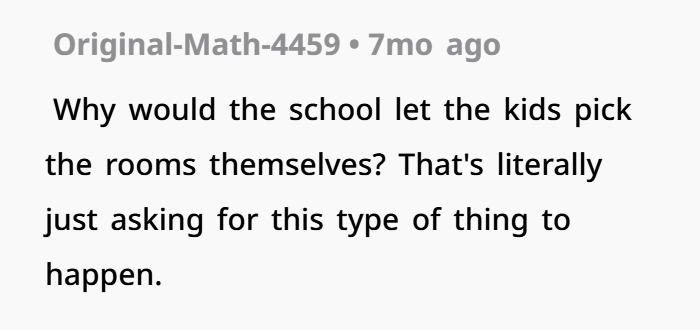
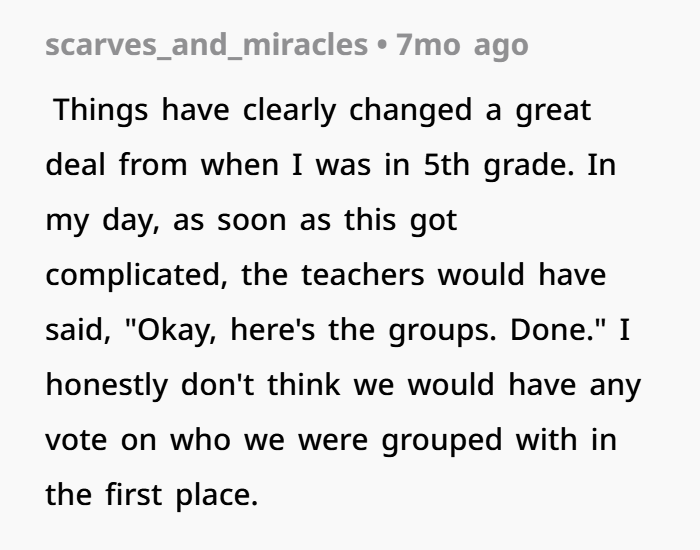
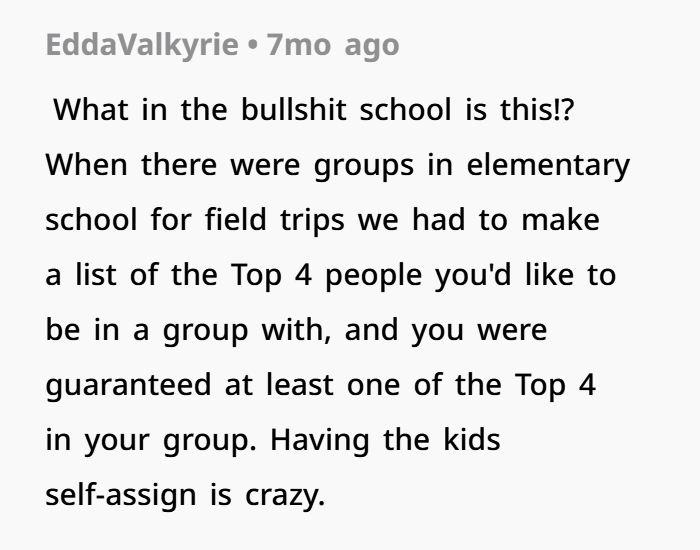
The cabin problem also raises a practical question: should children be responsible for choosing all their own groups?
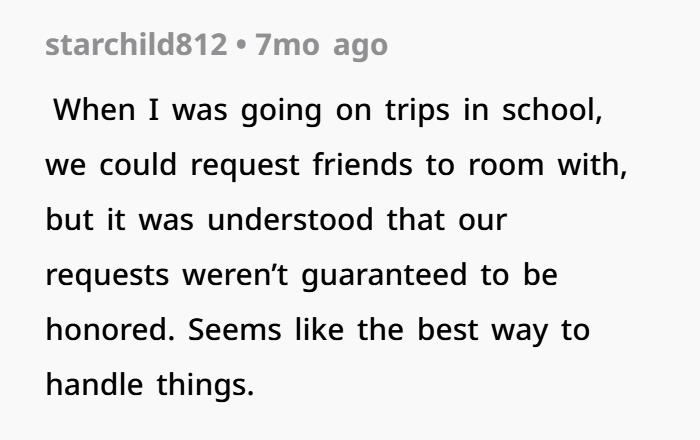
Allowing students to choose friends may seem simple, but it can leave some children without a place.
Schools have other options.
Teachers could create groups themselves. Students could privately list a few classmates they feel comfortable with, and staff could use those preferences when making the final groups.
Schools could also confirm that every child has a place before announcing cabin assignments.
These small changes could help protect student mental health and emotional well-being without forcing children to become friends.
The goal is simply to make the process fair and respectful.
Parents Can Advocate Without Solving Everything
Parents cannot prevent every disappointment their children will experience.
Children will sometimes face rejection, disagreements, and difficult social situations.
But parents can still speak up when a school policy appears to create an unnecessary problem.
Communicating with teachers, counselors, and administrators is part of parental involvement in education.
Parents can ask what support is available and work with the school to find a reasonable solution.
This is especially important when a student may need special education resources, learning accommodations, or additional social support.
The School Found a Solution
In the end, the OP’s son got his cabin spot back and was able to attend the trip.
That was good news.
But his mother hopes something useful can come from the difficult experience.
She wants the school to review how groups are created so future students do not have to publicly search for classmates willing to include them.
The situation is a reminder that inclusive education, autism support, school counseling, special education services, and student well-being are not only about classroom learning.
They also matter during field trips, clubs, sports, and other parts of school life.
Sometimes a small change in school policy can make a big difference in whether a child feels included.
Do you think schools should assign cabin groups themselves, or should students be allowed to choose?
The Comments Are In