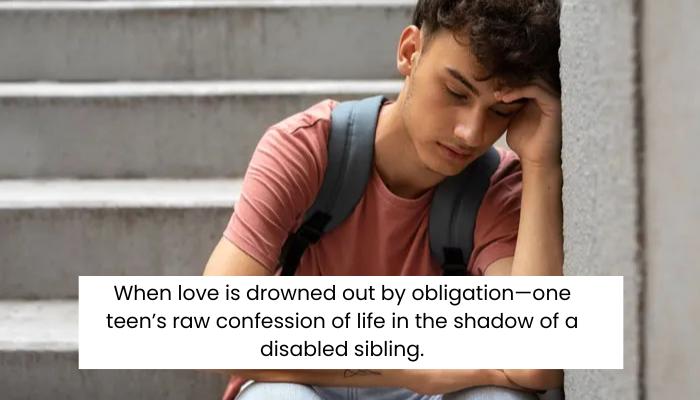
Teen Trapped as Full-Time Caregiver for Autistic Sister Finally Snaps and Confronts Parents
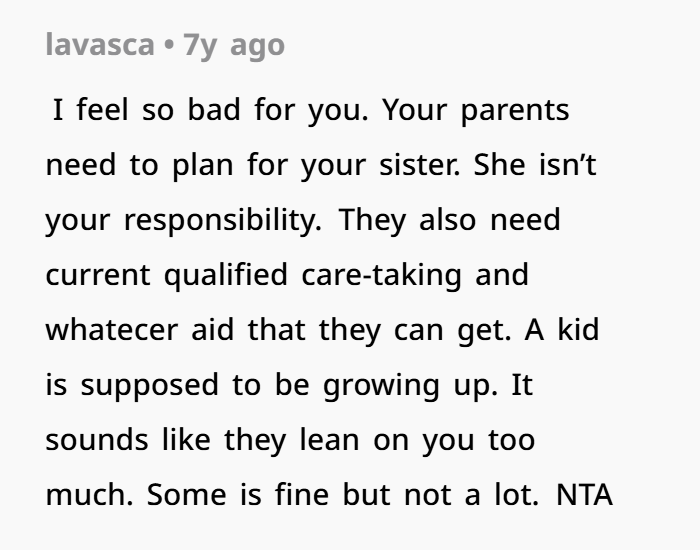
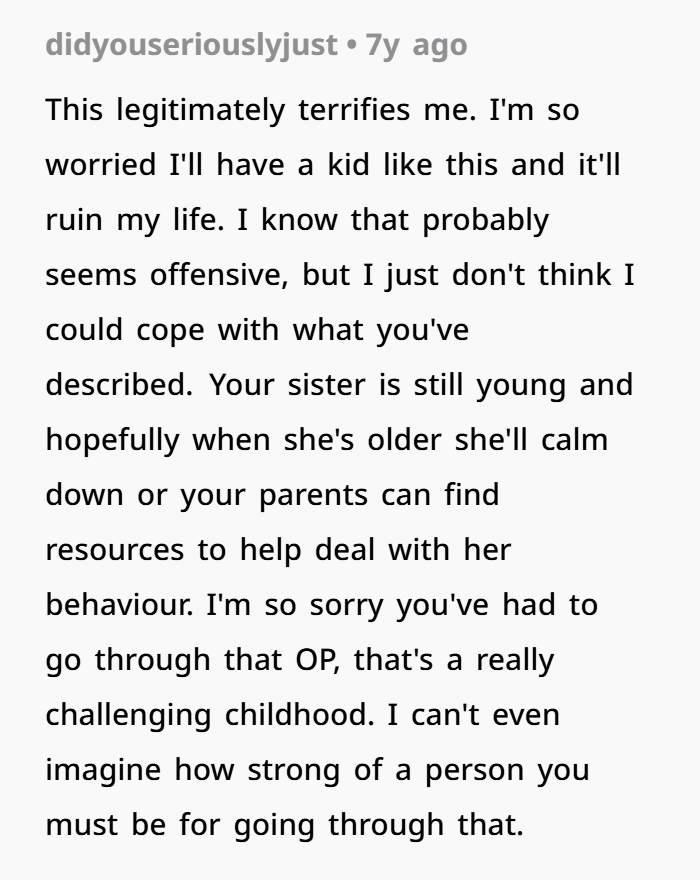
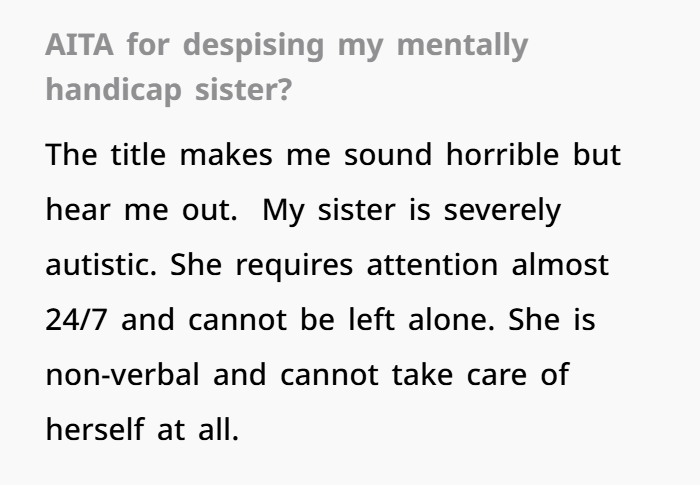
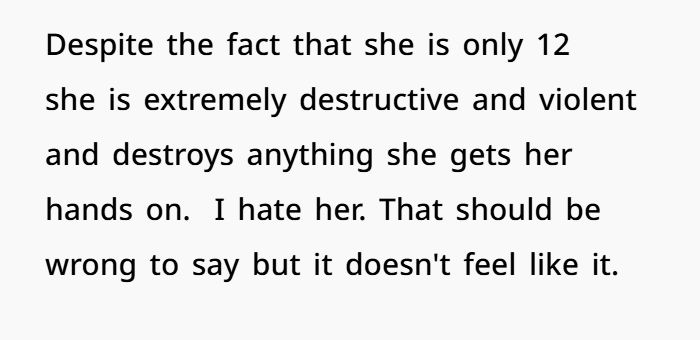
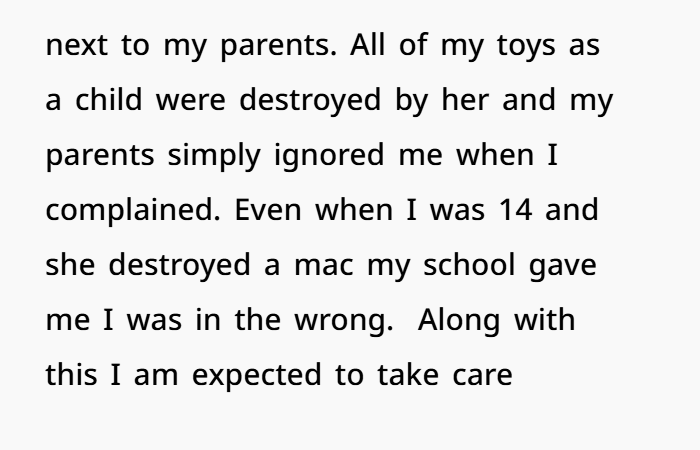
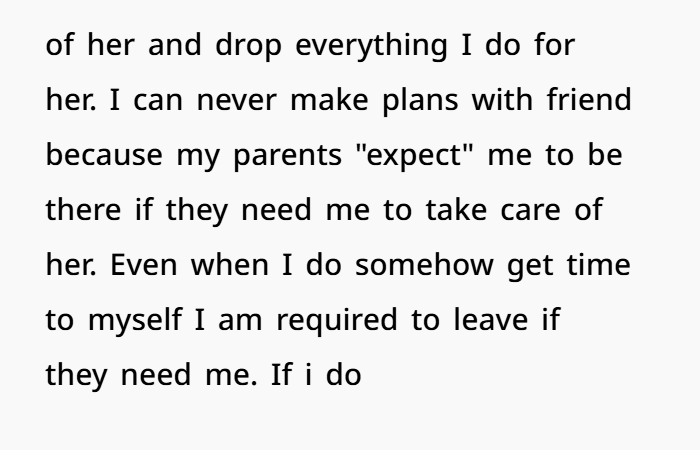
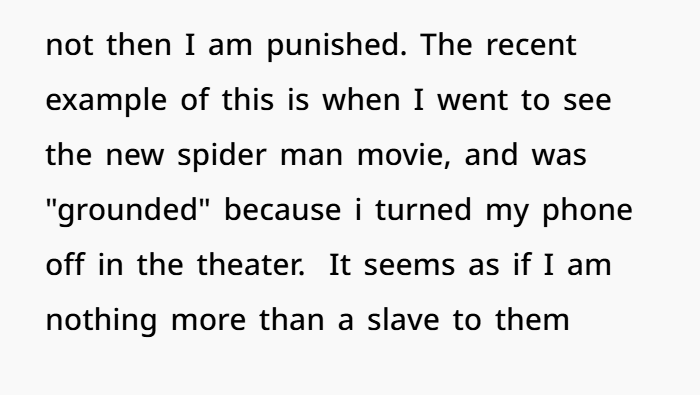
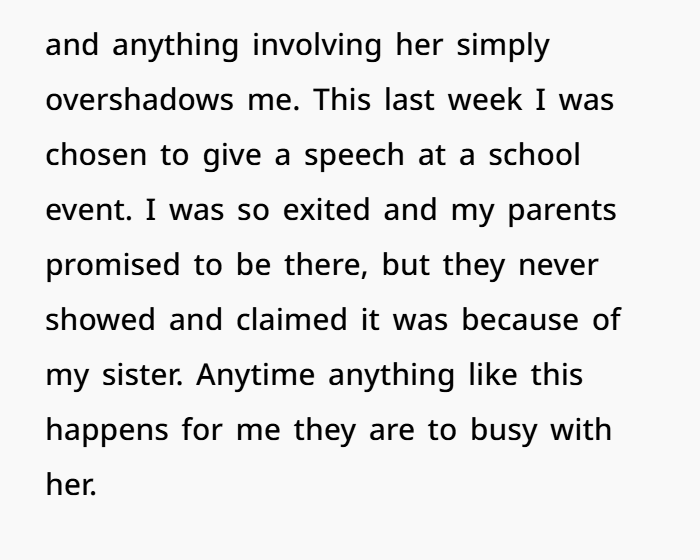
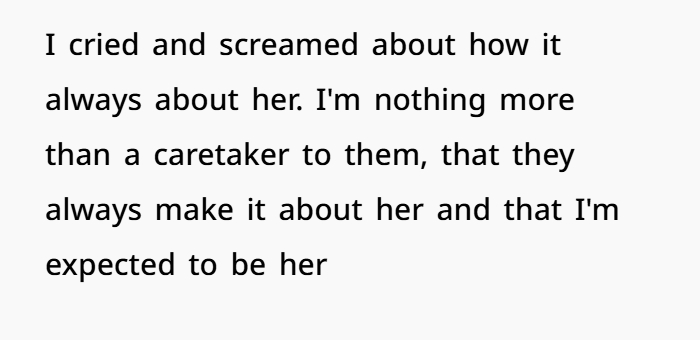
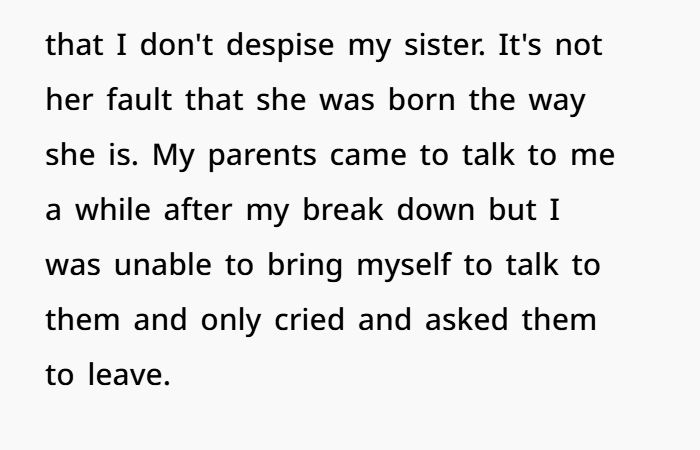
Growing up with a sibling who has severe autism can be very hard, especially for the child who often feels ignored in the family. A 17-year-old shared his experience, saying he does not hate his sister, but he often feels invisible and left out. He feels like most of the attention in the family goes to his sister because of her special needs.
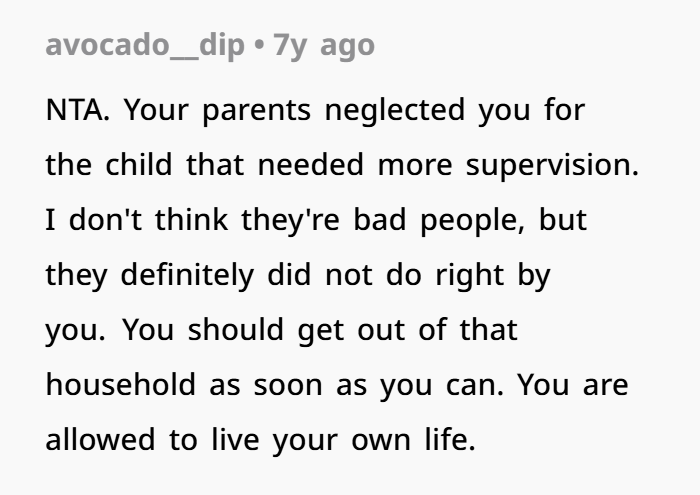
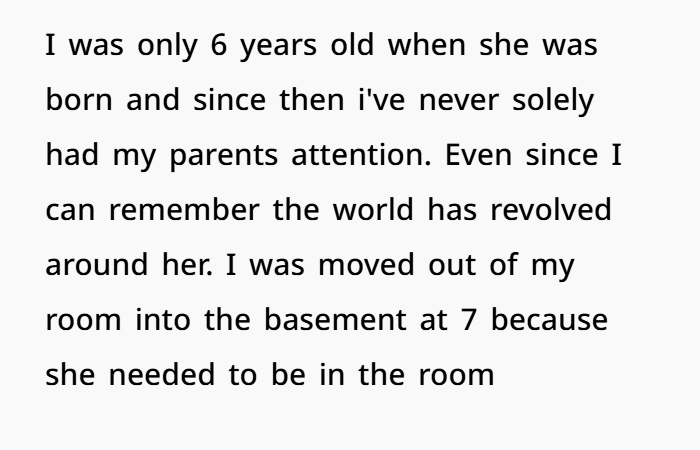
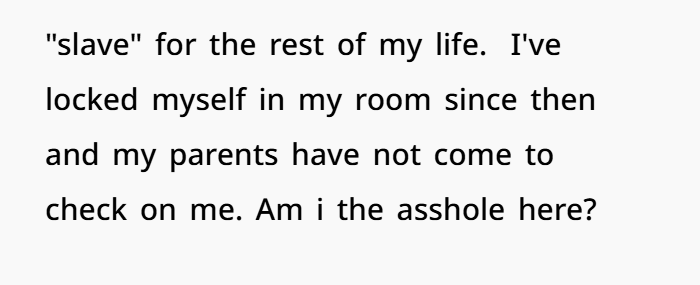
Since he was very young, his life has mostly been focused on his sister’s care and daily needs. He had to give up his own space, toys, and sometimes even his parents’ attention. Family trips were often canceled, and his personal achievements were not always noticed. Over time, he started feeling like he was not just a son, but also a caregiver at home.
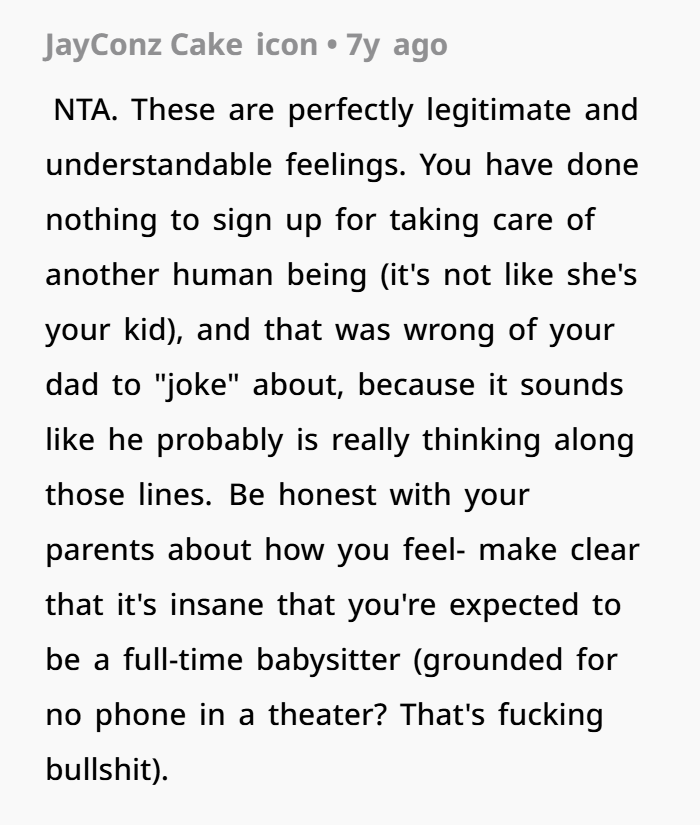
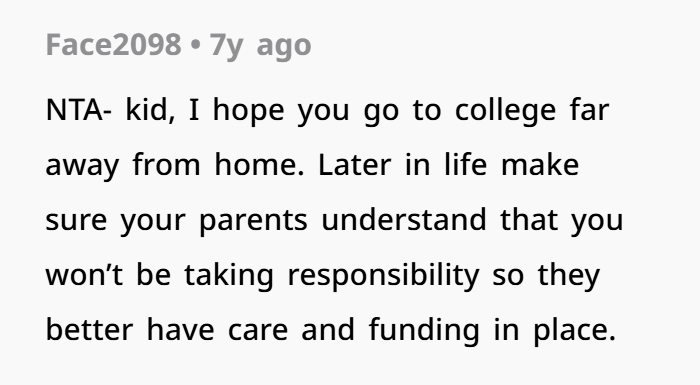
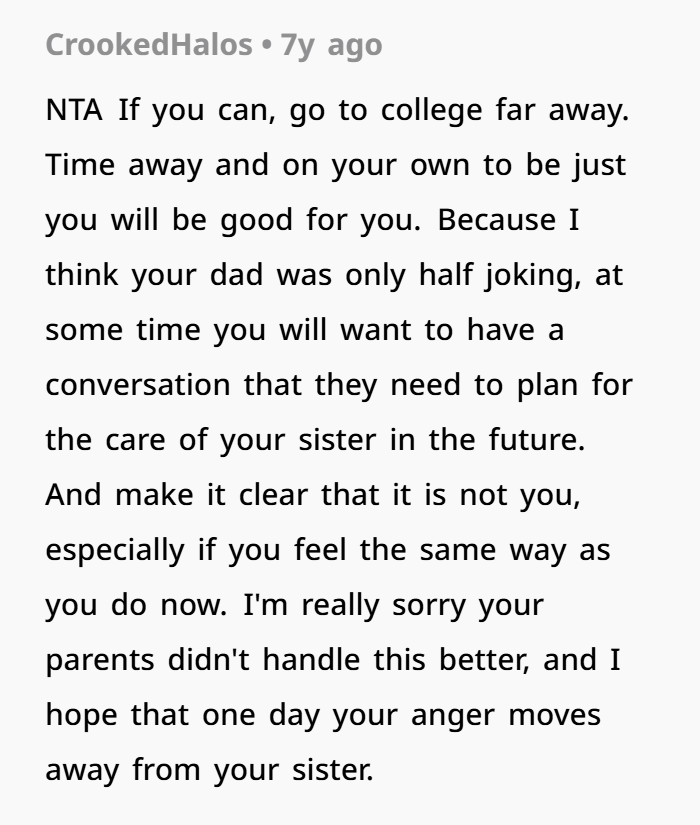
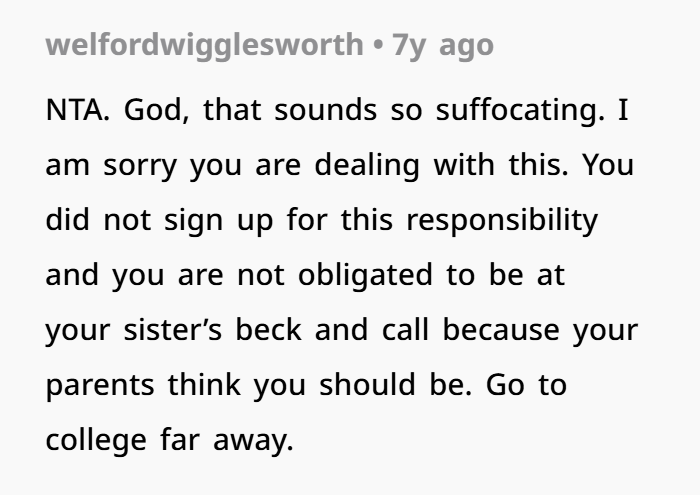
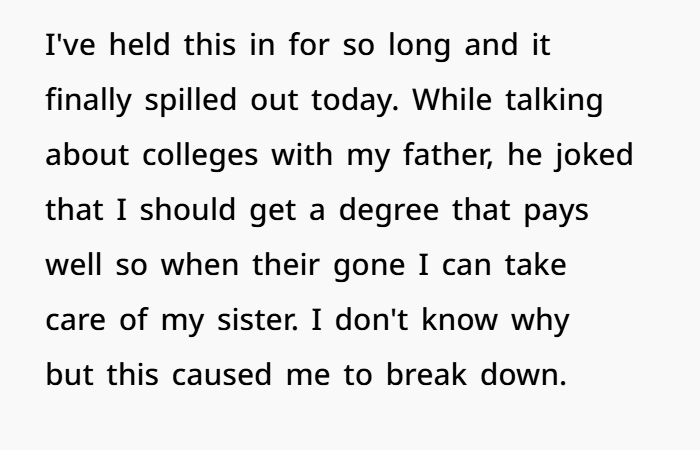
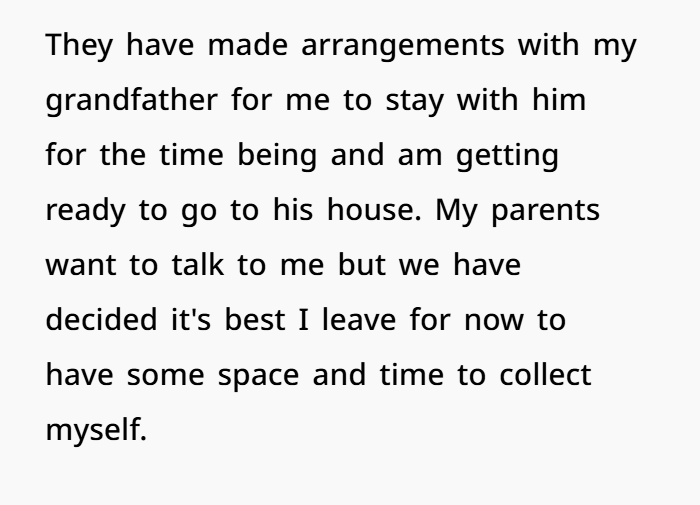
Things became worse when the topic of college came up. His father suggested that his future responsibility would be to take care of his sister financially and emotionally. This made him feel very overwhelmed and upset. He started to struggle more with his mental health, stress, and feelings of isolation. After a serious emotional breakdown, he was allowed to stay with his grandfather for some time to get a break.
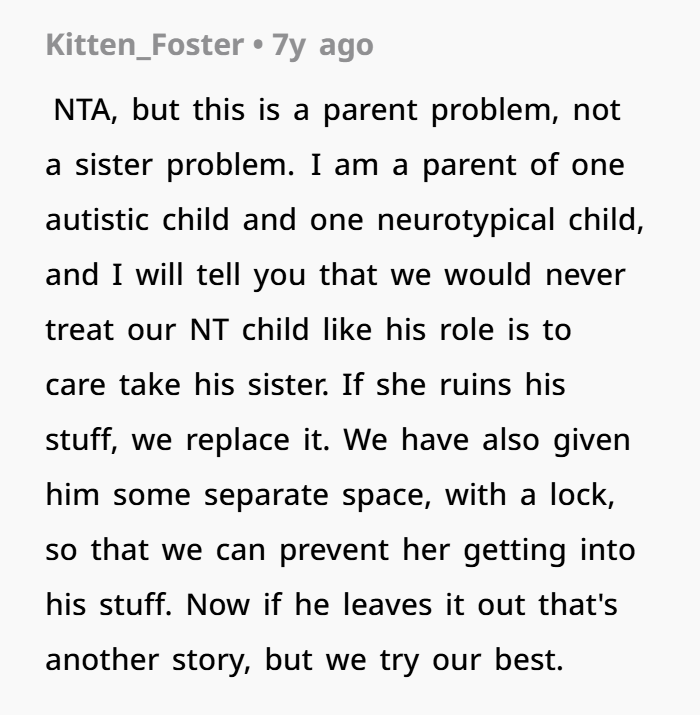
This situation is not about anger toward his sister. It is about emotional stress, caregiver burnout, and feeling forgotten in his own family. Many families in similar situations face challenges when there is no proper support system in place, such as family counseling, autism support services, and respite care programs. With better support and balance, both children and parents can feel more understood and cared for in the long term.
The girl is 12 years old, she is autistic, non-verbal, and definitely needs special caretaking


The Invisible Sibling: When One Child Feels Forgotten in a Special Needs Family
In many families with a child who has a severe disability, most attention naturally goes to the parents and the child who needs extra care. But there is often another child in the home—the sibling—who quietly feels left out. This is sometimes called the “invisible sibling” in family psychology and child emotional health.
👥 The “Glass Child” Experience
Psychologists use the term “glass child” for siblings of children with disabilities. It means they often feel like they are “seen through” and not fully noticed.
These children may:
- Hide their feelings to avoid adding stress at home
- Try not to complain
- Stay quiet about their own needs
Research from child development and mental health studies shows that these siblings can face higher risks of:
- Anxiety
- Depression
- Low self-esteem
- Emotional stress
They may also feel guilt for having negative emotions, even though they love their brother or sister.
⚖️ Parentification and Heavy Responsibility
In some families, the healthy sibling is expected to take care of their brother or sister, sometimes even in the future.
This is called parentification. It happens when a child is given adult responsibilities too early.
While parents usually do this out of love or worry about the future, it can feel overwhelming for the child.
Legally, siblings are usually not required to become caregivers unless they choose to. But emotionally, many feel pressure due to family expectations and guilt.
This can affect teen mental health, emotional stress, and future life planning.
🔄 Family Balance and Emotional Stress
When one child needs a lot of care, it can sometimes feel like the other child gets less attention.
This can create feelings of:
- Being ignored
- Emotional distance from parents
- Resentment or sadness
Experts in family counseling and child psychology say that this is not intentional neglect. It often happens because parents are focused on the child with higher needs.
However, studies show that when parents try to give attention to all children, the whole family becomes more emotionally healthy and connected.
Sometimes support from relatives, like grandparents or extended family, can also help bring balance at home.
🧭 Finding Identity and Emotional Support
The feelings of frustration or sadness from the sibling are not about hatred. They are about feeling unseen and overwhelmed.
When a child moves to a calmer environment, like staying with a relative, they may feel relief. This is because they finally have space to focus on themselves.
To help with healing, teen counseling and family support services can be very helpful. Some useful support options include:
- Family therapy sessions
- Sibling support groups
- Autism and disability family services
- Emotional wellness counseling
These resources help children understand their feelings and reduce guilt or stress.
Final Thoughts
Siblings in families with a disabled child often carry emotions that people do not see. They are not “bad” or “selfish”—they are often just tired and emotionally overwhelmed.
In family mental health and parenting support, it is important to remember that every child needs attention, care, and emotional safety.
When siblings feel seen and supported, they can build their own identity, reduce stress, and grow into healthier and more confident adults.
The teen actually became the hostage of the situation with the sister – and the parents emphasized this too