
You Want Your Real Dad? He Can Pay for Your Wedding Too.
A man shared a difficult situation involving his long-term role as a stepfather. He had been in his partner’s life for about 10 years and had helped raise her daughter since she was young. Even though he was not the biological father, he acted like a parent in every way. He paid for her full college tuition, helped buy her a car, and supported her living expenses while she studied. The biological father was mostly absent and not very involved.
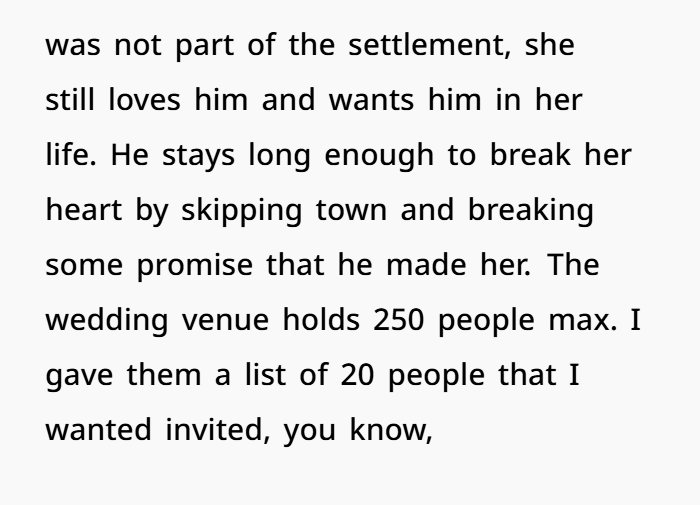
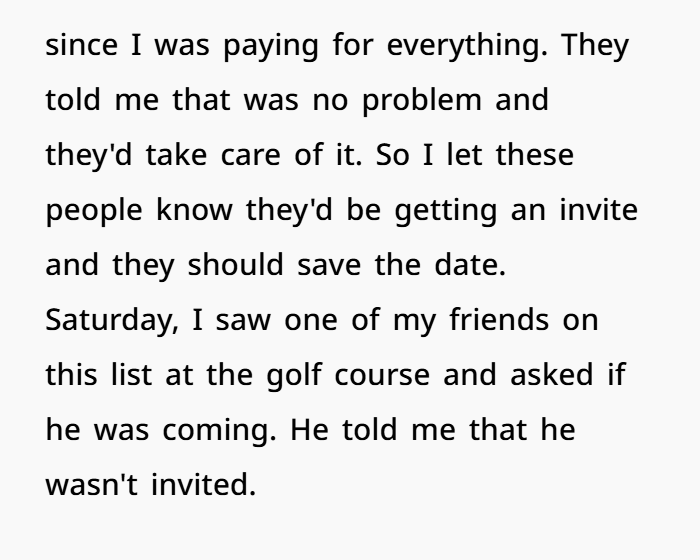
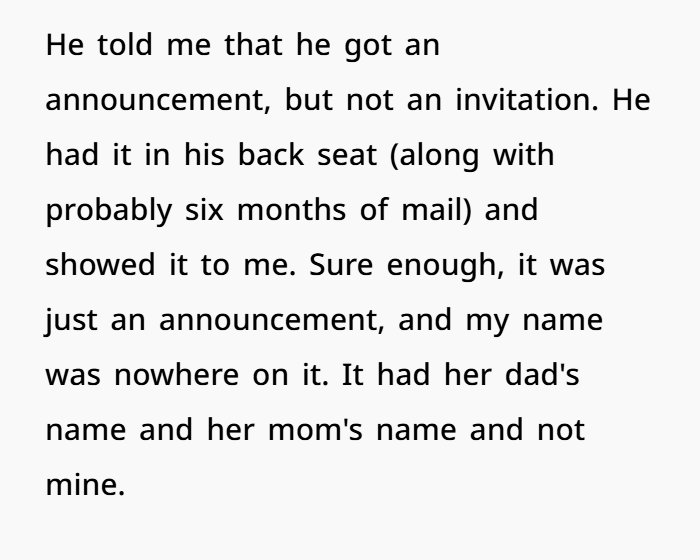
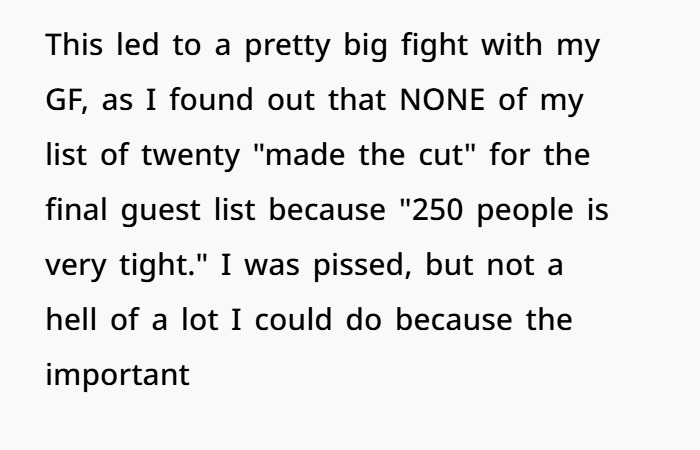
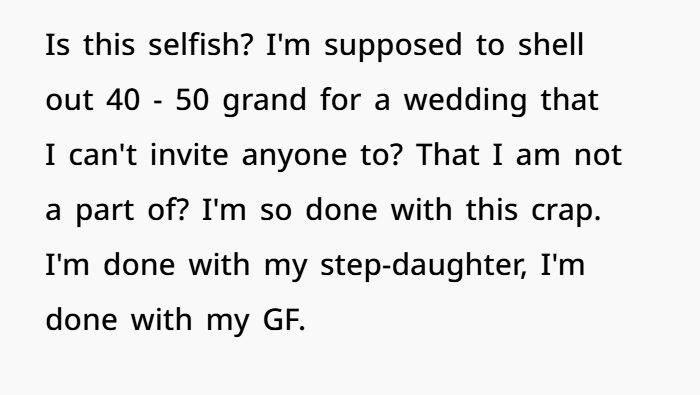
As the wedding planning began, problems started to appear. The stepfather was paying for most of the wedding, but he felt he had very little say in the plans. He was only allowed to invite a small number of guests, and later found out that none of his invited friends were actually included on the guest list. He also noticed that his name was missing from the wedding invitations, while the biological father was clearly listed.
Things became even more hurtful at a family dinner before the wedding. The bride announced that her biological father would be the one to walk her down the aisle. Everyone seemed happy about this, but the stepfather felt excluded and disrespected after years of support and care.
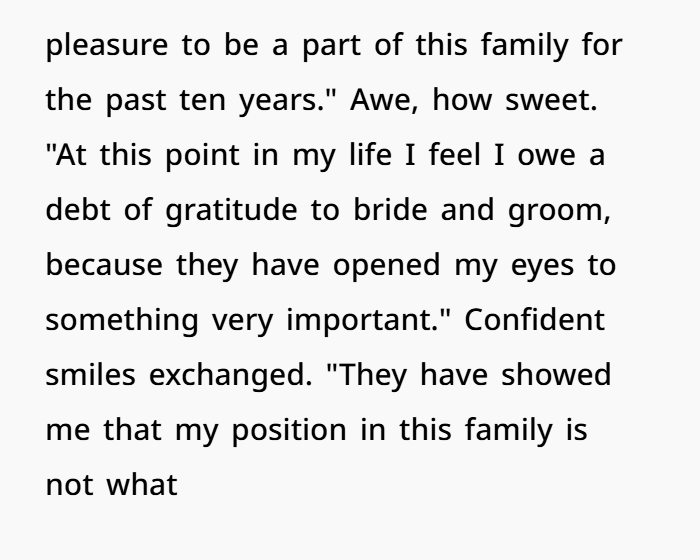
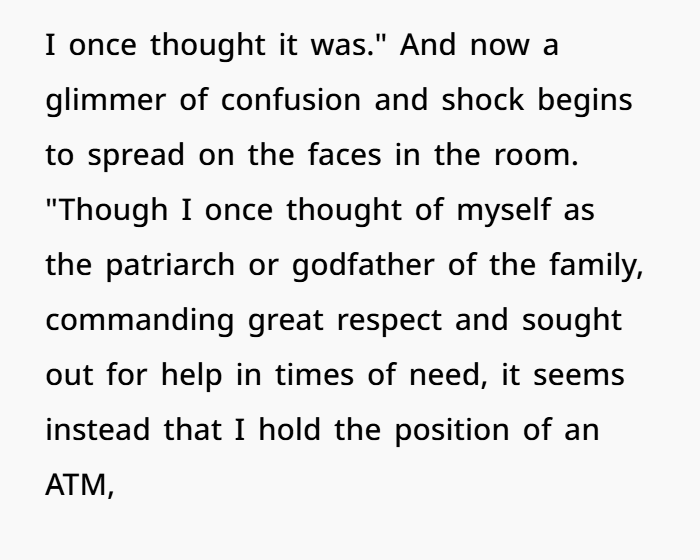
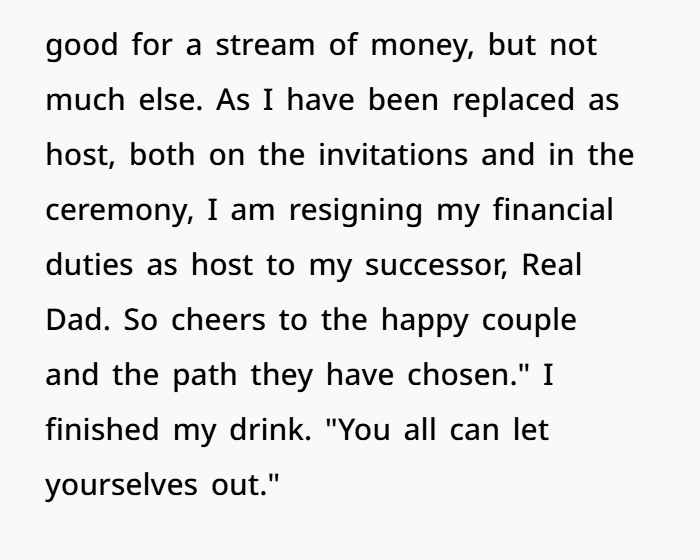
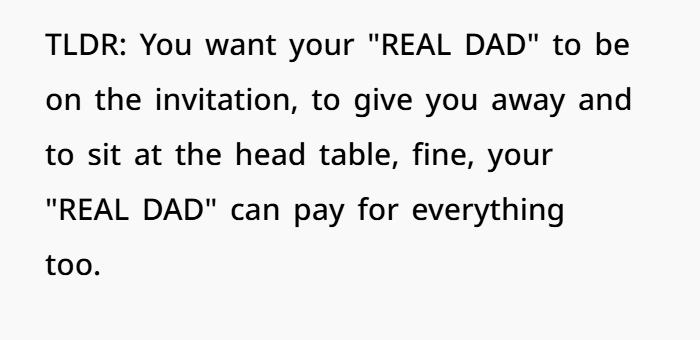
After this, he calmly gave a short speech and said that if the biological father was taking the main father role, then he should also take responsibility for the wedding costs. He then stopped paying for the wedding and decided to cancel all financial support. He asked his partner and her daughter to move out. Now the situation raises questions about step-parent boundaries, emotional responsibility, and financial support in blended families.
Until he realized that he was expected to foot the bill without being involved in the big day at all

Let’s break this down in a very simple way, because this is not just about a wedding. It is about step-parent roles, blended family relationships, emotional neglect, and financial support in long-term relationships.
This story shows how complicated family dynamics, co-parenting roles, and emotional boundaries can become when someone gives a lot but is not treated like family.
1. He was more than a boyfriend — he acted like a stepfather
Some people may think this was just a casual relationship, but it was not.
They lived together for 10 years.
He paid for college.
He bought her a car.
He helped with housing and daily life during her studies and after.
This is not small help. This is long-term parental support in a blended family setup.
Even without legal adoption or marriage, this kind of support often feels like a parent-child relationship. That is why it hurts so much that he was not included in an important life moment.
He was not just giving money. He was emotionally and practically involved in her life.
2. Emotional support and financial imbalance in families
In many blended families, there can be emotional imbalance. One person gives support, while the other does not show the same level of care or respect.
In this situation, he gave:
- Money for college tuition and education support
- A car and transportation support
- A home and stable living environment
- Years of emotional and daily support
But in return, he did not receive recognition, appreciation, or inclusion in a major life event like a wedding.
This creates a feeling of emotional neglect and financial imbalance, which is very common in step-parent relationships and blended family issues.
3. The “real father” situation
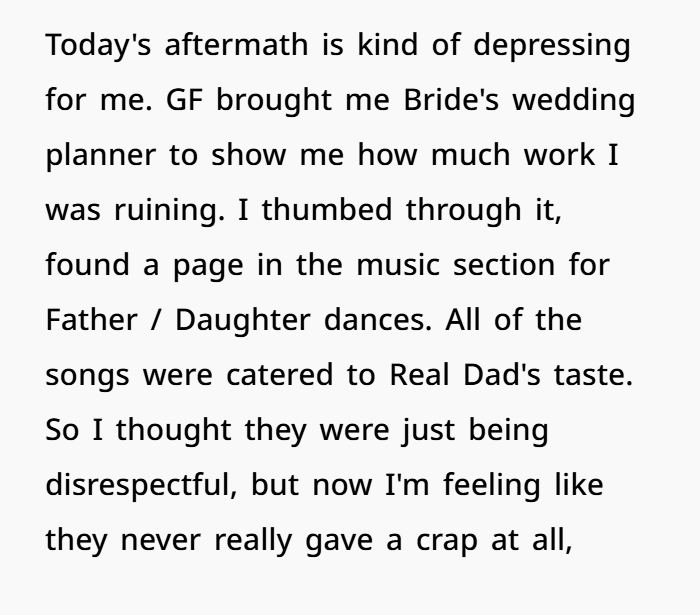
The biological father was not very involved in her life. He did not support her education or finances and was mostly absent.
But at the wedding, he was given the main role and honor instead.
This is painful for many step-parents. It happens when emotional history is ignored and the “biological parent” is chosen over the “real-life parent” who actually supported the child.
In psychology, this can happen when someone idealizes an absent parent. They focus more on the idea of a parent, not the actual actions of that person.
So instead of appreciating the person who helped daily, the bride chose the father she wished had been there all along.
4. The breaking point and emotional reaction
At some point, he realized how he was being treated.
He understood that he was not seen as a real father figure, but more like financial support.
His reaction was not loud or violent. It was calm but firm. He decided he would no longer continue paying or supporting something where he was not respected or included.
This is often called setting boundaries in relationships and family financial responsibility.
It was a moment of self-respect, where he stopped accepting one-sided treatment.
5. Aftermath and family breakdown
After this decision, things changed quickly.
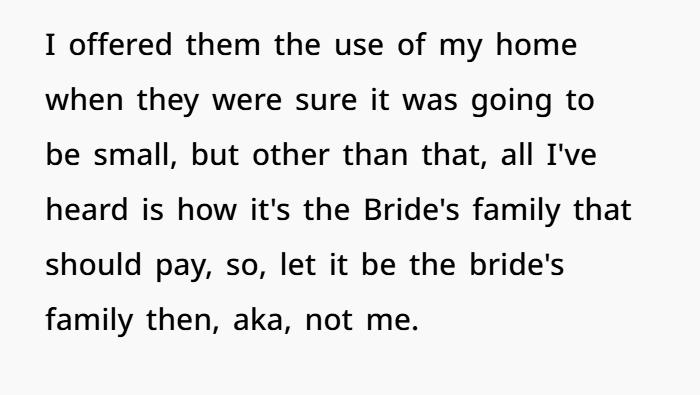
He stopped paying for wedding costs.
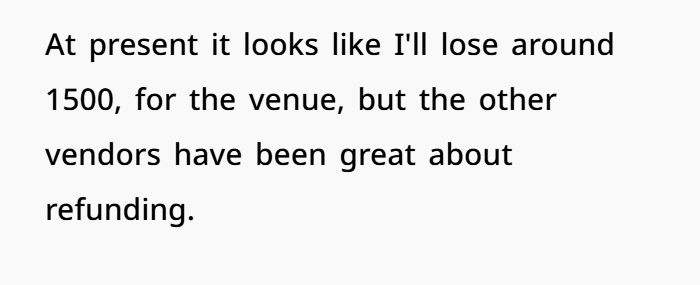
He contacted vendors and canceled payments.
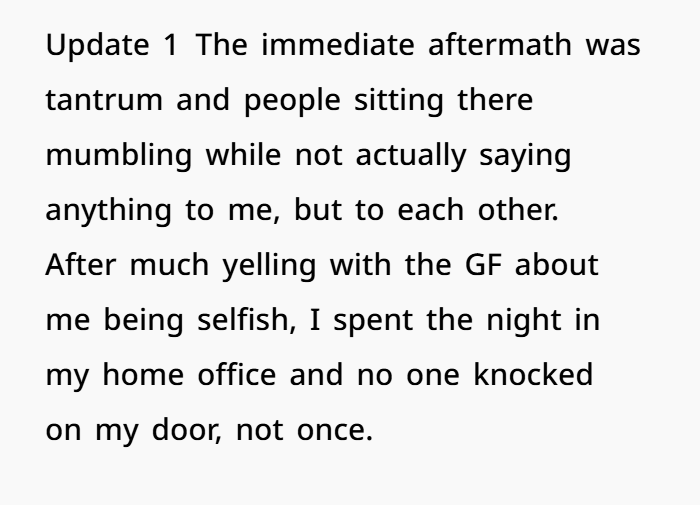
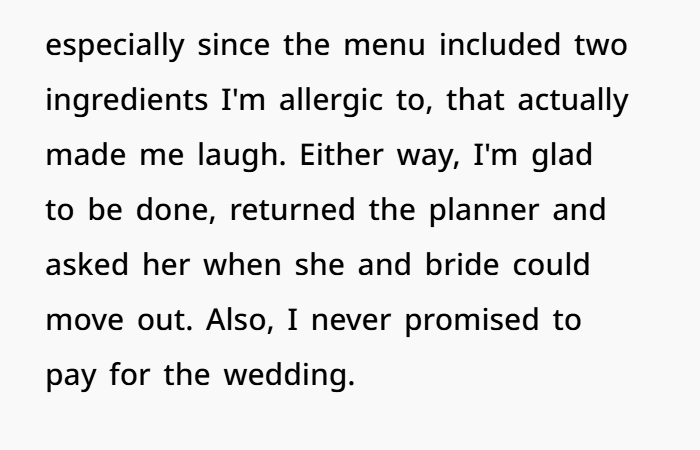
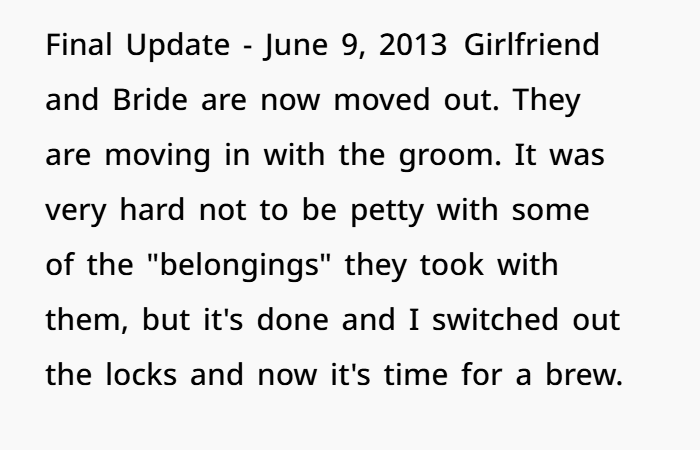
He asked them to move out of the house.
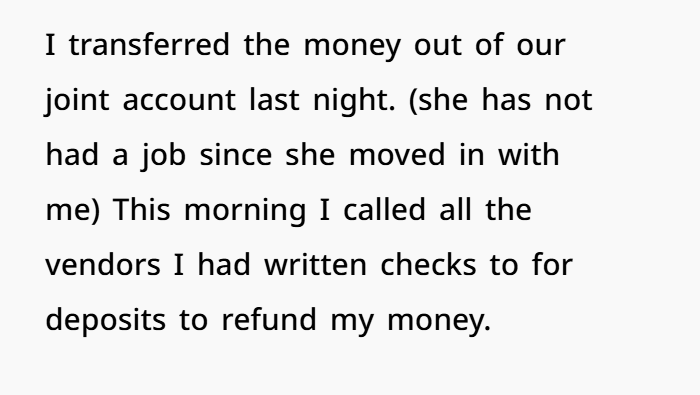
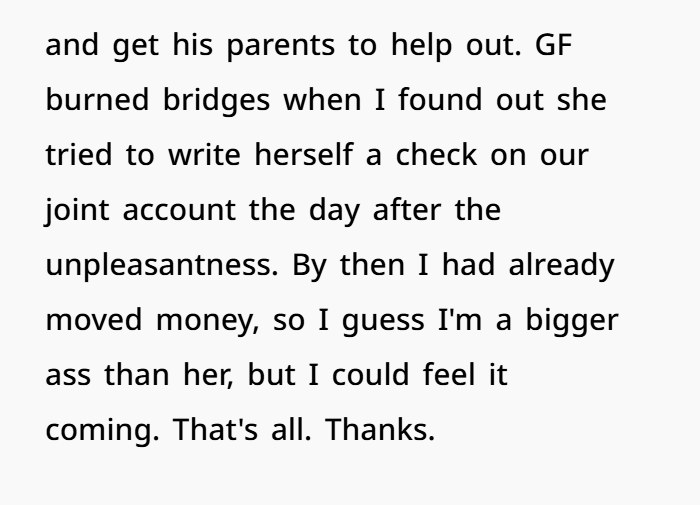
He also secured his finances to avoid further misuse.
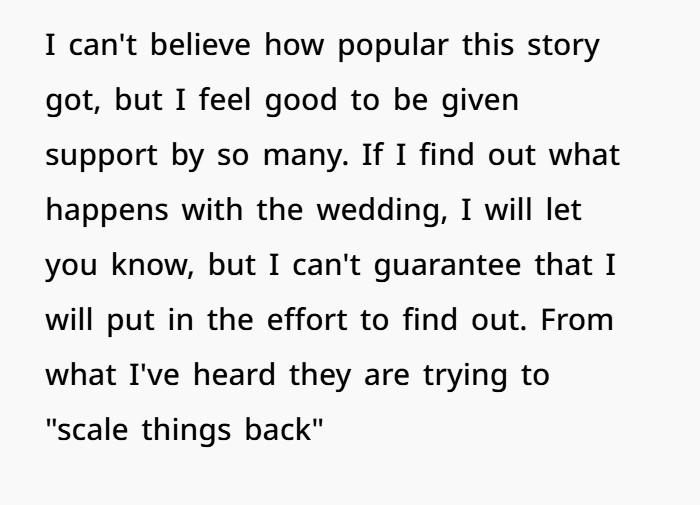
Later, there was more conflict over money and accounts, which showed that trust in the relationship was already broken.
This kind of situation is common in financial boundaries, shared household finances, and long-term relationship stress when expectations are not clear.
6. Lessons for blended families and step-parent relationships
This story is a strong reminder for people in blended families, step-parent roles, and co-parenting environments.
Some important lessons are:
- Do not provide full financial support without respect or inclusion
- Set clear emotional and financial boundaries early
- Appreciation and respect are just as important as money
- Step-parents need a defined role in family relationships
- Communication is key in blended family dynamics and custody-like responsibilities
In healthy blended families, everyone should feel valued, not just financially involved.
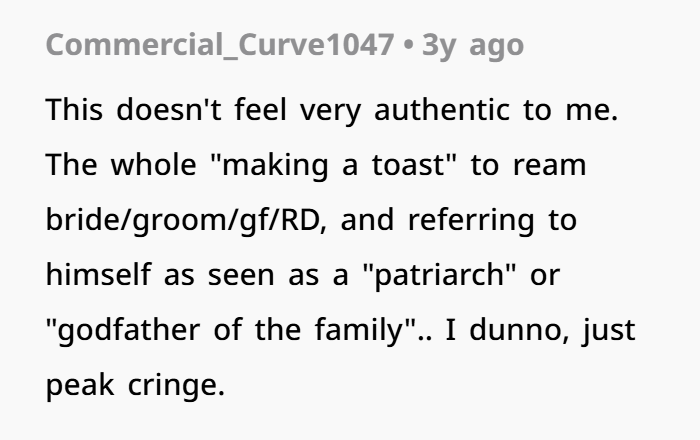
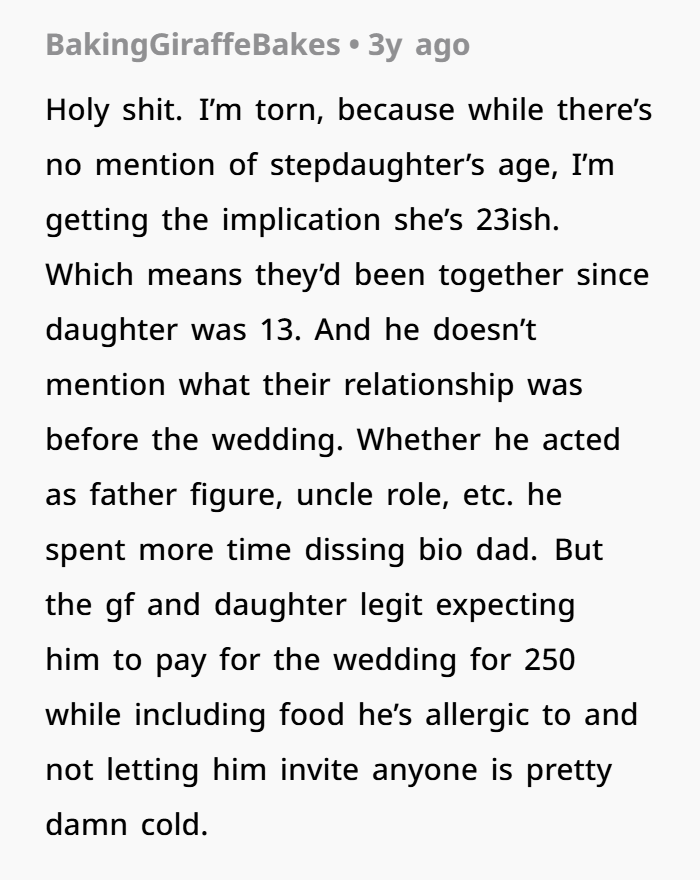
Later, the author responded to a couple of comments from readers and shared a few more details


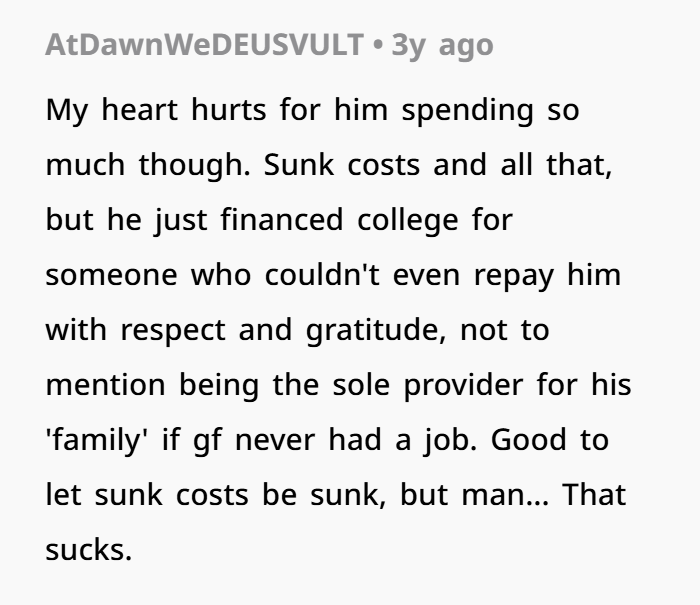
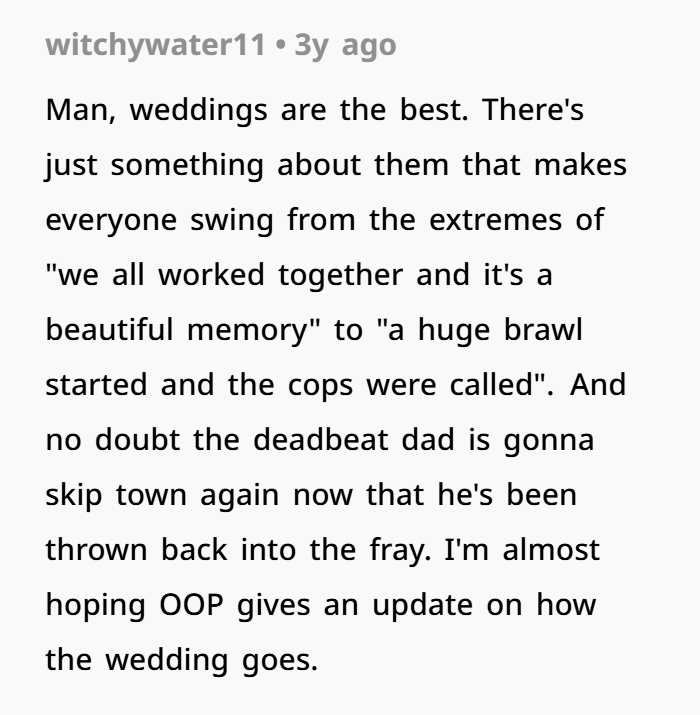
At the end of the day, this man realized something important. He was giving a lot, but not being treated as family.
Instead of continuing in a one-sided situation, he chose to step back and protect his own emotional and financial well-being.
Sometimes, the healthiest decision in complex family dynamics is simply to stop over-giving where there is no respect or balance.