
How Brain-Computer Interfaces Could Change the Way Humans Control Devices
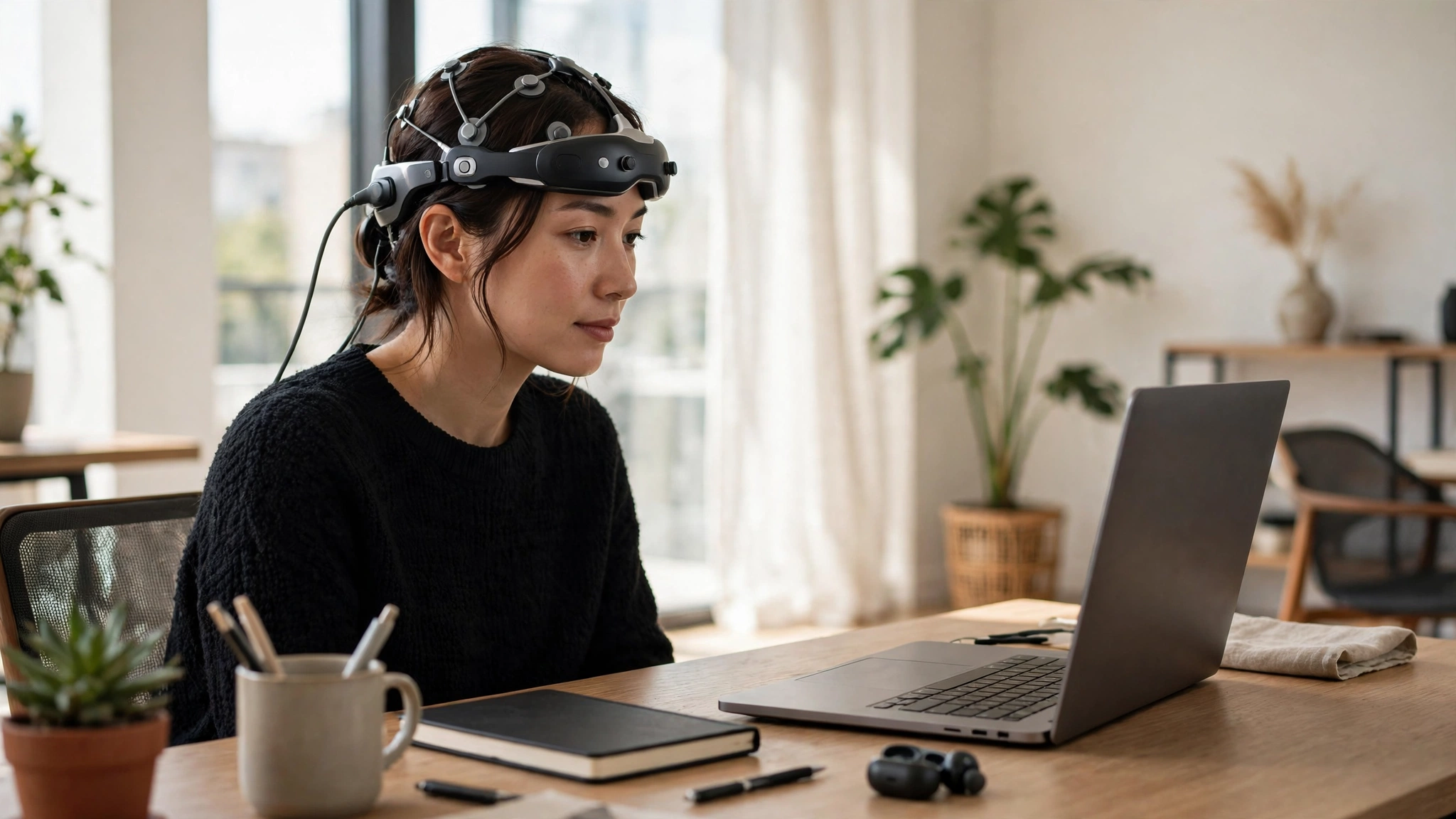
Picture this: you sit in front of a computer, and the cursor moves where you want it to go. You did not touch the mouse. You did not speak a command. You simply thought about moving it, and it moved. That is the basic promise of brain-computer interfaces, a technology that reads signals from the brain and turns them into commands for a machine.
For years, this idea lived mostly in research labs and science fiction. That is changing. In January 2024, Neuralink announced that it had placed its first brain implant in a human patient, and the patient was recovering well. Other companies and university labs have spent years testing their own systems, helping people with paralysis type messages and move robotic arms.
How Brain-Computer Interfaces Read Signals From the Brain
A brain-computer interface, often shortened to BCI, is a system that creates a direct line between the brain and an external device. It works in three basic steps. First, sensors pick up electrical activity from the brain. Second, software reads that activity and looks for patterns linked to a specific intention, such as imagining moving a hand to the left. Third, the system turns that pattern into a command, so a cursor moves, a letter is typed, or a robotic arm reaches for a cup.
The signals themselves are messy: a single thought involves large networks of neurons, and the sensors only capture part of the picture. Early systems could manage simple yes-or-no choices. Newer ones, helped by better sensors and machine learning, can handle more detailed commands, such as selecting letters on a screen at a usable speed.
Most progress so far has come from medical research. People who have lost the ability to move or speak because of paralysis, stroke, or conditions such as ALS have been the first to test these systems. For them, a BCI can restore a basic kind of independence: sending a text, browsing the web, or turning on a light without asking someone else for help.
Invasive and Non-Invasive Systems Take Very Different Paths
Not all brain-computer interfaces work the same way. The field splits into two broad approaches, and the difference shapes almost everything else: how clear the signal is, how risky the procedure is, and how soon ordinary people might use one.
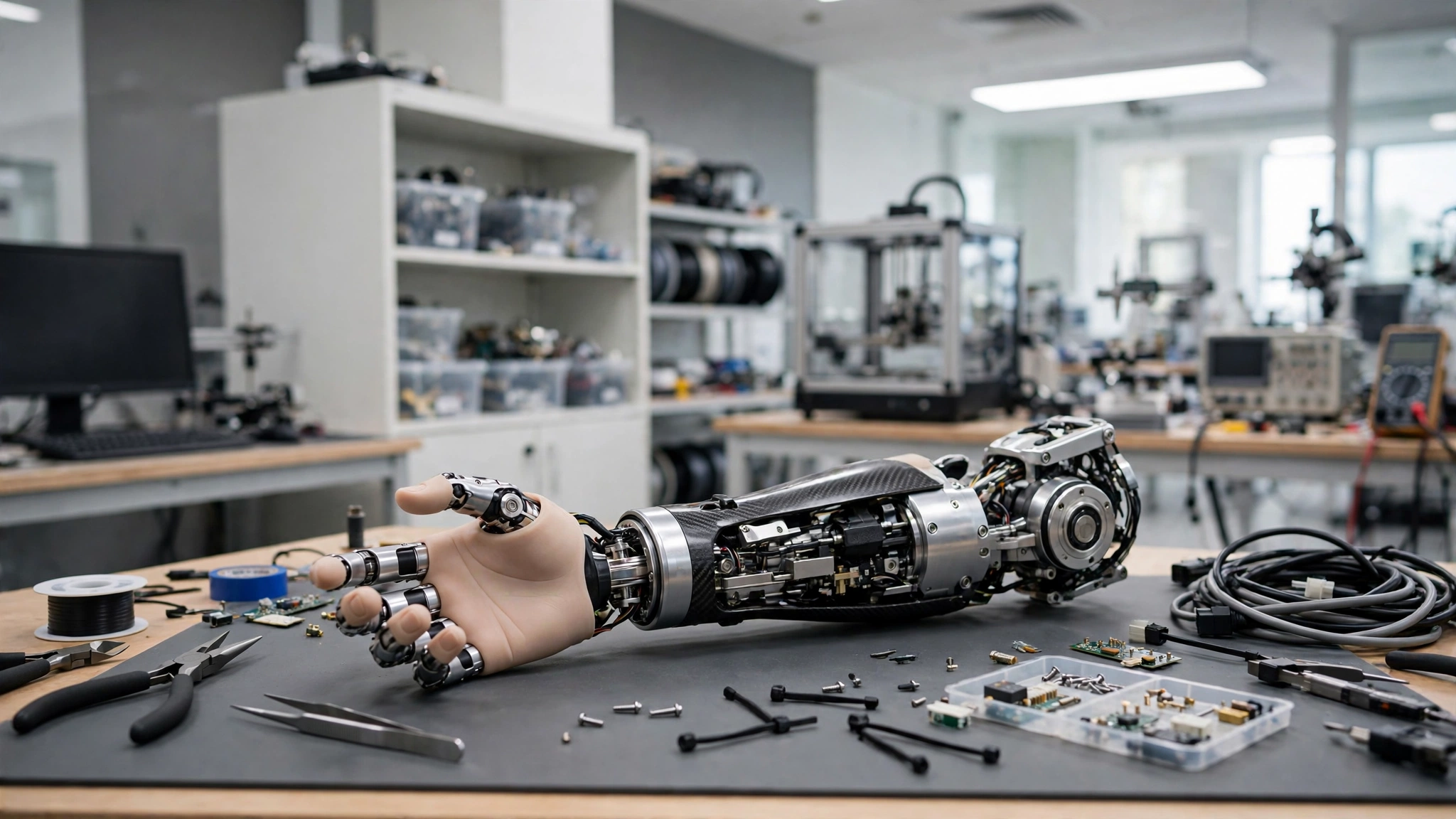
Invasive systems place electrodes directly on or inside the brain. The best-known example is the Utah array, a small grid of tiny electrodes used by Blackrock Neurotech in research with people who have paralysis. Because the electrodes sit close to the neurons, the signals are sharp and detailed, which makes it possible to control a robotic arm with enough precision to pick up a cup or type at a reasonable pace.
Neuralink’s implant follows the same basic idea with a different design. Its device, called the N1, uses thin, flexible threads with more than a thousand electrodes, placed by a surgical robot. The company received approval from the US Food and Drug Administration to begin its first human trial, called the PRIME Study, in 2023. In January 2024, Neuralink announced that the first human patient had received the implant and was recovering well.
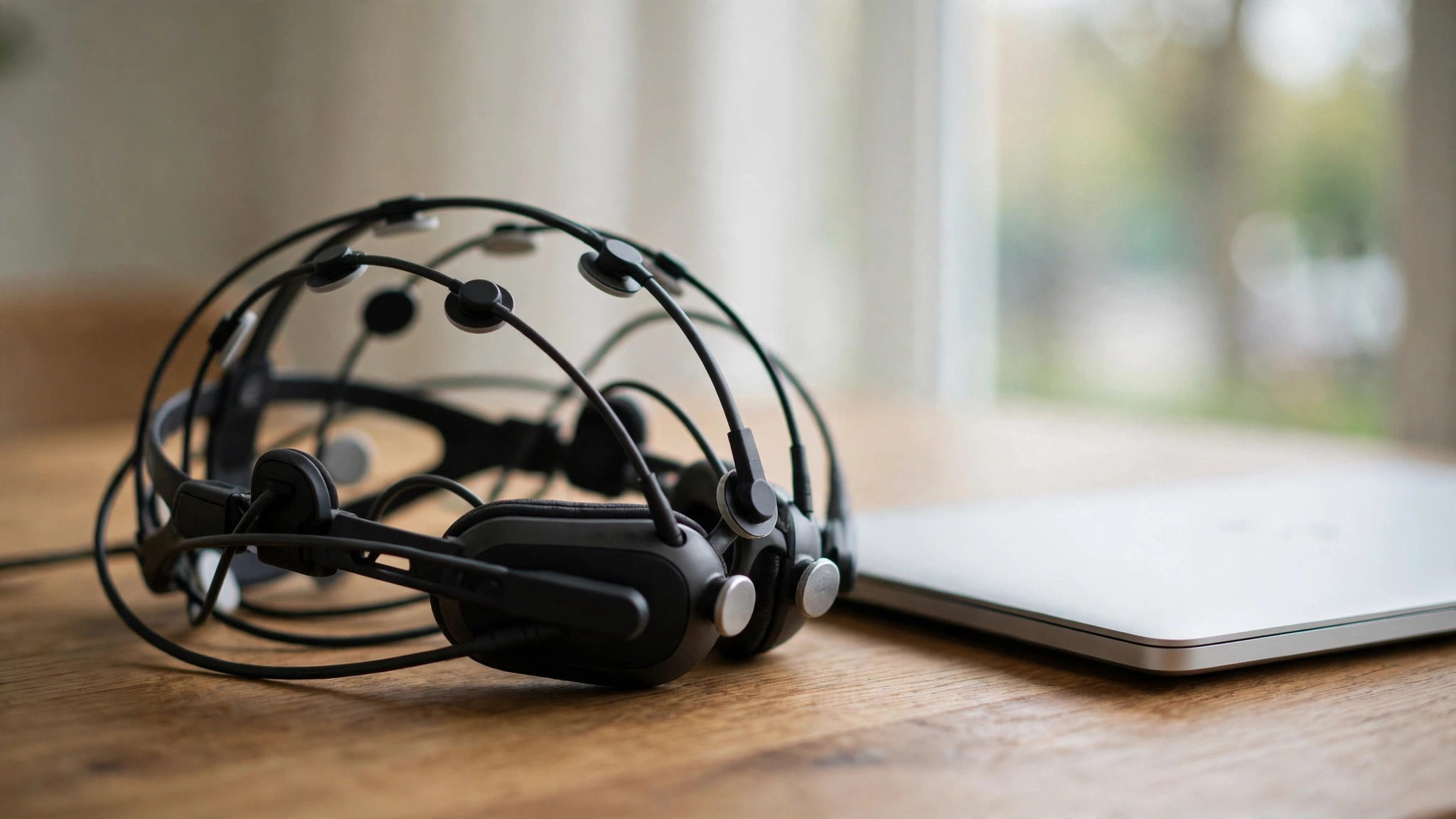
Non-invasive systems never break the skin. The most common type uses electroencephalography, or EEG, which reads brain activity through sensors placed on the scalp. Headsets from companies such as Emotiv and the Muse headband use this approach. The trade-off is signal quality: the skull blurs and weakens the signals, so non-invasive systems are slower and less precise than implanted ones.
Synchron takes a middle path with its Stentrode device. Instead of open brain surgery, the device travels through a blood vessel to a spot near the motor cortex, the part of the brain that plans movement. Synchron implanted its first patient in the United States in 2022 and has been testing whether people with severe paralysis can use it to send messages and control smart home devices.
| Feature | Invasive BCIs | Non-Invasive BCIs |
|---|---|---|
| How it works | Electrodes placed on or inside the brain | Sensors worn on the scalp (EEG) |
| Signal quality | Sharp and detailed | Weaker, blurred by the skull |
| Examples | Neuralink N1, Utah array, Blackrock Neurotech | Emotiv headsets, Muse headband |
| Surgery needed | Yes | No |
| Main use today | Medical research with paralysis patients | Wellness, research, simple controls |
| Everyday use | Years away for most people | Already sold, but limited abilities |
Where the Technology Stands in Early 2024
The start of 2024 has been a busy moment for the field. Neuralink’s January announcement put brain implants on front pages around the world, but it is only one part of a much longer story. University labs have been testing implanted systems for more than a decade, and several patients have used them for years. One well-known research participant used a Utah array system to control a robotic arm and even sense touch through it, work that came out of the University of Pittsburgh and related research groups.
Meanwhile, non-invasive headsets have quietly become a real consumer category. They cannot match an implant’s precision, but they do not need surgery either, and that makes them far easier to sell and use. Today you can buy a headset that tracks focus or relaxation.
Behind the hardware, software is doing more of the heavy lifting. Machine learning models learn each user’s brain patterns, and they keep improving as they gather more examples. This is where the wider AI boom connects with the field: the same kind of models that help computers understand speech and images are now being used to decode brain signals, as our guide to how multimodal AI helps machines understand the real world explains. Smaller, more efficient models matter here too, since a device that sits in or on a person’s head cannot rely on a giant data center; our piece on why small language models could become the next big AI innovation looks at that shift.
Money and attention are flowing in, but the field is still early. Only a small number of people have received implants, and every device still needs close medical supervision. In early 2024, the technology works in controlled settings, the first commercial trials are under way, and the jump from lab to living room has not happened yet.
What Mind-Controlled Devices Could Mean in Daily Life
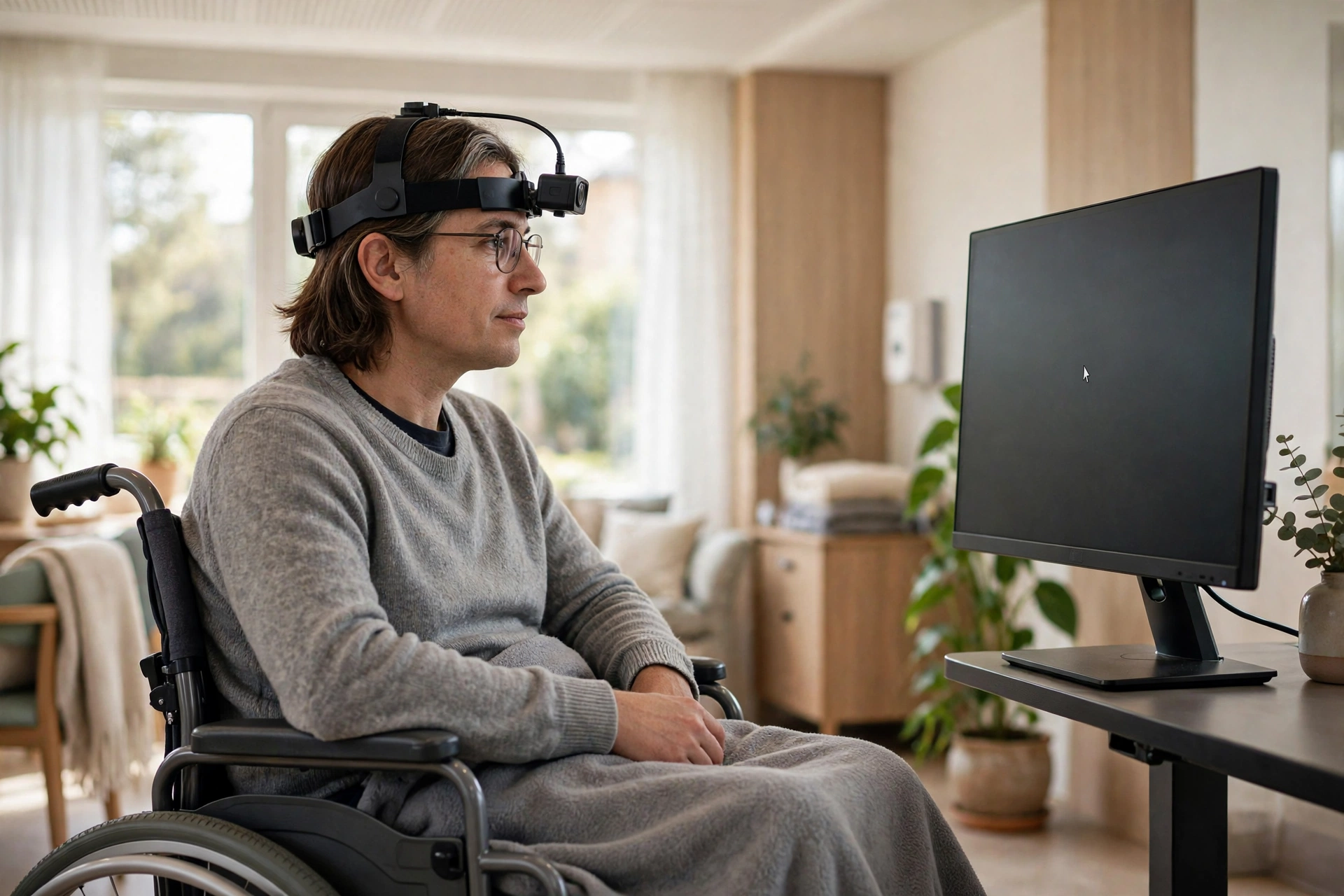
The medical uses come first, and they are the most meaningful. For someone with ALS or a spinal cord injury, a reliable BCI could mean sending messages without help, controlling a wheelchair, or operating lights and a television. These are not luxuries. They are the small tasks that make up an independent day, and losing them is one of the hardest parts of paralysis.
Beyond medicine, the possibilities widen. A hands-free way to control devices could help surgeons, factory workers, or drivers who need both hands free. It could give gamers a new kind of controller, and it could let people with repetitive strain injuries work without a keyboard.
Smart homes are another natural fit. A BCI could notice when you are tired or distracted and adjust a device on its own, dimming a screen or silencing notifications. The system would be responding to your state, not just your commands.
There are also uses that sound stranger but are being studied seriously. Researchers are testing whether BCIs can help stroke patients retrain damaged parts of the brain, by rewarding the right patterns of activity during rehab exercises. Others are looking at whether the technology could help people with locked-in syndrome, who are fully aware but almost entirely unable to move, communicate at all.

How the Technology Could Change Over the Next Few Years
Nobody can say exactly how fast BCIs will improve, but the direction is clear enough. Implants are likely to get smaller, with more electrodes packed into less space, and the surgery to place them should become simpler. Both Neuralink’s surgical robot and Synchron’s blood-vessel route aim at the same goal: a procedure safe and routine enough that more people can try it.
The software side may matter even more. Better decoding means faster typing, smoother control of a robotic arm, and fewer errors. Researchers are also working on systems that can handle more than one kind of command at once, such as moving a cursor while selecting an item. Chips designed to process brain-like signals efficiently could help here, and our article on what neuromorphic computing is and how it works explains the idea behind that kind of hardware.
Cost is another barrier that has to fall. Right now, an implanted system involves surgery, a research team, and months of training, which puts it far beyond the reach of most people. Non-invasive headsets are already affordable by comparison, and their price has been dropping as the sensors improve.
Regulation will shape the pace too. Brain implants are medical devices, and they go through long approval processes. The FDA gave Synchron a Breakthrough Device designation in 2020, which speeds up its review, and Neuralink’s trial approval in 2023 followed a similar path. Consumer headsets face lighter rules, but they still have to be careful about the claims they make.
Practical Tips for Following Brain-Computer Interface News
BCIs make headlines often. A few habits will help you follow the field without being misled.
- Follow the trial, not the tweet. The most reliable updates come from clinical trial records, company announcements, and peer-reviewed papers. A short social media post is a teaser, not evidence.
- Check who the patient is. Early results often come from a single person in a trial. That is a real result, but it is not proof the system works for everyone.
- Look for the control task. A good BCI study shows the person doing something specific, such as typing a set number of words per minute or moving a cursor to targets.
- Separate medical use from consumer use. A device that helps a paralysis patient type is a medical breakthrough. A headset that claims to boost your focus is a wellness product.
- Watch the regulators. FDA trial approvals, Breakthrough Device designations, and published safety data tell you more about a company’s progress than any product launch video.
- Be patient with timelines. Brain technology moves slowly because safety comes first. A company saying “soon” usually means years, not months.

Common Mistakes and Considerations
- Thinking BCIs can read your thoughts. They cannot. They detect patterns linked to intended movements or choices. Your memories, opinions, and inner monologue are not accessible to them.
- Treating one patient as proof for everyone. Brain signals differ from person to person, and a system trained on one patient needs retraining for the next.
- Ignoring the surgery risk. An implant is brain surgery, even when the procedure is described as routine. Infection, scarring, and device failure are real risks, and they are part of why trials move slowly.
- Confusing a headset with an implant. Consumer EEG headsets and implanted electrodes are different tools with different abilities. A headset cannot do what an implant does.
- Overlooking privacy questions. Brain data is deeply personal. Before using any BCI product, it is worth asking what data it collects, where that data goes, and who can see it.
- Expecting instant results. Learning to use a BCI takes weeks of training for most people. The system learns the user, and the user learns the system, and both sides need time.
Final Thoughts
Brain-computer interfaces are no longer a distant idea. In early 2024, they are real devices being tested in real people, mostly to restore communication and movement after paralysis. The road to everyday use is still long, and it will run through years of trials, safety checks, and slow software improvements. But the direction is set: machines that respond to intention, not just touch or voice. If you follow the field, follow the trials and the patients, not the hype. That is where the real story is being written, one cursor movement at a time.