
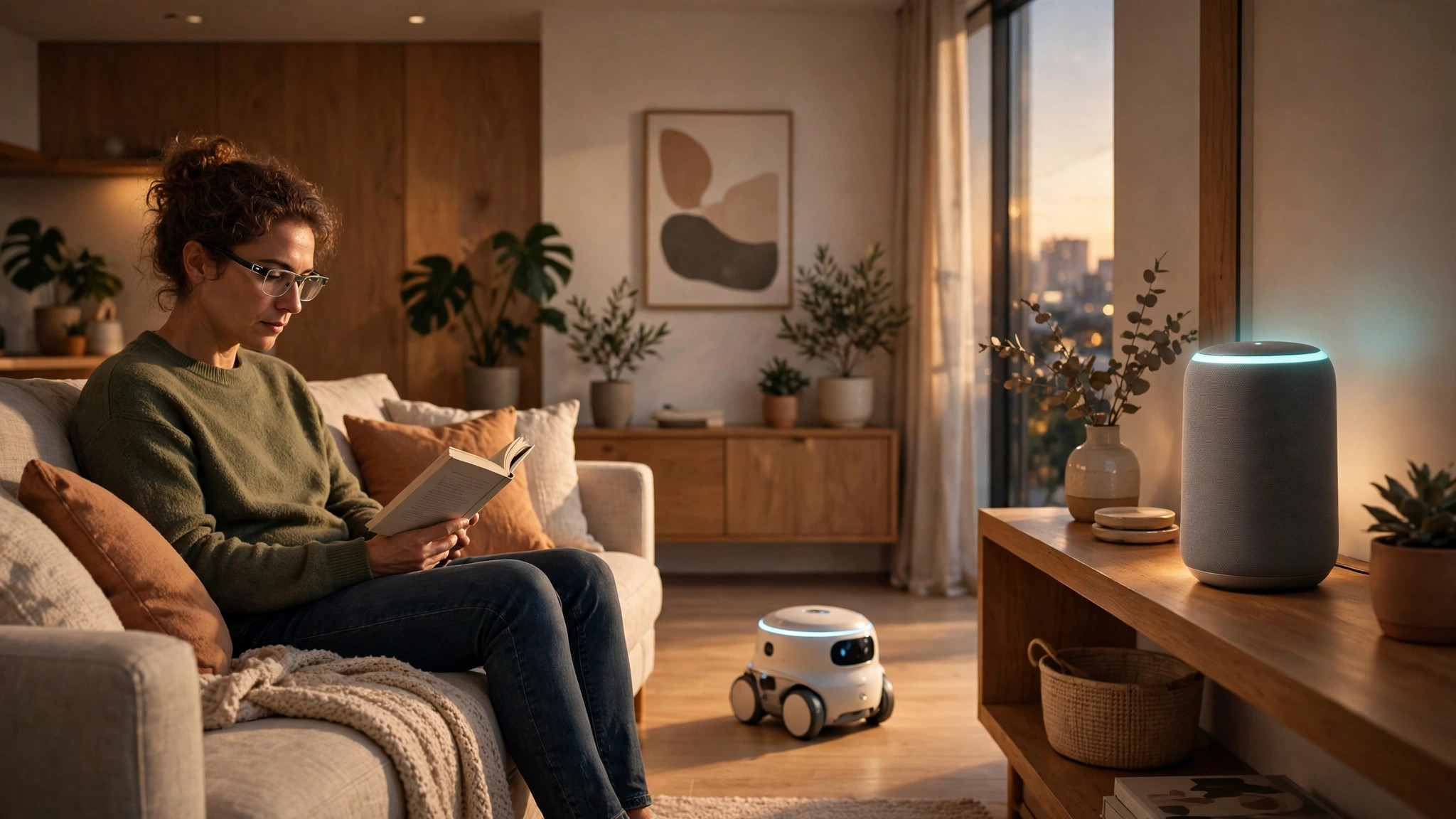
10 AI Innovations That Could Change Everyday Life in 2027
A few years ago, artificial intelligence mostly lived in research papers and science fiction. Now it sits in pockets, on desks, and on wrists, answering questions, sorting photos, and drafting emails. Most of us use it every day without thinking much about it.
The next step is bigger. In 2026, AI is moving from something we open on a screen to something woven into the objects around us: glasses, cars, kitchens, classrooms, and clinics. The shift is not about one breakthrough, but about many small ones arriving at the same time.
This article looks at ten AI innovations 2027 could bring into everyday life. Each one already exists in some form today. What changes by 2027 is how normal they become.

1. AI Agents That Handle Everyday Tasks
The biggest change coming to daily life may be software that does things for you, not just answers questions. These are called AI agents: programs that can plan a multi-step task and finish the job with little input from you.
Early versions appeared in 2024 and 2025. OpenAI released Operator, which can carry out tasks such as filling in forms and booking services. Anthropic gave Claude the ability to use a computer screen, and Google built similar features into Gemini. By 2027, the useful version handles the small jobs that eat up a day: sorting an inbox, comparing prices, or rescheduling a delivery. The change is quiet: less admin in a normal week, as long as the agent has clear limits on spending money or sending messages for you.
2. AI PCs and On-Device AI
The second change is where AI runs: until recently, most AI work happened in distant data centres. In 2024, that started to change with the arrival of AI PCs: laptops and desktops with a dedicated chip, called a neural processing unit or NPU, built to run AI tasks on the device itself.
Qualcomm’s Snapdragon X Elite laptops, Intel’s Core Ultra machines, and Apple’s Macs with their Neural Engine all carry this kind of hardware. Running AI on the device is faster for everyday tasks, works without an internet connection, and keeps personal data on your own machine. By 2027, on-device AI is likely to be the default, with live translation and document summaries built into the computer you already own.
3. AI Smart Glasses and Wearables
Glasses may be where AI becomes most personal. Meta’s Ray-Ban smart glasses, released in 2023, put a camera, speakers, and an AI assistant into a normal-looking pair of frames. You can ask about something you are looking at, take a photo hands-free, or hear directions.
Meta also showed Orion, a prototype pair with a display built into the lenses, in 2024, though it was not for sale. Google announced its own glasses platform in late 2024, built around Android XR and Gemini. In 2027, the everyday use is likely to be modest: a traveller reads a foreign street sign in their own language, or a cook gets a recipe step without touching a screen with wet hands. The glasses will not replace phones, but they will take over the small moments when reaching for one is awkward.
4. AI Health Assistants
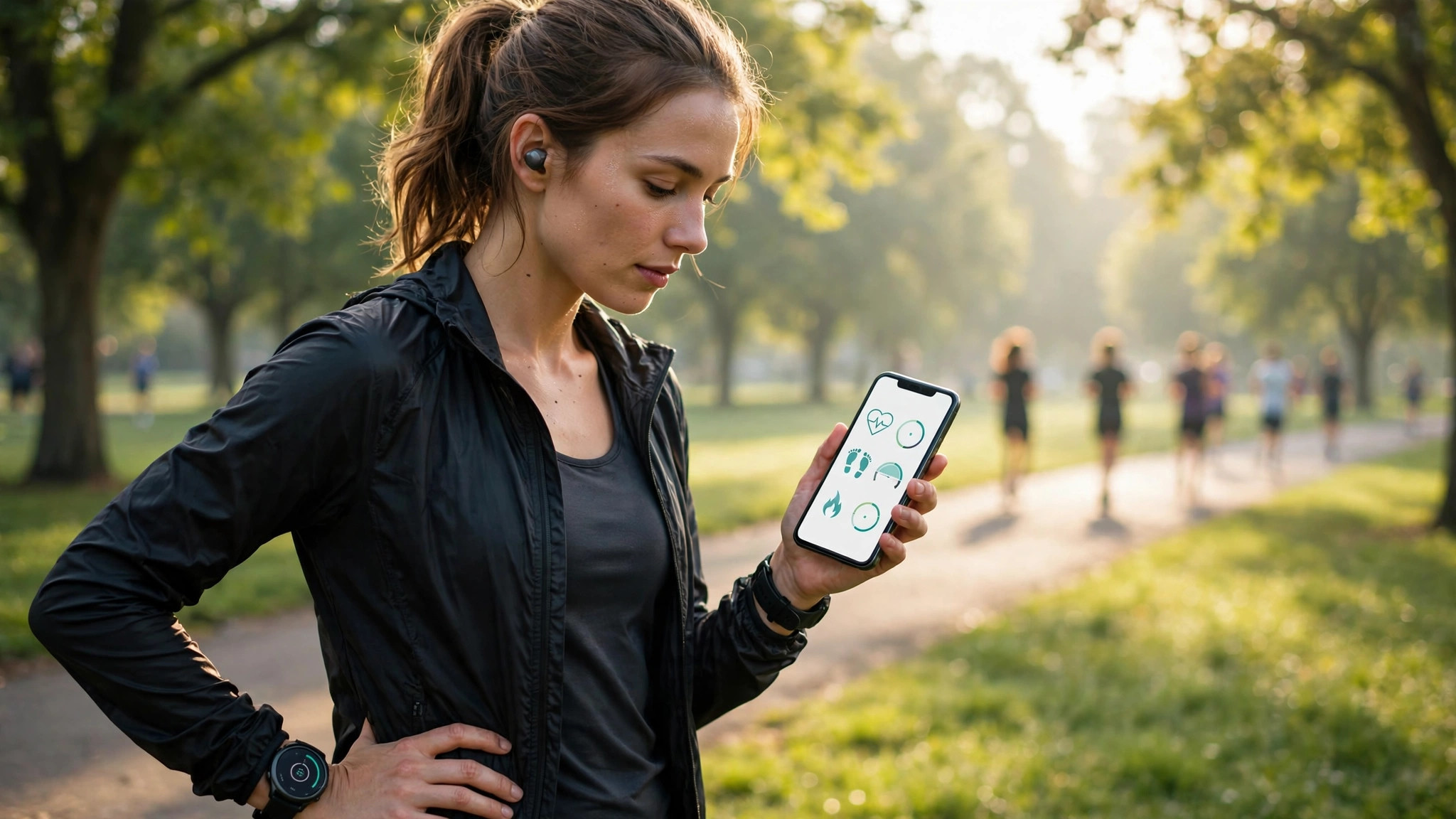
Health is one of the areas where AI could quietly matter most. Phones and watches already track steps, heart rate, and sleep. The change coming is interpretation: software that looks at those readings over months and points out patterns a person would miss.
Apple, Google, and Samsung all built AI features into their health apps by 2025, turning raw sensor data into plain-language summaries and warnings about unusual heart rhythms or poor sleep. These tools are assistants, not doctors, and regulators treat them that way. What could reach ordinary life by 2027 is a health assistant that knows your normal: it might notice your resting heart rate has crept up and suggest a check-up. The benefit is early attention. The danger is over-trust.
5. Personalised AI Tutors
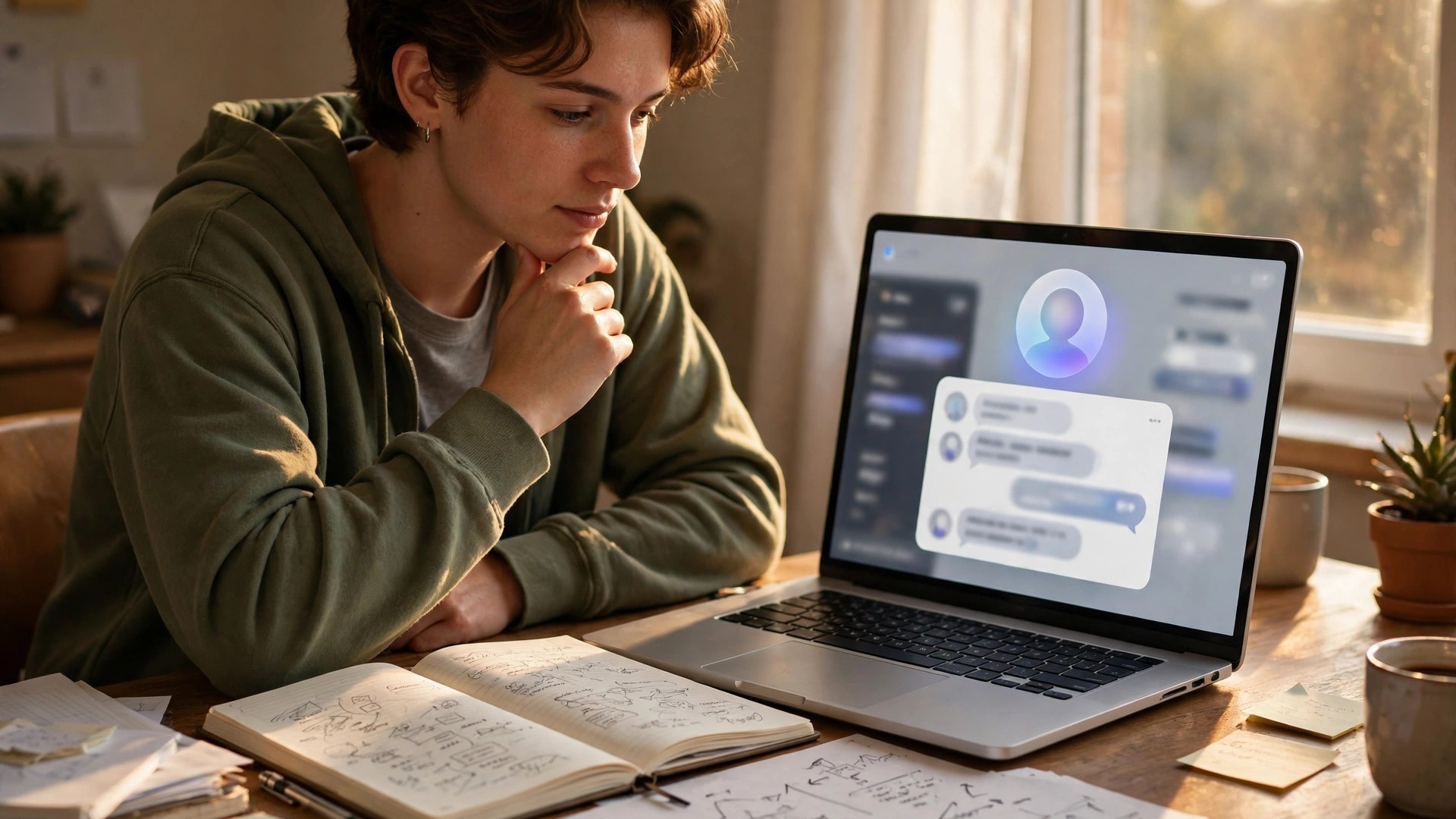
Education is another place where AI is already working. Khan Academy released its AI tutor, Khanmigo, in 2023, and Duolingo added AI conversation features to its language lessons the same year. These tools do something a textbook cannot: they adjust to the student in front of them.
A tutor that knows a student struggles with fractions but is quick with geometry can spend time where it is needed, explaining the same idea three different ways. Teachers who used these tools in 2024 and 2025 often described them as a second pair of hands, not a replacement for a teacher. By 2027, this kind of tutoring could reach more subjects and ages, including adults learning new skills for work. The open question is quality: a confident tutor giving a wrong answer is worse than no tutor at all.
6. AI Video Generation for Everyone
Video used to need a camera, a crew, and editing skill. AI video generation has started to change that. OpenAI opened Sora to the public in late 2024, Google released Veo 2 around the same time, and Runway’s video models were already in use by creators. These tools turn a written description into short video clips.
For most people, the everyday use in 2027 will not be making films. A small business owner could make a short advert without hiring a crew, and a teacher could turn a lesson plan into a visual explainer. The same technology also brings a real problem: video that looks real but is not. By 2026, the major video tools were adding watermarks to mark AI-made clips, and that labelling will matter more as the clips get harder to tell apart from real footage.
7. Home Robots That Actually Help
Robots in the home have been promised for decades, but the reality has been modest: robot vacuums that bump into furniture. That is starting to change. Robot vacuums now map rooms, avoid cables, and empty themselves. Amazon’s Astro, a small home robot, patrols rooms while its owner is away. Samsung has shown Ballie, a small rolling robot, at the CES trade show in 2024 and 2025.
The robots that matter by 2027 are more likely to be specialists than general helpers. A vacuum that also mops. A robot that carries laundry or fetches items for someone with limited mobility. A companion robot that reminds an older person to take medicine. The hard part is not the wheels or the cameras. It is the hands and the judgement: picking up a glass without breaking it, and coping when a room looks different from yesterday.

8. Smarter AI in Cars
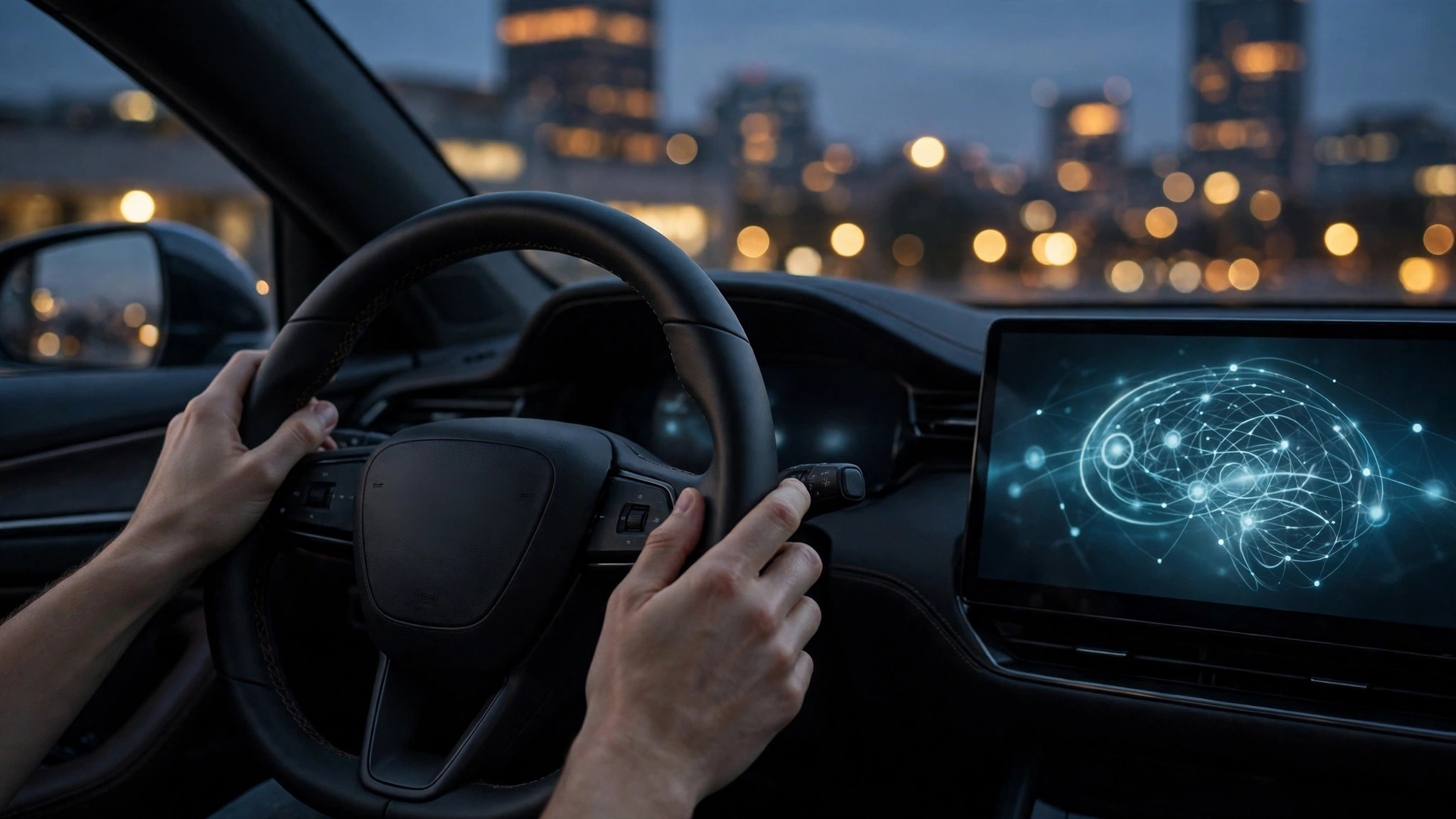
Cars already carry a lot of AI: driver assistance systems keep a car in its lane, brake before a collision, and park themselves. General Motors offers Super Cruise, a hands-free motorway driving system, and Tesla’s driver assistance features have been on the road for years. Mercedes-Benz won approval for Drive Pilot, a Level 3 system that can take full control in slow motorway traffic in some US states and in Germany.
The change by 2027 is less about full self-driving and more about the car becoming a better assistant. Voice controls that understand natural speech instead of fixed commands, a car that learns a driver’s routine, and cameras that watch for a tired or distracted driver. Electric cars benefit too: AI can plan charging stops on a long trip. None of this replaces the driver, but it removes some of the small decisions that make driving tiring.
9. AI Accessibility Tools
Some of the most useful AI already exists in accessibility tools, and 2027 could make them far more common. Live captions already turn speech into text in real time, and screen readers use AI to describe photos and screens to people who cannot see them. Be My Eyes, an app for blind users, added an AI feature in 2023 that describes images on its own.
The next step is making these tools faster, more accurate, and available everywhere. Real-time translation lets two people who share no language talk naturally. AI description of a room or a document gives a blind person information that used to need another person. Voice control that understands slurred or quiet speech opens phones to people who cannot use a keyboard. These are not flashy uses of AI, but the benefit is easiest to measure here: a person who can do something today that they could not do yesterday.
10. Multimodal AI Assistants That See, Hear, and Talk
The final change ties the others together. Early AI assistants understood text. Multimodal AI understands more than one kind of input at once: words, pictures, sound, and video. OpenAI’s GPT-4o, released in 2024, could take in a photo or a spoken question and answer in voice, and Google’s Gemini models work the same way.
In everyday life, that means an assistant you can talk to naturally. Point a phone at a broken appliance and ask how to fix it, or show it a page of homework and ask where the mistake is. By 2027, this kind of assistant is likely to be the main way most people use AI, because talking and pointing are easier than typing a careful prompt. The technology is already here. What changes is how often we reach for it.
Practical Tips / Examples / Things to Know
- Try one AI feature at a time, and give it a real job: summarise a long email thread, caption a video call, or translate a sign while travelling.
- Check what data a tool keeps before you hand it health records, photos of your children, or access to your inbox.
- Use on-device AI features where they exist, since they keep more of your information on your own machine.
- Treat AI health summaries as a prompt to talk to a doctor, not as a diagnosis.
- Teach children that AI video and AI voices can look and sound real without being real.
- If you buy smart glasses or a home robot, check battery life and what happens to your recordings before you pay.
- Keep the human step in anything that spends money or sends messages: set spending limits and confirmations on AI agents.
Common Mistakes / Considerations / What to Avoid
- Expecting an AI agent to work perfectly on its first try, and giving it access to money or messages before testing it on small jobs.
- Assuming a smart device keeps your data private just because it runs in your home, without checking its privacy settings.
- Trusting an AI health summary or an AI tutor’s answer without checking it, especially when the answer sounds confident.
- Buying a gadget for the AI label rather than for a job it actually does well.
- Sharing a video or voice clip before checking whether it was made by AI.
- Replacing a teacher, a doctor, or a carer’s judgement with an AI tool, when the tool is meant to support them.
- Forgetting that a 2027 prediction is a guess: the products that arrive may look different.
Final Thoughts
None of the ten innovations above needs a breakthrough that has not happened yet. They need the technology that already exists in 2026 to become cheaper, more reliable, and easier to use. That is how most technology reaches everyday life: in a slow spread from early adopters to everyone else.
The pattern to watch is not any single product. It is the combination: an agent that can act, glasses that can see what you see, and an assistant that can talk with you. Together they add up to something larger than any one of them.
That is also why the cautions matter. Tools that act on our behalf, watch our health, and talk to our children deserve more care than a new app. If 2027 brings the useful version of these ideas, everyday life will get a little easier, a little more accessible, and a little less full of small jobs nobody enjoys.