
Woman Helps Best Friend After Breakup, but Ends Up Losing Their 25-Year Friendship
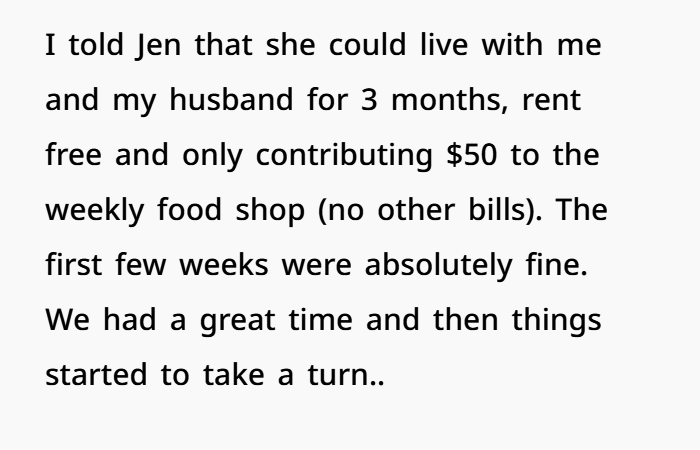
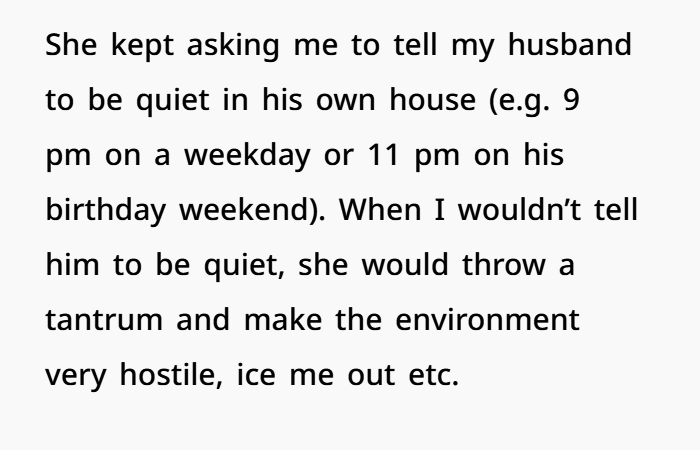
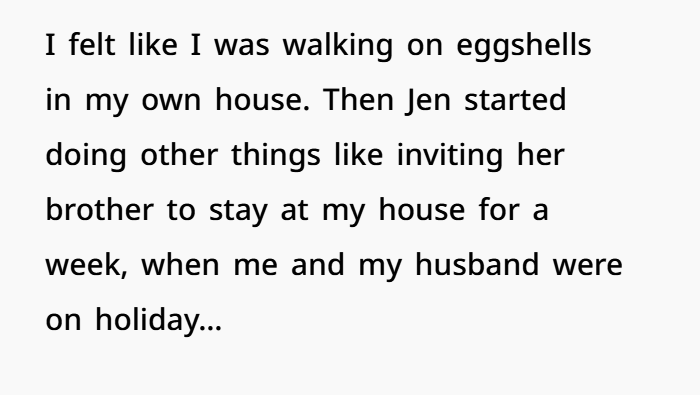
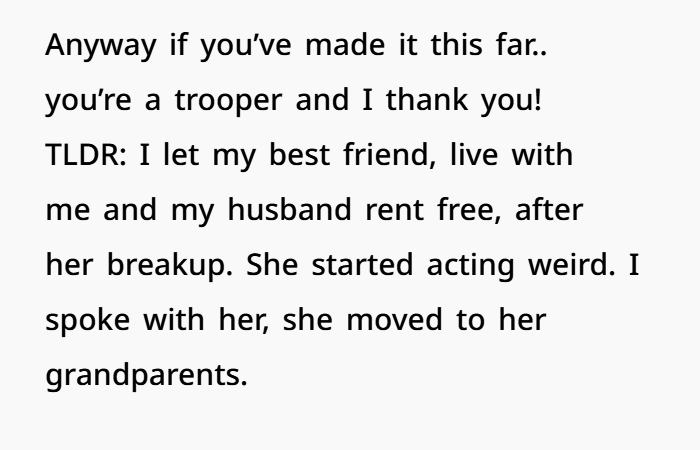
A 30-year-old woman wanted to help her best friend, Jen, after her five-year relationship came to an end. She invited Jen to stay at her home for three months without asking for rent or household bills. The woman lived with her husband and only asked Jen to help with a small part of the grocery costs. At first, everything seemed fine. But after some time, problems started to appear. Jen began complaining about her friend’s husband’s daily habits and became upset whenever things did not go her way. She even invited her brother to stay at their house while the couple was away on holiday. The woman started feeling uncomfortable in her own home.
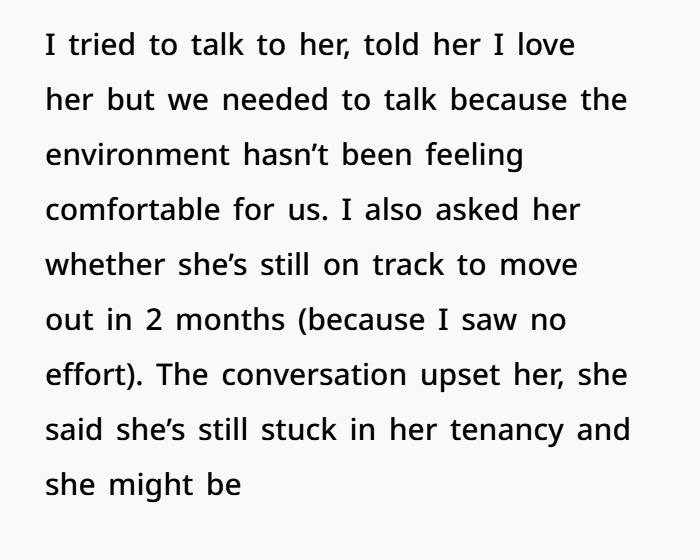
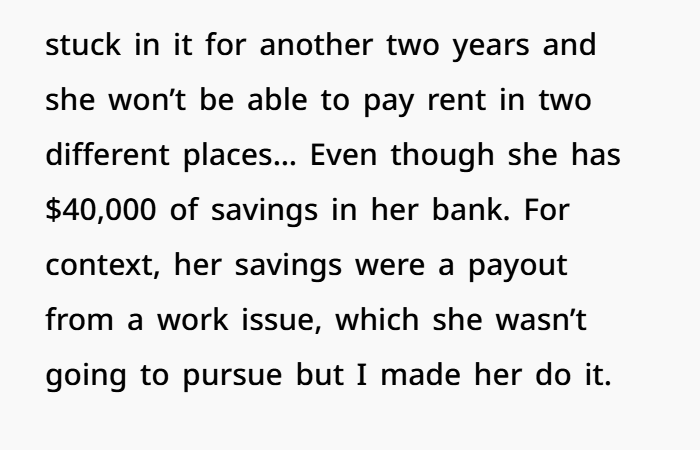
Things became more difficult when the woman tried to talk to Jen about her behavior and asked her to make plans to move out. Jen explained that she might still have to pay for her old rental agreement for another two years. However, she reportedly had around $40,000 in savings and did not seem interested in finding another place to live. She later admitted that staying with her friend was simply easier for her. After another discussion, Jen agreed to move in with her grandparents, and her friend even helped her with the move.
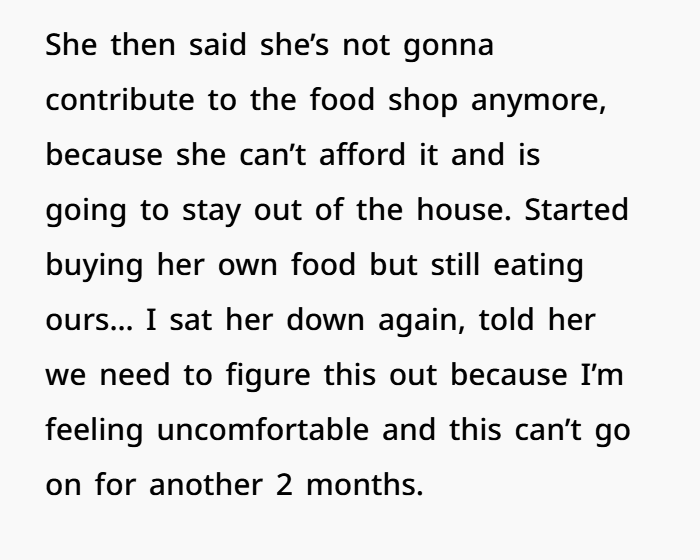
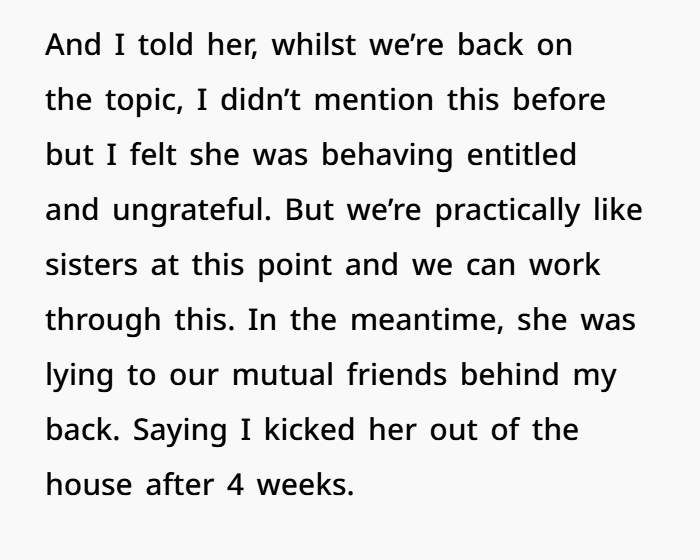
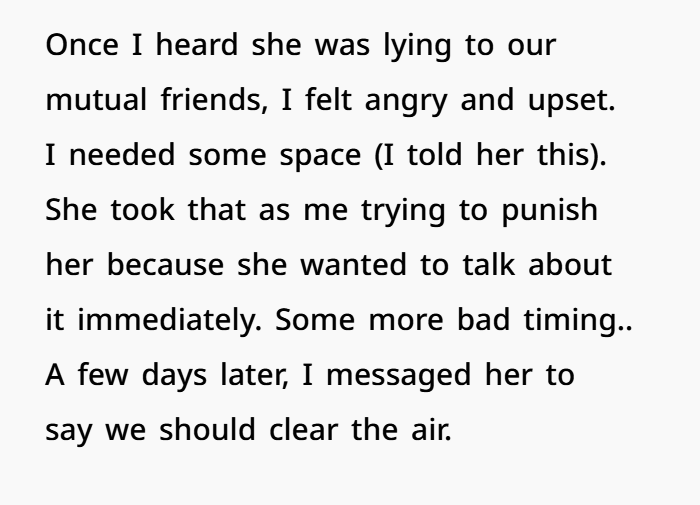
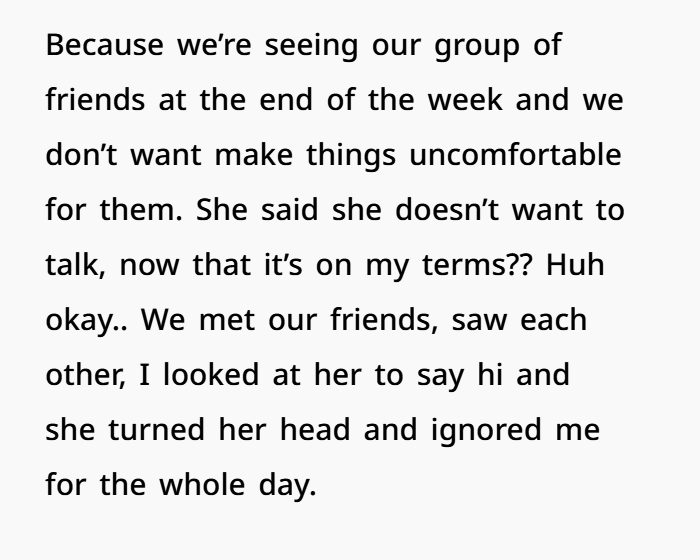
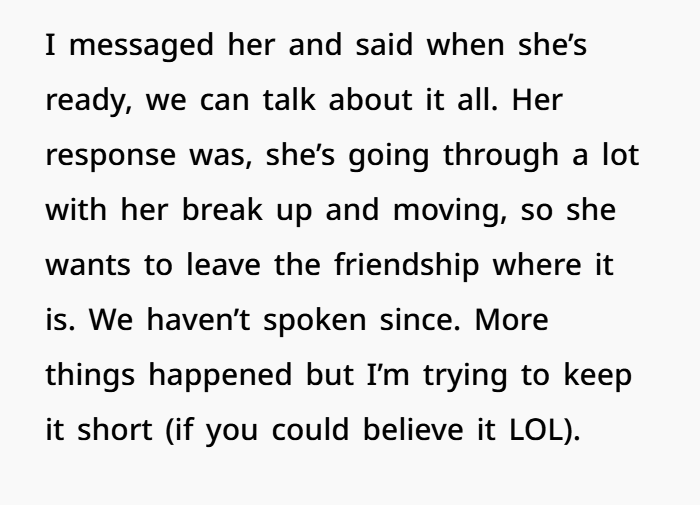
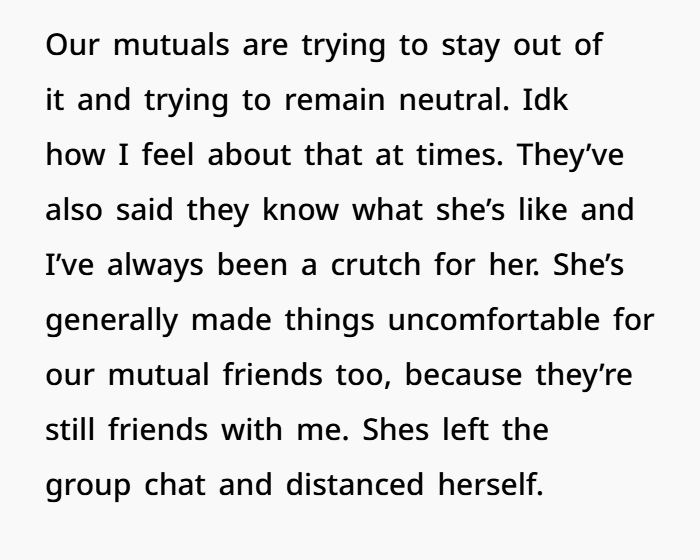
The woman thought this would bring an end to the situation, but more problems followed. Jen later accused her of treating her badly and reportedly told their mutual friends that she had been forced to leave after just four weeks. The woman felt hurt because she believed she had given Jen a safe and comfortable place to stay for months. She also tried to talk things through, but Jen did not want to continue the conversation.
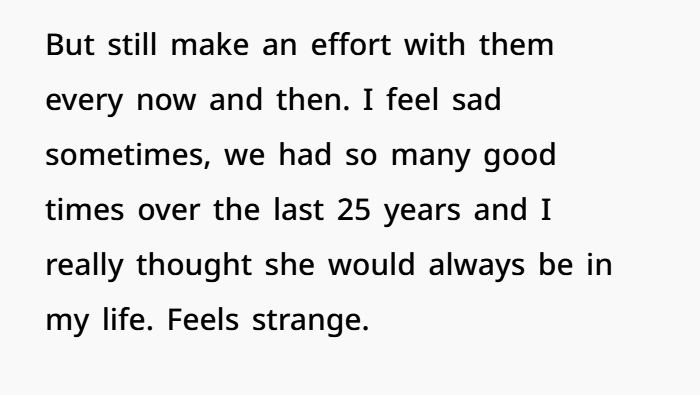
After 25 years of friendship, the woman is finding it difficult to accept how things have changed. She once considered Jen part of her family, so losing the friendship has been painful. Now, she is wondering whether setting boundaries in her own home was the right decision or if she could have handled the situation differently.




When Helping a Friend Turns Into an Unhealthy Living Arrangement
Helping a close friend during a difficult time can feel like the right thing to do. When someone goes through a breakup, loses their home, or faces money problems, having a safe place to stay can make a big difference.
Good friends often try to support each other when life becomes difficult. However, offering a place to stay can sometimes create problems that neither person expected.
This situation started when a woman allowed her longtime friend, Jen, to stay in her home for three months without paying rent. She also covered the household bills and only asked Jen to help with grocery costs.
It was a generous offer, especially because Jen was going through a difficult time. But offering help does not mean someone has to give up their privacy, comfort, or control over their own home.
Sometimes, even the kindest arrangements need clear rules and boundaries.
Helping a Friend Does Not Mean Giving Up Your Own Comfort
Letting a friend stay in your home is a big decision. It can affect your daily routine, personal space, family life, and household expenses.
When someone offers temporary accommodation, they are usually trying to help until that person can find another place to live.
In this situation, the woman agreed to let Jen stay for three months. She provided a room without charging rent and also paid the household bills.
This was a helpful arrangement, but it was not meant to last forever.
Being generous does not mean a homeowner must accept every request or change their lifestyle to keep a guest comfortable.
Both people should understand that sharing a home requires respect, patience, and consideration.
Why Clear Living Arrangements Matter
One of the biggest problems in this situation was the difference between what the two friends expected.
The woman believed Jen would stay for three months while making plans to find her own place. However, Jen seemed to expect that she could stay longer because she was comfortable there.
Temporary housing should have a clear time limit. Otherwise, a short-term favor can slowly turn into a long-term responsibility.
It is also important to discuss practical matters before someone moves in.
These may include:
- How long the guest can stay.
- Whether they need to contribute to groceries or household bills.
- What household rules they should follow.
- Whether overnight visitors are allowed.
- How much privacy everyone needs.
- What steps the guest will take to find independent housing.
These simple conversations can prevent confusion and help protect a friendship.
Respecting Privacy in a Shared Home
Everyone deserves to feel comfortable in their own home.
When a guest moves in, they should understand that the homeowners already have their own routines and responsibilities.
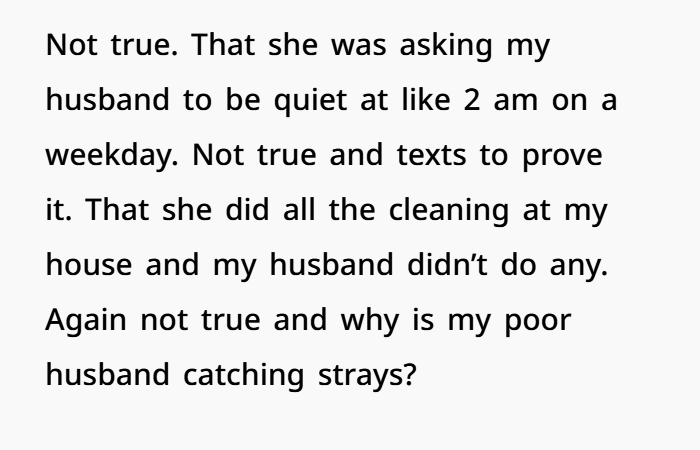
For example, asking someone to keep noise down late at night is a reasonable household request. People need rest, especially when they have work or other responsibilities the next day.
However, expecting the homeowners to stay unusually quiet during normal hours can become difficult.
The situation becomes more uncomfortable when a guest reacts badly to simple requests or makes other people feel they cannot relax in their own home.
Living together requires understanding from everyone.
A guest should respect the homeowners’ privacy, while the homeowners should also treat their guest with kindness.
Good communication can make shared living much easier.
Why Household Rules Should Be Respected
Another important issue in this situation involved visitors.
According to the story, Jen invited another person to stay at the house while the homeowners were away.
This created a problem because she had not asked for permission first.
Even if someone is a close friend, staying in another person’s home does not give them the right to invite additional guests.
Homeowners have the right to decide who enters their property and who is allowed to stay overnight.
This is an important part of household boundaries and home safety.
Before allowing someone to move in, it is helpful to agree on visitor rules. Both sides should know what is acceptable and what needs permission.
These rules are not about being unfriendly. They are about making sure everyone feels comfortable and respected.
When Friendship and Living Together Become Complicated
Living with a friend can change the relationship in unexpected ways.
Before sharing a home, two people may have enjoyed spending time together without worrying about household responsibilities.
But once they start living together, new problems can appear.
One person may expect more privacy, while the other may want more freedom. They may also have different ideas about cleaning, visitors, expenses, and daily routines.
This can create tension even between people who have known each other for many years.
That is why temporary housing arrangements should be treated seriously.
Friends should talk openly about their expectations instead of assuming that everything will work out naturally.
A little planning can help protect both the home and the friendship.
When a Private Disagreement Becomes a Bigger Problem
The situation became more difficult after Jen moved out.
According to the homeowner, Jen told their mutual friends that she had been asked to leave after only four weeks.
The homeowner felt this was unfair because the original agreement was for three months, and Jen eventually chose to move in with her grandparents.
Hearing a different version of events from mutual friends can be upsetting, especially when you believe you tried your best to help someone.
Private disagreements can become more stressful when other people get involved.
Sometimes, friends hear only one side of a story and form an opinion without knowing all the details.
This is why honest communication matters so much.
If someone feels hurt or misunderstood, it is better to have a direct conversation rather than allowing rumors and assumptions to damage other relationships.
Is It Okay to Take a Break From a Longtime Friendship?
Ending or taking a break from a long friendship can be very difficult.
In this situation, the two women had been friends for 25 years. That is a long time to share memories, personal experiences, and important moments in life.
Naturally, stepping away from such a friendship can bring sadness and disappointment.
However, people are allowed to create boundaries when a relationship starts affecting their emotional well-being.
Taking some time away does not always mean a friendship must end forever.
Sometimes, a little distance gives both people time to think about what happened and understand each other’s feelings.
If both friends are willing to accept their mistakes and communicate honestly, they may be able to repair the relationship.
But rebuilding trust takes effort from both sides.
When Helping Someone Starts Affecting Your Own Life
There is nothing wrong with helping a friend who is facing housing or financial difficulties.
In fact, offering temporary accommodation can be a thoughtful way to support someone during a challenging period.
However, your own needs matter too.
You should not feel forced to ignore your household rules, spend more than you can afford, or give up your privacy to keep someone else happy.
Before offering long-term help, think about your household expenses, available space, daily routine, and personal comfort.
If you are sharing your home with a spouse or family members, their opinions should also be considered.
A good arrangement should work for everyone involved, not just the person receiving help.
Final Thoughts
Helping a longtime friend can be a beautiful act of kindness, but it should not come at the cost of your own comfort and peace.
The homeowner in this situation offered her friend a place to stay, covered household bills, and gave her time to make other living arrangements.
It is understandable that she felt disappointed when problems developed and the friendship became stressful.
A 25-year friendship has many memories behind it, so walking away is never an easy decision. Still, a long history does not mean someone must accept every situation without setting boundaries.
The most important lesson is that kindness and personal boundaries can exist together.
You can care about someone, support them during a difficult time, and still protect your home, finances, privacy, and emotional well-being.
Helping a friend should be an act of kindness, not an endless responsibility.
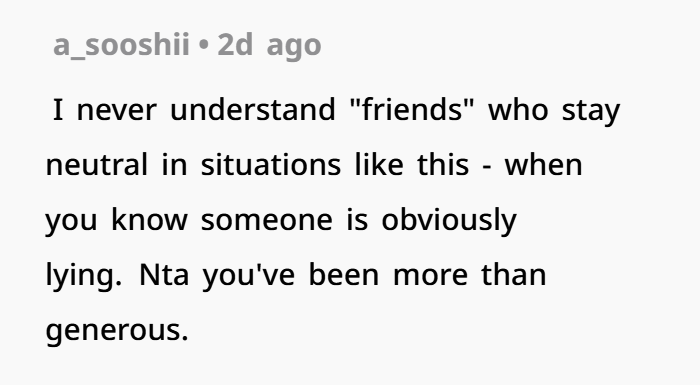
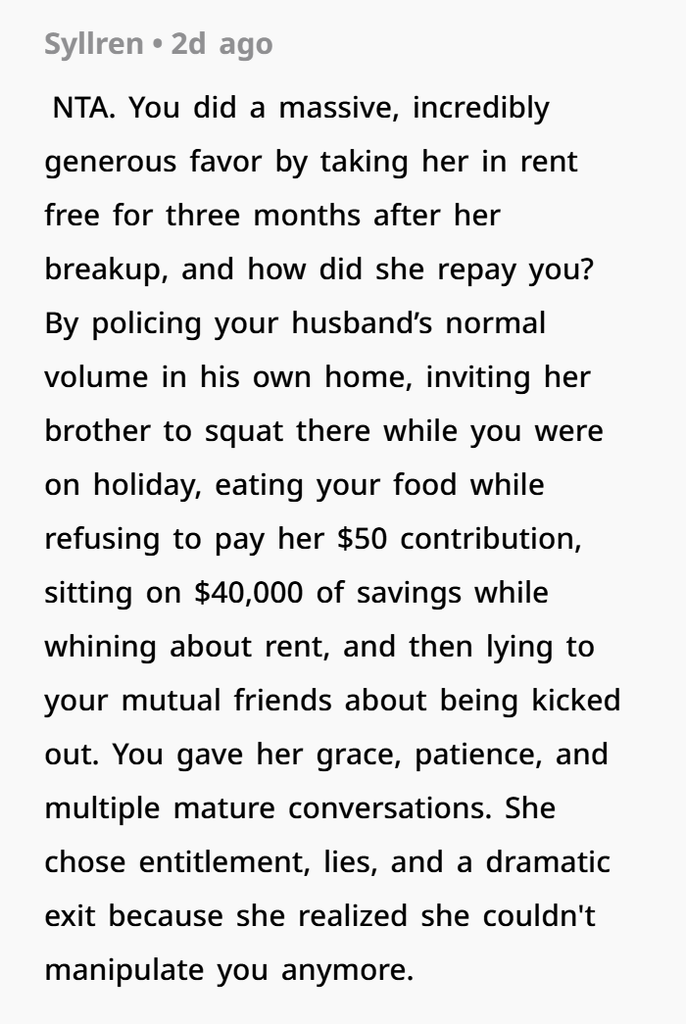
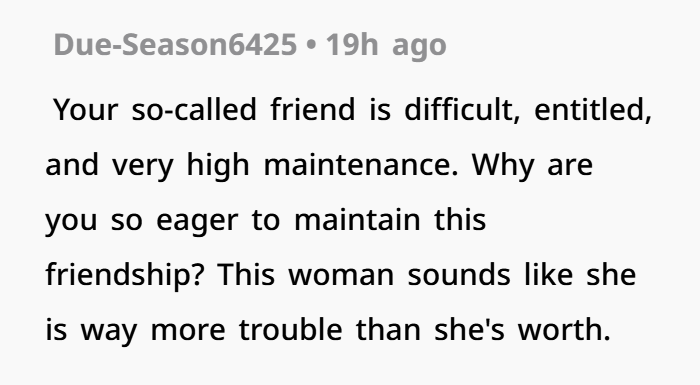
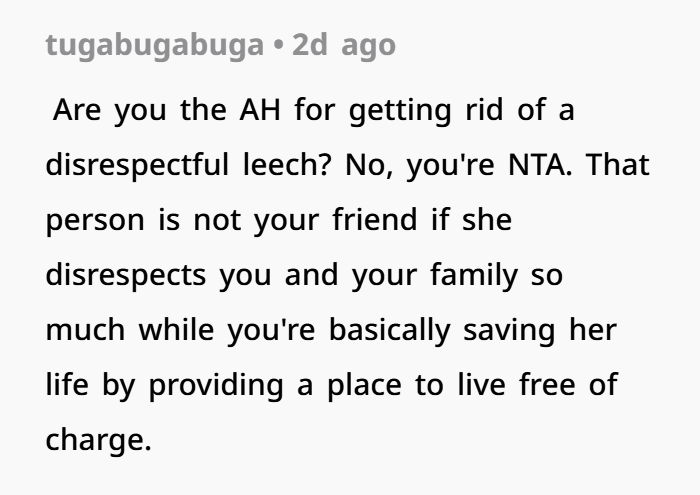
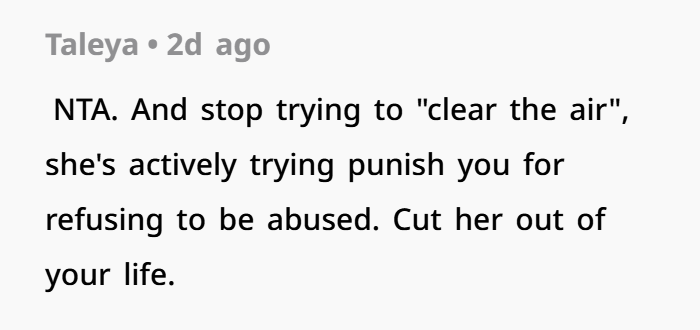
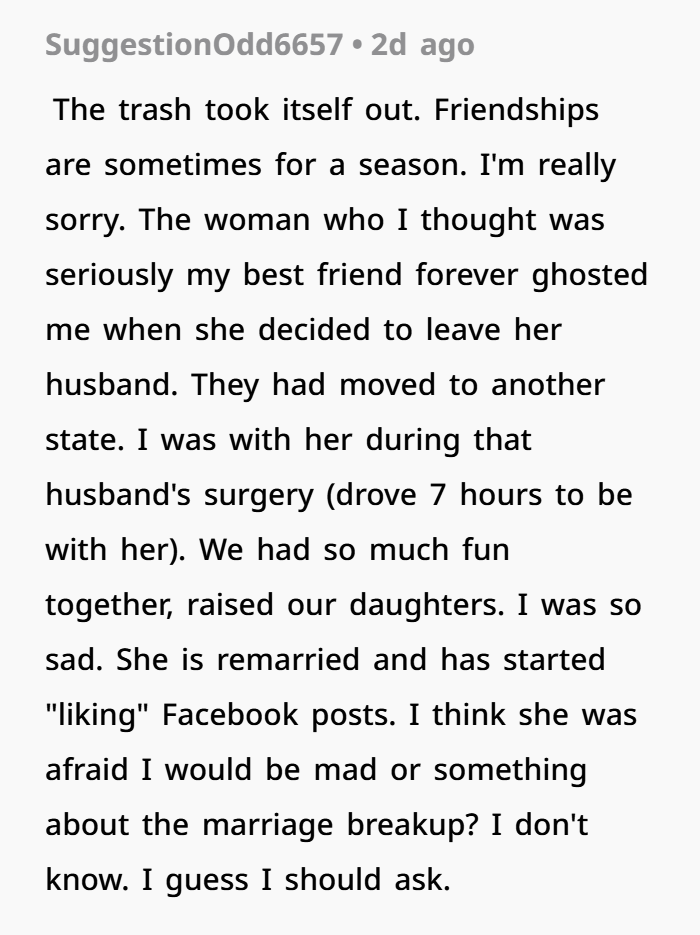
The Comments Are In