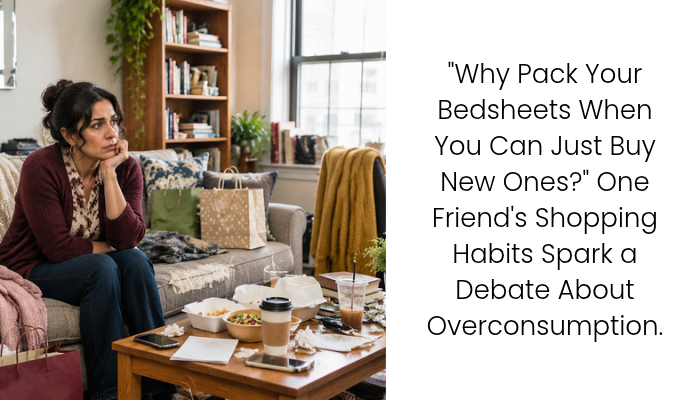
My Friend Called Me an Eco-Warrior After I Refused to Throw Away My Bedsheets
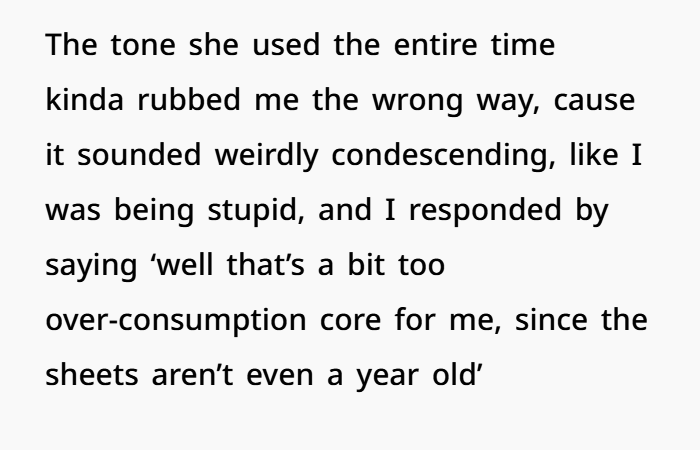
A 23-year-old woman was getting ready to move to a new place when her friend came over to help keep her company. While packing her belongings, she carefully folded her bedsheets and pillowcases before putting them into vacuum storage bags. Her friend was surprised and asked why she wanted to take her old bedding with her instead of buying new items after moving. The woman found the question strange because her bedsheets were less than a year old and still in very good condition.
The conversation became uncomfortable when her friend continued telling her to throw away the bedding. She could not understand why anyone would want to reuse these items after moving to a new home. However, the woman believed there was no reason to replace something that was still clean, soft, and useful. Since both of them were students who had moved several times, she was surprised that her friend regularly bought new bedding instead of packing and using what she already owned.
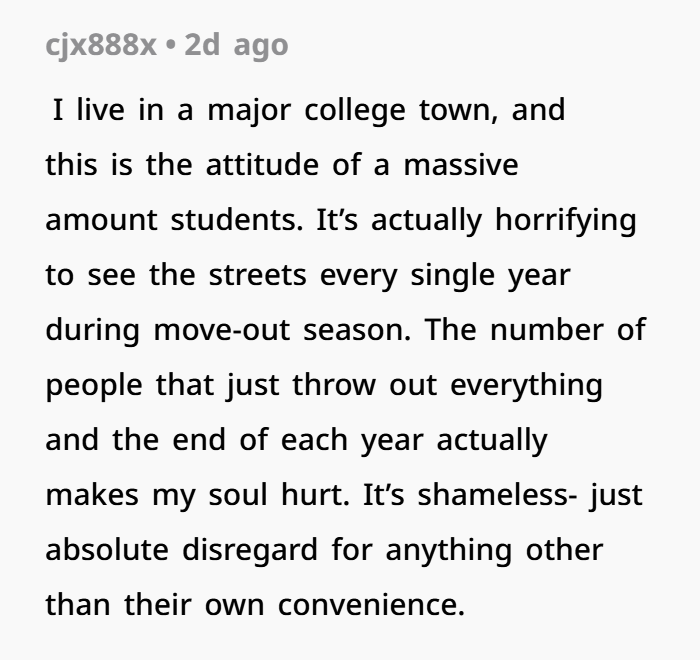
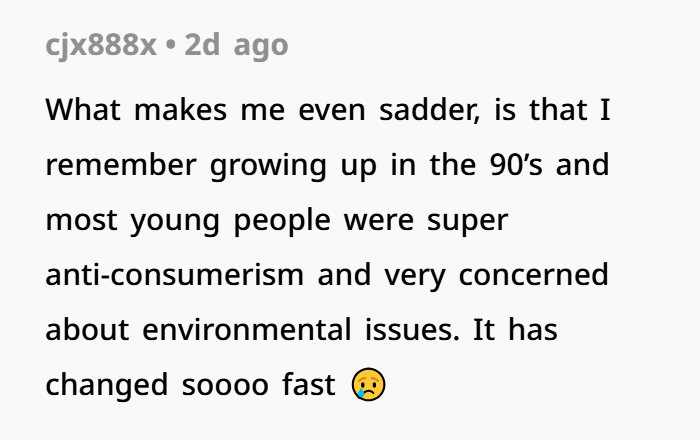
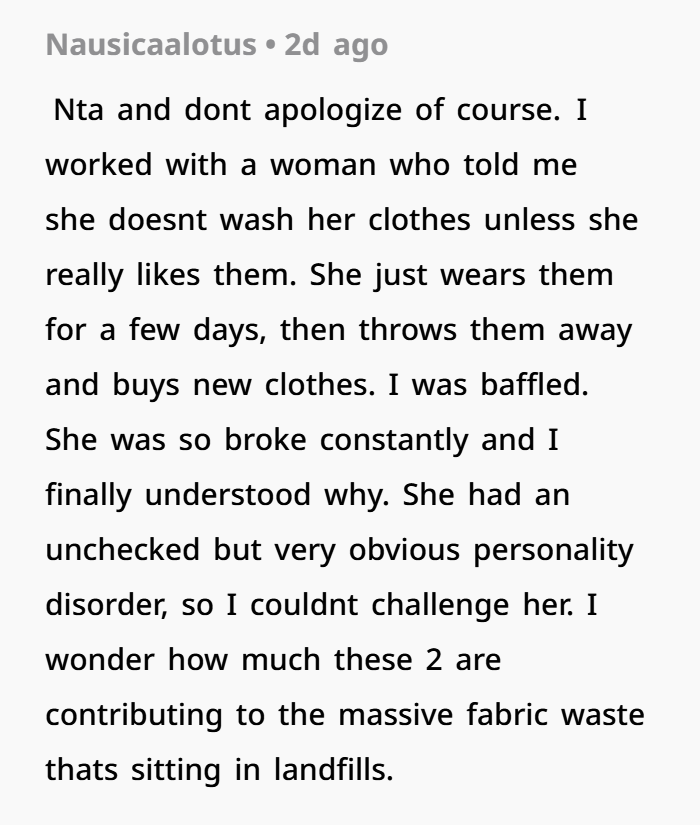
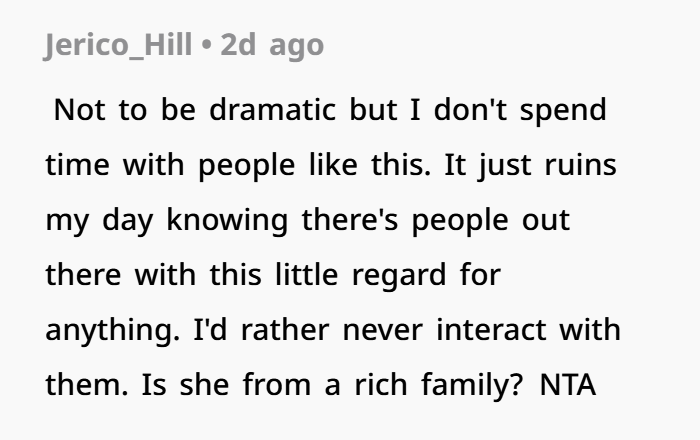
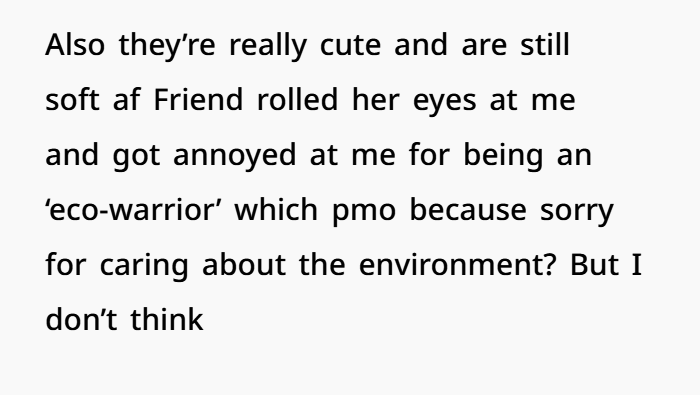
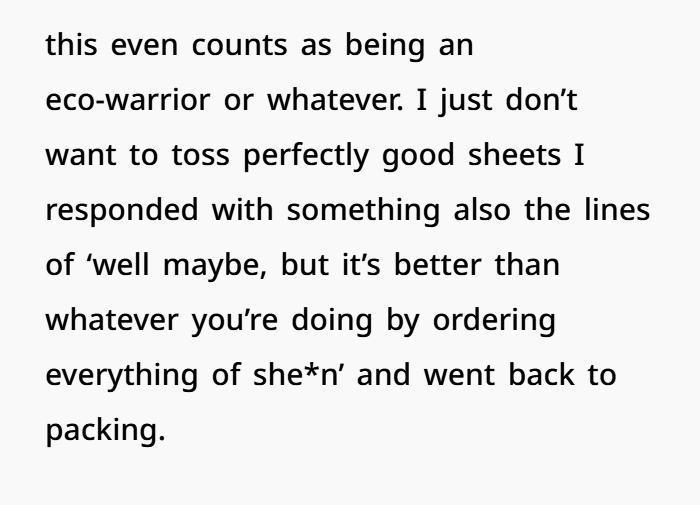
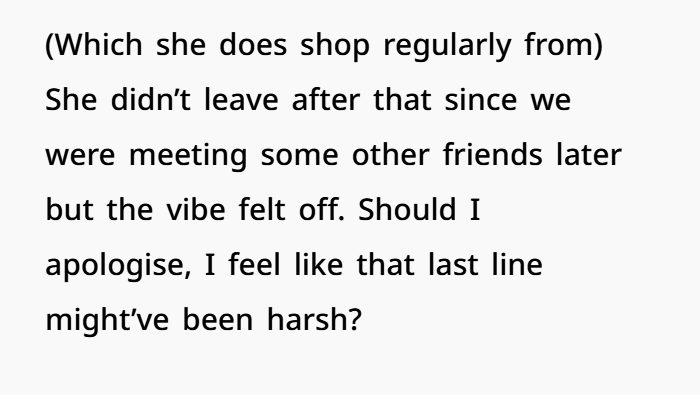
Feeling annoyed by her friend’s comments, the woman called her attitude an example of unnecessary shopping and overconsumption. Her friend rolled her eyes and joked that she was acting like an environmental activist. The woman then mentioned her friend’s regular purchases from Shein, a fast-fashion retailer. She felt it was unfair for someone who often bought new clothes to criticize her for trying to reduce household waste and save money.
Although they still went out together as planned, the conversation left both women feeling uncomfortable. Now, the woman is wondering if she was right to speak up or if mentioning her friend’s shopping habits was unnecessary. She believes reusing household items is a simple way to practice sustainable living, reduce waste, and manage moving expenses. However, she also understands that people have different shopping habits and personal choices.

Overconsumption, Fast Fashion, and the Problem With Throwaway Habits
At first, this may sound like a small argument about packing bedsheets before moving. But it brings up a bigger question: Why do we throw away things that are still in good condition?
Many people find it easier to buy new things instead of packing, moving, or taking care of what they already own. While buying new bedsheets after moving may seem convenient, it is not always the best choice for your budget or the environment.
Sometimes, keeping and reusing what you already have is the smarter option.
How Buying Too Much Affects the Environment
Buying new products may seem harmless, but every item takes resources to make. This is especially true for clothing, bedsheets, towels, and other household textiles.
The textile industry uses large amounts of water, energy, and raw materials. Products also need to be made in factories, packed, and transported before they reach stores or our homes.
According to the United Nations Environment Programme (UNEP), the fashion and textile industry has a significant impact on the environment.
When we throw away items that are still useful, all the resources used to make them go to waste too.
This is one reason why making thoughtful shopping choices matters. Buying only what we need can help reduce unnecessary waste.
Why Reusing Household Items Matters
One simple way to reduce waste is to use our belongings for as long as possible.
Instead of throwing things away, we can:
- Keep using items that are still in good condition.
- Repair damaged household products when possible.
- Reuse old bedsheets and towels.
- Donate items we no longer need.
- Store seasonal items properly.
- Choose quality products that can last longer.
These small habits are part of something called a circular economy.
The idea is simple: Instead of constantly buying, using, and throwing things away, we should try to keep products in use for longer.
For example, vacuum-sealing bedsheets before moving is a simple storage solution. It helps save space and makes packing easier. There is no real reason to replace bedding that is still clean and comfortable.
Fast Fashion and Frequent Shopping
The discussion also brings up fast fashion.
Brands such as Shein are known for offering affordable clothing and frequently changing product collections. This makes it easy for shoppers to find new styles at low prices.
However, frequent shopping can sometimes lead to buying more clothes than we actually need.
The environmental concerns around fast fashion include high production levels, resource use, packaging, transportation, and textile waste.
The European Environment Agency has also discussed the environmental impact of textile production and consumption.
This does not mean that everyone who shops from affordable fashion brands has bad habits. People have different budgets, needs, and shopping preferences.
The important thing is to think before buying. Ask yourself whether you really need something and whether you will use it for a long time.
Being Environmentally Responsible Does Not Mean Being Perfect
There is an important difference between discussing shopping habits and judging someone personally.
A person can buy affordable clothes and still make environmentally friendly choices in other parts of life.
For example, someone might shop from budget fashion stores but reuse household items, save energy, reduce food waste, or avoid unnecessary purchases.
Nobody has perfect habits all the time.
Sustainable living is not about following every rule perfectly. It is about making better choices whenever possible.
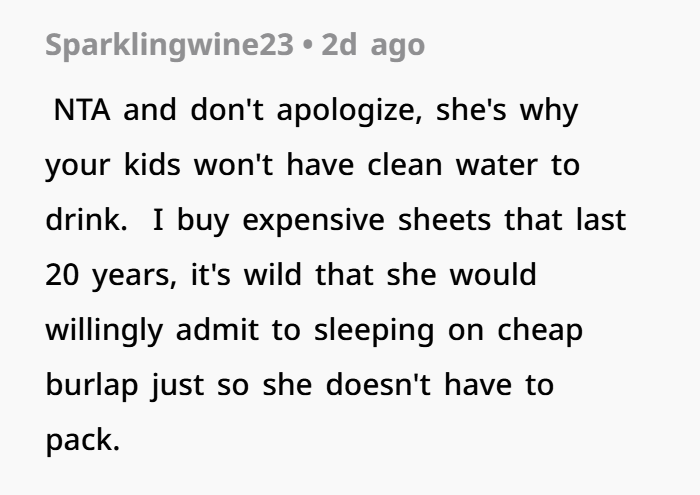
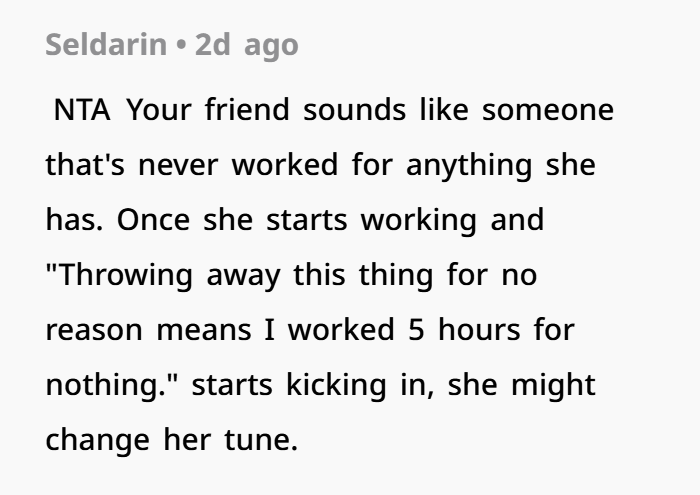
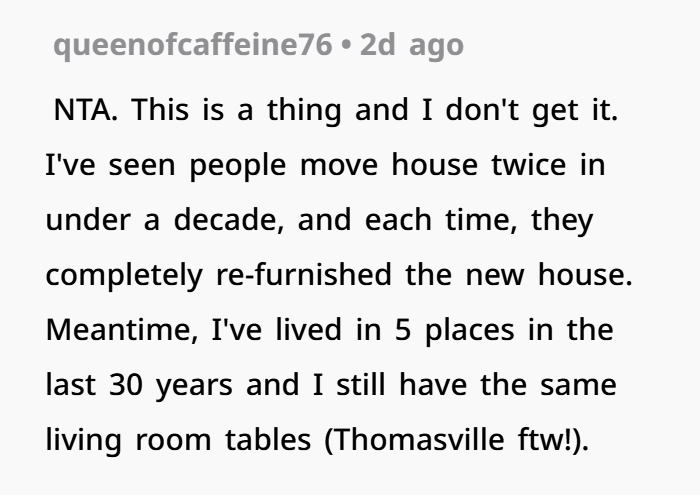
In this situation, the original poster had a reasonable point. She wanted to keep her bedsheets because they were still useful. However, bringing up her friend’s shopping habits made the conversation more personal.
The discussion could have stayed focused on the simple question of whether replacing usable bedding was necessary.
Saving Money When Moving to a New Home
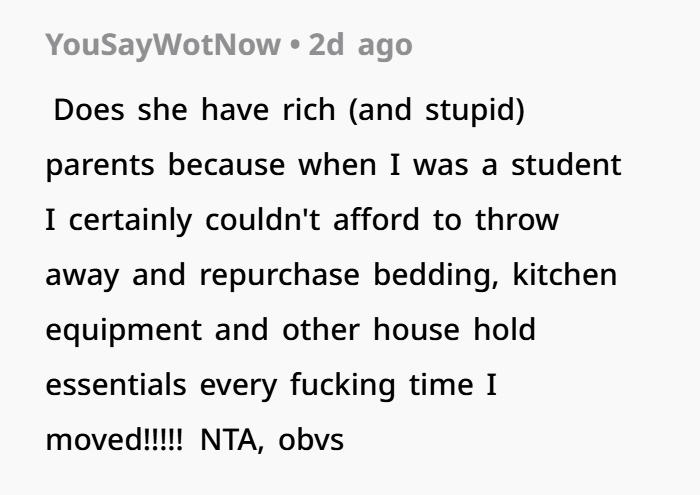
Moving can already be expensive, especially for students.
Many students move because of university, new accommodation, internships, or changes in their living arrangements.
During a move, people often need to think about packing supplies, transportation, furniture, kitchen items, and other household essentials.
Buying everything again can quickly increase moving expenses.
Keeping your existing belongings can help reduce these costs. It can also save time when setting up your new room or apartment.
Of course, there are situations where replacing an item makes sense. For example, if transportation costs more than the item itself, buying a replacement may be a practical decision.
But when something is still in good condition, reusing it is often worth considering.
Convenience vs. Mindful Shopping
There is nothing wrong with wanting convenience. Moving is stressful, and everyone wants to make the process easier.
However, convenience does not always mean buying something new.
Sometimes, a little extra effort can save money and reduce waste.
Before replacing household items, it helps to consider a few things:
- Is the item still in good condition?
- Can I pack and transport it easily?
- Will buying a replacement cost more?
- Can I use it in my new home?
- Is there a good reason to replace it?
These simple questions can help you make better decisions about home essentials and everyday spending.
The Bigger Lesson About Sustainable Living
The disagreement about bedsheets may seem small, but it highlights an important part of modern shopping habits.
We do not always need new things just because we are moving, changing our homes, or looking for something different.
Reusing household products, choosing practical storage solutions, and avoiding unnecessary purchases are simple ways to make more thoughtful decisions.
The original poster wanted to keep something she already owned. Her friend wanted to make moving easier by replacing it. Both people could make their own choices, but there was no need to judge each other.
The biggest lesson is simple: Sustainable living does not require perfect habits. Sometimes, it starts with using what you already have instead of buying something new.
The Comments Are In