AITA for Accidentally Exposing My Coworker’s Husband’s Affair After Sharing a Random Memory From Years Ago?
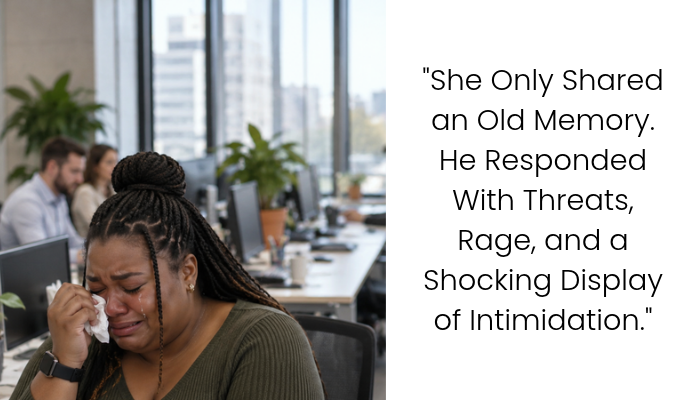
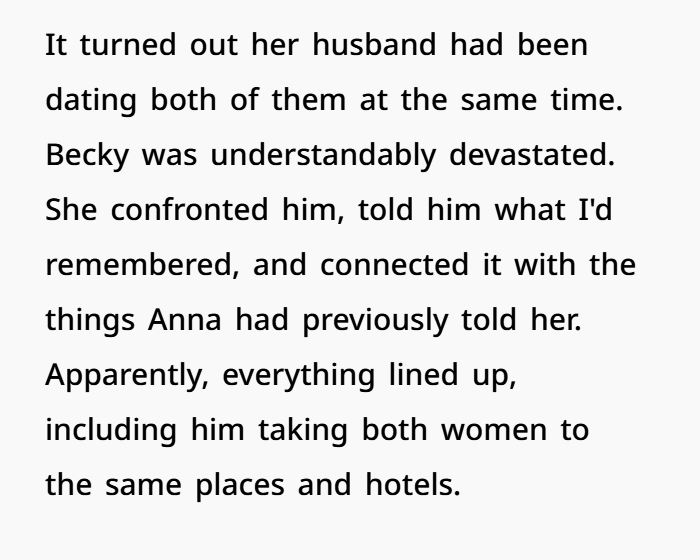
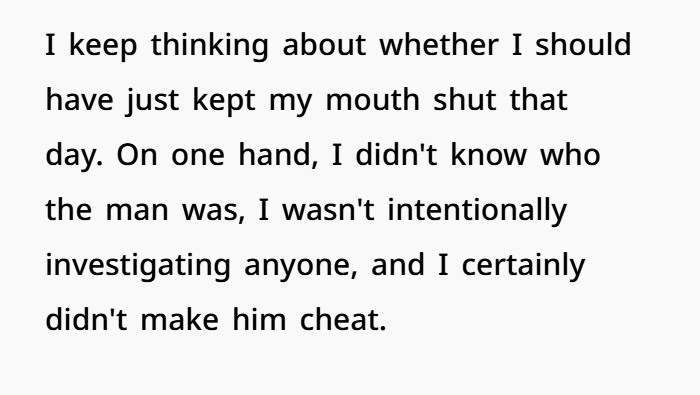
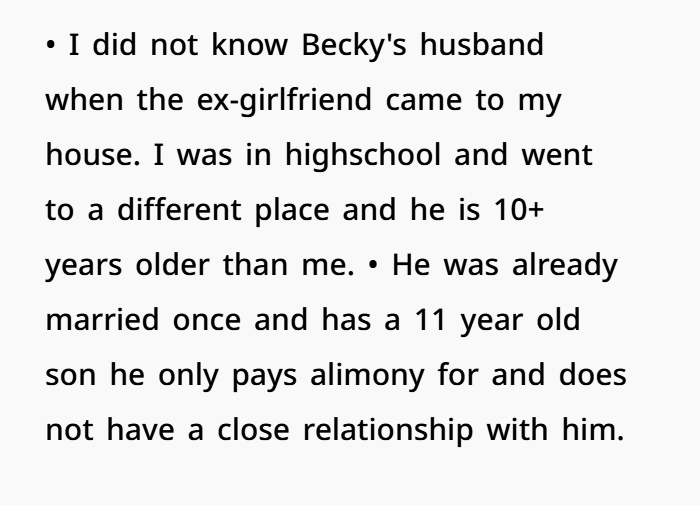
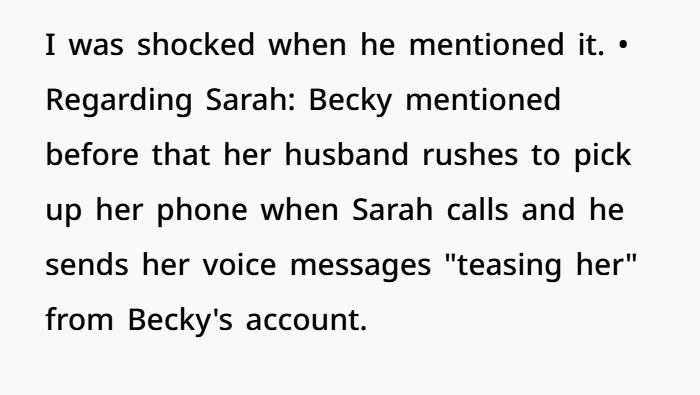
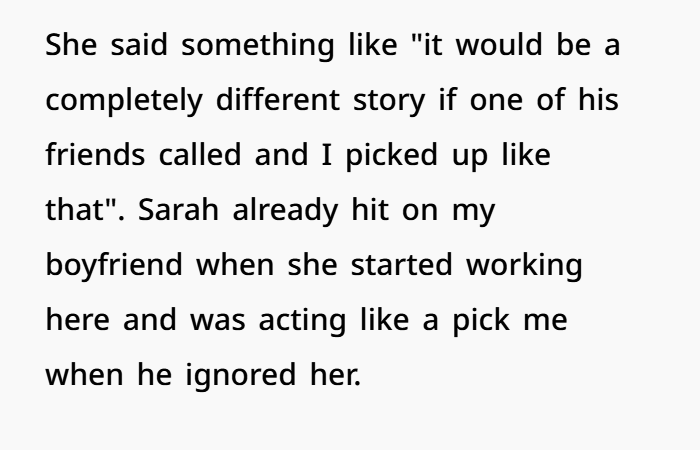
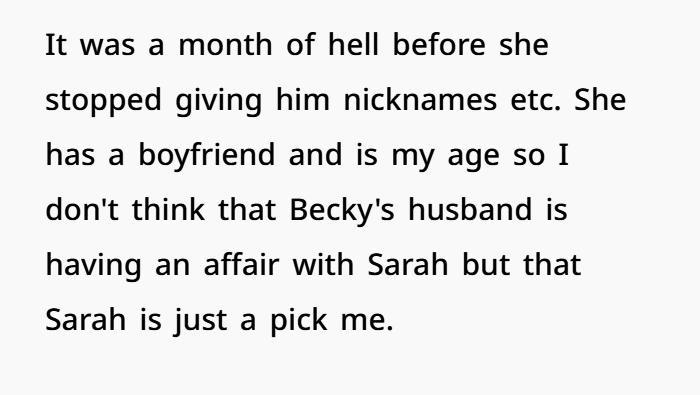
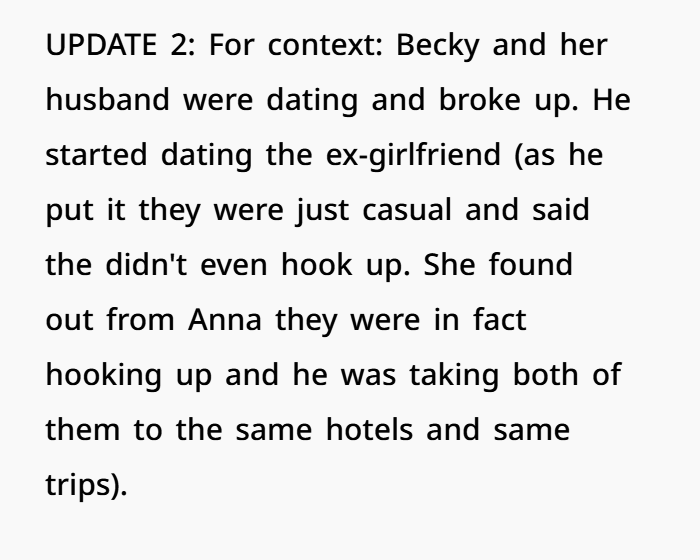
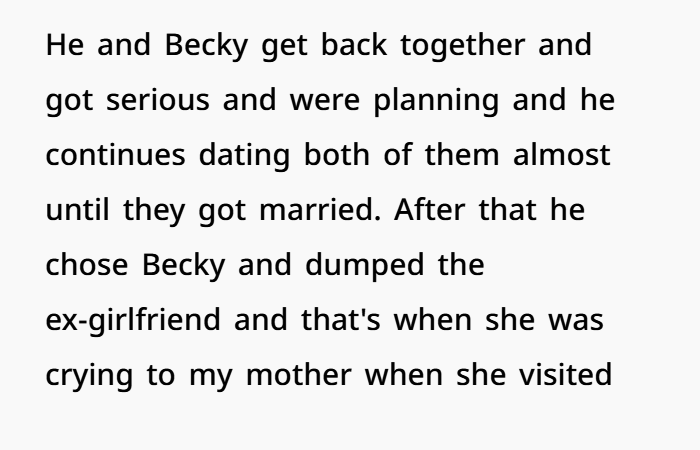
What started as a normal conversation at work turned into a shocking discovery for Becky, who was seven months pregnant. During the conversation, a younger coworker shared a story about a woman who had once visited her home while dealing with relationship problems. She had been upset because a man was not answering her calls. After comparing the dates and details with another coworker’s information, Becky realized that the man was her own husband. She began to understand that he may have been involved with two women at the same time.
The discovery was even more painful because the reported relationship problems had started years earlier. Becky also learned that the situation may have continued even after she and her husband got back together. They had moved forward with their relationship and were planning their future as a married couple. Finding out about these events left Becky with many questions about trust, honesty, and her marriage.
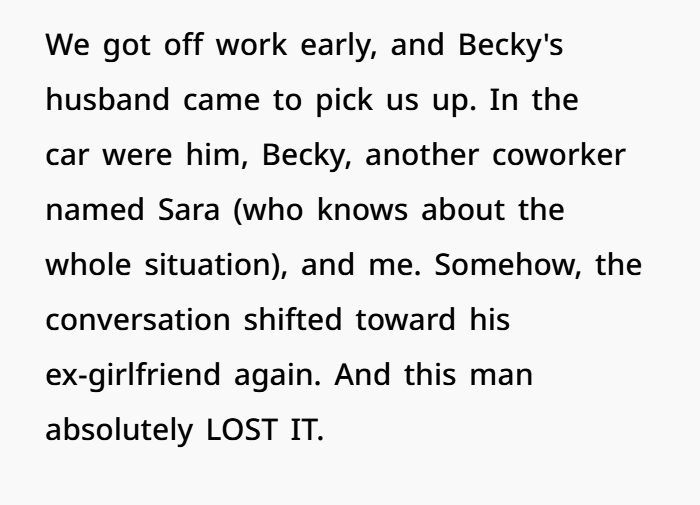
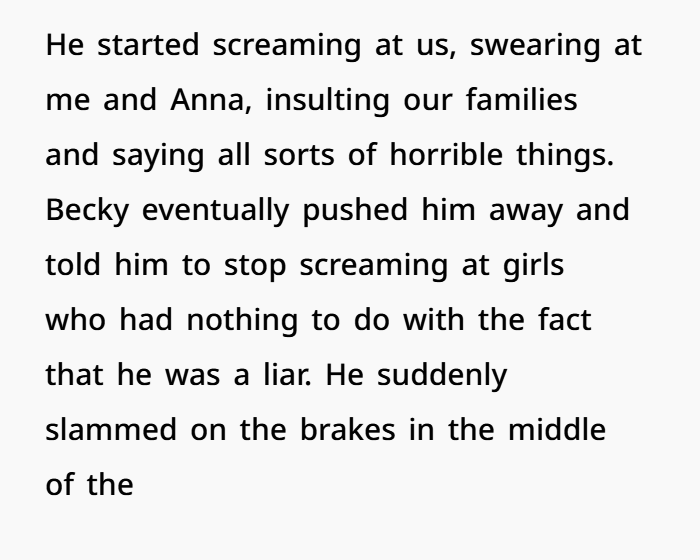
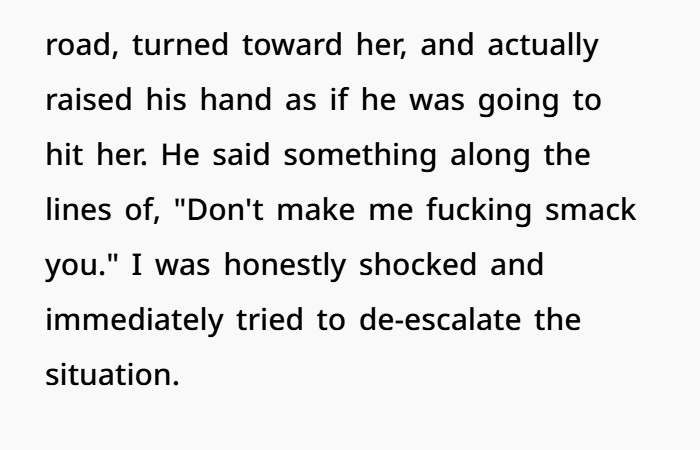
Things became more concerning when her husband confronted the women during a car ride. Instead of calmly discussing the situation, he became angry and started blaming Becky and her coworkers. He suddenly stopped the car and raised his hand as if he might hit her. He also repeated an earlier statement about not accepting responsibility for their unborn child if Becky left him before giving birth. His behavior raised serious concerns about her safety and emotional well-being.
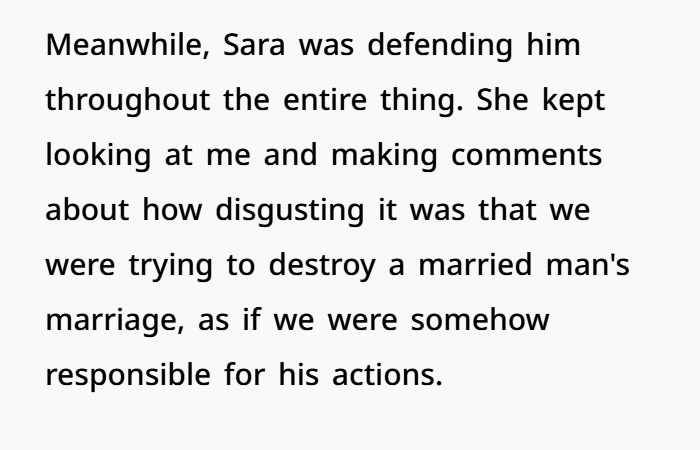
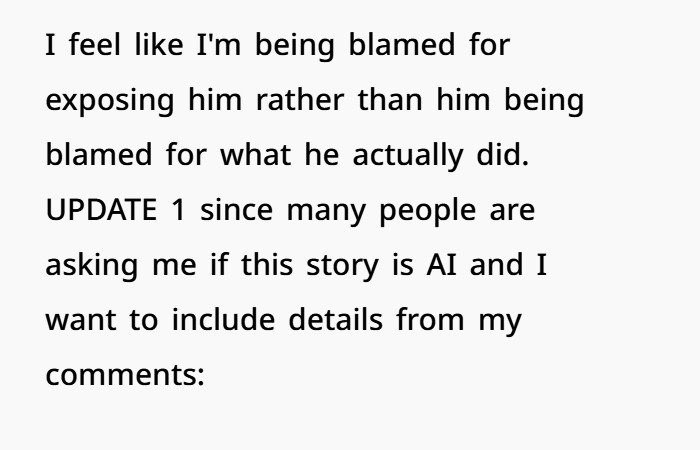
Another coworker also defended the husband’s actions and blamed the women for creating problems in the marriage. This made the situation even harder for everyone involved. Now, the original poster is wondering whether sharing the information was the right decision. At the same time, she is worried about Becky’s safety and the kind of relationship environment she may be experiencing at home. The situation highlights why trust, respect, emotional well-being, and personal safety are important in every relationship.




When Infidelity Leads to Fear, Threats, and Emotional Abuse
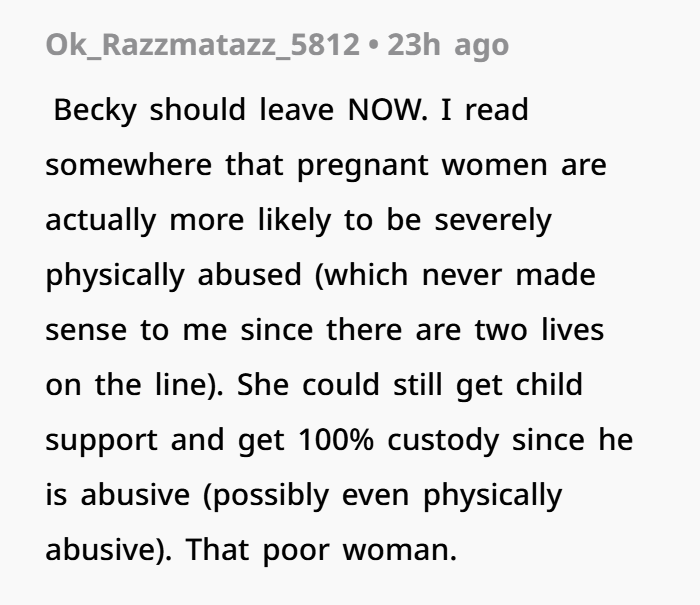
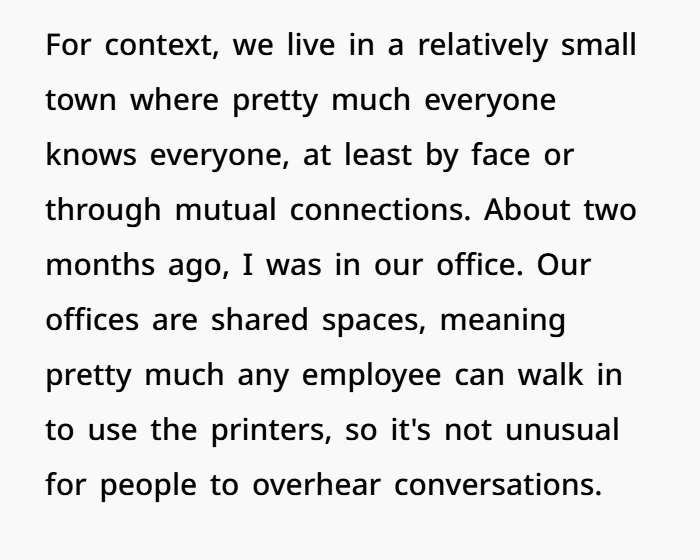
The most upsetting part of this story is not just the discovery of an affair. It is how the husband reportedly reacted when he was confronted about his actions. Instead of having an honest conversation, he allegedly started shouting, insulting his pregnant wife, and making threats. At one point, he made a physical movement that left Becky afraid he might hit her.
This behavior raises serious concerns about emotional abuse, intimidation, and relationship safety.
Many people think domestic abuse only means physical violence. However, abuse can also include threats, repeated insults, emotional pressure, and controlling behavior. These actions can make someone feel unsafe, helpless, or afraid to make their own decisions.
Threats Against His Unborn Child’s Future
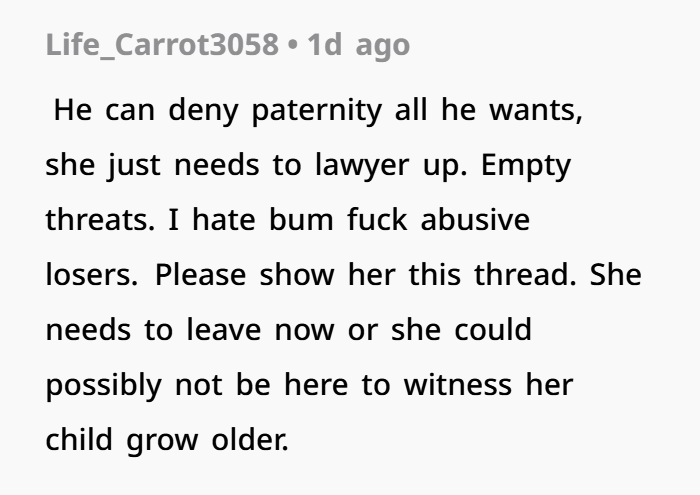
One of the most worrying parts of the story was the husband’s reported threat to deny the unborn baby if Becky decided to leave before giving birth.
Statements like this can create fear and emotional pressure. They may make a pregnant woman feel that leaving the relationship could affect her child’s future or financial security.
This type of behavior can be a form of emotional manipulation and reproductive coercion. It involves using pregnancy, parenting decisions, or concerns about a child’s future to influence a partner’s choices.
However, a parent’s personal decision does not automatically determine their legal responsibilities.
Family law rules about paternity, child support, and parental rights depend on the country and local legal system. In many places, these matters are handled through legal procedures rather than personal statements.
Anyone facing this kind of situation may benefit from speaking with a qualified family law attorney to understand their rights and available legal options.
Emotional Abuse Can Be Just as Serious as Physical Violence
The husband’s reported behavior is concerning because domestic abuse does not always leave visible injuries.
Emotional abuse can include:
- Constant shouting, insults, and humiliation.
- Threatening a partner to make them stay.
- Using children or pregnancy to create fear.
- Controlling important personal decisions.
- Making someone feel guilty for speaking up.
- Using intimidation to avoid taking responsibility.
The World Health Organization recognizes that intimate partner violence can include physical aggression, psychological abuse, and controlling behavior.
These patterns can affect a person’s confidence, mental health, and sense of safety.
Pregnancy can make the situation even more difficult. A woman may already be dealing with physical changes, emotional stress, medical appointments, and financial concerns. Adding relationship problems and threats can create even more pressure.
This is why domestic violence awareness and access to pregnancy support are so important.
The Person Who Revealed the Truth Is Not Responsible for the Affair
Another important part of this story is the blame placed on the original poster.
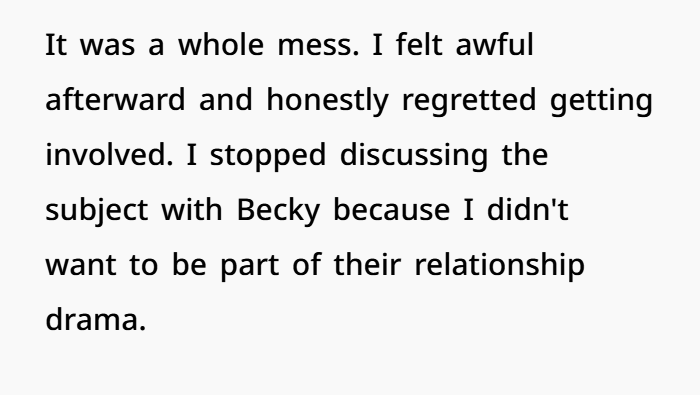
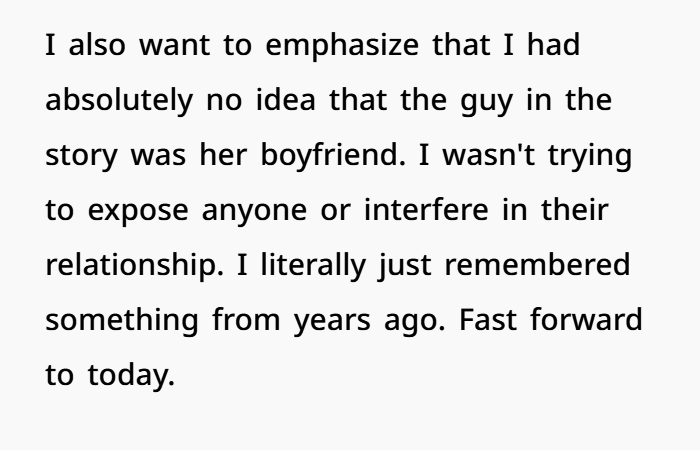
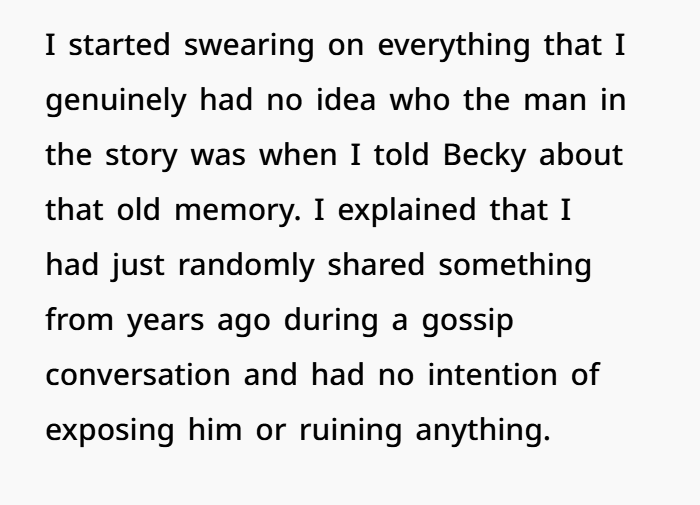
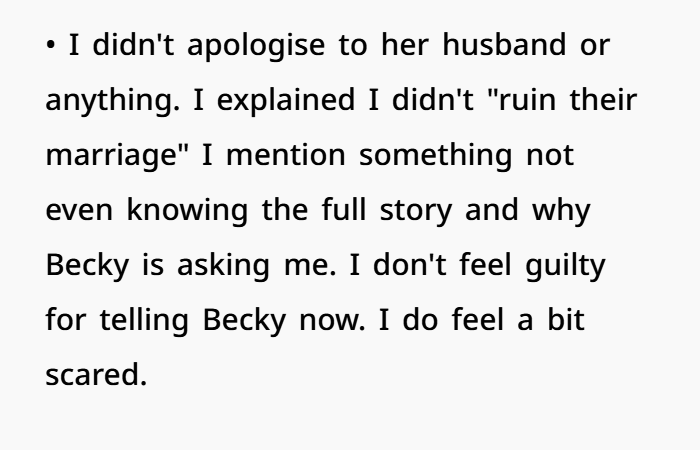
She remembered an incident from her childhood that helped connect some details about the husband’s relationships. At the time, she did not even know who the man involved was.
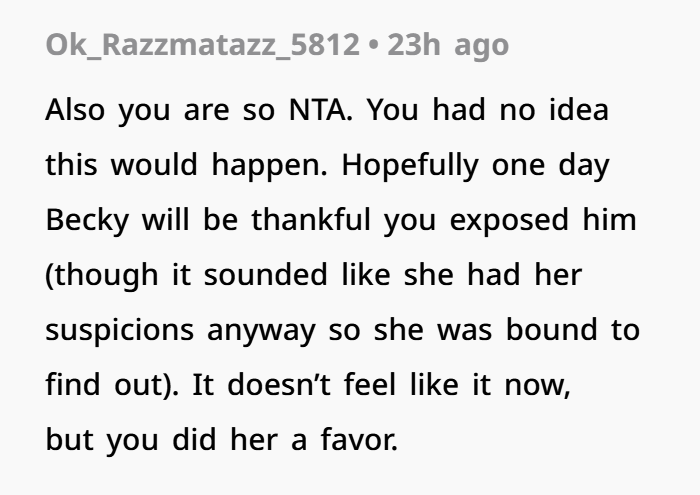
She did not arrange the meetings, encourage the affair, or ask anyone to deceive their partner. She simply remembered something from the past that helped reveal information that was already there.
There is a big difference between revealing a problem and creating it.
The husband was responsible for his own decisions and the way he treated both women. If the discovery damaged his marriage, that does not make the person who connected the details responsible for his actions.
People sometimes blame the person who brings the truth to light because accepting the truth can be uncomfortable. However, responsibility should remain with the person who made the choices that caused the situation.
Why Leaving an Unhealthy Relationship Can Be Difficult
Becky reportedly decided to wait until her child is older before considering divorce.
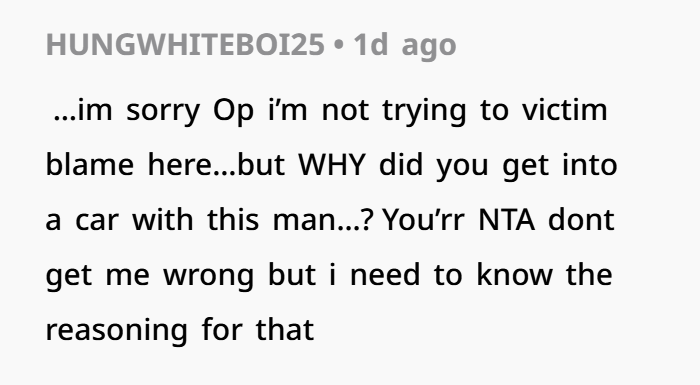
Some people may wonder why she would stay in a relationship after experiencing this kind of behavior. However, leaving a difficult or potentially abusive relationship is not always simple.
There can be many things to consider, including:
- Finding a safe and affordable place to live.
- Understanding financial responsibilities and child support.
- Protecting the child’s future.
- Getting the right legal advice.
- Arranging emotional and practical support.
- Planning for personal safety during separation.
Pregnancy can add another layer of difficulty because medical care, childbirth, and recovery also need attention.
Every person’s situation is different. It is not helpful to judge someone for the time they need to make an important decision.
Instead, people close to Becky should encourage her to seek confidential support and understand her options.
A domestic violence support organization, qualified family lawyer, or trained counselor may help her make a safer and more informed plan.
If she feels she or her unborn child is in immediate danger, contacting local emergency services is important.
Why Safety and Support Should Come First
When threats and intimidation become part of a relationship, personal safety should be the main concern.
Keeping a record of threatening messages or incidents may also be helpful if it is safe to do so. Speaking privately with a domestic violence advocate can help someone understand available support services and safety planning options.
Financial planning may also be important. Understanding household expenses, housing options, child support rules, and legal rights can help someone prepare for the future.
However, no one should feel pressured to follow a particular timeline. A safe plan should take individual circumstances into account.
Friends and family can make a difference by listening without judgment, respecting personal decisions, and helping someone find reliable professional support.
The Bigger Issue Is Becky’s Safety
This story is about much more than an affair or a marriage falling apart.
The original poster may have unintentionally helped reveal the truth, but she did not create the husband’s overlapping relationships or the decisions behind them.
The reported threats and intimidating behavior raise a much more serious concern: Becky’s safety and the well-being of her unborn child.
Infidelity can cause deep emotional pain, but it does not justify threats, humiliation, or controlling behavior.
No one should have to feel afraid of their partner for speaking up or making personal decisions.
At this point, the most important thing is not deciding who deserves blame for revealing the affair. It is making sure Becky has access to the emotional support, legal guidance, and safety resources she may need to protect herself and her child.
People Couldn’t Stay Silent