Woman Exposes Husband’s Year-Long Affair to Girlfriend’s Mom
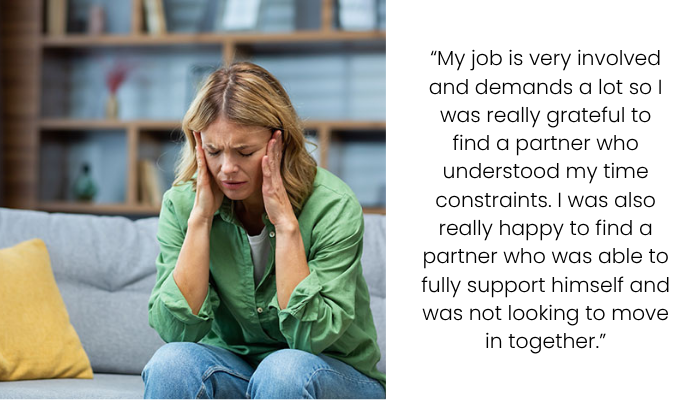
She thought she had finally found a stable and healthy relationship. At 38, she was not looking for marriage or any perfect love story. She just wanted something calm and steady that would not interfere with her job or daily life. When she met David at a work conference, everything felt simple and natural. The relationship seemed easy from the start. He respected her time, gave her space, and stayed consistent. For more than a year, everything looked normal, and it felt like one of the most emotionally stable relationships she had ever experienced.
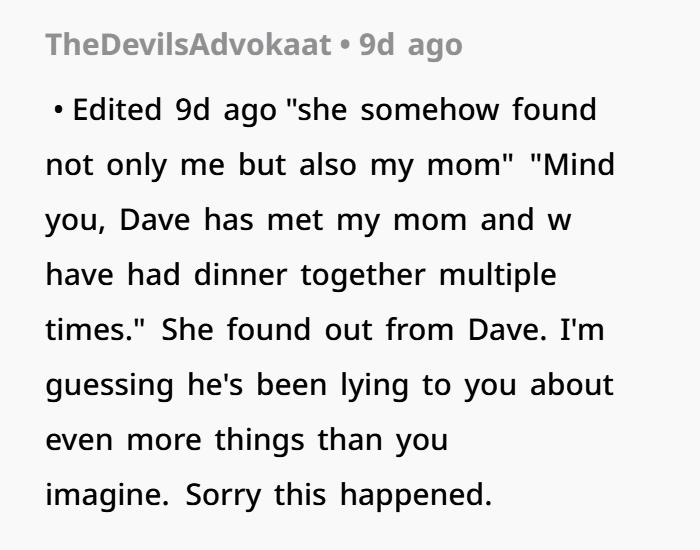
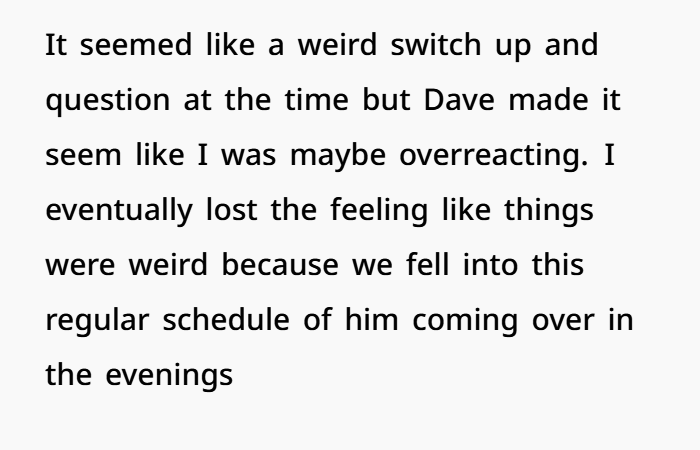
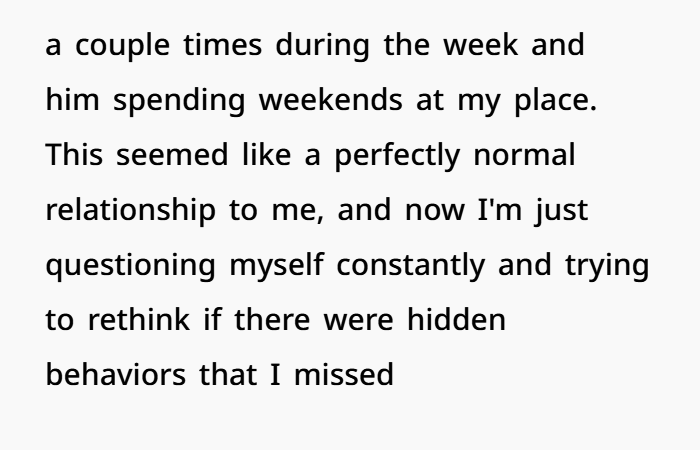
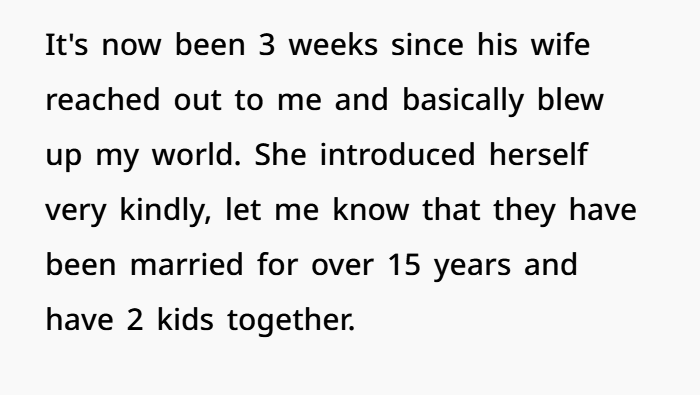
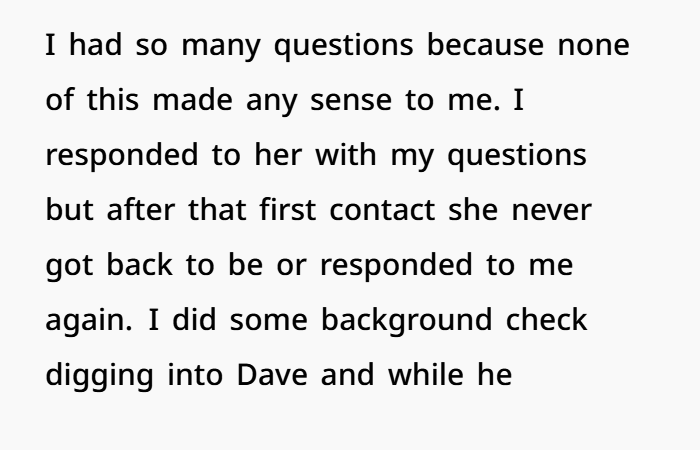
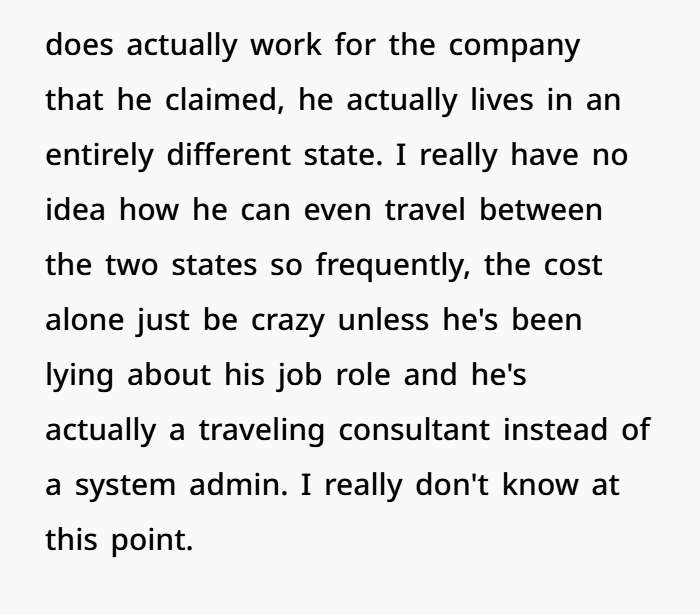
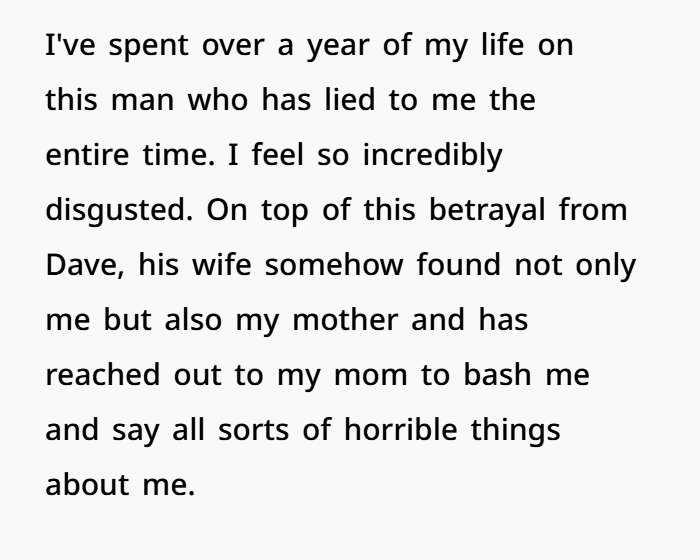
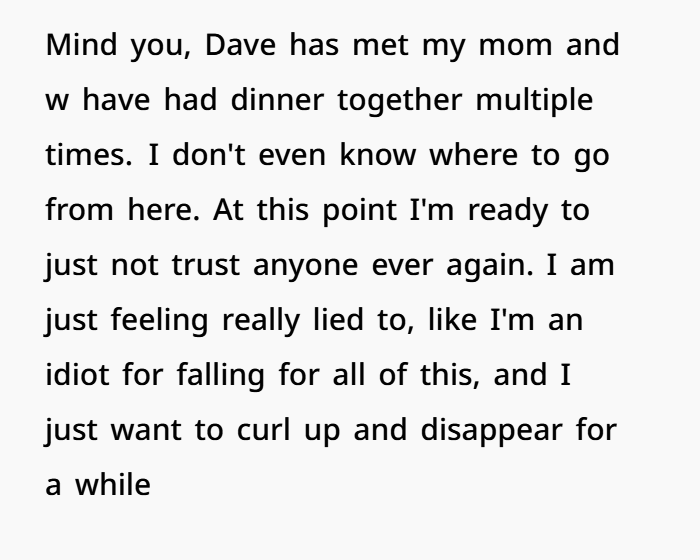
Then everything changed after a single message. A woman contacted her and said she was David’s wife. Not an ex-wife, not separated—still married for 15 years and with two children. This news completely changed how she saw the relationship. She realized that David had been living a double life and hiding a long-term marriage while dating her. The emotional betrayal felt overwhelming, especially after trusting him for so long. But the situation did not end there. The wife began reaching out to people in her life, including her mother, and shared details about the affair. This turned a private relationship issue into public relationship drama. Now she is left dealing with emotional stress, confusion, and trust issues, while trying to recover from a situation involving hidden marriage, infidelity, and broken trust.
Situations like this feel very personal, but they are actually more common than people think. The real damage is not only the cheating, but the long-term deception behind it. When someone hides a double life, it can cause deep emotional stress and relationship trauma. It does not just feel like heartbreak. It also creates confusion about your own judgment. Many people start replaying moments in their mind and asking themselves how they did not notice the truth earlier.
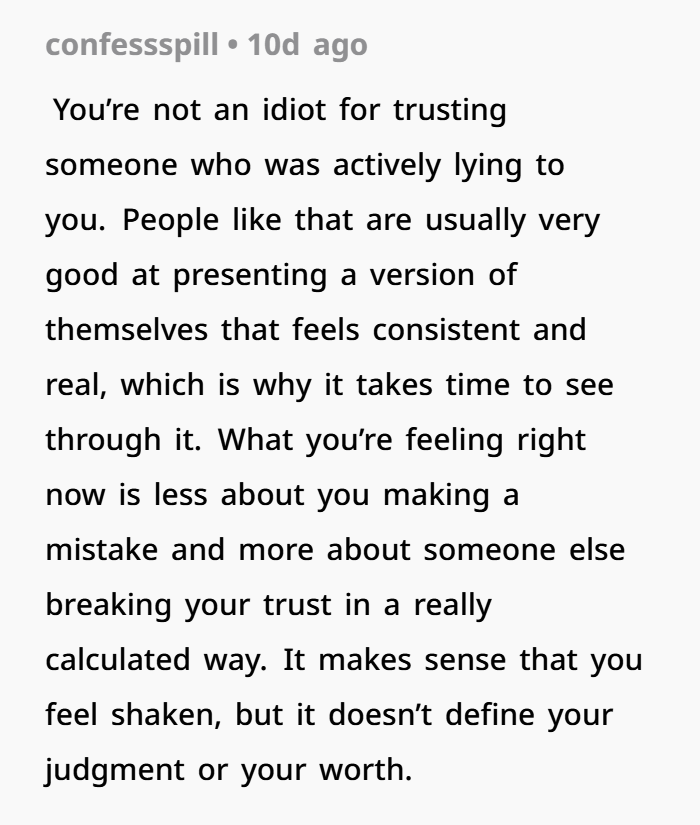
This kind of experience is often linked to something called “betrayal trauma” in relationship psychology. It happens when someone you trust breaks that trust in a serious way. Research in emotional health shows it can lead to anxiety, overthinking, and trouble trusting future partners. It is not only about losing a relationship, but also about losing confidence in your own sense of reality.
In this case, the situation is even more complicated because she did not know she was involved with a married man. That makes a big difference. There is a clear ethical difference between knowingly being part of an affair and being deceived into it. When someone is lied to about a partner’s marital status, they are also a victim of deception.
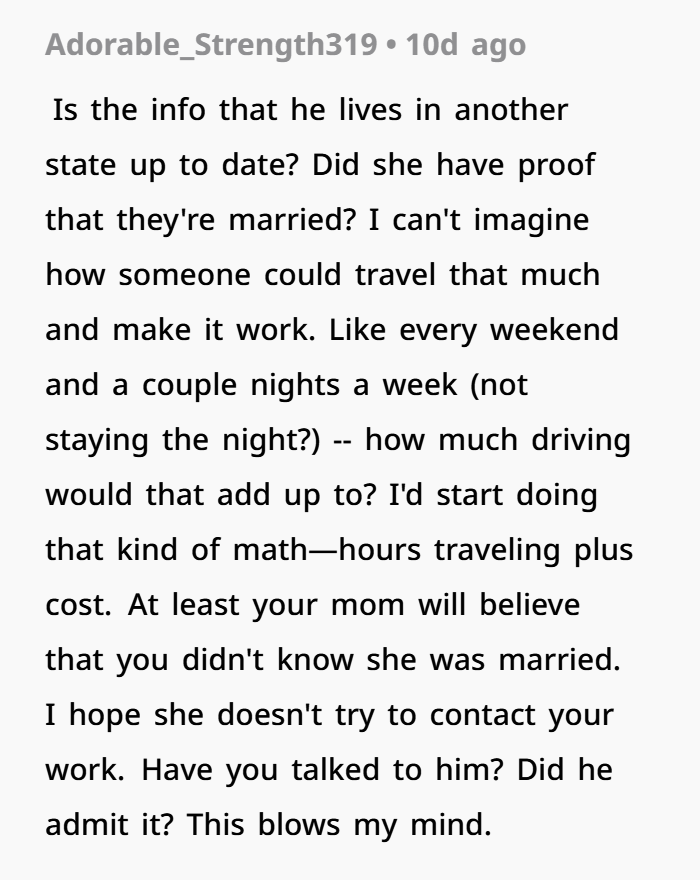
From what is described, David carefully controlled the relationship. He kept distance, limited time together, and made everything look normal through work travel and communication patterns. In relationship studies, this type of behavior is often linked to long-term deception and infidelity patterns, where a person manages two separate lives at the same time.
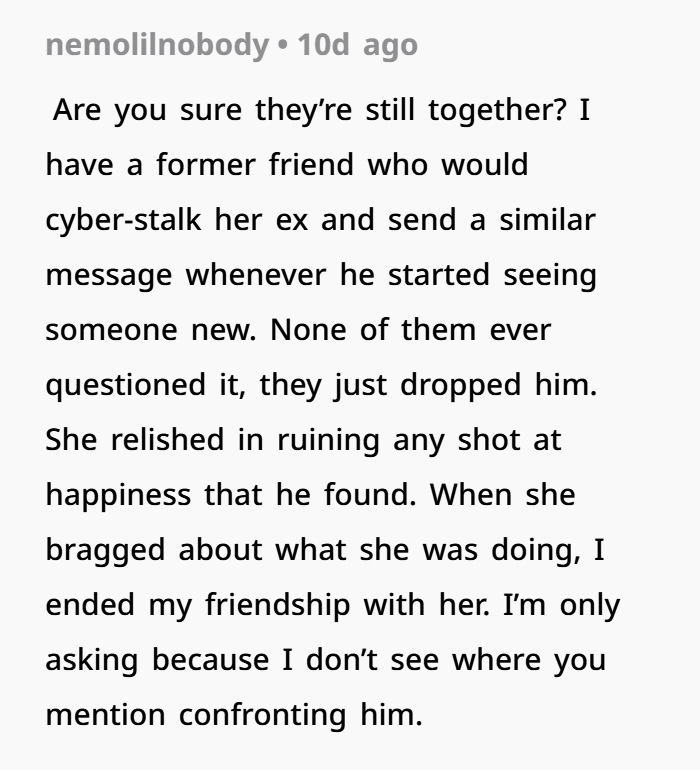
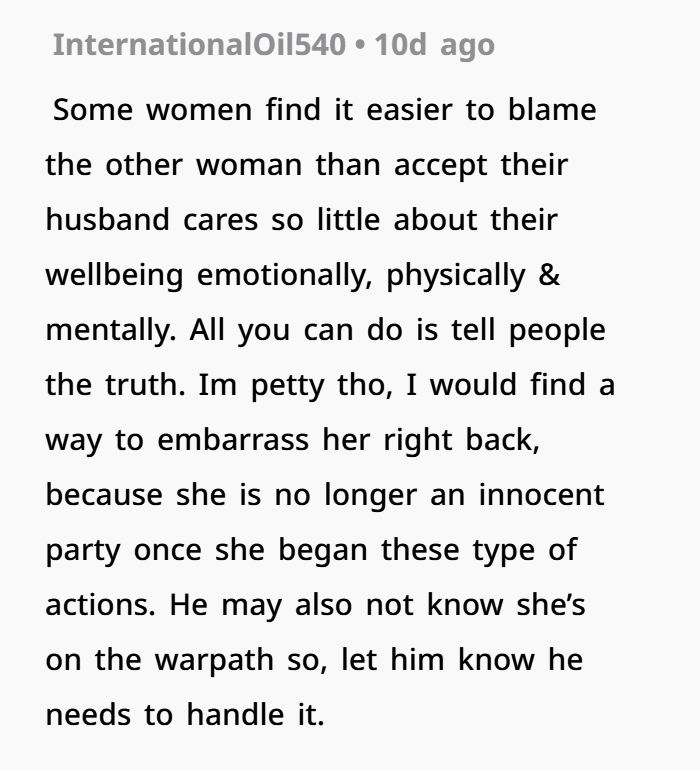
The wife’s reaction also started in a very emotional way. At first, she calmly reached out to understand what happened. This is a common response in marriage infidelity cases, especially when someone is trying to find answers. But later, she began contacting the woman’s family, which turned the situation into ongoing emotional conflict and family stress.
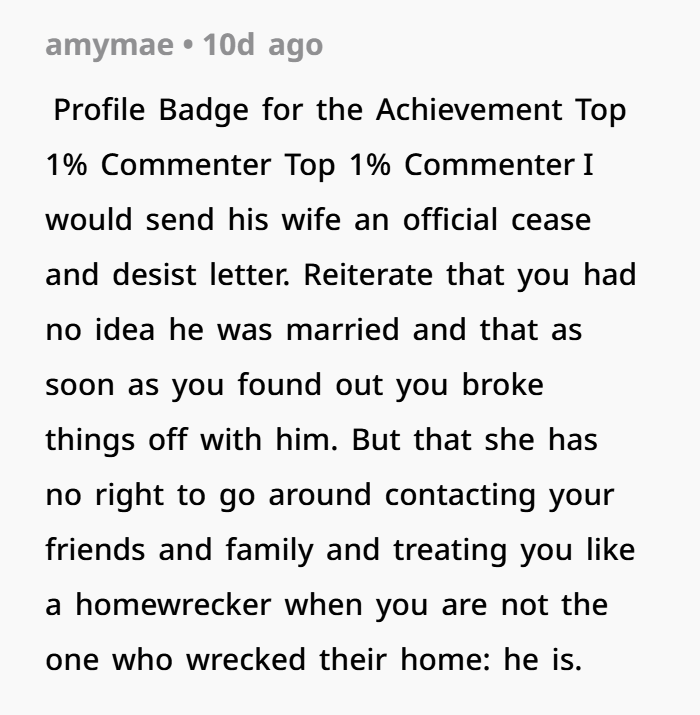
In some situations, contacting a partner’s family repeatedly or sharing accusations can lead to further conflict and may even raise legal concerns depending on local laws. This is why keeping records of messages and communication is often important in situations involving harassment or defamation concerns.
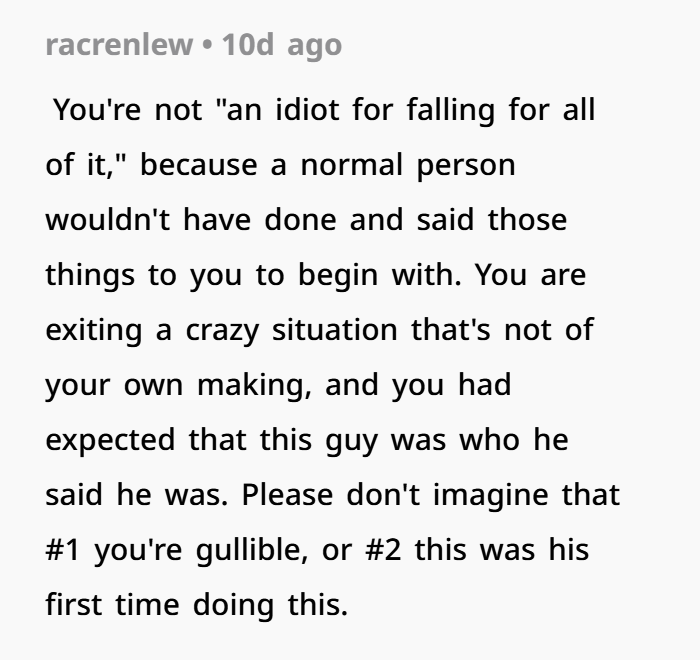
After all of this, the emotional impact is still very strong. Many people in similar situations feel embarrassed or blame themselves, even when they were clearly misled. But in reality, deception in relationships is designed to be believable, especially when it continues for a long time with consistent behavior and trust-building actions.
The responsibility always lies with the person who lied, not the person who believed them.
Recovering from this kind of emotional betrayal and trust issues takes time. Many people struggle with future relationships after infidelity because they become more cautious and overthink small details. This is a normal response to relationship trauma, but it can slowly improve with time and emotional distance.
Right now, the most important step is to create space from the situation. That can mean limiting contact, avoiding further conflict, and focusing on emotional healing instead of trying to fix everything at once.
Because in the end, this is not just about a broken relationship.
It is about rebuilding trust, emotional stability, and a sense of reality after deception.
Top Comments From Readers