
Woman Rethinks Moving In With Her Boyfriend After His TikTok Messages Raise Concerns
Ending a relationship can feel easier when there is a clear reason, like lying or cheating. But sometimes, the problem is simply that two people have different needs. That can make relationship decisions much harder.
One woman recently shared her situation on the r/Relationship_Advice subreddit. She wanted to know what other people thought about a problem with her boyfriend.
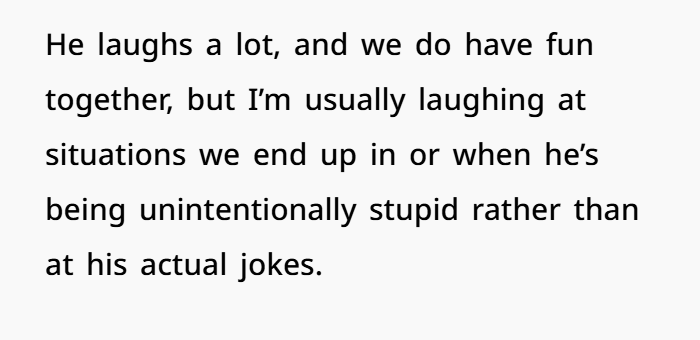
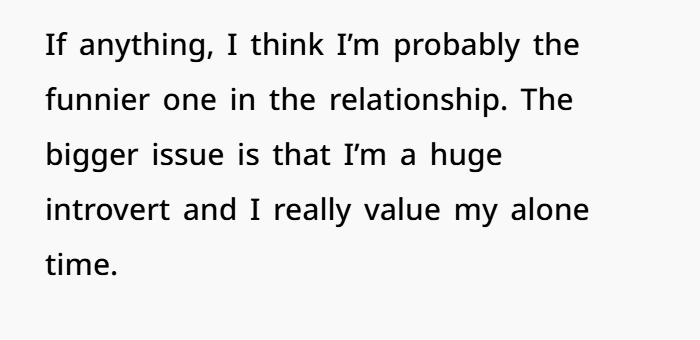
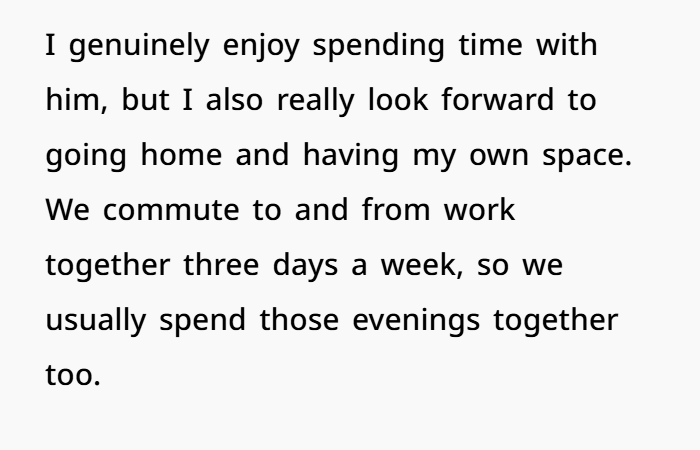
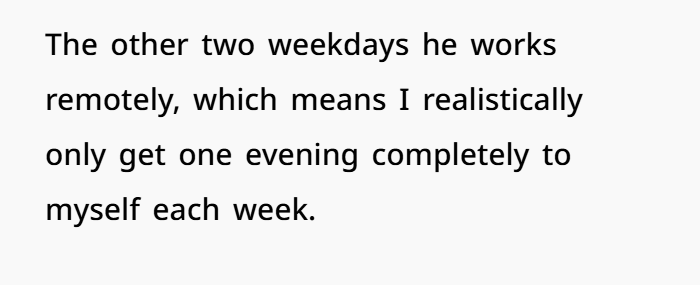
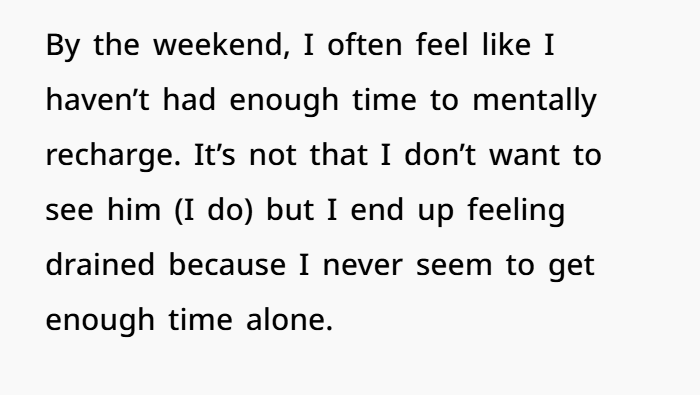
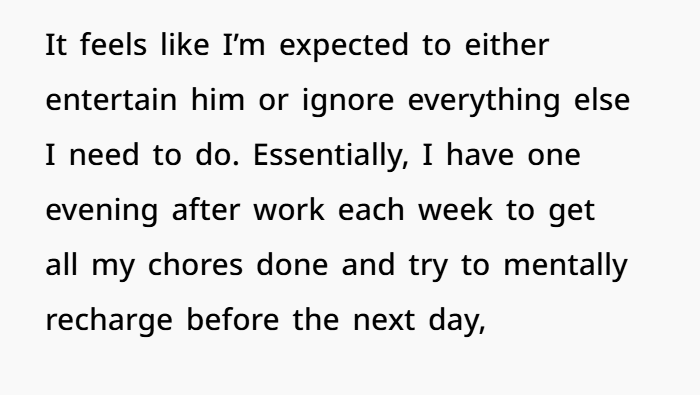
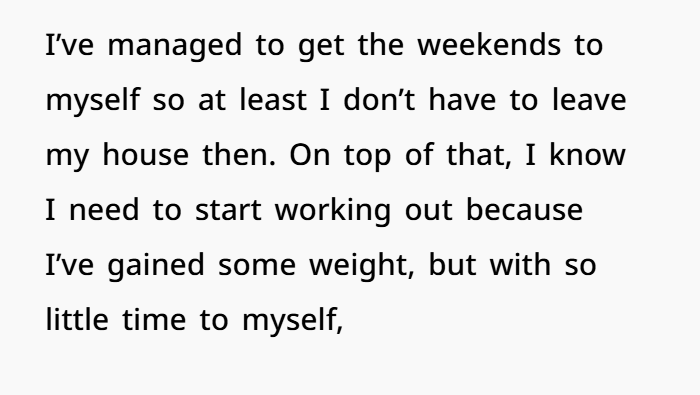
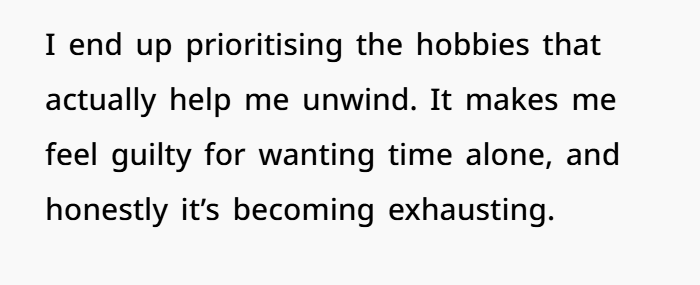
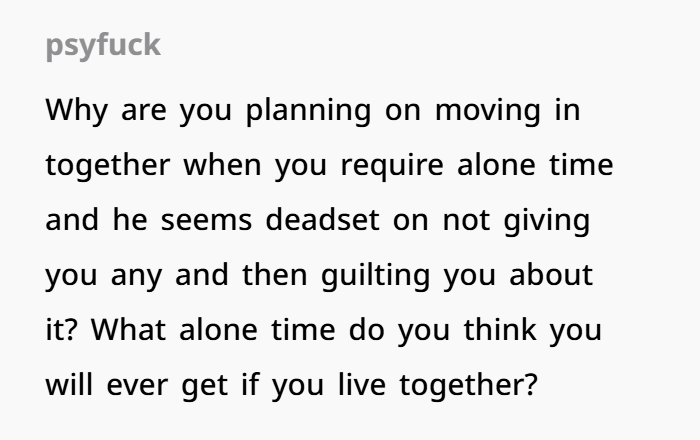
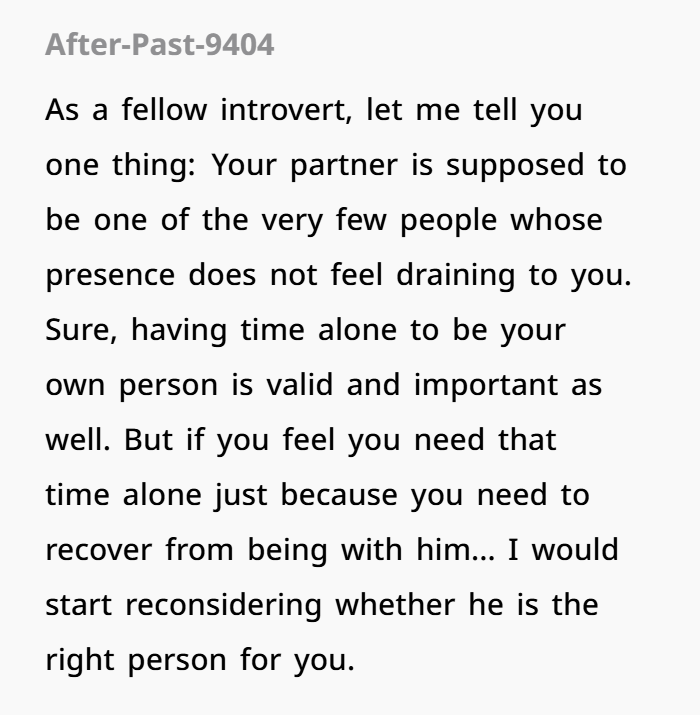
She explained that she is an introvert. She enjoys spending time with her boyfriend, but she also needs some quiet time alone to relax and recharge.
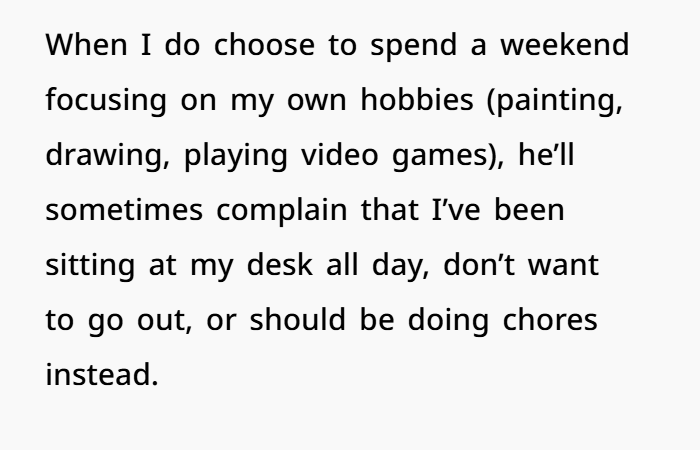
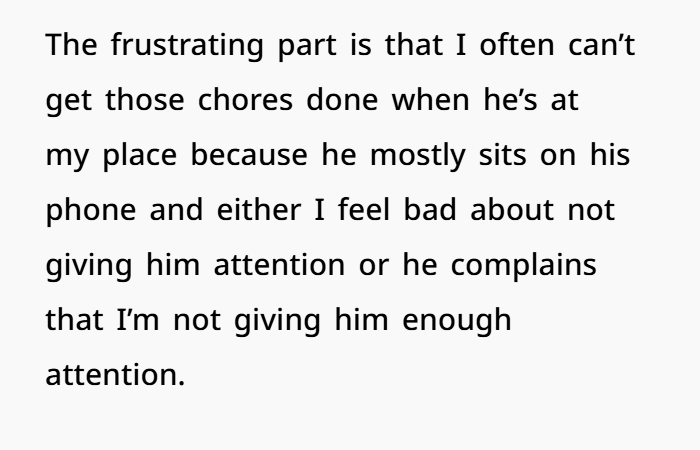
Unfortunately, her boyfriend doesn’t seem to understand that need.
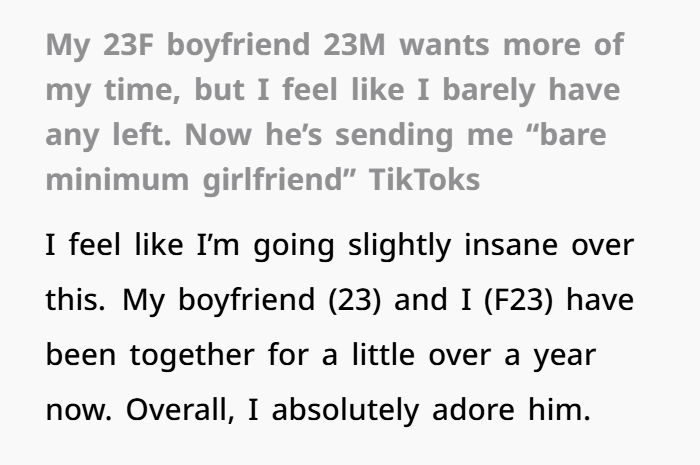
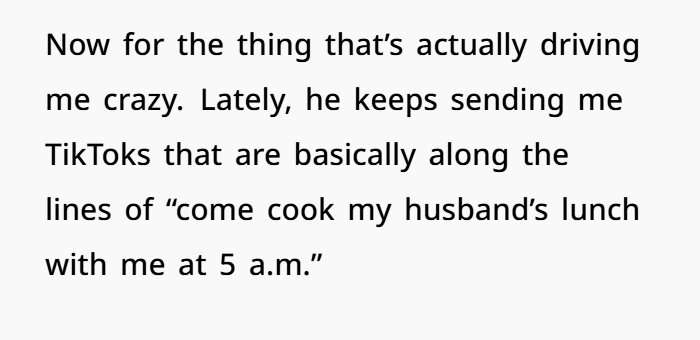
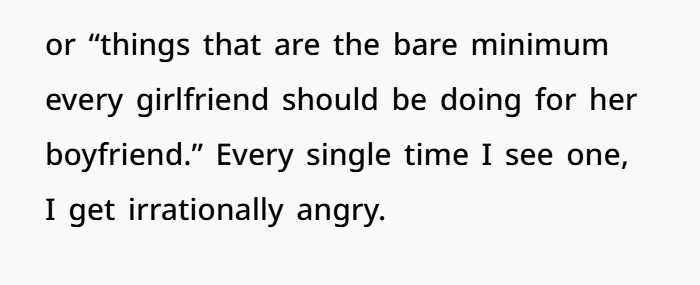
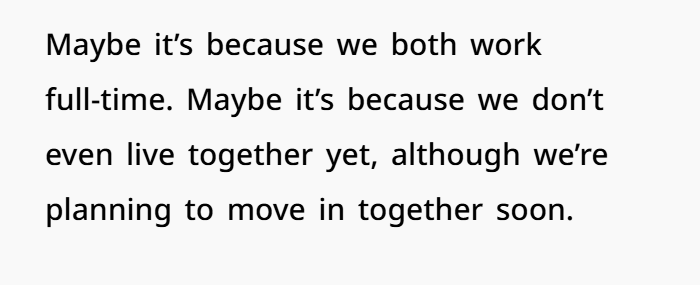
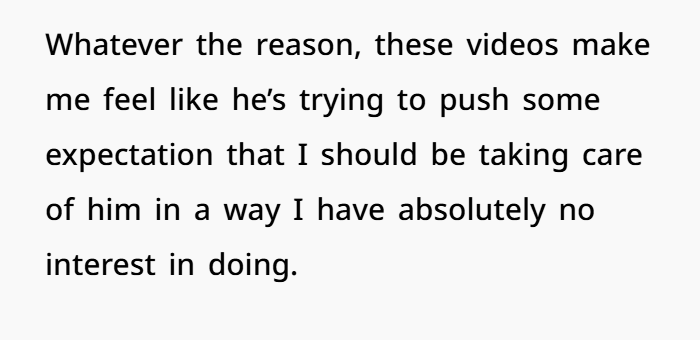
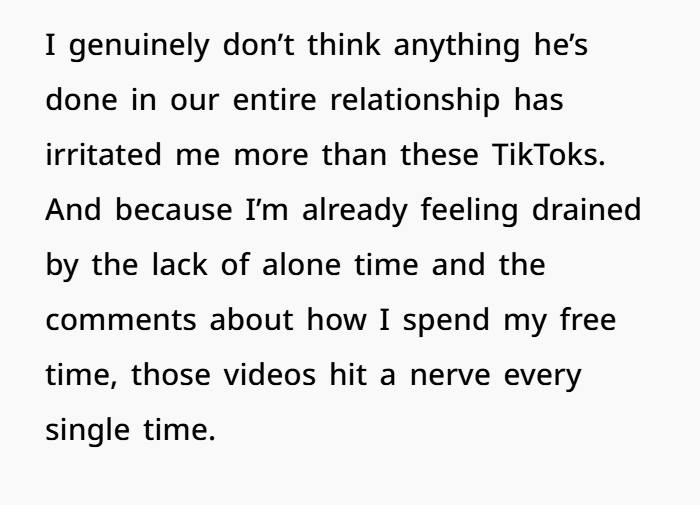
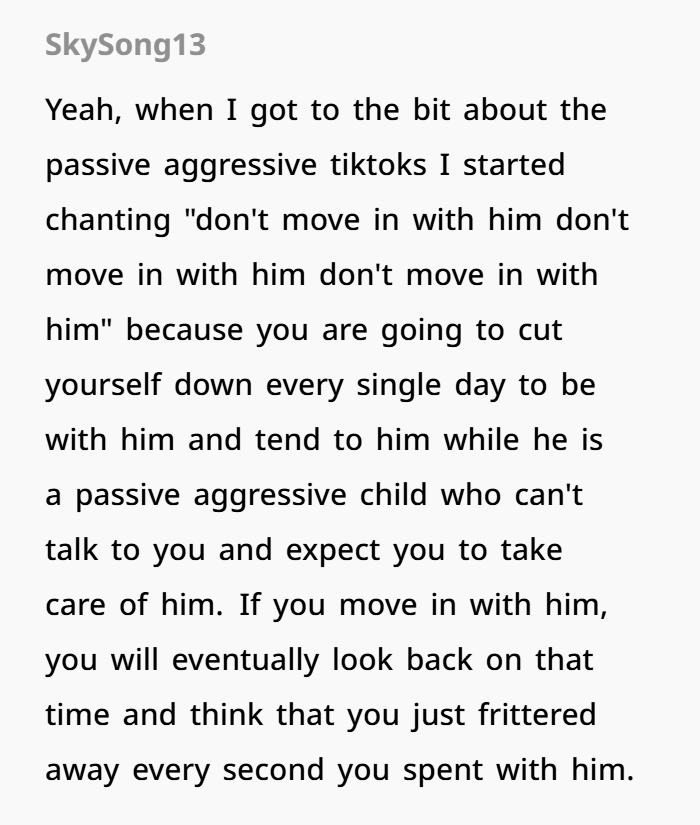
Whenever she takes some personal time, he starts sending her passive-aggressive TikTok videos. The videos talk about the idea of a “bare minimum girlfriend,” suggesting that a girlfriend isn’t putting enough effort into her relationship.
She feels frustrated by this. Her first reaction is that her boyfriend is being unfair and not respecting her need for personal space.
Still, the situation has left her questioning herself. Part of her wonders if he has a point.
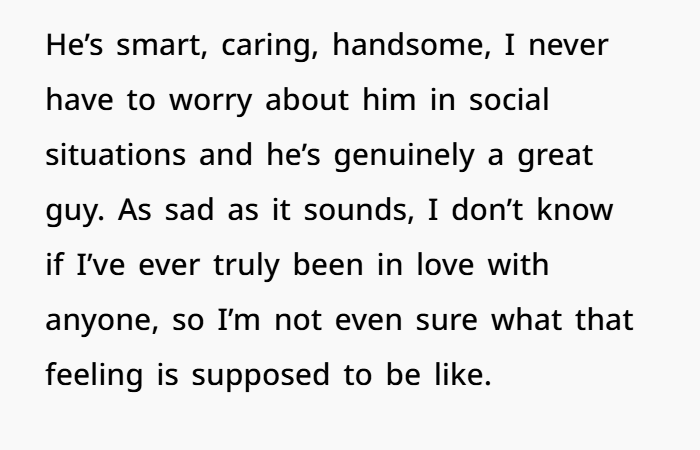
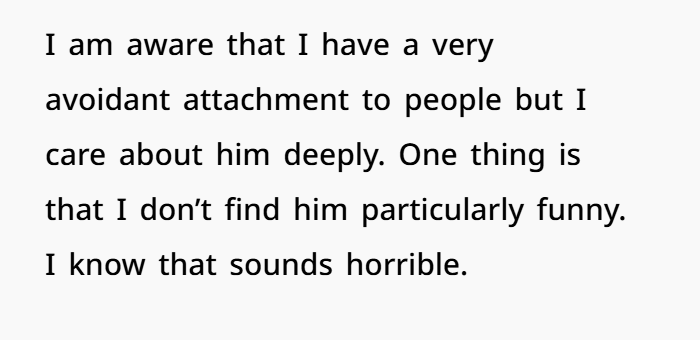
Now she is trying to figure out whether this is a simple relationship compatibility issue they can work through or a sign that they have very different expectations about communication, personal space, and quality time.


Introverts and Extroverts Can Actually Be Good Partners
It may seem strange, but introverts and extroverts can work well together in a relationship.
Linda Bloom, L.C.S.W., and Charlie Bloom, M.S.W., wrote Secrets of Great Marriages: Real Truths from Real Couples About Lasting Love. They explain that introverts and extroverts deal with stress and emotional needs in different ways. Instead of calling these traits “opposite,” they prefer the word “complementary.”
Introverts often look inward. They may need quiet time and personal space to think, relax, and understand how they feel.
Extroverts often handle things differently. They may feel better when they can talk with other people, share their thoughts, and work through problems through conversation.
At first, these two personality types may seem like an unusual match. But according to the Blooms, their differences can actually make sense in a romantic relationship.
The reason is balance.
If two people have very similar needs, the relationship may lean too far in one direction.
For example, two extroverts may stay busy and social without giving themselves enough downtime. Without enough rest and quiet reflection, both partners could feel tired or stressed. Their strong social energy could sometimes add to the stress instead of reducing it.
Two introverts can face a different challenge. They may not get enough outside activity or social interaction. Over time, the relationship could become too quiet, and the excitement or passion between them may fade.
Neglect can also create serious relationship problems. That means two introverts need to make sure they continue putting time and energy into their connection.
Of course, this doesn’t mean two introverts or two extroverts can’t have a happy marriage. Linda and Charlie say relationships between similar personality types are not doomed.
Every couple has different strengths and challenges. Understanding those differences can help partners improve communication, manage stress, and build a healthier relationship.
Personal Space Matters in a Healthy Relationship
Even happy couples may need time apart.
YouGov found that 80% of Americans believe it’s acceptable to tell a romantic partner that you need personal space. Another 70% said it’s acceptable to tell your partner that you want to spend time with friends without them.
These numbers suggest that many people don’t expect couples to spend every moment together.
In fact, having some time apart can be healthy.
Santa Barbara psychotherapist Wendy Allen explains this using the idea of “differentiation.” Instead of two people trying to paddle the same canoe, she describes them as paddling their own canoes next to each other.
The idea is simple. Each partner remains their own person while still moving through life together.
Both people should have room to grow as individuals. Personal space can help someone keep a strong sense of who they are while still being part of a loving relationship.
Problems can start when partners expect one person to meet every emotional and social need they have. Those expectations can lead to disappointment and may eventually hurt the relationship.
Quality Time Can Still Become a Problem
Needing personal space doesn’t mean quality time isn’t important.
YouGov found that the amount of quality time couples spend together is a common source of relationship conflict. Women were more likely to report having this problem, at 23%, compared with 11% of men.
Still, disagreements about quality time don’t always have to lead to a breakup.
Clear and respectful communication can help couples find a compromise that works for both people.
Allen suggests reassuring a worried partner that the need for space isn’t about them. A person can explain that alone time is simply part of their personality and how they recharge.
That can help a partner understand that asking for personal space isn’t the same as losing interest in the relationship.
But communication has to work both ways.
If one partner explains their need for alone time and the other person keeps pushing for more time together, things can become frustrating.
That’s where this woman’s situation becomes more complicated. Her boyfriend wants more attention, while she needs personal space to recharge. The more pressure she feels, the more she may want to pull away.
Sometimes, pushing harder for more attention can create the exact opposite result.
For an introvert-extrovert relationship to work, both people may need to respect each other’s emotional needs. Quality time matters, but so do healthy boundaries, personal space, trust, and open communication.
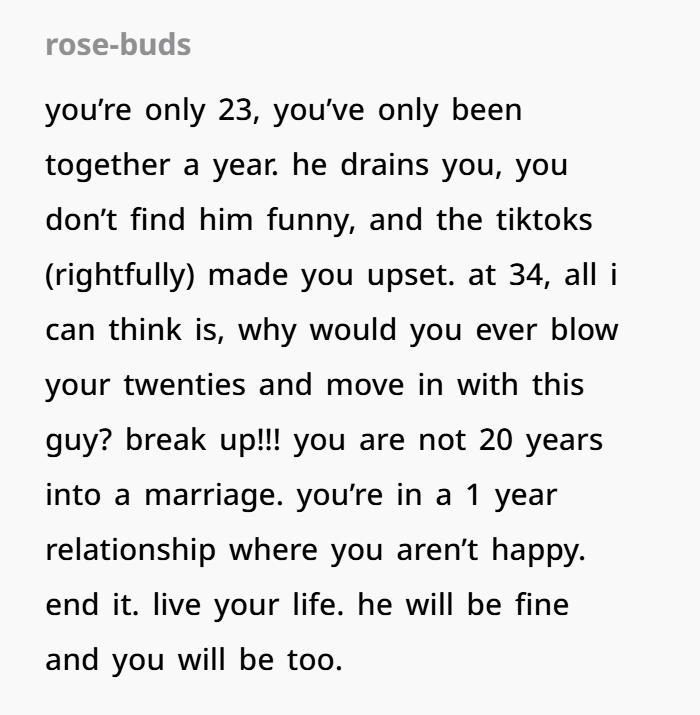
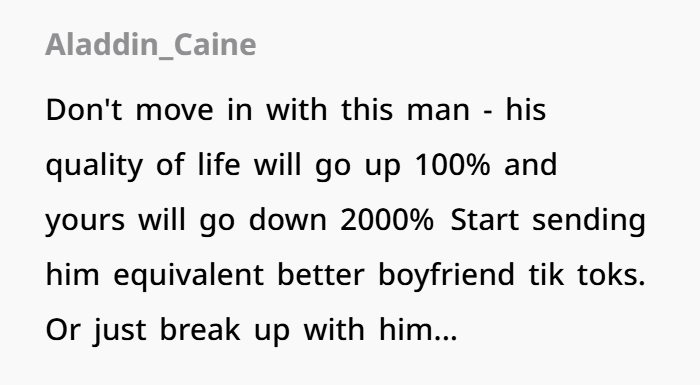
See the comments to know what people said
Introverts and extroverts can have a happy and healthy relationship, even when their needs are very different. One person may want more quality time, while the other needs personal space to relax and recharge.
The key is finding a balance that works for both people. Healthy relationships need communication, respect, trust, and room for each partner to be themselves.
Wanting alone time doesn’t always mean someone cares less. At the same time, wanting more attention doesn’t automatically make someone too demanding. What matters is how both partners talk about their needs and respond to each other.
When one person keeps pushing after their partner has explained their boundaries, frustration can quickly grow. A good relationship should make room for both closeness and independence, without making either person feel guilty for what they need.