
Employee Rejects the Corporate Ladder and Chooses a Different Work Life
The phrase “work smarter, not harder” has become more popular as people look for better ways to manage their careers and daily responsibilities. Today, many professionals are focused on improving productivity, saving time, and creating a healthier work-life balance.
Finding the right balance between getting more done and avoiding burnout can be challenging. However, some workers have discovered new ways to organize their tasks and improve workplace efficiency.
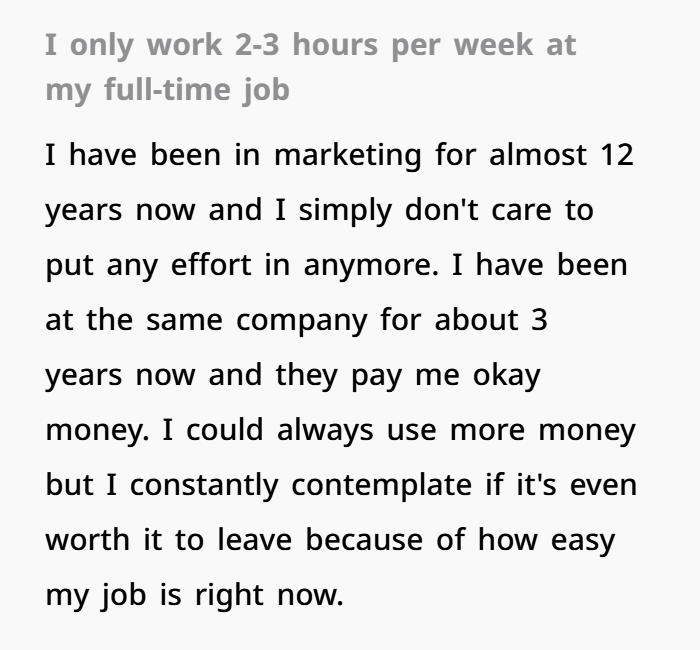
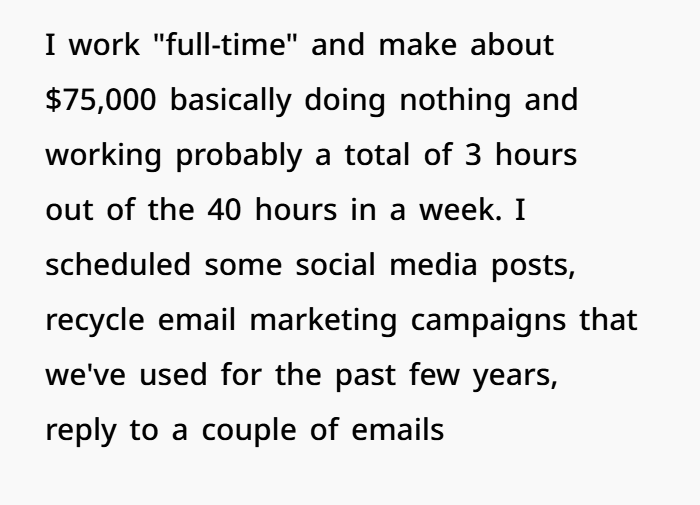
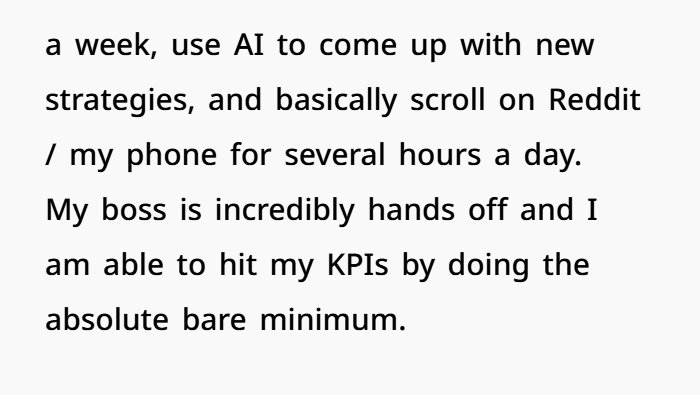
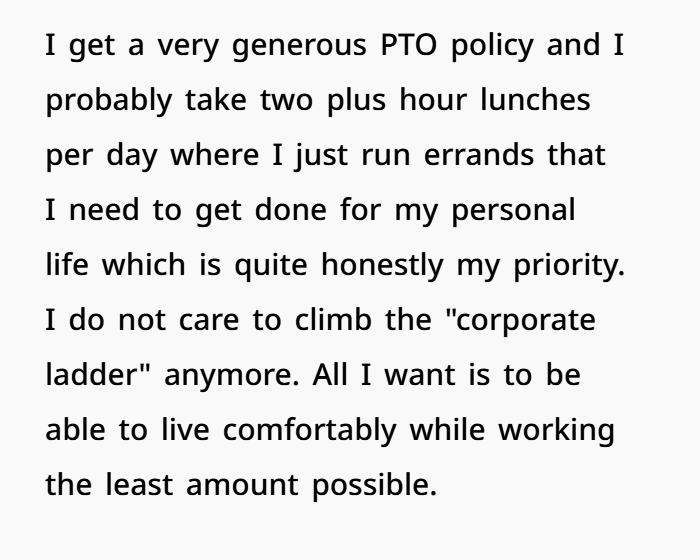
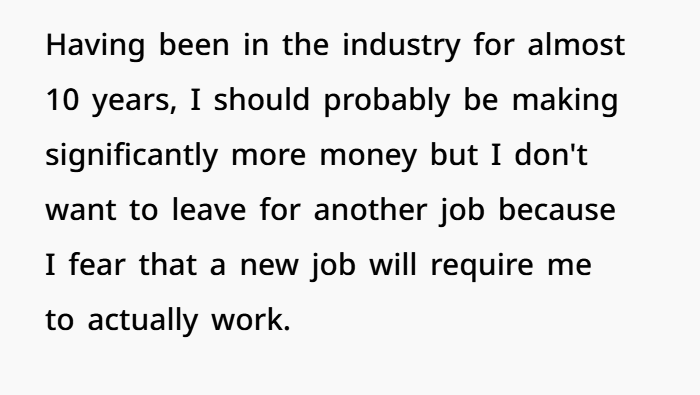
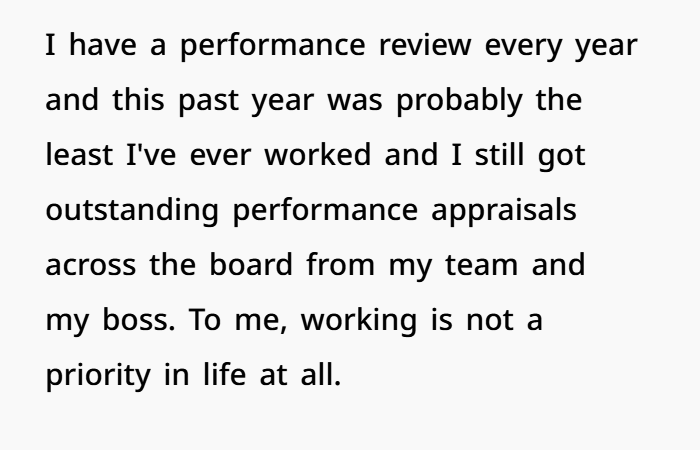
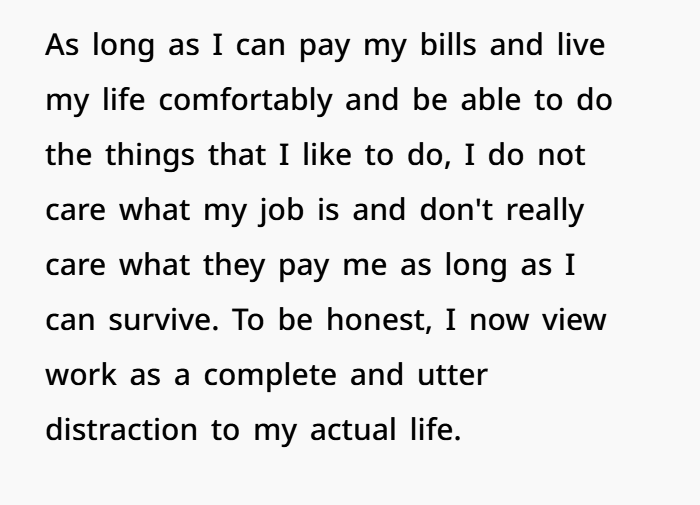
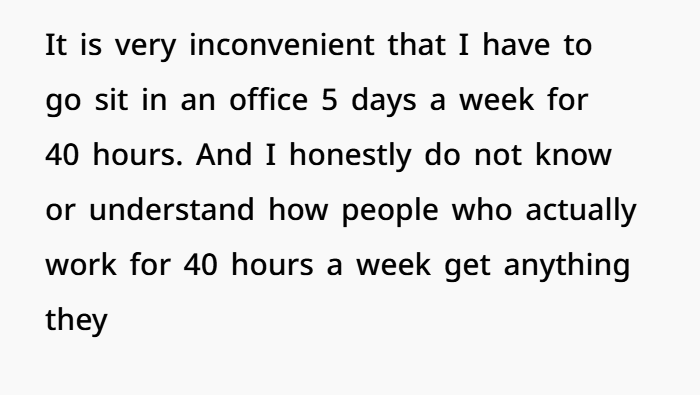
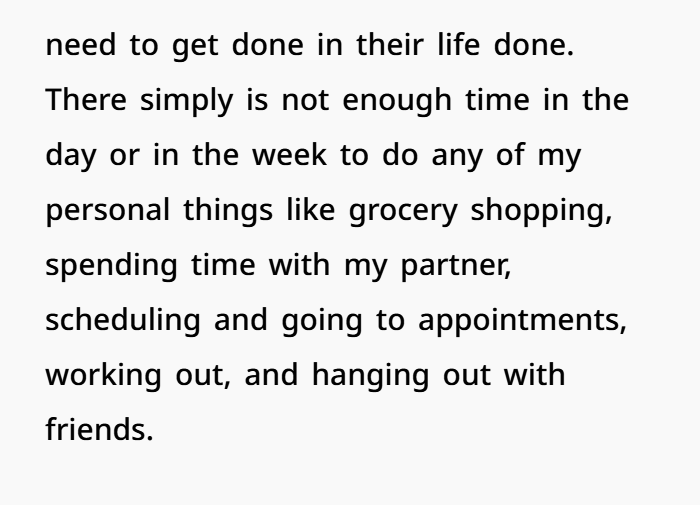
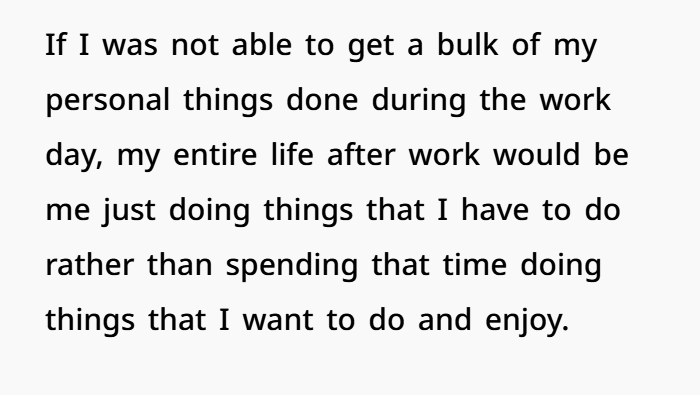
One marketing professional recently shared their experience online, explaining how they were able to complete their regular job responsibilities in much less time than expected while earning around $75,000 per year.
Their story is not about avoiding work or breaking workplace rules. Instead, it shows how planning, organization, and strong professional skills can help people become more efficient in their careers.
The experience offers an interesting look at how better time management and smart work strategies can change the way people approach their jobs.

The 8-Hour Workday May Not Be as Productive as We Think
For many years, the 9-to-5 work schedule has been the standard for office jobs. Millions of employees spend eight hours at their desks every day, but that does not always mean they are working at full productivity for the entire time.
A normal workday often includes small distractions. Checking emails, browsing the internet, reading news, chatting with coworkers, and taking short breaks can take up a lot of time.
A survey of office workers in the UK found that many employees are only truly focused for a few hours each day. This shows that spending more time at work does not always lead to better results.
The answer is not simply forcing employees to work harder. The human brain needs breaks and cannot stay fully focused for many hours without rest.
Why Long Working Hours Can Be a Problem
Many people believe that working longer hours means being more successful. However, too much work pressure can create problems for both employees and businesses.
When people work long hours every day, they may experience stress, tiredness, and lower motivation. Over time, this can lead to workplace burnout, which affects productivity and job satisfaction.
Employees who feel constantly exhausted may find it harder to concentrate, make decisions, and complete important tasks.
Health experts have also warned about the risks of excessive working hours. Long-term workplace stress has been connected to serious health concerns, including an increased risk of heart disease and other health problems.
A healthy workplace should focus on results, employee wellbeing, and a positive work environment rather than simply counting the hours people spend at their desks.
The Corporate Career Path Is Changing
For many years, the traditional career goal was simple. People would get a degree, find a stable job, work hard, and slowly move up the corporate ladder.
A bigger job title, higher salary, and a senior position were often seen as the main signs of success.
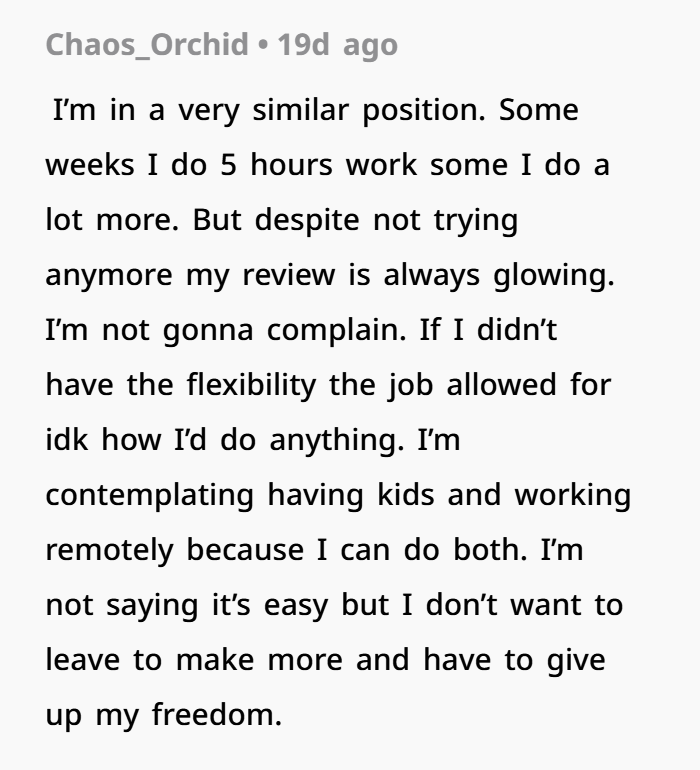
But many employees today are starting to think differently. More workers are choosing flexibility, work-life balance, and personal happiness instead of chasing promotions that come with extra stress.
Some professionals are even choosing not to move into management roles because they do not want longer hours, more pressure, or less time for their personal lives.
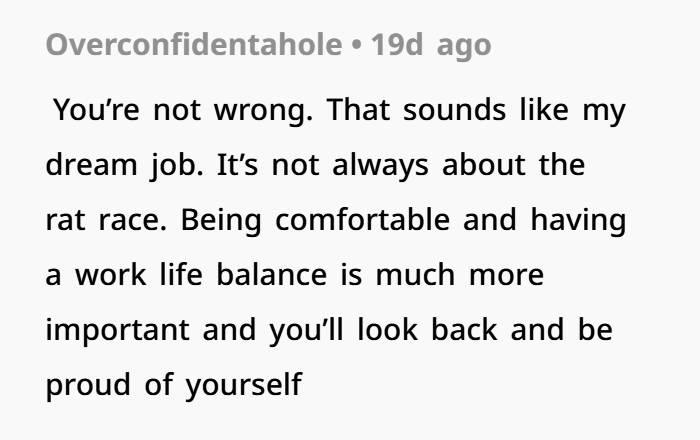
This does not mean people have stopped caring about their careers. Instead, many workers now define success in a different way.
For them, a successful career means having financial stability while also having enough time for family, health, hobbies, and personal goals.
Why Quiet Quitting Became Popular
One workplace trend that gained attention in recent years is called “quiet quitting.”
Despite the name, quiet quitting does not mean leaving a job. It means employees complete their assigned responsibilities during working hours but stop feeling pressured to always do extra work, stay late, or be available all the time.
Many employees say they are setting better boundaries between their professional life and personal life.
Quiet quitting is not always about employees being lazy. In many cases, it happens when people feel overworked, underappreciated, or close to burnout.
Remote work and hybrid work have also changed the way people think about their jobs. Many employees have discovered that flexibility can help them stay productive while maintaining a healthier lifestyle.
Today, workers often value flexible schedules, employee benefits, and a supportive workplace culture as much as salary and job titles.
Companies Are Looking at New Ways to Work
Because workplace expectations are changing, some companies are testing new work models.
One popular idea is the four-day workweek. Instead of working five days, employees work fewer days while focusing on important tasks and improving efficiency.
Some companies that have tested shorter workweeks have reported lower employee stress, better job satisfaction, and improved work-life balance.
These changes show that productivity is not always about spending more hours at work. Sometimes, employees can produce better results when they have enough rest and time to recharge.
Businesses are now exploring ways to improve employee retention, workplace culture, and overall performance.
The Future of Work Is About Balance
The traditional eight-hour workday is slowly changing. Employees still want career growth and financial success, but they also want a better quality of life.
The modern workplace is moving toward smarter work systems, flexible employment options, and healthier work environments.
Companies that support employee wellbeing, offer flexible work arrangements, and recognize their teams may have a better chance of attracting talented workers.
The future of work may not be about working longer hours. It may be about working more effectively while creating a healthier balance between career and personal life.
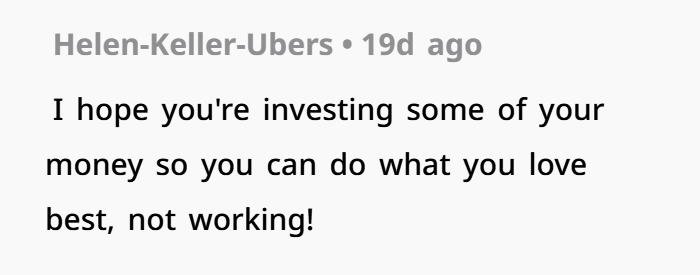
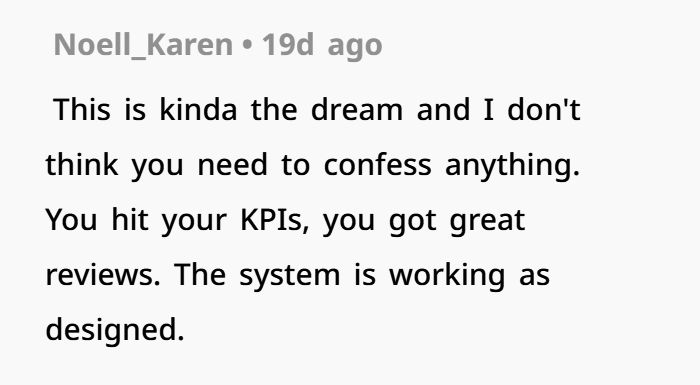
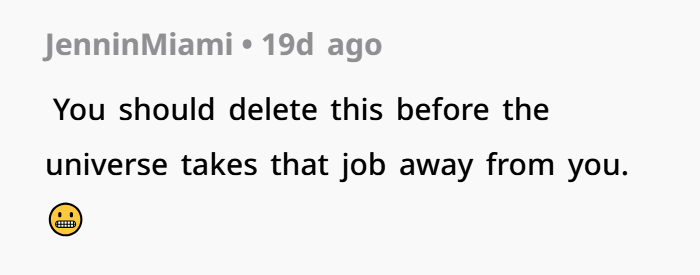
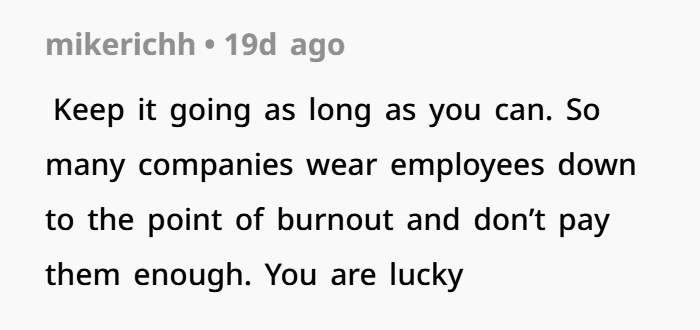
Comments From The Community