
Ex-Wife Stops Helping Her Drunk Ex-Husband, But His Mother Blames Her
Helping someone you care about can slowly become a heavy responsibility. At first, you may be happy to support them. But over time, people can start expecting you to fix every problem.
This can be even harder when you are always the person who steps in. When you finally feel tired and decide to set healthy boundaries, others may see it as being selfish.
That is what happened to this woman. She had been divorced from her ex-husband for more than 10 years, but she continued helping him because he was the father of her children.
His drinking problems kept causing stress and difficult situations. She tried to support him, but she also had her own life and limits to think about.
After years of holding in her frustration, one conversation with her ex-husband’s mother changed everything. The feelings she had kept hidden for so long finally came out.






She Finally Set Boundaries, But Her Ex-Husband’s Mother Called Her Selfish
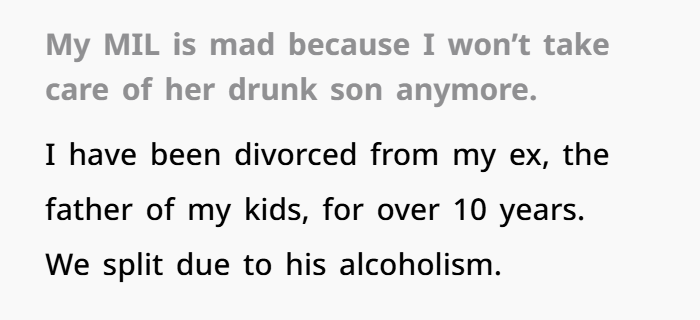
The woman’s marriage ended because her ex-husband’s drinking problems became too much to handle. But even after their divorce, she never fully walked away.
For more than 10 years, she continued helping him because she wanted their children to have a relationship with their father. She believed it was important for her kids to have both parents in their lives.
When the COVID-19 pandemic started, her ex-husband moved back into her home as a roommate. He helped with the children while she worked, and for some time, things seemed to be working.
Sadly, that peace did not last.
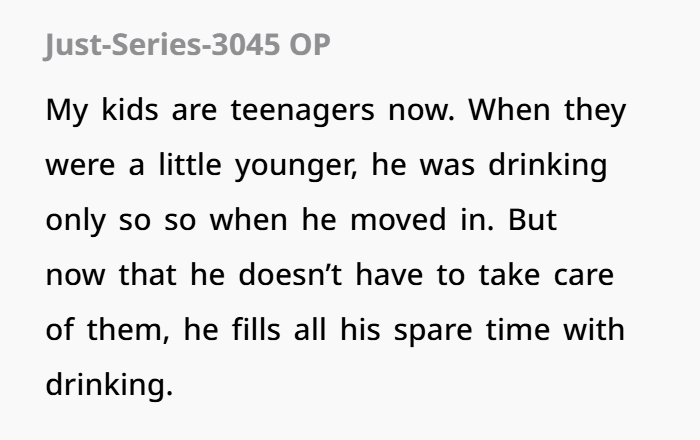
Over the years, his alcohol use became more serious. There were also difficult moments involving his mental health, which made the situation even harder for the family.
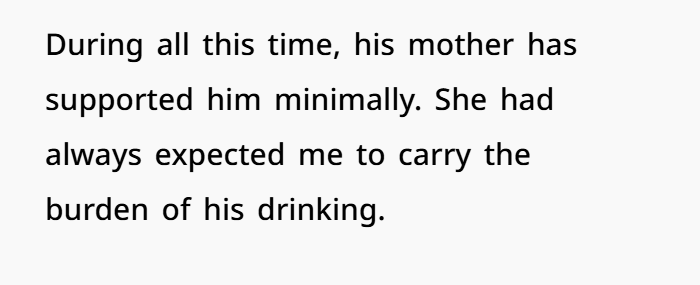
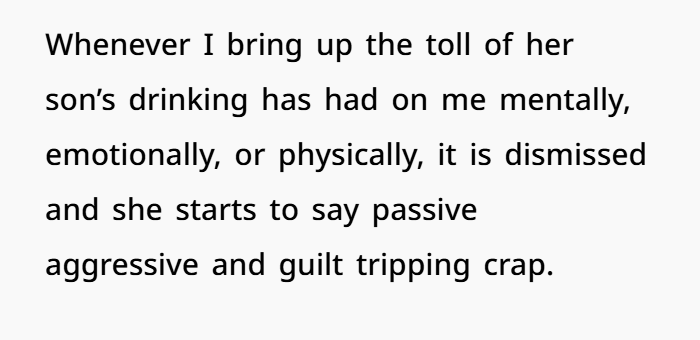
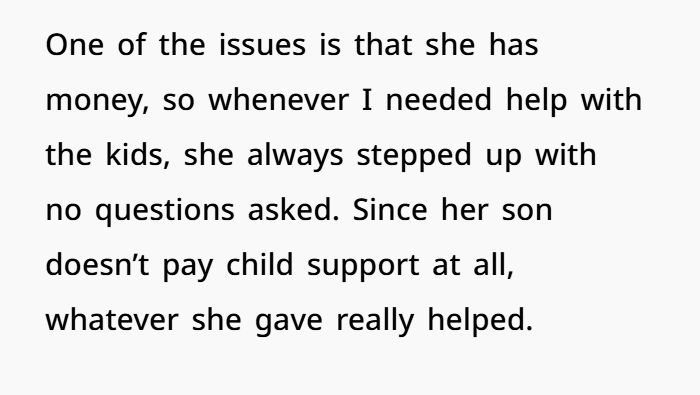
His mother gave some financial support for the children, but when the woman tried to explain how much stress her son was causing, she felt like no one was really listening.
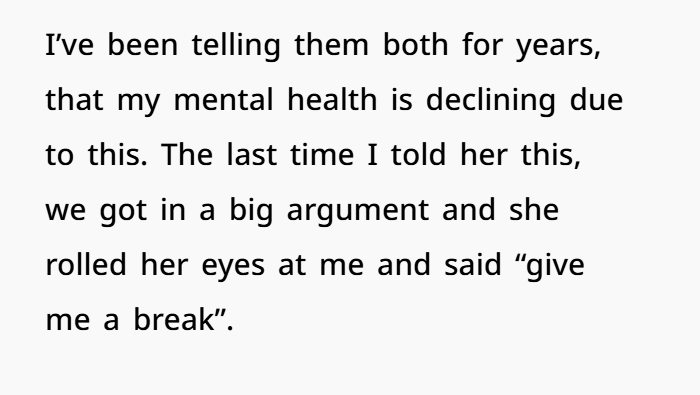
She had been saying for years that she was exhausted. But somehow, she was still the person everyone turned to whenever there was a problem.
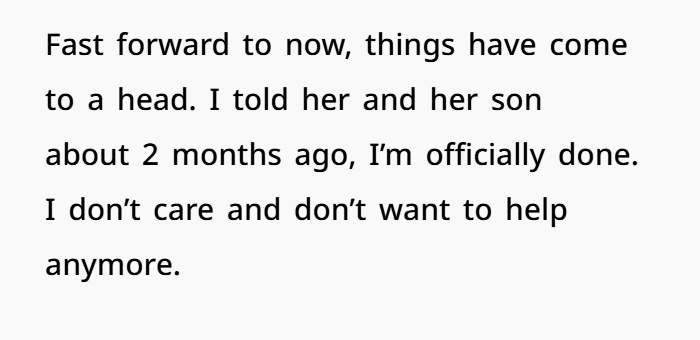
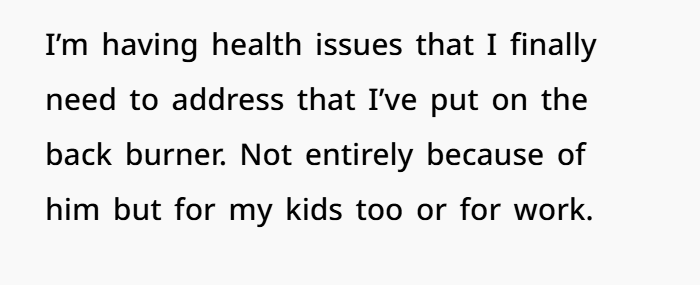
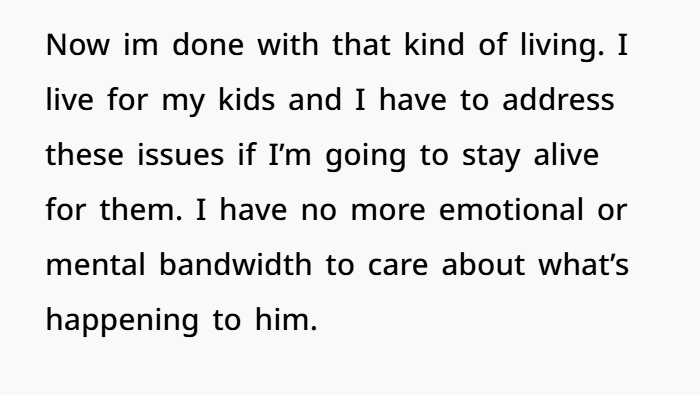
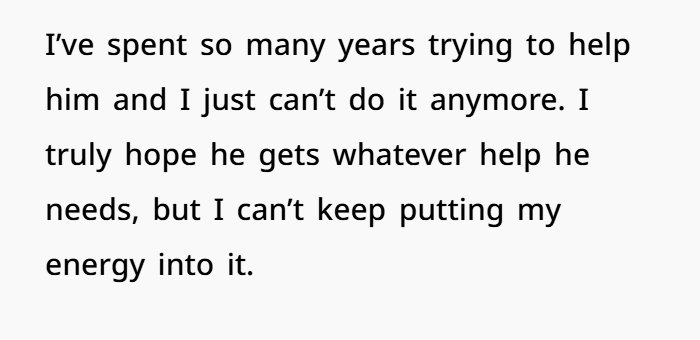
Eventually, her own health started becoming a priority. She told her ex-husband and his mother that she could no longer take responsibility for his choices. She needed to focus on herself and her children.
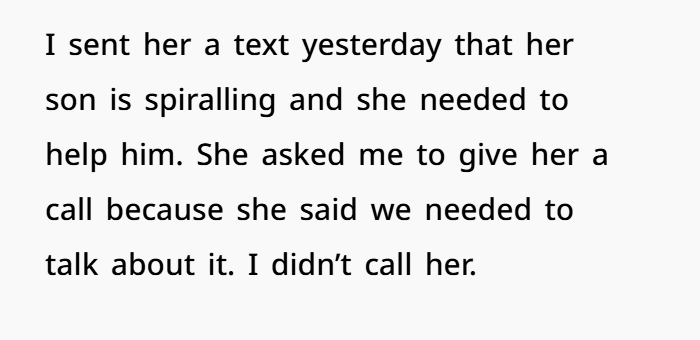
When her ex started struggling again, she reached out to his mother and explained that her son needed help.
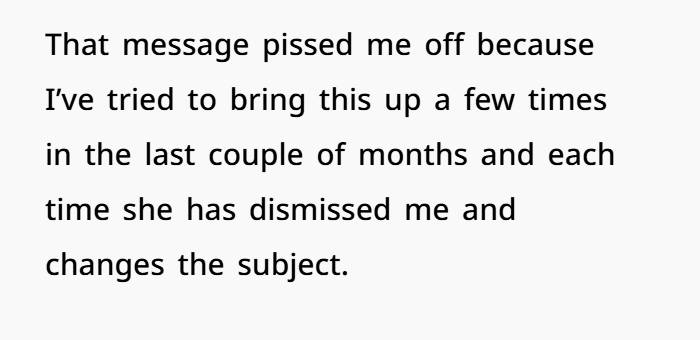
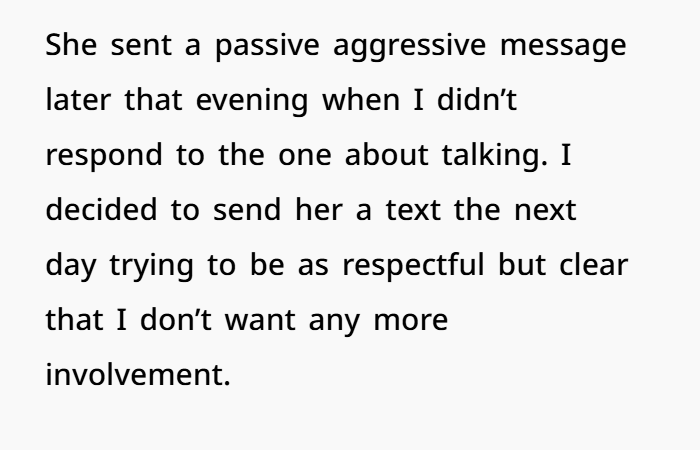
His mother asked her to call and talk about it. But after years of feeling ignored, the woman did not want to have another conversation that might lead nowhere.
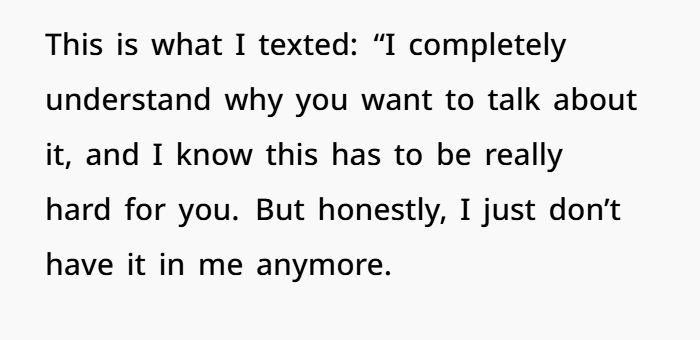
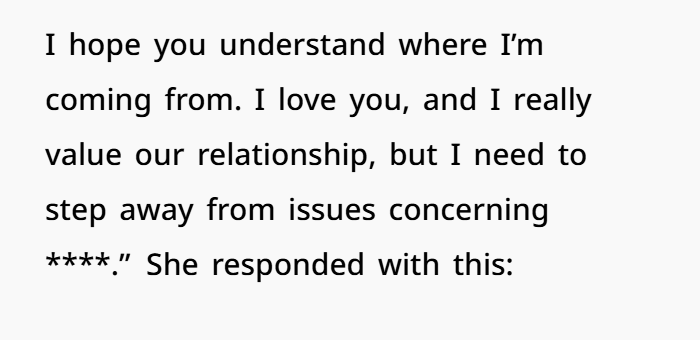
Instead, she sent a respectful message. She explained that she cared about her mother-in-law but could no longer spend all her energy trying to solve her ex-husband’s problems.
That was when things became tense.
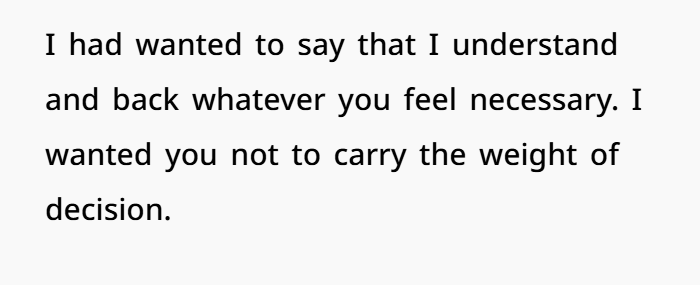
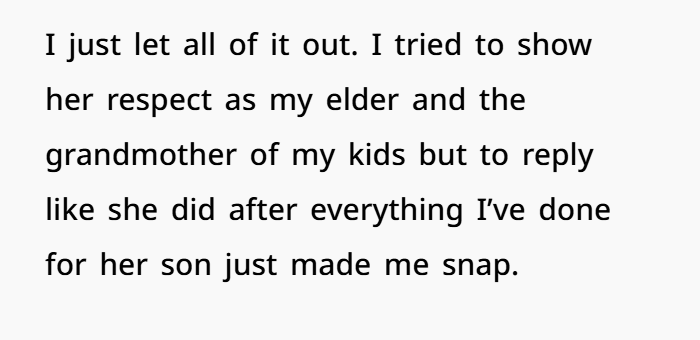
Her mother-in-law accused her of being selfish. After holding in years of frustration, the woman finally shared how hurt and tired she had been feeling.
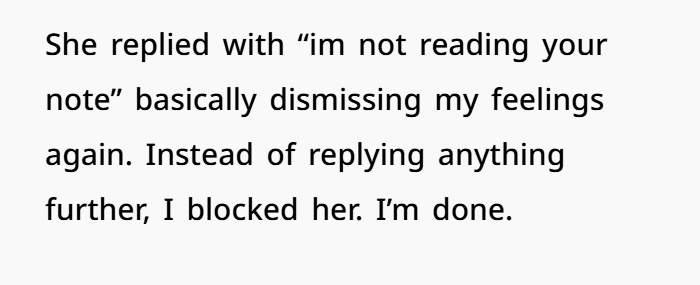
She decided to block her ex-mother-in-law and told her ex-husband that he needed to find another place to live. After spending years helping everyone else, she finally chose to protect her own well-being and her children’s future.
Experts often say that helping a loved one with alcohol problems can be emotionally difficult. Families may want to support someone, but they also need to take care of their own mental health and set healthy boundaries.
The woman’s children were always at the center of her decisions. She wanted them to have a connection with their father, even though his struggles made family life challenging.
Research has shown that children living with a parent who has substance use problems may face challenges with family relationships, school, and social life. This may explain why she tried so hard for so many years to keep their father involved.
Support programs for alcohol addiction often encourage families to help their loved ones find treatment. But they also remind family members that they cannot control another person’s choices.
After years of trying to rescue her ex-husband, the woman finally stepped back and allowed him and his family to handle his problems.
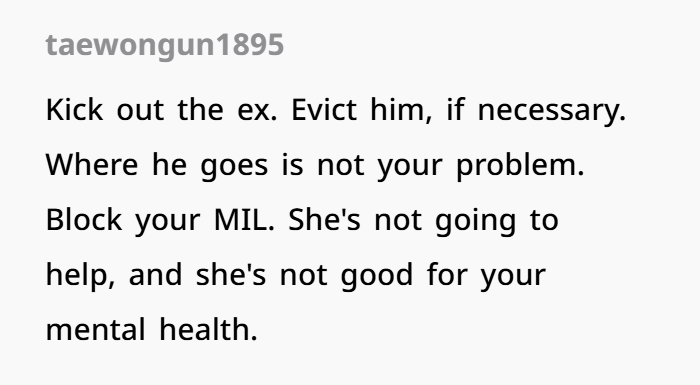
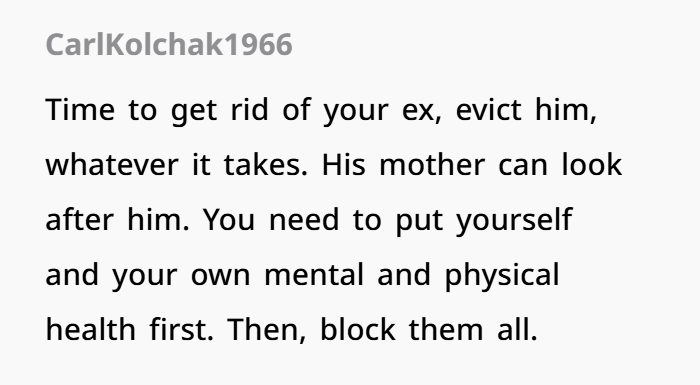
Many people supported her decision, saying she had done enough and needed to focus on her own life and her children. Others felt she should have stepped away sooner.
The situation raised an important question: How long should someone keep helping a loved one before they choose their own peace and well-being?
See the comments to know what people said