

Neighbor Leaves Couple Stuck Caring for Her Dog After Asking Them to Watch Him for a Few Days
Good neighbors can be a real blessing. Having someone nearby who you can talk to, share a coffee with, or trust with a spare key can make life much easier. You never know when an unexpected problem may happen, and having a helpful neighbor close by can bring a lot of comfort.
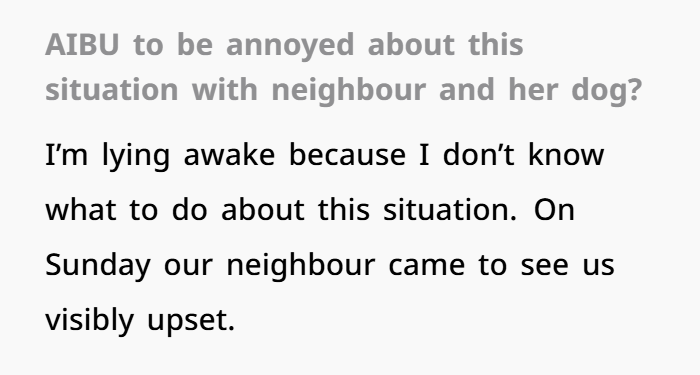
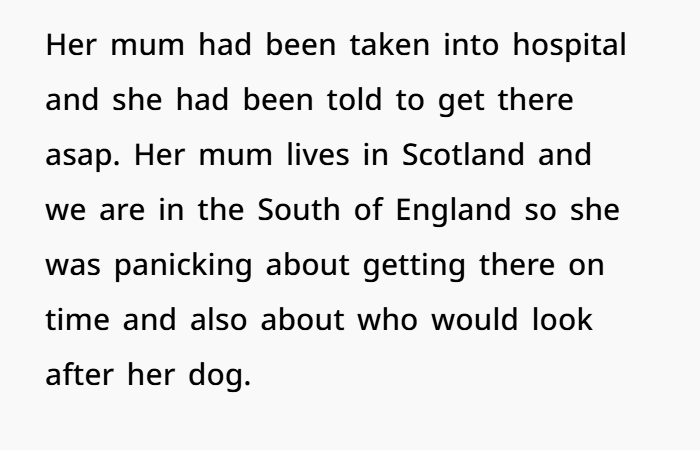
That’s what happened with one couple who wanted to help their neighbor during a difficult time. When the neighbor’s mother was suddenly taken to the hospital, she had to leave town quickly.
The couple didn’t think twice before stepping in. They agreed to take care of her dog for a few days while she handled the family emergency.
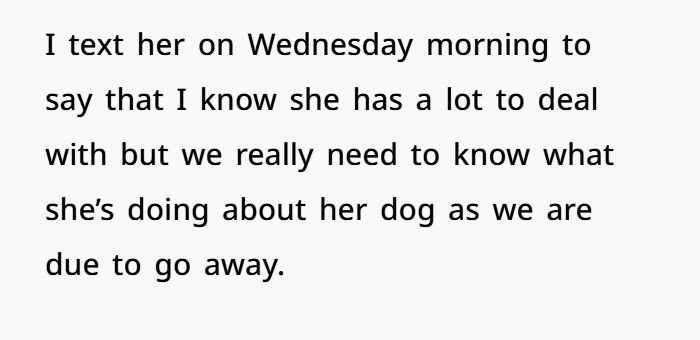
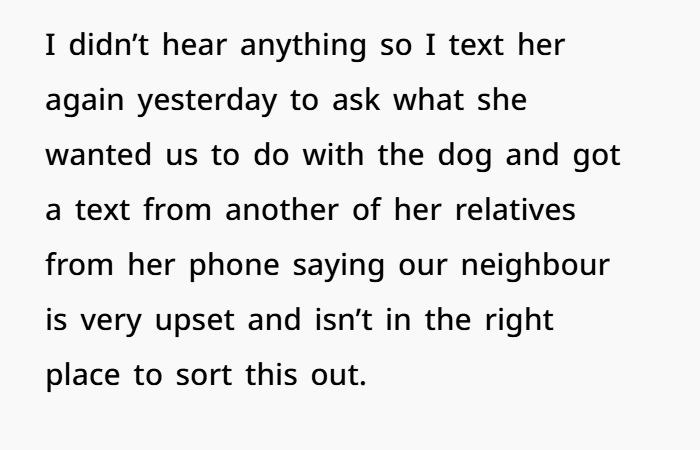
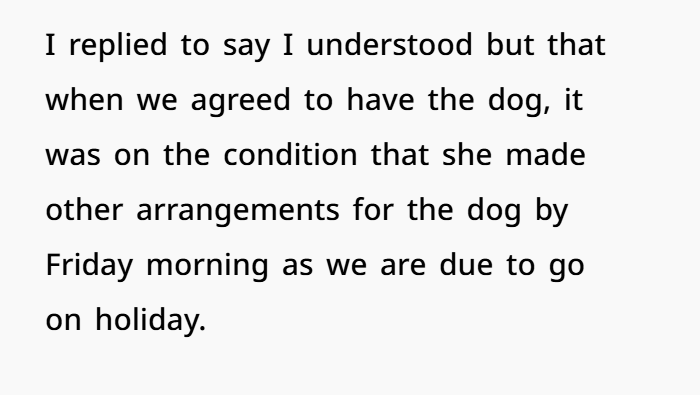
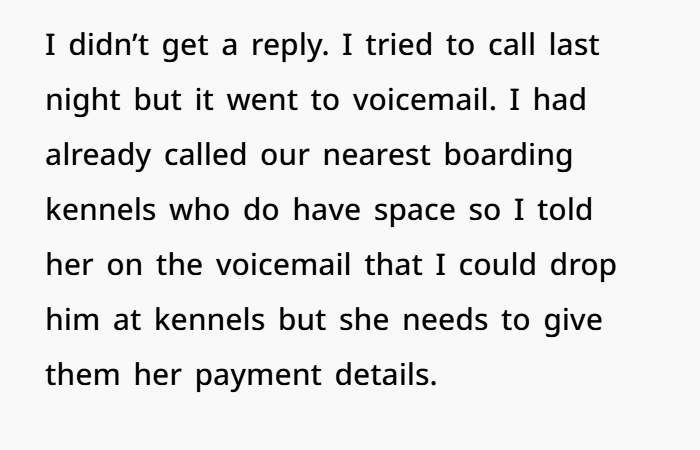
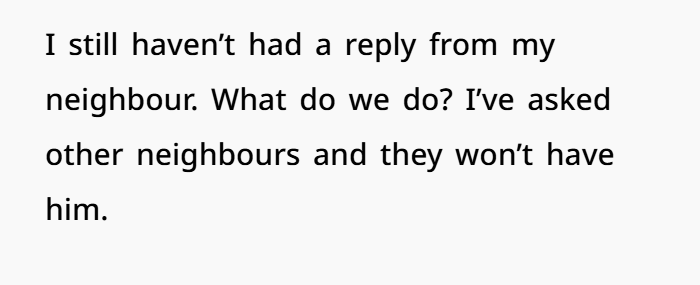
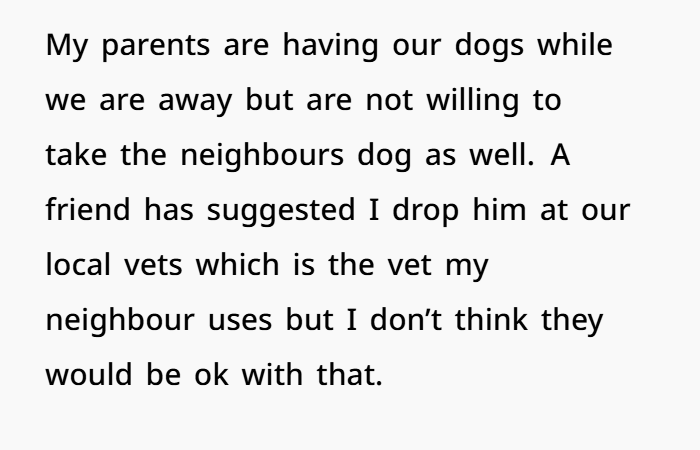
But things did not go as planned. The neighbor stopped replying to their calls and messages, and the dog is still staying with them.
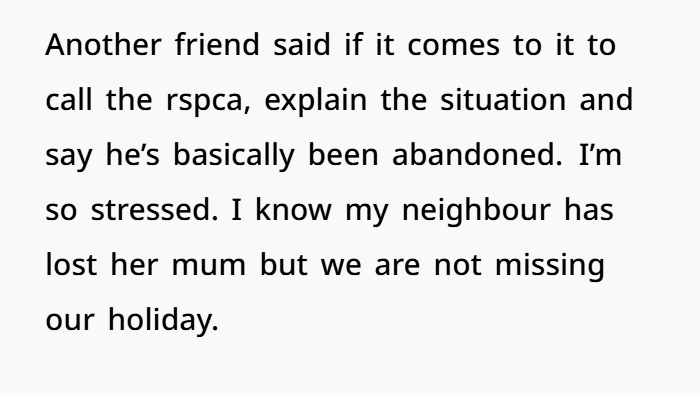
Now, the couple is unsure what they should do next. They only wanted to help, but they are left wondering how long they should continue caring for someone else’s pet without hearing back.




It can be a very difficult situation when someone agrees to help during an emergency, but the situation lasts much longer than expected.
The couple only planned to look after their neighbor’s dog for a few days while she dealt with a family crisis. But now she has stopped responding, and they are left caring for a pet they never expected to keep for this long.
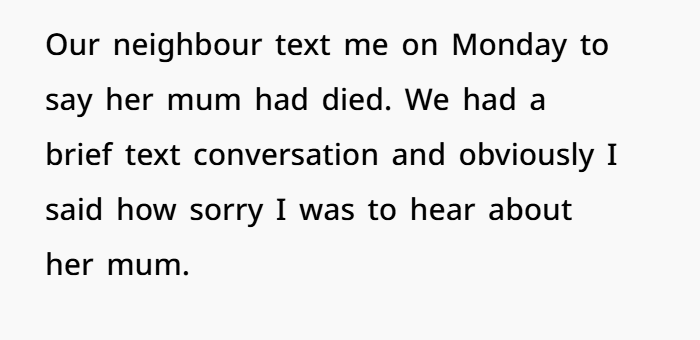
There may be a reason behind her silence. When people go through a painful loss, they do not always act like themselves. Grief can make simple daily tasks feel impossible. Answering messages, making phone calls, or taking care of responsibilities can become overwhelming.
Dr. Lisa M. Shulman, a professor of neurology at the University of Maryland and author of Before and After Loss: A Neurologist’s Perspective on Loss, Grief, and Our Brain, explains that the brain can react to a traumatic loss like it is facing a serious threat.
She told the American Brain Foundation that traumatic loss can push the brain into a protective state. This can affect a person’s emotions, memory, sleep, and ability to focus.
In simple words, someone who is grieving may not be ignoring others on purpose. They may be struggling to handle even basic parts of everyday life.
Grief also changes how the brain understands relationships. People become used to having certain loved ones in their lives, and when that person is suddenly gone, the brain needs time to adjust.
Mary-Frances O’Connor, PhD, an associate professor of clinical psychology and psychiatry at the University of Arizona, has explained that the brain has to learn a new reality after a major loss. That adjustment does not happen overnight.
During this time, a person may feel confused, distracted, or emotionally exhausted. They may forget things or struggle to make decisions.
But while the neighbor may be dealing with a painful experience, the couple helping her also has their own responsibilities. They cannot continue caring for a dog forever without knowing what the plan is.
The best step may be to keep trying to contact the neighbor or reach out to a family member. If there is still no response, finding temporary pet care or another safe solution may be the fairest option for everyone, including the dog.
The couple wanted to do the right thing by helping a neighbor in need. Now they are simply trying to find a reasonable way forward. What would you do in their situation?
See the comments to know what people said

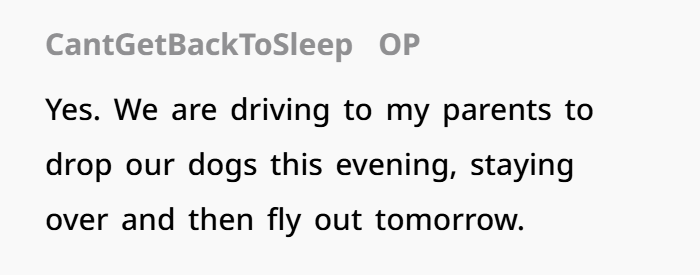
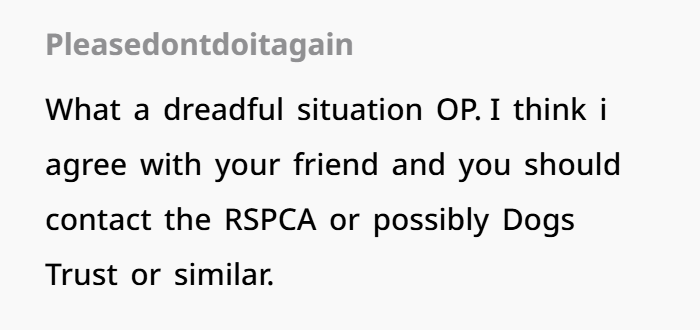


Helping a neighbor during a difficult time is a kind thing to do, and this couple clearly wanted to be there when someone needed support. They agreed to care for the dog because they believed it would only be for a short time.
But when plans change and communication stops, even a simple favor can become stressful. The couple is now trying to balance being understanding about their neighbor’s situation while also dealing with their own responsibilities.
Hopefully, they can reach the neighbor or her family soon and find a solution that works for everyone, especially the dog. This story is also a reminder that helping others is important, but clear communication matters too.