
Woman Gives Her Wife 24 Hours to Start Therapy, But Ends Up Looking for Lawyers Instead
A couple expecting their first child found themselves facing a serious disagreement before their daughter was even born. The future parents were excited about welcoming their baby girl, but a conflict started when they began talking about childcare and education choices.
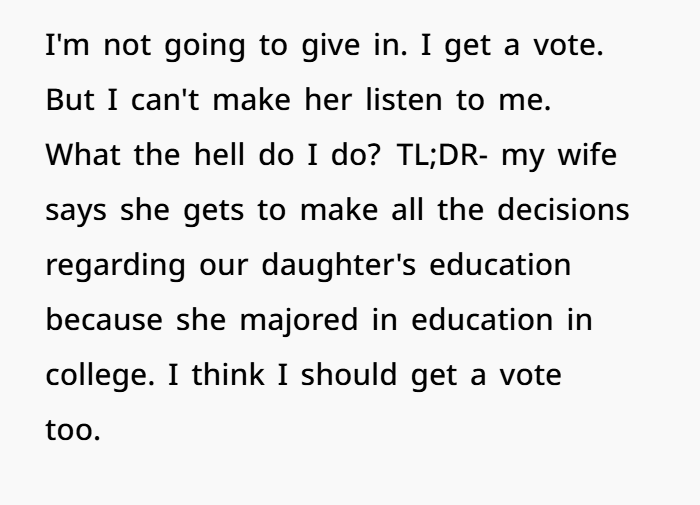
The wife, who studied education in college, believed she should have complete control over their child’s schooling decisions. She argued that her background gave her the knowledge needed to make the right choices.
The other parent disagreed and felt that education decisions should be shared. She believed that being a good parent does not require a specific degree and that both parents should have an equal voice in important choices about their child’s future.
The disagreement quickly became about more than schools. It raised bigger questions about parenting roles, trust, communication, and whether one parent should ever have complete control over major decisions.

When couples prepare for their first baby, conversations about parenting often become more serious. Topics like childcare, school choices, parenting styles, and family values can reveal differences that were not obvious before.
In this case, the couple had been together for seven years and were expecting their first child. They were both excited about becoming parents, but a disagreement about their daughter’s education created tension between them.
The conflict started when one parent suggested looking into schools in their area. She understood that they would not know the perfect choice until their daughter was older, but she wanted to start researching options early.
That conversation took an unexpected turn when her wife said she would handle all education decisions herself.
Her reason was based on her academic background. She had studied education in college and believed that this gave her the authority to make the final decisions about their daughter’s learning.
The other parent felt hurt and surprised by this response. She believed that education was not just about professional knowledge. It was also about being involved, understanding the child’s personality, and making choices together as a family.
Research on co-parenting and shared parenting decisions shows that cooperation between parents plays a major role in creating a healthy family environment. Major decisions about children often work best when both parents communicate and feel respected.
The disagreement became even more frustrating when the wife suggested that her partner could control other areas, such as clothing choices and friendships, while education would belong only to her.
That response made the situation feel less like a simple difference of opinion and more like a struggle over parental equality.
The other parent tried to test the logic by asking whether a medical professional would automatically get complete control over all healthcare decisions. Her wife agreed that a doctor would have full control, but this did not convince her partner that the argument was fair.
The deeper issue was not only about choosing schools. It was about whether one parent’s education or career background should give them more power in raising their child.
Experts in child development and parenting communication often highlight that children benefit when parents work together, discuss expectations, and create a shared approach to important life decisions.
The situation became worse when the wife stopped discussing the topic. When the other parent suggested visiting preschools and daycare centers, she said she had already handled it but refused to explain what that meant.
This lack of communication left the other parent feeling excluded from decisions about her own child.
The Bigger Parenting Question: Who Gets to Make Decisions?
Many couples struggle with dividing responsibilities after having children. One parent may have more experience in healthcare, education, finance, or another area, but expertise does not automatically remove the other parent’s role.
A teacher may understand learning methods. A doctor may understand medical care. A financial expert may understand money management.
But parenting decisions usually involve more than professional knowledge. They also include family values, emotional support, and understanding the child as an individual.
According to information from Child Mind Institute parenting resources, parents often need to balance expert advice with their own understanding of their child’s needs.
A strong parenting partnership usually comes from combining both parents’ strengths instead of giving one person complete control.
Why This Conflict Matters for Future Parents
This story highlights a common issue many couples face before welcoming a baby: deciding how responsibilities will be shared.
Choosing a preschool, daycare center, private school, public school, or homeschooling approach can become emotional because parents often connect education with their own childhood experiences.
One parent grew up in a family where education was treated as a top priority. Her parents invested heavily in finding the right learning environment, and she felt that experience shaped her success.
The other parent came from a different background. She had to work hard to educate herself because her family did not focus strongly on academics. Later, she studied education and built her own understanding of learning.
Both experiences shaped how they viewed their daughter’s future.
The challenge was finding a way to combine those views instead of allowing one person’s history to completely control the family’s choices.
See the comments to know what people said
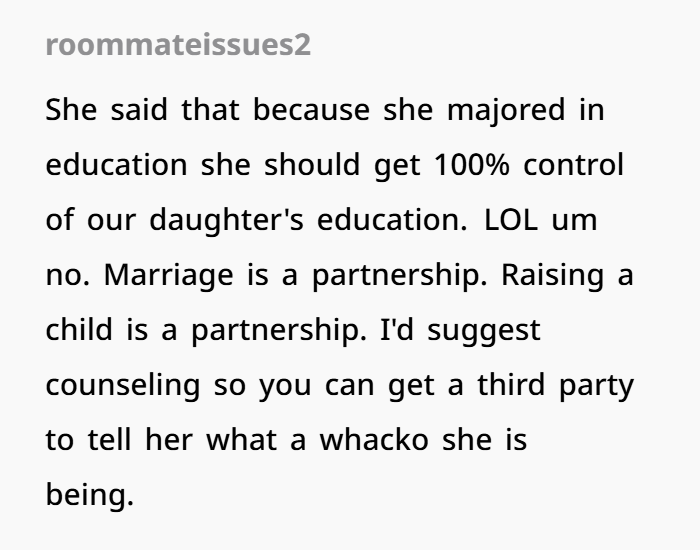
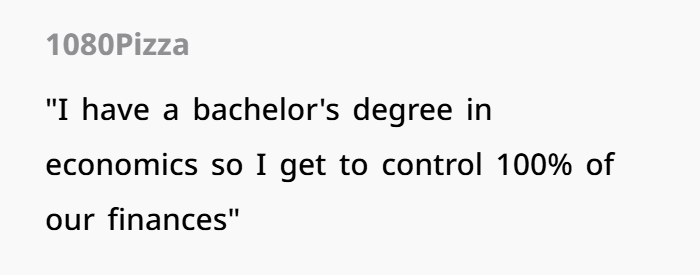
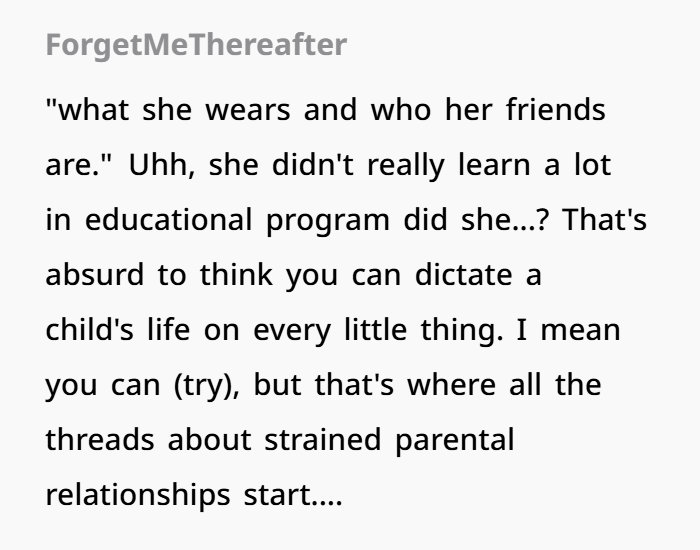
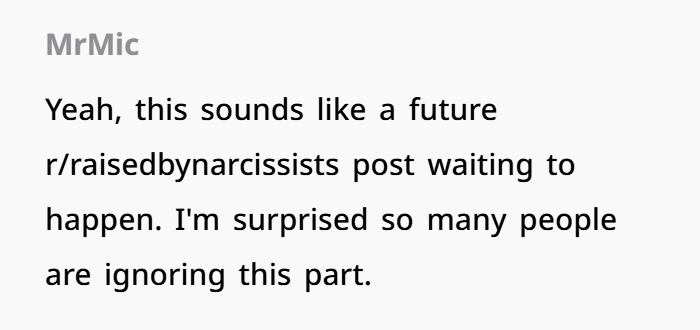
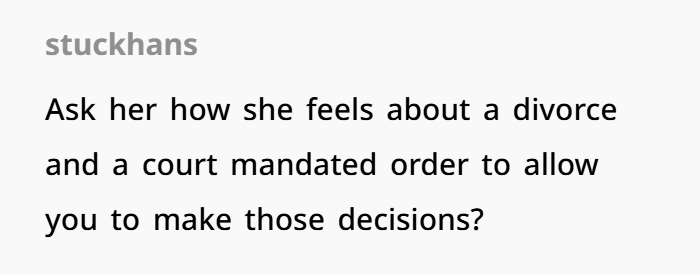
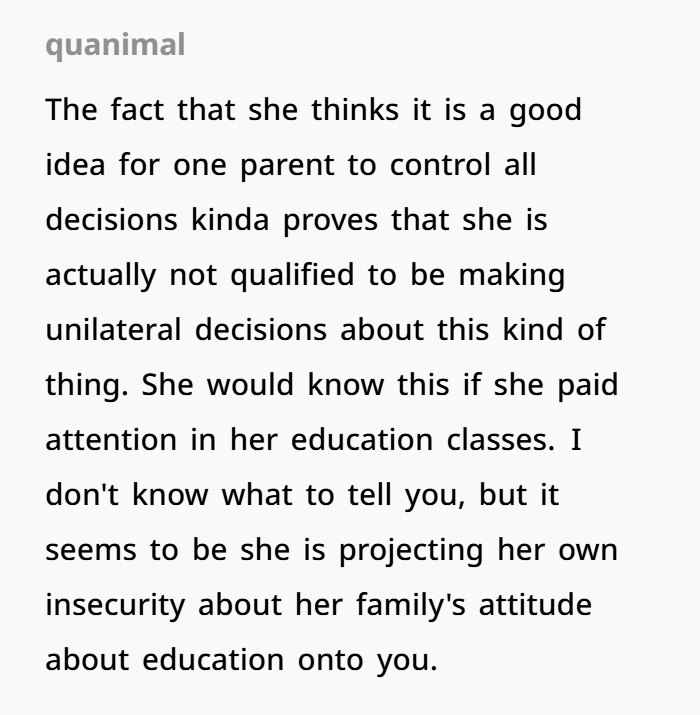
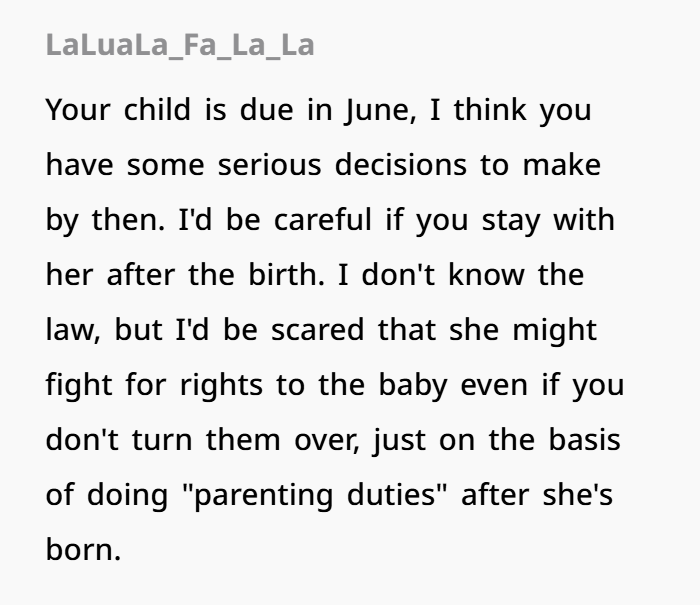
The disagreement was never only about schools. It was about trust, respect, and the idea that both parents should feel like equal partners.
Having knowledge about education can be valuable, but raising a child is a shared responsibility. Decisions about a child’s future usually require teamwork, honest conversations, and respect from both sides.
For many expecting parents, the biggest lesson from situations like this is simple: before the baby arrives, couples need to talk openly about parenting roles, decision-making, and what being a team really means.