My Daughter Said I Was Period Shaming Her, But I Was Just Trying to Teach Basic Hygiene
Raising a teenager can be difficult, and doing it as a single parent can bring even more challenges. One father shared his experience of helping his 13-year-old daughter through puberty and her first period. What started as a simple conversation about cleanliness and self-care became a difficult family moment.
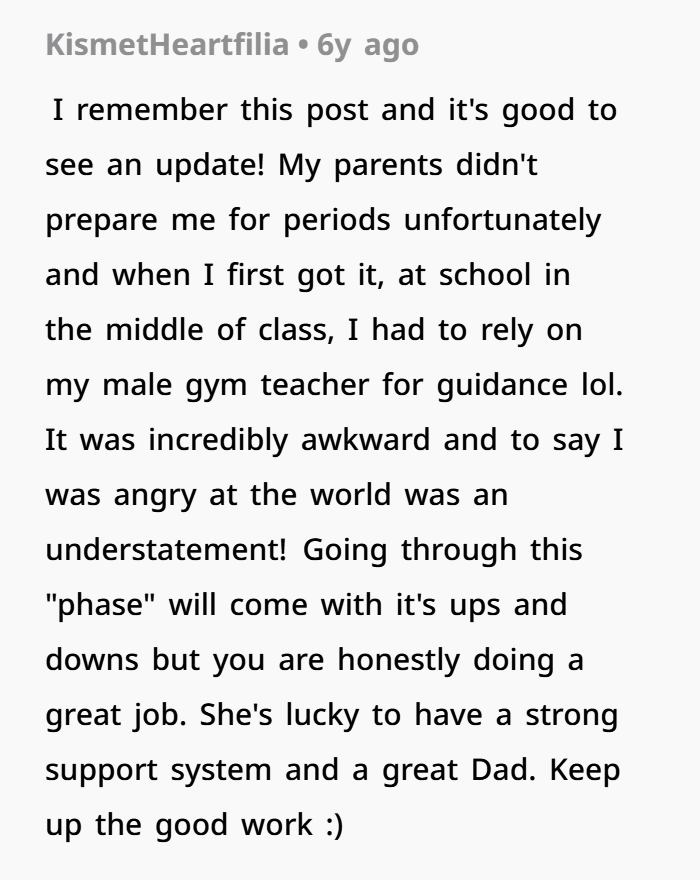
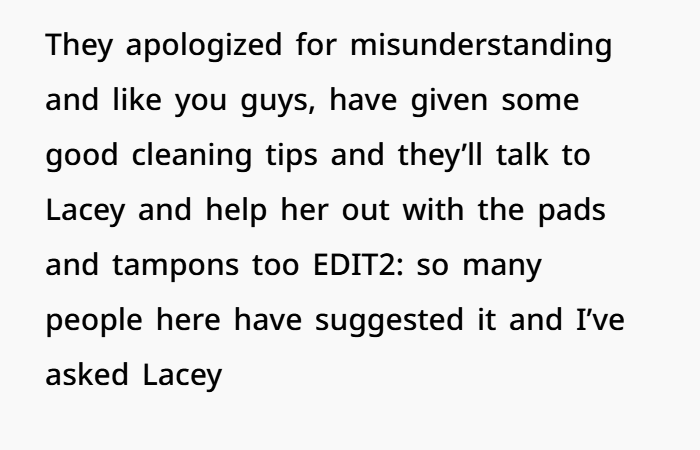
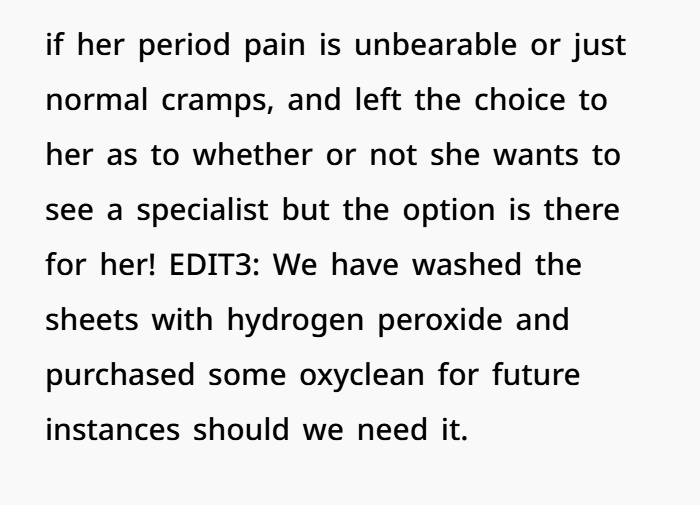
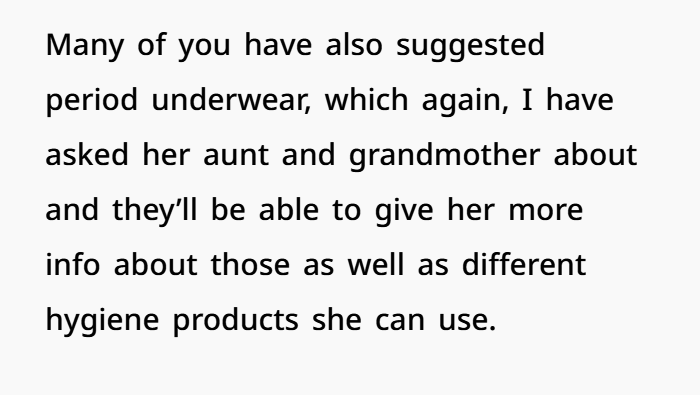
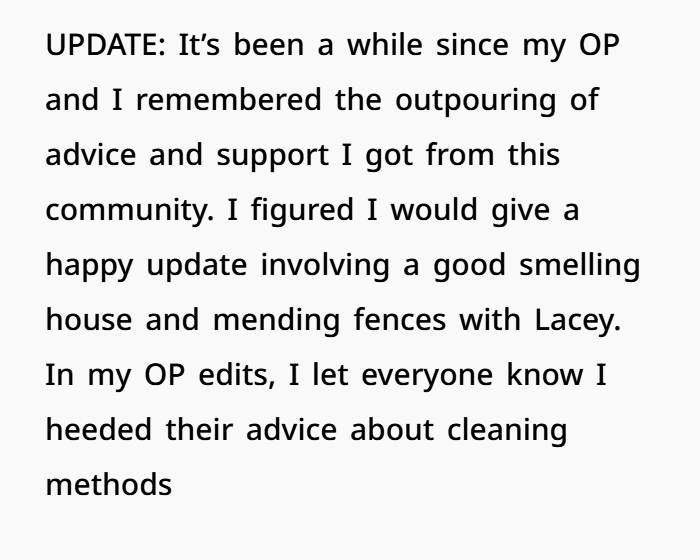
After losing his wife during childbirth, the father raised his daughter on his own. He received support from his sister, close friends, and his late wife’s family. Before his daughter started her period, he learned about menstrual health, purchased hygiene products, and made sure she had caring people around her for support.
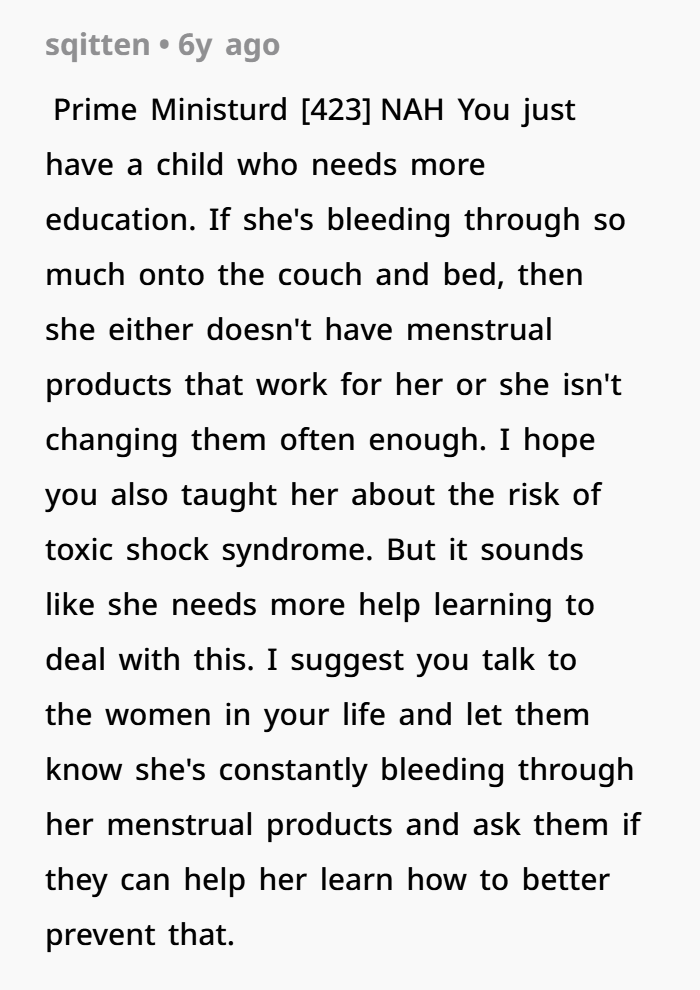
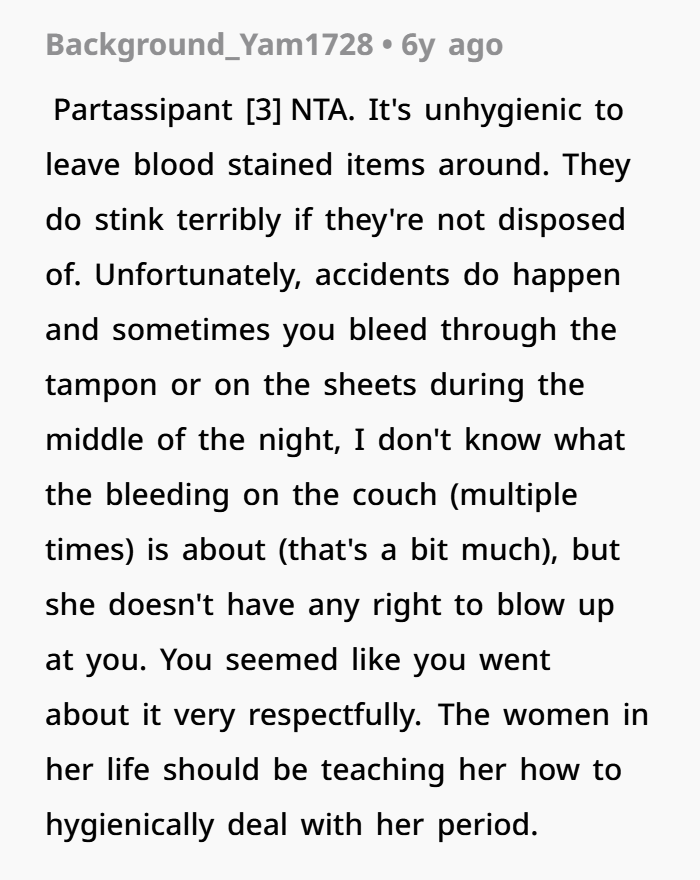
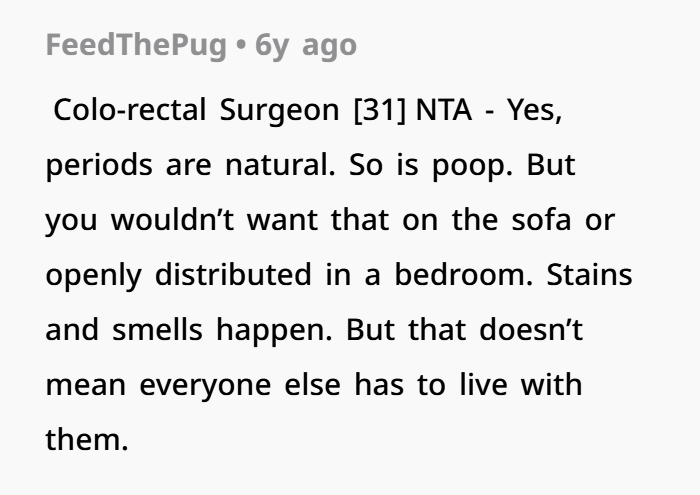
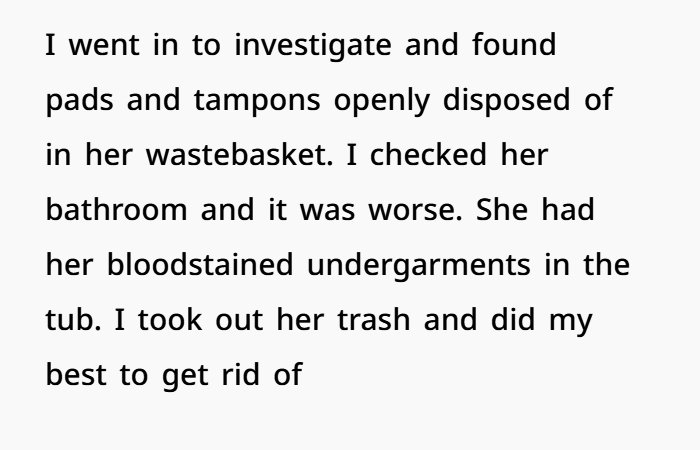
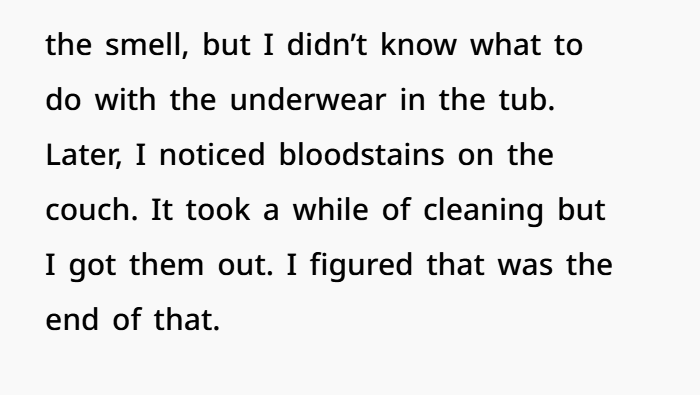
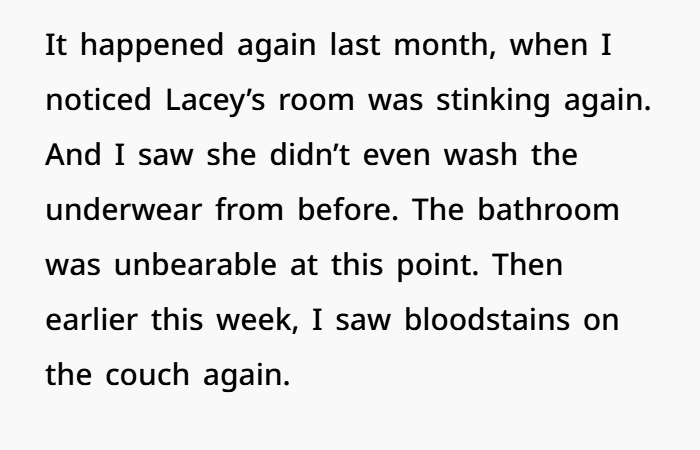
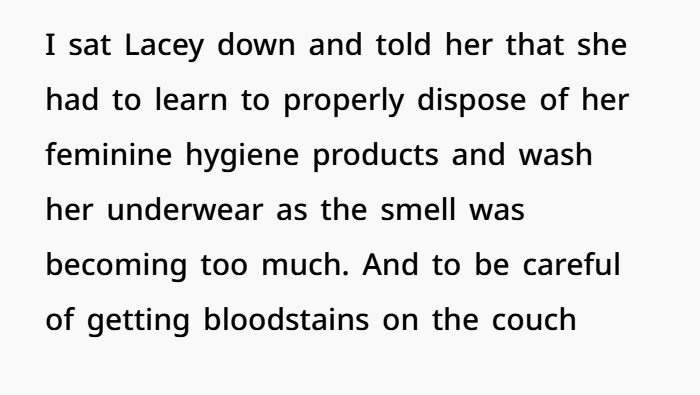
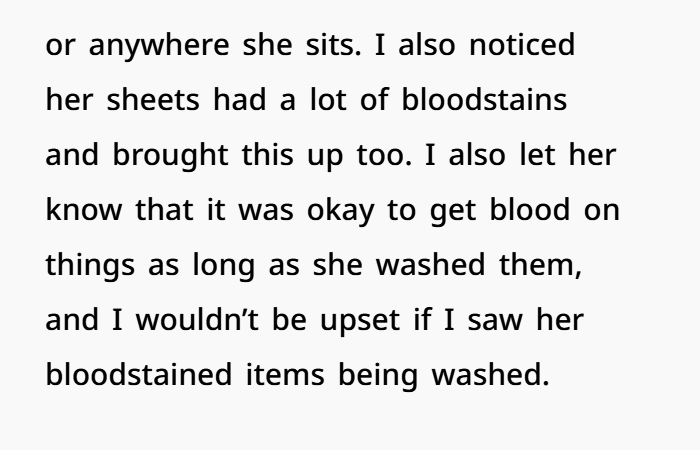
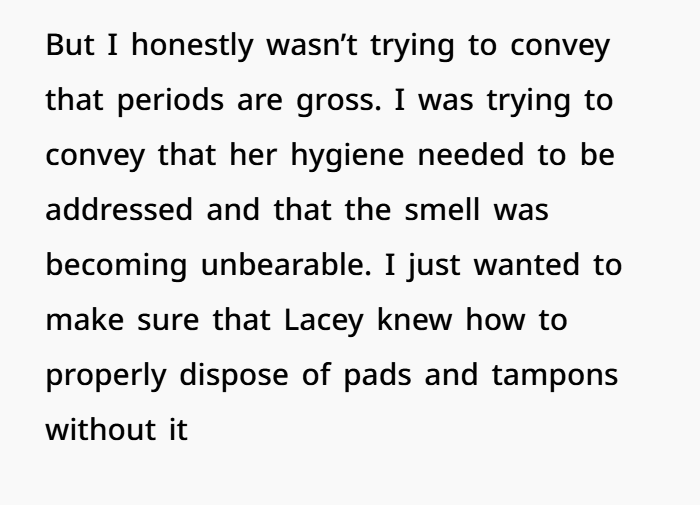
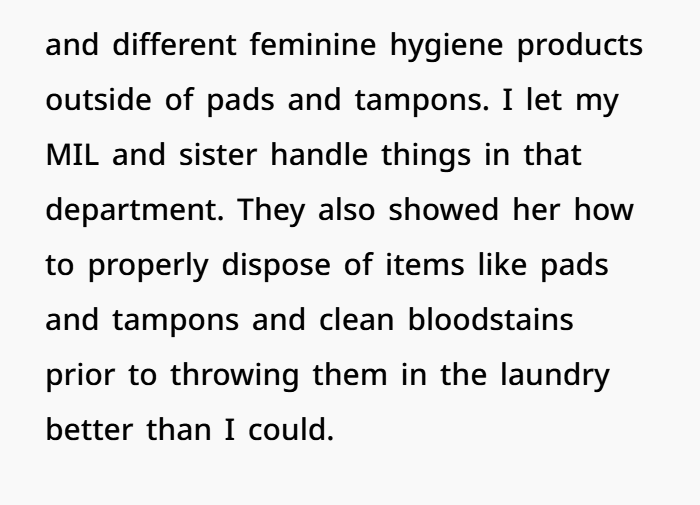
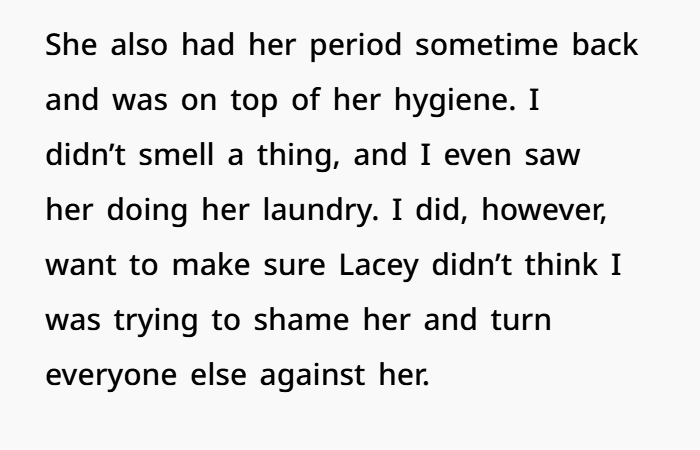
The situation became stressful when he noticed unpleasant smells coming from his daughter’s bedroom and bathroom. He found that used menstrual products were not being thrown away properly, and some clothing and bedding needed cleaning. He decided to talk with her and explain that periods are a normal part of growing up, but personal hygiene and keeping her space clean were also important.
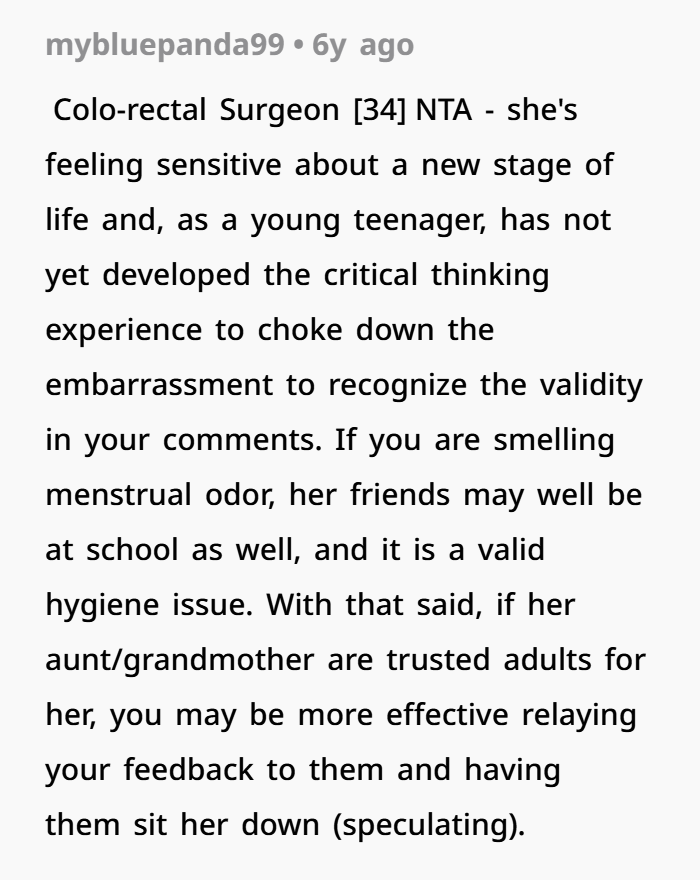
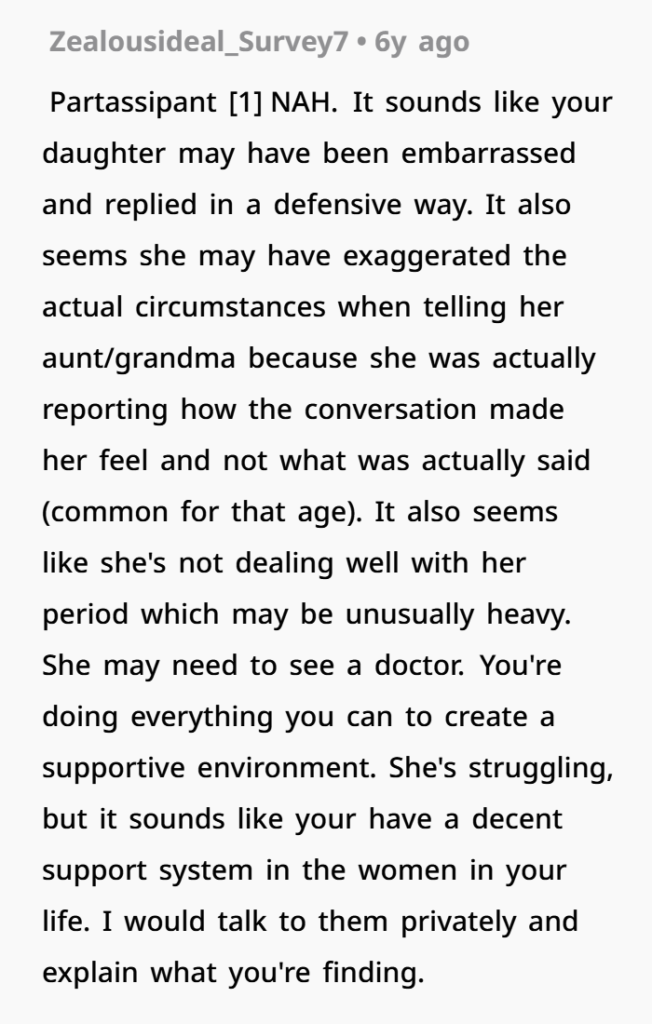
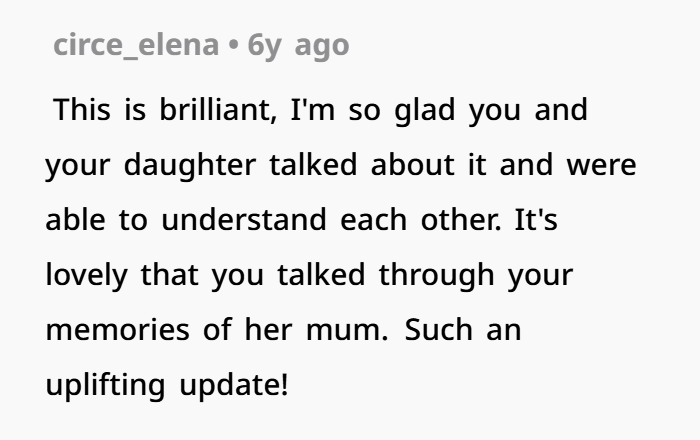
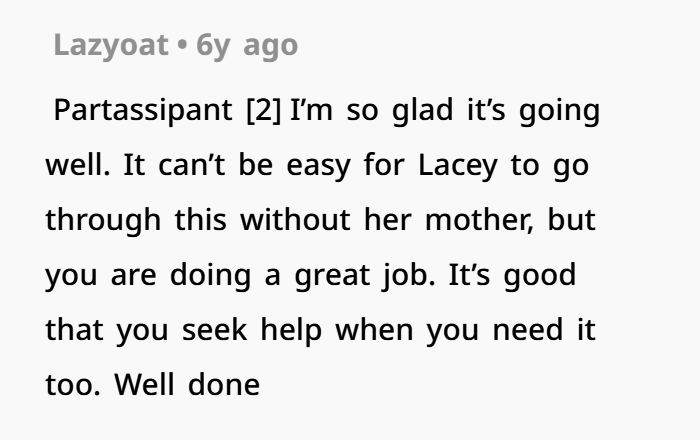
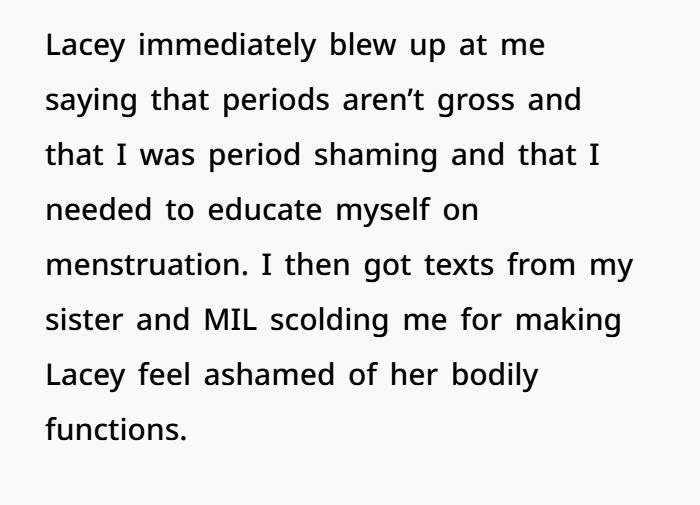
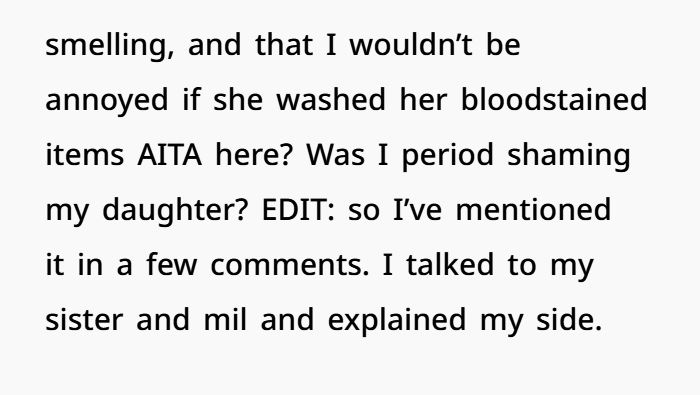
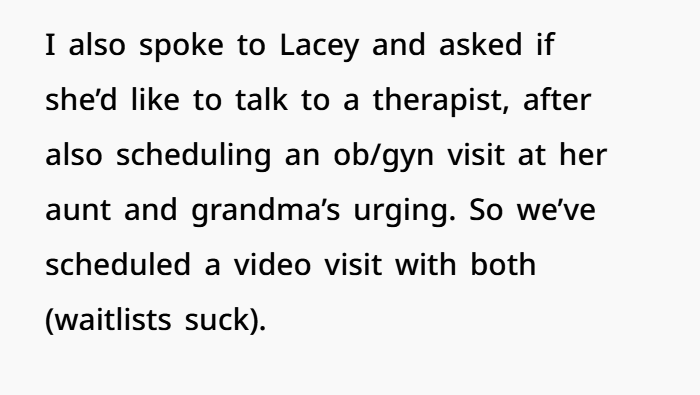
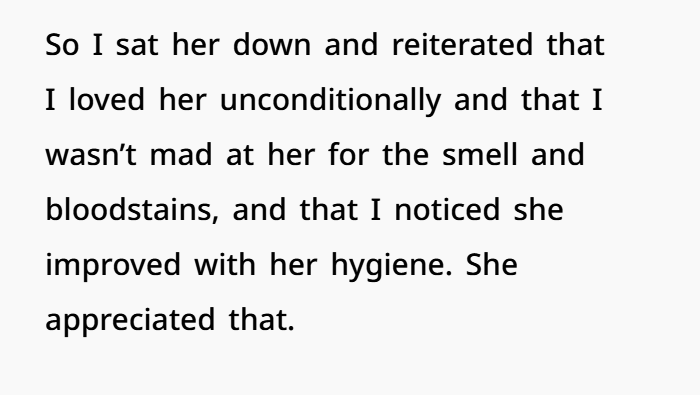
His daughter felt embarrassed and thought he was judging her. After getting advice from family members, the father understood that the issue was about more than cleaning. His daughter was also dealing with puberty, emotions, and the sadness of growing up without her mother. They worked through the problem together and built better communication, trust, and healthy hygiene habits.

Menstrual Hygiene and Puberty: How Parents Can Support Teen Girls
At first, this story may look like a small family argument.
A parent wants a clean home. A teenager feels embarrassed. A disagreement happens.
But the real topic is much bigger.
It is about puberty, menstrual health, parenting, and how adults help young people feel comfortable with changes in their bodies.
Periods are a normal part of life. Millions of girls and women experience menstruation. However, many teenagers still feel nervous, embarrassed, or unsure when they get their first period.
The way parents react during this time can have a lasting effect on how young people feel about their bodies and health.
A First Period Is More Than a Physical Change
For many girls, their first period is an important life moment.
It is not only about a physical change. It can also bring new emotions and questions.
A teenager may wonder:
- What is happening to my body?
- How do I take care of myself?
- Is this normal?
- Who can I talk to?
Having a supportive parent or trusted adult can make this experience easier.
In this story, the father tried to prepare for his daughter’s first period. He bought menstrual products, asked others for advice, and wanted to make sure she had what she needed.
That effort shows care.
Many parents face situations they have never personally experienced. A single parent, or any parent raising a child through puberty, often has to learn along the way.
The most important thing is not knowing everything.
It is being willing to listen, learn, and support your child.
Period Shame and Menstrual Hygiene Are Different
One important lesson from this story is understanding the difference between period shame and menstrual hygiene.
These two things are not the same.
Period shame happens when someone makes another person feel embarrassed or bad because they have a period.
For example, saying periods are dirty or disgusting can make someone feel ashamed about a normal body function.
Menstrual hygiene is different.
Menstrual hygiene means learning healthy habits, such as:
- Using menstrual products correctly
- Changing products when needed
- Throwing away used products properly
- Keeping personal spaces clean
- Washing hands regularly
These habits are part of basic health education.
Teaching good hygiene does not mean saying that periods are something to be embarrassed about.
It means helping teenagers care for their bodies.
How Parents Should Talk About Periods
The way adults talk about menstruation can make a big difference.
Teenagers are already dealing with many changes during puberty. They may feel more sensitive about their bodies, appearance, and emotions.
Parents should focus on teaching the right habits without making the teenager feel like their body is the problem.
For example:
“Your period is normal, but used products should be thrown away properly to keep the bathroom clean.”
This teaches responsibility while still showing respect.
A message like:
“This is gross, clean it up.”
can make a teenager feel embarrassed instead of supported.
The goal is to correct the behavior without creating shame.
Puberty and Teen Confidence
Puberty is a time of many changes.
Teenagers may experience:
- Body changes
- Mood changes
- Acne
- Body odor
- Changes in confidence
- New emotions
During this stage, many young people become more aware of how others see them.
Negative comments about their bodies can affect their self-confidence.
That is why open and respectful conversations about puberty are important.
Parents are not only teaching hygiene habits.
They are also helping teenagers build a healthy relationship with their bodies.
The Emotional Side of Growing Up
Sometimes a strong reaction is connected to deeper feelings.
In this story, the daughter had lost her mother when she was young.
Important moments in life can sometimes bring those emotions back.
A first period can be one of those moments.
Many girls naturally want to share experiences like this with their mother. They may imagine getting advice, comfort, or support.
When that person is not there, even a normal life event can feel emotional.
The disagreement may not have only been about cleaning or hygiene.
It may have been connected to sadness, embarrassment, and adjusting to a new stage of life.
This is why emotional support is just as important as practical advice.
Creating Open Conversations at Home
Parents can make puberty easier by creating a safe space for questions.
Conversations about these topics should happen before problems appear:
- Periods
- Personal hygiene
- Body changes
- Mental health
- Emotions
- Relationships
When teenagers understand what is happening to their bodies, they often feel more confident.
They are also more likely to ask for help when they need it.
The Importance of Puberty Education
Parents are not the only source of information.
Schools and healthcare professionals also play an important role in teaching young people about puberty and menstrual health.
Accurate information helps teenagers understand that periods are normal.
It can reduce fear, confusion, and misinformation.
Good health education also teaches young people how to take care of themselves.
Parents Can Learn From Mistakes
One of the positive parts of this story is that the father listened.
Parenting is not about getting every conversation perfect.
Every parent makes mistakes.
What matters is what happens afterward.
A parent who listens, accepts feedback, and changes their approach can build a stronger relationship with their child.
Learning how to repair a difficult conversation is an important parenting skill.
When Hygiene Changes May Need Extra Support
Sometimes teenagers need simple guidance about personal care.
But changes in behavior can sometimes be a sign that something deeper is happening.
For example, a teenager who suddenly:
- Avoids personal hygiene
- Becomes very quiet
- Stops communicating
- Loses interest in normal activities
may be dealing with stress, anxiety, or emotional challenges.
In these situations, support from a healthcare professional or mental health expert can help.
Getting help early can make things easier for both teenagers and families.
The Bigger Lesson About Menstrual Health
This story is not only about periods or cleaning habits.
It is about respect, trust, and communication.
Menstrual education helps young people understand their bodies and feel confident during puberty.
A period is not something to hide or feel ashamed of.
At the same time, learning proper menstrual hygiene is an important part of growing up.
The best parenting moments often happen after difficult conversations, when both sides listen and understand each other.
Supporting teenagers through puberty is not about being perfect.
It is about creating a relationship where they feel safe, respected, and cared for.
Comments That Say It All