My Landlord Threatened My Extra Month Because I Said No to a Same-Day Viewing
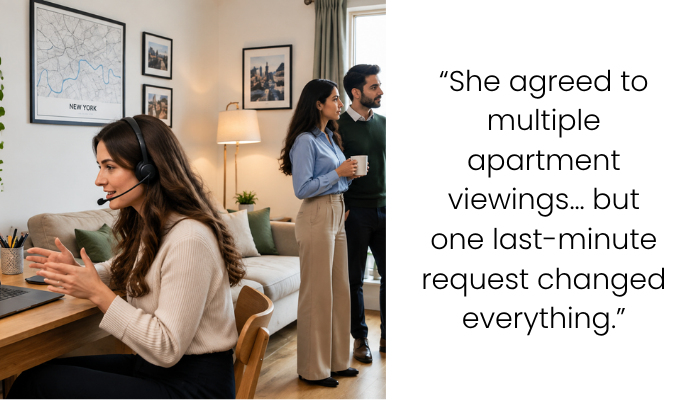
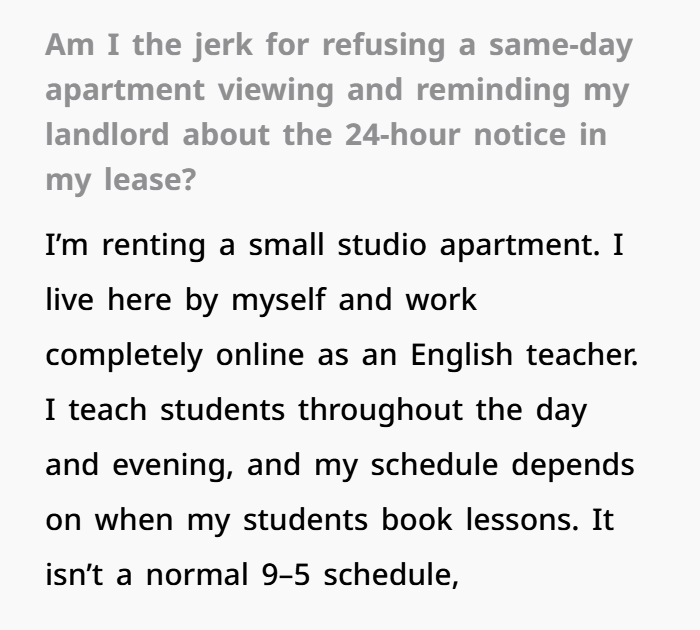
A renter living in a small studio apartment is wondering if she made the wrong choice by saying no to a last-minute apartment showing. She works from home as an online English teacher, so her daily schedule depends on her student bookings. Because of her work, she needs enough time to plan before making changes to her day.
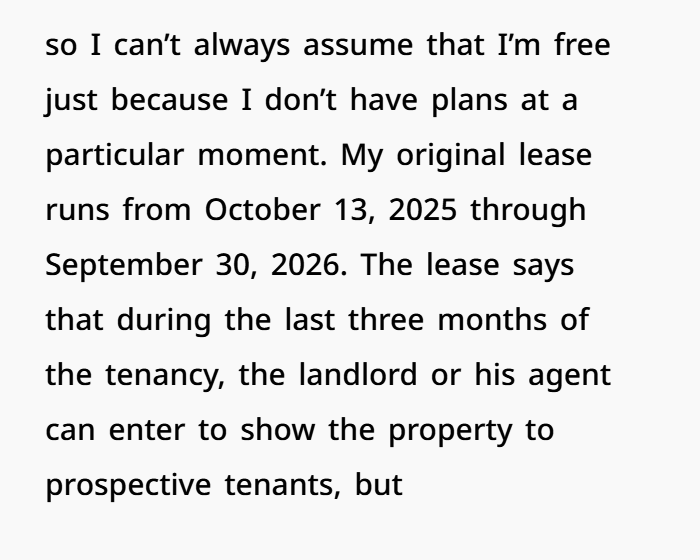
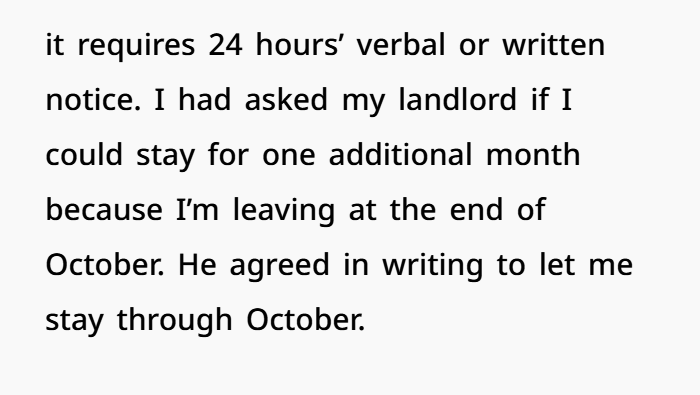
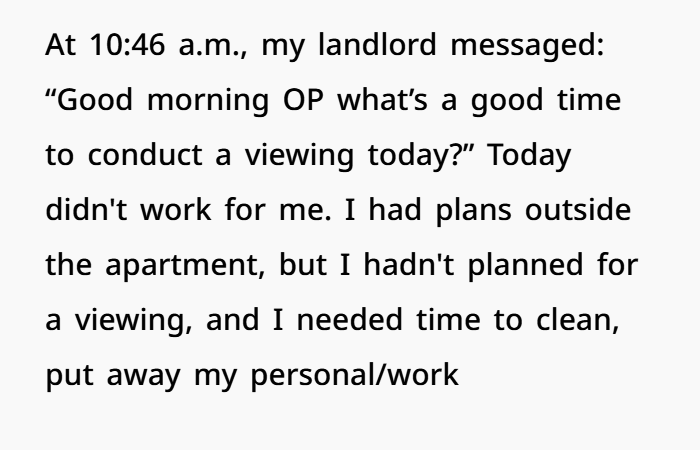
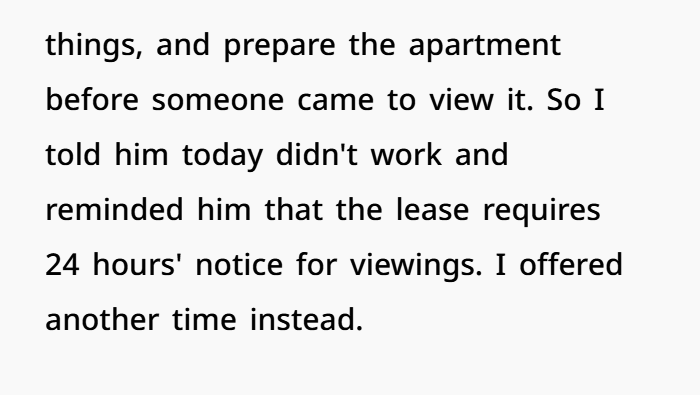
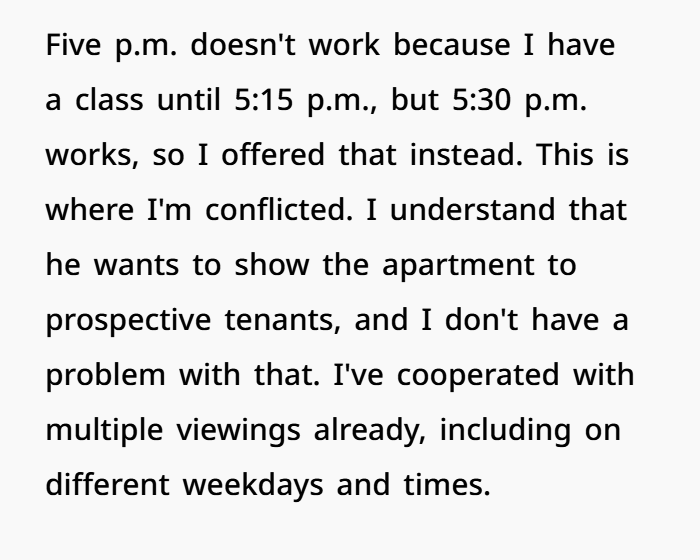
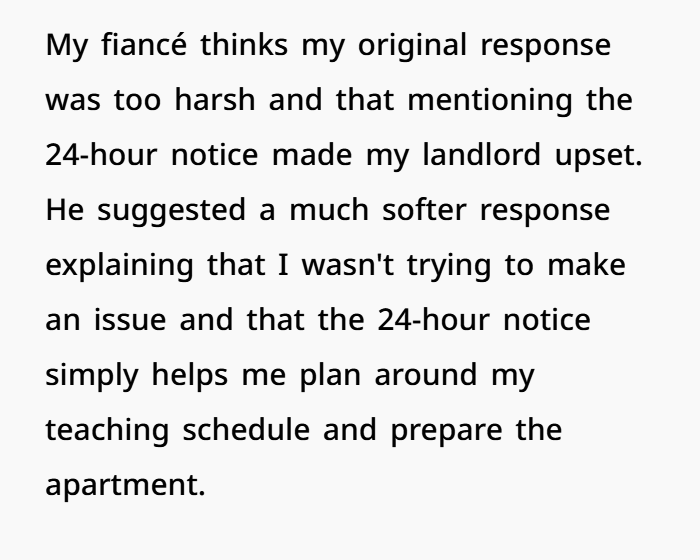
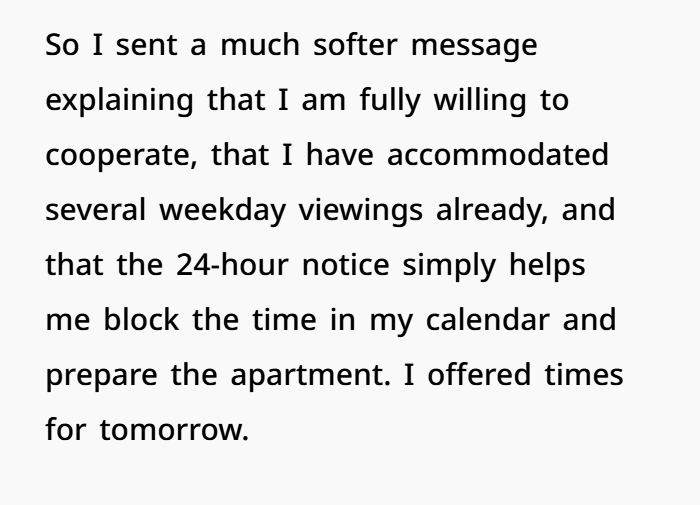
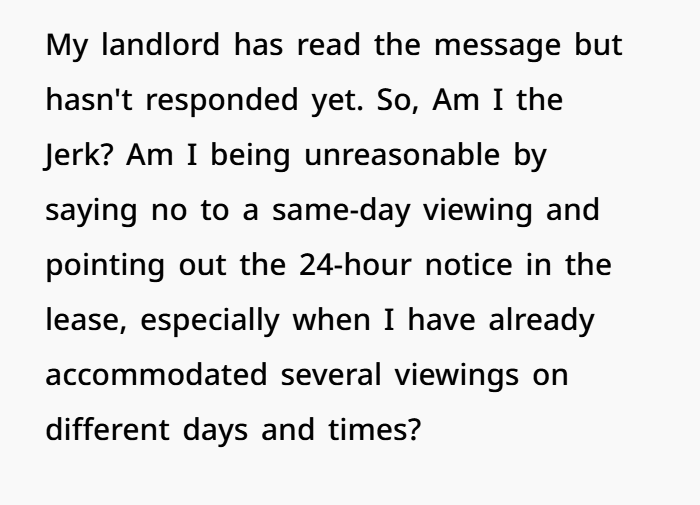
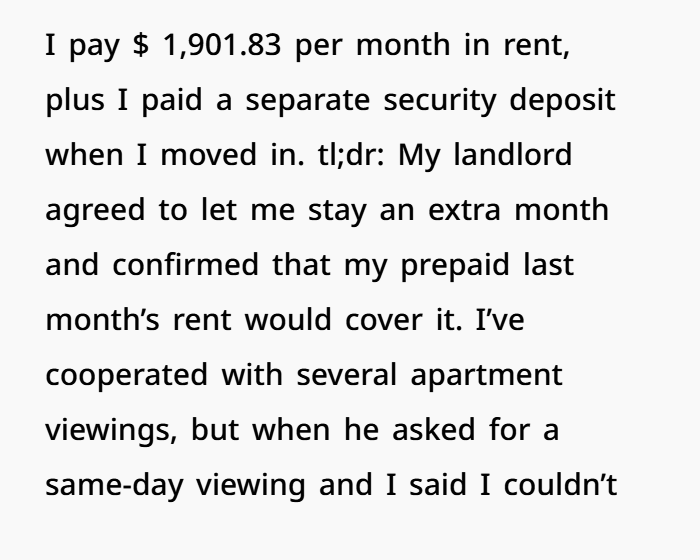
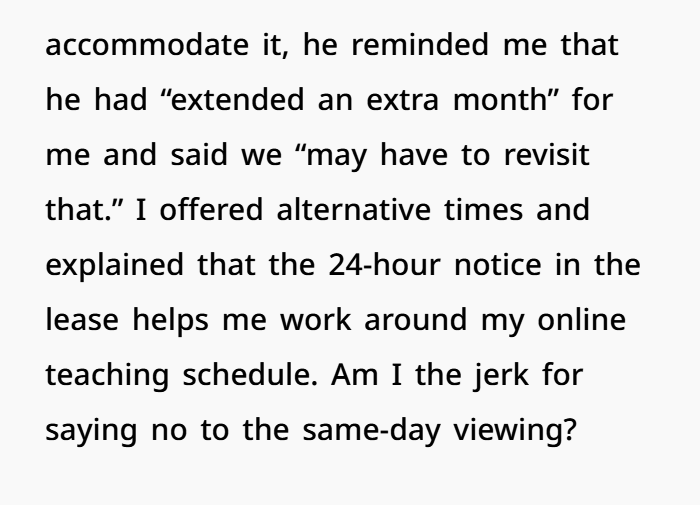
Her rental agreement states that the landlord must provide 24 hours’ notice before scheduling an apartment viewing. She had already agreed to several showings on different days and tried to be helpful during the process. However, when her landlord asked for a same-day viewing, she decided to decline because she needed time to organize her space and adjust her work schedule.
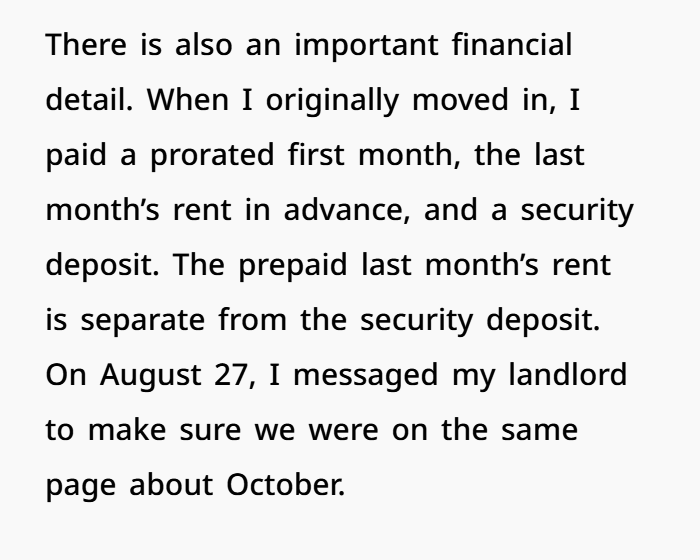
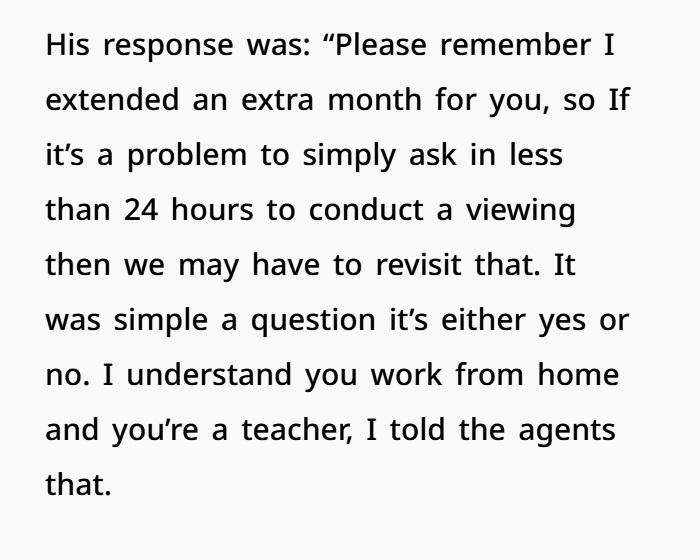
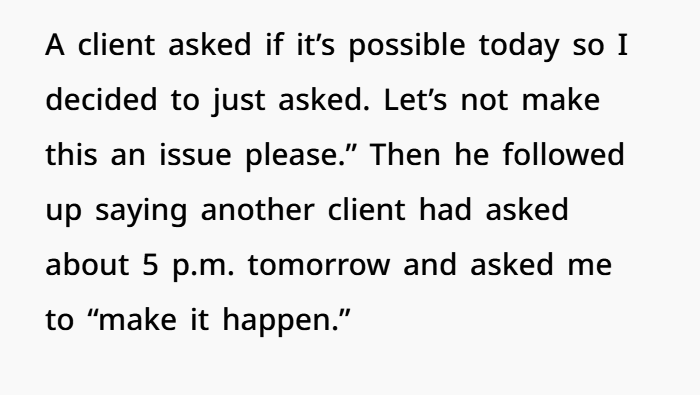
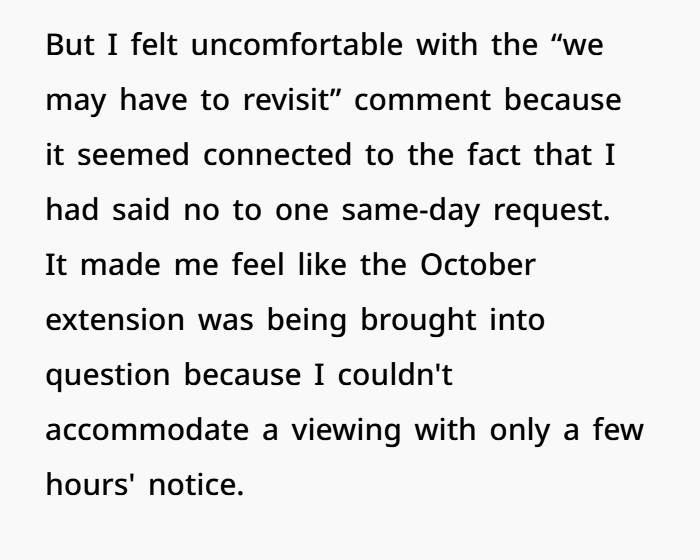
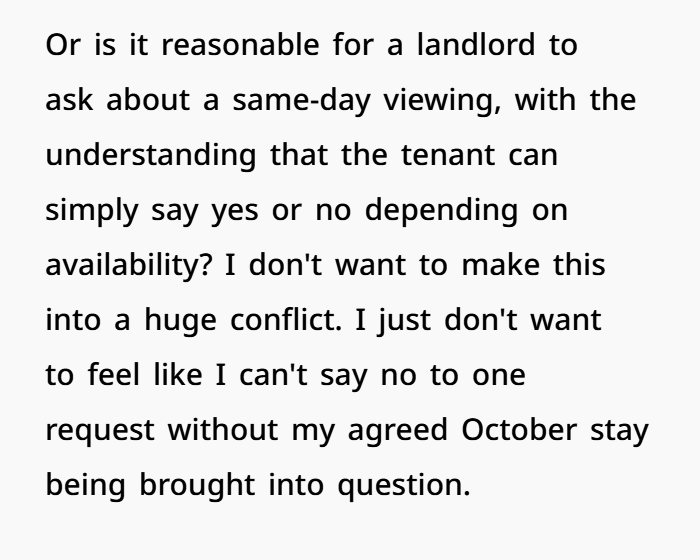
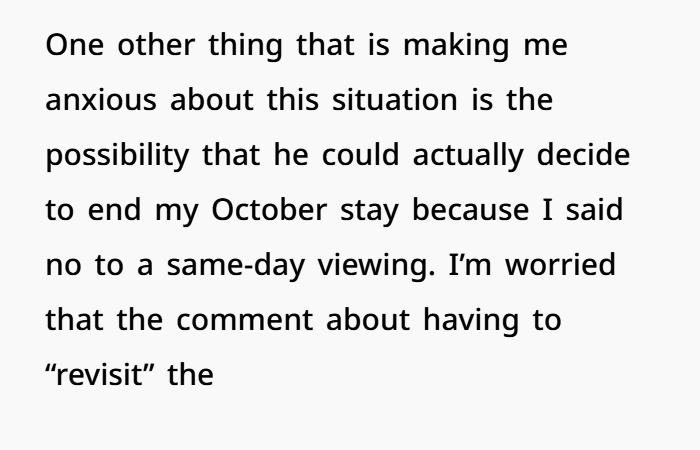
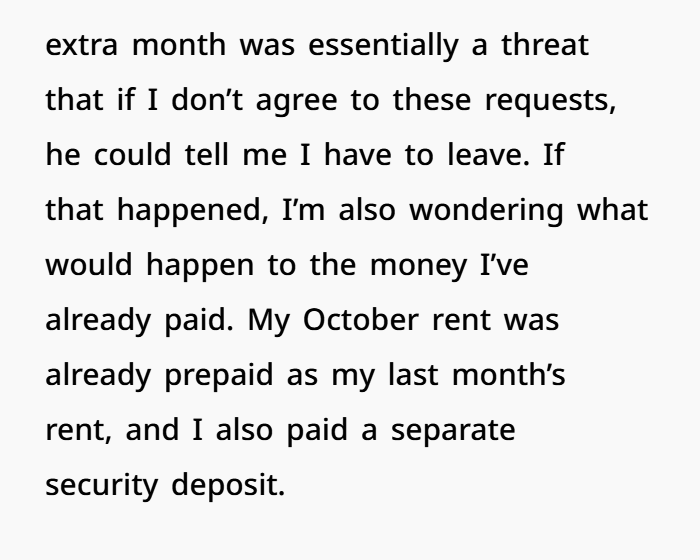
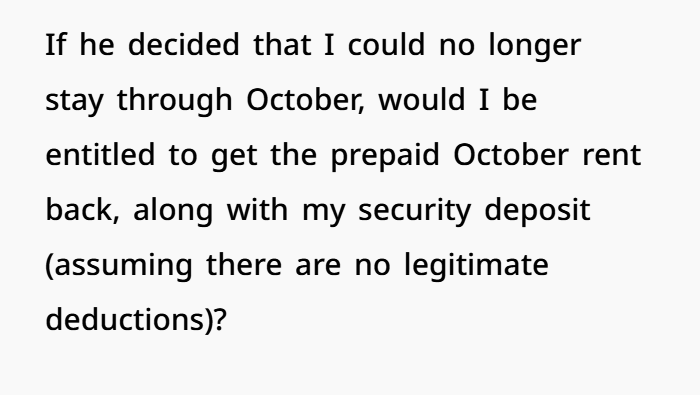
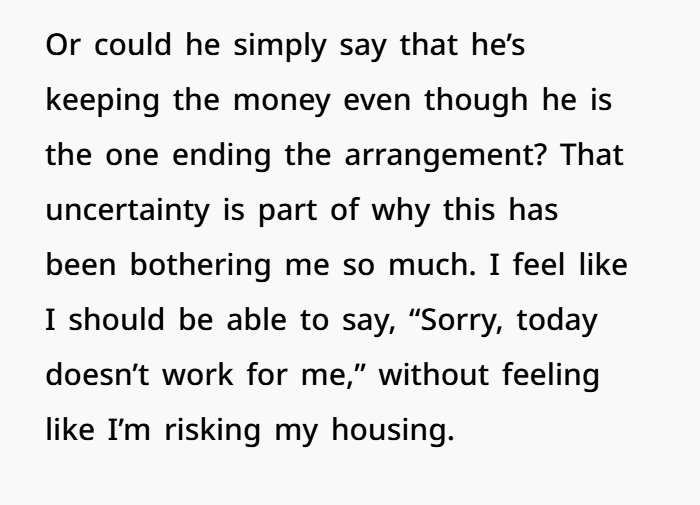
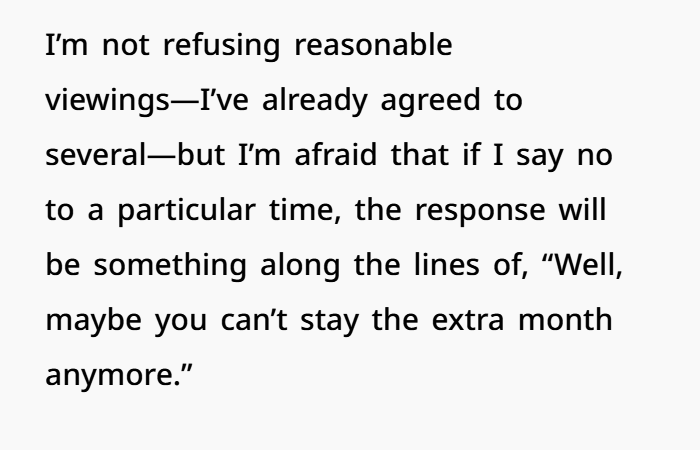
The situation became stressful when the landlord mentioned that he had given her an extra month to stay and said they might need to discuss the arrangement again. The renter started worrying about her upcoming stay, prepaid rent, security deposit, and tenant rights.
Now, she is trying to understand if setting a reasonable boundary was the right decision. She believes good communication between renters and landlords is important, especially when it comes to rental agreements, apartment access, and respecting each person’s needs.

Tenant Rights, Lease Agreements, and Why Last-Minute Requests Can Cause Rental Conflicts
Finding a new apartment or renting out a property can be stressful for both tenants and landlords.
Landlords usually want to find new renters quickly. They need to show the property, review applications, and keep rental income consistent.
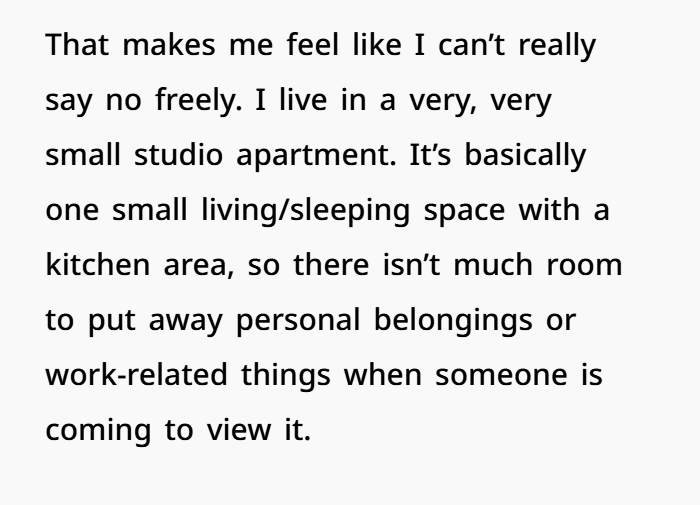
Tenants have their own needs too. They still live in the home, have personal belongings, follow daily routines, and expect privacy.
Because of this, apartment showings can sometimes lead to disagreements.
Most landlord-tenant conflicts are not only about the viewing itself. They are often about communication, respect, and following the terms of a lease agreement.
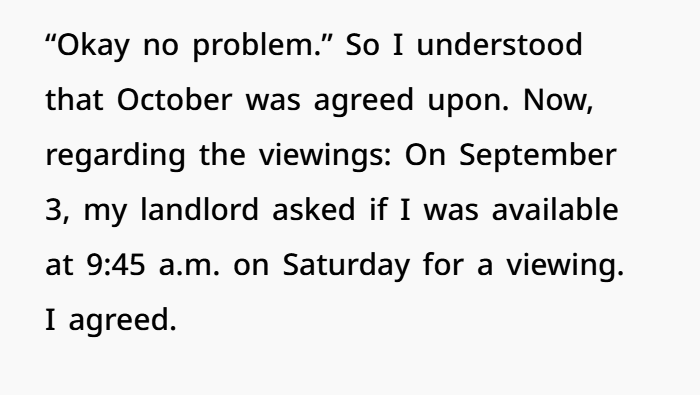
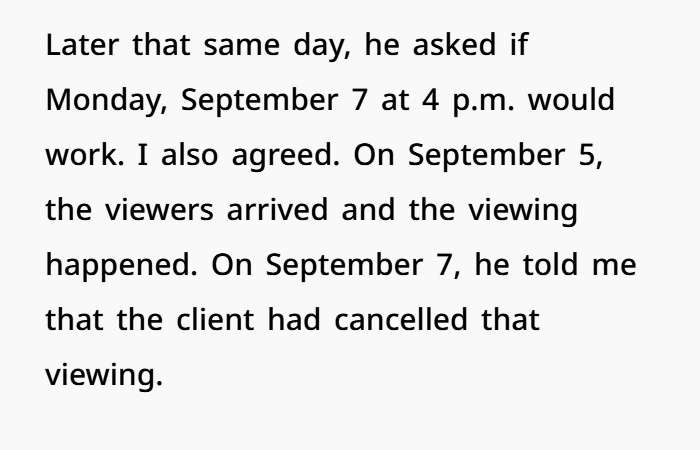
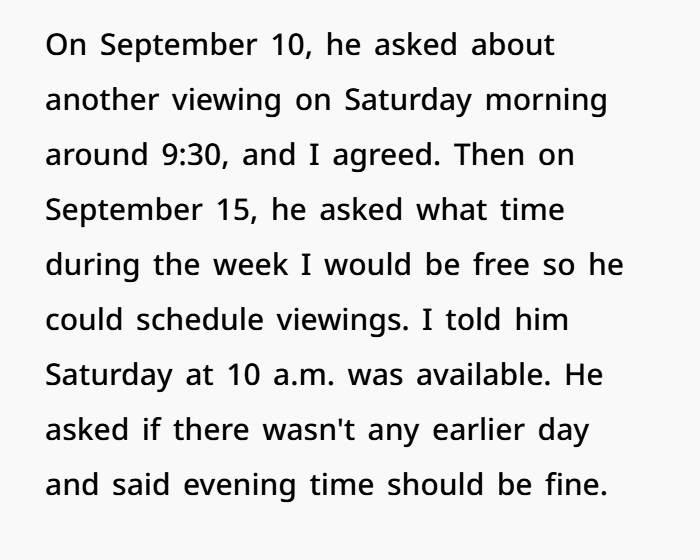
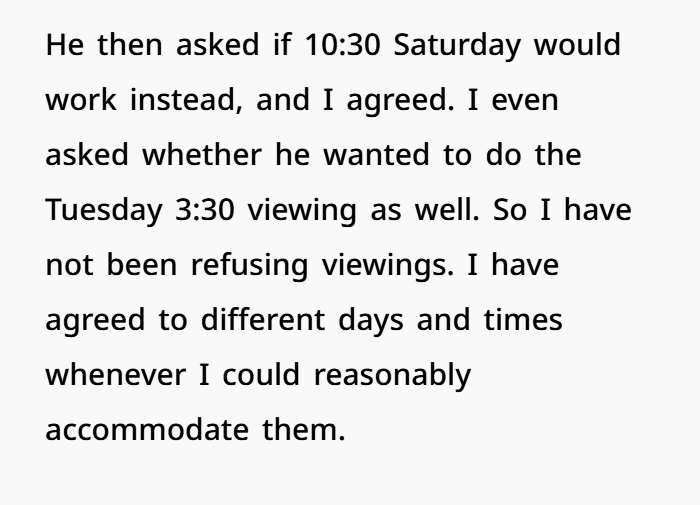
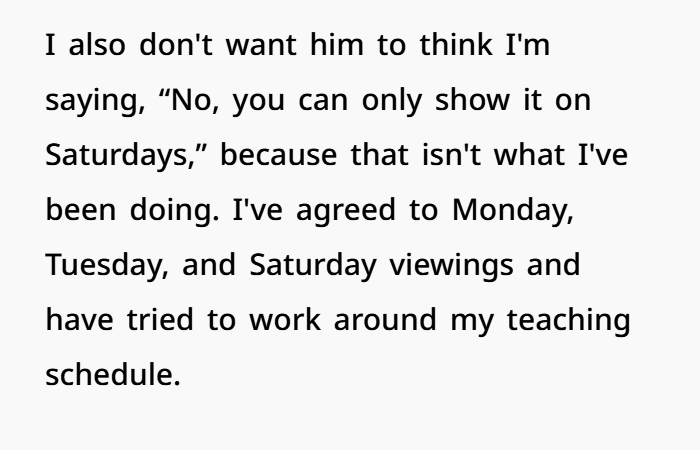
In this situation, the tenant was not refusing all apartment viewings. She had already allowed several visits on different days.
The problem started when the landlord requested a viewing on the same day, and the tenant asked for more notice.
There is an important difference between saying:
“I cannot allow a viewing today.”
and saying:
“You cannot show the apartment at all.”
One is about timing. The other is a complete refusal.
Why a Lease Agreement Is Important
A lease agreement is one of the most important documents between a landlord and tenant.
It explains the responsibilities of both sides. A rental agreement usually includes details about:
- Monthly rent
- Payment dates
- Repairs and maintenance
- Rental period
- Property rules
- Access to the home
Many lease agreements include rules about when a landlord can enter the property.
Landlords may need access for different reasons, including:
- Apartment repairs
- Safety inspections
- Emergency situations
- Showing the property to future tenants
These rules are meant to protect everyone.
The landlord needs to manage the property.
The tenant needs reasonable notice and time to prepare.
In this case, the tenant said the rental agreement included a notice requirement before apartment showings. She believed the landlord needed to provide advance notice before arranging a visit.
From the tenant’s view, she was not creating a new rule. She was asking for the original lease terms to be followed.
Why Same-Day Apartment Showings Can Be Hard
Some people may wonder why a tenant cannot simply say yes if they are already home.
However, being at home does not always mean someone is free.
Many people work from home, but remote work still requires focus and planning.
Someone may have:
- Online meetings
- Virtual classes
- Client calls
- Work deadlines
A sudden apartment visit can interrupt their schedule.
There is also the issue of privacy.
Before strangers enter their home, many tenants want time to:
- Clean the apartment
- Organize personal items
- Put away private belongings
- Prepare the space
This is especially true for people living in smaller apartments where there is limited space.
Wanting notice does not always mean someone is being difficult.
Sometimes it simply means they want comfort and privacy in their own home.
Understanding the Landlord’s Point of View
Landlords also have important responsibilities.
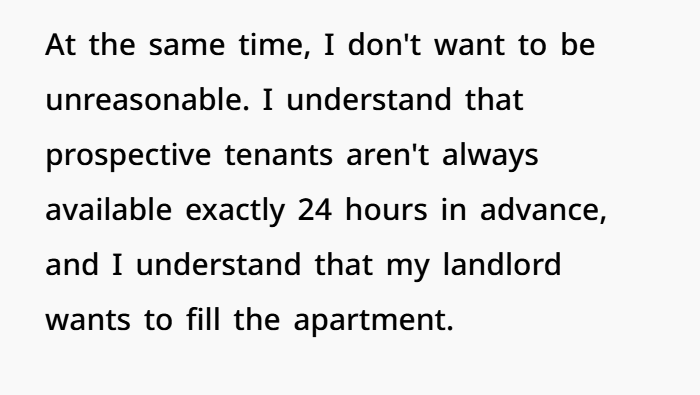
When a rental property becomes available, finding a new tenant quickly can matter. A landlord may worry about losing a potential renter if an apartment showing cannot happen at a convenient time.
A landlord may think:
“The apartment will be available soon. Why not show it today?”
This concern is understandable.
However, tenants are not just part of the rental process. They are still living in the property.
A rental home is an investment for a landlord, but it is also someone’s personal living space.
A good landlord-tenant relationship depends on cooperation and communication.
A landlord can ask:
“Are you available today?”
But a request does not always mean the tenant must agree.
Can a Landlord Change a Rental Extension?
Questions about lease extensions depend on local rental laws and the details of the agreement.
When a landlord and tenant agree to extend a rental period, it is important to understand how that agreement was made.
For example:
- Was it confirmed in writing?
- Was there a new lease agreement?
- Was there an updated rental contract?
- Was it only a verbal discussion?
Written agreements can make situations clearer.
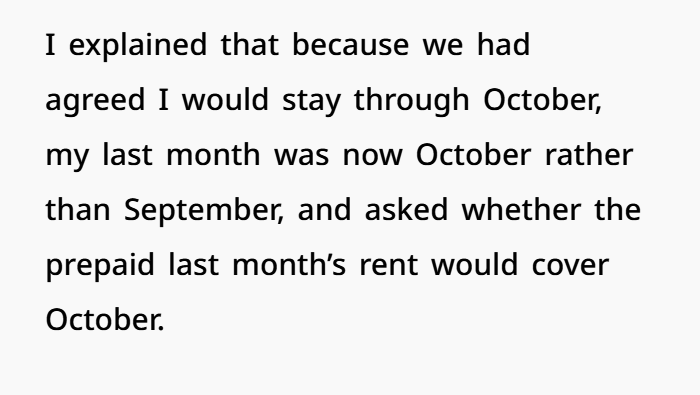
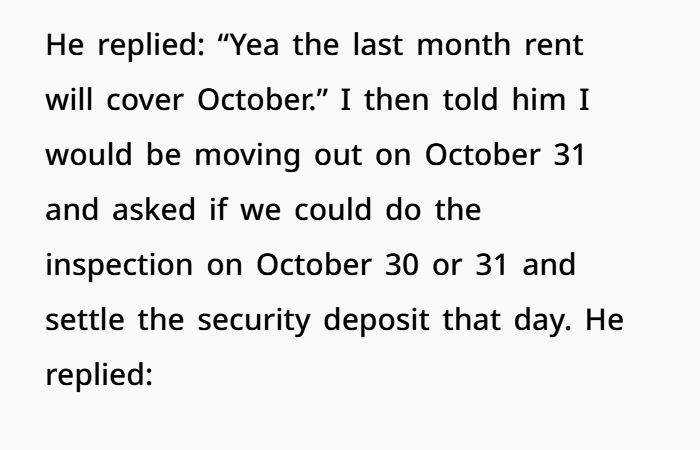
In this case, the tenant said the landlord confirmed in writing that she could stay until October and that prepaid rent would cover that month.
Those written messages may become important if a disagreement happens later.
Understanding Security Deposits and Last Month’s Rent
Many renters have questions about security deposits and prepaid rent.
These payments usually have different purposes.
Last month’s rent is normally used to cover rent for a specific month.
A security deposit is usually kept for possible issues like:
- Property damage
- Unpaid charges
- Other costs allowed under local rental laws
Because they serve different purposes, they are normally handled separately.
A disagreement about apartment showings does not automatically change how these payments work.
Why Keeping Records Is Important
Keeping written records is one of the best ways to avoid rental disputes.
Important documents can include:
- Lease agreements
- Emails
- Text messages
- Rent payment records
- Messages about apartment viewings
Written communication helps create a clear record of what both sides agreed to.
In this situation, the tenant had messages about:
- The rental extension
- Prepaid rent details
- Previous apartment showings
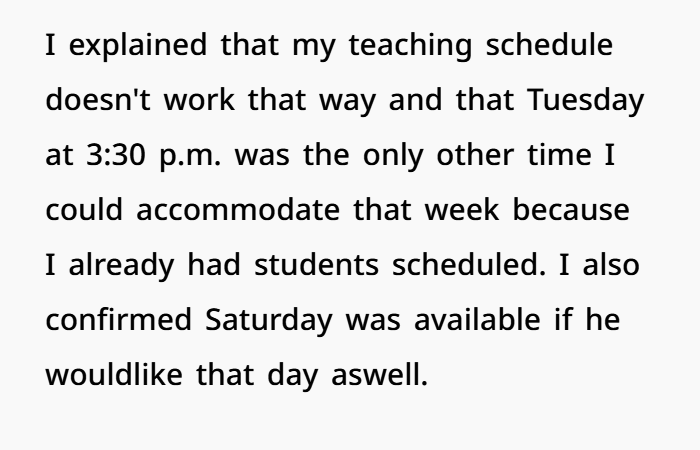
- Alternative viewing times
These records can show that the tenant was willing to cooperate.
Polite and clear communication can help prevent many landlord-tenant problems.
Building Trust Between Landlords and Tenants
Many housing disputes become bigger because of how people communicate after the problem begins.
The original issue may be small, but frustration can grow when either side feels ignored.
Tenants usually want:
- Privacy
- Stability
- Respect for their lease agreement
Landlords usually want:
- Cooperation
- Access to manage their property
- A smooth rental process
Both sides have valid needs.
A simple solution is setting clear expectations.
Landlords and tenants can discuss:
- How much notice is needed for apartment showings
- Which times work best
- How urgent requests should be handled
- The best way to communicate
A tenant can set boundaries while still being cooperative.
A landlord can ask for flexibility while respecting the tenant’s situation.
The key is understanding that a request is not the same as a requirement.
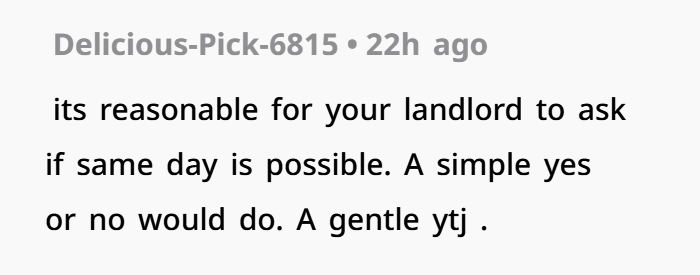
A same-day viewing request may be reasonable to ask for.
A tenant saying the timing does not work may also be reasonable.
Problems usually happen when a scheduling issue becomes a personal conflict.
Final Thoughts on Rental Agreements and Tenant Rights
A healthy landlord-tenant relationship is built on trust, respect, and communication.
Lease agreements, property access, rental payments, and tenant rights can become confusing when expectations are not clear.
Small disagreements do not have to become major housing disputes.
By understanding rental responsibilities and communicating clearly, landlords and tenants can create a better rental experience for everyone.
Whether you are renting a home or managing a property, knowing your rights and responsibilities can help avoid unnecessary stress.
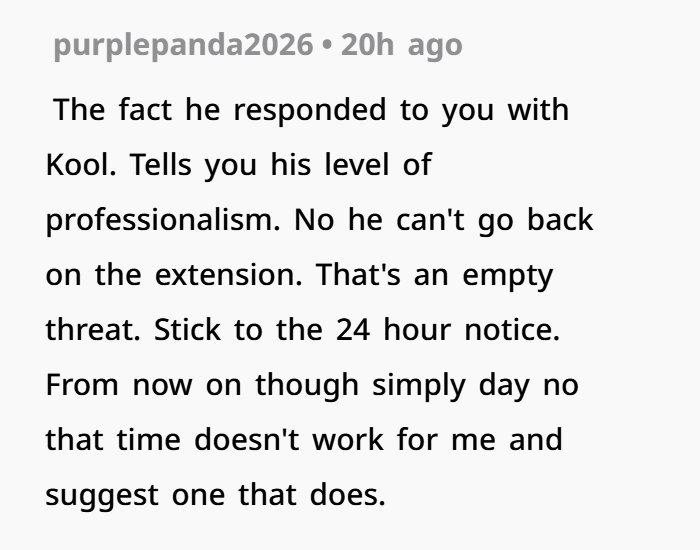
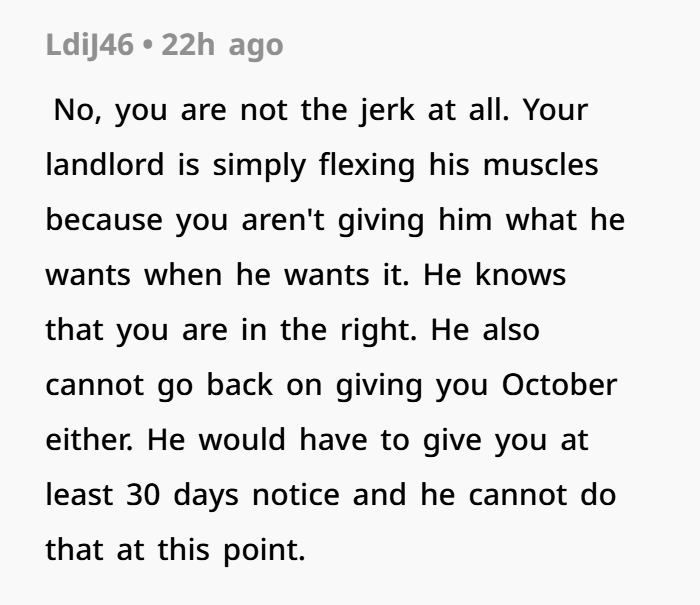
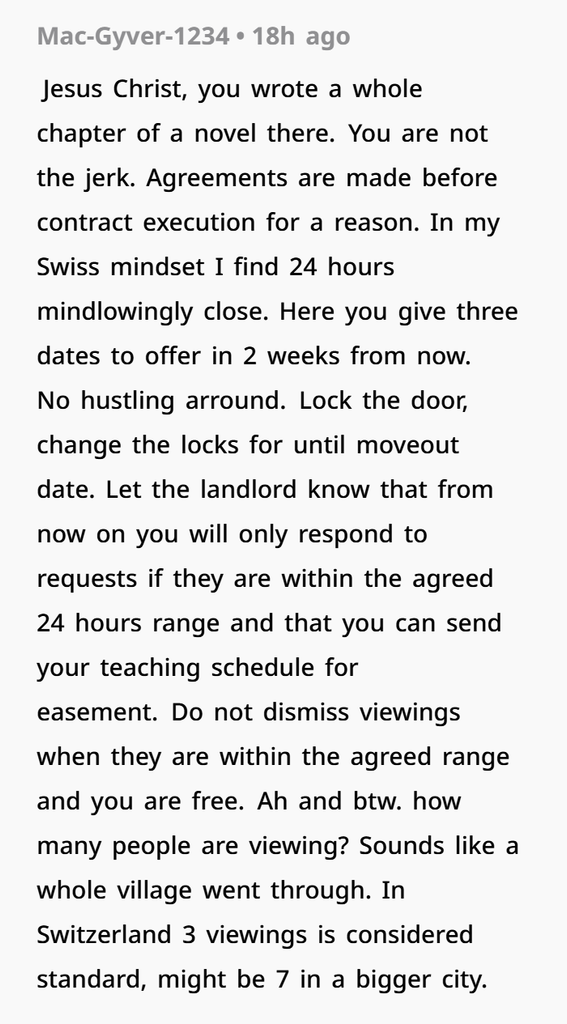
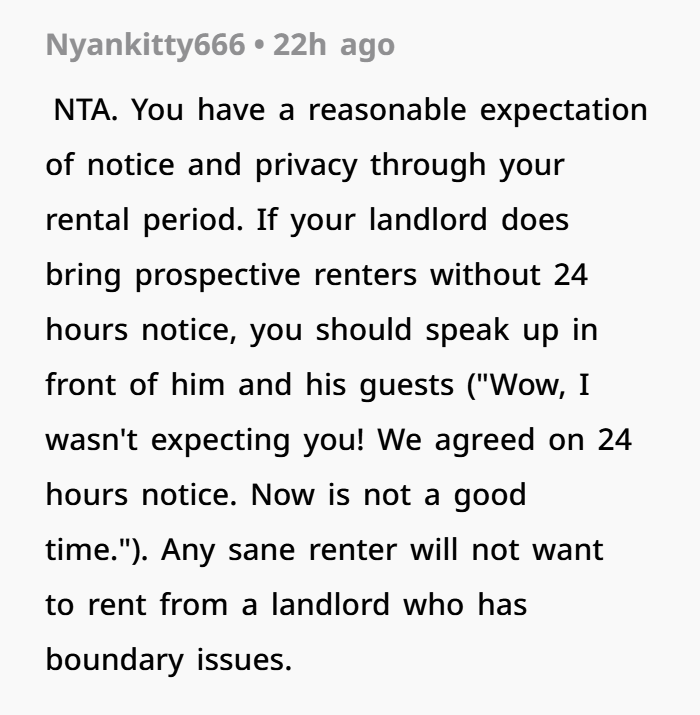
What The Comments Reveal