Passenger Asked Mom to Stop Loud Reading Lesson on Full Flight, But Was He Wrong?
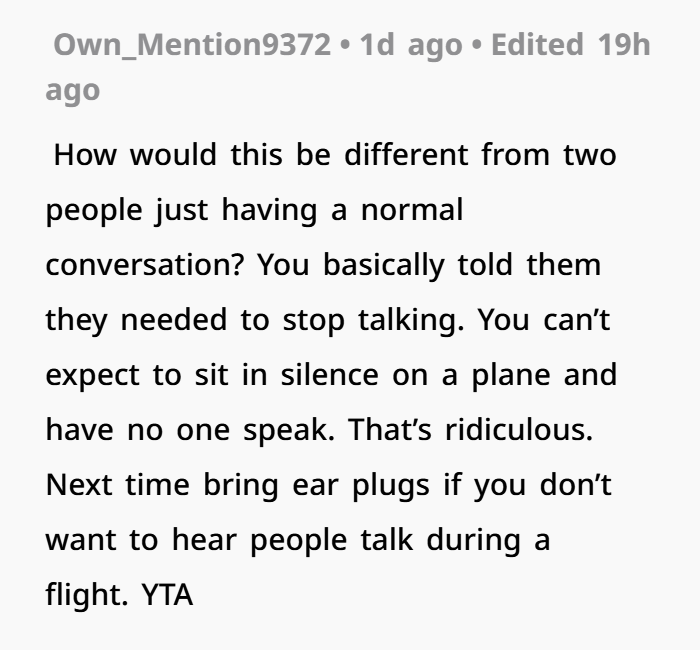
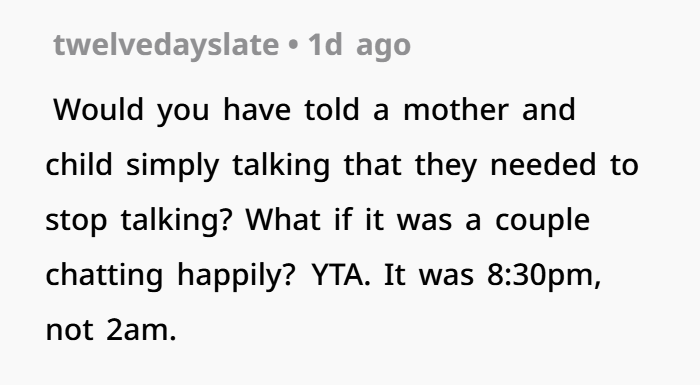
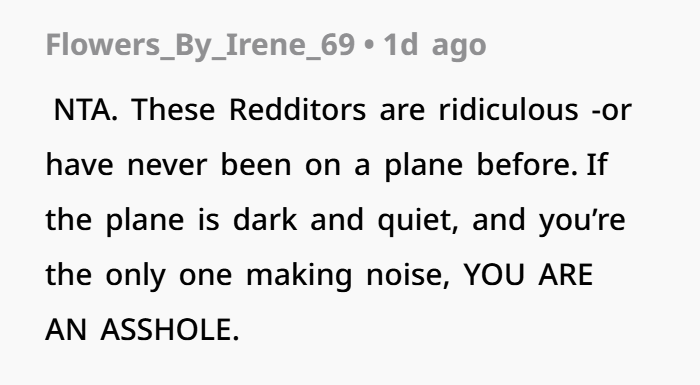
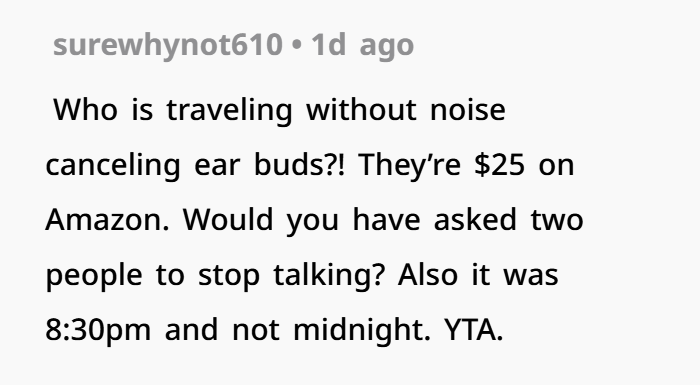
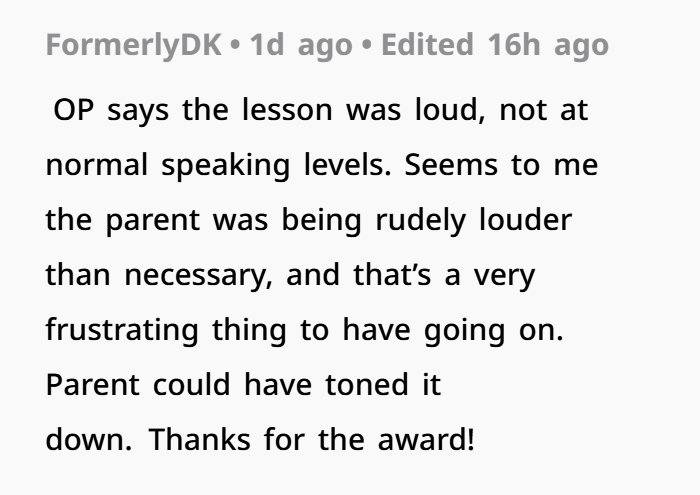
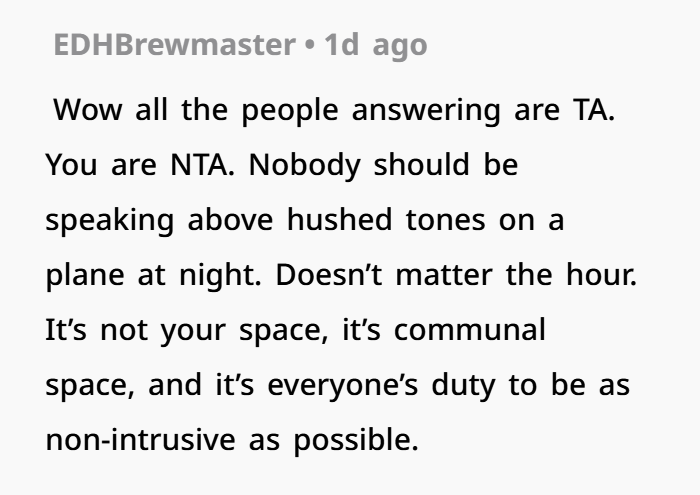
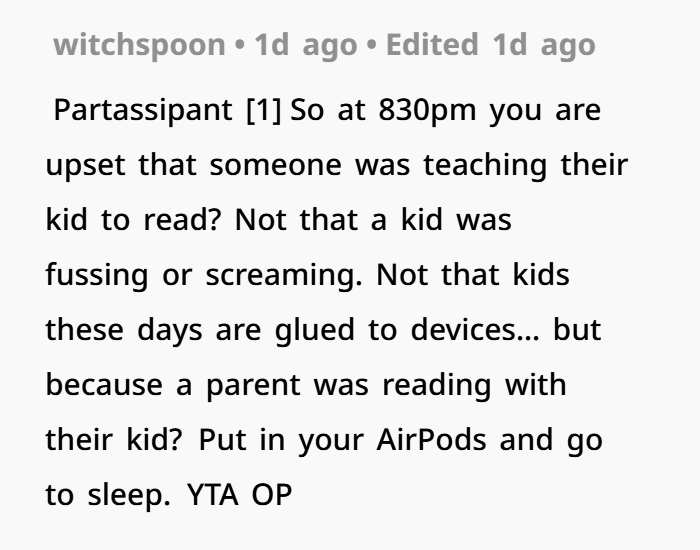
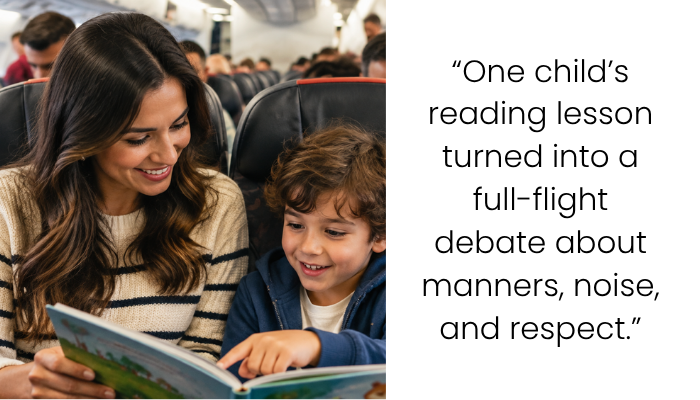
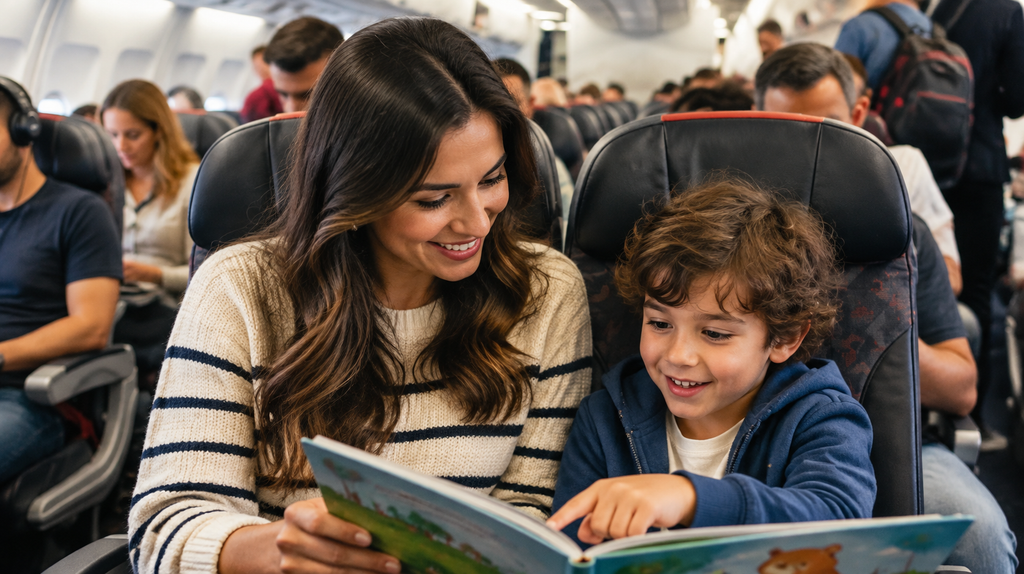
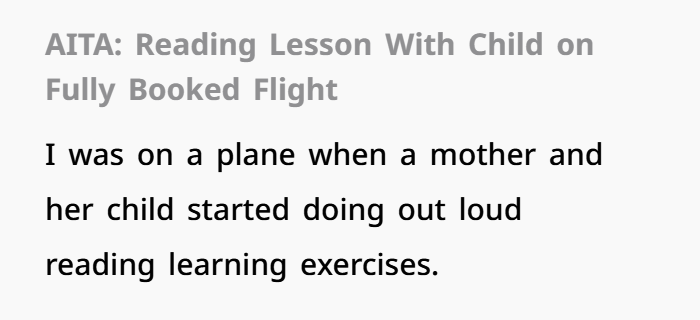
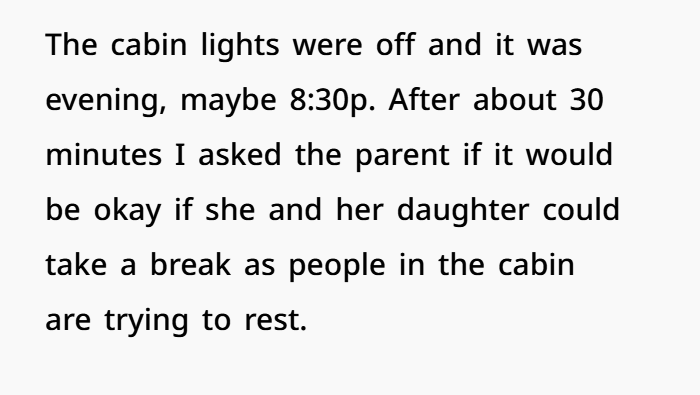
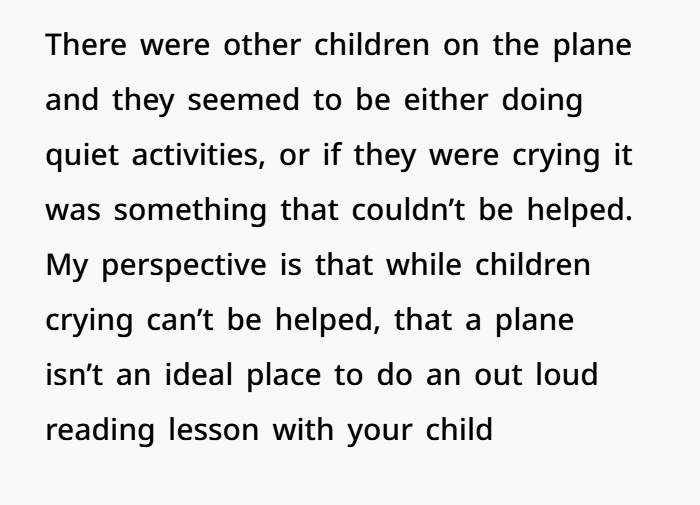
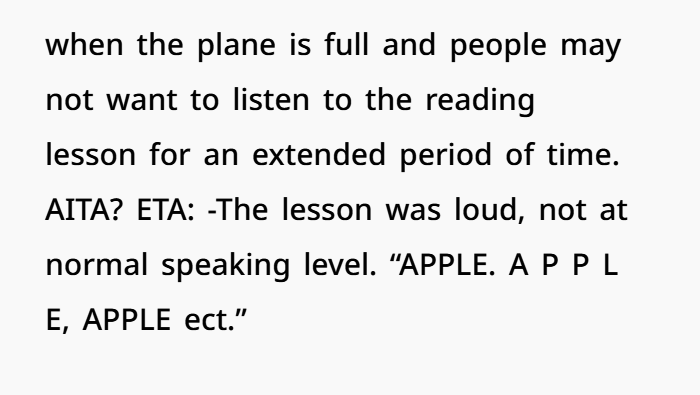
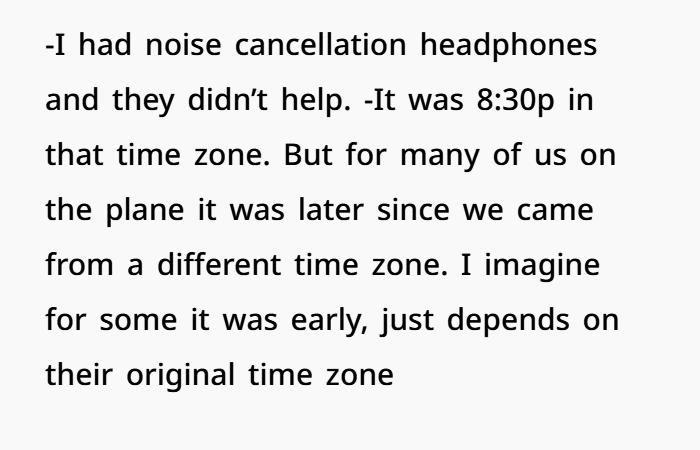
A passenger on a full evening flight wondered if he was wrong for asking a mother and her child to stop a loud reading activity for a short time. The child was practicing reading by saying words out loud, and the activity continued for about 30 minutes while many passengers were trying to relax with the cabin lights turned off.
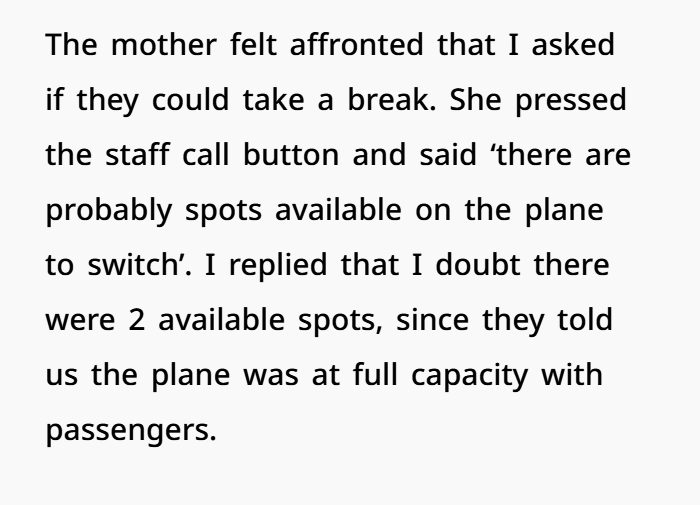
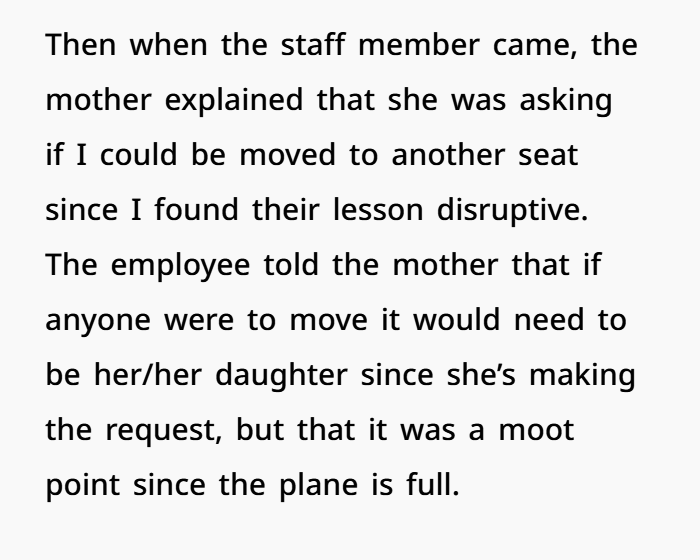
The passenger politely asked if they could take a break because the noise was making it difficult for others to rest. The mother contacted a flight attendant and asked if they could move to another seat, but the flight was completely booked and no other seats were available.
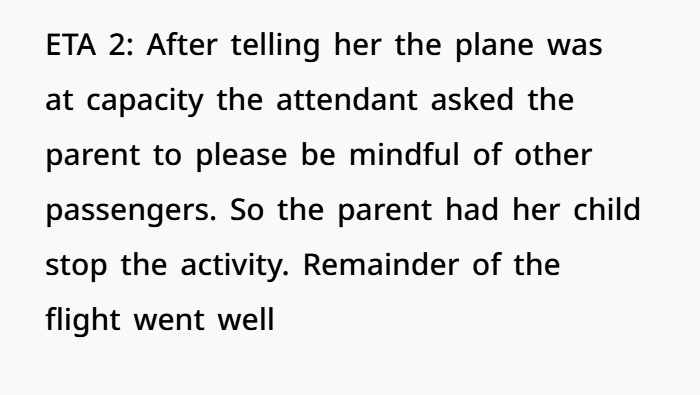
The flight attendant explained the situation and later reminded the parent to be aware of other travelers. After that, the child stopped the reading activity, and the rest of the flight continued peacefully.
The passenger is now wondering if he handled the situation the wrong way or if it is reasonable to expect a quieter environment during a long flight. The situation highlights the importance of good travel manners, passenger comfort, and respectful communication while flying.
Airplane Etiquette, Child Behavior, and Respecting Other Passengers
Flying can be an interesting experience because many different people share the same small space for hours.
Some passengers want to sleep. Some want to work. Others want to watch movies, listen to music, or relax after a long journey.
Parents traveling with children also have challenges. They may need to find ways to keep their kids comfortable and busy during a flight.
Because everyone has different needs, airplane etiquette can sometimes become difficult.
Many flight disagreements are not really about one person being right or wrong. They are usually about finding a balance between helping others and respecting the people around you.
Why Noise Matters During a Flight
Airplanes are not completely quiet places.
Passengers understand that some sounds are normal.
People may talk. Babies may cry. Someone may cough. Flight attendants may make announcements.
These things are part of normal air travel.
The difference is whether the sound can be controlled.
For example, a crying baby is not always something a parent can quickly stop. A person with a health problem is also not trying to disturb others.
However, planned activities can be different.
When someone chooses an activity in a shared space, it is important to think about nearby passengers.
This includes:
- Watching videos without headphones
- Playing music loudly
- Having loud phone calls
- Speaking loudly during quiet times
A child practicing reading is a positive thing. Learning is important.
But the time and place also matter.
During an evening flight, many passengers may want a quieter environment so they can rest.
Understanding the Parent’s Side
Traveling with children can be challenging.
Parents often need to keep children entertained during long flights. A reading activity may be part of a child’s learning routine, homework, or a way to stay busy.
Parents may also feel uncomfortable when strangers comment on their child’s behavior.
They may feel that people are judging their parenting instead of understanding the difficulties of family travel.
That feeling is understandable.
However, there is a difference between criticizing a child and making a polite request.
A passenger asking for less noise does not mean they dislike children or do not support learning.
Sometimes people simply want everyone to feel comfortable during the flight.
Finding Balance in Shared Spaces
Public transportation works because people make small compromises.
Passengers cannot expect complete silence on an airplane.
At the same time, people should also consider how their actions affect others.
The best solution is usually awareness and respect.
For example:
A child quietly reading a book may not bother anyone.
A child repeating words loudly for a long time may be harder for nearby passengers to ignore.
Both activities can be positive, but the volume and timing can make a difference.
Being thoughtful about others can improve the travel experience for everyone.
How Flight Attendants Help With Problems
Flight attendants do more than provide safety instructions and customer service.
They also help manage passenger concerns and keep the cabin comfortable.
When a disagreement happens during a flight, flight attendants usually try to find a simple solution.
They may help passengers communicate or remind everyone about basic travel manners.
Changing seats is not always possible, especially when the airplane is full.
Sometimes a small adjustment is enough to solve the problem.
Good communication can prevent a small issue from becoming a bigger conflict.
How to Make a Polite Request on a Plane
The way people speak to each other matters.
A rude complaint can make another person feel attacked.
A calm request usually works better.
For example:
“Sorry to bother you. I understand you are helping your child, but some passengers are trying to rest. Would you mind lowering the volume for a while?”
This type of approach focuses on the situation instead of blaming someone.
Respectful communication is an important part of good airplane etiquette.
Why Travel Conflicts Become Emotional
Airplane disagreements can become emotional because people sometimes feel personally criticized.
A parent may feel like someone is questioning their parenting.
A tired passenger may feel like their comfort is being ignored.
But many travel conflicts are actually about simple things:
- Noise levels
- Timing
- Personal space
- Respect for others
Children are part of public spaces, and they should be able to learn and enjoy experiences.
Other passengers also deserve a comfortable travel environment.
The goal is not complete silence.
The goal is balance.
The Importance of Good Travel Etiquette
Good airplane etiquette is not about making every person completely happy.
Flights will always have unexpected situations.
A child may become restless. A passenger may need assistance. A baby may cry.
Travel requires patience from everyone.
Parents can support their children while also being aware of nearby passengers.
Other travelers can show understanding while also politely sharing their concerns.
Small changes can make a big difference.
Lowering the volume, choosing quieter activities, and communicating kindly can make flights more comfortable for everyone.
Final Thoughts on Air Travel and Respect
Flying means sharing space with people who have different needs and experiences.
A parent helping a child learn is a good thing.
A passenger wanting a peaceful flight is also understandable.
The best travel experiences happen when people show patience, kindness, and respect.
Airplane etiquette is not about deciding who wins an argument.
It is about understanding that everyone is sharing the same space.
Simple actions, like being mindful of noise and communicating politely, can help create a better flight experience for all passengers.
Comments You Can’t Miss