Boundaries or Bitterness? Refusing to Host My Husband’s Son
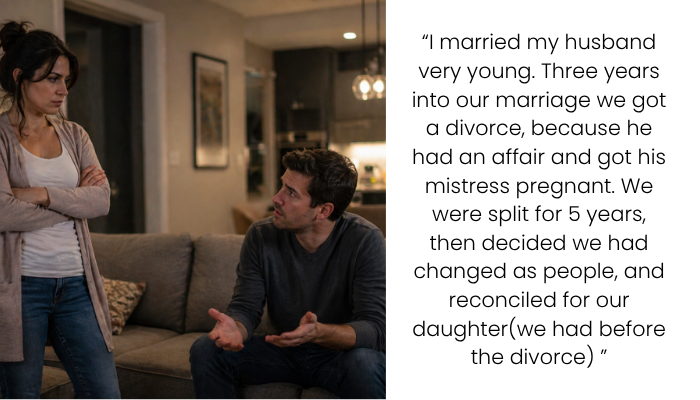
This situation involves a long history of family challenges, relationship struggles, and emotional healing. The woman married young and had a child with her husband. Later, their marriage ended after he had a relationship outside the marriage that resulted in another child. The experience caused a great deal of pain and changed their lives completely. After spending five years apart, both of them built separate lives and worked on personal growth. Eventually, they decided to reconnect and rebuild their relationship. Through time, trust building, and marriage counseling, they reunited and spent the next six years raising their shared child along with the woman’s younger child from a later relationship.
For several years, life seemed more stable. However, an unexpected request brought old emotions back to the surface. The mother of the husband’s other child asked if her son could stay with them for an extended period while she traveled for work. The woman immediately felt uncomfortable with the idea. For her, the request was not only about childcare or co-parenting arrangements. It also reminded her of a painful chapter in her life that she thought was behind her. Her husband viewed the situation differently. He believed helping his son was the right thing to do and felt it was a matter of fairness and family responsibility. As a result, a disagreement developed between them, creating tension within the household. The situation highlights important topics such as blended family challenges, healthy communication, family relationships, mental health, and the ongoing work required to rebuild trust after difficult experiences.


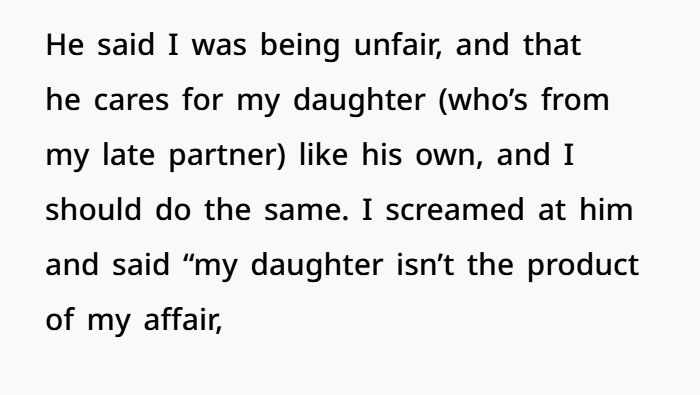
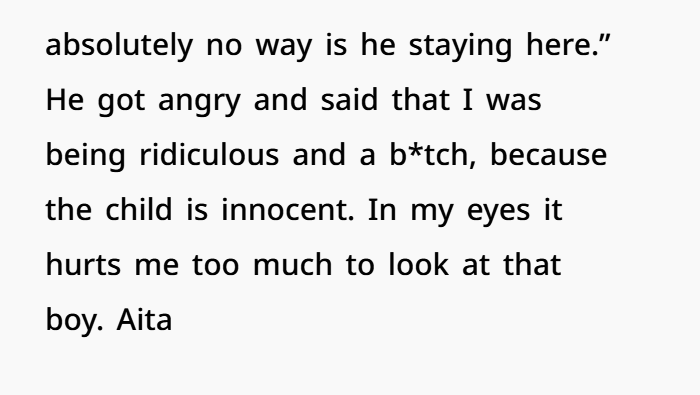
This situation is about much more than a childcare request. At its heart, it involves old emotional pain, family relationships, and the challenges of rebuilding trust after a difficult marriage. Although the couple reconciled years ago and worked through many problems with marriage counseling, some emotional wounds never fully disappeared. Situations connected to the past can sometimes bring back feelings that people thought they had already overcome.
For the wife, this request is not simply about having another child stay in the home. It reminds her of a painful period that changed her life and her marriage. Because of that history, her strong emotional reaction is understandable. Many mental health and family therapy professionals explain that reminders of past relationship problems can bring back feelings of hurt, sadness, and insecurity, even many years later.
At the same time, the husband views the situation differently. He does not see the request as a reminder of the past. Instead, he sees it as an opportunity to support his child. From his perspective, he has a responsibility as a parent and wants to be present when his son needs help.
This difference in perspective is creating much of the conflict. While the wife sees an emotional trigger connected to the past, the husband sees a parenting responsibility in the present. Both viewpoints are based on real feelings and concerns.
One important detail is that the child is not responsible for the circumstances that brought everyone together. Children do not choose the situations they are born into, and they should not carry responsibility for decisions made by adults. Keeping that distinction in mind can help prevent additional family tension.
The larger issue is not whether the wife’s feelings are valid. They are. The challenge is finding a way to balance those feelings with the realities of a blended family. Healthy communication becomes especially important when family members have different emotional experiences connected to the same situation.
Setting personal boundaries is also reasonable. A person can say they are uncomfortable with a particular arrangement without rejecting the needs of others. In many family relationships, finding a solution often involves compromise rather than choosing one extreme position or another.
The disagreement may also highlight conversations that were never fully resolved when the couple got back together. Rebuilding trust after a major relationship challenge often requires ongoing communication. Sometimes issues that seemed settled can return years later in a different form.
Family counseling and co-parenting discussions may help both partners better understand each other’s concerns. A neutral setting often allows people to talk openly about difficult topics without turning every conversation into an argument.
There may also be practical solutions that respect both perspectives. Temporary arrangements, shared responsibilities, or clearly defined boundaries could help reduce stress while still supporting the child’s needs. Every family is different, and the best solution is usually one that considers everyone’s well-being.
At its core, this situation is about trust building, blended family dynamics, parenting responsibilities, and emotional healing. It is not simply a disagreement about one visit. It is a reminder that rebuilding a marriage after a painful experience requires ongoing effort, patience, and healthy communication from both partners.
Moving forward, the most important step may be listening to each other without dismissing the emotions involved. When both people feel heard and respected, it becomes much easier to find a solution that supports the family while also protecting emotional well-being.
The Comments Are In