
AITA for Leaving Dinner Early After Friends Called Her the “Backup Friend”?
A 23-year-old woman faced a painful moment during a dinner with her longtime friends when a joke about her place in the group went too far. What started as normal teasing quickly turned into comments about her being the “backup friend” — someone people only contacted when their first choices were unavailable.
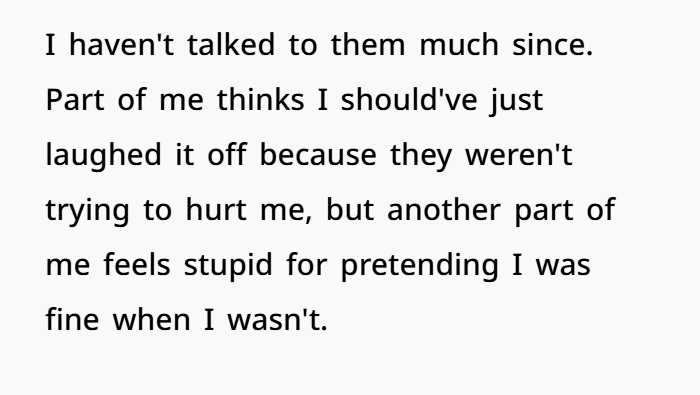
At first, she laughed along because she did not want to ruin the mood. But as her friends continued bringing up old examples of being left out, the joke started feeling less like friendly teasing and more like a public reminder of something she already worried about.
She eventually left the dinner early, later explaining that the comments hurt her feelings. Her friends said she was taking the joke too seriously, but she felt they ignored the fact that jokes can still cause real emotional damage.
The story sparked a bigger conversation about friendship, respect, personal boundaries, and knowing when a joke crosses the line.

Many friend groups tease each other as a way of showing closeness. Light jokes can create strong bonds when everyone feels respected and included. But teasing becomes different when one person becomes the main target and the joke focuses on a personal insecurity.
In this situation, the problem was not simply that her friends made a joke. The painful part was that several people joined in and started listing moments that supported the idea that she was less important in the group.
Feeling ignored or unwanted by friends can be deeply upsetting. Research on social connection shows that people naturally need a sense of belonging and acceptance in their relationships. The American Psychological Association relationships and social connection resources explains that healthy relationships are linked with emotional well-being and support.
The woman also admitted something many people experience: she laughed even though she was hurt. This often happens when someone does not want to appear sensitive or create tension in a group.
Why Leaving Early Was Understandable
Some people reading the situation may think she should have stayed and ignored the comments. After all, her friends may not have planned to hurt her.
But intentions are only one part of communication. The impact of words also matters.
A person can make a joke without realizing it touches a sensitive subject. However, once someone explains that a comment was hurtful, a caring response usually involves listening instead of immediately saying they are “too sensitive.”
Healthy communication often requires people to talk openly about uncomfortable feelings. The HelpGuide communication skills guide discusses how honest conversations and active listening can help people handle conflicts in relationships.
Leaving the dinner was not necessarily about punishing her friends. It was a way for her to remove herself from a situation where she felt embarrassed and uncomfortable.
The Bigger Issue: Feeling Like a Second Choice
The phrase “backup friend” can hurt because it attacks a person’s feeling of value in a friendship.
Friendships are not only about how often people spend time together. They are also about feeling respected, remembered, and wanted.
If someone repeatedly feels like they are only contacted when others are unavailable, that feeling can slowly damage their confidence and trust. Even if friends do not see it that way, ignoring those feelings can create distance.
The situation became worse because her friends focused on whether the joke was “technically true” instead of understanding why it affected her.
A strong friendship does not require everyone to agree all the time. But it does require people to care when someone says, “That hurt me.”
Was She Wrong for Being Upset?
The discussion around this story mostly depends on how people view friendship jokes.
Some may argue that her friends were only teasing and that she could have handled the situation differently by speaking up at the table.
Others believe she was reasonable because the joke was repeated, personal, and based on real experiences of being left out.
The important detail is that she did not leave because of one small comment. She left after several people continued a joke that made her feel unwanted.
A person does not need permission from others to feel hurt. At the same time, friendships often improve when people explain their feelings before walking away completely.
What Happened Afterward
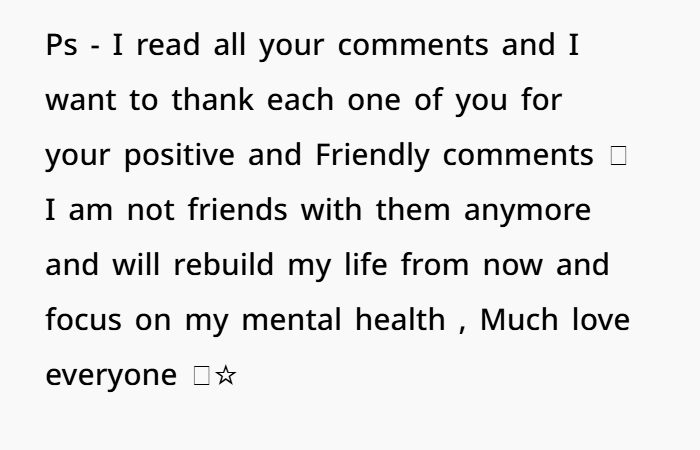
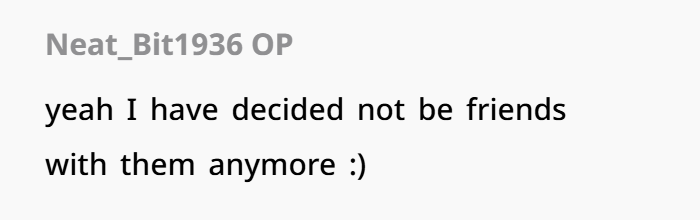
After reading comments from others, the woman shared an update saying she decided to end those friendships and focus on rebuilding her life and protecting her mental health.
Her decision shows how one uncomfortable moment can reveal bigger problems that may have existed for a long time.
Friendships change as people grow older. Sometimes people realize that a group they once felt comfortable with no longer makes them feel valued.
This story is a reminder that humor should bring people closer, not make one person feel smaller.
See the comments to know what people said
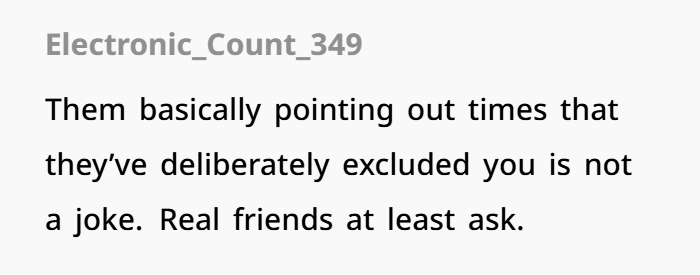
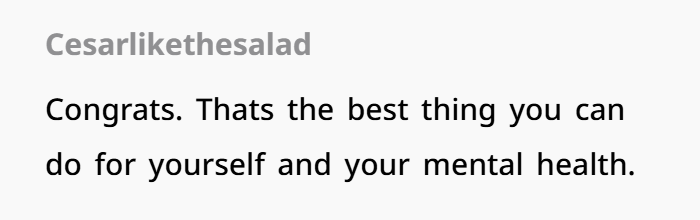
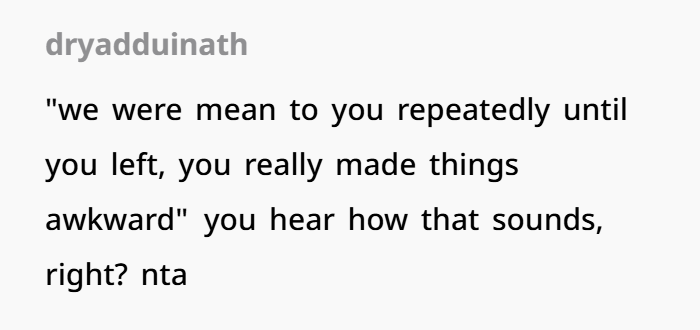
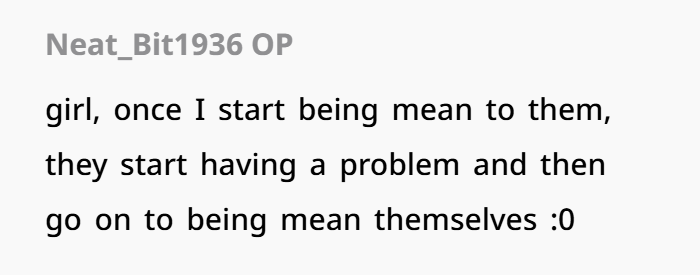
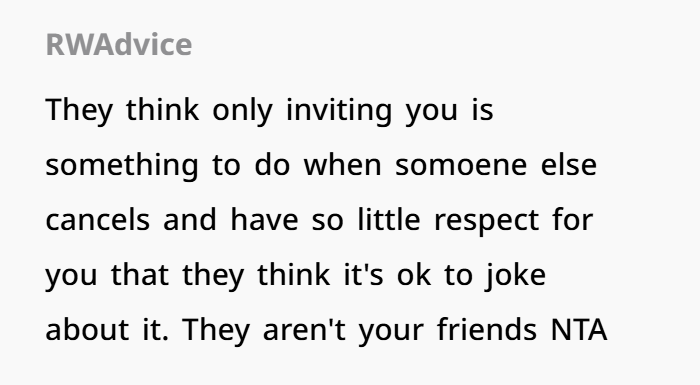
The woman was not upset because someone made a joke. She was hurt because the joke touched on a fear that she already carried and because the people around her continued after seeing her laugh uncomfortably.
Good friends can joke with each other, but they also know when to stop.
A healthy friendship should feel safe, supportive, and balanced. When someone feels like they are always the second choice, it may be worth looking closely at whether that relationship is truly making them happy.