She Tried To Scare An Artist With A Lawyer Demand And Got A Surprising Letter Instead
For an artist, seeing someone appreciate and buy their artwork can be an exciting moment. However, it can become stressful when an artwork is sold without the artist’s knowledge or approval.
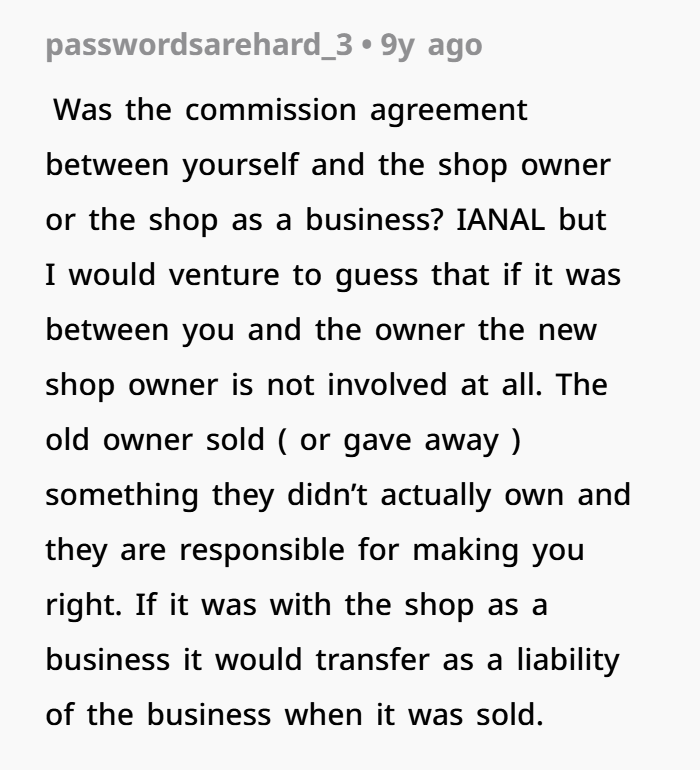
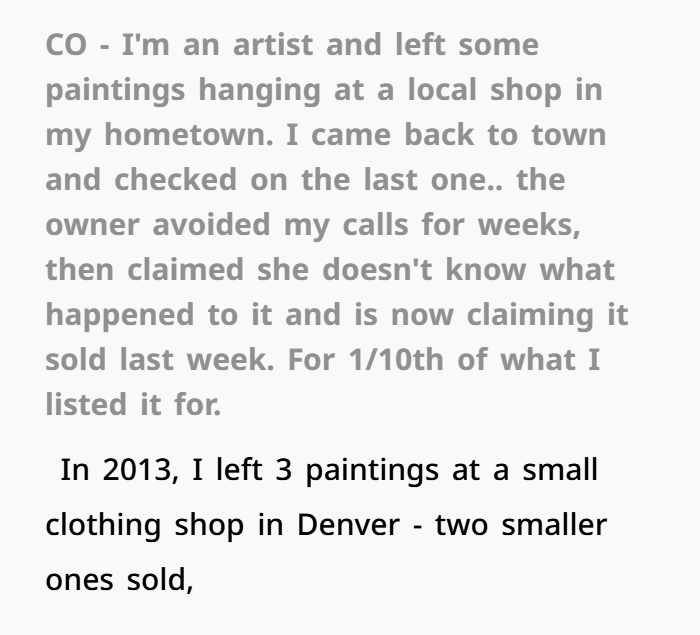
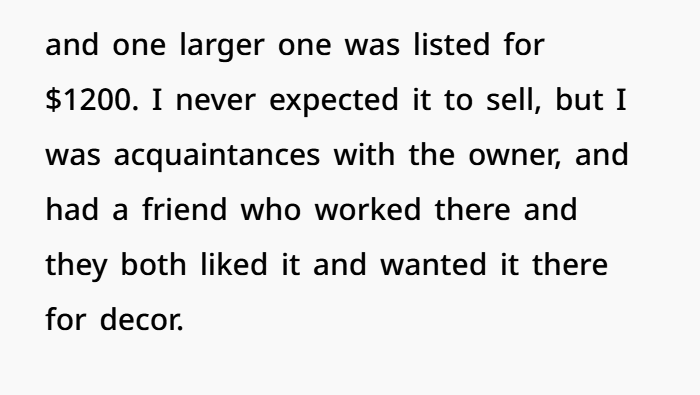
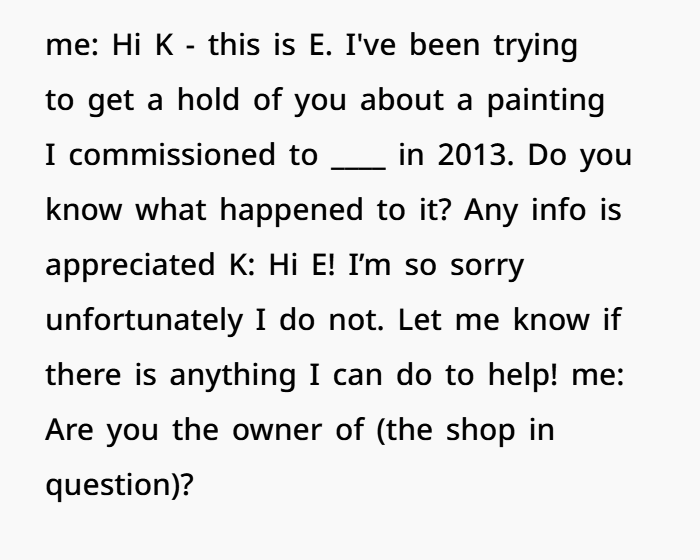
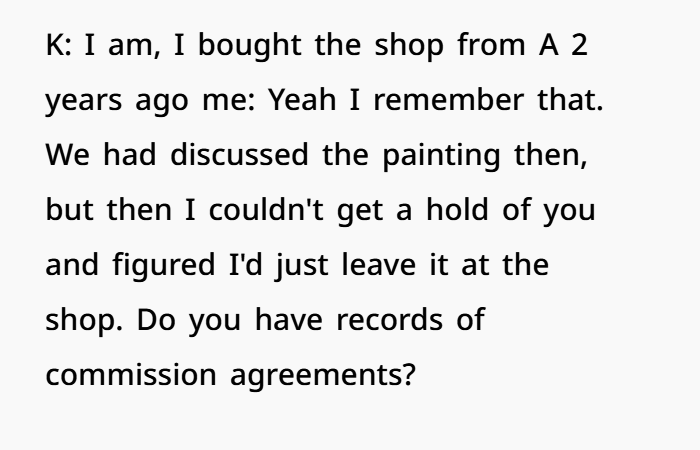
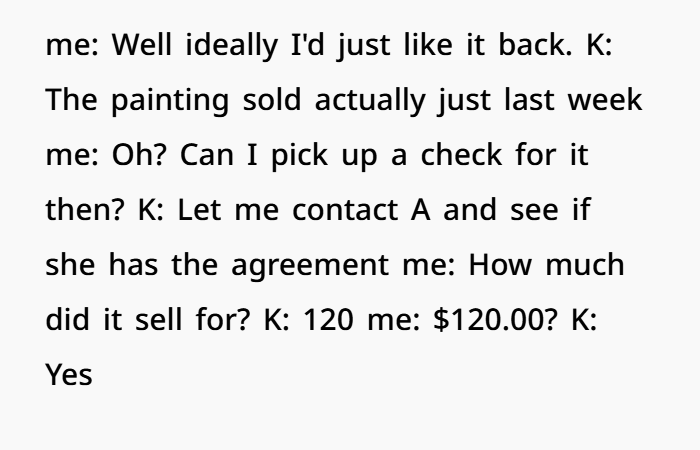
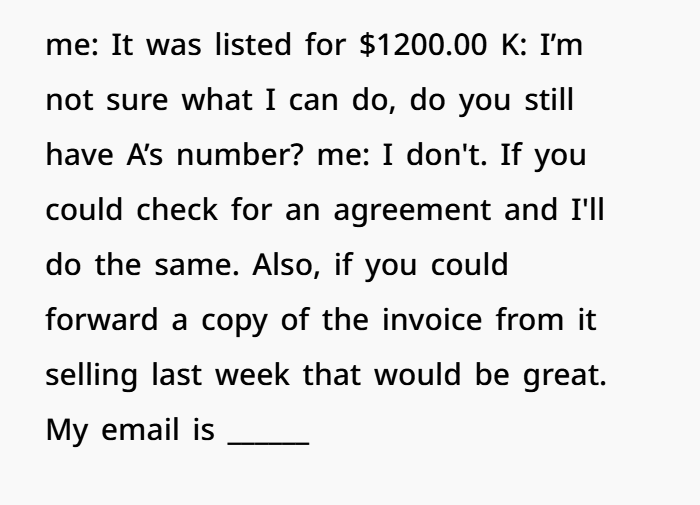
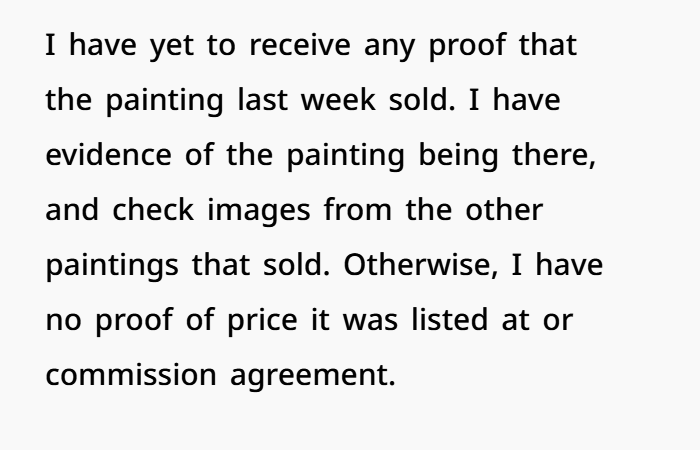
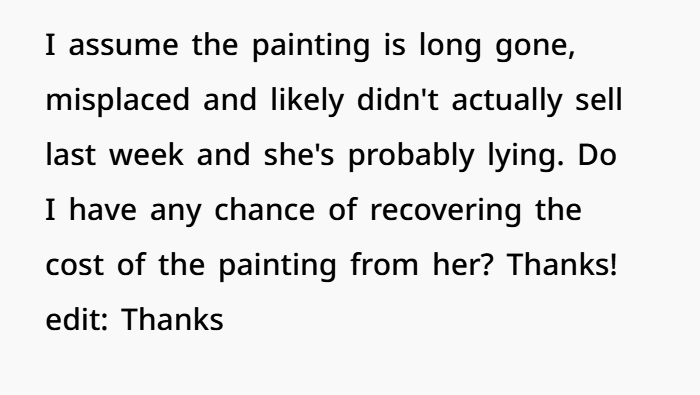
One artist faced this situation after discovering that one of their paintings had been sold by a store without permission. The artwork was reportedly sold for much less than its expected value, and the artist did not know where the painting had gone.
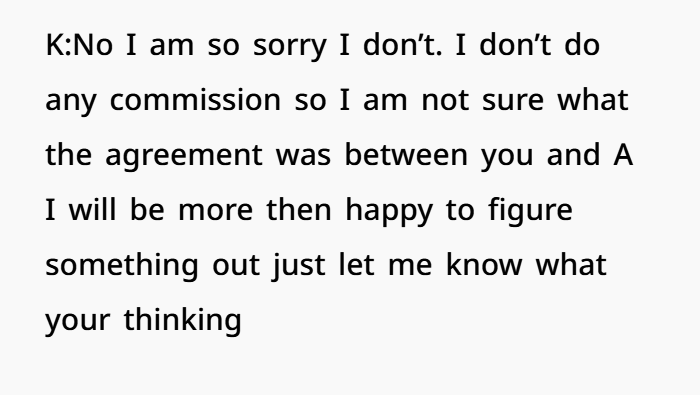
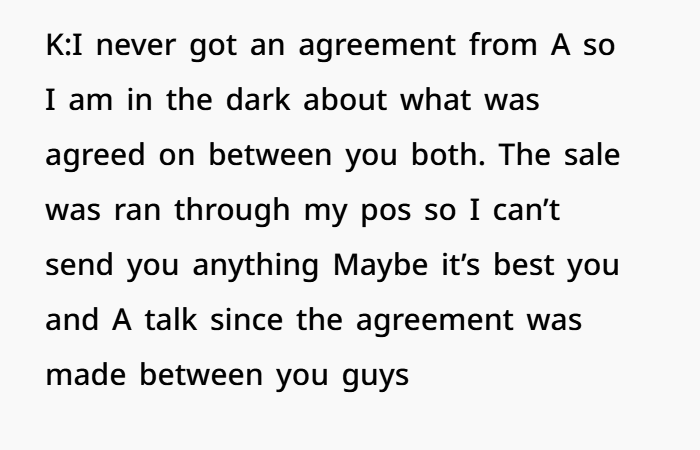
The artist tried contacting the store owner to understand what happened. However, getting clear answers was difficult, which made the situation more complicated. The artist then looked for advice about their legal rights, artwork ownership, and intellectual property protection.
The story shows why artists should keep clear records, understand copyright protection, and have written agreements when displaying artwork in galleries, shops, or other public spaces.

What Artists Should Do When There Is a Problem With Artwork Sales
Selling artwork through a shop or gallery can help artists grow their business and reach new customers. However, artists should always keep proper records to protect their work, money, and creative rights.
If an artist has a disagreement with a store about a painting or other artwork, the first step is to save all communication. Taking screenshots of text messages, emails, and other conversations can help keep important proof of what was discussed.
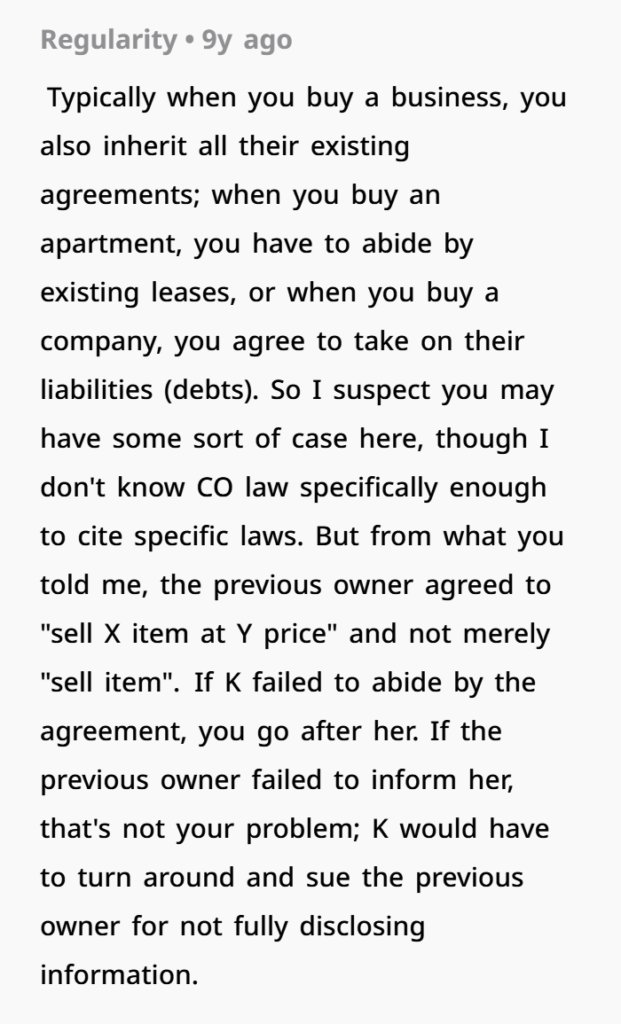
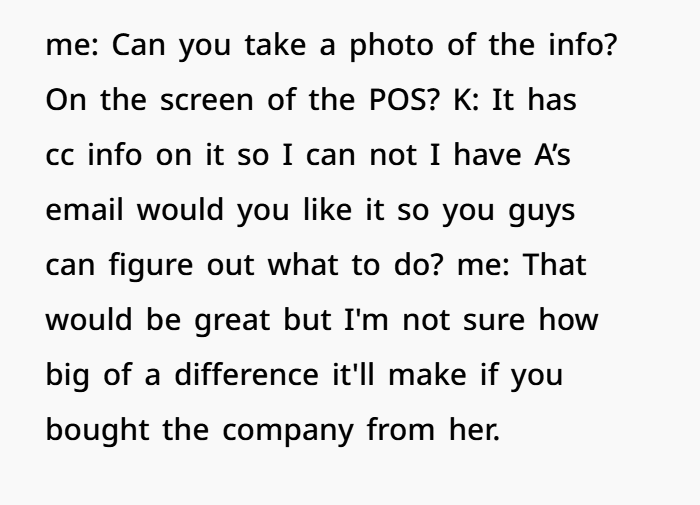
The artist should also try to contact the original shop owner. There may still be an old contract, email conversation, invoice, or other document that explains the agreement. For example, an email showing the original artwork price can help confirm the value of the piece.
Artists should also check their local art consignment laws. Rules can be different in each state, but many areas have protections for artists who place their work in galleries, shops, or other businesses. These laws may explain how artwork should be handled and what responsibilities a store has.
Why Artists Need Written Agreements
A written consignment agreement is one of the best ways for artists to protect their artwork.
A clear contract should explain:
- The name and details of the artwork
- The selling price
- The payment terms
- The store’s commission
- How long the artwork will be displayed
- What happens if the artwork is not sold
Having everything in writing can prevent misunderstandings between artists and business owners.
When a shop changes ownership, it is especially important to create a new agreement with the new owner. A previous verbal agreement may not provide enough protection because the new owner may not know the original details.
Using a Demand Letter to Solve a Dispute
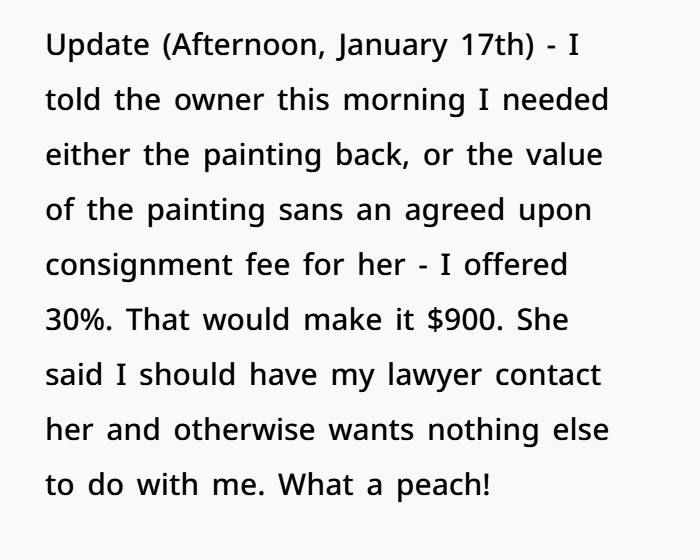
If the problem cannot be solved through normal communication, an artist may send a formal demand letter.
A demand letter is a professional way to explain the issue and request a solution. It can include details about the artwork, the amount owed, and a deadline for returning the artwork or completing payment.
This type of letter can show that the artist is serious about protecting their rights. It may also create useful documentation if the dispute continues.
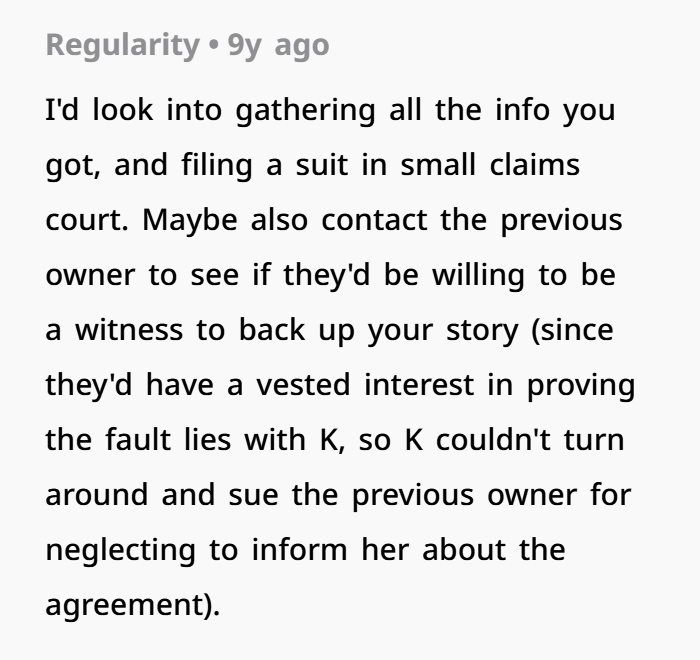
For smaller financial disputes, small claims court may be an option in some locations. This type of court is often used for cases involving limited amounts of money and may not require expensive legal representation.
Keeping Proof of Artwork Transactions
Good records are important for every artist who sells work through retailers.
Important documents may include:
- Sales receipts
- Invoices
- Inventory lists
- Contracts
- Payment records
- Emails and messages
If there is a disagreement about the sale price or payment, these records can help explain what happened.
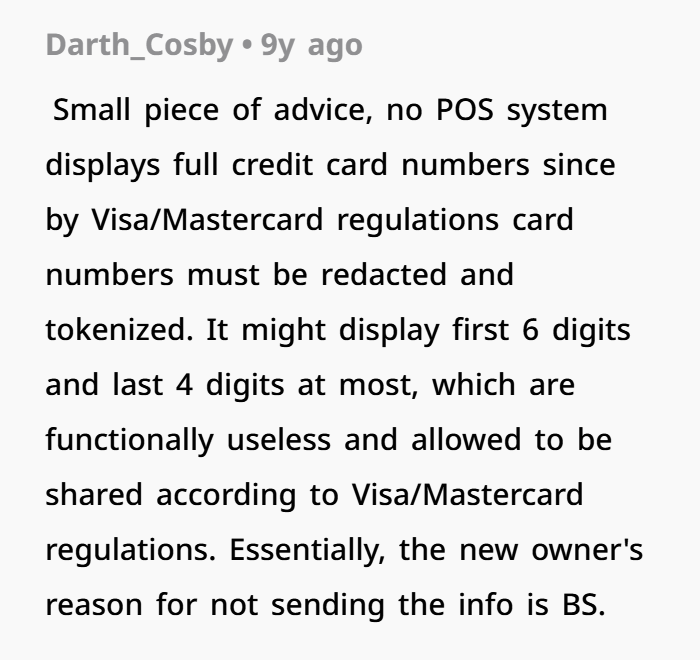
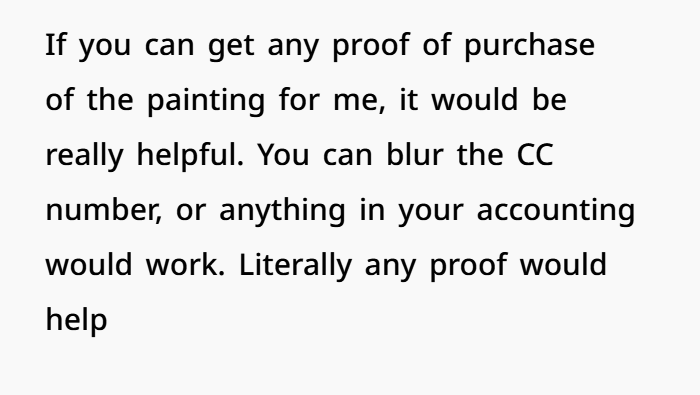
A business may also be able to provide proof of a sale while protecting customer information. For example, a receipt can show important transaction details without revealing private payment information.
If a store refuses to provide information or return artwork, an artist may want to speak with a legal professional. A qualified attorney can explain available options based on local laws and the details of the situation.
Important Lessons for Artists Selling Their Work
This situation shows why artists should treat their artwork like a valuable business asset.
Keeping copies of all contracts and documents is extremely important. Digital storage, such as a secure cloud folder, can help protect records from being lost.
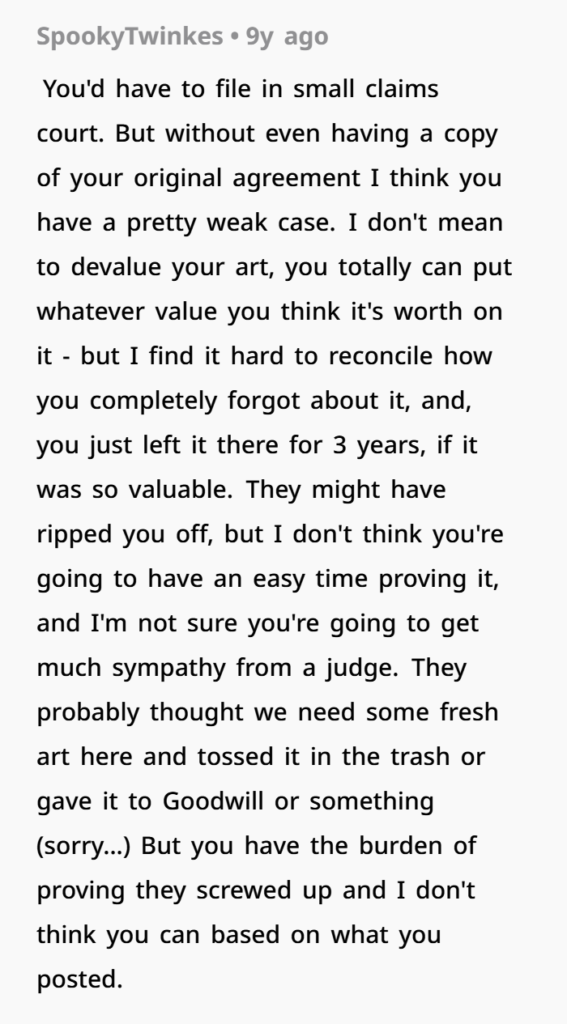
Artists should also regularly check on artwork placed in shops or galleries. Leaving artwork in a business for many years without communication can create confusion about ownership, sales, and payments.
Regular updates with retailers can help maintain a professional relationship and prevent problems before they become serious.
Building a Strong Art Business
Being a successful artist requires more than creativity. Good business habits are also important.
Paperwork may not be the most exciting part of creating art, but it helps protect an artist’s time, effort, and income. Every artwork placed for sale should have clear information about its value, ownership, and payment agreement.
By staying organized, understanding art consignment rules, and keeping strong records, artists can protect their work and build a more successful creative business.
What The Internet Thinks